For every investor entering the world of precious metals, there's an initial moment of confusion. You see the live "spot price" of gold or silver scrolling across a financial news channel, but when you go to buy a coin or bar, the price you're quoted is higher. This difference is not a secret fee or a bait-and-switch; it's the fundamental pricing structure of the entire precious metals industry.
The final price of any bullion product is determined by two distinct and crucial components: its Spot Price and its Premium.
Understanding the difference between these two elements is the most important first step toward becoming a confident and strategic investor. It allows you to see not just a price, but a value proposition. This definitive guide from PeerMetals will demystify this core concept, empowering you to know exactly what you're paying for and why.
Spot Price - The Global Heartbeat of the Market
The spot price is the foundation of all precious metal pricing. It represents the current, live market price for one troy ounce of a metal in its raw, unfabricated, and unrefined form, ready for immediate delivery.
How is the Spot Price Determined?
The spot price is set by the massive, continuous trading of futures contracts on global commodities exchanges, with the COMEX in New York being the most influential. It is a dynamic price, fluctuating every second based on a confluence of global factors:
-
Supply and Demand: The balance between the output from mining operations and the demand from industrial sectors, central banks, and investors.
-
Economic Conditions: Key data like inflation rates and interest rate decisions from central banks directly impact demand for metals as a monetary hedge.
-
Geopolitical Stability: During times of global uncertainty or conflict, investors often flock to the safety of precious metals, driving the price up.
-
Currency Markets: Since metals are primarily priced in U.S. dollars, the relative strength or weakness of the dollar can influence the spot price.
Think of the spot price as the universal "wholesale" price of the raw ingredient. It's the essential baseline, but it doesn't account for the cost of turning that raw metal into the finished product you can hold in your hand.
PeerMetals Insight:
"The spot price is the great equalizer—a transparent, globally recognized benchmark that ensures a level playing field for every investor. On the PeerMetals marketplace, the live spot price is the constant, visible heartbeat around which our community trades. It provides a baseline of fairness and clarity, allowing investors to focus on the other components of value."
The Premium - The Cost of Transforming Metal into an Asset
The premium is simply the amount charged over the spot price. It represents the total cost of taking raw metal, refining it, manufacturing it into a specific product, and delivering it securely to the marketplace. The premium is not arbitrary; it is a necessary component that covers a multitude of real-world costs.
What's Included in a Premium?
-
Refining and Fabrication: The significant costs associated with running a mint or refinery. This includes purifying the metal to .999+ fineness, melting it, and then casting, rolling, and striking it into a bar, coin, or round.
-
Operational Costs: The labor, machinery, engineering, and quality control required to produce a high-quality, investment-grade product.
-
Distribution and Security: The costs of securely shipping insured precious metals from the mint to a distributor and then to a retail dealer.
-
Dealer Overhead and Profit: The margin a dealer requires to operate their business, which includes inventory costs, staffing, marketing, and a small profit to stay in business.
The premium is the difference between the raw ingredient cost (spot) and the final, finished good (the coin or bar).
PeerMetals Insight:
"A premium should never be viewed as a mysterious surcharge. It is the transparent 'cost of creation.' It represents the skill, technology, and security needed to turn a raw commodity into a trusted financial asset. Understanding what a premium covers is the key to appreciating the value proposition of a finished bullion product."
A Direct Comparison: Spot Price vs. Premium
This table breaks down the fundamental differences between the two concepts.
| Feature | Spot Price | Premium |
| Definition | The live market price of one ounce of raw metal. | The cost is above the spot price for a finished product. |
| Determined By | Global commodities markets (supply, demand, economics). | Manufacturing, distribution, and retail costs. |
| What It Represents | The intrinsic value of the metal itself. | The cost of transforming the metal into a tradable asset. |
| Variability | Fluctuates constantly throughout the day. | Generally more stable, but can change with market conditions. |
| Purpose for Investor | A universal benchmark for the metal's base value. | A variable cost to consider when choosing a specific product. |
Why Premiums Vary: A Strategic Guide for Investors
Not all premiums are the same, and understanding why they differ is crucial for making smart purchasing decisions.
-
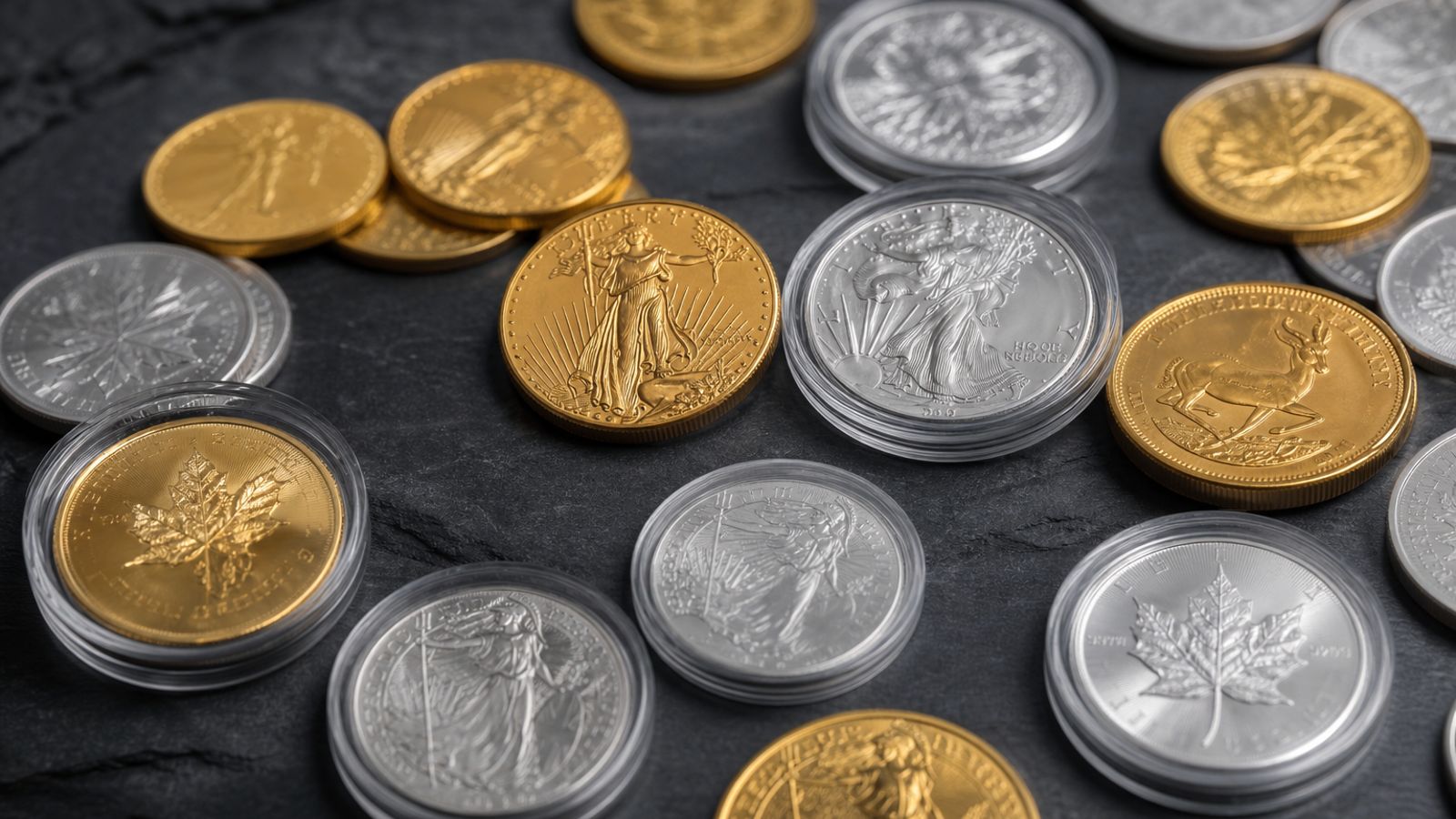
By Product Form: A large, 100-ounce silver bar is simple to produce, so its premium per ounce is very low. A 1-ounce American Silver Eagle coin, with its intricate design and high production standards, has a higher fabrication cost and thus a higher premium.
-
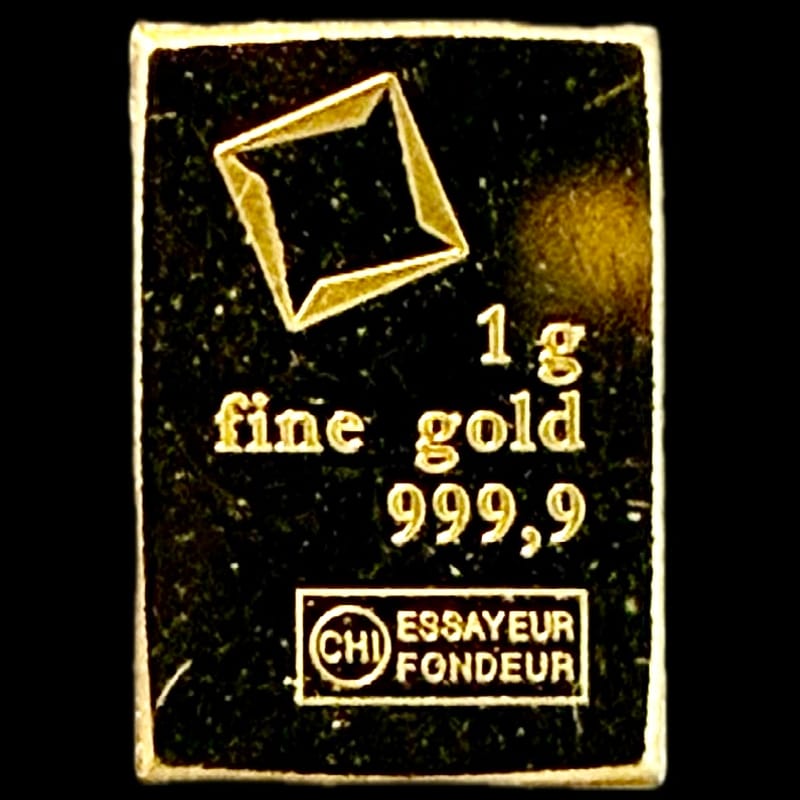
By Product Size: This is a critical concept. A 1/10 ounce gold coin has a much higher premium as a percentage than a 1-ounce gold coin. This is because the fixed costs of minting and handling are the same, but they are spread over a much smaller amount of metal. Therefore, buying larger sizes is a more cost-effective way to acquire metal.
-
By Mint Source: Sovereign coins from government mints (like the U.S. Mint) often have higher premiums than rounds from private mints. This is because you are paying for the government's guarantee of weight and purity, advanced security features, and global brand recognition.
-
By Market Conditions: Premiums are not static. During periods of extremely high demand and tight supply (as seen during the 2008 financial crisis or the 2020 pandemic), premiums can rise significantly, even if the spot price is stable. This reflects the scarcity of the finished product, not just the raw metal.
PeerMetals Insight:
"A savvy investor doesn't just hunt for the lowest premium; they understand what they are getting for the premium they are paying. The higher premium on a sovereign coin is a direct purchase of trust and liquidity. The lower premium on a large bar is a reward for buying in bulk. On the PeerMetals marketplace, the visibility of different products and their associated premiums allows you to make a conscious, strategic choice about which of these benefits you want to prioritize."
PeerMetals Final Thoughts: From Price Taker to Informed Investor
The simple equation Spot Price + Premium = Final Price is the key to unlocking the precious metals market. When you understand these two components, you move from being a passive price taker to an active, informed investor. You can analyze any product and know exactly what you are paying for: a base amount for the raw metal and a specific amount for its creation, security, and delivery.
This knowledge empowers you to build a portfolio with intention. You can choose to maximize your ounces with low-premium bars, or you can opt for the supreme confidence and liquidity of sovereign coins. You can see why fractional coins are more expensive per ounce and plan accordingly.
At PeerMetals, our mission is to build a community of these informed investors. We provide a transparent marketplace where the relationship between spot price and premium is clear, allowing you to execute your strategy with the power and confidence that comes from true understanding.
Ready to invest with clarity? Explore the wide range of bullion products on the PeerMetals marketplace and see how understanding spot vs. premium can help you build a smarter stack today!