Copyright © PeerMetals 2026
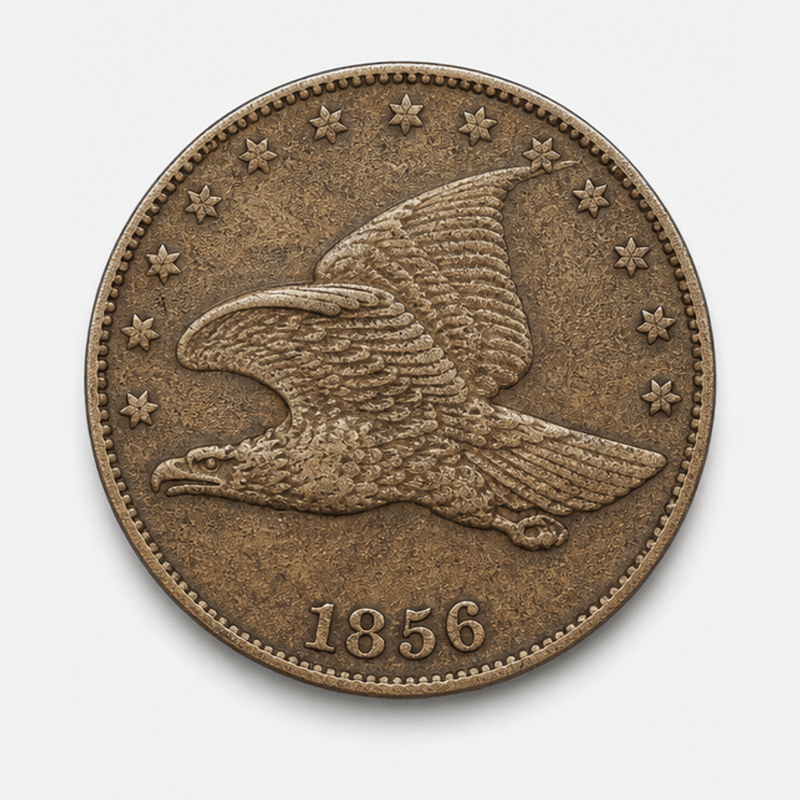
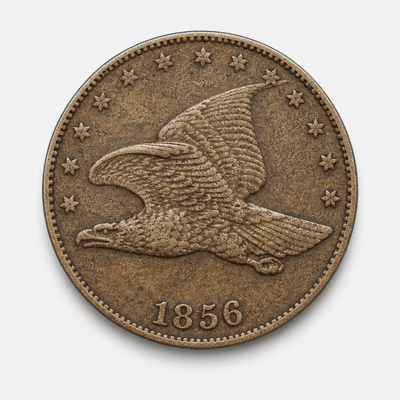
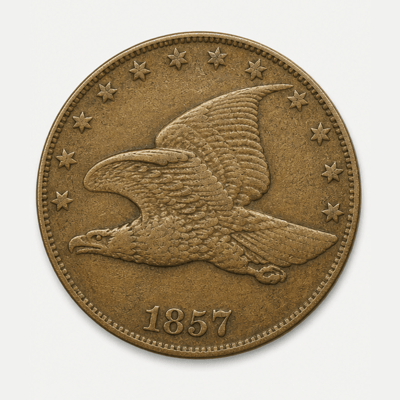
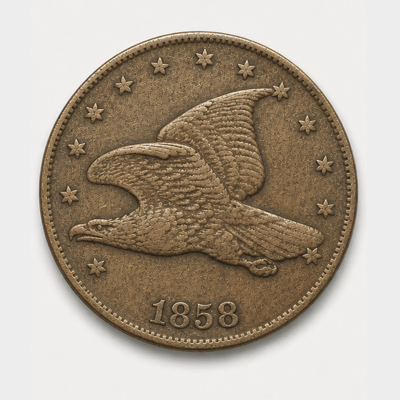
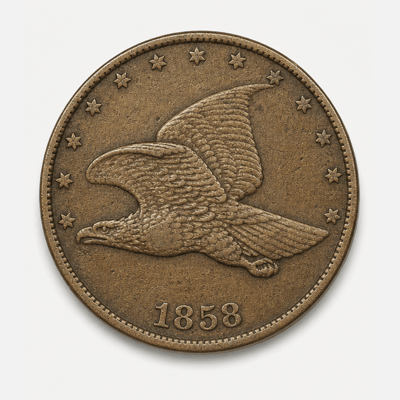
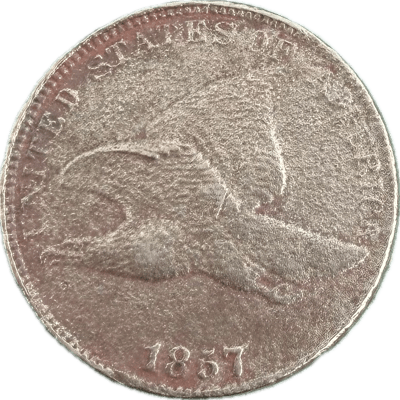
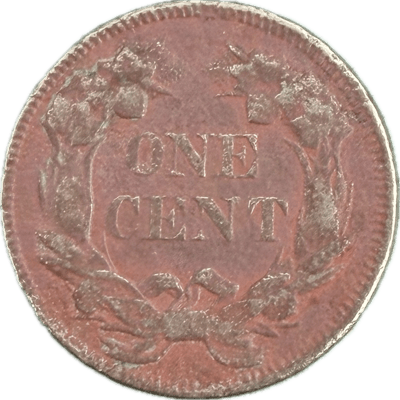
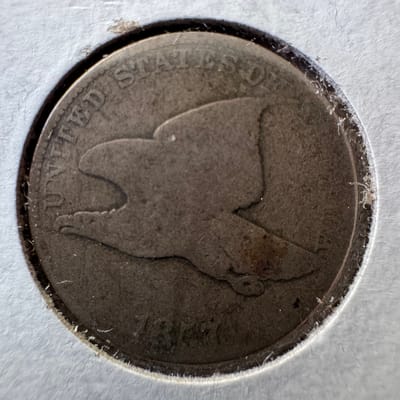
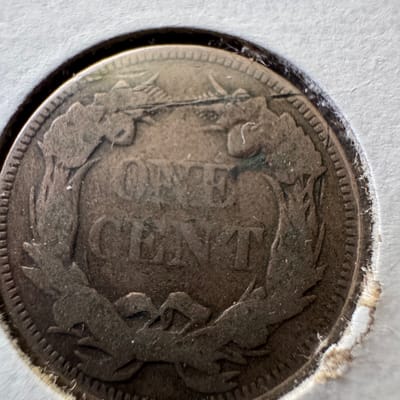
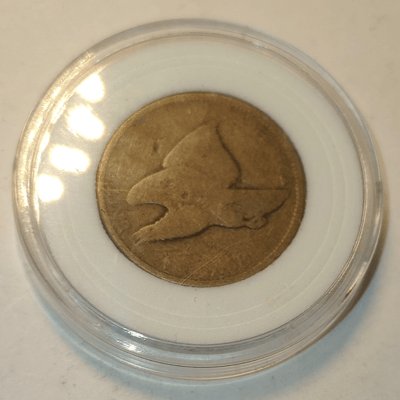
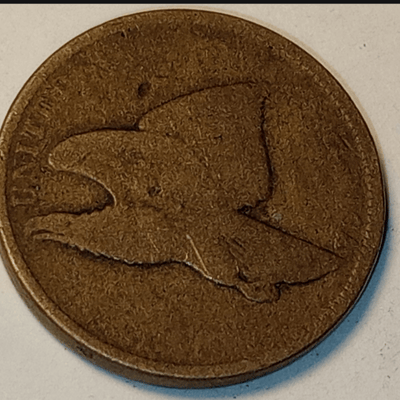
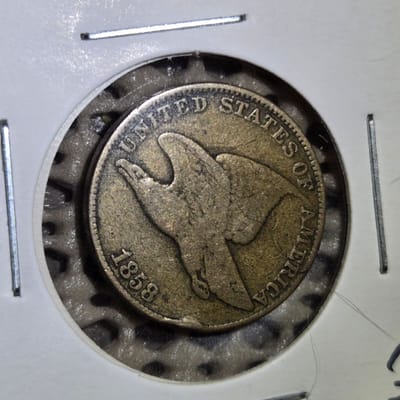
The first small-size US cent, replacing the old large copper cent that had grown too expensive to produce at face value. Struck for only three years, its short run and famous 1856 issue -- technically a pattern coin struck before Congress had even authorized the new size -- make it one of the shortest, most tightly collected series in American numismatics. James B. Longacre's flying eagle design was replaced by his own Indian Head design starting in 1859.
Every date below is a recognised key date or variety. Common dates from the same series are worth far less and are usually valued closer to their metal content.
Live listings from sellers on the marketplace
About Flying Eagle Cent values
The 1856 tops this series: a top-grade example is estimated around $30,623. Condition drives that figure — the same date in worn condition is worth a fraction of it, which is why each guide shows a range rather than a single number.
By mintage, the 1856 is the scarcest key date tracked here, with 2,000 struck. Mintage is coins struck rather than coins surviving, though — melting and circulation wear thin those numbers further, so survival estimates run lower still.
This guide covers 4 key dates and varieties from the Flying Eagle Cent series (1856–1858). Common dates from the same series are worth far less and are usually valued closer to their metal content.
Grading takes practice, and the gap between adjacent grades is real money on a key date. Compare your coin against the photographs on each date's page, and for anything potentially valuable consider having it certified by PCGS or NGC — a graded coin settles both authenticity and condition in one step.
List it free on PeerMetals — flat 2.75% seller fee, zero listing fees, 1–3 day payouts.
Every US series with key dates priced here.