Copyright © PeerMetals 2026
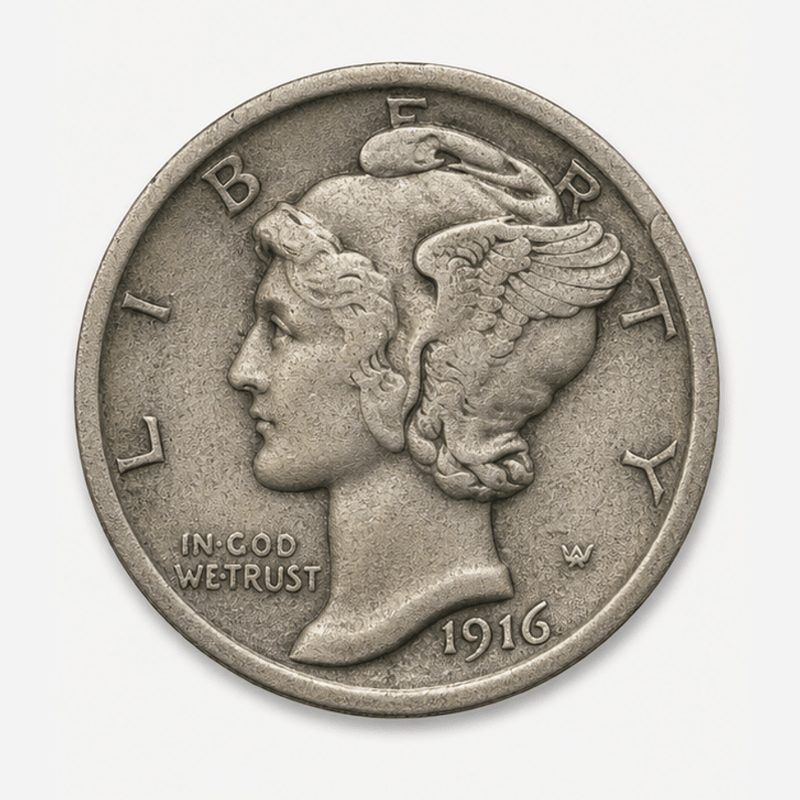
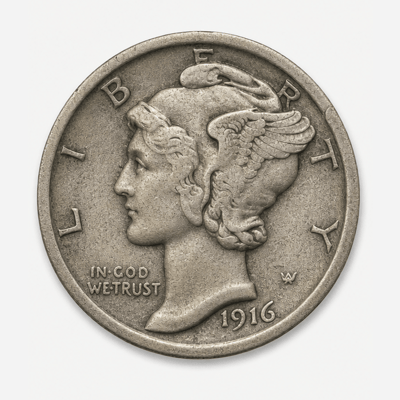
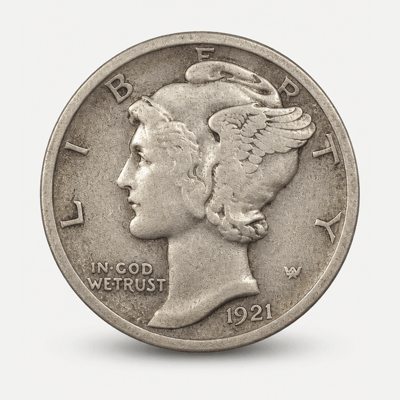
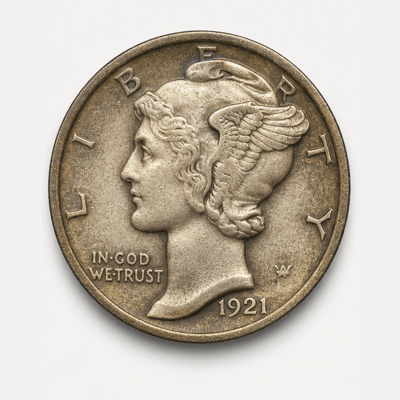
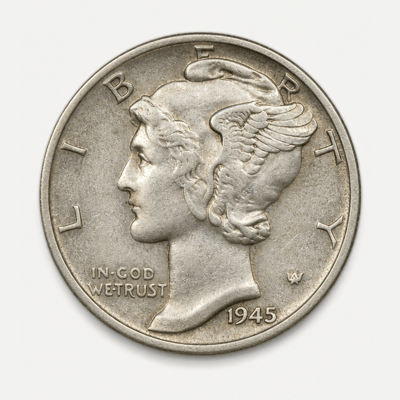
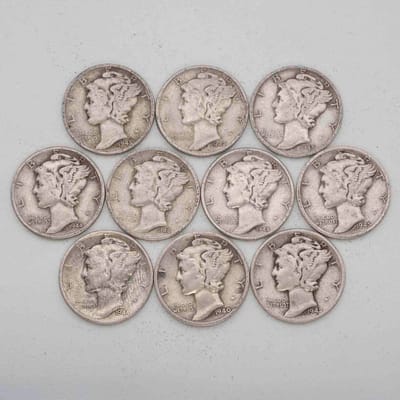
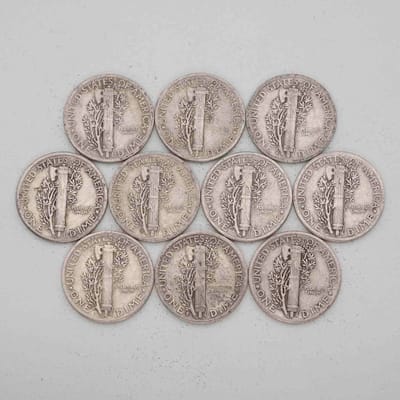
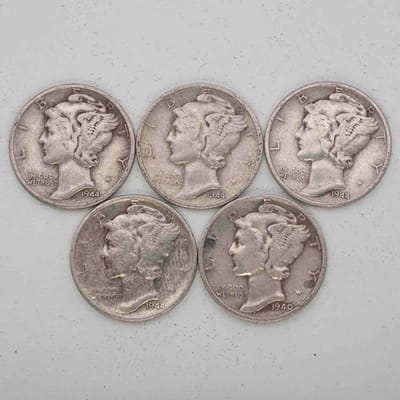
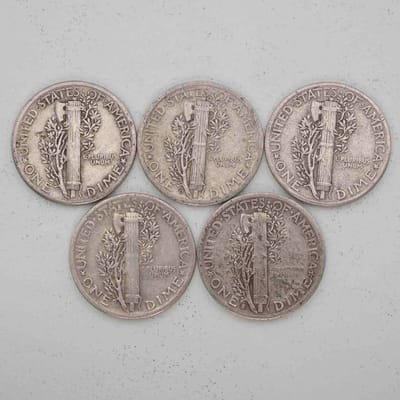
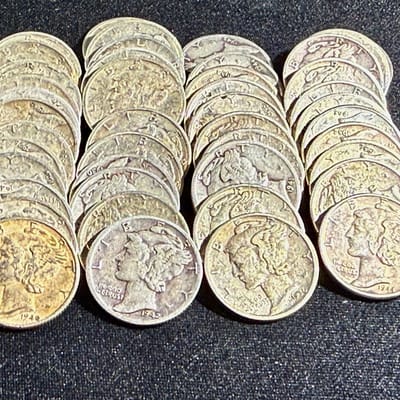
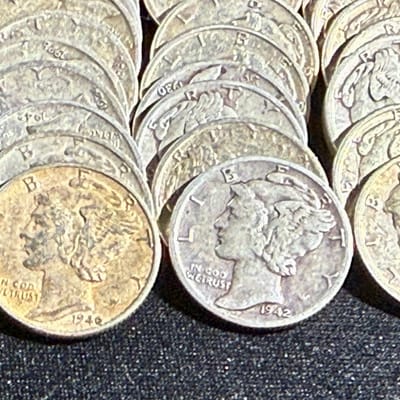
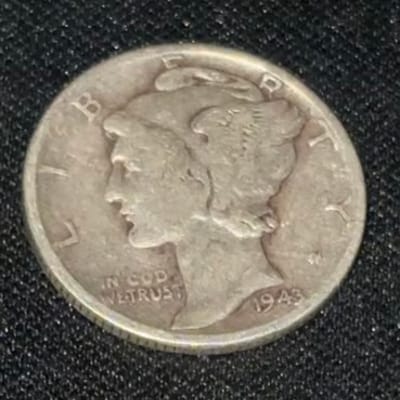
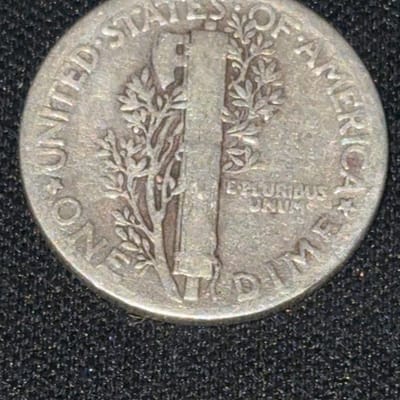
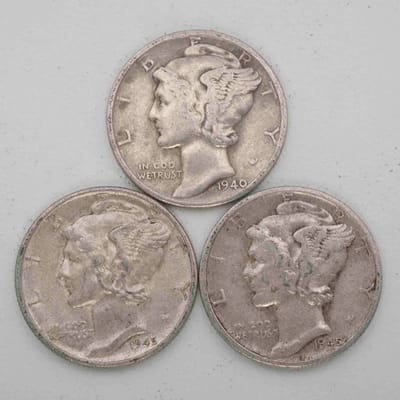
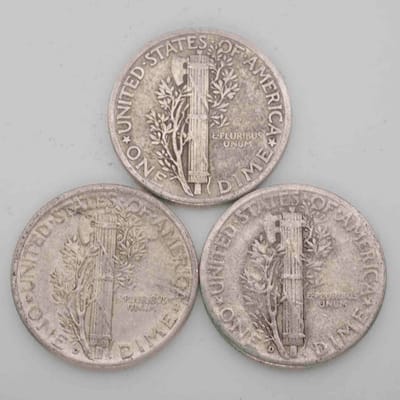
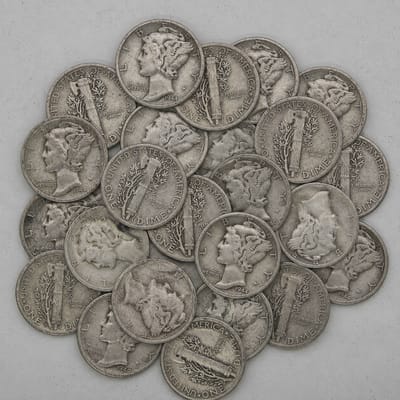
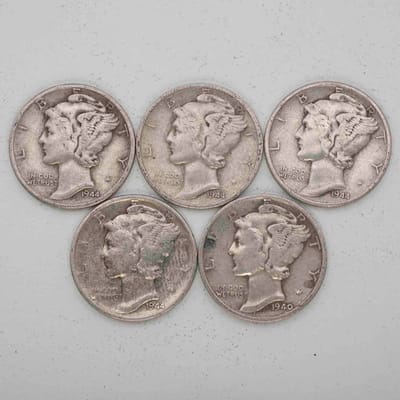
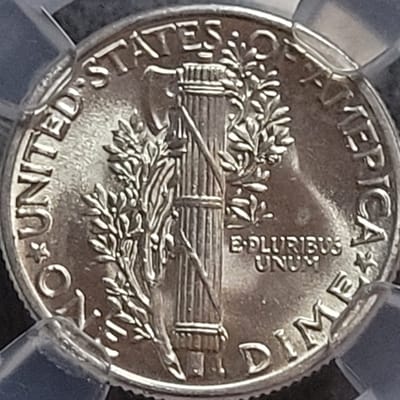
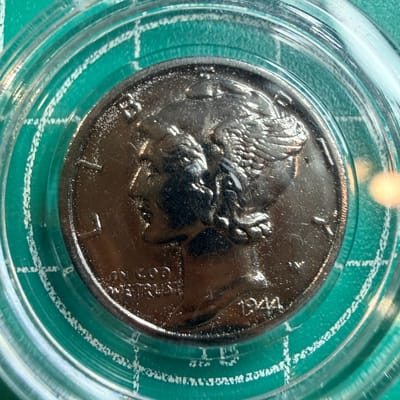
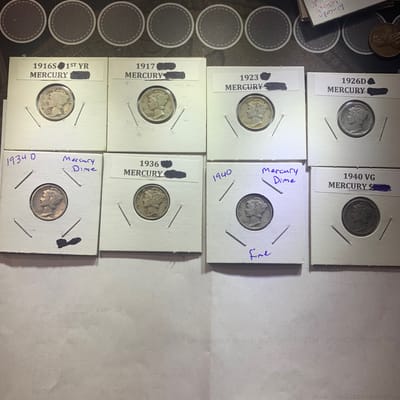
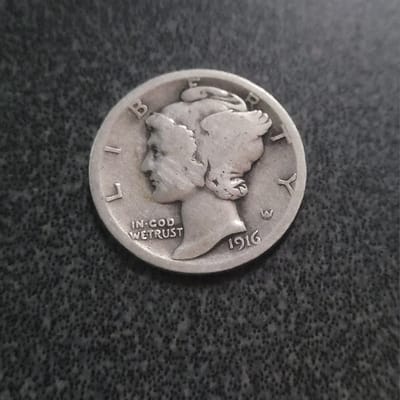
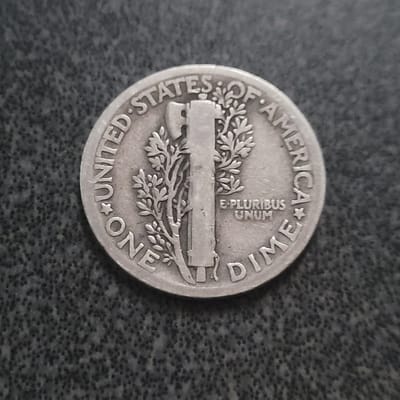
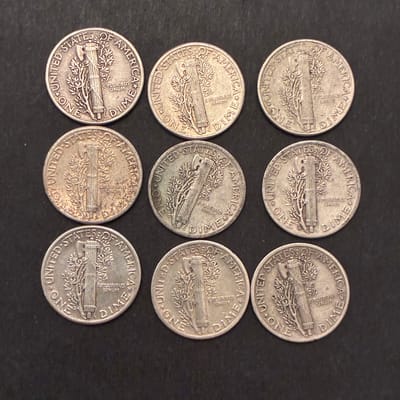
Mercury dimes, designed by Adolph Weinman and struck from 1916 to 1945, are 2.5 grams of 90 percent silver, and each one holds 0.0723 troy ounces of pure silver. At a silver spot price of $65.44 per ounce on 3 September 2026 that is about $4.73 in metal, and most dates from the 1930s and 1940s, struck in the tens of millions, trade close to that number. JM Bullion lists common dates such as 1944 and 1945 at $2.25 in Good, $3 in Fine, $3.25 in Extremely Fine and $4.50 uncirculated, figures that now sit below melt, and on PeerMetals on 3 September 2026 circulated Mercury dimes were listed at $5.15 to $5.83 each. Three dates carry real premiums. The 1916-D, with only 264,000 struck at Denver, lists at $1,000 in Good, $2,600 in Fine, $6,000 in Extremely Fine and $9,000 uncirculated on JM Bullion, and Premier Gold Silver and Coin warns it is the most counterfeited dime in the series. The 1921 lists at $65 in Good and $925 uncirculated, and the 1921-D at $80 in Good and $1,250 uncirculated. The 1942/1 and 1942/1-D overdates, made when a 1941 die was repunched with the 1942 date, are the other varieties worth checking with a loupe. To read the mint mark, look at the reverse near the bottom left of the fasces: no letter means Philadelphia, D means Denver and S means San Francisco. On uncirculated coins, the Full Bands designation, meaning the two horizontal bands across the fasces are fully separated, can multiply the price, especially on the 1945 Philadelphia issue. Before paying key-date money for a 1916-D, have it certified, because an added D on a common 1916 Philadelphia dime is the most common fake in the series.
Every date below is a recognised key date or variety. Common dates from the same series are worth far less and are usually valued closer to their metal content.
How many of each were struck — the shortest bar is the scarcest date in the series.
Bars are scaled to keep the smallest mintages visible; the exact figure is printed on every row. Mintage is coins struck, not coins surviving — melting and circulation wear thin those numbers further.
Live listings from sellers on the marketplace
About Mercury Dime values
The 1916-D tops this series: a top-grade example is estimated around $32,661. Condition drives that figure — the same date in worn condition is worth a fraction of it, which is why each guide shows a range rather than a single number.
By mintage, the 1916-D is the scarcest key date tracked here, with 264,000 struck. Mintage is coins struck rather than coins surviving, though — melting and circulation wear thin those numbers further, so survival estimates run lower still.
This guide covers 7 key dates and varieties from the Mercury Dime series (1916–1945). Common dates from the same series are worth far less and are usually valued closer to their metal content.
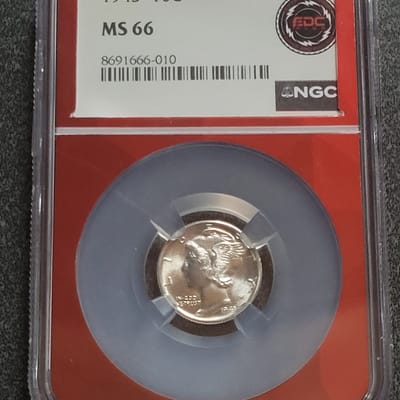
Grading takes practice, and the gap between adjacent grades is real money on a key date. Compare your coin against the photographs on each date's page, and for anything potentially valuable consider having it certified by PCGS or NGC — a graded coin settles both authenticity and condition in one step.
List it free on PeerMetals — flat 2.75% seller fee, zero listing fees, 1–3 day payouts.
Every US series with key dates priced here.