At PeerMetals, we support the evolution of real money, and Goldbacks stand out as one of the most creative modern alternatives to fiat currency.
For decades, one of the great challenges for precious metals owners has been the "divisibility problem." While a one-ounce gold coin is an excellent store of value, it is impractical for buying a cup of coffee or a loaf of bread. This has largely relegated physical gold to a role of static wealth preservation rather than a dynamic medium of exchange.
Enter the Goldback, one of the most innovative and talked-about developments in the precious metals space in recent memory.
This is not a coin, a bar, or a round. It is a new form of money altogether—a fusion of modern technology and the timeless value of gold, designed to be spent on everyday transactions. But what exactly are they, and what role, if any, should they play in your investment strategy? This definitive guide from PeerMetals will explore the fascinating world of Goldbacks.
Defining the Goldback - A Fusion of Art, Tech, and Gold
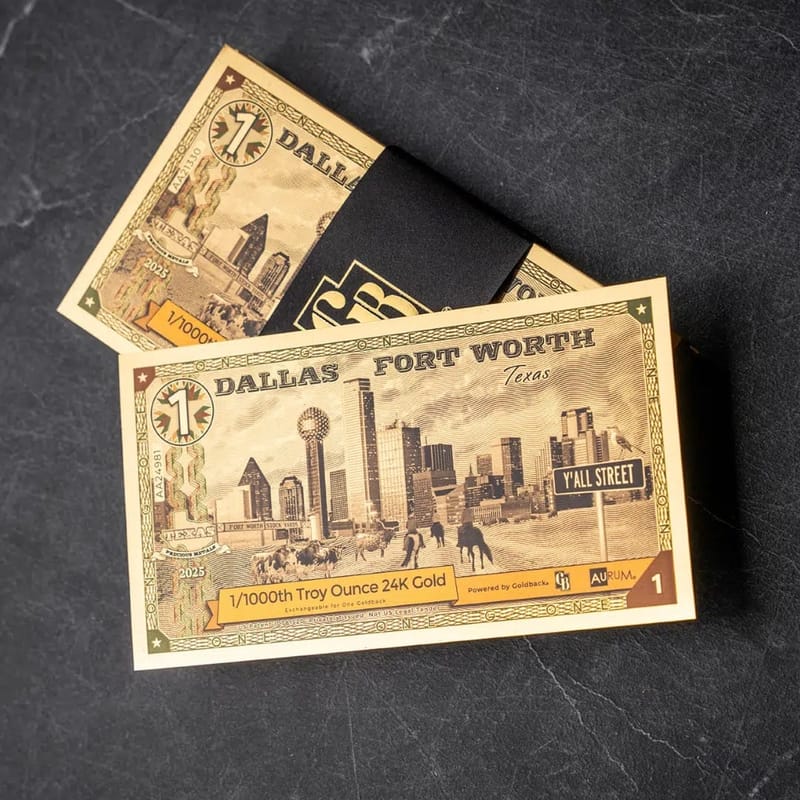
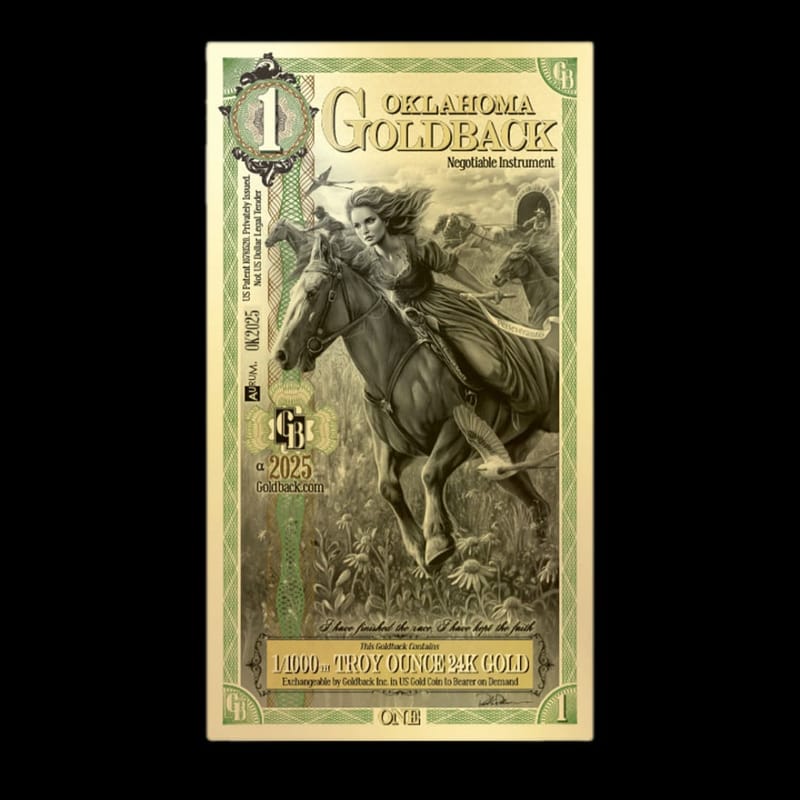
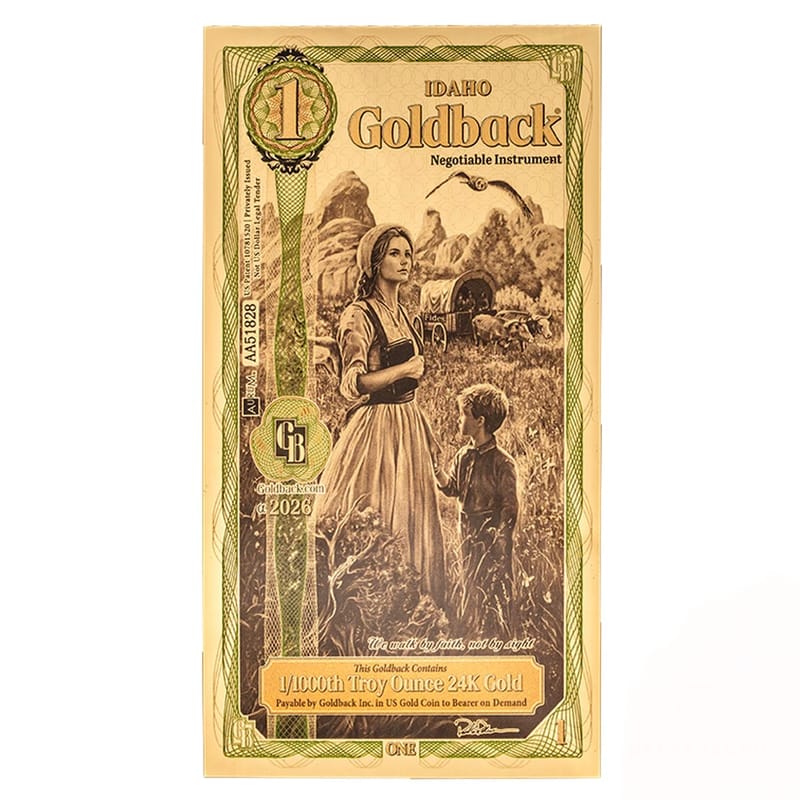
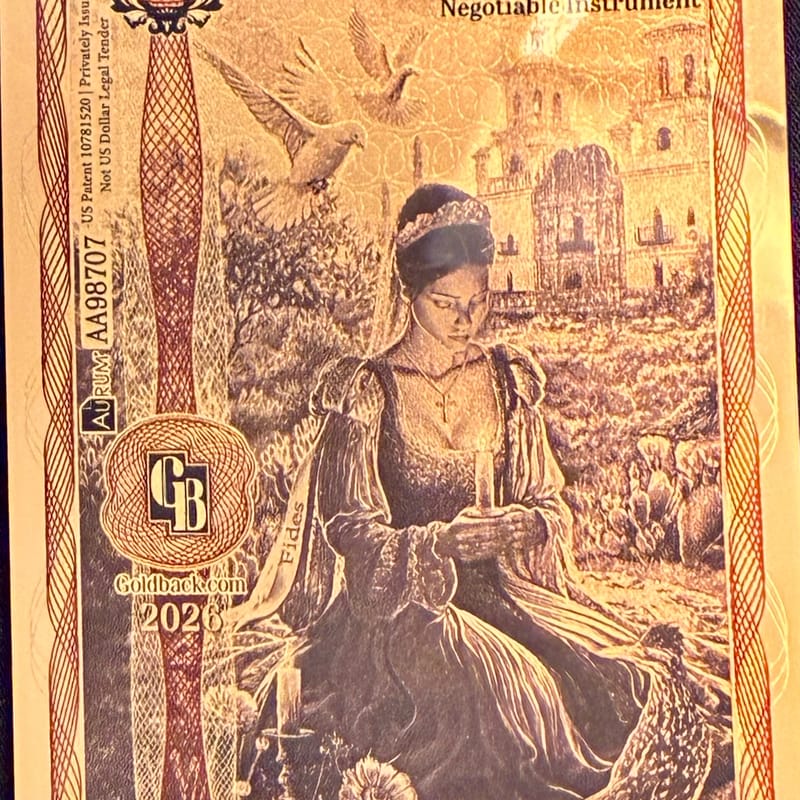
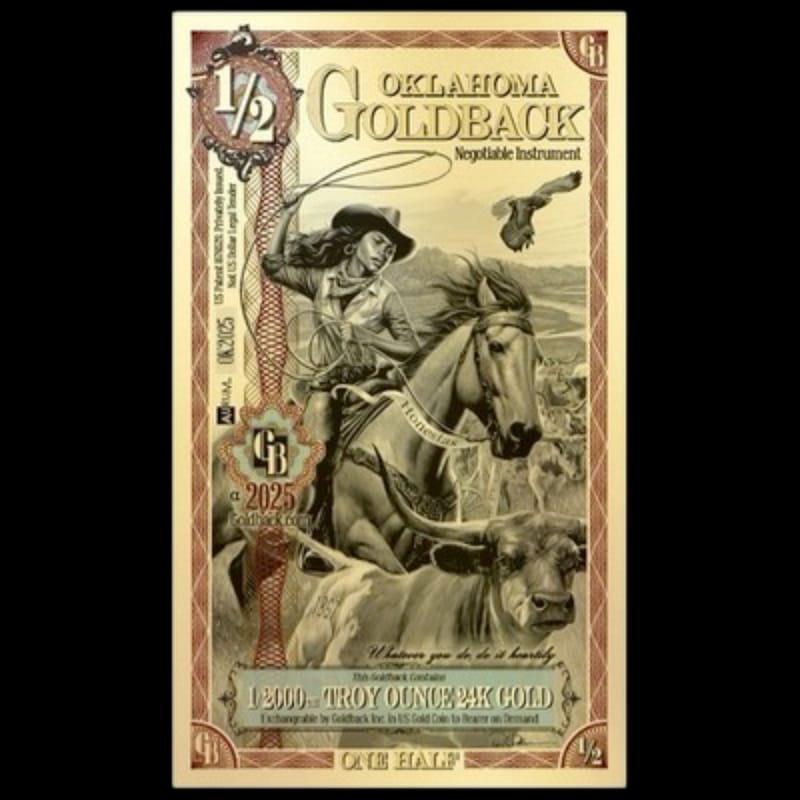
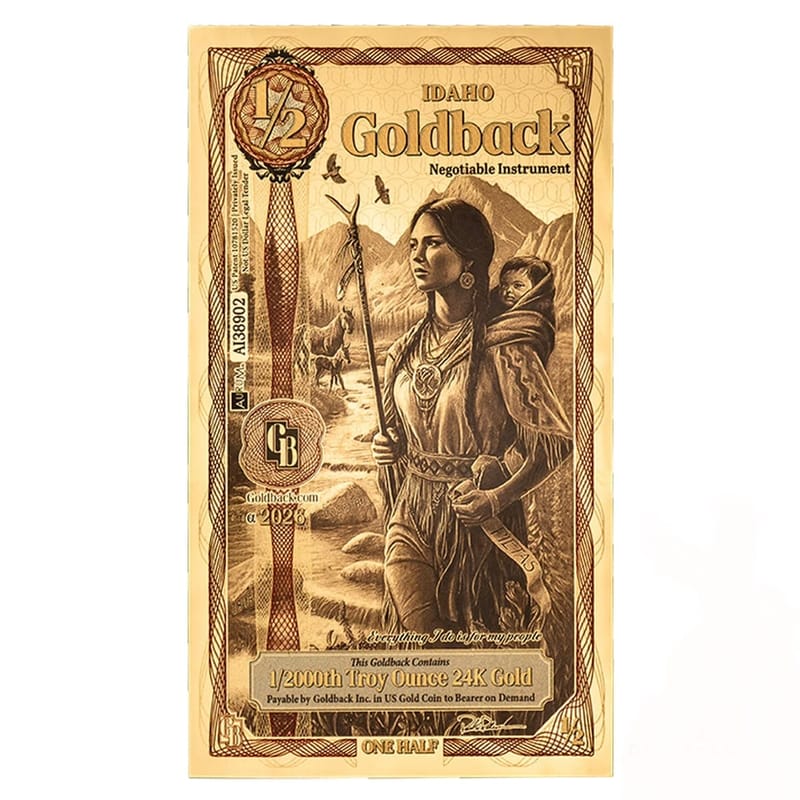
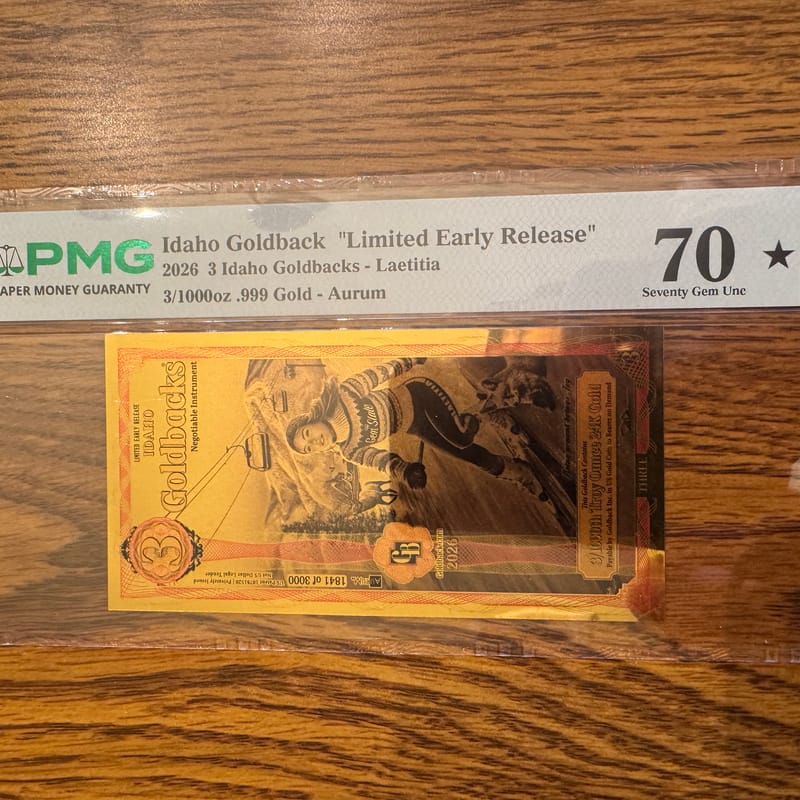
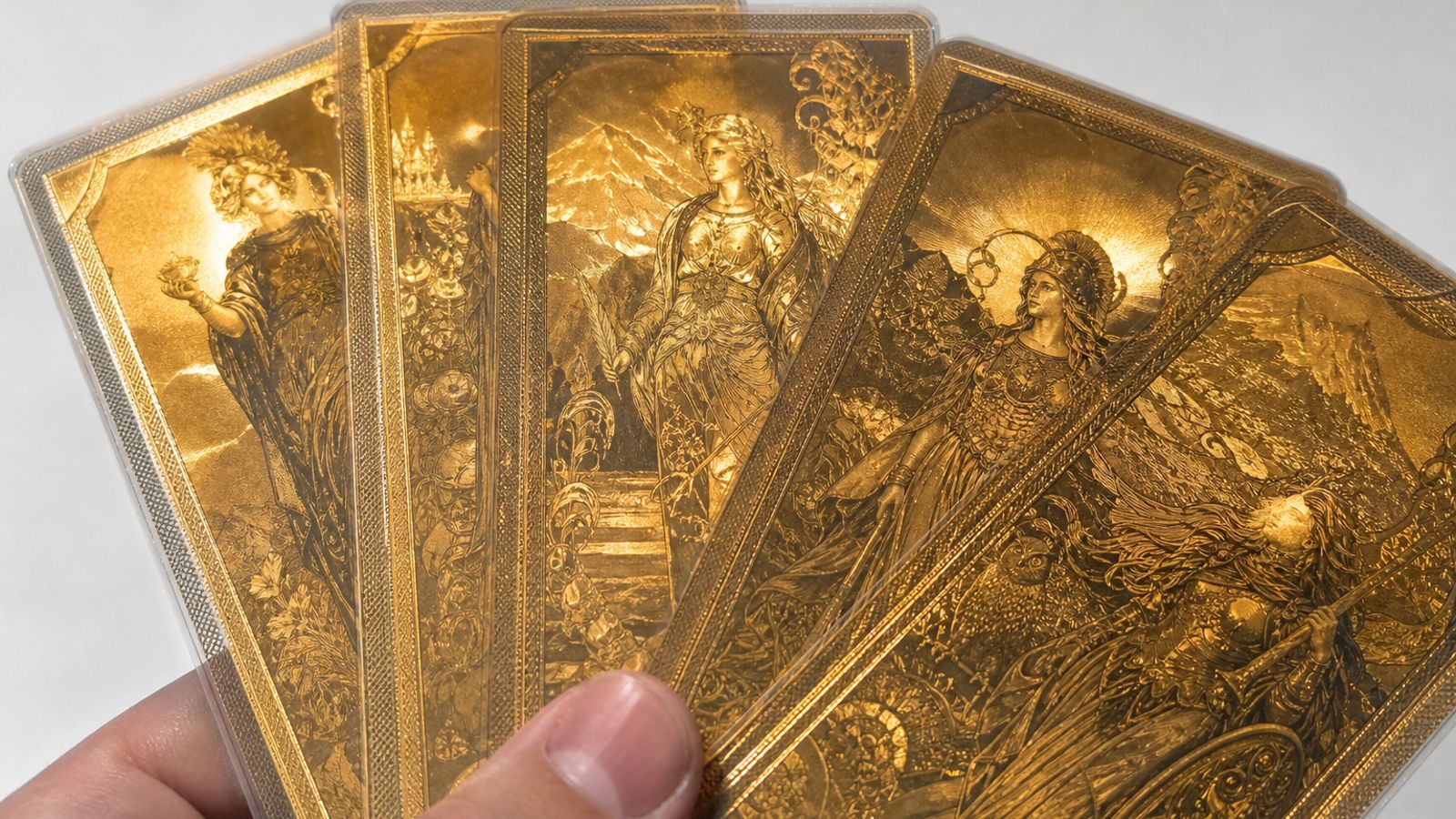
A Goldback is a voluntary, local currency made from a small, verifiable fraction of pure, 24-karat gold. It is not a paper certificate representing gold; the note itself contains the gold.
The Technology:
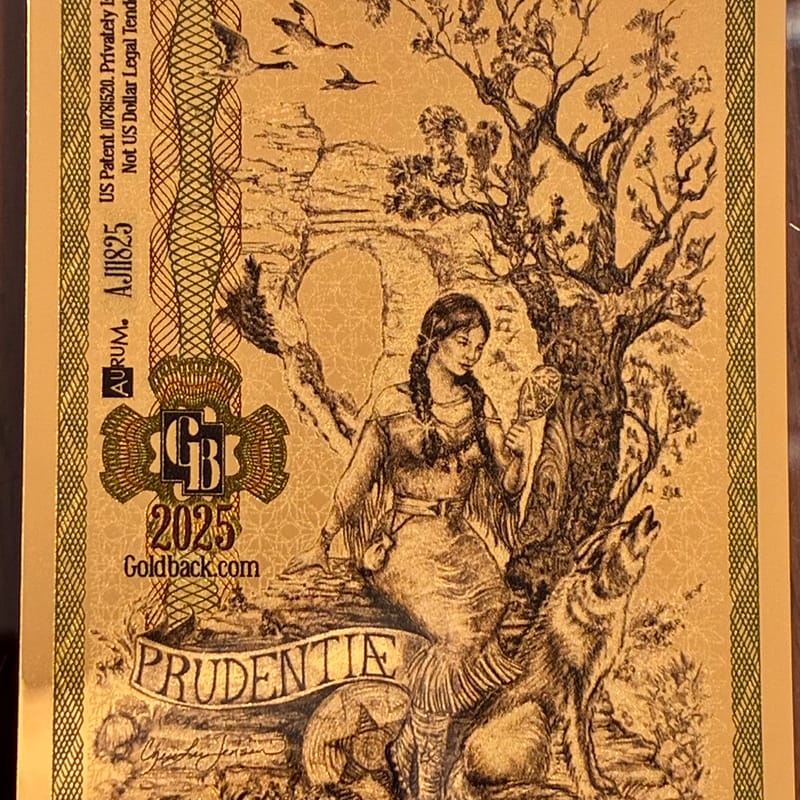
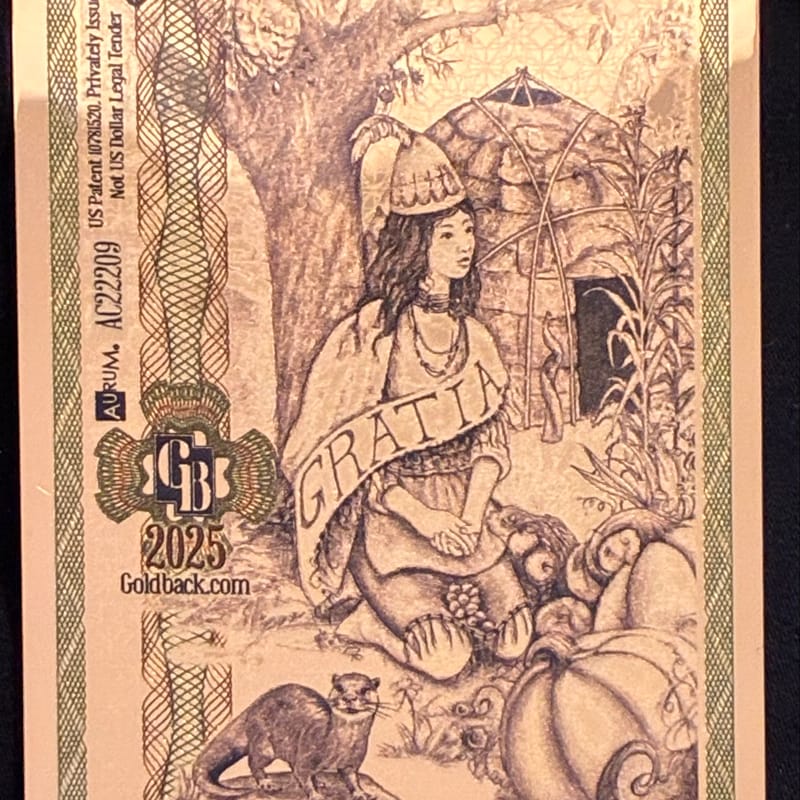
Goldbacks are created using a proprietary technology called Aurum®, where gold is deposited atom by atom onto a durable polymer sheet in a vacuum chamber. This creates a note that is thin, flexible, and contains a precise, microscopically thin layer of gold. The gold is then sealed between layers of polymer, making it durable enough for circulation.
The Denominations:
Goldbacks are designed for fractional use and come in five standard denominations:
-
1 Goldback: Contains 1/1000th of a troy ounce of gold.
-
5 Goldbacks: Contains 1/200th of a troy ounce of gold.
-
10 Goldbacks: Contains 1/100th of a troy ounce of gold.
-
25 Goldbacks: Contains 1/40th of a troy ounce of gold.
-
50 Goldbacks: Contains 1/20th of a troy ounce of gold.
Each Goldback is also specific to a particular state (e.g., a "Utah Goldback," a "Nevada Goldback"), and features stunning, intricate artwork depicting virtues like Liberty, Victory, and Prudence.
PeerMetals Insight:
"The technology behind the Goldback is a genuine innovation that directly addresses gold's historical divisibility issue. By successfully atomizing gold onto a durable note, the creators have transformed the metal from a cumbersome bar into a usable currency. It represents a fascinating practical experiment in the utility of precious metals in the 21st century."
The Purpose and Vision - Can Gold Be Money Again?
Goldbacks were not created to be a collector's item, but to be used. They are designed as a voluntary local currency. This means they are not legal tender issued by the U.S. government, but rather an alternative form of money that individuals and merchants can voluntarily agree to accept for goods and services.
The vision is to reintroduce gold as a medium of exchange, protecting citizens from the risks of inflation and currency devaluation. By having a currency with a tangible, intrinsic value, users can transact with a form of money that cannot be created out of thin air.
This movement has gained the most traction in states with strong currency freedom laws, such as Utah, Nevada, New Hampshire, and Wyoming, where a small but growing network of businesses accepts Goldbacks as payment.
PeerMetals Insight:
"The Goldback represents a philosophical stance as much as a financial product. It asks the question: 'Can gold be more than just a store of value?' For investors who are deeply concerned about the stability of fiat currency and wish to have a functional tool for barter and local trade, the Goldback offers a unique and compelling solution that traditional bullion cannot."
An Investor's Analysis - The Critical Look at Premiums and Practicality
While the concept is powerful, a savvy investor must analyze Goldbacks through a critical lens, and the most significant factor is the premium.
The Pros:
-
Ultimate Divisibility: They are the most divisible form of physical gold on the planet, making them ideal for small-scale barter.
-
Barterability: In a true currency crisis, having a widely recognized, small-denomination store of value could be incredibly useful.
-
Artistic and Collectible Appeal: The stunning designs make them highly collectible, adding a numismatic-like quality.
-
Durability: They are far more durable than paper money and are waterproof.
The Cons:
-
Extremely High Premiums: This is the single biggest drawback for a pure investor. The complex and expensive manufacturing process means the price you pay for a Goldback is significantly higher than the spot value of the gold it contains. The premium on a 1 Goldback can be over 100% of the gold's melt value.
-
Limited Acceptance: While the network is growing, only a small fraction of businesses accept Goldbacks. They are not a universally accepted medium of exchange.
-
Uncertain Liquidity: While you can spend them at participating merchants, selling them back to a precious metals dealer will likely mean you will not recoup the high premium you paid. Dealers will primarily value them on their gold content, not their spendable utility.
PeerMetals Insight:
"When evaluating Goldbacks, you must ask what you are paying for. If you are paying for ounces of gold, the high premium makes them an inefficient choice for wealth preservation. If you are paying for the utility of having spendable, inflation-proof, small-denomination currency, then the premium can be seen as the cost of that unique feature. The Goldback is less of a pure investment and more of a specialized financial tool."
Goldbacks vs. Traditional Bullion: A Head-to-Head Comparison
| Feature | Goldbacks | Traditional Gold Bullion (Coins/Bars) |
| Primary Purpose | A spendable, barterable currency. | A store of value; wealth preservation. |
| Premium Level | Extremely High. | Low to Moderate. |
| Form | Polymer note containing a film of gold. | Solid metal coin or bar. |
| Divisibility | Excellent; down to 1/1000th of an ounce. | Poor; difficult to spend on small items. |
| Legal Status | Voluntary local currency; not legal tender. | Sovereign coins are legal tender. |
| Liquidity | Niche: spendable at select vendors. | Extremely high; globally recognized and traded. |
| Ideal User | Individuals focused on barter, currency alternatives, and collecting. | Investors focused on long-term wealth preservation and low-cost accumulation. |
PeerMetals Final Thoughts: An Innovative Tool for a Specific Job
Goldbacks are, without question, a remarkable feat of engineering and a fascinating experiment in monetary theory. They have successfully solved the age-old problem of gold's divisibility, creating a product that is both beautiful and functional.
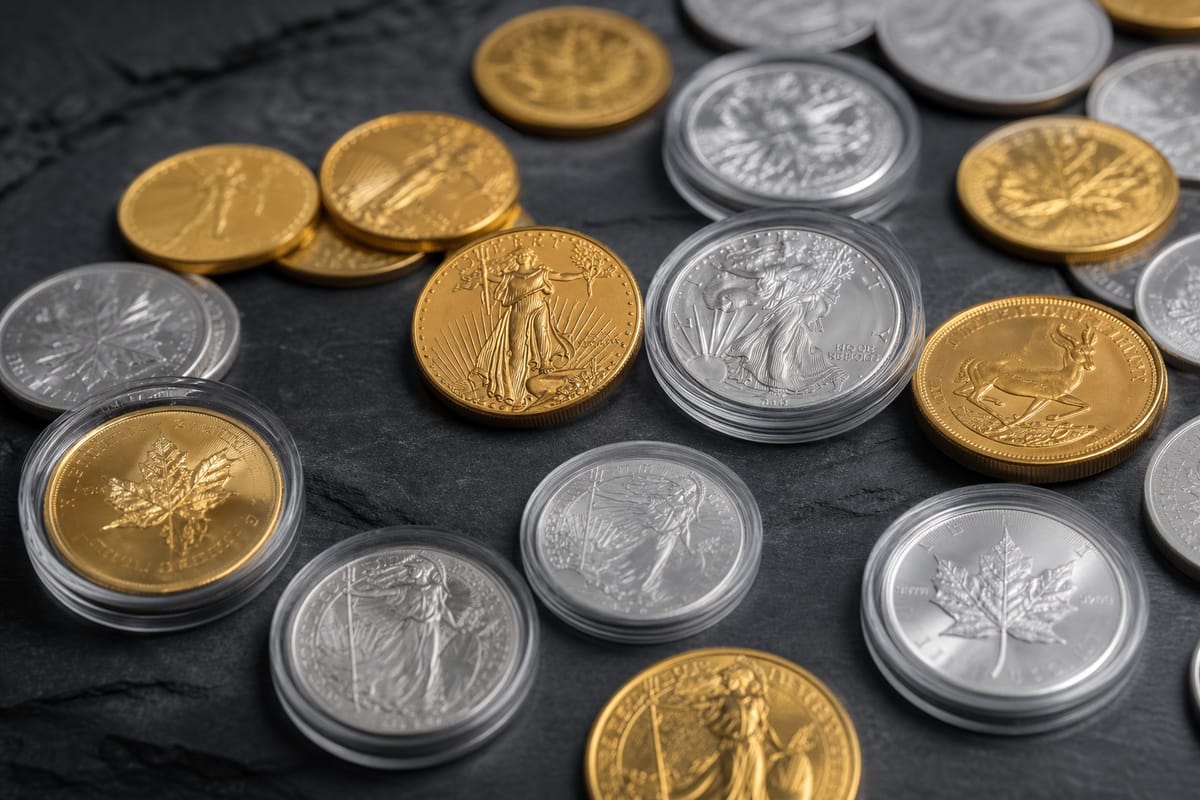
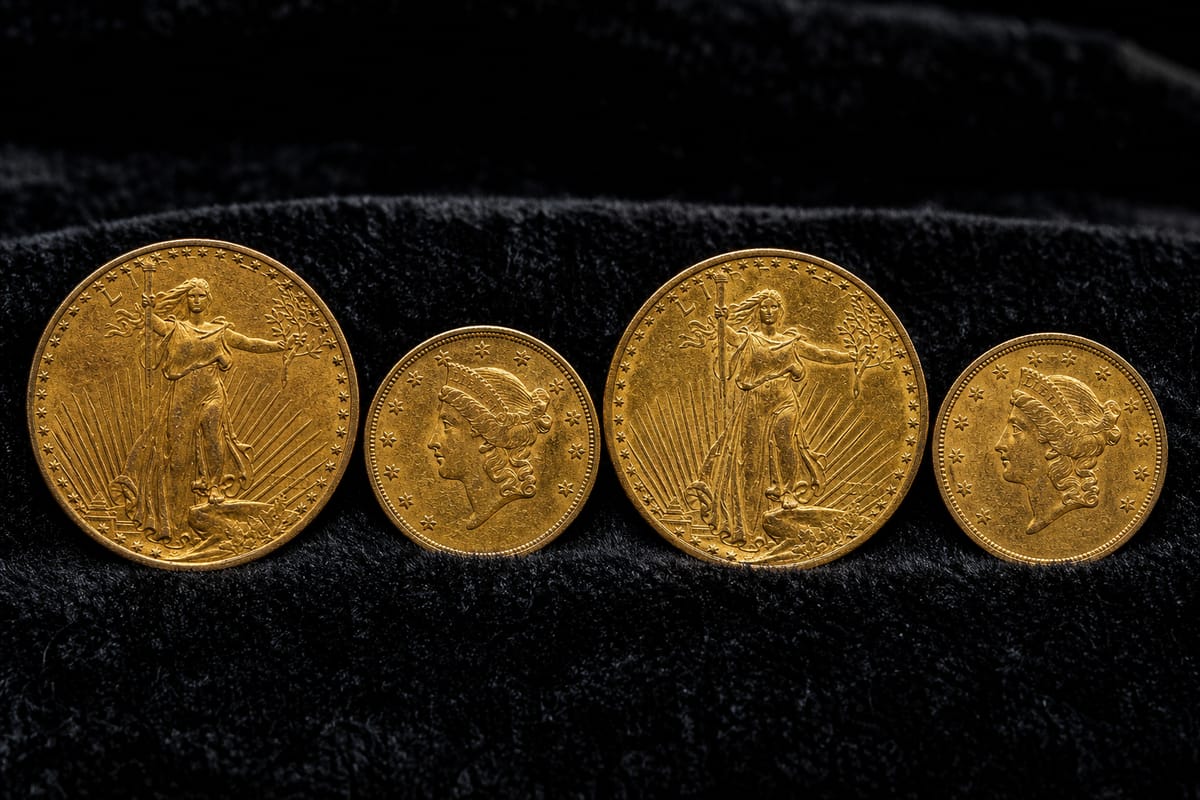
However, for the investor whose primary goal is to protect their wealth and accumulate the most gold for their capital, the extremely high premiums make Goldbacks a less-than-ideal choice. The foundation of a sound precious metals portfolio should always be built on low-premium, highly liquid, and universally recognized bullion.
We view Goldbacks not as a replacement for traditional bullion, but as a supplementary asset for a specific niche. They are an excellent tool for those primarily interested in emergency preparedness and barter, and they are a beautiful item for collectors. But for pure, efficient wealth storage, traditional gold coins and bars remain the undisputed and most logical choice.
While Goldbacks offer a unique solution for barter, the foundation of any precious metals portfolio remains low-premium bullion. Explore the PeerMetals marketplace to find a wide selection of gold coins and bars to build your core position today!