Buying Silver Online from Other Collectors: Is Peer-to-Peer Safe?

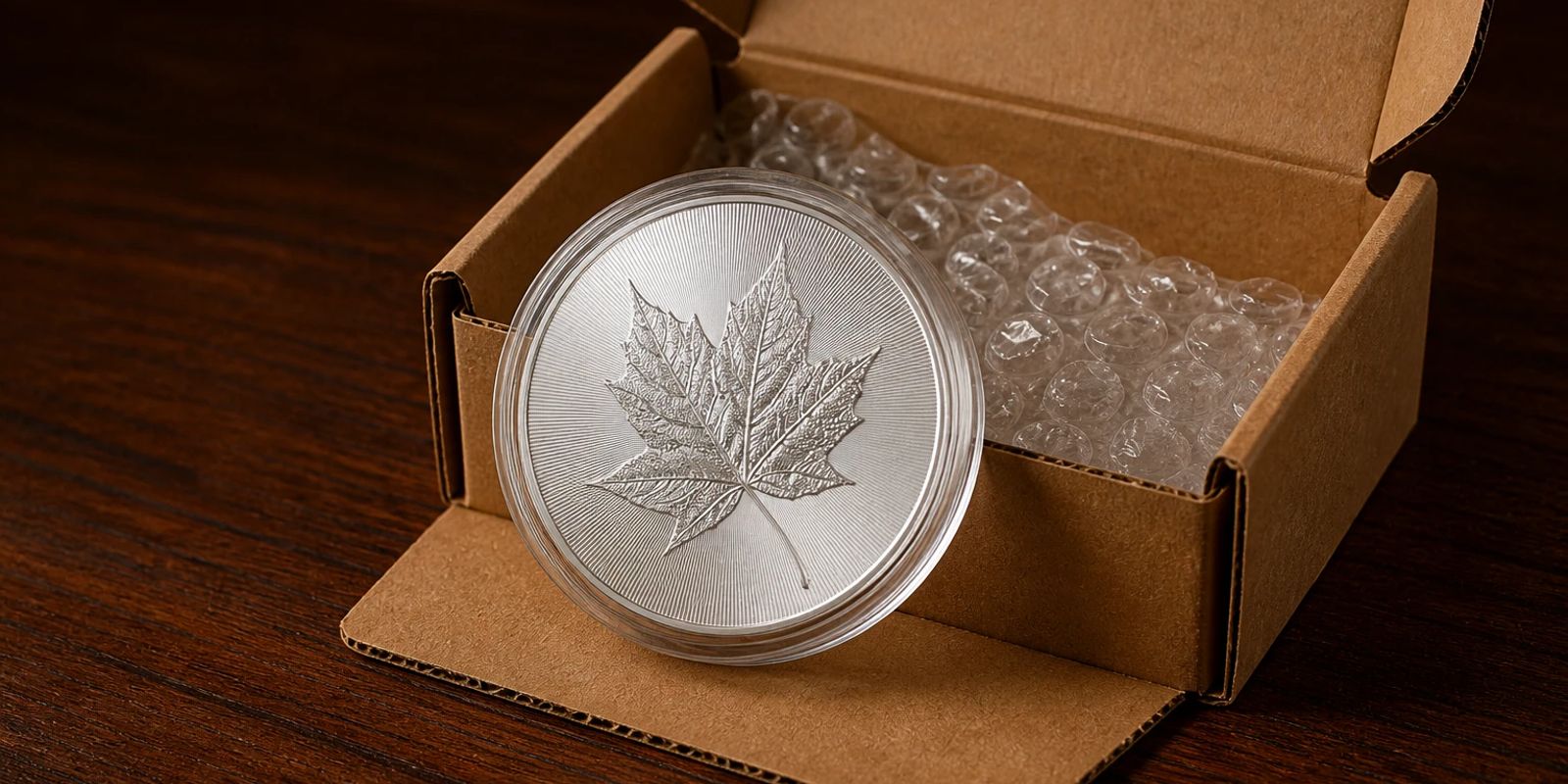
For years the choice was binary: pay full retail premiums at a big dealer, or take your chances with strangers on forums and social media. Modern peer-to-peer marketplaces exist precisely to close that gap — collector prices with dealer-grade protections. Here is how the protections work, and how to be the buyer scammers skip.
What marketplace protection actually does
- Payments stay on-platform and are held until the order is delivered — you never wire money to a stranger and hope.
- Tracking drives the payout: the seller is paid on verified delivery, not on their word.
- Seller history is public: reviews, completed sales, and response times are visible before you commit a dollar.
- A resolution process backs you up when something genuinely goes wrong in transit.
Community marketplaces like Reddit's r/Pmsforsale evolved parallel norms worth copying: every sale runs against a public feedback history, and low-track-record sellers are required to accept payment methods that carry buyer protection. The lesson generalizes — trust is a track record plus a payment method with recourse, never a friendly DM.
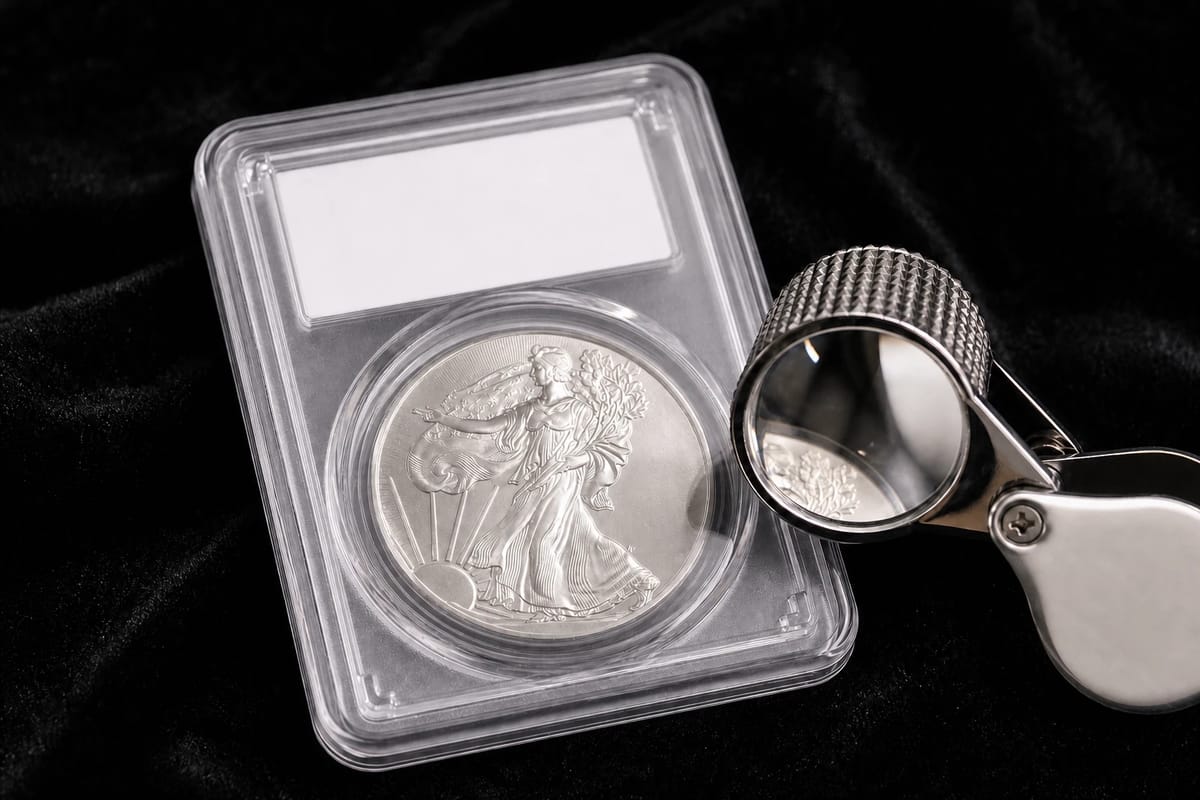
Verify on receipt: the five-minute check
| Test | What genuine silver does |
|---|---|
| Weight (0.01 g scale) | A 1 oz coin reads 31.10 g — not 28, not 33 |
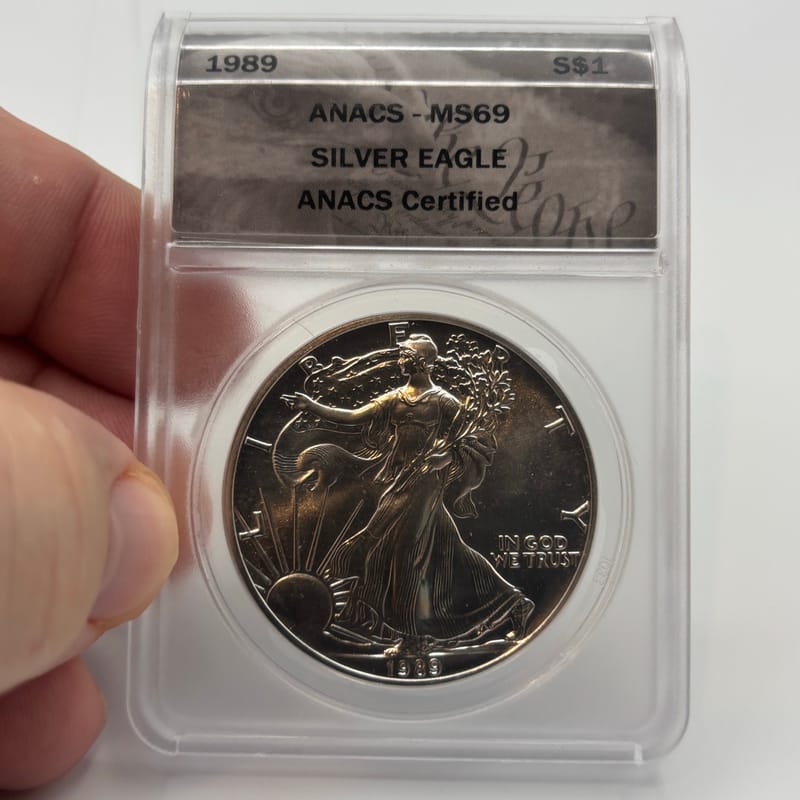
| Dimensions (calipers) | Eagle: 40.6 mm diameter, 2.98 mm thick |
| Neodymium magnet | Never sticks; slides slowly down a tilted coin |
| Ping test | Clear high chime sustained 1–2 seconds (apps can verify) |
| Ice cube | Melts almost instantly — silver is the most thermally conductive metal |
Counterfeiters are trapped by physics: silver's density is 10.49 g/cm³ against copper's 8.96 and zinc's 7.13, so a fake must be oversized to match the weight or underweight to match the size — it cannot do both. That is why the scale-plus-calipers combination catches nearly everything, including the plated-copper fakes a magnet misses.
Red flags that end the conversation
- Pricing meaningfully below spot — silver has one global price; nobody sells real ounces at a discount to it.
- Any request to complete the deal off-platform or via no-recourse payment (wire, gift cards, friends-and-family transfers).
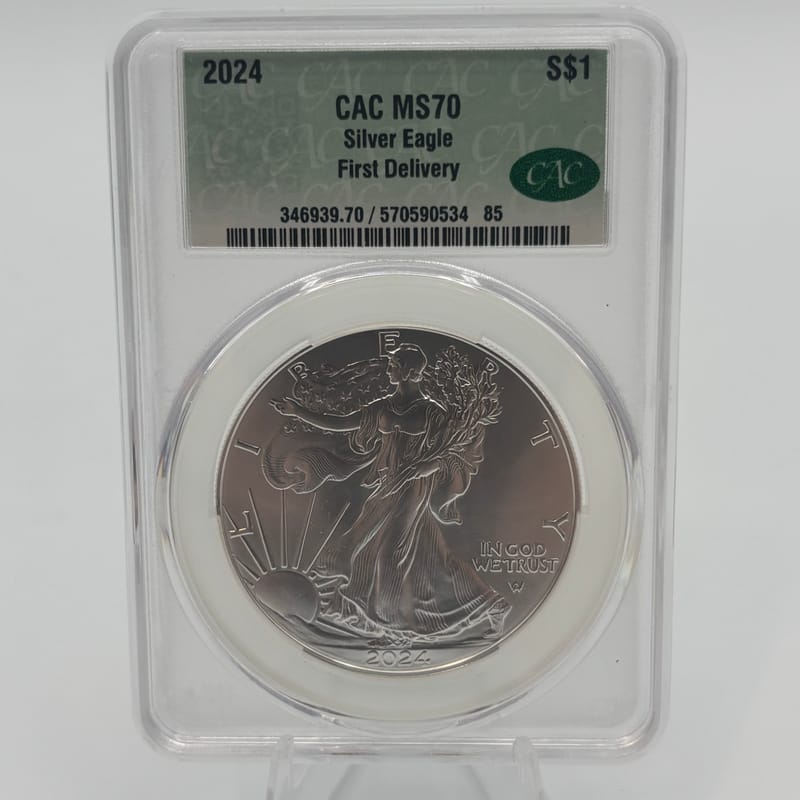
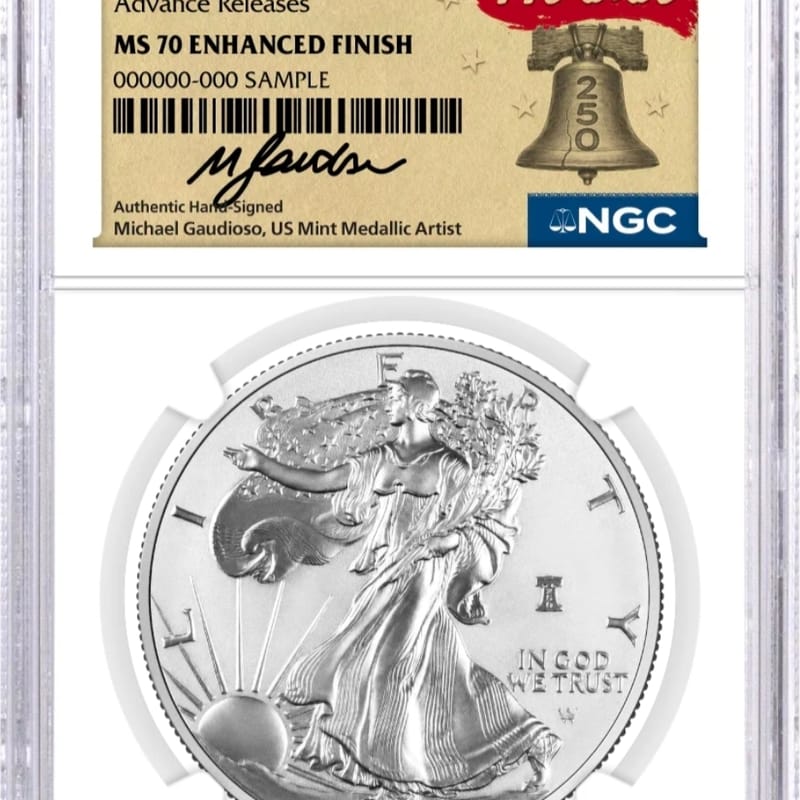
- Details that fail the spec sheet: a smooth edge where reeding belongs, blurry devices, or an "Eagle" dated before the program existed in 1986.
- A seller with no history who refuses the platform's standard flow.
The single pattern that should always stop you: anyone asking to move the transaction off-platform. That one move removes the payment hold, the tracking requirement, the review trail, and the resolution process — every protection at once.
Buy like a professional
Read photos against the spec sheet before bidding, know the melt value going in, start small with a new-to-you seller, and keep every message on-platform so there is a record. Browse verified seller listings and check any seller's review history first — transparency is the whole point of buying this way.
Watch: 30-second takes from the PeerMetals channel
More shorts and weekly market recaps on the PeerMetals YouTube channel.
Frequently asked questions
Is peer-to-peer bullion buying actually safe? With on-platform payment holds, tracking-verified delivery, and public seller history, the structural risks of forum trading are gone — your job reduces to reading listings carefully and verifying on receipt.
What if a coin arrives and fails the tests? Document immediately, keep all communication on-platform, and open a resolution case — the payment hold exists precisely for this moment.
Why is off-platform payment such a big deal? Because every protection — the hold, tracking requirement, history, resolution — lives on the platform. One Zelle transfer outside it removes them all at once.