The Five Phases Every Silver Stacker Goes Through

Ask a 500-ounce stacker how many Eagles they still buy and watch them pause before answering. That pause is a whole autobiography. Nearly every stacker travels the same arc — flashy coins, then a premium reckoning, then weight obsession, then quiet habits, then gold — and nearly everyone believes they're the first to walk it. The phases aren't about ounce counts (that's the milestones guide); they're about what you buy and why it changes. Here's the map.
Phase 1: The magpie phase
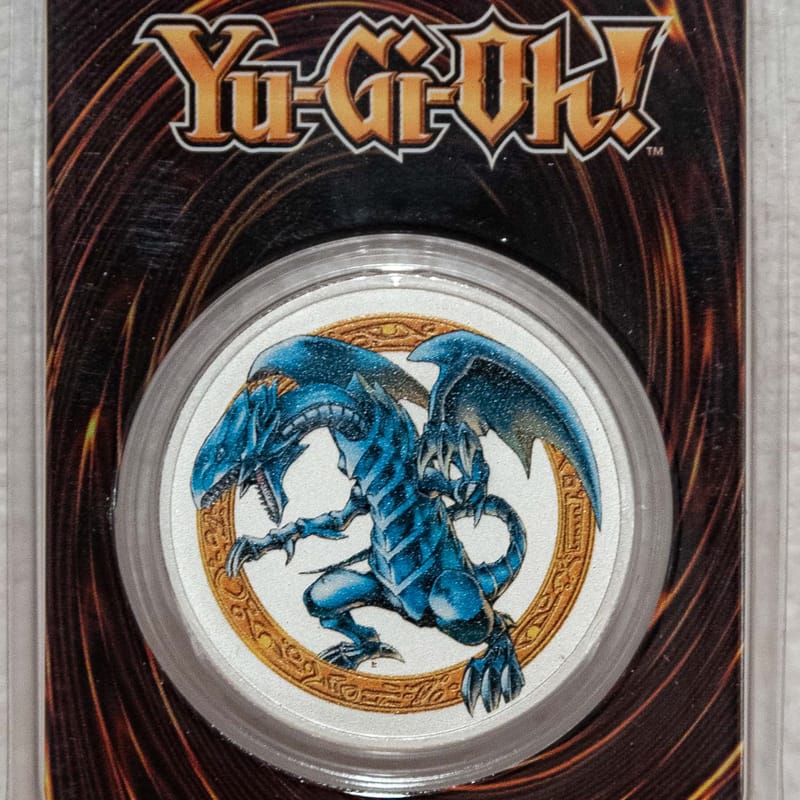
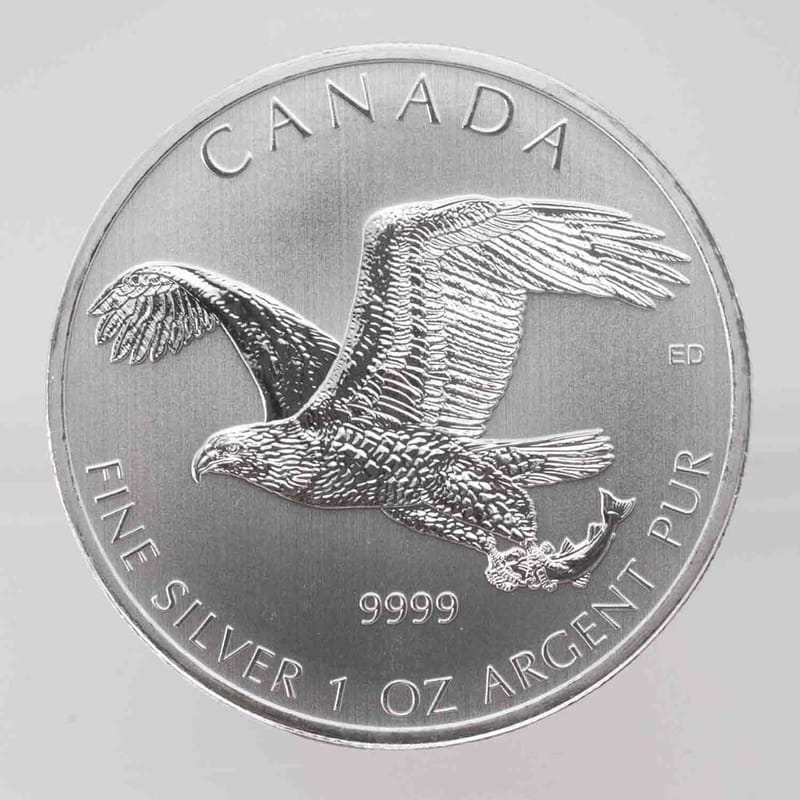
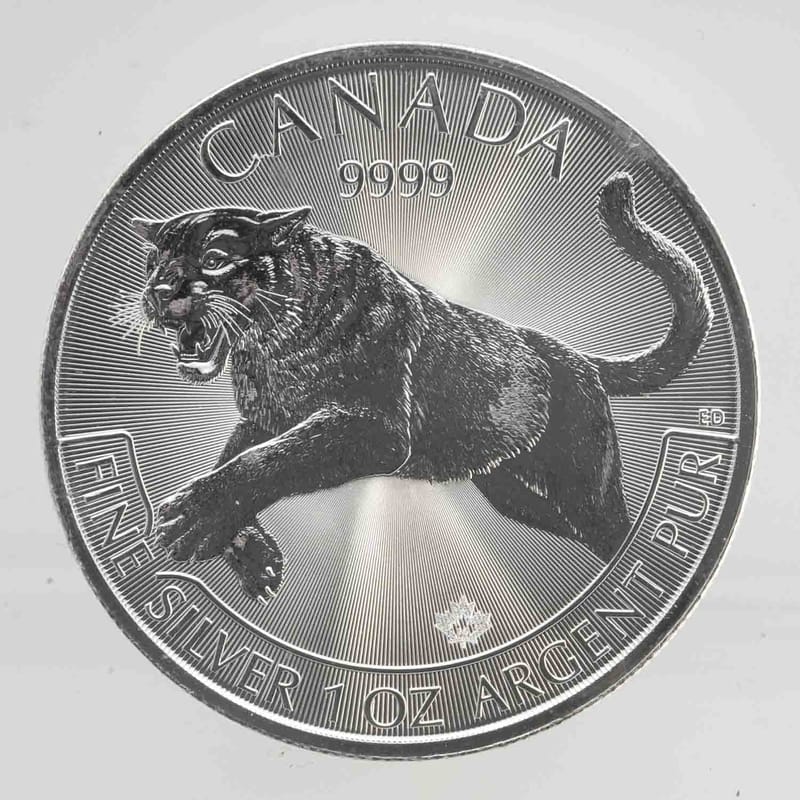
Everyone starts here. Limited editions, crazy designs, high-premium beauties — whatever catches the eye that week. Nothing is wrong with it; excitement is what gets people through the door, and a first coin you love is a habit-starter (see your first $1,000). The phase costs money, though: beginners routinely pay 20–30% over spot for shine, and the drawer of random silver it produces will later be mildly annoying to value and sell.

Phase 2: The premium reckoning
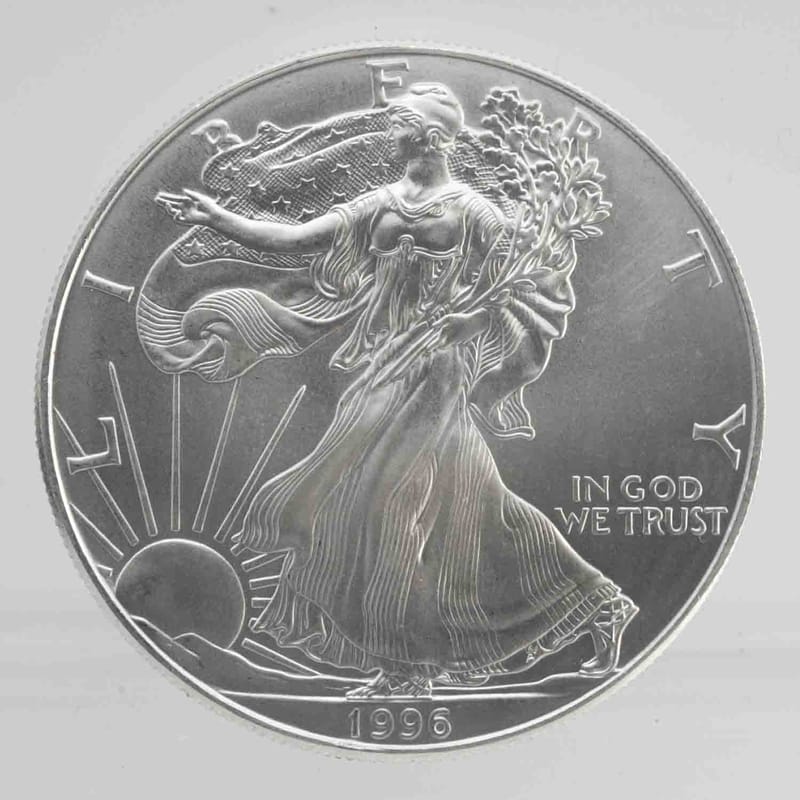
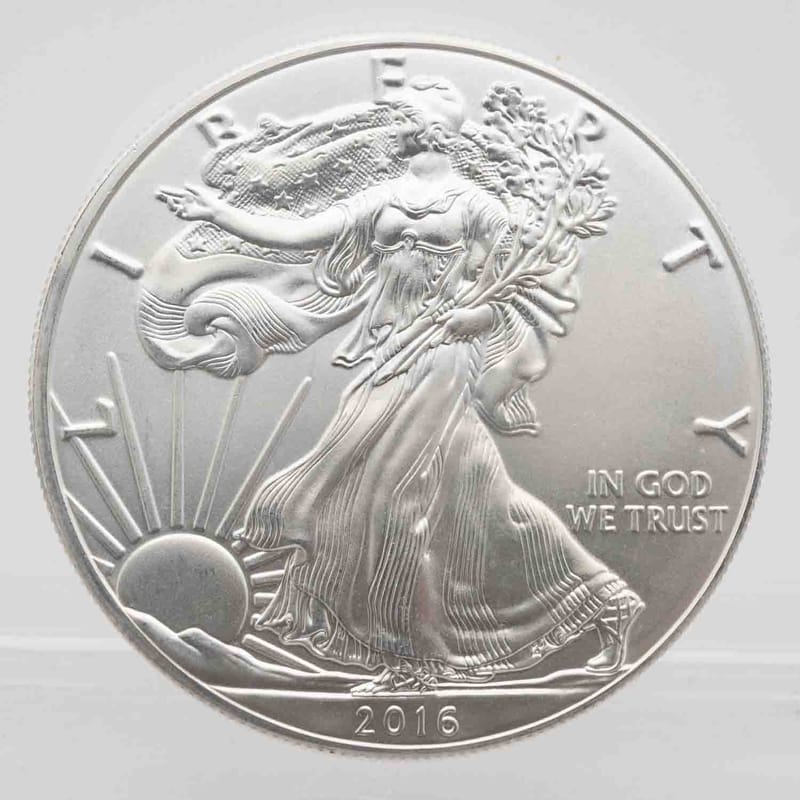
A few months in, the math ambushes you: the generic round and the fancy coin contain the same ounce. Intermediate stackers almost universally report the same regret — "I wish I'd bought more generics early." The Eagle habit gets audited: recognized everywhere, yes, but by 100 ounces the design premium has quietly consumed hundreds of dollars that could have been metal. This is when stackers discover per-ounce math and premium ceilings (the playbook) — and when the buying shifts from what looks good to what adds weight.
Phase 3: The weight era
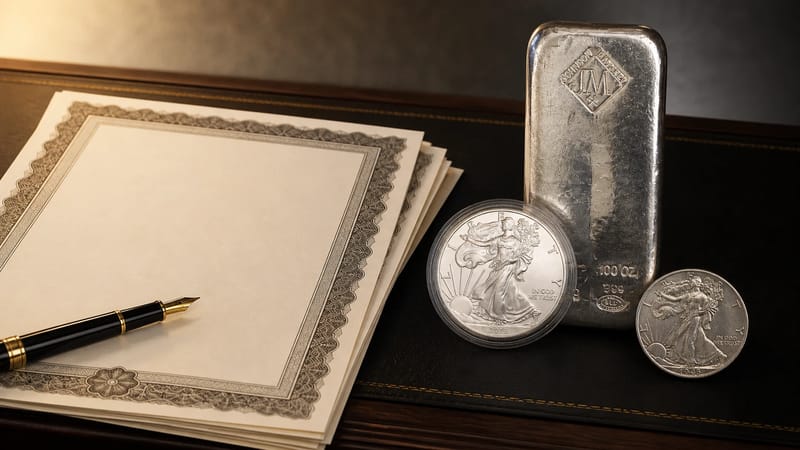
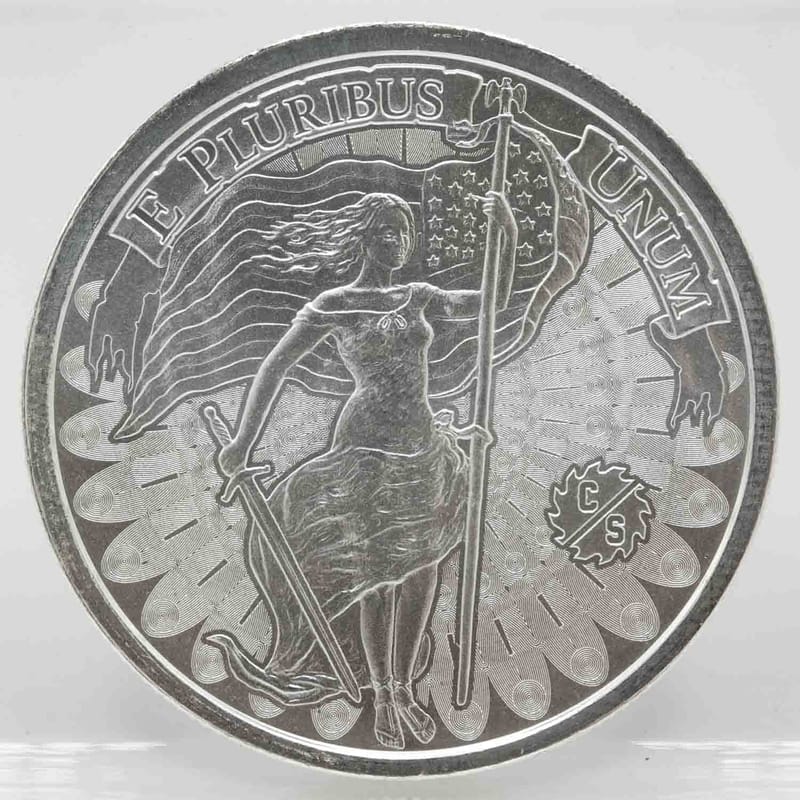
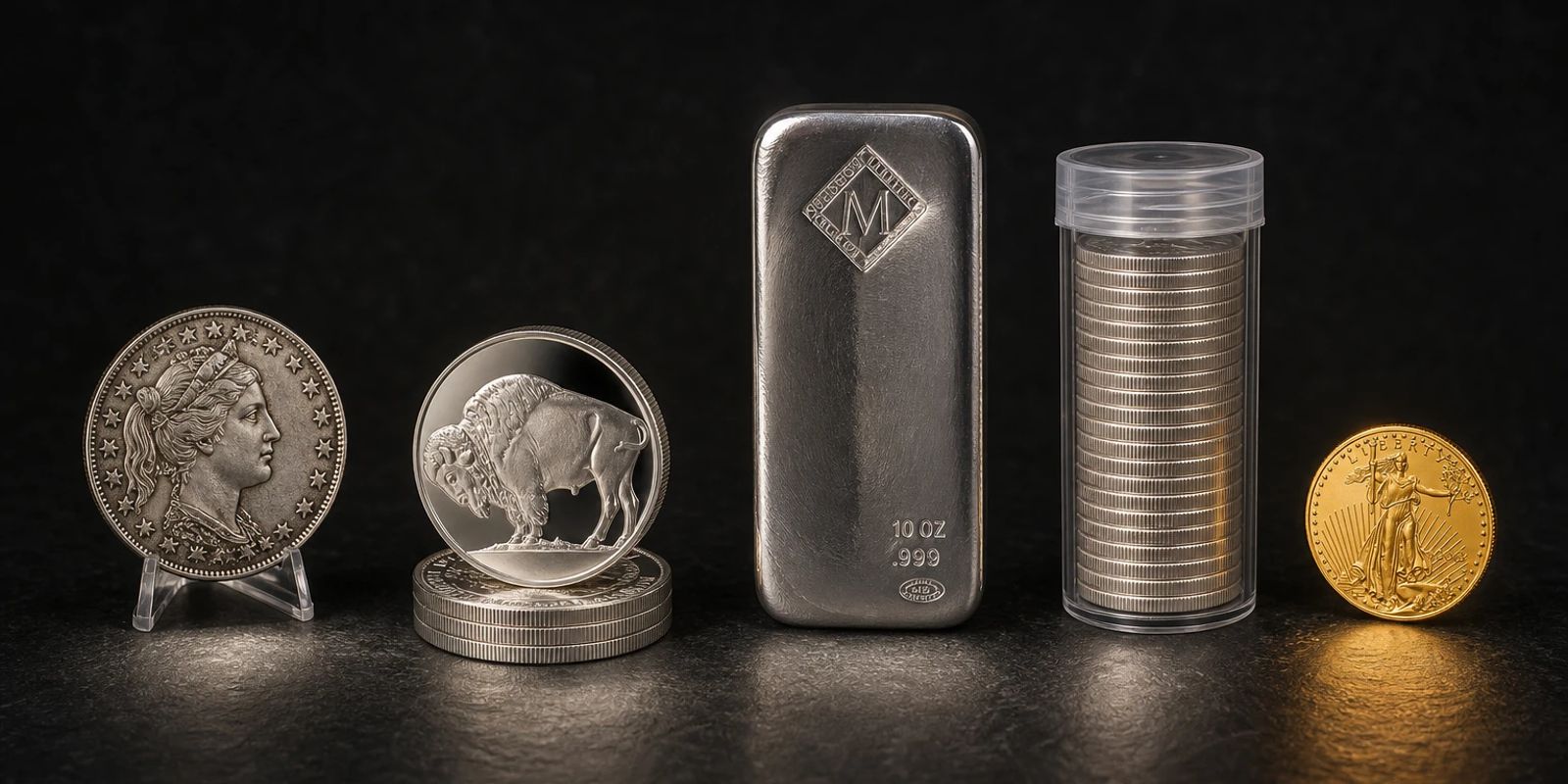
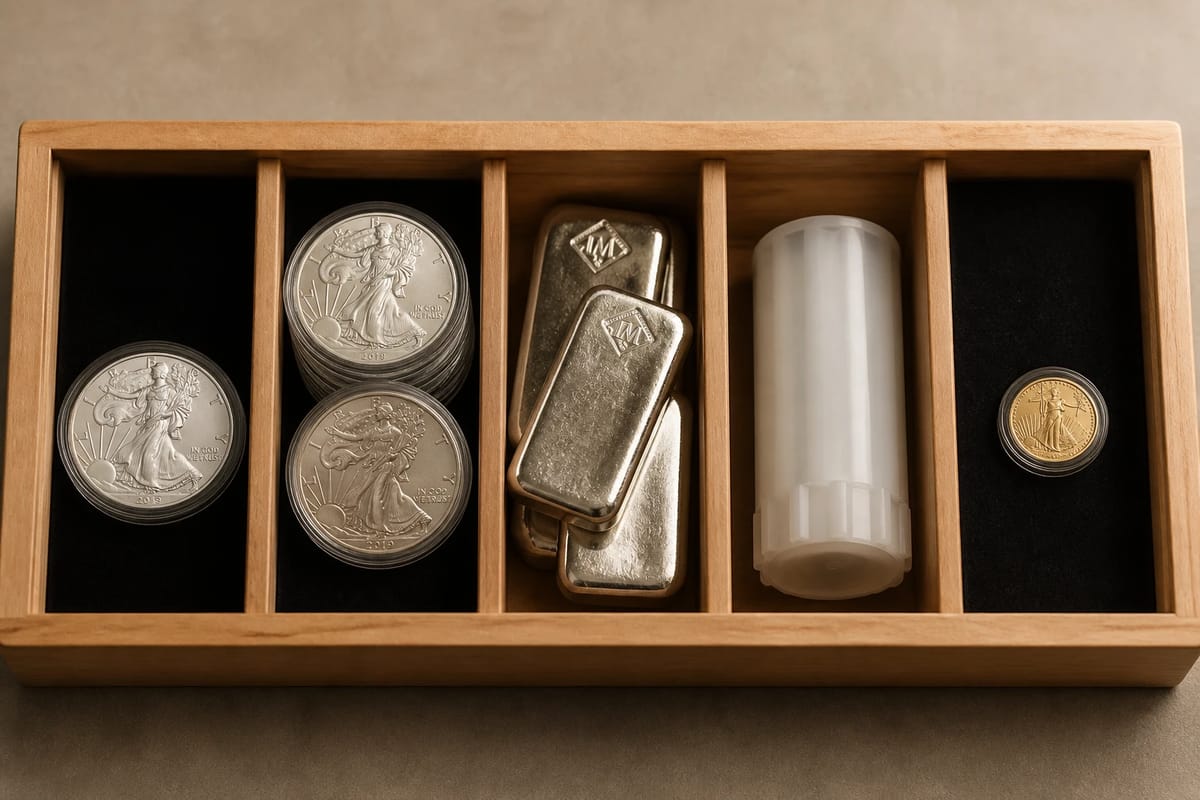
Now the stack is a machine: low-premium rounds, 10 oz bars, tubes over singles, buys on a schedule instead of a whim. Purchases stop being events and become throughput. The tell of this phase is aesthetic: the stack gets boring — tubes, bars, more tubes — because ounces replaced designs as the score. This is also when the systems from stacking systems stop feeling like discipline and start feeling like identity, and when purchases get jobs: weight, liquidity, flexibility, or gap (the buying rules).
Phase 4: The unwritten habits
Somewhere in the weight era, behaviors appear that nobody taught: a liquidation order forms in your head (constitutional first or constitutional never — but there's an order; see exit strategy). The stack's true size becomes private — not even close family gets the real number. Buying splits by purpose: emergency silver (small, recognizable, fast) versus investment silver (big, cheap per ounce, slow). You know which game each tube is playing. None of this is in any guide — stackers simply converge on it, which is the strongest evidence the phases are real.
The phase-skipping cheat code: you can't skip Phase 1's excitement, but you can shrink it. Budget a small "because I like it" line, put the rest in weight from day one, and Phase 2's tuition drops from hundreds of dollars to the cost of a few coins. Most veterans say that's the one thing they'd tell their younger stacker self.
Phase 5: Silver gets heavy, gold gets interesting
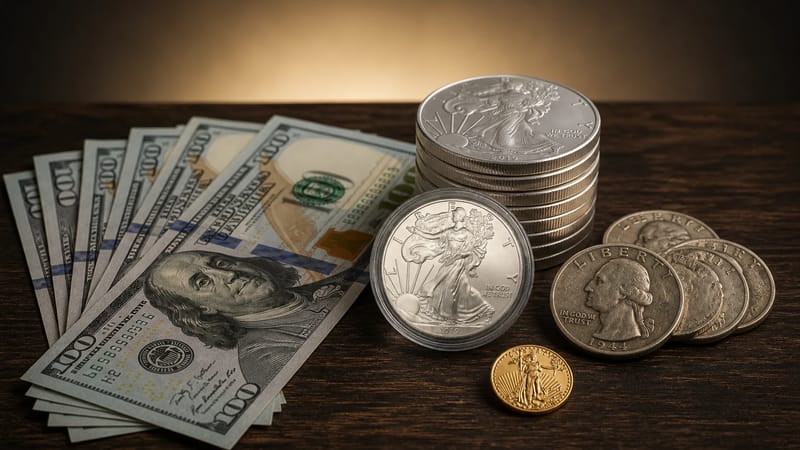
The final phase announces itself physically. Around 100+ ounces, tubes multiply, storage gets real, and adding another feels redundant — silver gets heavy. That's when the 90/10 shift begins: still stacking silver, but compressing value into gold, which holds the same purchasing power in a fraction of the space. Nobody plans the first gold purchase; the stack just feels complete one day and the next buy is a tenth-ounce coin. The triggers and mechanics live in the fractional gold guide and the ratio guide — silver builds mass, gold condenses it.
| Phase | What you buy | What you learn |
|---|---|---|
| 1. Magpie | Whatever sparkles | The habit — expensively |
| 2. Reckoning | Fewer Eagles, first generics | An ounce is an ounce; premiums are tuition |
| 3. Weight era | Rounds, 10 oz bars, tubes | Systems beat impulses |
| 4. Unwritten habits | By job: emergency vs. investment | Privacy, exit order, intentionality |
| 5. Compression | Fractional gold alongside silver | Density matters; the stack matures |
Frequently asked questions
Do collectors go through these phases?
Collectors are playing a different game — history and rarity, not weight (see the splitting market). Plenty of people run both: a collection for joy, a stack in phases. Trouble only comes from confusing the budgets.
Can you regress a phase?
Happily, yes — weight-era stackers still buy the occasional beautiful coin. The difference is it's a treat with a budget line now, not a strategy.
Is Phase 5 the end?
There's arguably a sixth: the stack becomes generational — something managed for the next holder, not spent by this one. When it stops being about you, the phases are over and the stewardship begins.
Every stacker walks the same road; the only variable is the toll paid in Phase 1. Now you have the map — spend the tuition on ounces instead.