Your First $1,000 in Silver and Gold: Three Proven Splits

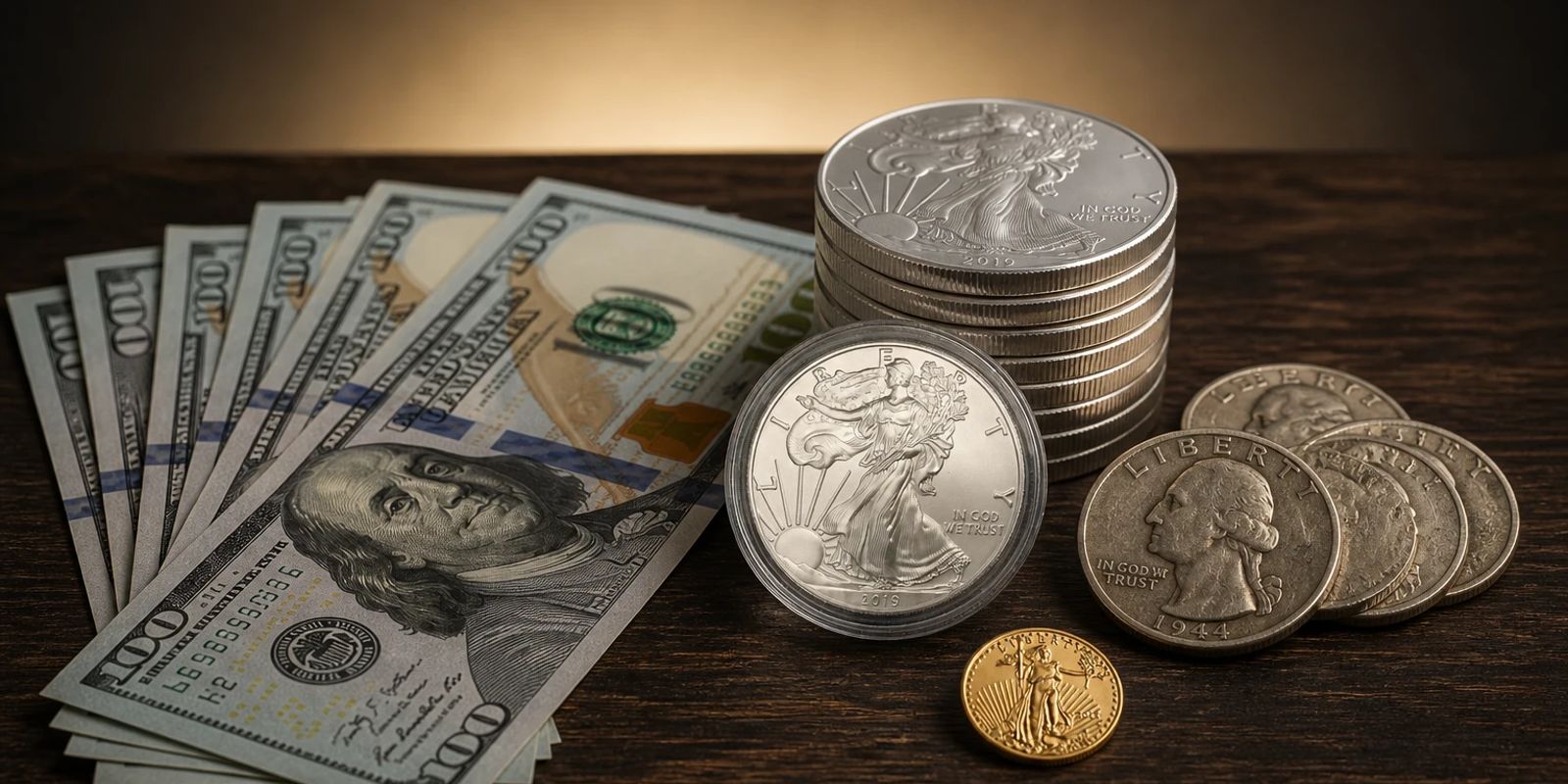
Your first silver purchase isn't just a purchase — it's a habit being formed. Pay a huge premium once and it starts feeling normal; buy for the design and design becomes the default. That's why the first $1,000 matters out of proportion to its size: it sets the standard for every buy after it. This guide gives you three proven ways to deploy it, the product vocabulary behind them, and the mistakes the splits are designed to prevent. (For the pre-purchase groundwork — budgets, storage, expectations — run the first-time stacker checklist first.)
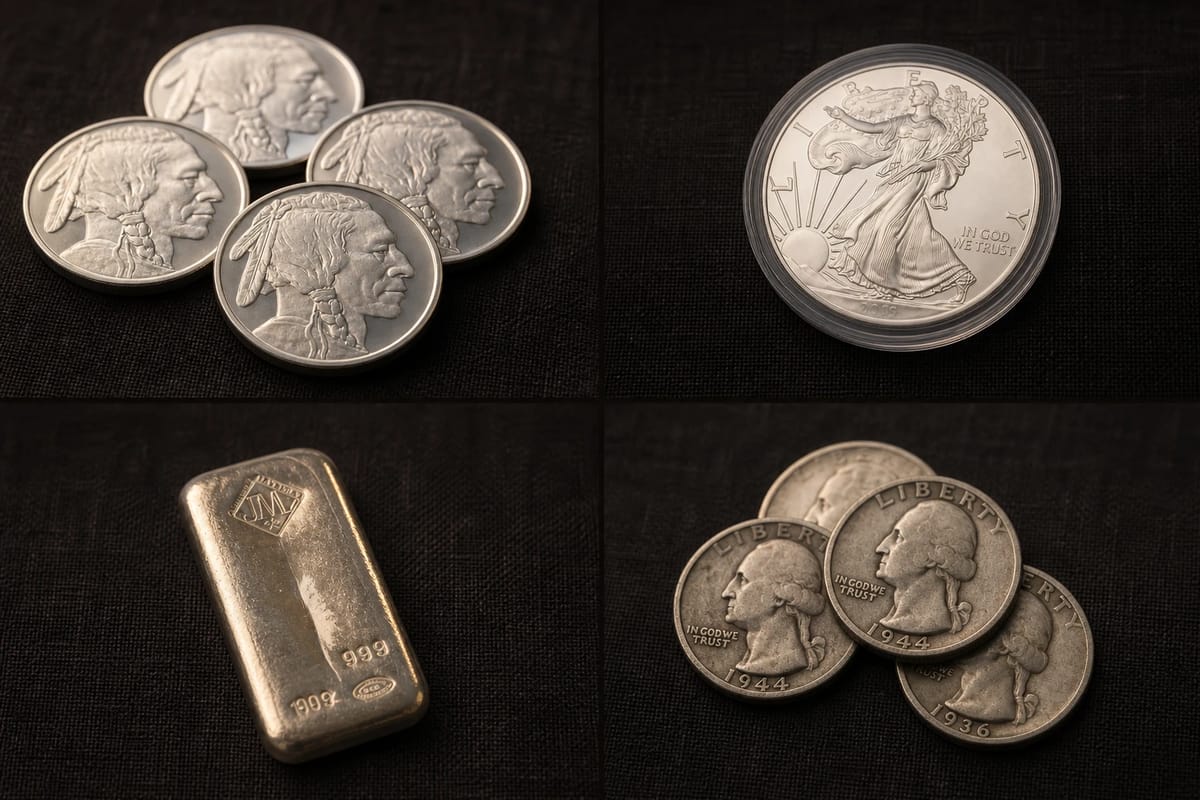
Learn the menu: the four product types
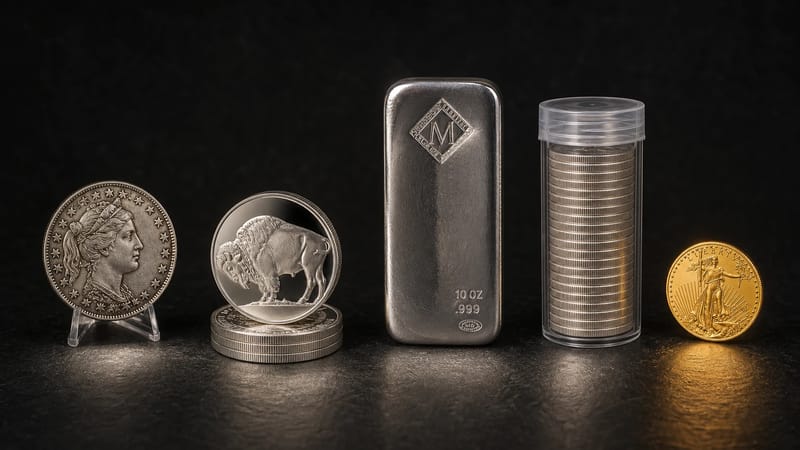
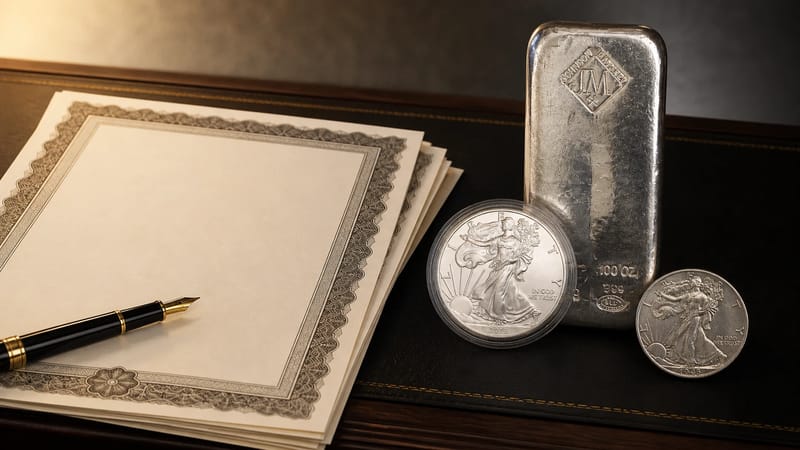
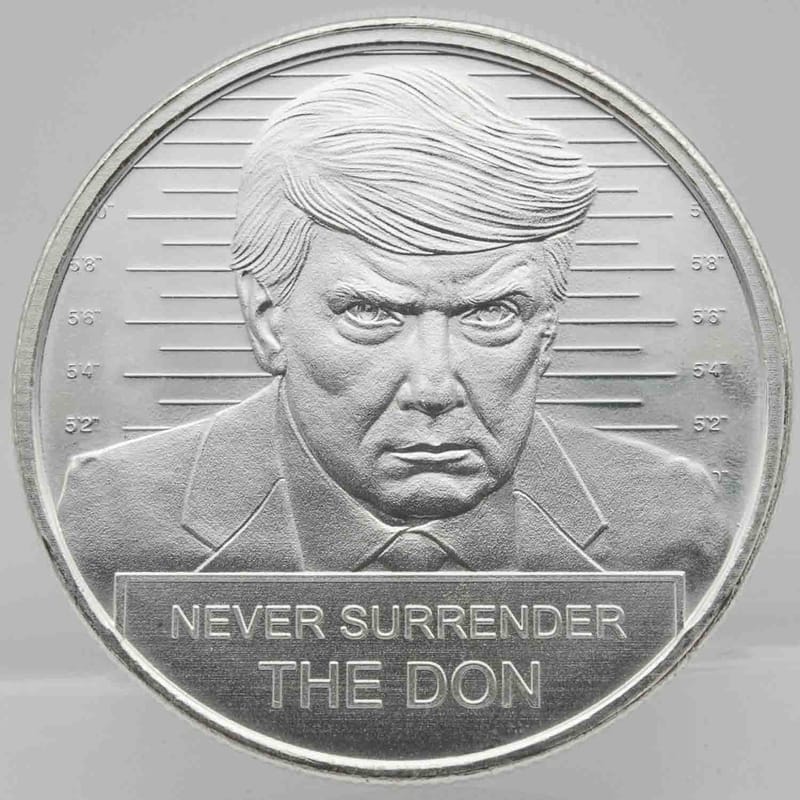
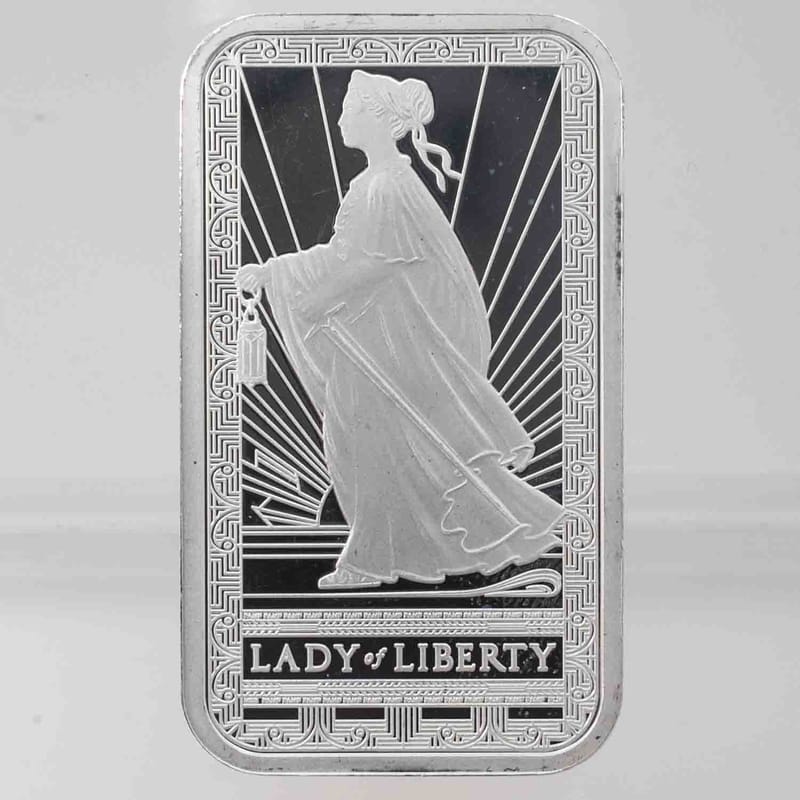
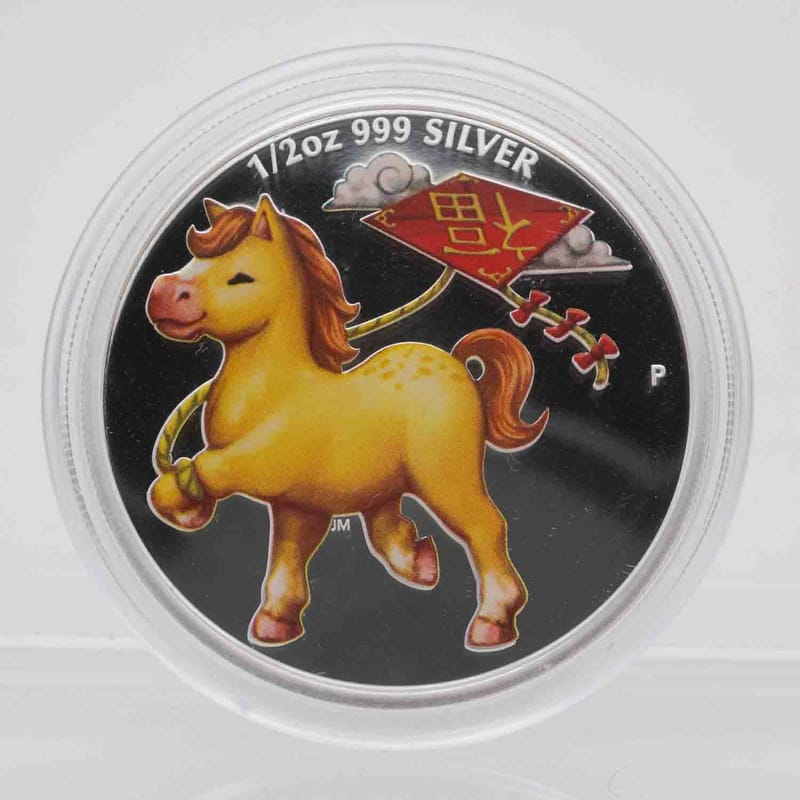
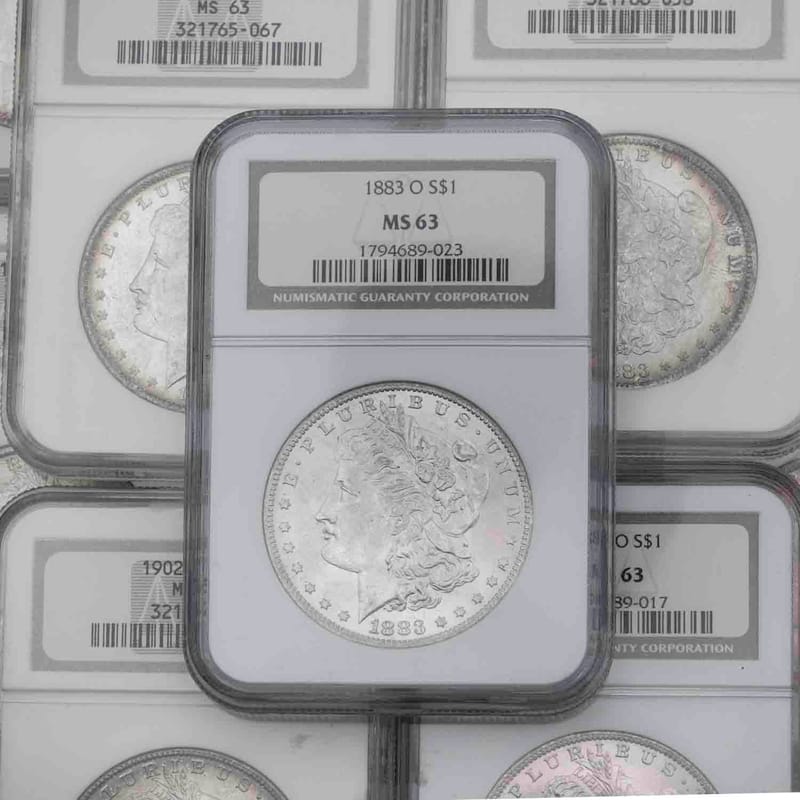
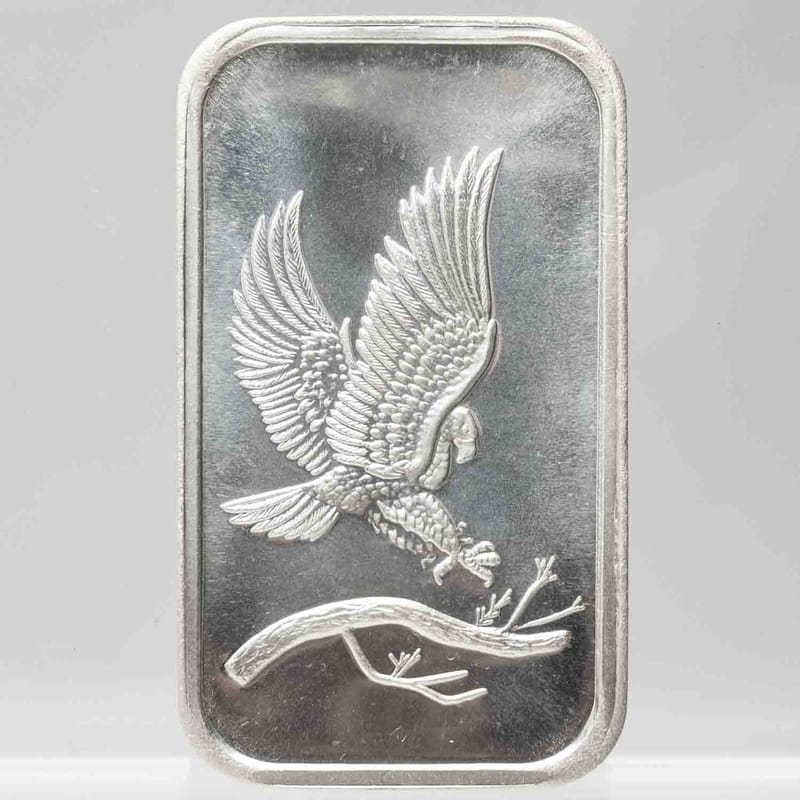
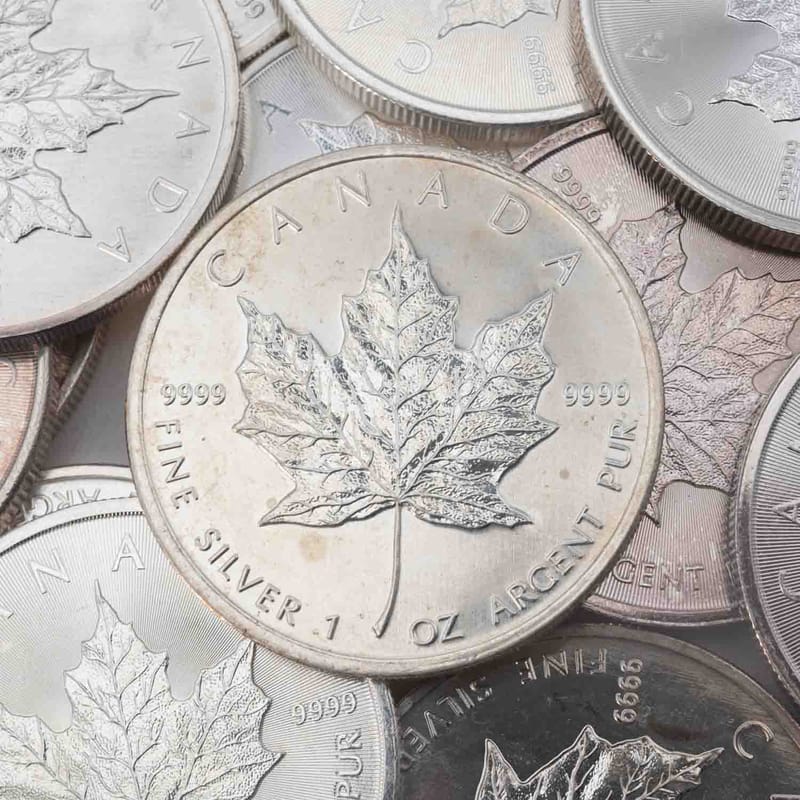
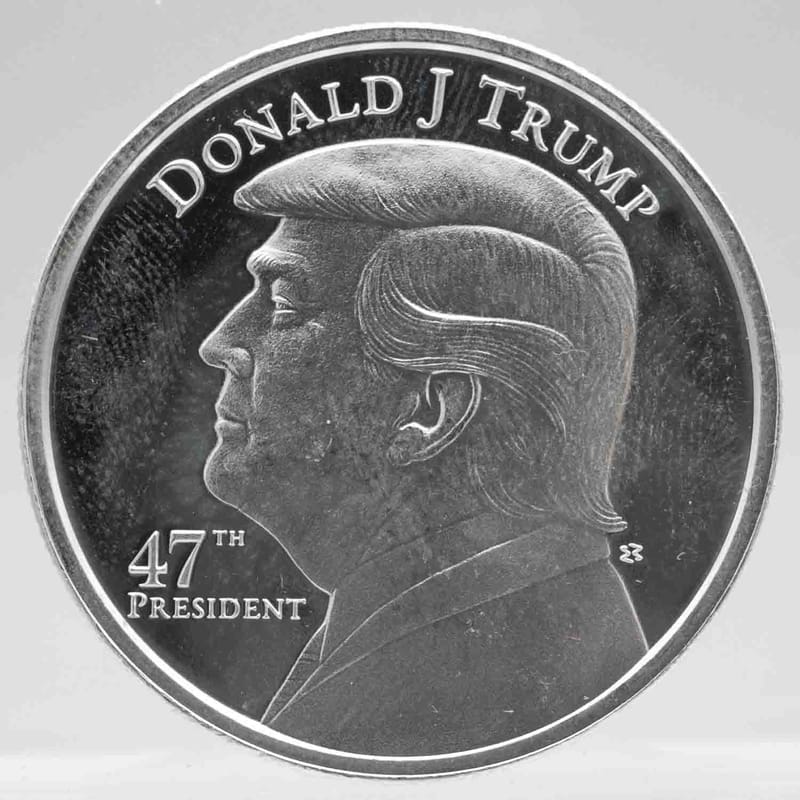
Every split below draws from the same four building blocks, each with a different job. Generic rounds: lowest premium, maximum silver per dollar — the weight engine. Sovereign coins (Eagles, Maples, Britannias): government-minted, instantly recognized, easiest to sell fast — the liquidity layer. 10 oz bars: the efficiency sweet spot between cost and sellability. Constitutional silver (pre-1965 dimes and quarters): the most divisible, perfect for small trades, often near melt. A fifth category — numismatics, where you pay for the story rather than the metal — is a different hobby entirely; know it exists so you don't wander into it by accident (bullion vs. numismatics).
Three proven splits
| Split | Allocation | You end up with |
|---|---|---|
| Weight-first | $600 generic rounds / $250 constitutional / $150 fractional gold | Maximum ounces + small-trade silver + a gold seed |
| Balanced bar | $500 in a 10 oz bar / $500 sovereign coins | ~17 oz mixing low premium with high liquidity |
| Starter pair ($500 version) | $250 generic rounds / $250 one sovereign coin | ~8 oz — weight and recognition from day one |
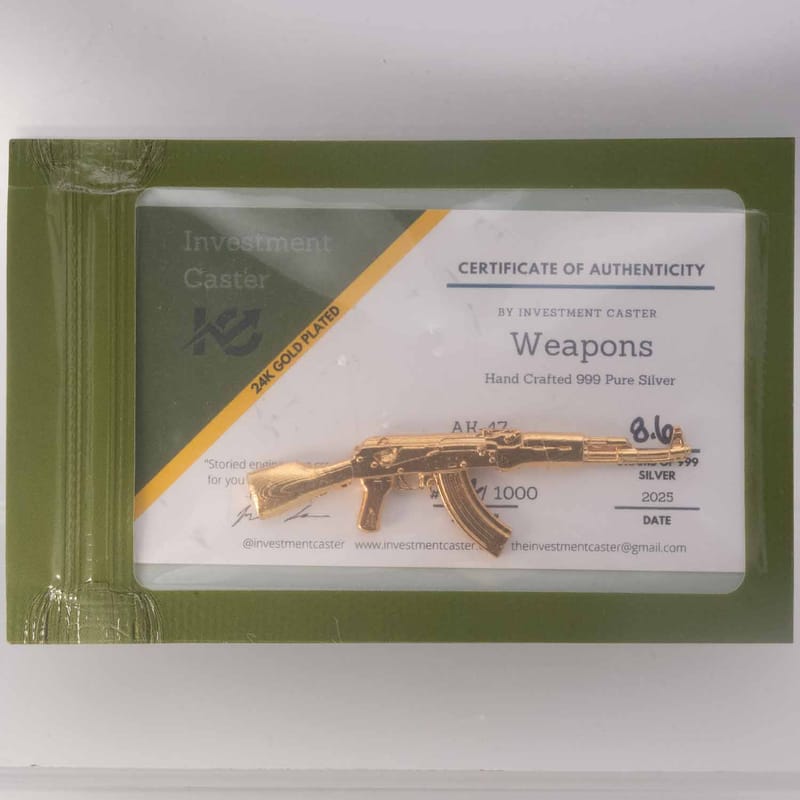
All three splits encode the same two principles. First: weight and liquidity from day one — never all fancy coins (the classic first-buy mistake that pays 20–30% premiums), never all big bars (efficient but illiquid). Second: every dollar has a job — ounces, sellability, divisibility, or a gold foothold. Which split to pick: weight-first if your goal is the fastest path to real ounces; balanced if you want the simplest two-product stack; the starter pair if you're testing the waters with $500. There's no wrong answer among the three — only the unforced errors outside them.
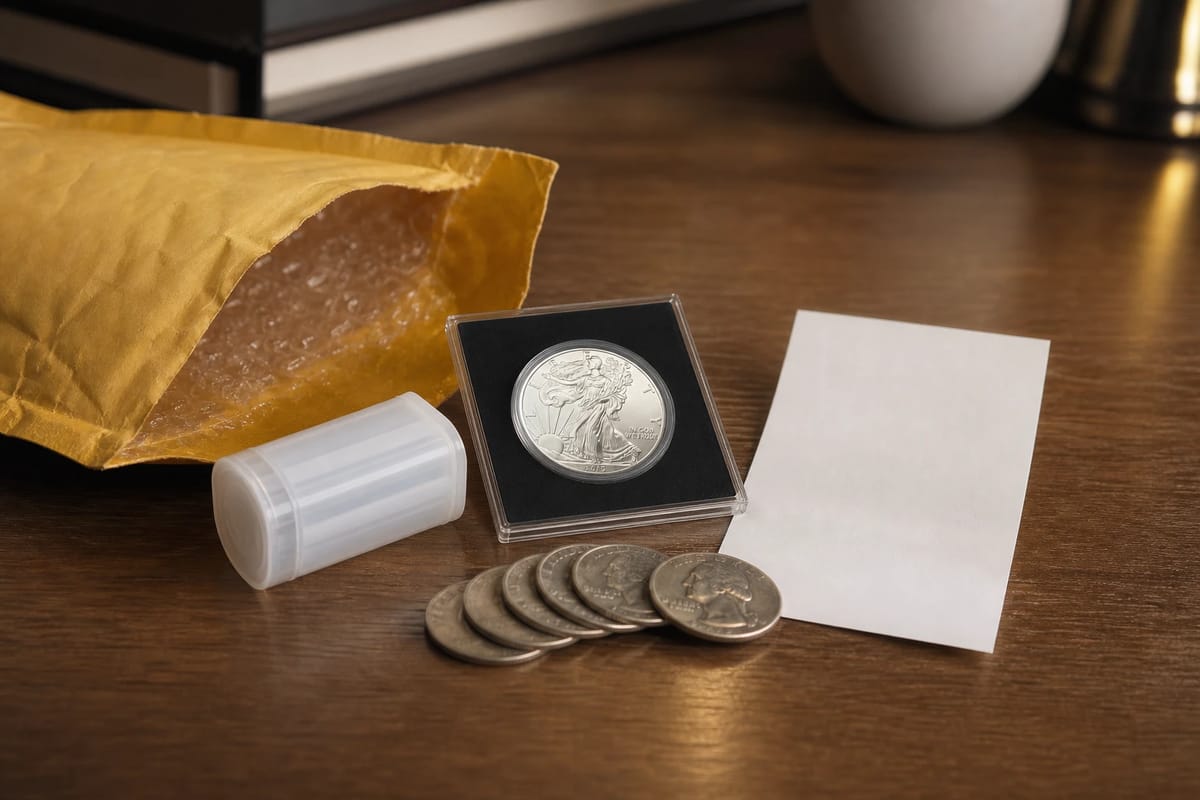
The five terms that unlock the market
- Spot — the live market price per ounce. You will never pay spot; you pay spot plus premium, and knowing that arithmetic is the whole game (the premium playbook).
- Premium — the markup over spot. Your first-buy target: single digits on generics, and a justifiable reason for anything higher.
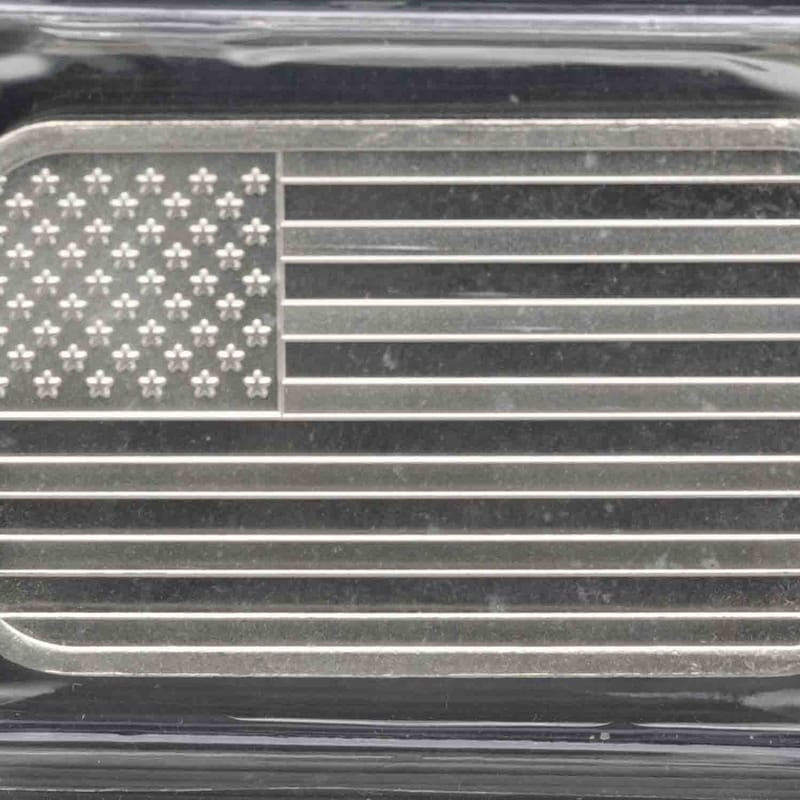
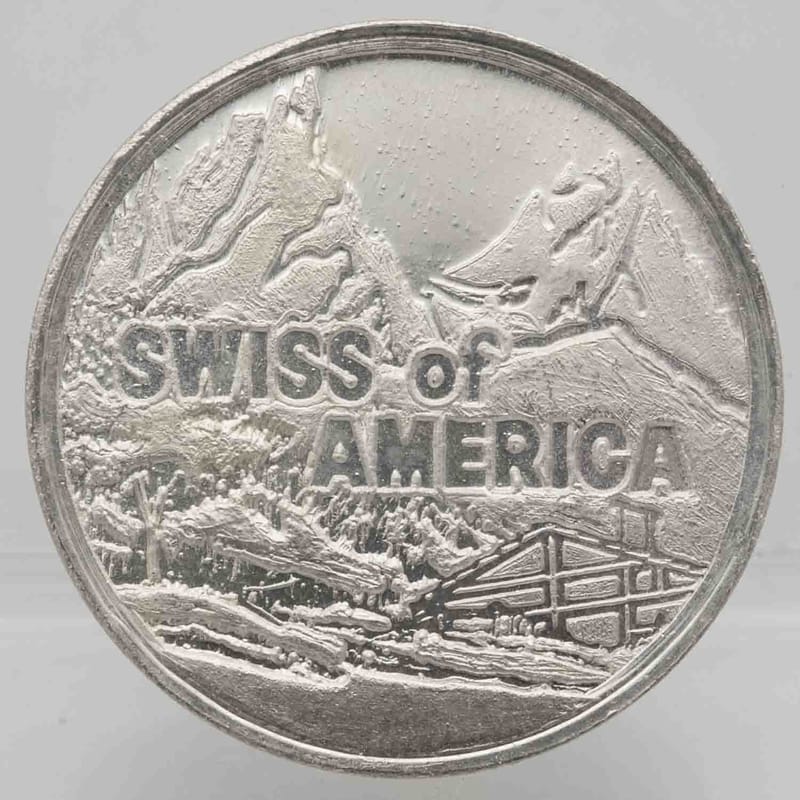
- Generics — private-mint rounds and bars. No flag, no face value, maximum metal per dollar.
- Constitutional — pre-1965 US 90% silver coinage. Real money with a wear-adjusted melt value (the strategy guide).
- DCA — dollar-cost averaging: the same buy on the same schedule, which is what your first $1,000 should turn into (systems).
The one thing the first coin decides: your default. Stackers who start with weight and value in mind — even alongside one beautiful sovereign coin for the drawer — report they never unlearned the discipline. Stackers who start at 25% premiums spend Phase 2 of the journey paying it back. Start the habit you want to keep.
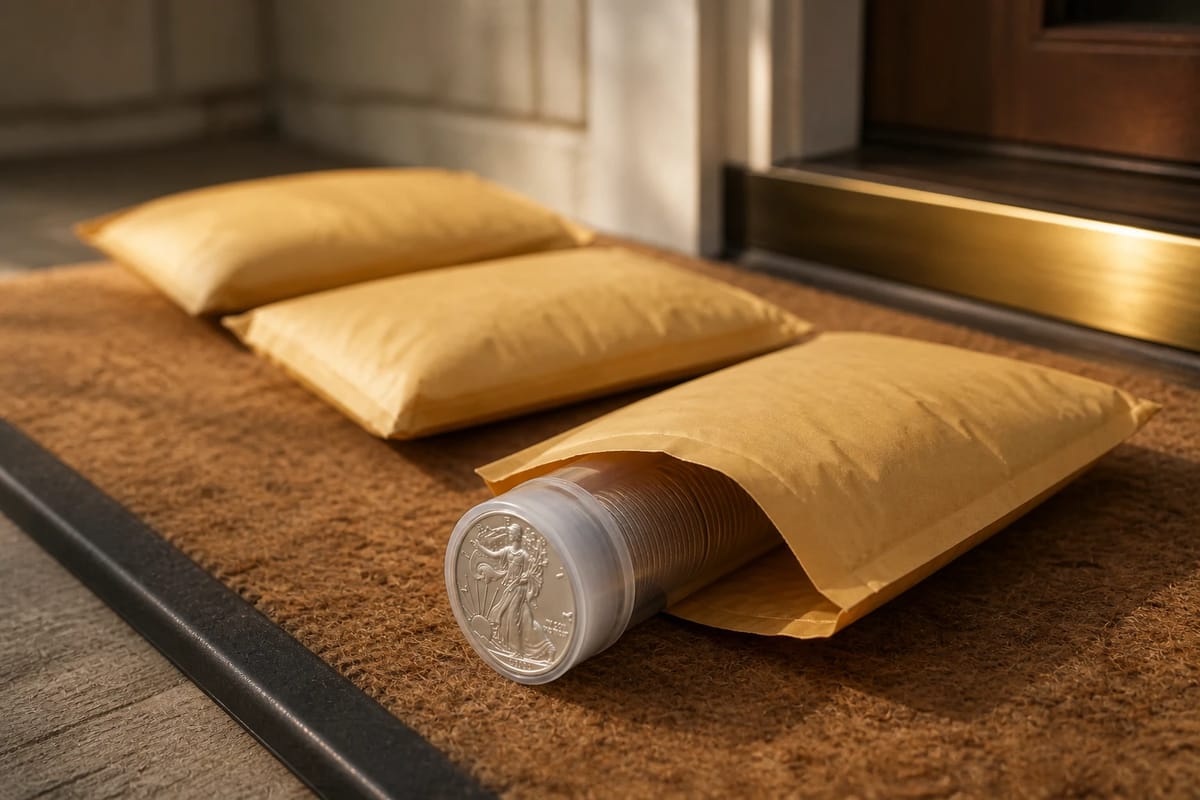
After the first $1,000
The split was the easy part; the schedule is the stack. Turn whatever remains of your monthly budget into a standing buy (weekly or monthly — see how much you should own for the sizing framework), aim the next purchases at whichever job your starter stack left thinnest, and let the milestones arrive on their own. By 25–50 oz you'll be shopping premiums like a veteran; by 100 you'll be reading the allocation blueprints and nodding.
Frequently asked questions
Should any of the first $1,000 go to gold?
The weight-first split's $150 fractional-gold seed is optional but popular — it plants the second metal early without slowing the silver base. Full reasoning in the fractional gold guide.
Where should a beginner actually buy?
Wherever you can see the premium clearly and you're protected if the item isn't as listed. Peer-to-peer marketplaces with buyer protection combine dealer-grade safety with stacker-grade prices — the markup non-buyers cite as their #1 obstacle is mostly a dealer phenomenon (is peer-to-peer safe?).
New Eagles or a used mix?
Secondary-market silver — lightly handled coins, older rounds — carries the same metal at lower premiums. Condition matters for collectibles, not for weight. Buying "used ounces" is one of the quietest edges a beginner has.
A thousand dollars, split with intent, buys more than metal — it buys the habits that build every stack that ever mattered. Spend it like it's the blueprint, because it is.