How to Sell Your Silver Stack: Getting the Best Price for Your Metals

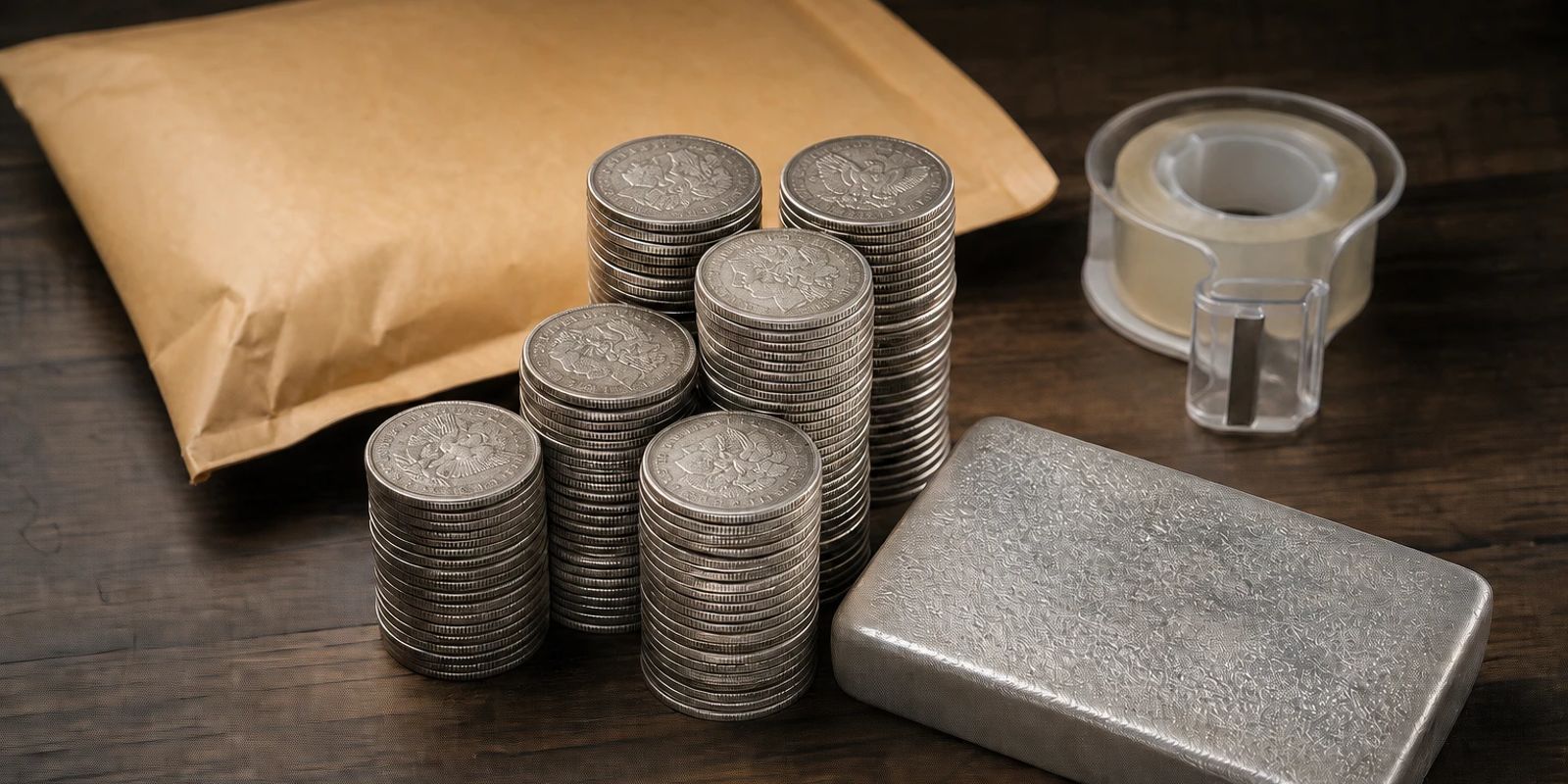
Every stacker eventually sells — to rebalance, take profit, or because life happens. The spread between the best and worst way to sell the same coins routinely exceeds 20%, so the exit deserves as much homework as the entry. Here is what each channel really pays.
Your five exits, ranked
| Channel | What you keep | Trade-off |
|---|---|---|
| Private sale to collectors | Between dealer buyback and retail — you pocket part of the premium | Takes photos, listings, patience |
| Online dealer buyback | ≈95% of spot, price lockable by phone | Ship first, get paid after verification |
| Local coin shop | Near or below spot bid | Instant payment, margins vary by shop |
| eBay | Retail-ish price minus ≈13% fees + shipping | Best for collectible coins, not bullion |
| “We buy gold” storefronts | The most brutal spreads in the market | Emergencies only |
What actually drives your quote
Nobody repays your purchase premium: bids anchor to spot and work down, and dealer margins on buybacks run a few percent. Recognized, fast-moving products — Eagles, Maples, Buffalos — earn the strongest bids because the dealer can flip them immediately; obscure bars and scuffed rounds bid weaker. Quotes also vary day to day with each shop's inventory needs, so get two or three bids and ask specifically for the "bid" price. For 90% junk silver, know the melt math cold before any conversation: $1 face x spot x 0.715 — and pull key dates first, because a 1916-D dime sold by weight is a three-figure mistake.
Listings that sell fast
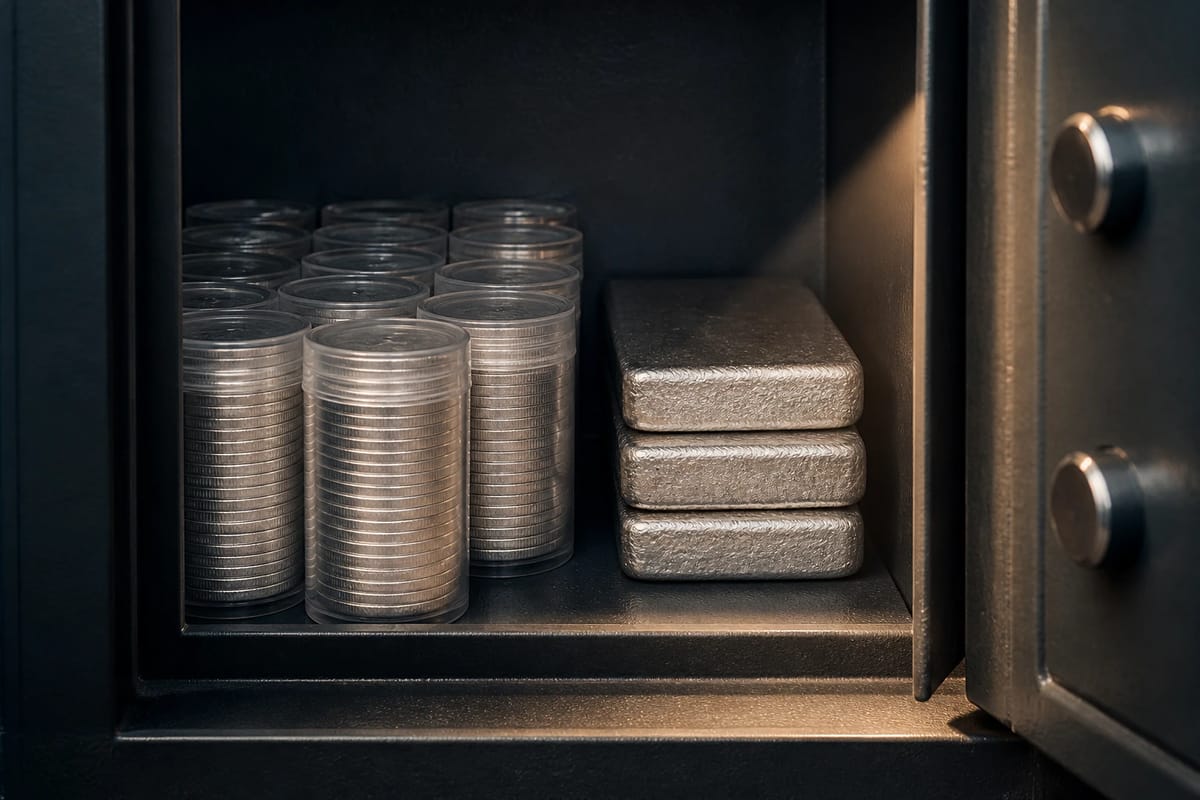
- Sharp photos in natural light, both sides, plus edge shots for anything valuable.
- Exact weight, purity, and count in the title — "20x 1 oz .999 rounds," not "some silver."
- Honest condition notes; milk spots and scratches disclosed up front build the trust that closes sales.
- Price against live spot the day you list, not what you paid — and auctions work well for recognizable coins, fixed-price-plus-offers for the rest.
The tax note sellers forget
In the US, physical metals are IRS collectibles: long-term gains are taxed at 28% or your ordinary rate, whichever is lower — keep purchase receipts for cost basis. Dealer 1099-B reporting only triggers at specific bulk thresholds (for example $1,000+ face value of junk silver or 1,000+ ounces of bars), but the gains are taxable either way.
On PeerMetals, delivery-verified payouts protect the seller too: the buyer's payment is already secured on-platform before your package leaves, and tracking — not a promise — releases it to you.
Become a seller in a few minutes, or study closed listings in the marketplace first to price your stack against what collectors are actually paying today.
Watch: 30-second takes from the PeerMetals channel
More shorts and weekly market recaps on the PeerMetals YouTube channel.
Frequently asked questions
When is the best time to sell? When premiums are elevated, your channel matters more than the spot chart — a demand spike adds more to your net than a few dollars of spot movement.
Do I owe taxes when I sell? US gains on physical metals are taxed as collectibles (max 28% long-term). Dealers only file 1099-B at bulk thresholds, but the gain is taxable either way — keep receipts.
Local shop or online dealer? The shop pays today at a lower bid; the online dealer pays more but after shipping and verification. Private collector sales beat both on price at the cost of effort.