Copyright © PeerMetals 2026
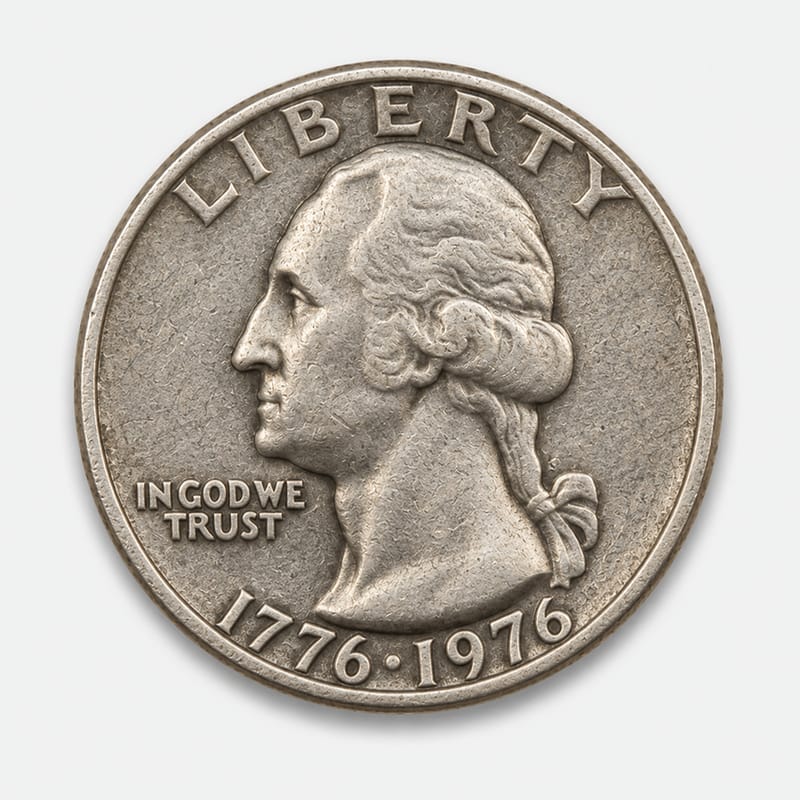
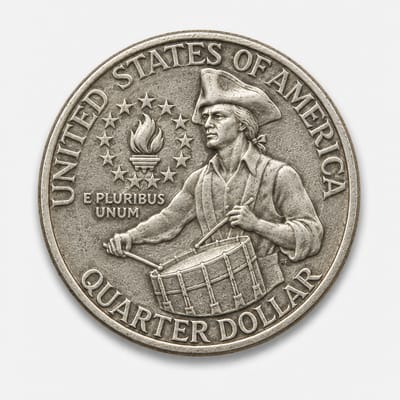
1976 bicentennial quarter value: 25 cents circulated, $2 to $7.29 uncirculated, $12.70+ for 40% silver S-mint. Why the million-dollar stories are false.
Condition drives the price — full breakdown below.
809,784,016 struck — against the other key dates in the Bicentennial Quarter series.
Bars are scaled to keep the smallest mintages visible; the exact figure is printed on every row. Mintage is coins struck, not coins surviving — melting and circulation wear thin those numbers further.
A circulated 1976 clad quarter is worth 25 cents. CoinWeek states that for coins found in change the realistic value remains face value, and USA Coin Book puts the metal value of the copper-nickel clad coin at $0.0837. No MS-63 or MS-65 guide figure could be sourced for this update.
Uncirculated coins carry a small premium. USA Coin Book lists a 1976 Philadelphia quarter at $7.29 or more in uncirculated condition and a 1976-D at $10 or more, while CoinWeek reports uncertified uncirculated examples selling for about $2 each. The guide figure and the street price are not the same thing.
The mintage is enormous: 809,784,016 from Philadelphia, and CoinWeek puts the combined Philadelphia and Denver total at 1,669,902,855, which leaves about 860 million for Denver. PCGS still calls the 1976-P the scarcer of the two in high grade.
The viral 'bicentennial quarter worth millions' stories are false. CoinWeek reports the best genuine results: a toned PCGS MS68 1976-P, the sole finest known, sold for $5,000, average NGC MS68 coins bring $550 to $700, and PCGS MS68 1976-D coins average around $2,800.
Errors sell for tens of dollars, not fortunes. Bold Precious Metals cites a 1976 quarter with a double clipped planchet that sold for $89, which is typical of what off-center, clipped and broadstruck bicentennial quarters actually bring.
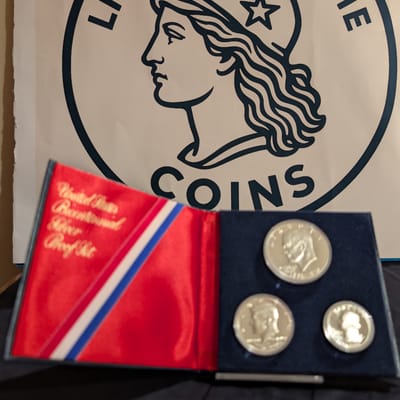
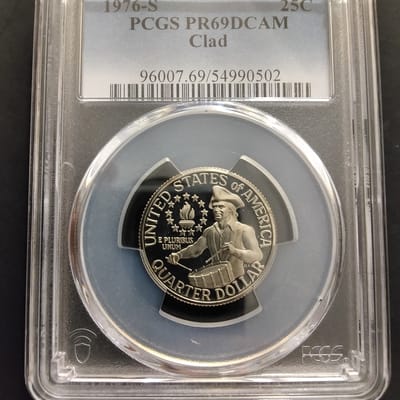
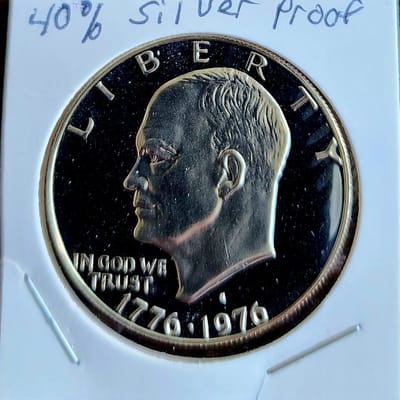
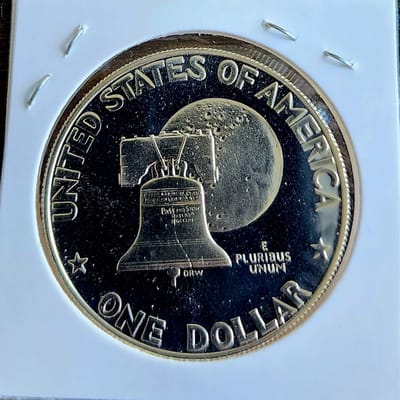
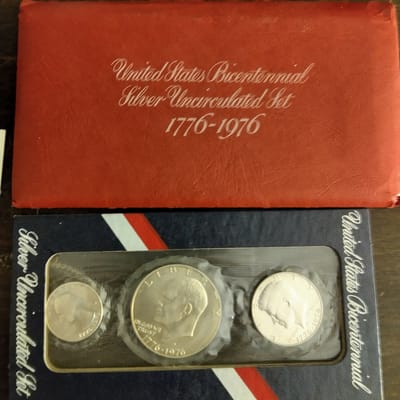
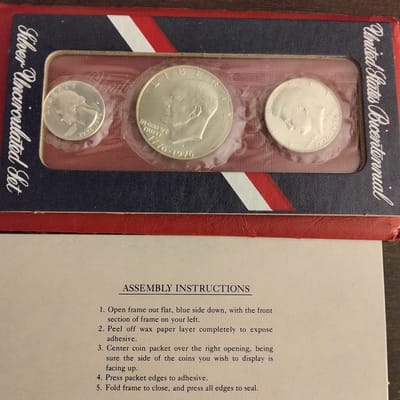
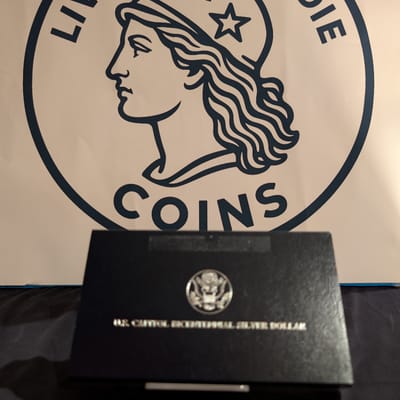
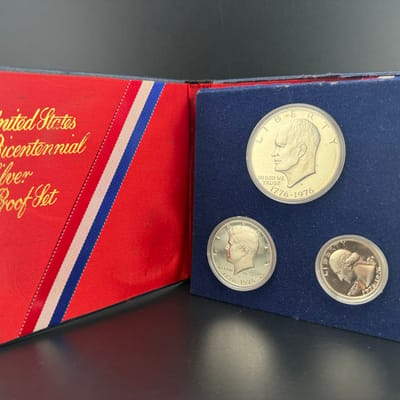
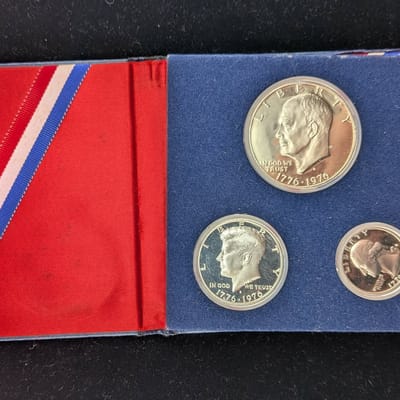
Only San Francisco struck silver. PCGS lists the 1976-S 40 percent silver quarter at 5.75 grams with a mintage of 11,000,000; USA Coin Book values it at $12.70 or more uncirculated and $14 or more as a proof. CoinWeek counts about 4 million silver proofs and 4.9 million silver uncirculated coins actually distributed.
At 40 percent of 5.75 grams a silver bicentennial quarter holds 2.3 grams, about 0.0739 troy ounces, of silver. At $65.44 per ounce on 3 September 2026 that is roughly $4.84 of metal, so even a worn silver example is worth nearly 20 times face.
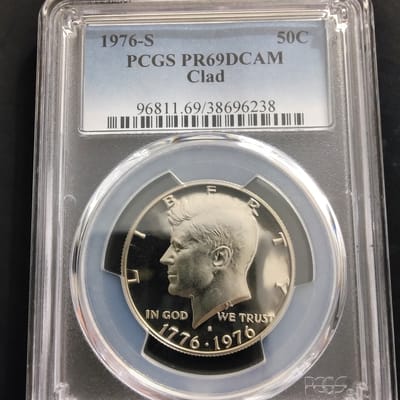
The clad 1976-S proof, struck for the standard proof set, lists at $6.25 or more on USA Coin Book. If your S-mint coin came from a blue-packaged silver set it is the silver version; if it came from a brown or regular proof set it is clad.
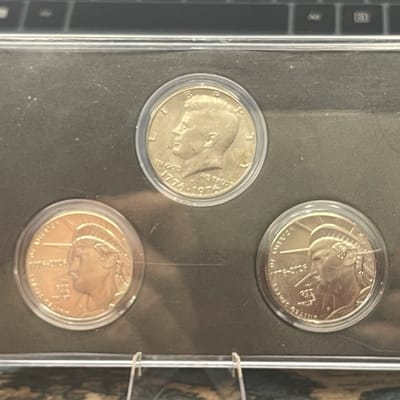
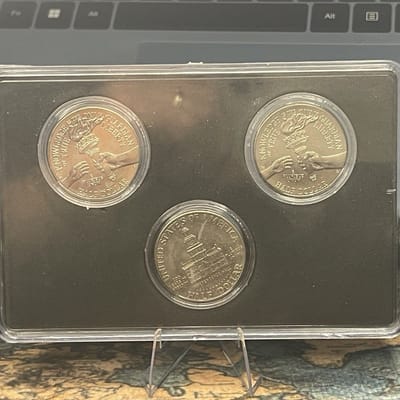
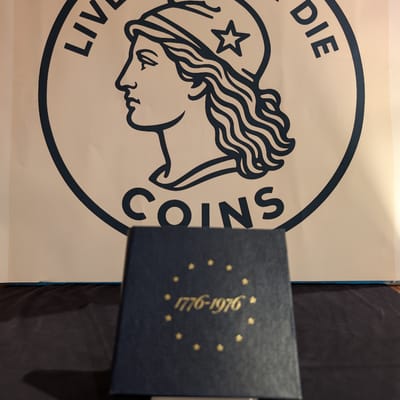
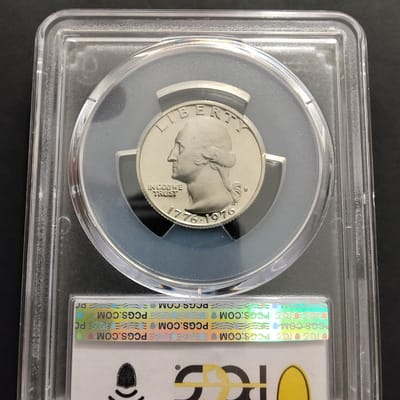
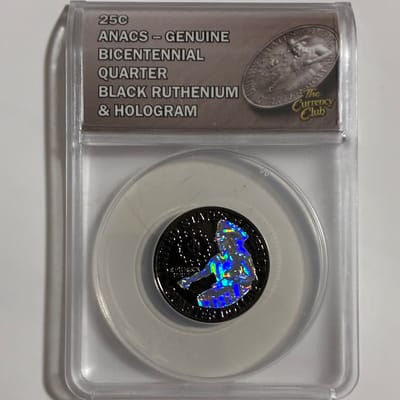
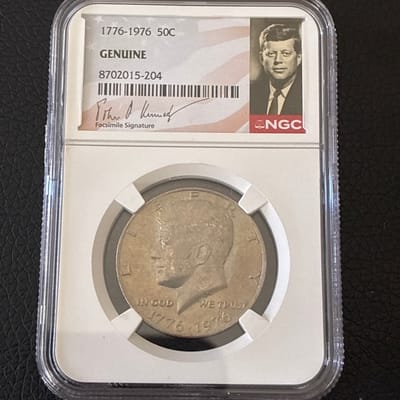
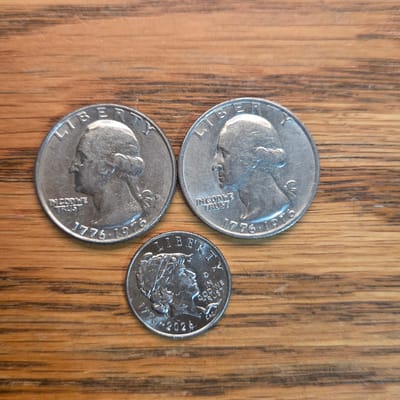
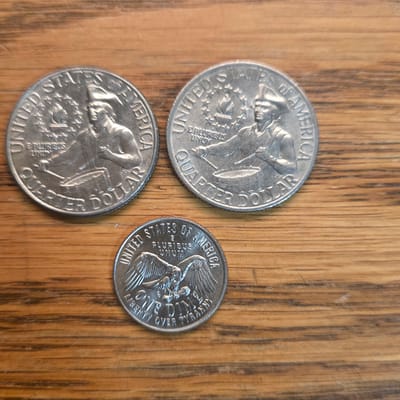
PCGS notes the coins were struck in both 1975 and 1976 with the dual date 1776-1976, so there is no 1975-dated quarter. The dual date alone does not make a coin rare; roughly 1.7 billion carry it.
Live listings matching the 1976 Bicentennial Quarter
Other dates and varieties in this series
What to check before you pay, specific to this date and its 809,784,016-coin mintage.
The same date runs from about $0.25 worn to $7 at the top of the scale — a 29× spread. Nearly all of that gap is condition, not the date on the coin, so work out where an example sits on the table above before deciding whether its asking price is fair.
Grading fees would eat much of what this coin is worth, so raw examples are normal here and nothing to be wary of. Judge it on clear photos of both sides and the seller's track record instead.
Every Bicentennial Quarter listed here is priced by an individual seller, so the same coin in the same grade can differ by a wide margin on any given day. Sort by price, check Metal Points and order history for a sense of the seller's record, and message them if the photos don't show enough to grade confidently.
About the 1976 Bicentennial Quarter
Value depends heavily on condition. A well-worn example brings closer to $0.25, while an uncirculated one can reach $7 or more.
A circulated 1976 clad quarter is worth 25 cents. CoinWeek states that for coins found in change the realistic value remains face value, and USA Coin Book puts the metal value of the copper-nickel clad coin at $0.0837. No MS-63 or MS-65 guide figure could be sourced for this update.
For anything you believe is a key date or an error, professional grading protects both buyer and seller by settling condition and authenticity before money changes hands.
The rest of the series, with what each is worth at the top of the grade scale.
List it free on PeerMetals — flat 2.75% seller fee, zero listing fees, 1–3 day payouts.