How Stackers Buy the Dip — Without Panic, FOMO, or Draining the Budget

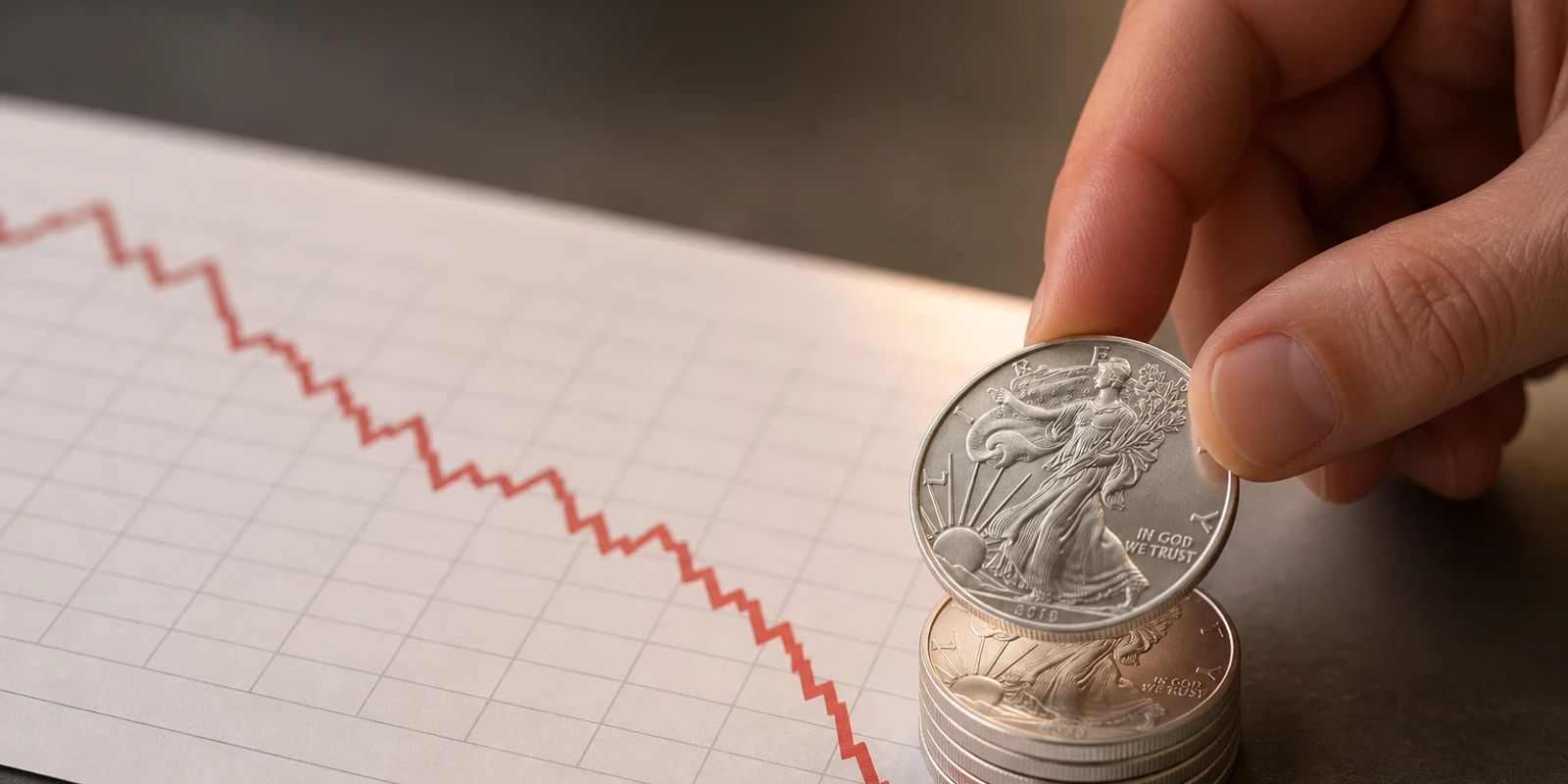
Here's the pattern that costs silver buyers the most money, and it has nothing to do with premiums or product choice. Silver drops — say to $72 — and most people wait, scared it'll fall further. Then it runs — toward $100 — and FOMO finally brings them in. They were offered the low price and took the high one. Fear kept them out at the bottom; excitement pulled them in at the top.
Experienced stackers do the opposite, and not because they're braver. They've simply automated the courage. This guide covers how the community actually handles red days: the rules, the psychology, and the honest limits of dip-buying.
Why dips build stacks
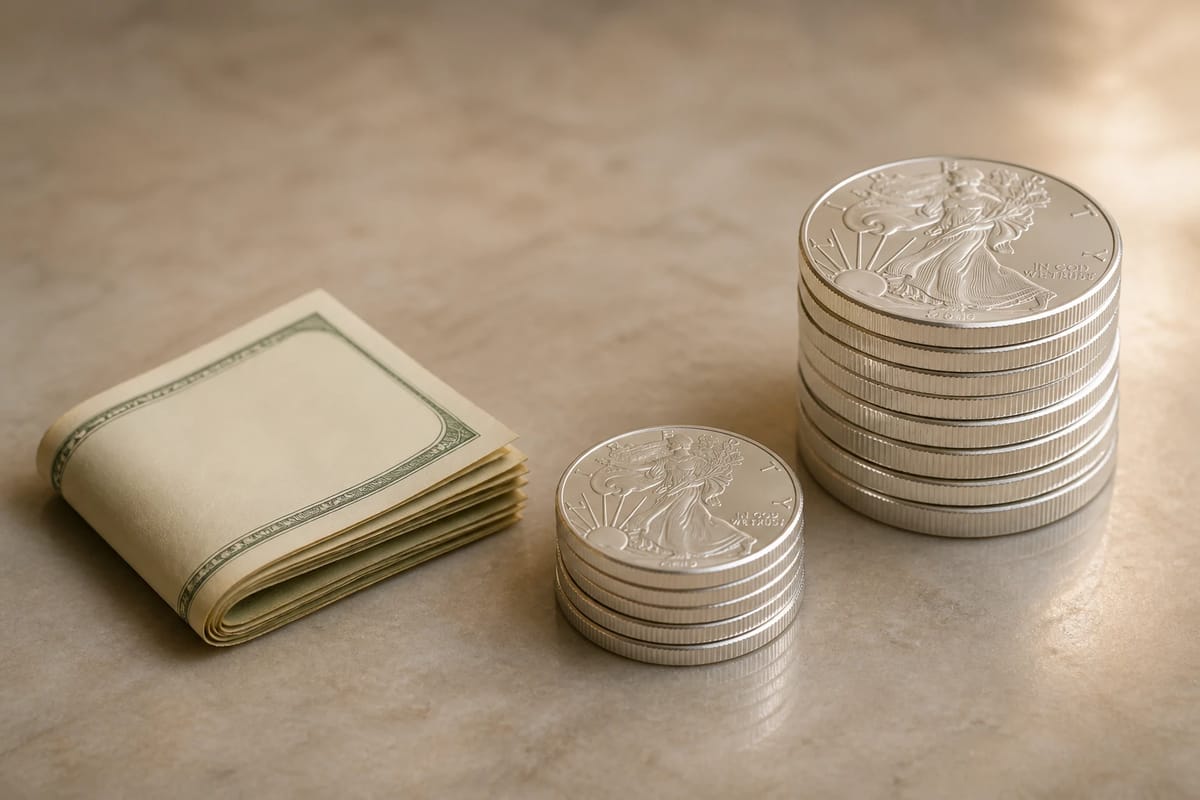
The math is almost embarrassingly simple: a pullback changes what an ounce costs, not what an ounce is. During 2026's slide from the January highs, a 100 oz stack cost roughly $1,700 less to assemble than it had near the top — same metal, same ounces, lower entry. That's why the community line is "bull markets make profits; dips build stacks." Weight bought on red days is the cheapest weight you'll ever own.
And history keeps backing the behavior. Silver's big drops — 2008, 2020, and the 2026 correction — all looked terminal in the moment and all recovered. (The full record is in our history of silver crashes.) Stackers who watched their metal come back from 2008 and 2020 aren't calm because they're wired differently; it's pattern recognition. Panic is for people who haven't seen this before.
The dip allocation rule: automate the courage
The cleanest system for buying weakness without becoming a market timer: keep your fixed buy untouched, and add a preset bonus when silver drops. If your base is $100 a week, a meaningful red week makes it $120–130 — 20 to 30% extra, decided in advance. You stay consistent, you lower your average cost, and you never have to summon courage in the moment because the decision was already made.
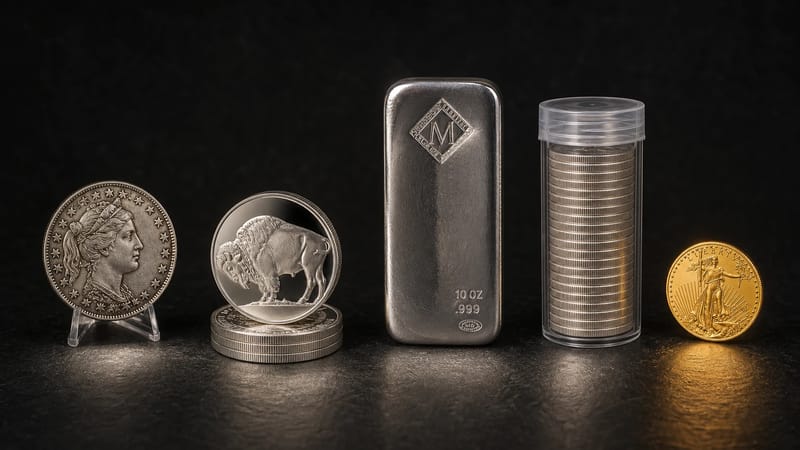
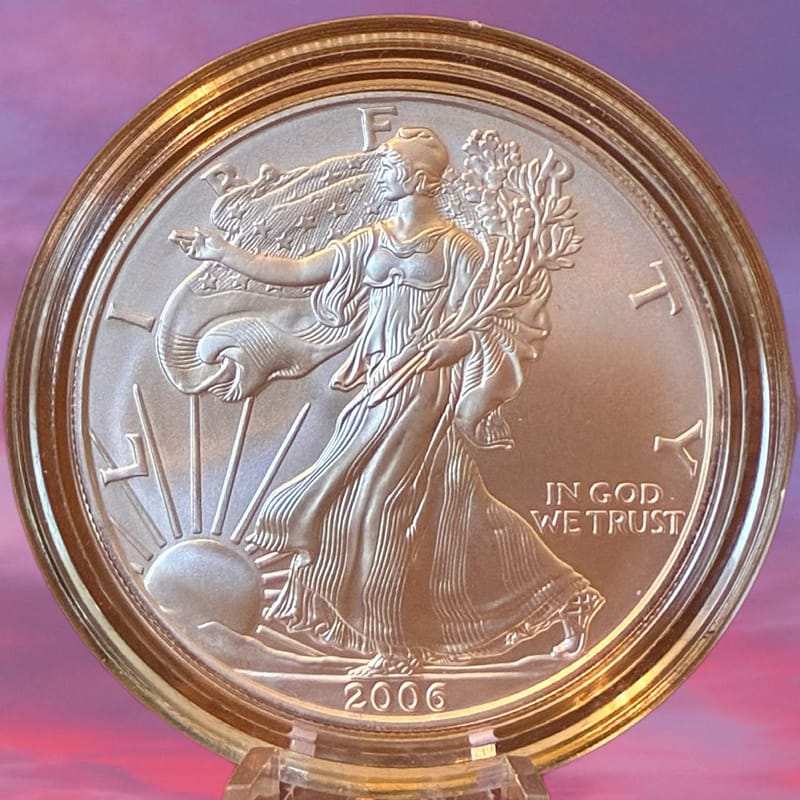
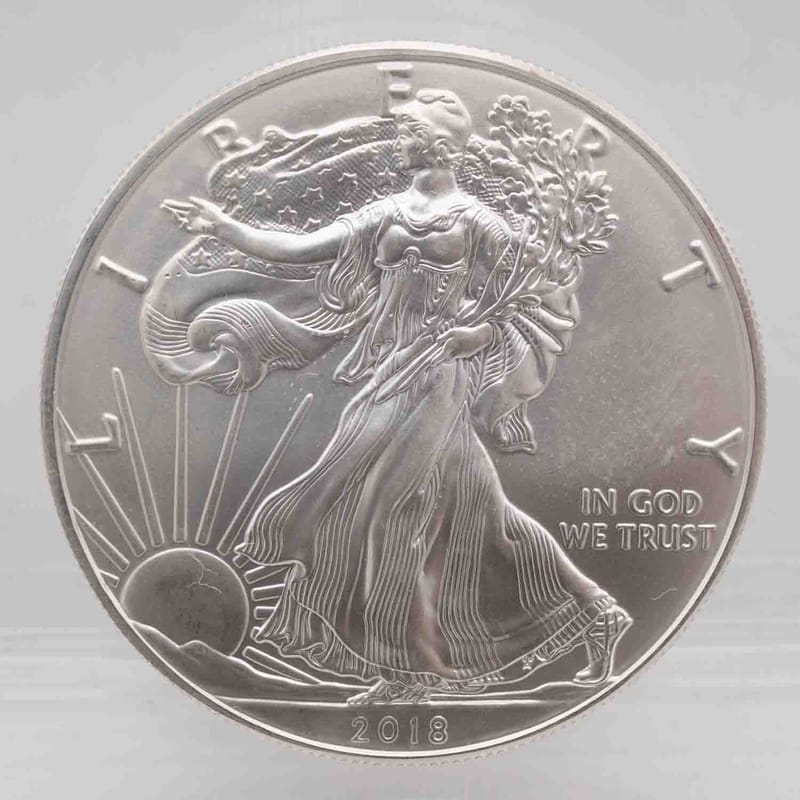
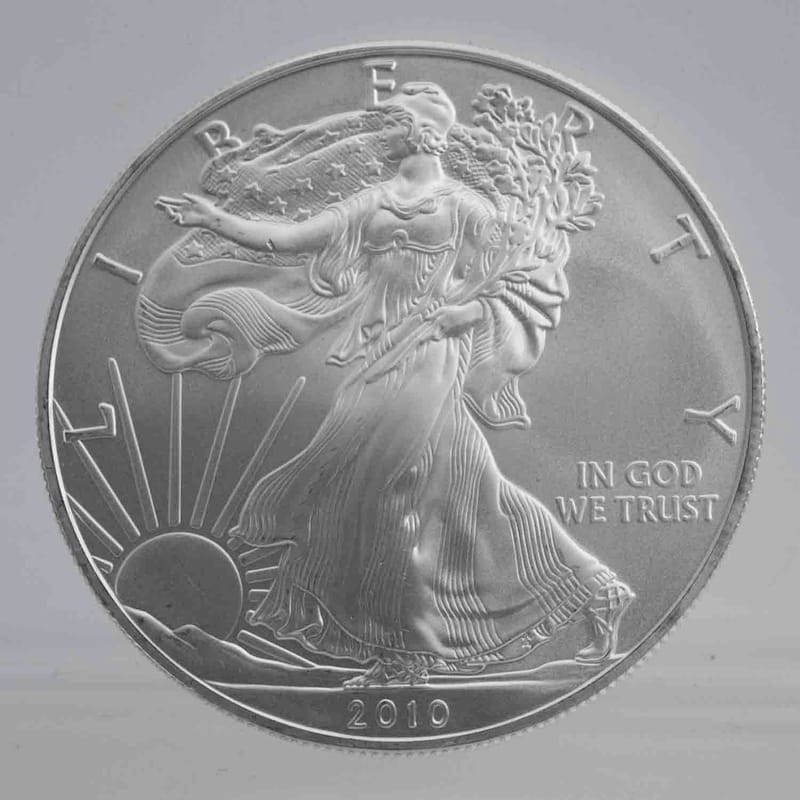
- Buy weight on dips, not exotica. Red days are for generic rounds, recognizable 1 oz coins, and 10 oz bars — the products where a lower spot price translates directly into more ounces. Collectible premiums don't compress just because spot did.
- Never deploy the emergency fund. The dip bonus comes from planned surplus, not from rent money. A dip that forces a later panic-sale defeated its own purpose.
- Check the premium before celebrating. Spot dropping doesn't always make silver cheaper — premiums often spike in the same weeks. Compute the all-in price per ounce; sometimes the honest move is our least popular rule: when spreads are ugly, skip the week. Patience is part of the strategy.
Reading a red day like a stacker
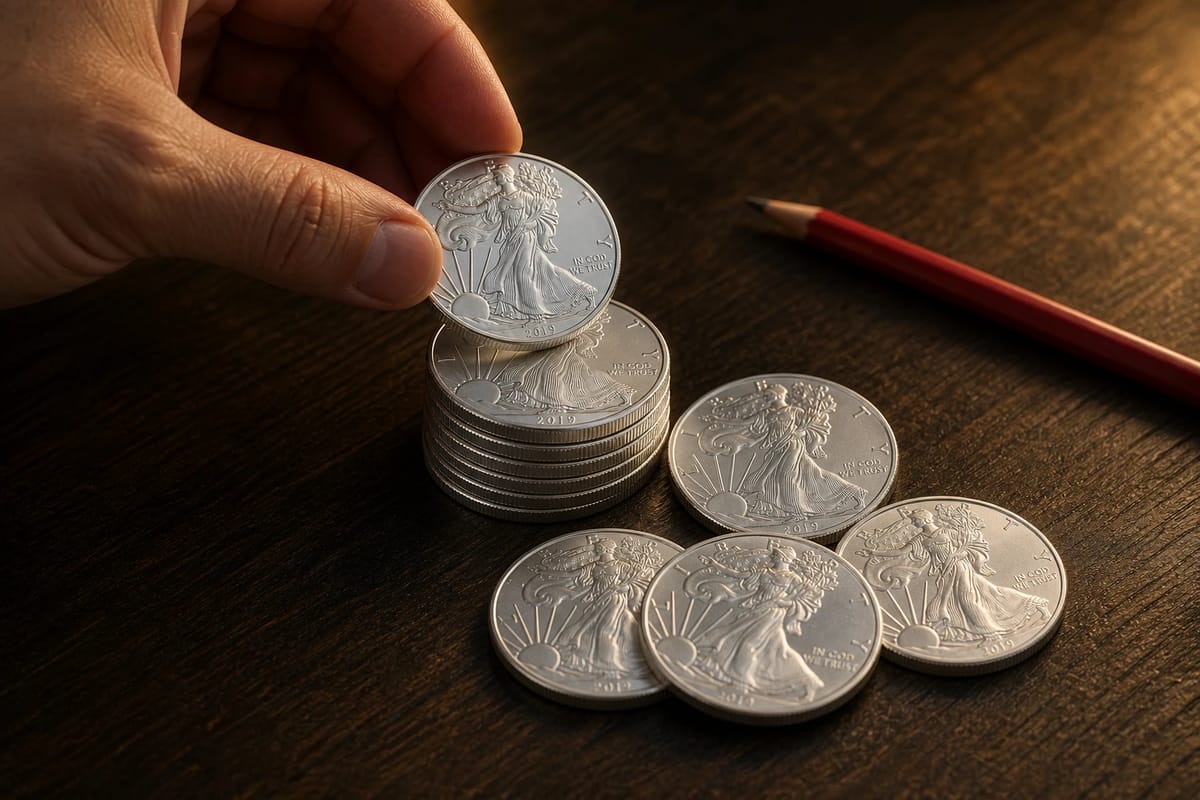
Most silver drops trace to the same short list: a strong dollar, a hawkish Fed, geopolitical whiplash, or plain profit-taking after a run. Notice what's not on the list — anything about silver itself. The supply picture, the industrial demand, the reasons you own metal: those don't change overnight. When the headline explains the drop and the fundamentals didn't move, the price just got more interesting. When you genuinely can't tell, the fixed buy continues either way — that's the whole point of having one.
The regret asymmetry. Ask stackers about their biggest regrets and almost none say "I bought a dip that kept dipping." Nearly all say some version of "the dip came, the cash was there, and I waited." Missed ounces stay with you longer than bad buys — because a slightly-early buy still holds silver, and hesitation holds nothing.
When NOT to buy the dip
Dip-buying has failure modes, and pretending otherwise is how beginners get hurt. Don't buy weakness with borrowed money — ever. Don't exceed your allocation limits chasing a falling price; the stackers who went all-in at 2026's highs violated the 10–15% portfolio guideline and paid for it (see how much you should own). And don't confuse a premium spike for a bargain — if generic rounds are suddenly 15% over spot, the dip is partly an illusion. The metal isn't going anywhere; better spreads come back to those who wait.
Frequently asked questions
How big does a drop have to be to trigger the bonus buy?
Pick a threshold in advance — many use 5% off the recent range for the +20% bonus. The number matters less than having decided it before the red day arrives.
Should I wait for the absolute bottom?
Nobody rings a bell at the bottom; it only looks obvious backward. In March 2020 silver touched roughly $12 and doubled within five months — the buyers weren't the ones who called the low, they were the ones already buying on schedule when it happened.
What if the dip is actually the start of a crash?
Then your fixed buy keeps averaging you down and your dip bonus caps how much extra you deploy — that's the system protecting you in both directions. The one scenario that truly hurts is being all-in with no cash and no schedule, which the rules above make impossible.
Buy more when you're scared, buy less when you're excited. It feels wrong every time — and it works every time, as long as a system is doing the buying instead of your adrenaline.