How to Pass Down Gold and Silver: An Estate Planning Guide for Stackers


A brokerage account has a beneficiary form. A house has a recorded deed. A stack of gold and silver has neither -- it's tangible personal property whose ownership is established by nothing more than possession, which is exactly why it needs deliberate estate planning that a standard will or financial advisor conversation often misses. This is general education, not legal advice -- talk to an estate attorney about your specific situation.
The single most important thing you can do costs nothing: write down what you have. A dated inventory -- what you own, where it's stored, purchase dates, and roughly what it's worth -- is the difference between metal your heirs find and metal your heirs never know existed. Gold in a home safe with no record of it can simply be missed during an estate settlement; gold in a bank safe deposit box can require court paperwork to access if the box isn't properly titled or the executor doesn't know it exists.

The step-up in basis: why holding until death can matter
If you sell appreciated gold or silver during your lifetime, you owe capital gains tax on the difference between what you paid and what you sold it for. But when a capital asset passes to an heir at death, its cost basis "steps up" to the fair market value on the date of death -- which means an heir who then sells inherited metal owes tax only on any gain after that date, not on decades of appreciation that happened while you held it. For metal bought years or decades ago at a much lower price, that's a real, well-established piece of the U.S. tax code worth understanding -- and worth discussing with a tax professional as part of a broader plan, not a reason to make decisions on its own.
Separately, most people won't owe federal estate tax at all -- the 2026 federal exemption is $15 million per individual (twice that for a married couple), raised from 2025's $13.99 million under 2025's One Big Beautiful Bill Act. State estate or inheritance taxes are a different, and much more variable, story: some states have far lower thresholds, so this is worth checking against wherever you actually live.
Will vs. living trust
| Path | Pros | Trade-offs |
|---|---|---|
| Will | Simple, inexpensive to set up, easy to update | Goes through probate -- a public record and a delay before heirs get access |
| Living trust | Avoids probate, keeps holdings private, faster transfer | More setup complexity and cost; needs ongoing administration |
Either path works -- the mistake is having neither, and leaving physical metal completely unaddressed while the rest of an estate is carefully planned around accounts that already have beneficiary designations.
Numismatic coins need their own line item
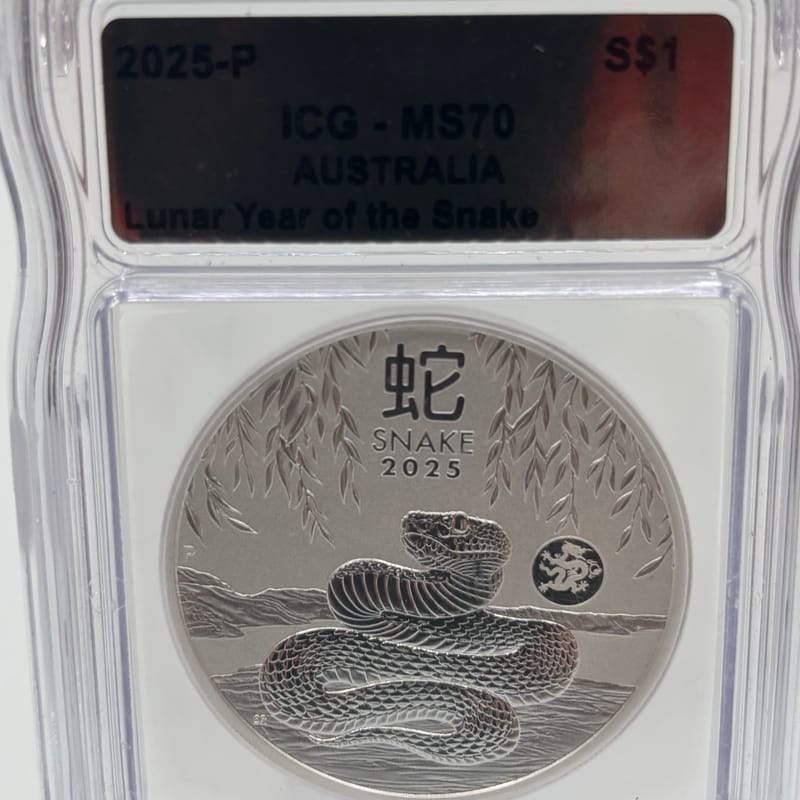
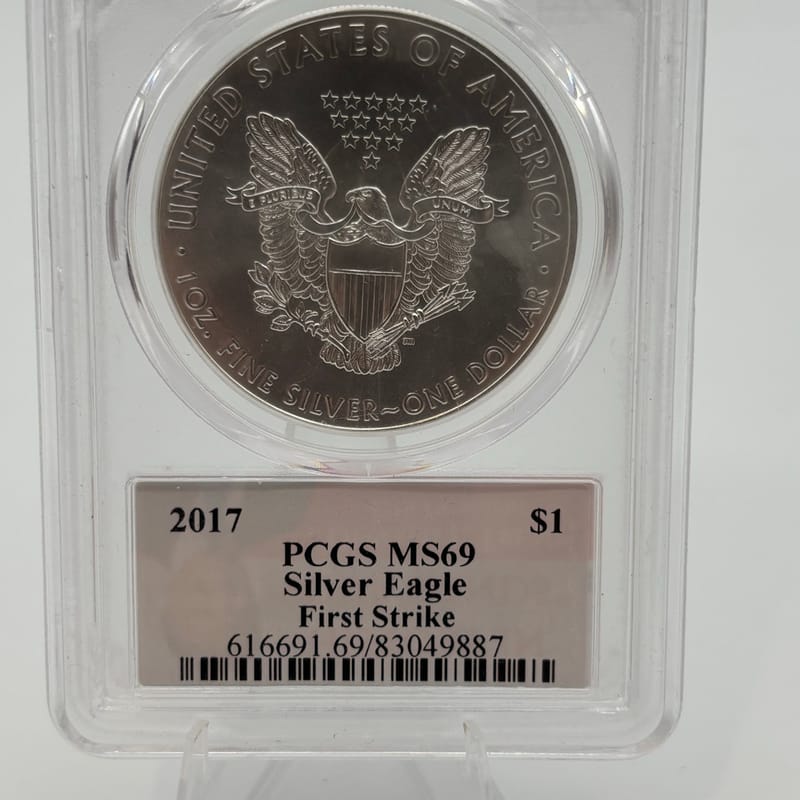
If any of your holdings are rare dates, pre-1933 gold, or professionally graded coins, don't let an executor value them at melt price alone -- a coin that's worth many times its metal content can be sold for scrap value by someone who doesn't know better. A written note next to any graded or collectible pieces ("this is not just bullion, get it appraised") is a small step that can be worth thousands.
The plan doesn't need to be complicated. A written inventory, a clear statement of who gets what, and one conversation with an estate attorney about whether a will or a trust fits your situation covers the vast majority of what actually goes wrong with physical metal in an estate.
Frequently asked questions
Does my executor need to know where everything is stored?
Yes -- or at minimum, someone you trust does, with instructions on how to reach them. Metal that no one can locate might as well not exist for estate purposes.
Should I put precious metals directly in a trust?
It's possible, and some people do -- but titling physical property into a trust has its own paperwork requirements. An estate attorney can tell you whether it's worth it for your situation.
What about a Gold IRA -- does that pass differently?
Yes -- a Gold IRA has its own beneficiary designation, separate from a will, similar to any other retirement account. See our Gold IRA guide for how those accounts work.