Gold vs. Silver in 2026: Which Should You Stack First?


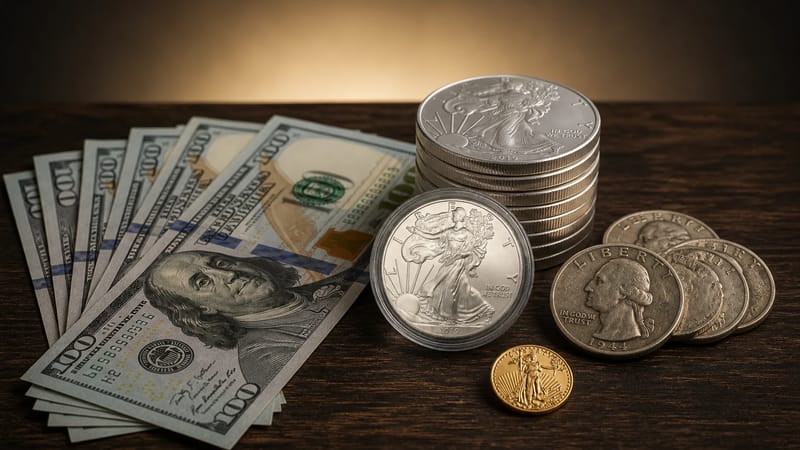
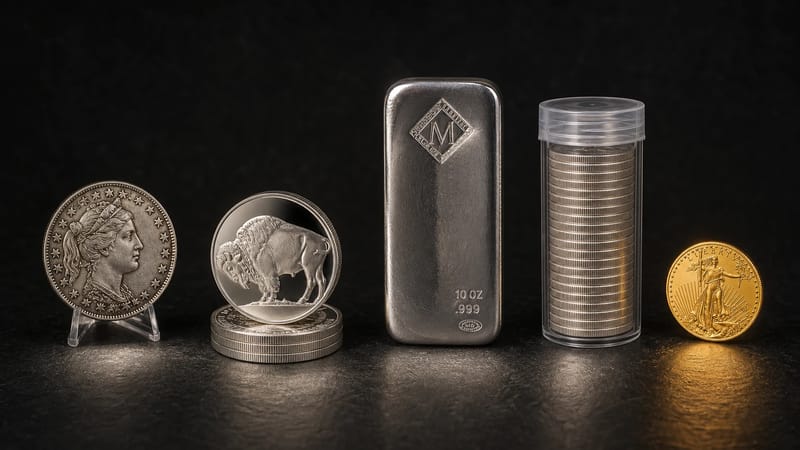
Gold and silver both protect purchasing power, but they behave like different animals in a stack. The right split depends on your budget, storage situation, and stomach for volatility — not on which metal had a better month. Here is the comparison that actually matters, with the numbers behind it.
The two metals side by side
| Gold | Silver | |
|---|---|---|
| Spot (mid-2026) | ≈$4,410/oz | ≈$66/oz |
| Typical coin premium | 3–8% | 10–20%+ |
| Volatility | baseline | 2–3x gold's daily swings |
| Demand mix | monetary, jewelry, central banks | ≈50% industrial (solar, electronics, EVs) |
| Value per pound | ≈$64,000 | ≈$960 |
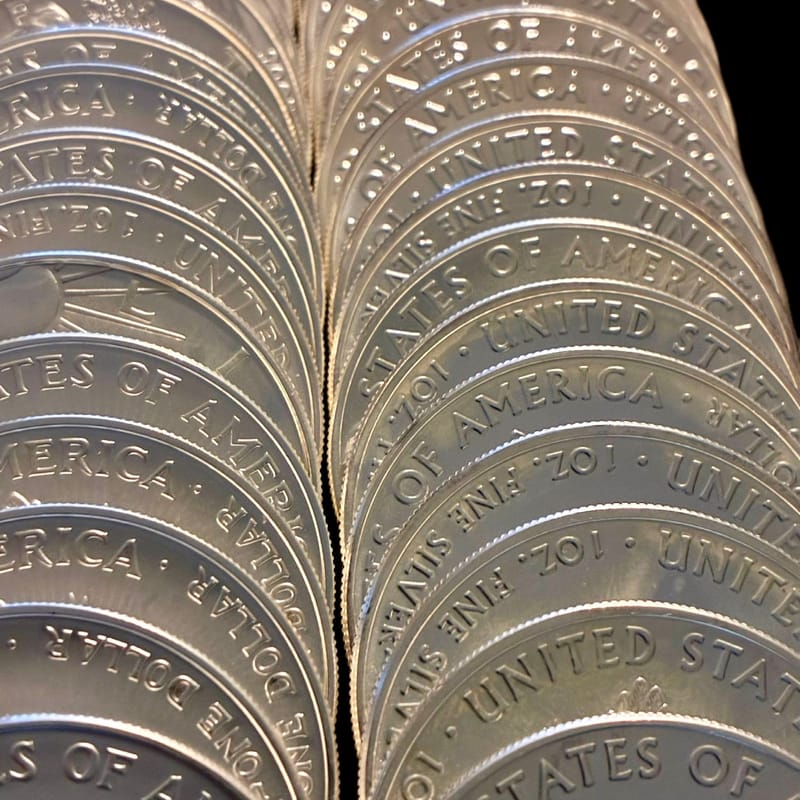
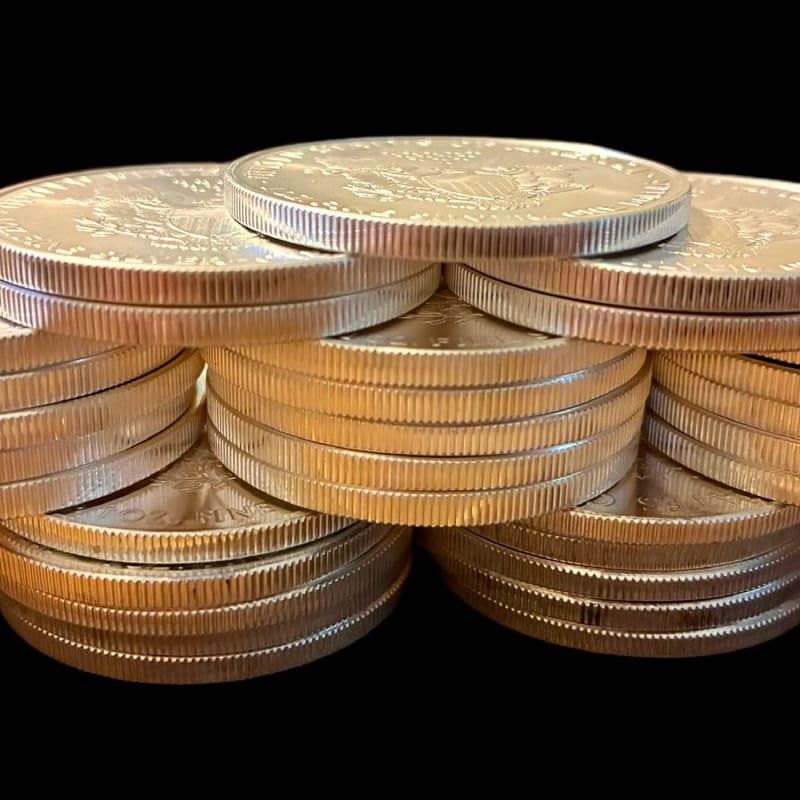
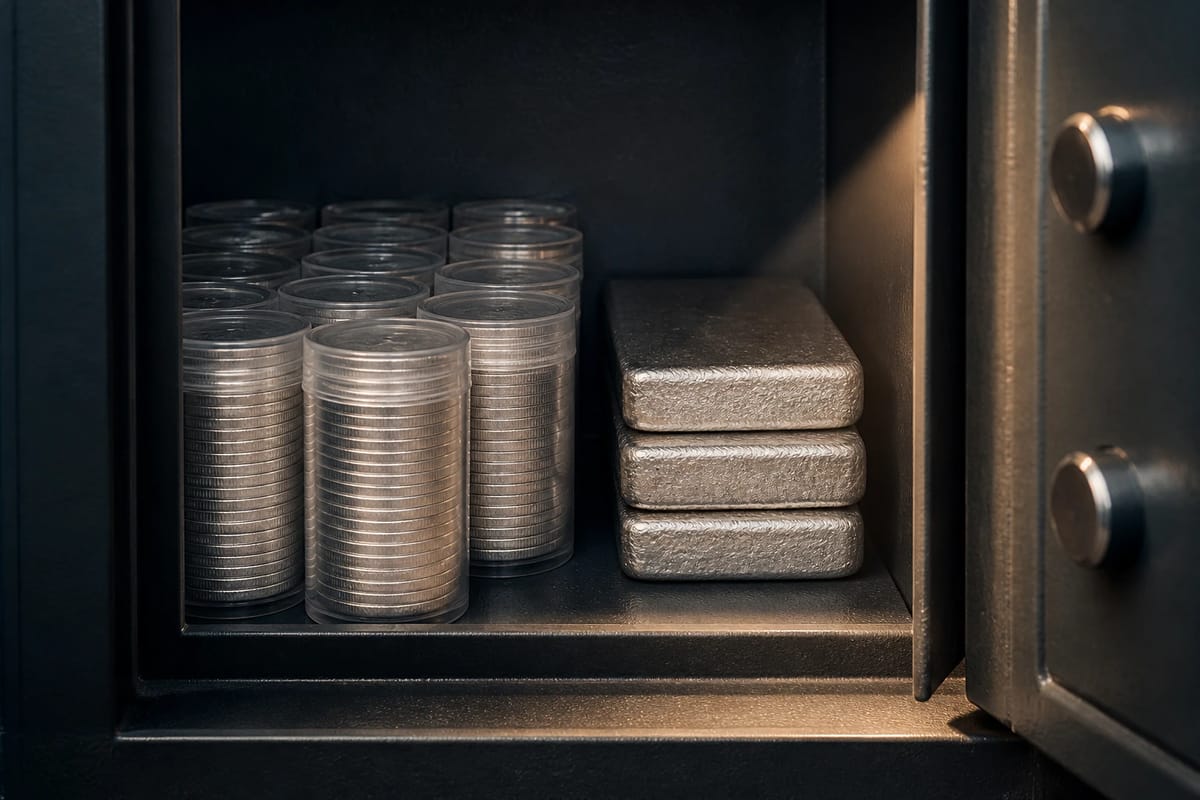
That density gap is not trivia — it decides your storage strategy. A five-figure gold position hides anywhere; the same value in silver needs a real safe and a plan. Premiums also cut differently: fabrication is a bigger share of a $66 coin than a $4,410 one, which is why silver's percentage premiums run several times higher.
The gold-silver ratio as a compass
The ratio — ounces of silver equal in value to one ounce of gold — is the classic rebalancing signal. The US Coinage Act of 1792 fixed it at 15:1; the twentieth century averaged around 47:1; the 2020 panic spiked it above 120; mid-2026 has it near 67 after a long compression from above 80. Ratio traders lean toward whichever metal is historically cheap and rotate at the extremes rather than trying to time exact tops.
Why silver moves harder
Roughly half of silver demand is industrial — solar alone absorbs about a fifth of annual supply, and electronics consume some 445 million ounces a year — so silver trades partly like a growth commodity. Supply is slow to respond because much of it arrives as a byproduct of base-metal mining. Add thinner markets and you get the 2–3x volatility: deeper drawdowns, sharper rallies. (For calibration on sentiment: one major bank's strategists carry a $100 silver target for end-2026 — a forecast, not a promise.)
Allocation frameworks stackers actually use
- The metals sleeve: commonly 5–15% of a portfolio in physical metals overall.
- Within the sleeve: a 75/25 gold-to-silver split is the most-cited baseline — majority gold for stability, meaningful silver for upside.
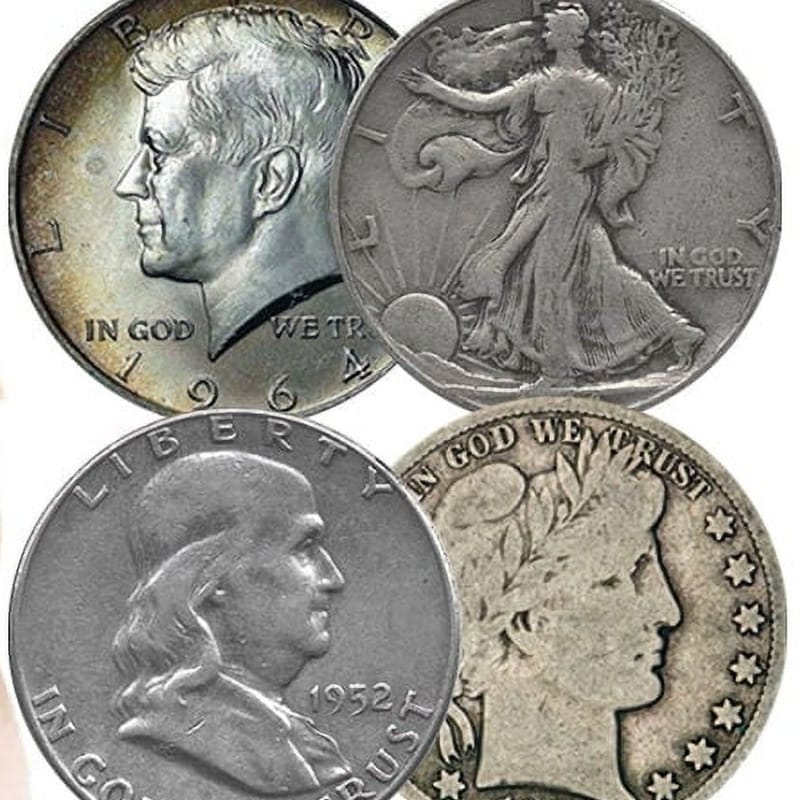
- Smaller budgets: lean silver-heavy early — silver's low unit price makes consistent monthly buying practical, junk silver included.
- Ratio rebalancing: shift new purchases toward silver above ~80:1 and toward gold below ~50:1.
Whatever split you choose, size silver with its volatility in mind: it is the metal you will be tempted to panic-sell in a drawdown. The stack you can hold calmly through a 30% swing is the right one.
Decide on a split you can defend, then act small and let experience refine it. Both metals trade live on the marketplace, with spot prices updating in real time.
Watch: 30-second takes from the PeerMetals channel
More shorts and weekly market recaps on the PeerMetals YouTube channel.
Frequently asked questions
Is the gold-silver ratio a reliable trading signal? It is a compass, not a clock — useful at historic extremes for tilting new purchases, useless for timing exact tops and bottoms.
I have $500. Gold or silver? At that budget most stackers lean silver — junk silver and one-ounce coins keep you liquid and learning. Gold enters comfortably at larger sizes.
Which is better in a crisis? Gold concentrates value for storage and flight; silver's small denominations barter better. That complementarity is the argument for holding both.