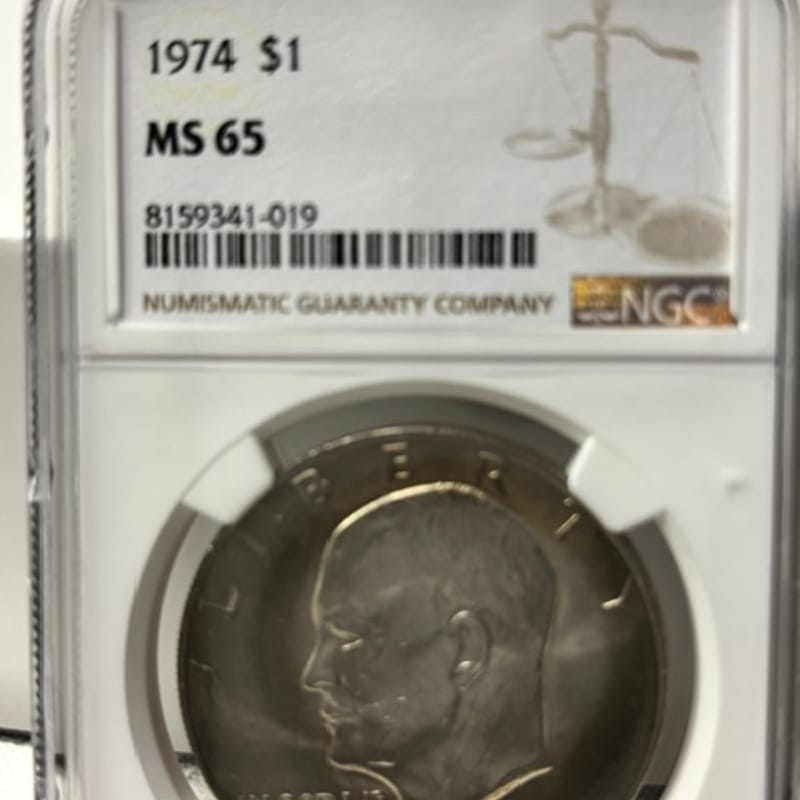
PCGS vs. NGC vs. CACG: Which Coin Grading Service Should You Trust?

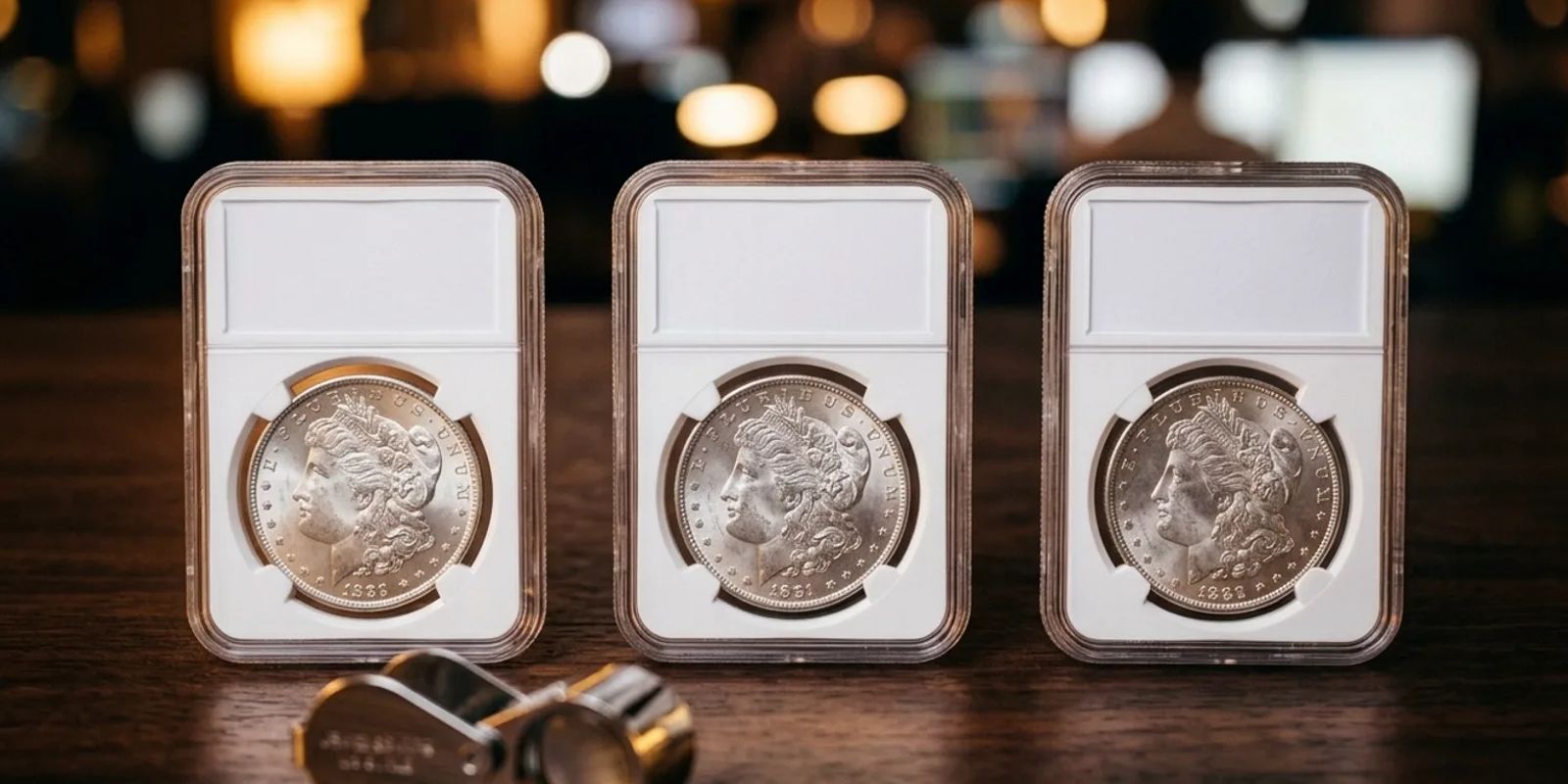
All three of the major U.S. third-party grading services -- PCGS, NGC, and CACG -- will authenticate and grade your coin, seal it in a tamper-evident holder, and back that grade with their reputation. The real differences are price, turnaround time, and which service the market you're selling into trusts most for a given coin type. Fees below are pulled directly from each grader's published pricing as of August 2026 -- always check current rates before submitting, since they change.
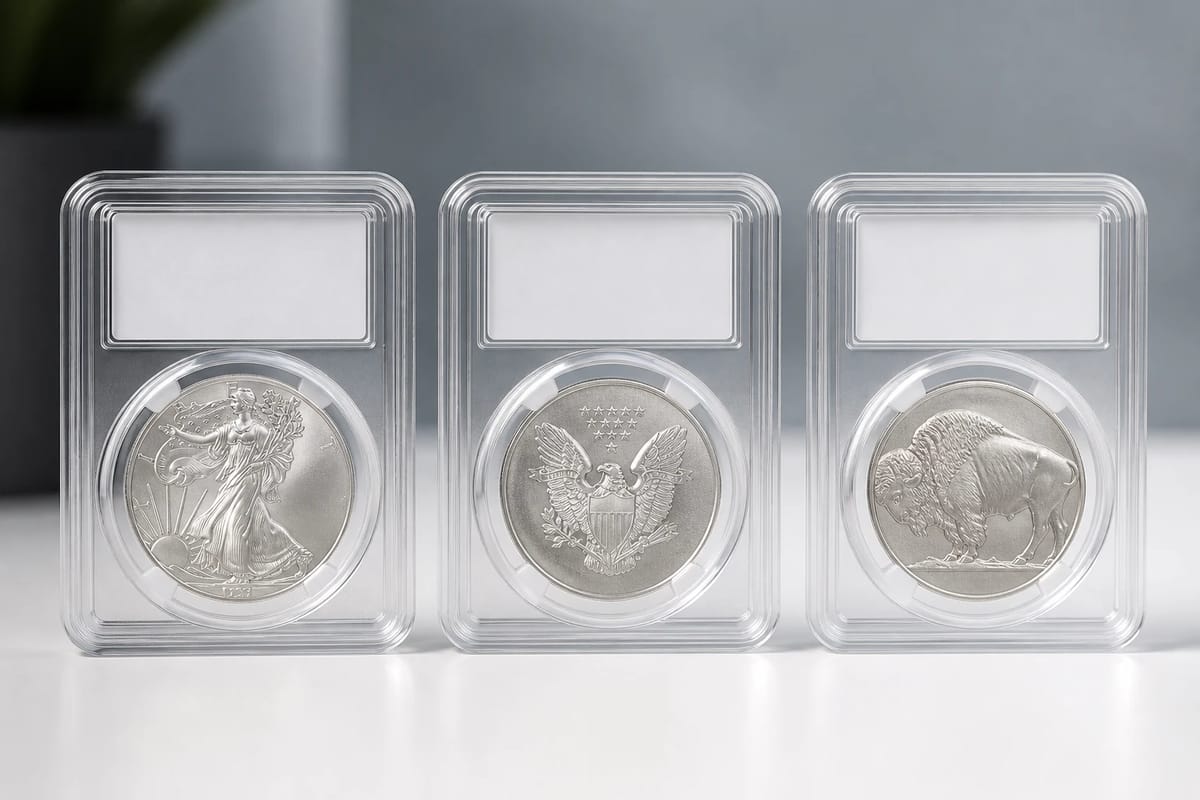
What "third-party grading" actually buys you
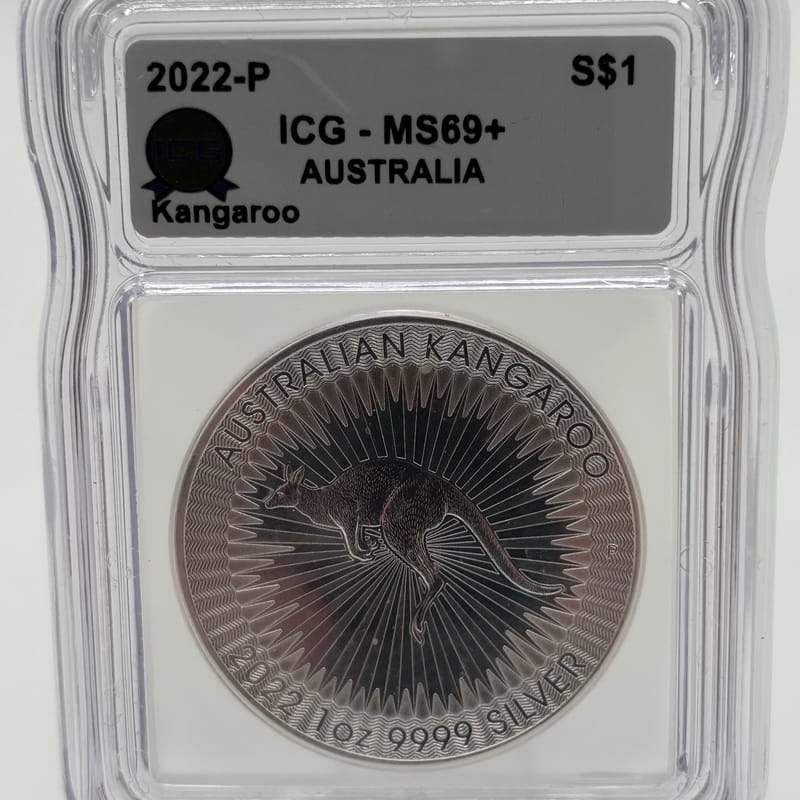
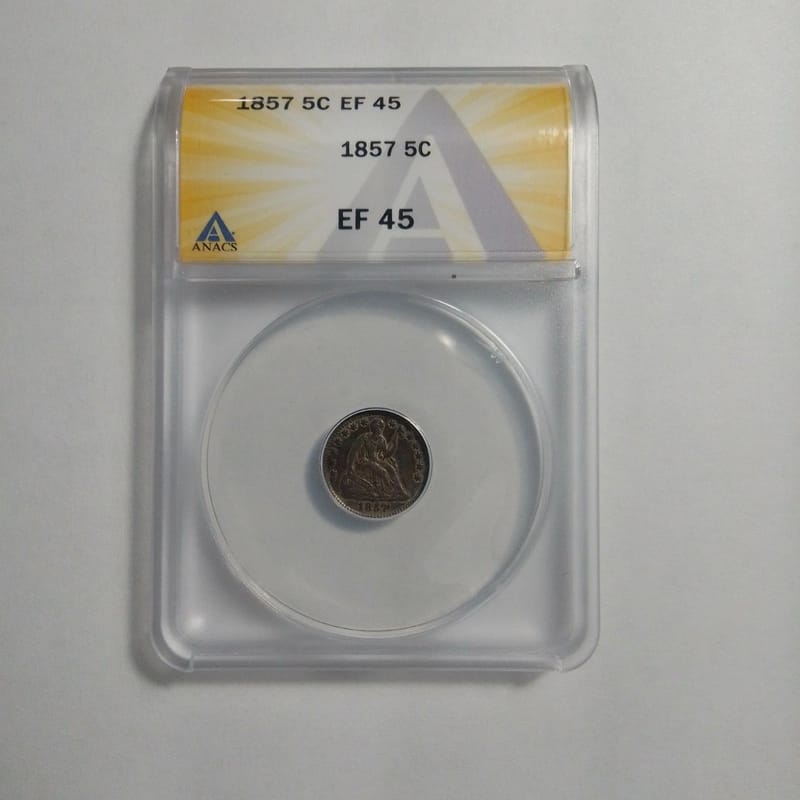
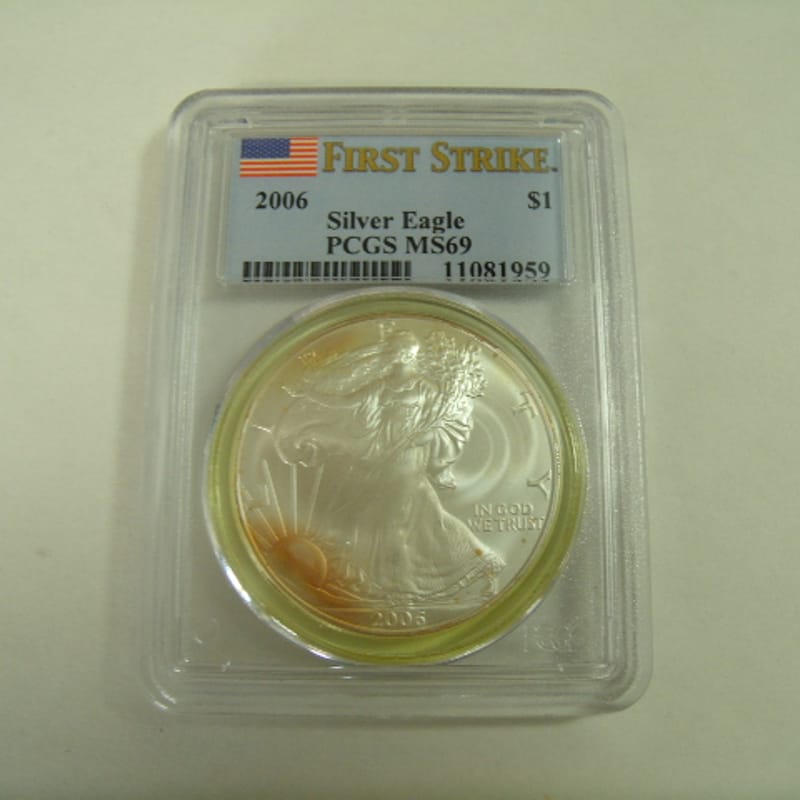
A raw (ungraded) coin's condition is a matter of opinion -- yours, a buyer's, or a dealer's, all of which can disagree. A graded, encapsulated coin has had that opinion made by an independent service with a reputation to protect, sealed so it can't be swapped, and often backed by a guarantee of authenticity. That's what makes graded coins easier to sell sight-unseen and, for genuinely rare pieces, why the difference between a raw coin and a graded one can be substantial.
Entry-level pricing, side by side
| Service | Entry tier | Fee (per coin) | Turnaround |
|---|---|---|---|
| PCGS | Economy (up to $300 value) | $24 | ~50-60 business days |
| PCGS | Regular (up to $3,000 value) | $42 | ~40 business days |
| NGC | Modern (1965-present, up to $3,000 value) | $20 + $10 handling | ~50 business days (25 with Fast Track add-on) |
| CACG | Modern Standard (up to $3,000 value) | $20 + $10 reholder + $10 handling | Varies by submission volume |
Source: Published fee schedules in the table above, including handling/reholder add-ons
Faster tiers exist at every service for a higher fee -- PCGS's Express tier ($70, ~20 business days) and Walkthrough tier ($150, ~5 business days) are the clearest example of paying for speed. All figures above are for standard modern or common coins; rare and high-value coins move into much higher-cost tiers at every service.
Reputation differences that actually matter to resale
PCGS and NGC are the two most widely recognized names in the U.S. market and are generally treated interchangeably by most buyers for common series -- population reports and price guides exist for both, and most dealers accept either without hesitation. CACG (CAC Grading) is newer and initially built its reputation as a stricter "sticker" service layered on top of PCGS/NGC grades before launching its own holder -- collectors who know the CAC name specifically often pay a premium for CACG-graded coins because of that stricter-grading reputation, but it has less universal recognition outside serious collector circles than PCGS or NGC.
For a common, modestly-valued coin, the grading fee alone can exceed what the coin is actually worth -- check a coin's likely value before submitting it. Grading makes the most financial sense for coins where the graded premium clearly outweighs the submission cost.
What actually happens to your coin
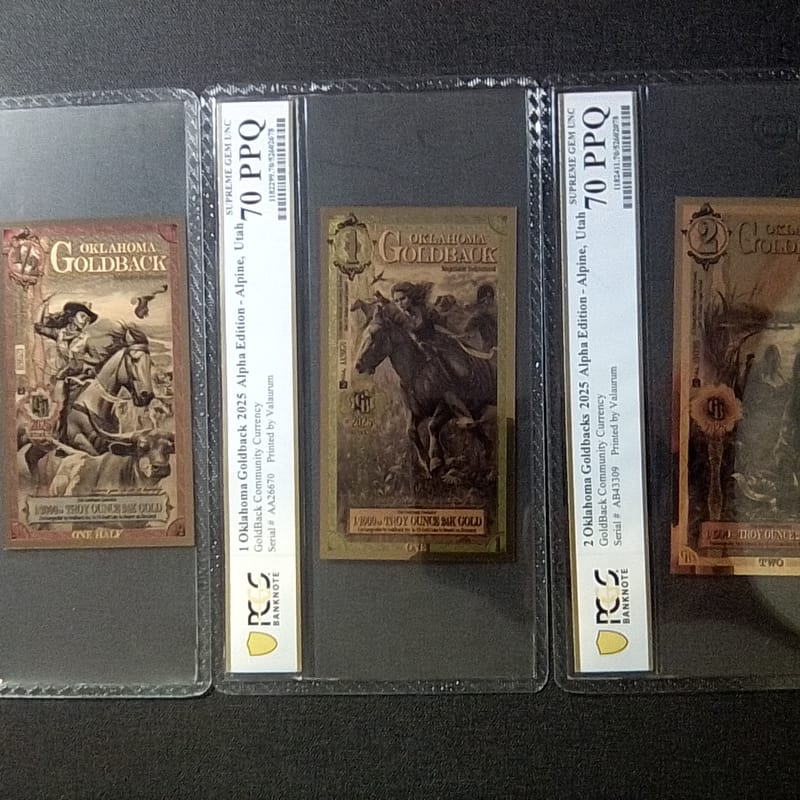
You mail or hand-deliver the raw coin to the service (or a show representative), it's examined by multiple graders, assigned a numeric grade (1-70) plus a condition descriptor, sealed in a holder with a unique certification number, and that number becomes publicly searchable in the service's population report -- a real, useful tool for checking how many other examples of that date and grade exist.
Frequently asked questions
Can I submit directly, or do I need a dealer?
All three offer direct-to-collector submission through paid membership tiers (PCGS Collectors Club, NGC Collector membership, CACG Grading Club), plus authorized dealers can submit on your behalf.
Does a higher grade always mean a higher price?
Generally yes within the same coin and date, but the relationship isn't perfectly linear -- some grade jumps (like MS-64 to MS-65) carry a much bigger price gap than others, depending on how scarce that specific grade is for that date.
Is it worth grading a coin before selling it on PeerMetals?
For anything beyond common bullion, a graded holder with a clear certification number tends to sell with less back-and-forth than a raw coin -- buyers don't have to take your word for the condition.
Want the grading scale itself explained -- what separates an MS-64 from an MS-65, and where the 70-point scale came from? Our grading standards guide covers the scale all three services grade against.