Spot Price vs. Premium: What You Actually Pay for Bullion (And Why)

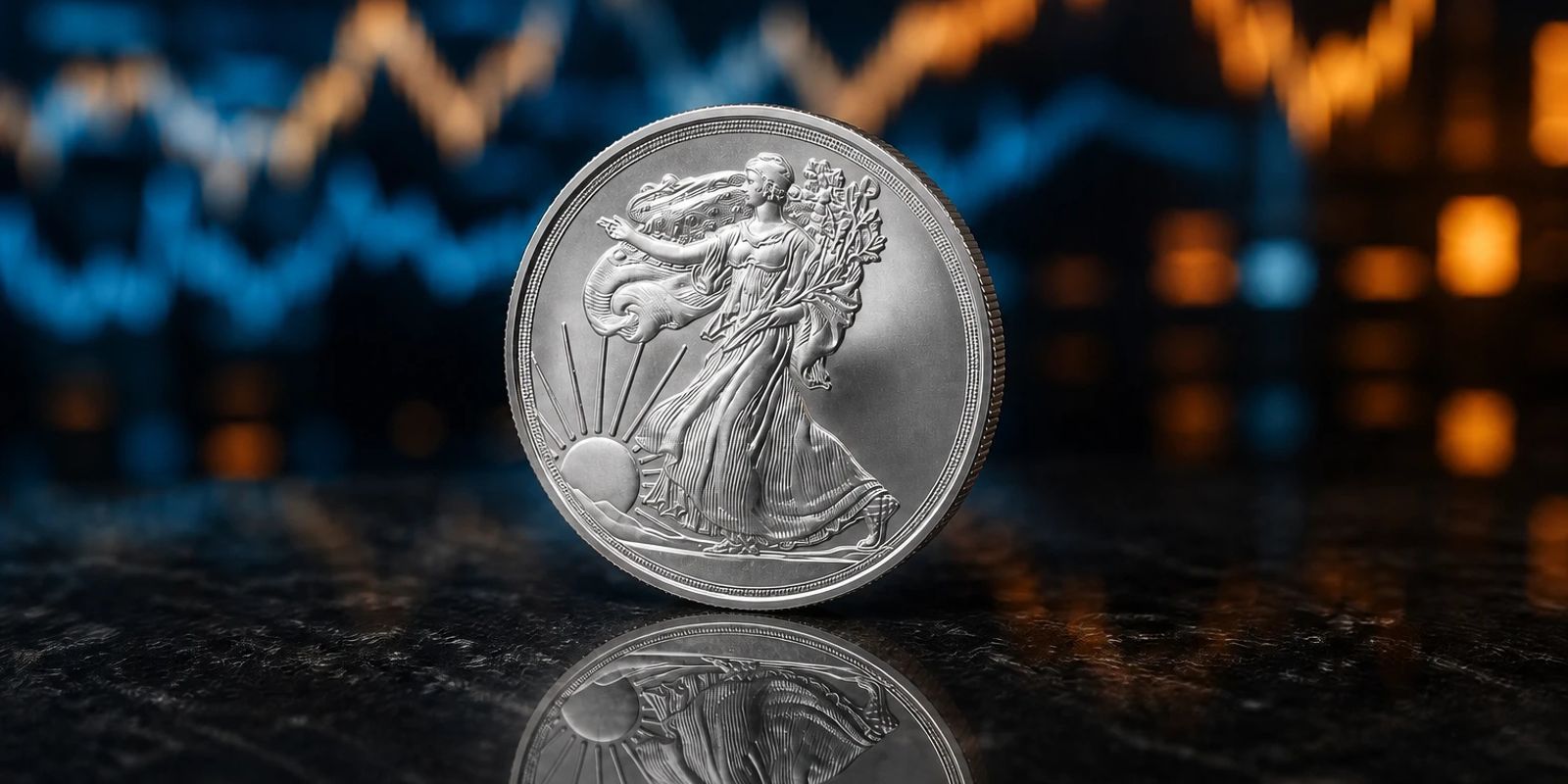
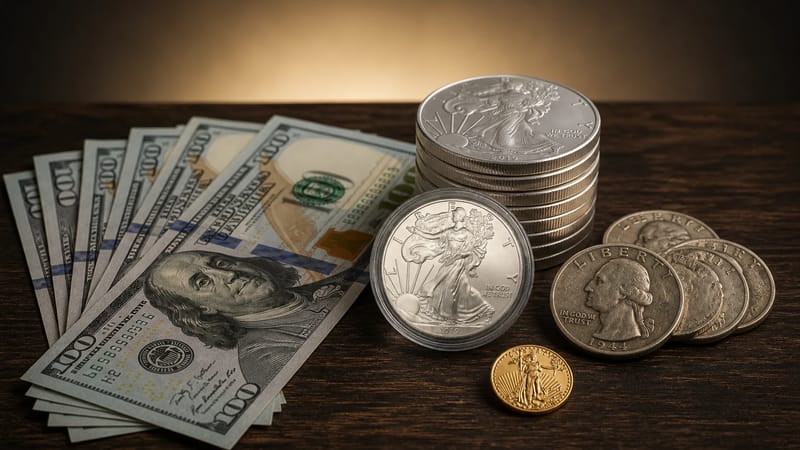
New buyers are often surprised that a one-ounce coin costs meaningfully more than the silver price on the chart. That difference is the premium — and understanding what drives it is the difference between overpaying and recognizing a genuine deal.
What is inside a premium
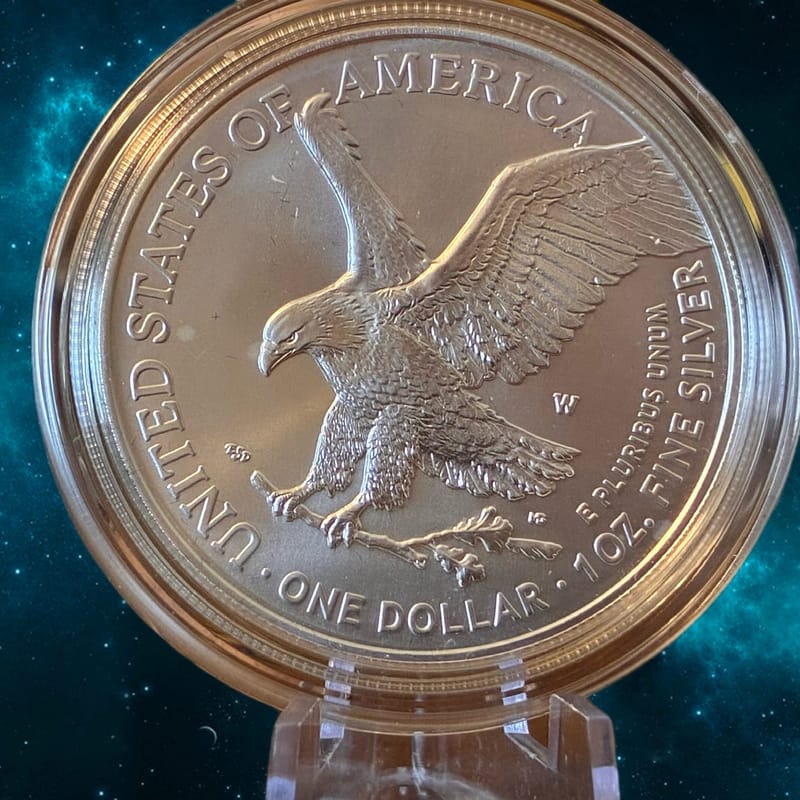
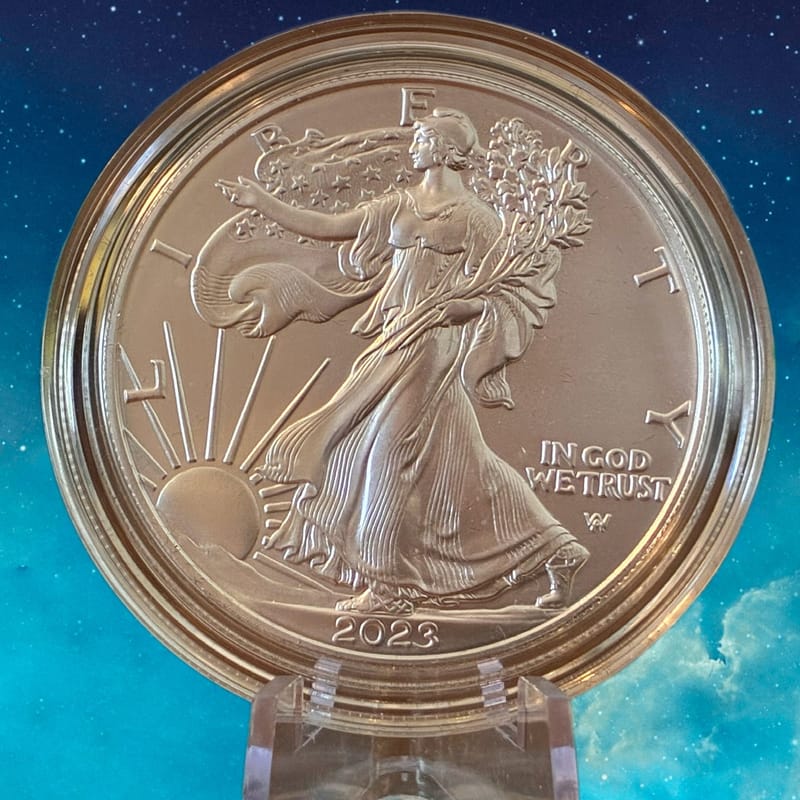
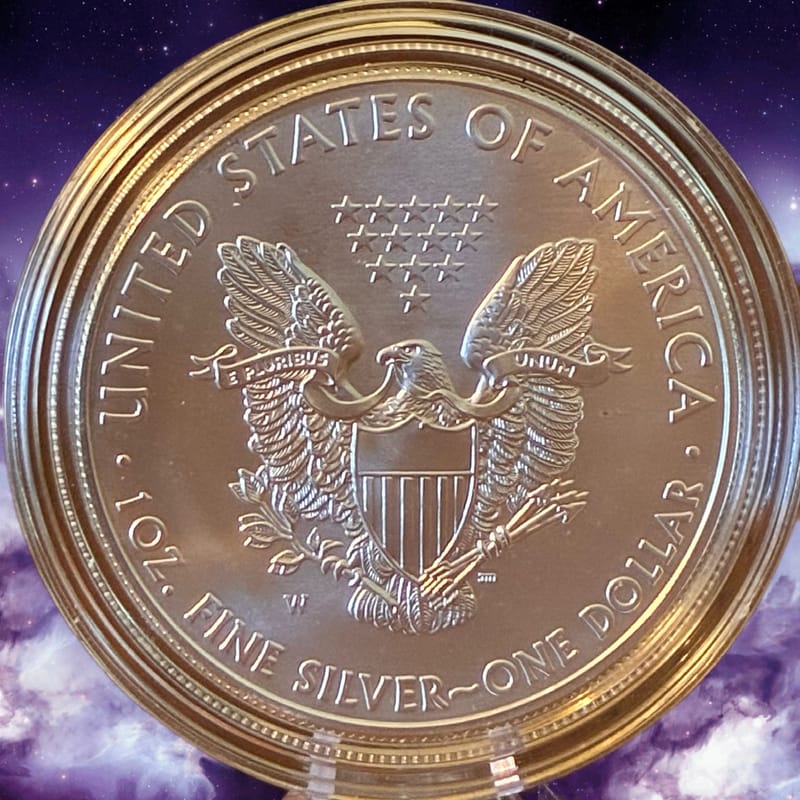
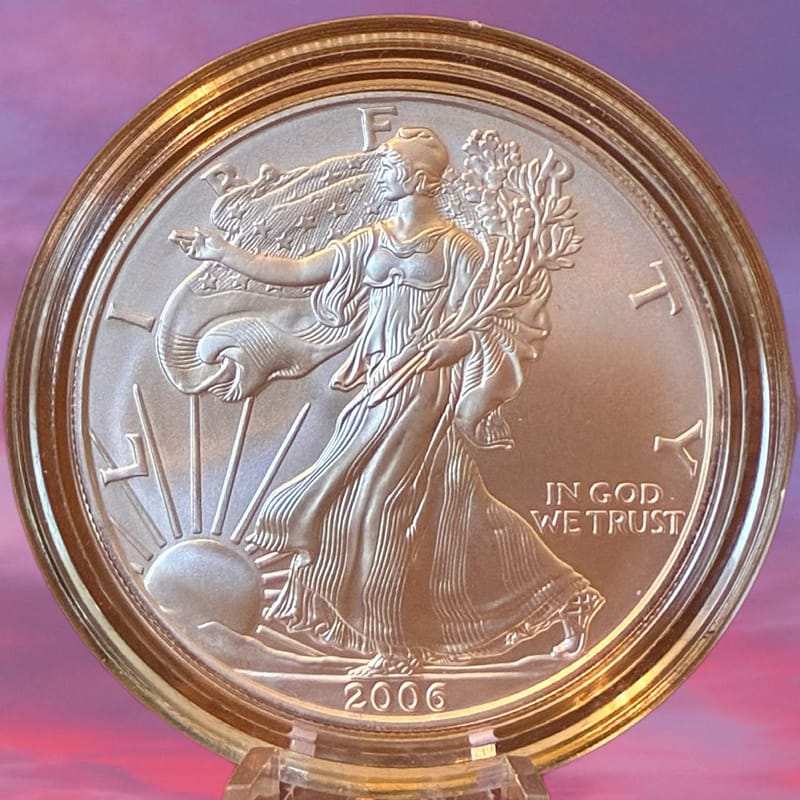
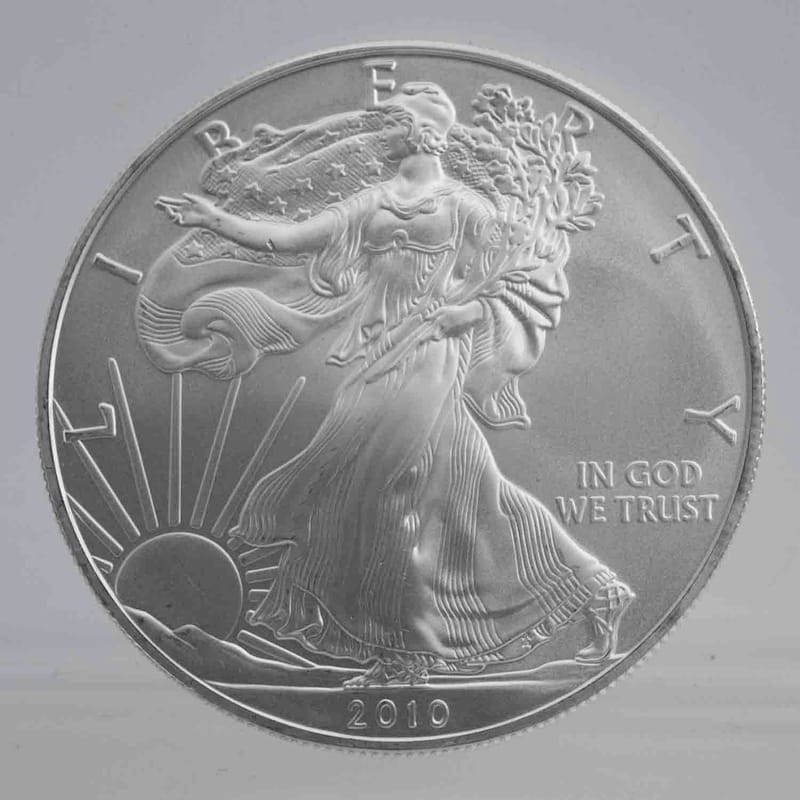
- Mint wholesale premium: the US Mint charges its authorized purchasers a fixed fee per Silver Eagle (historically about $2 a coin — and raised in the 2025–26 period, hard-wiring a higher retail floor).
- Fabrication: striking a detailed coin costs more than pouring a plain bar.
- Distribution and dealer margin: wholesalers, shipping, storefronts, financing.
- Demand and scarcity: in tight physical markets, premiums explode even when spot falls.
A short history of premium spikes
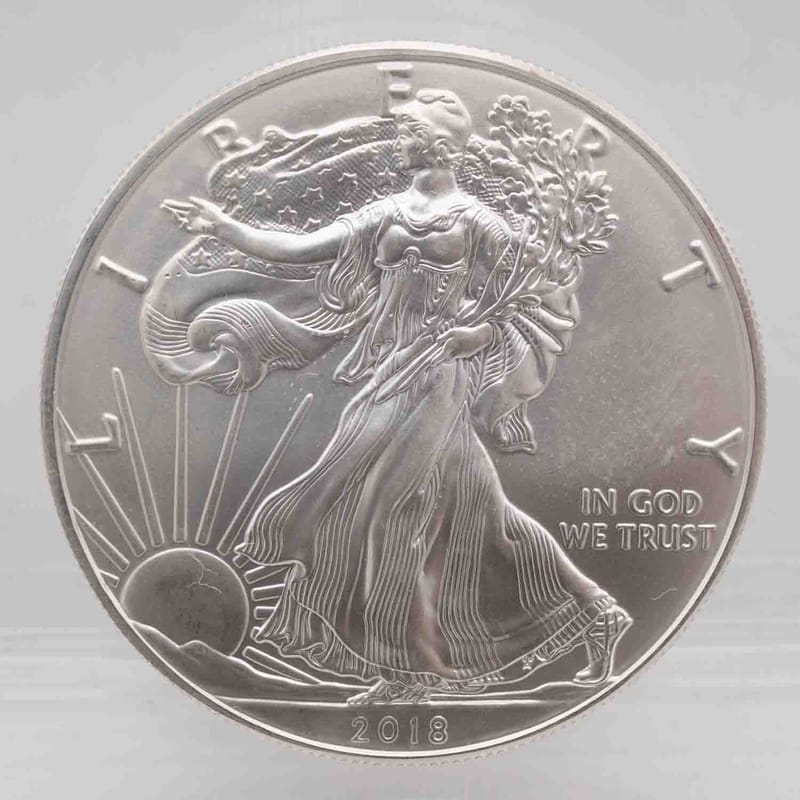
Before COVID, Silver Eagle retail premiums sat at 8–12% over spot — a range they have never returned to. In March 2020 the West Point mint shut down just as annual Eagle sales doubled to 30 million coins; premiums blew through 30–40% and peaked above 88% at some dealers — a $25-spot Eagle selling for about $47. The March 2023 banking crisis re-spiked premiums again. The pattern is asymmetric: spikes take weeks, normalization takes three to five times longer, and full cycles run 6–18 months (the COVID cycle took about 30).
Where premiums sit now
| Product | Premium over spot (mid-2026) |
|---|---|
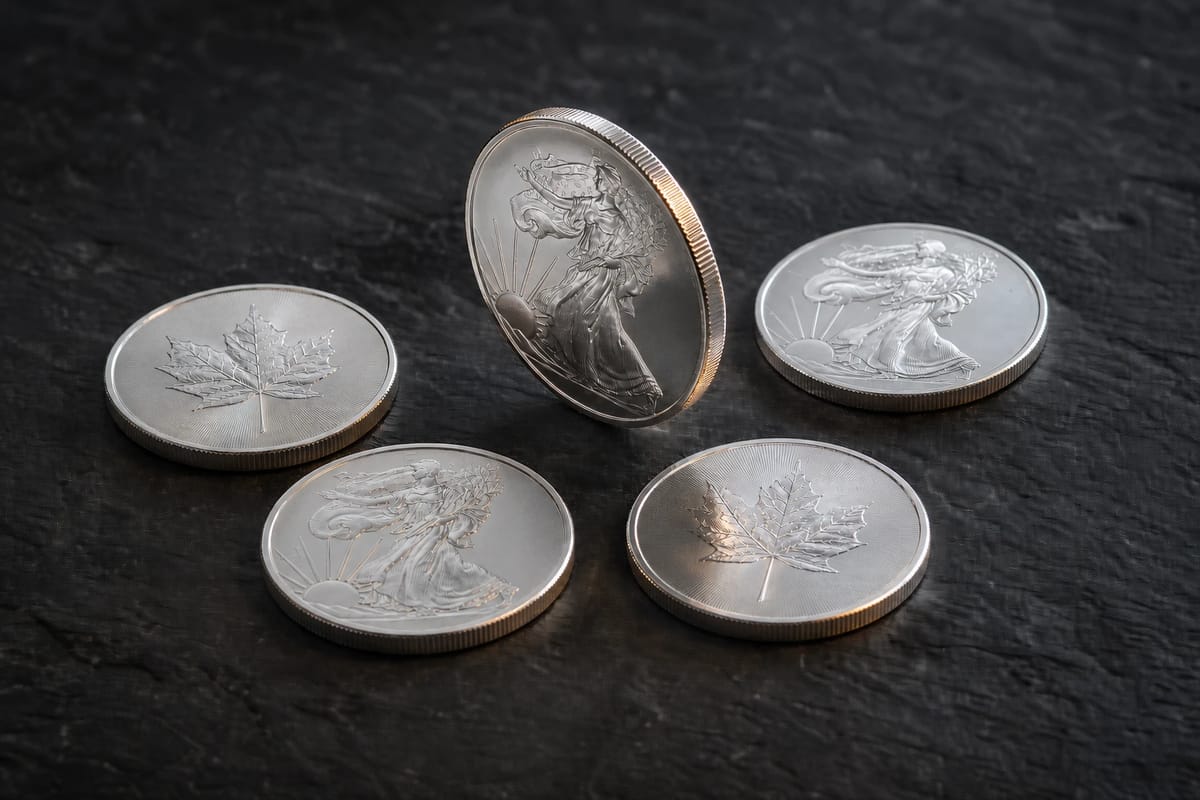
| American Silver Eagle | 15.6% — and 15–22% across dealers |
| Canadian Maple Leaf | 12–18% |
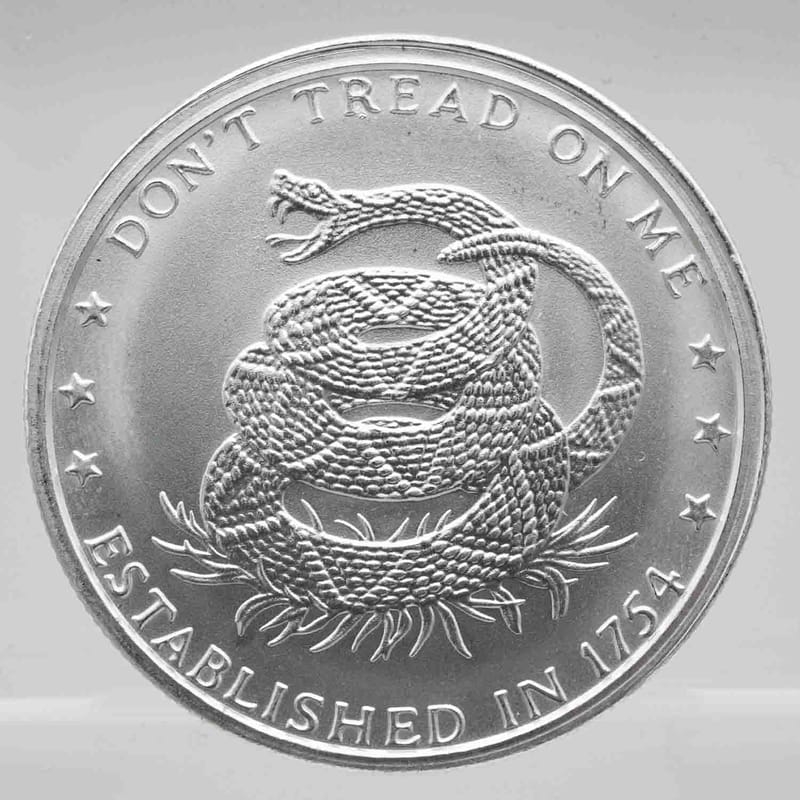
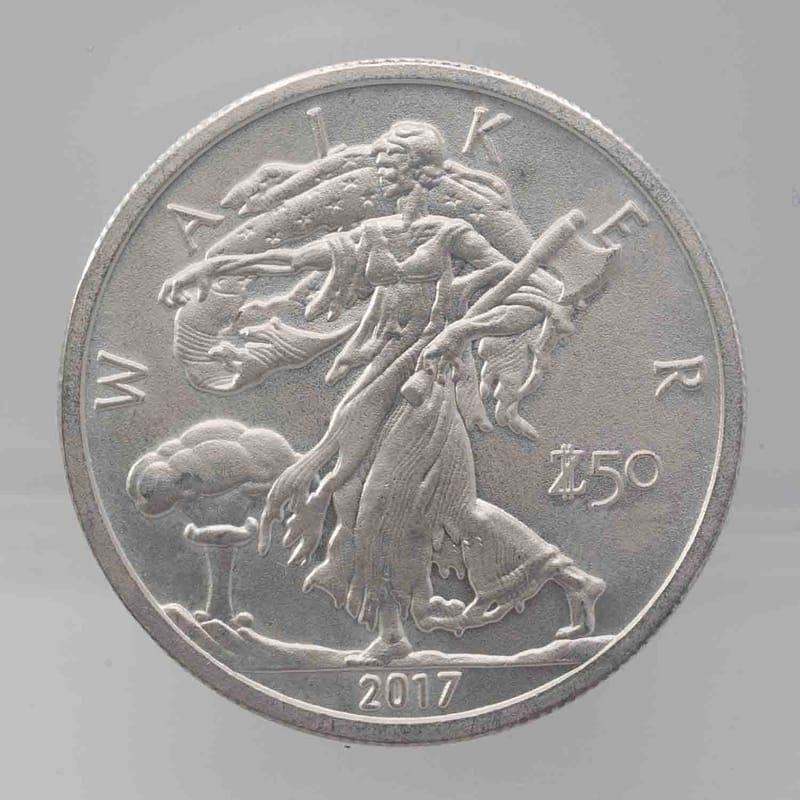
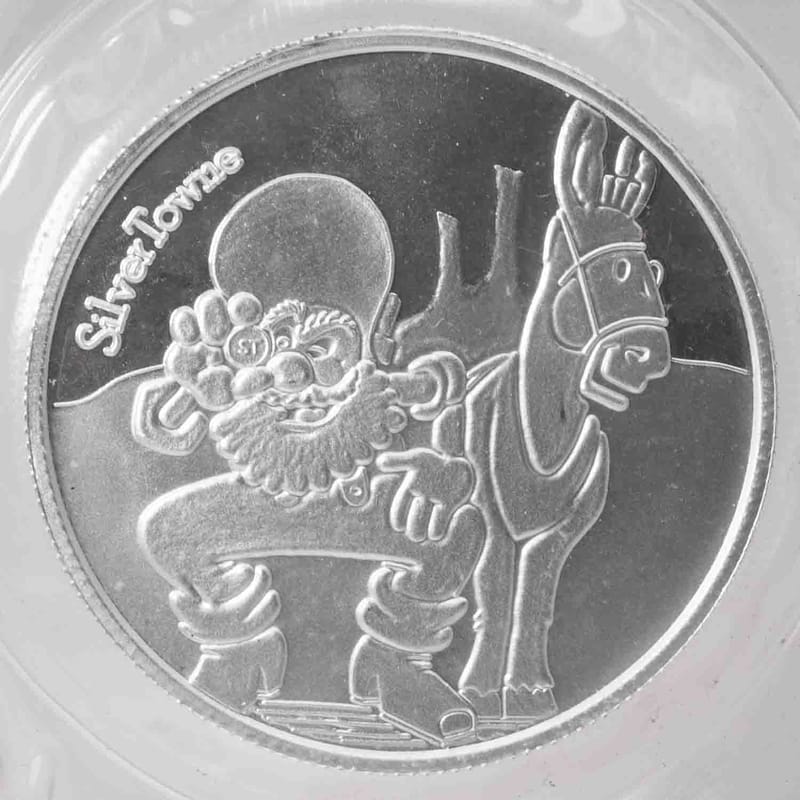
| Generic silver rounds | ≈8% |
| Silver bars (10 oz+) | lowest of all — under $2/oz in calm markets |
Source: Dealer pricing surveyed mid-2026; Maple Leaf shown at the midpoint of 12–18%
Supply pressure is doing the pushing: the Mint sold just 380,500 Eagles in April 2026 and recorded its first zero-sales month ever in May, while export restrictions tightened planchet supply. When the flagship coin gets scarce, its premium — the so-called Eagle tax — widens against everything else.
Spot is not the physical price
Spot is set in the paper market (COMEX futures and LBMA auctions). During shortages the physical market decouples: through 2020–21, spot said $25 while a real Eagle in your hand cost close to $50. Watching both numbers — spot and the premium — tells you far more about the real market than spot alone.
How to pay less
- Buy during sustained premium downtrends rather than panic spikes.
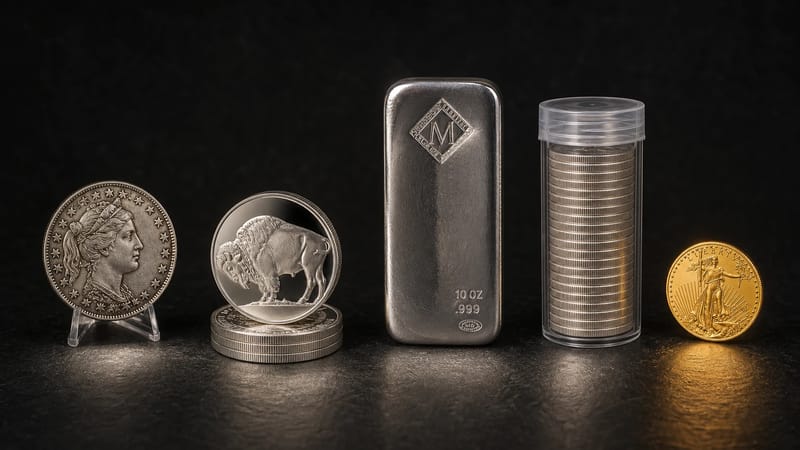
- Switch products when the flagship gets expensive: at 20%+ Eagle premiums, Maples, Britannias, or generic bars deliver the same silver for 8–25 points less.
- Use quantity price tiers — premiums drop at 20, 100, and 500-coin breaks.
- Mind the payment method: wire and check pricing typically beats card pricing by 2–3%.
Peer-to-peer buying changes the equation entirely: individual sellers carry no storefront overhead, so listings and auctions on PeerMetals routinely close nearer melt than big-box retail — especially for generic rounds and junk silver.
Compare today's spot against closed marketplace listings and you will quickly develop the stacker's most valuable instinct: knowing what a fair premium feels like in the current market.
Watch: 30-second takes from the PeerMetals channel
More shorts and weekly market recaps on the PeerMetals YouTube channel.
Frequently asked questions
Why do premiums rise when spot falls? Because they measure the physical market, not the paper one — price drops trigger physical buying surges, and mint capacity cannot flex fast enough.
What is the cheapest way to buy silver? Bars and generic rounds carry the lowest premiums; junk silver is the cheapest recognizable option. The flagship coins cost the most per ounce.
Do I get my premium back when I sell? From dealers, mostly no — buybacks anchor to spot. Selling to collectors peer-to-peer is how you recover part of the premium.