What Is a Certificate of Authenticity? Slabs, Population Reports, and Why They Matter

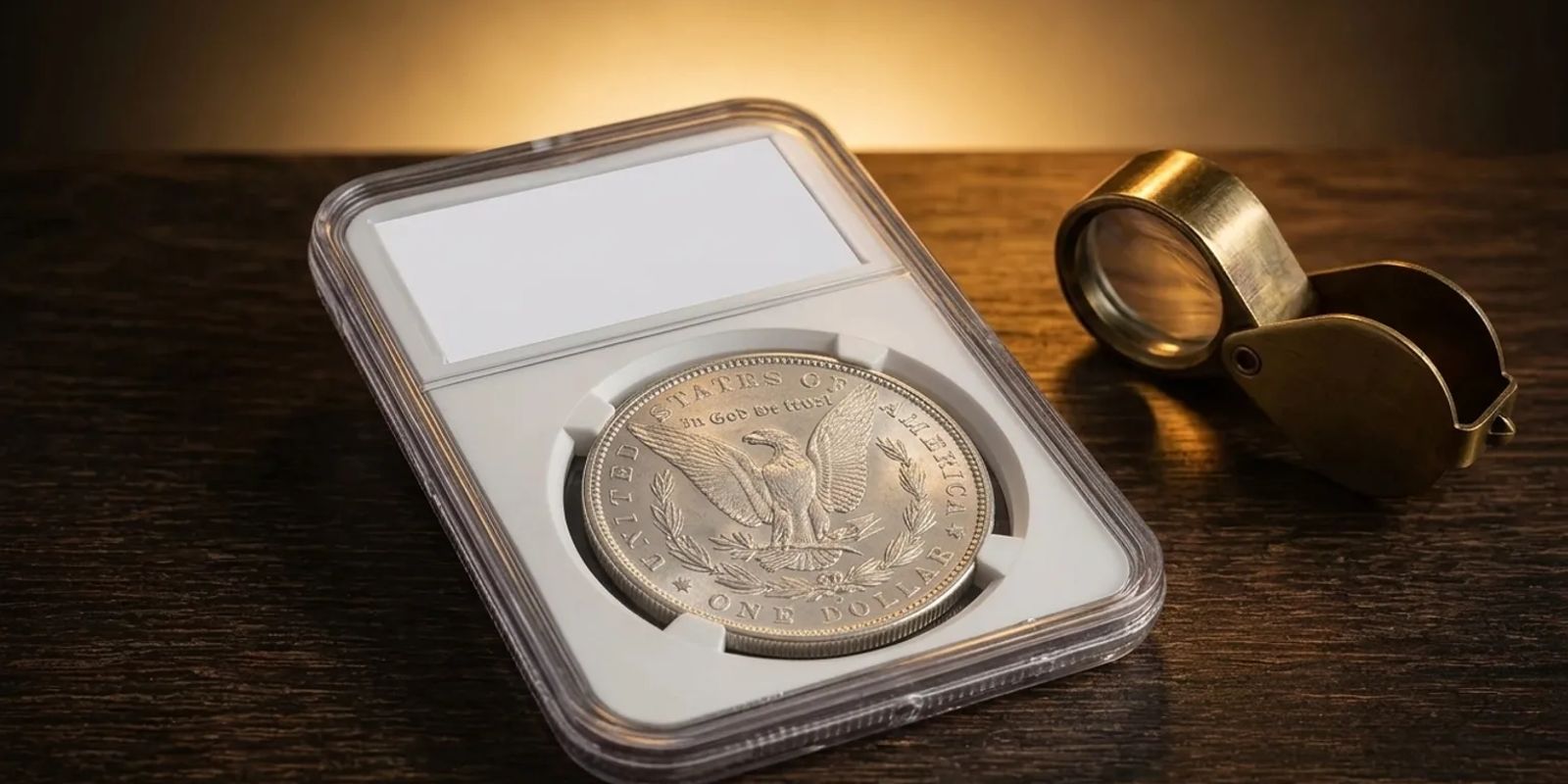
A "certificate of authenticity" means different things depending on what you're holding -- a printed paper insert from a mint, a serial number stamped into a bullion bar's tamper-evident card, or a graded coin sealed in a slab with its own certification number. Only some of these actually let a buyer independently verify anything, which is the real distinction worth understanding.
Paper certificates: nice to have, hard to verify
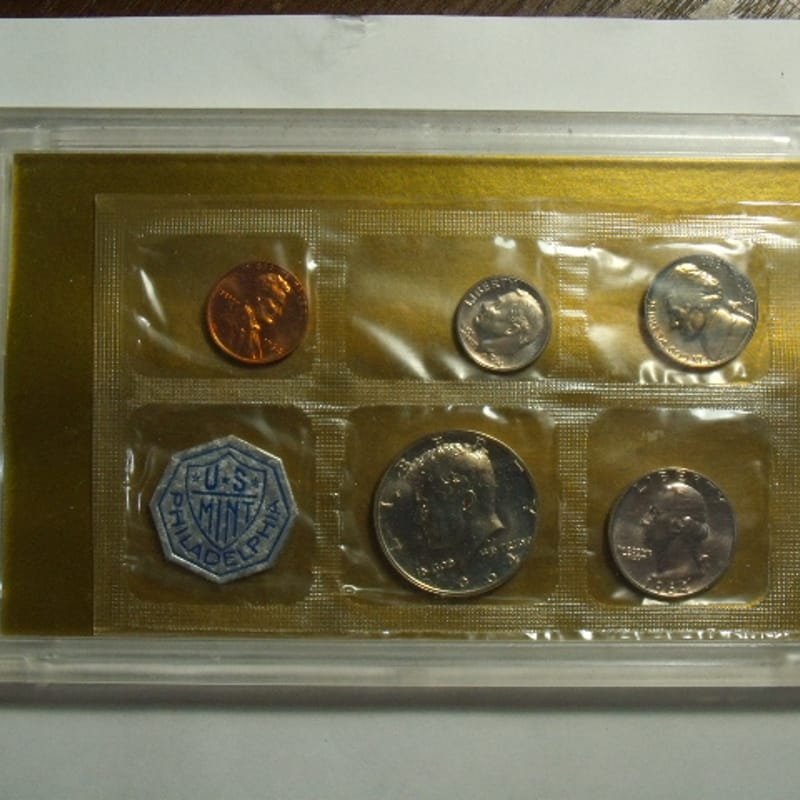
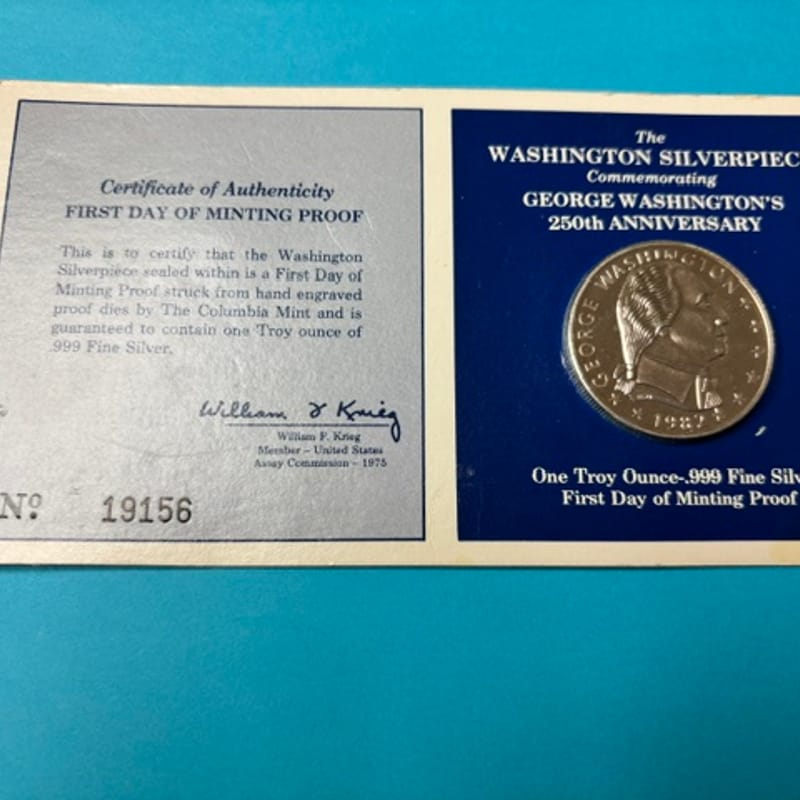
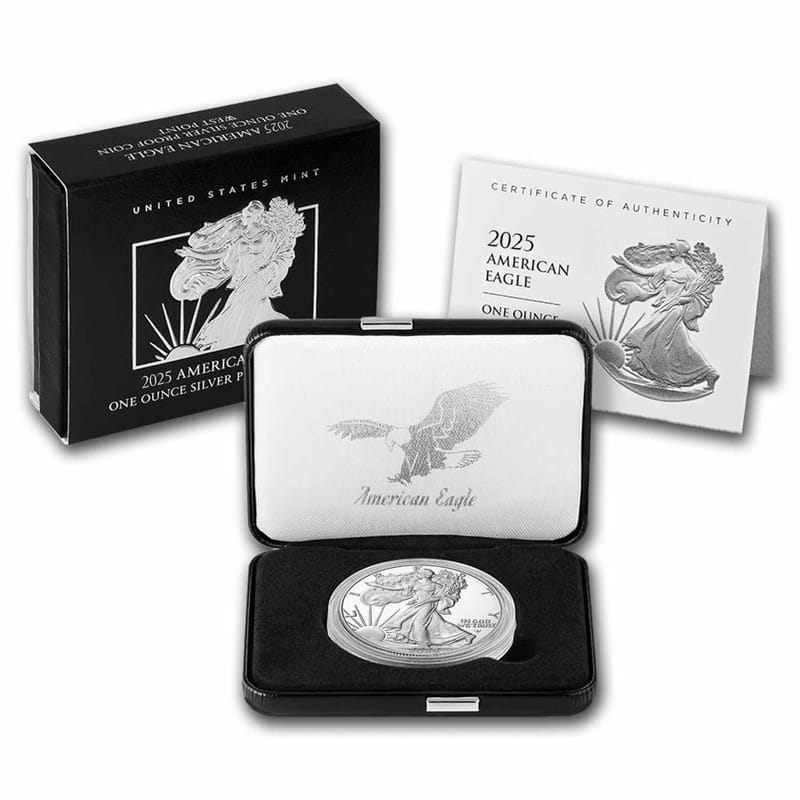
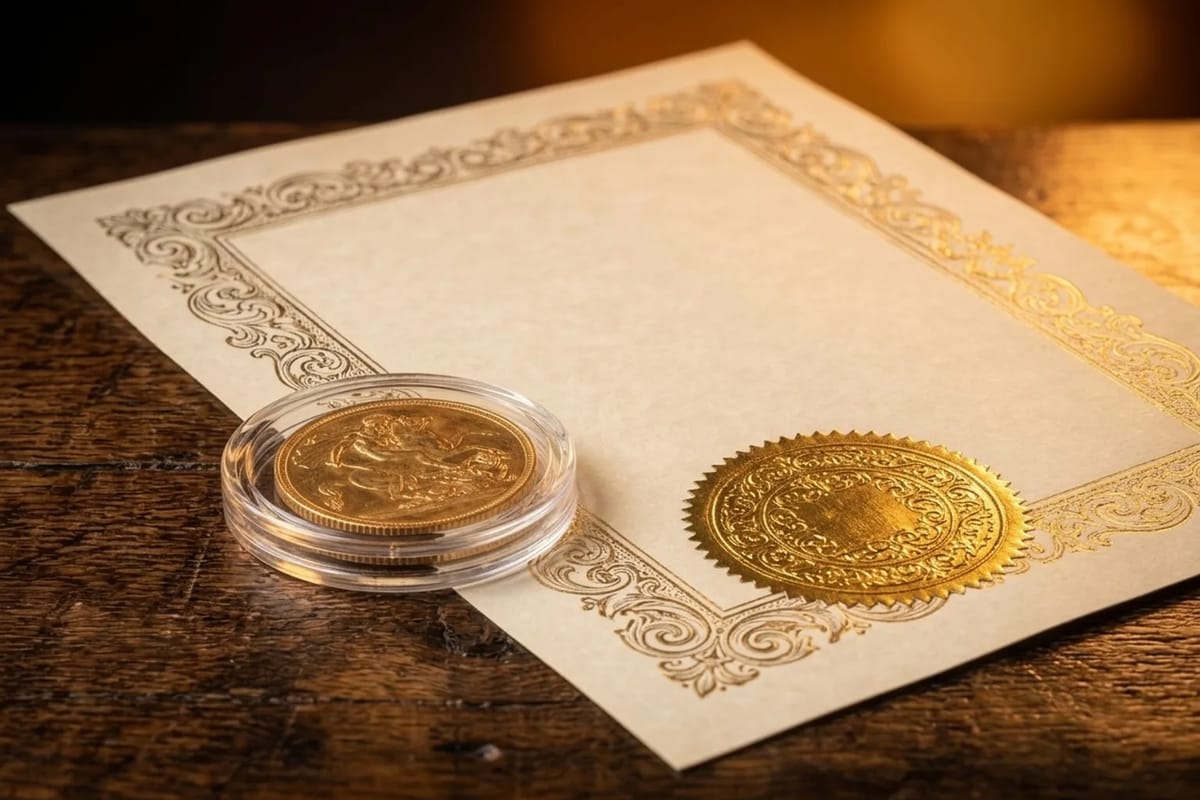
Many mints and dealers include a printed certificate with a coin or bar -- a description, sometimes a serial number, often decorative. On its own, a paper certificate proves very little: it can be separated from the item, copied, or simply doesn't connect to any public database a buyer can check. It's a nice-to-have for provenance and presentation, not a security feature.
Sealed assay cards: tamper evidence plus a matching number
Bars from LBMA-accredited refiners are commonly sold in a sealed plastic assay card with a serial number printed on both the bar and the card. The seal itself is the security feature -- it's designed to visibly tear or show damage if someone tries to open it, so a buyer can trust the bar inside matches the card without needing to independently test the metal. Some refiners also offer scannable authentication features tied to the serial number for an added verification step. See our silver bars guide for more on why keeping that seal intact matters at resale.
Graded slabs: a certification number you can actually look up
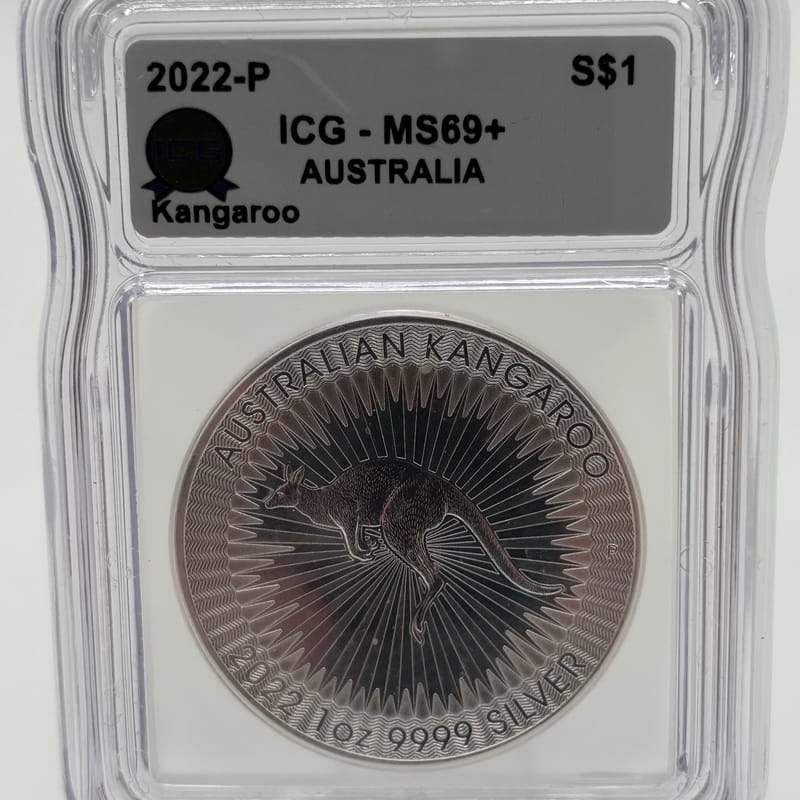
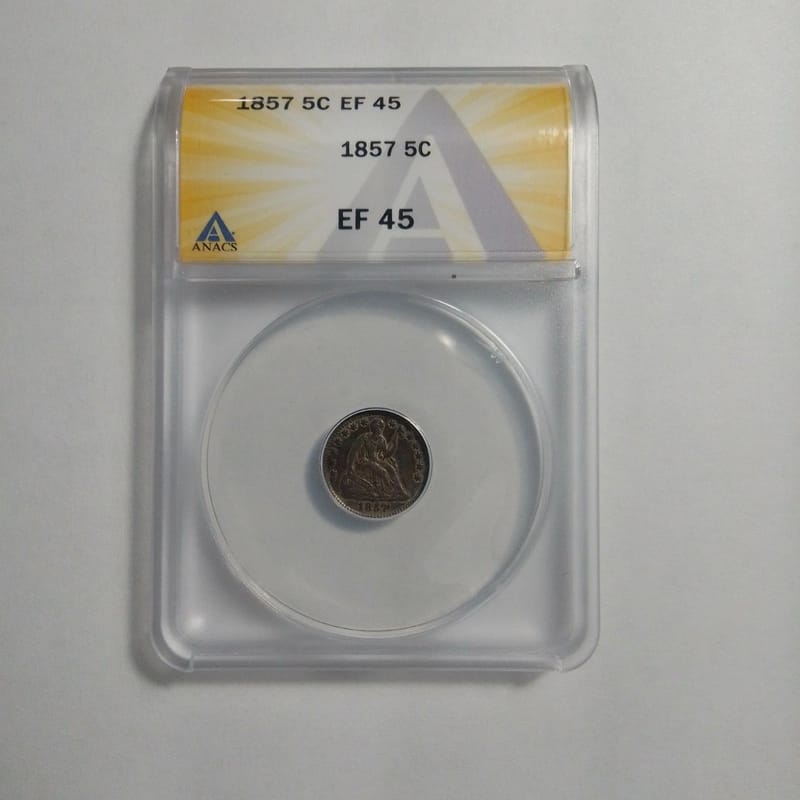
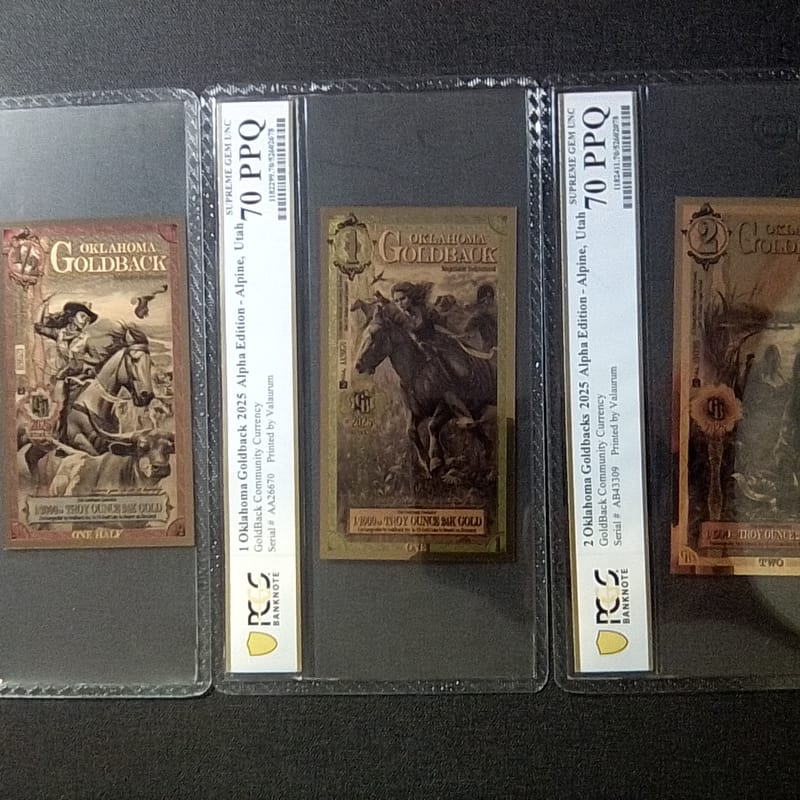
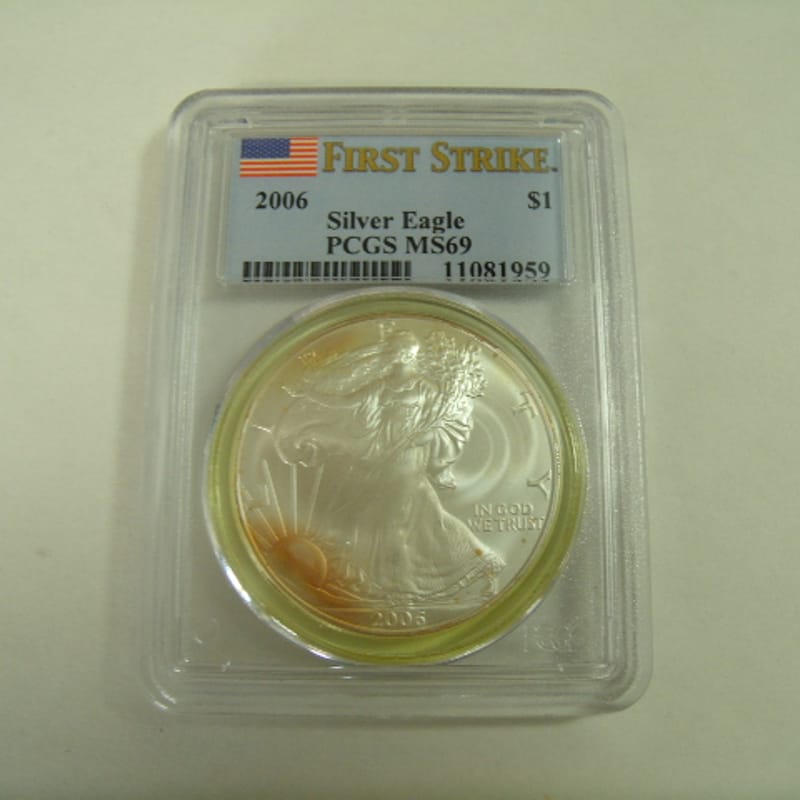
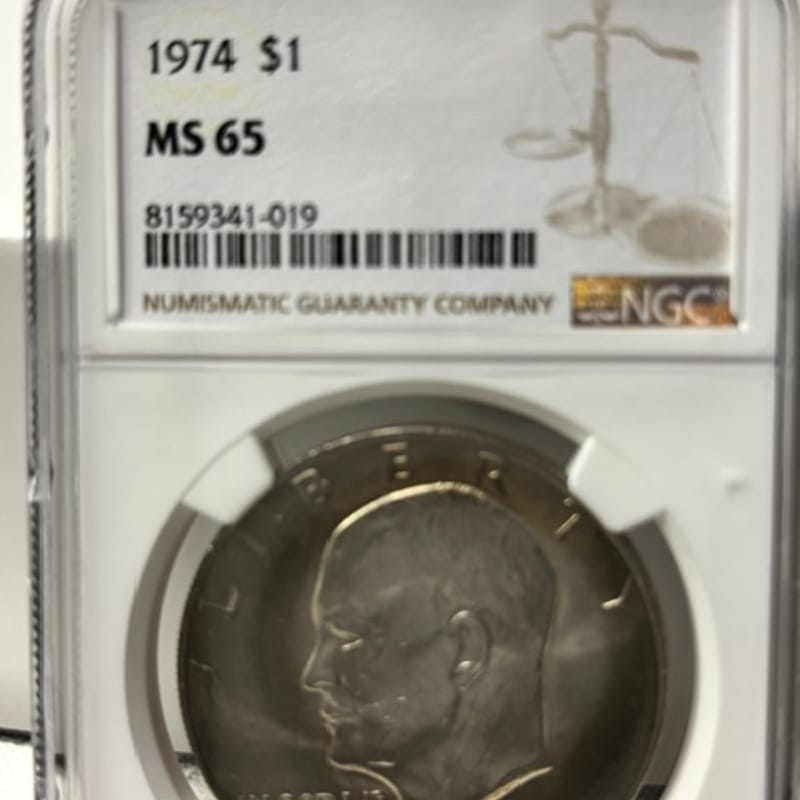
This is the strongest form of authentication available to a collector. When a coin is graded by a service like PCGS, NGC, or CACG (see our grading services comparison), it's sealed in a tamper-evident holder with a unique certification number. That number is searchable in the grading service's own public population report -- a real database anyone can check, showing the coin's date, grade, and how many other examples of that exact date and grade have been certified. A buyer doesn't have to trust a seller's word; they can look the certification number up themselves.
The difference between "comes with a certificate" and "comes with a publicly verifiable certification number" is the difference between marketing language and actual proof. Ask which one you're getting before paying a premium for "authenticated" or "certified" items.
Population reports: a tool most buyers don't know exists
Every major grading service publishes a population report -- a running count of how many coins of each date, mint mark, and grade have been certified. It's useful for two things: gauging how genuinely scarce a specific grade is (a coin with only a handful certified at the top grade is meaningfully rarer than one with thousands), and spotting when a listed grade seems inconsistent with what's actually been certified for that date.
Frequently asked questions
Can a certification number be faked?
The number itself can be copied onto a counterfeit holder, which is exactly why serious buyers check the number against the grading service's own database rather than trusting the printed slab alone.
Does an item need a certificate to be genuine?
No -- plenty of genuine bullion and coins are sold raw, without any certificate. The certificate isn't what makes something real; it's a tool for a buyer who wasn't there to verify it themselves.
Where can I check a listing's authenticity claims on PeerMetals?
For graded coins, look for the certification number in the listing and check it against the grading service's public population report before buying.