Coin Grading Basics: MS69, MS70, and What Actually Matters

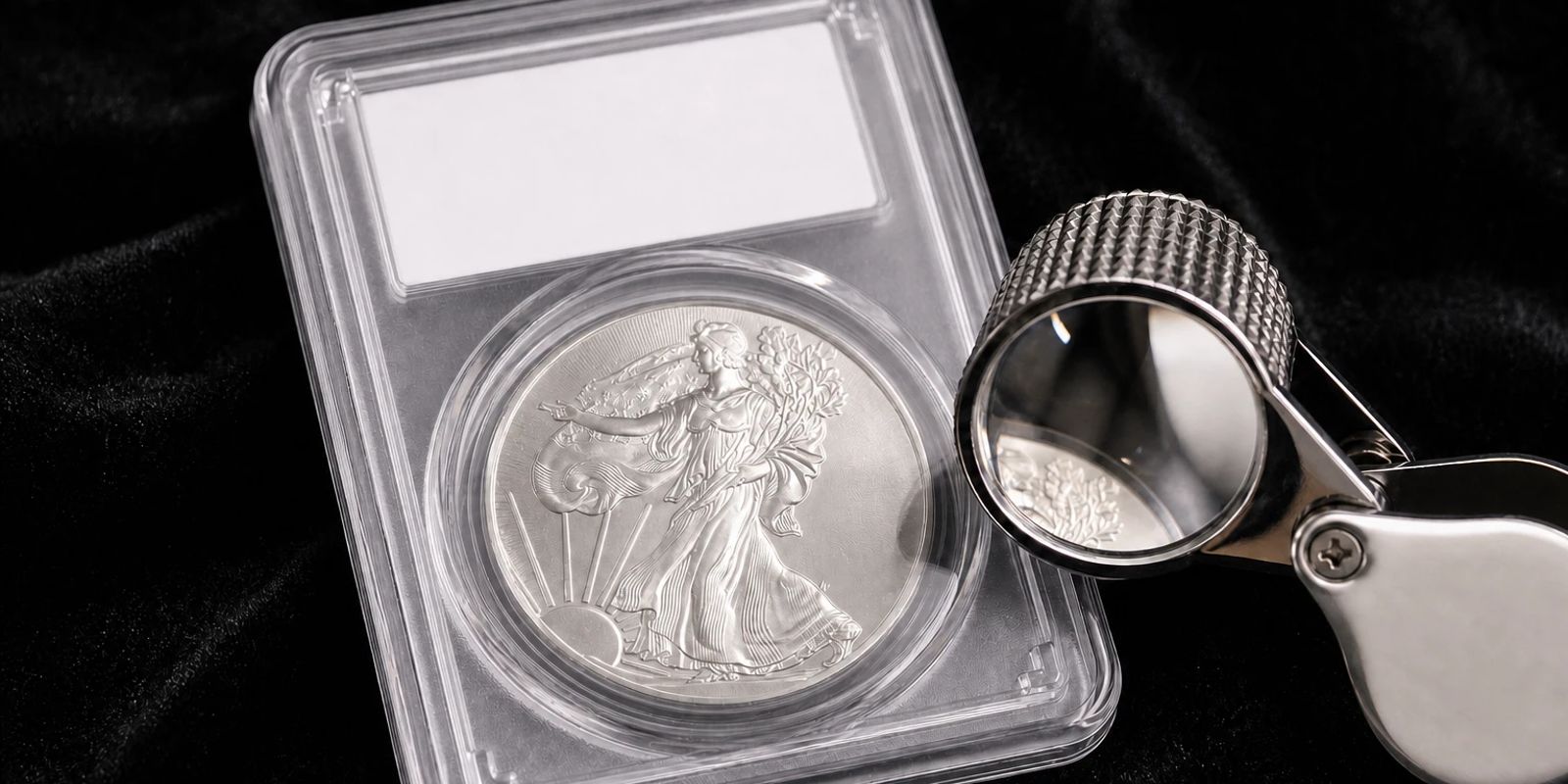
Two identical-looking Silver Eagles can differ in price by hundreds of dollars because of a single grade point. Grading turns condition into a number the whole market trusts — and knowing when that number is worth paying for protects you on both sides of a trade.
The Sheldon scale in two minutes
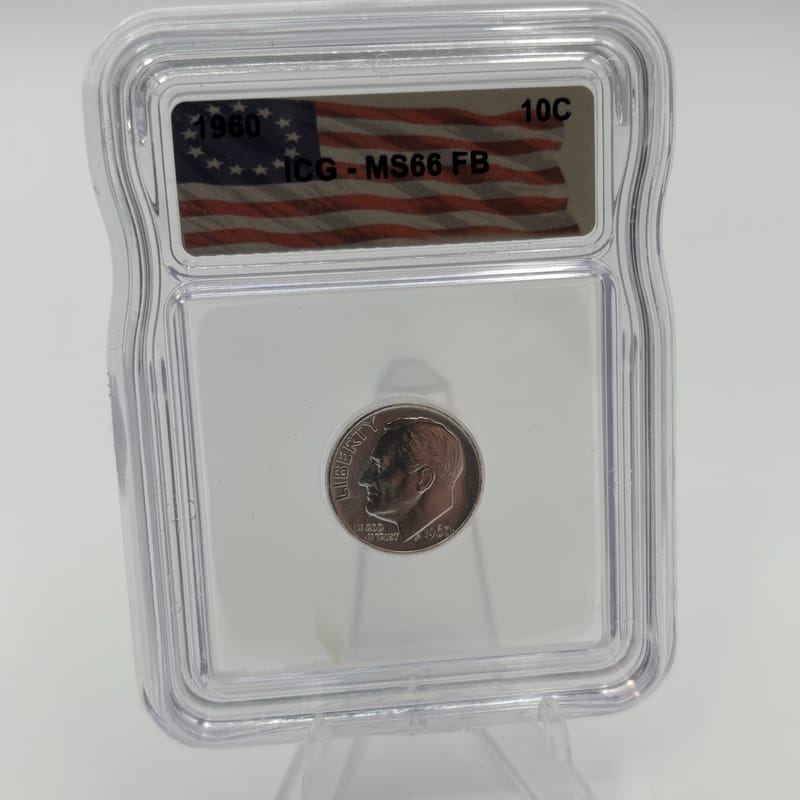
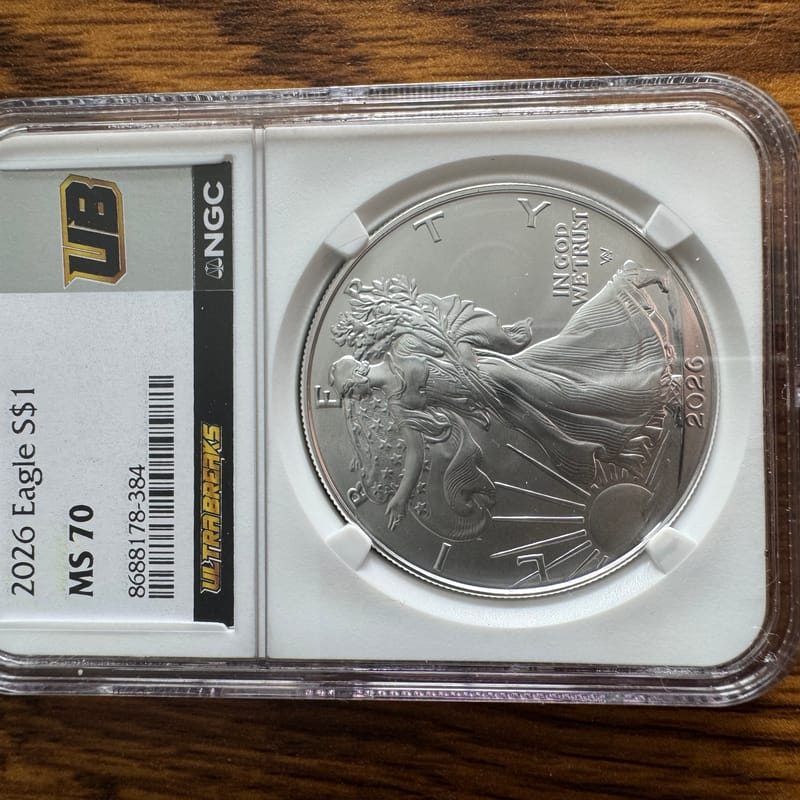
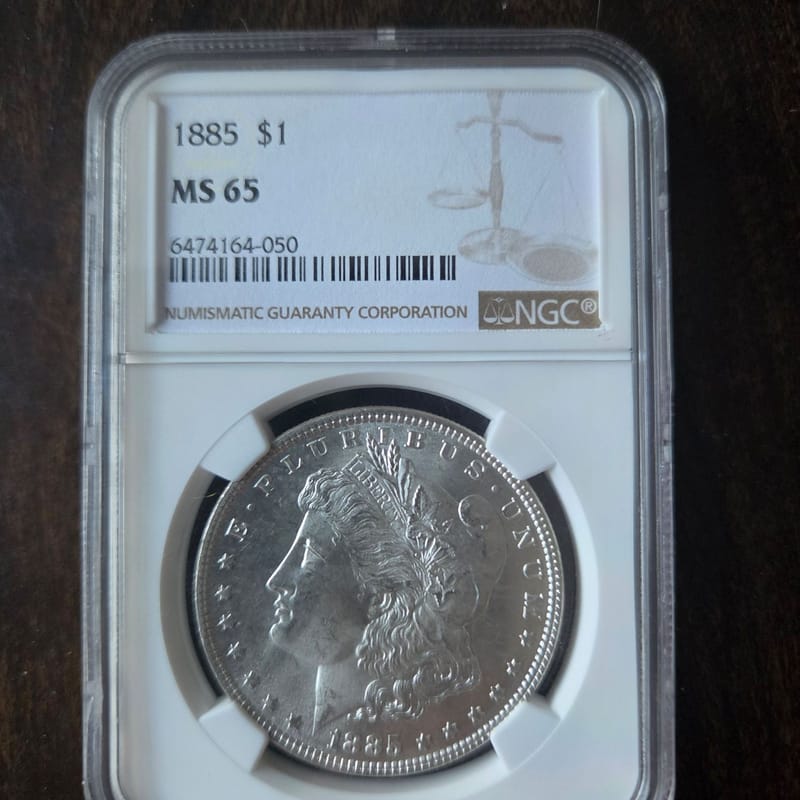
Coins are graded 1–70 on a scale Dr. William Sheldon created in 1948, built on the idea that a 70-grade coin was worth seventy times a 1-grade coin. Grades below 60 are circulated coins; 60 through 70 are Mint State. PCGS put the scale in tamper-evident slabs starting in 1986, and NGC — the American Numismatic Association's official service — followed a year later. For modern bullion, all the action is at the very top: NGC defines MS70 as no post-production imperfections under 5x magnification, while MS69 means fully struck with nearly imperceptible flaws.
What a grade point is worth
| Silver Eagle (common date) | Typical price over spot |
|---|---|
| Raw, brilliant uncirculated | 5–10% |
| MS69 | 30–40% |
| MS70 | 50–60% — often 2–5x the MS69 price |
Source: Ranges in the table above, shown at their midpoints
Notice the asymmetry: the step from MS68 to MS69 adds almost nothing, while MS69 to MS70 multiplies the price. For older key dates the one-point jump can double or triple value again — which is exactly why population reports and registry-set collectors exist.
The economics of submitting
Grading fees are flat regardless of outcome: roughly $20–$40 per coin on standard service (20–40 business days), $50–$100 expedited, $100–$150 rush. Run the math before submitting: a common-date coin that grades MS69 is worth barely more than raw, and the fee is gone. Grading pays on key dates (1986, 1996, 2011 Eagles), on current-year coins eligible for First Strike or Early Releases labels (submitted within 30 days of release, worth roughly 10–15% extra), and on loupe-clean examples with a real shot at 70.
Reading a slab like a buyer
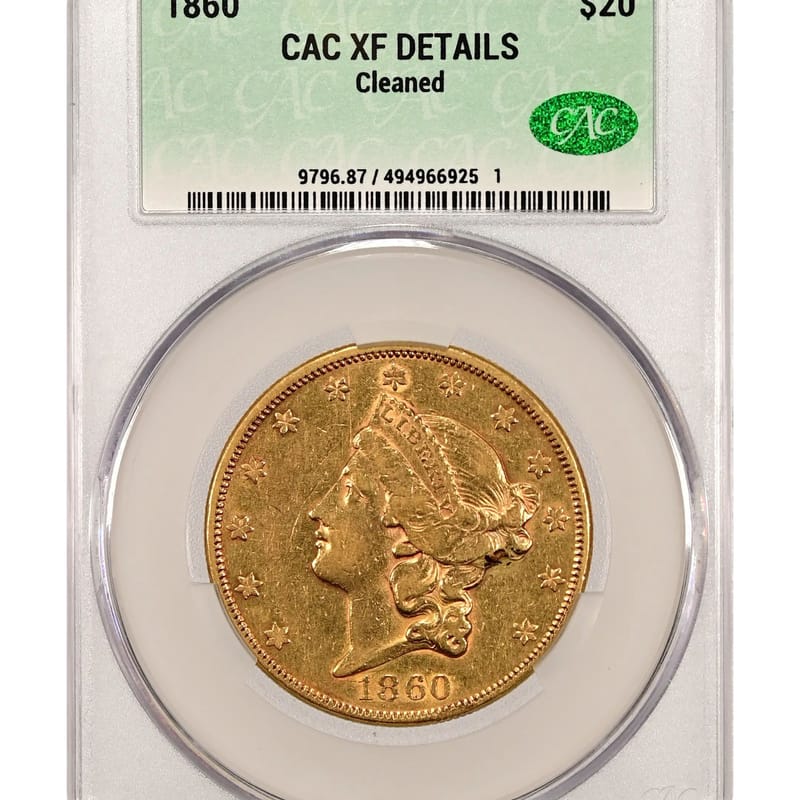
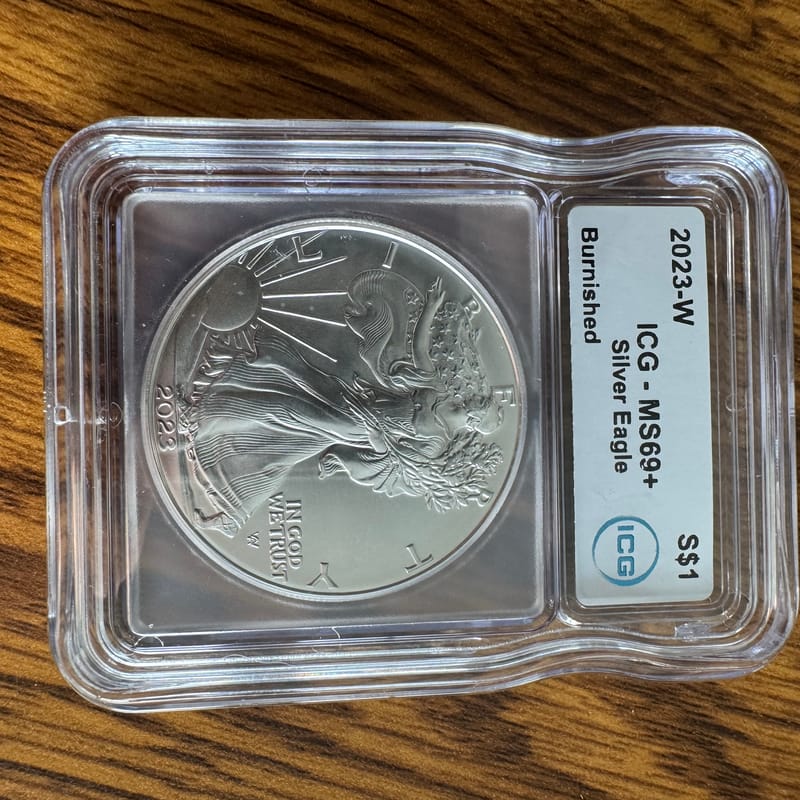
- Every slab carries a certification number verifiable in seconds at PCGS Cert Verification or NGC Verify — grade, label, and population data. Always check it on high-value purchases.
- Population reports show how many examples exist at each grade; low pops are what make key-date MS70s outsized.
- Buy the coin, not the holder: two MS70s can differ in eye appeal, and photos still matter.
- A slab is also archival storage — for decades-long holds, the protection alone carries value.
Common misconception, corrected: raw Silver Eagles are fully IRA-eligible. You do not need certified coins for a precious-metals IRA — never pay a "certification premium" pitched on that claim.
On a marketplace, slabbed coins carry one extra benefit: the cert number is independently checkable, which makes high-value listings dramatically easier to trust — and to sell. Compare raw and graded examples of the same date in the marketplace; watching the spread is the fastest grading education there is.
Watch: 30-second takes from the PeerMetals channel
More shorts and weekly market recaps on the PeerMetals YouTube channel.
Frequently asked questions
Is grading worth it for regular bullion? Almost never — a $30 fee on a coin worth 10–20% over spot raw cannot pay for itself unless it lands a perfect 70 on a desirable date.
Can I tell MS69 from MS70 myself? Not reliably — the difference is defined at 5x magnification by professional standards. That impossibility is exactly what you pay the service for.
Are slabbed coins immune to fakes? Counterfeit slabs exist. Verify the cert number against the PCGS or NGC database — it takes thirty seconds and defeats nearly all of them.