How to Calculate Melt Value: Spot Price × Weight, Explained Simply

Before you buy or sell any piece of bullion, you should know its melt value — what the metal alone is worth at today's spot price. It takes one multiplication: actual precious-metal weight in troy ounces times spot. The skill is in getting both inputs right.
Start with the right ounce
All precious metals are priced in troy ounces. Confusing the two units compounds fast: 100 avoirdupois ounces is only about 91.7 troy ounces — at gold prices, a mistake worth five figures. (One quirk worth knowing: a troy pound is 12 troy ounces, so it is actually lighter than a regular pound.) Set your scale to grams and convert; grams do not lie.
Then apply the purity
| Standard | Fineness | Where you see it |
|---|---|---|
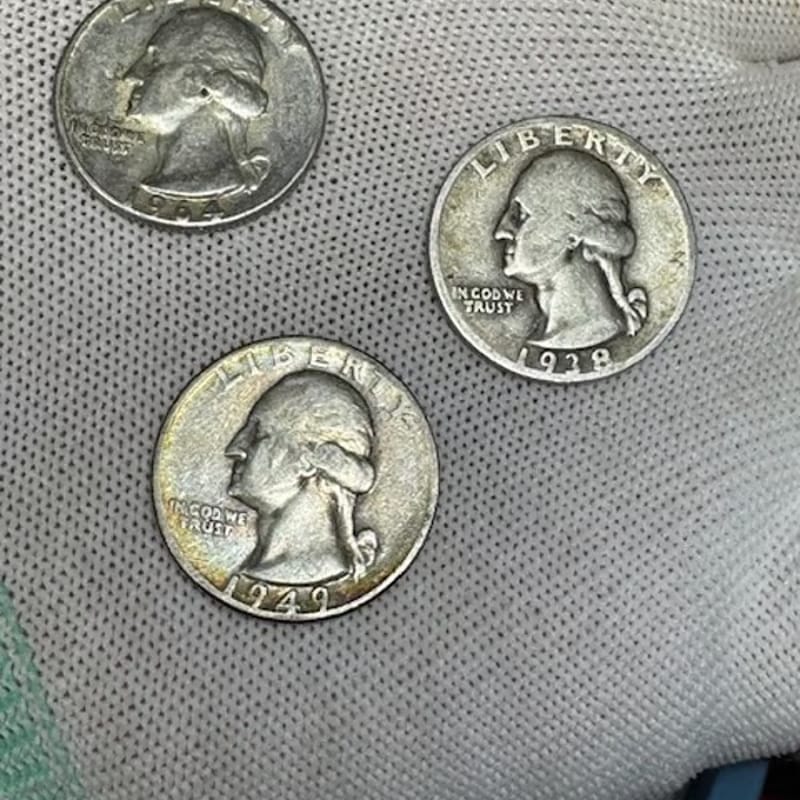
| Coin silver | .900 | Pre-1965 US dimes, quarters, halves, dollars |
| Sterling | .925 | Flatware, jewelry, older world coinage |
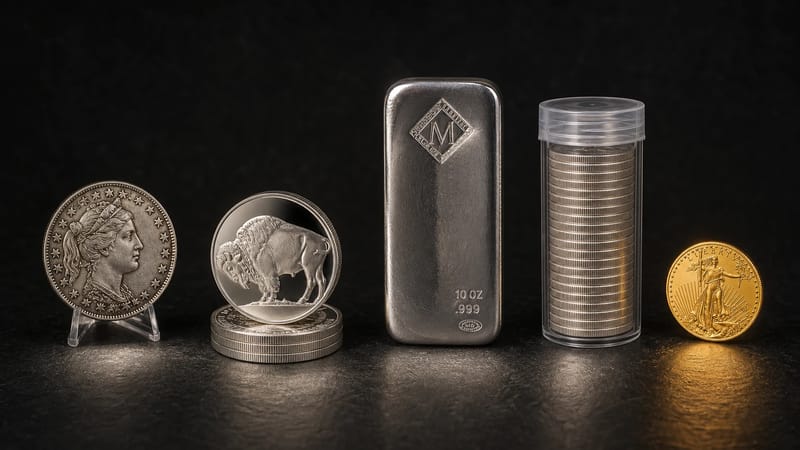
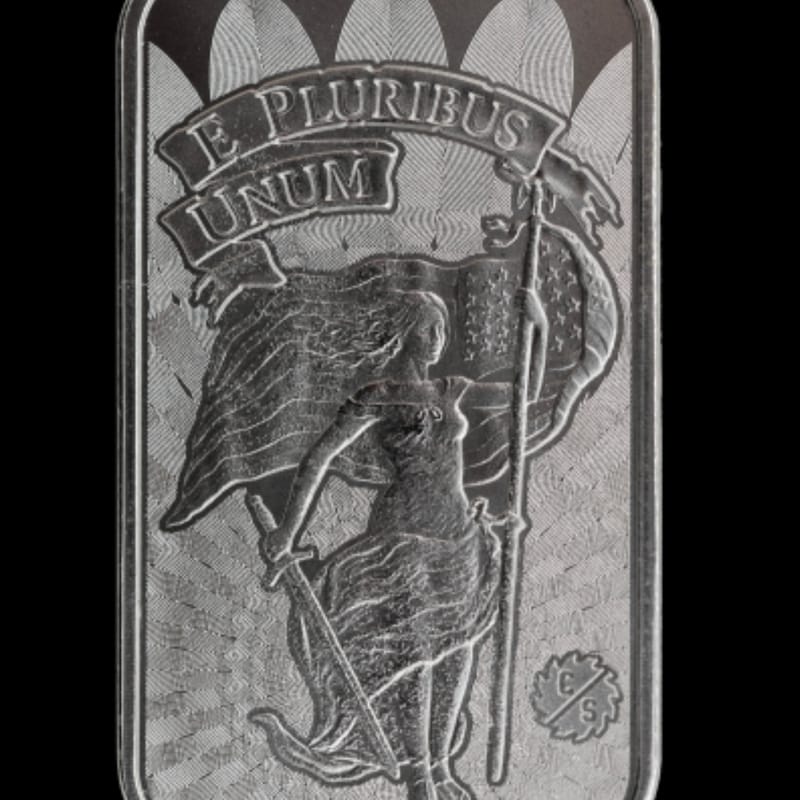
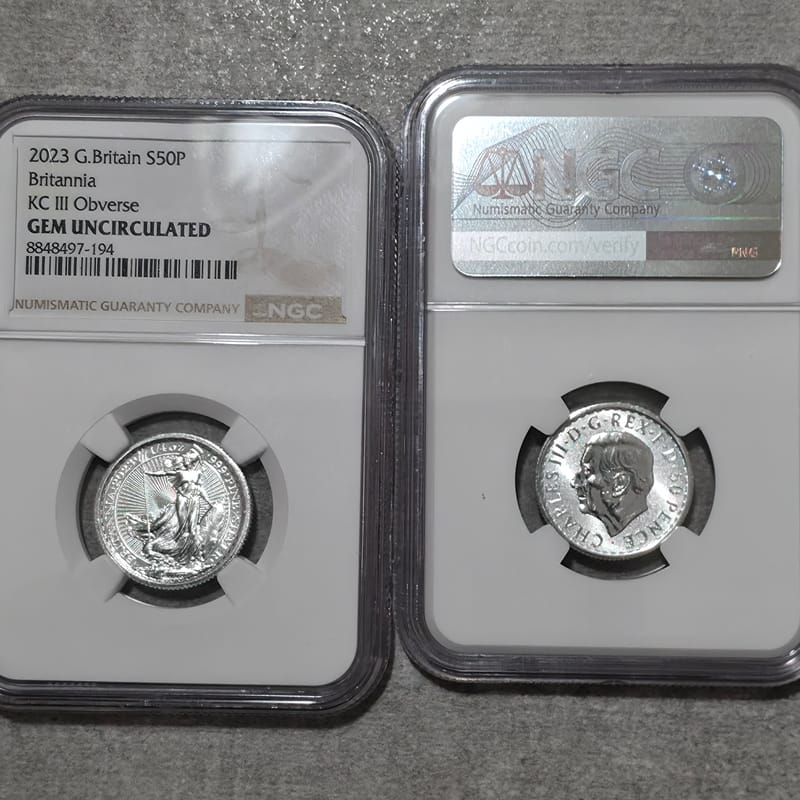
| Fine silver | .999 | Eagles, Britannias, most rounds and bars |
| Four nines | .9999 | Canadian Maple Leafs |
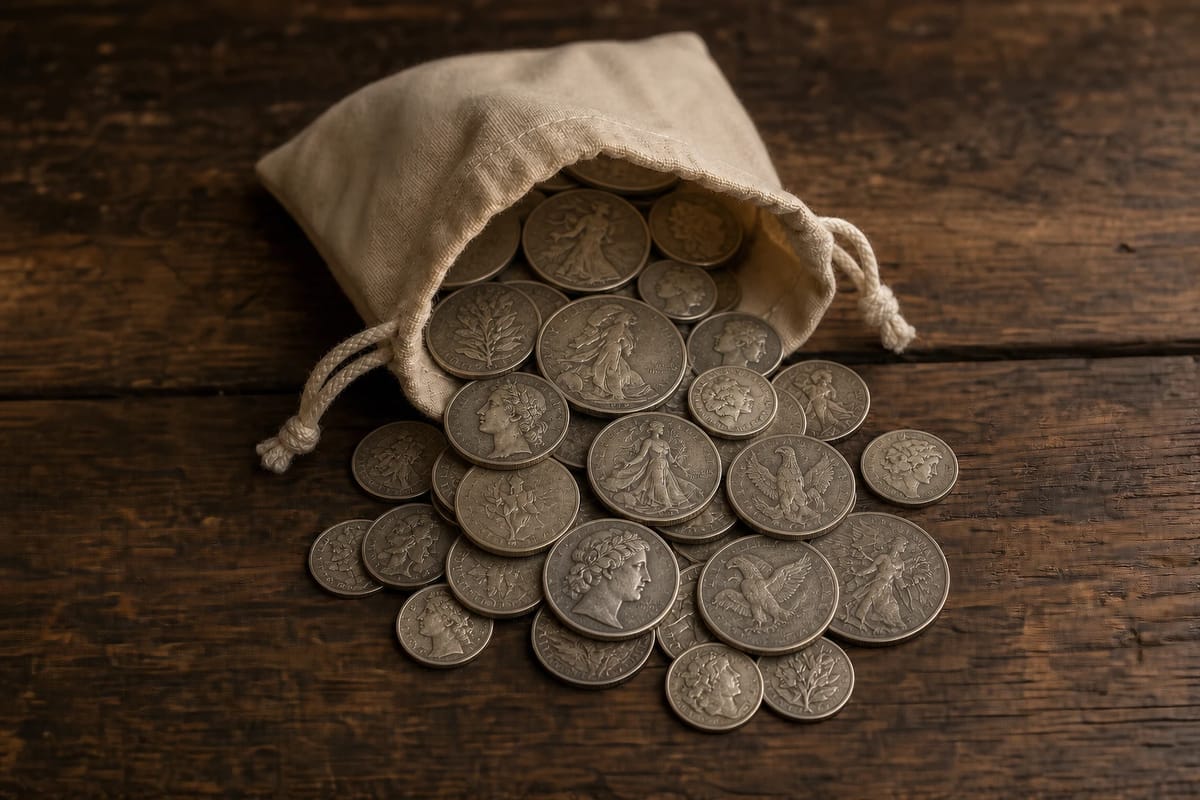
Melt value = gross weight x fineness x spot. A one-ounce .999 round at $66 spot melts at $66. A 90% silver half dollar (12.5 g gross, 0.3617 ozt of silver) melts at about $23.87 at that same spot. For US 90% coinage there is a faster path: $1.00 of face value contains about 0.715 troy ounces after circulation wear, so face value x spot x 0.715 gets you there in one step.
Reference silver weights for common US coins
- Dime: 0.0723 ozt · quarter: 0.1808 ozt · half dollar: 0.3617 ozt
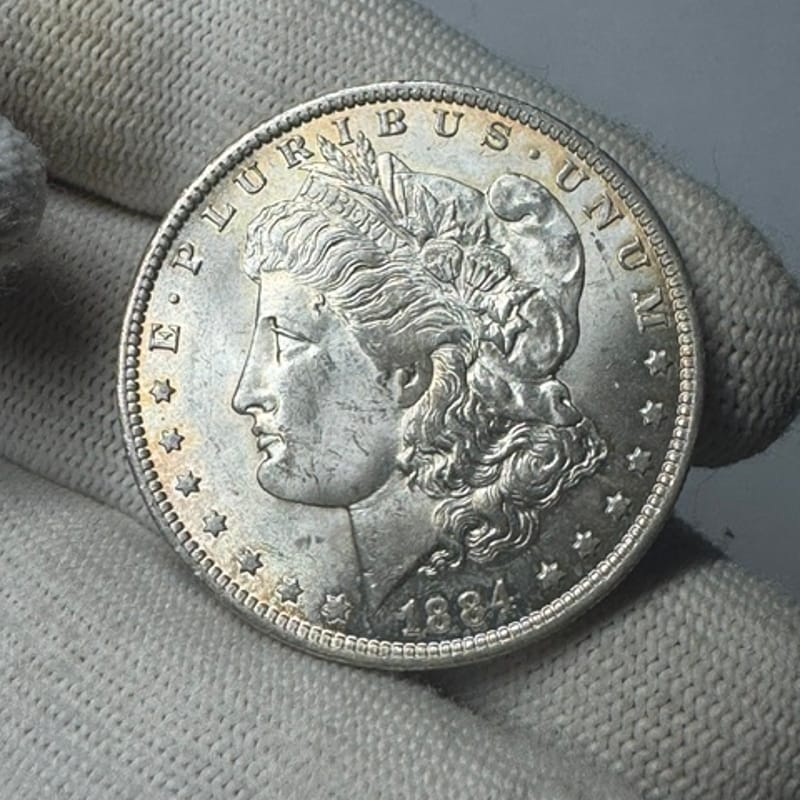
- Morgan or Peace dollar: 0.7734 ozt (these trade outside the 0.715 rule)
- War nickel (1942–45): 0.0563 ozt · 40% Kennedy half (1965–70): 0.1479 ozt
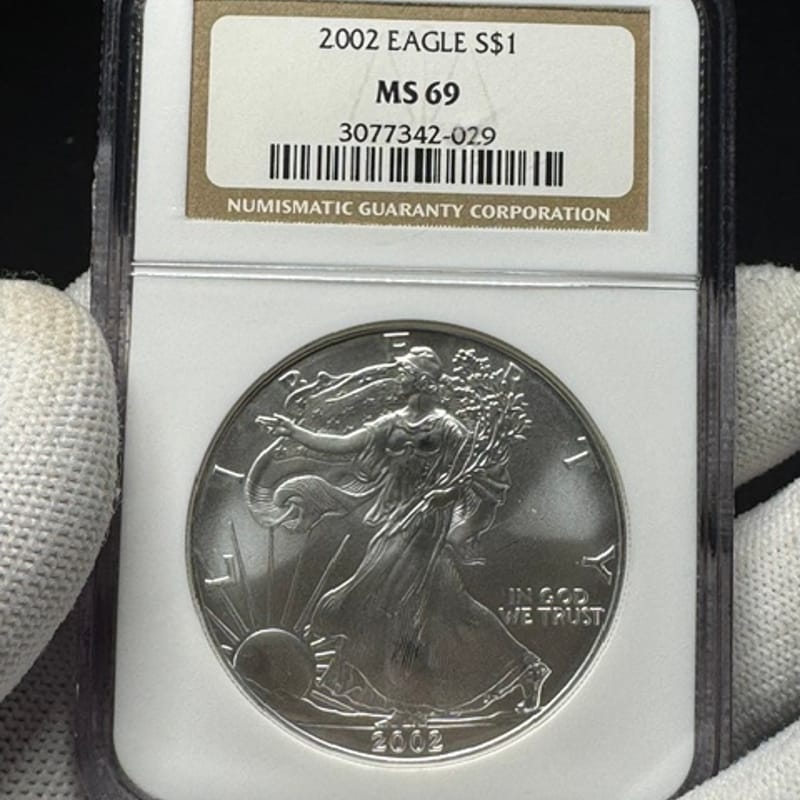
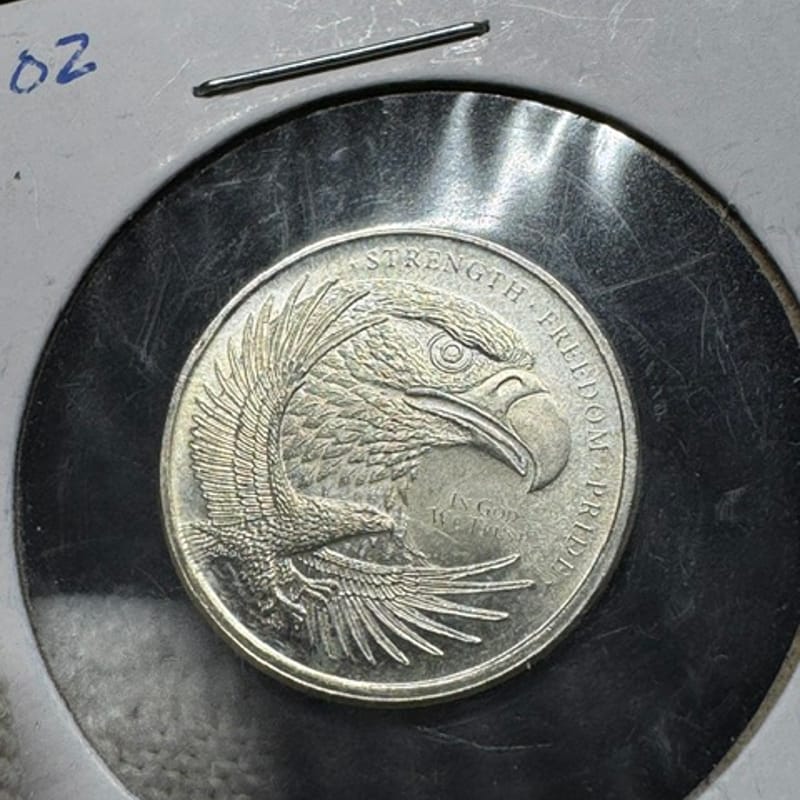
- American Silver Eagle: exactly 1.000 ozt of silver — melt equals spot
Verify before you trust the math
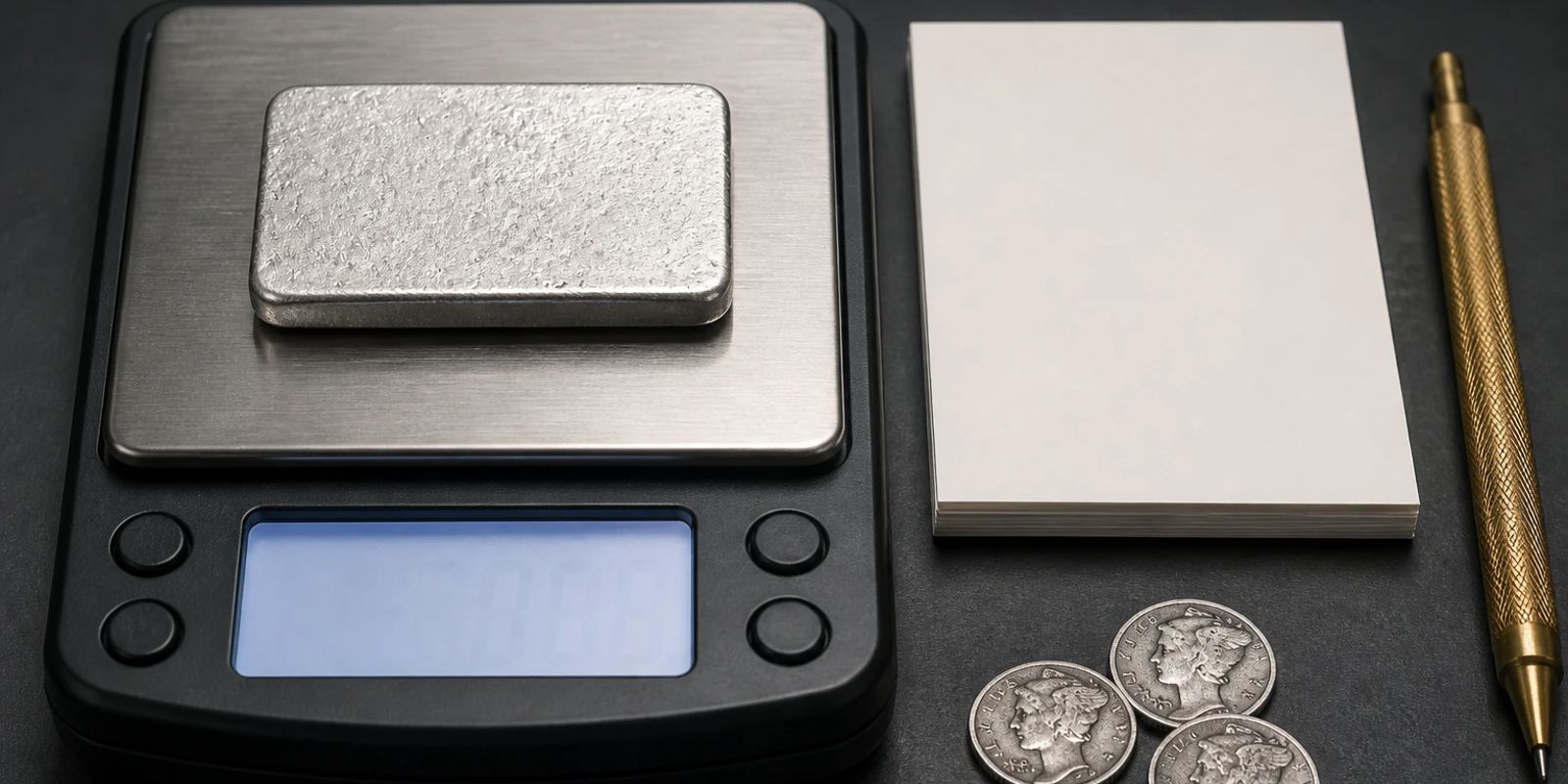
Melt value assumes the metal is real. A basic verification stack catches nearly all fakes: a 0.1 g digital scale and calipers checked against published mint specs (a Silver Eagle is 31.103 g, 40.6 mm across, 2.98 mm thick), a strong neodymium magnet — silver is diamagnetic, so the magnet should slide slowly down a tilted coin and never stick — and a ping test: genuine silver rings with a sustained high chime around 6,100 Hz for an Eagle, which free phone apps can measure. For the thorough, a specific-gravity test settles it: pure silver is 10.49 g/cm³, 90% coin silver about 10.31.
Where spot comes from
The spot price is set in the paper market — COMEX front-month futures trading and the twice-daily LBMA London auctions — and quoted per troy ounce. Dealers then quote two-way prices around it; a recent board showed silver bid $64.52 against ask $64.67. That spread, plus premium, is the dealer's margin, and it is why your buyback quote and purchase price will never both equal melt.
Sanity-check every listing: if an asking price sits below melt value, ask why. Too-good-to-be-true pricing is the single most reliable counterfeit red flag in this hobby.
Keep live spot prices open while you browse and you can melt-check any marketplace listing in your head before you bid.
Watch: 30-second takes from the PeerMetals channel
More shorts and weekly market recaps on the PeerMetals YouTube channel.
Frequently asked questions
Why does my kitchen scale disagree with the dealer's? Bullion trades in troy ounces (31.103 g) — about 10% heavier than the avoirdupois ounce your kitchen scale assumes. Weigh in grams and convert.
Does wear change melt value? Yes — circulated 90% coins lose metal, which is exactly why the market trades on 0.715 oz per $1 face instead of the theoretical 0.7234.
A listing is priced below melt. Lucky find? Treat it as a counterfeit alarm, not a bargain. Silver has one global price; real ounces do not sell at a discount to it.