Sovereign vs. Generic Silver: Eagles, Maples, Britannias — and When Plain Rounds Win

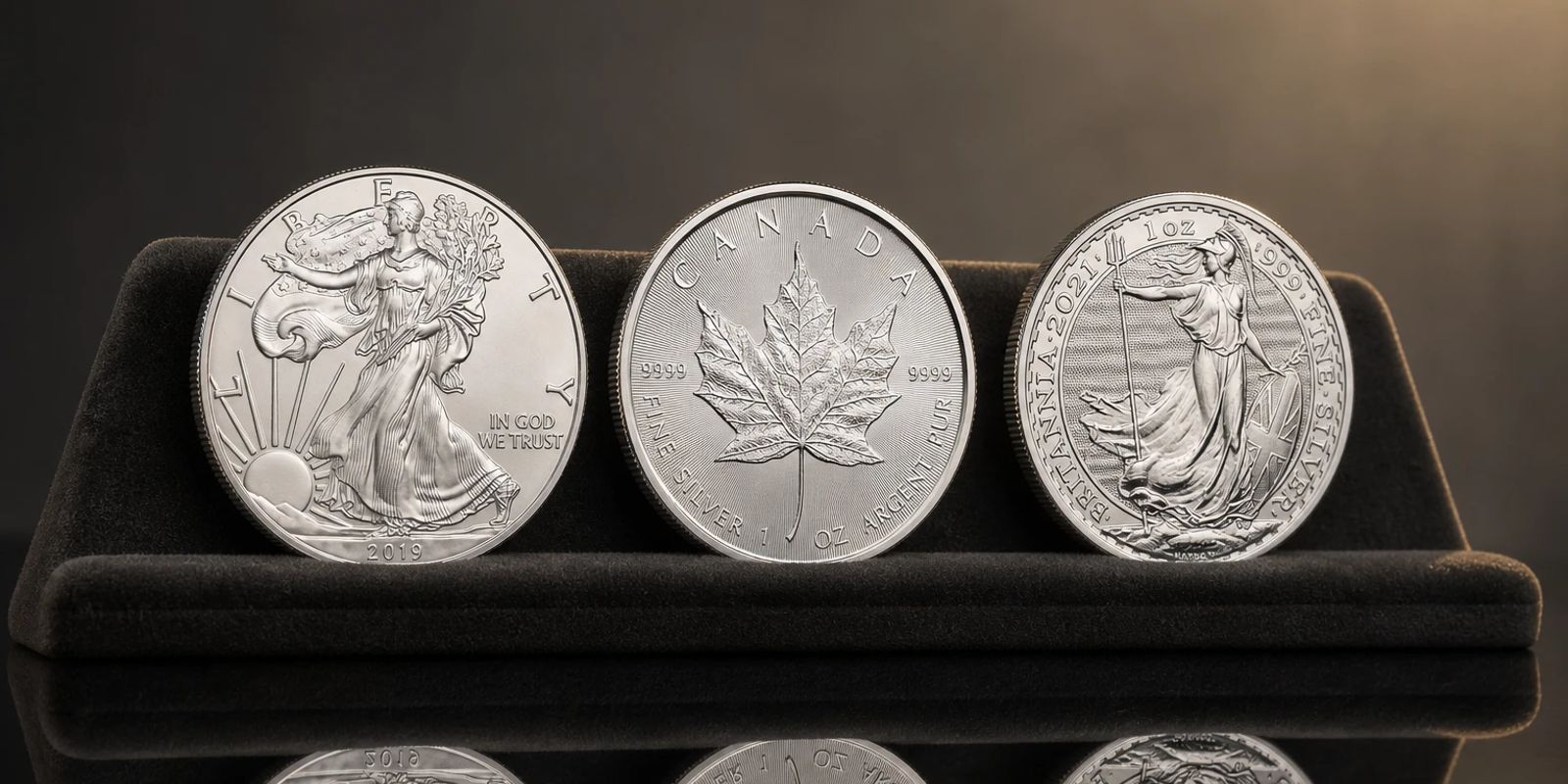
Put a 2003 Canadian Maple next to a 1970s Engelhard prospector round and you're looking at the entire sovereign-vs-generic debate in two coins. Both are an ounce of fine silver. One was struck by a national government mint, carries a face value, and every dealer on earth recognizes it instantly. The other was poured by a private refiner — legendary among collectors, but still "generic" in market terms — and trades closer to the metal's melt value.
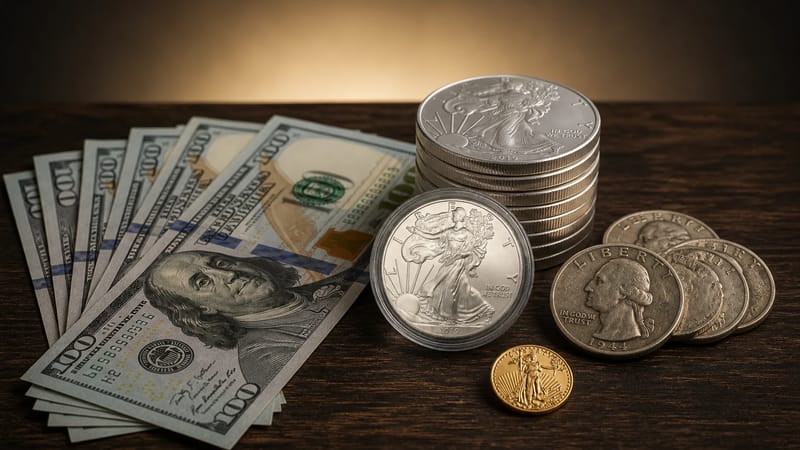
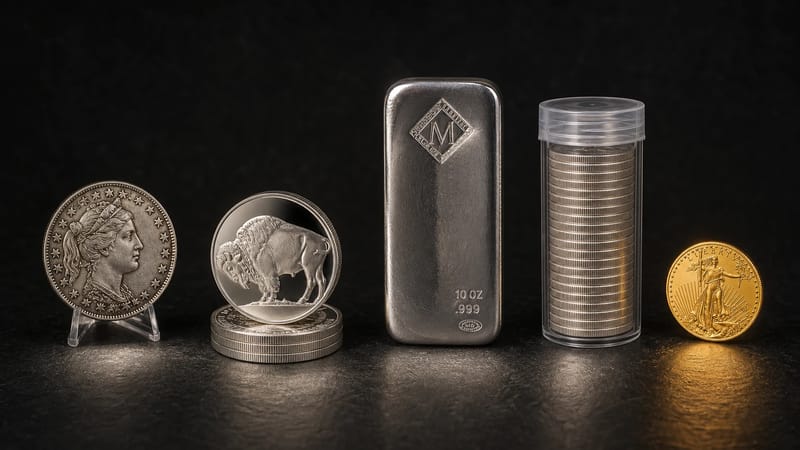
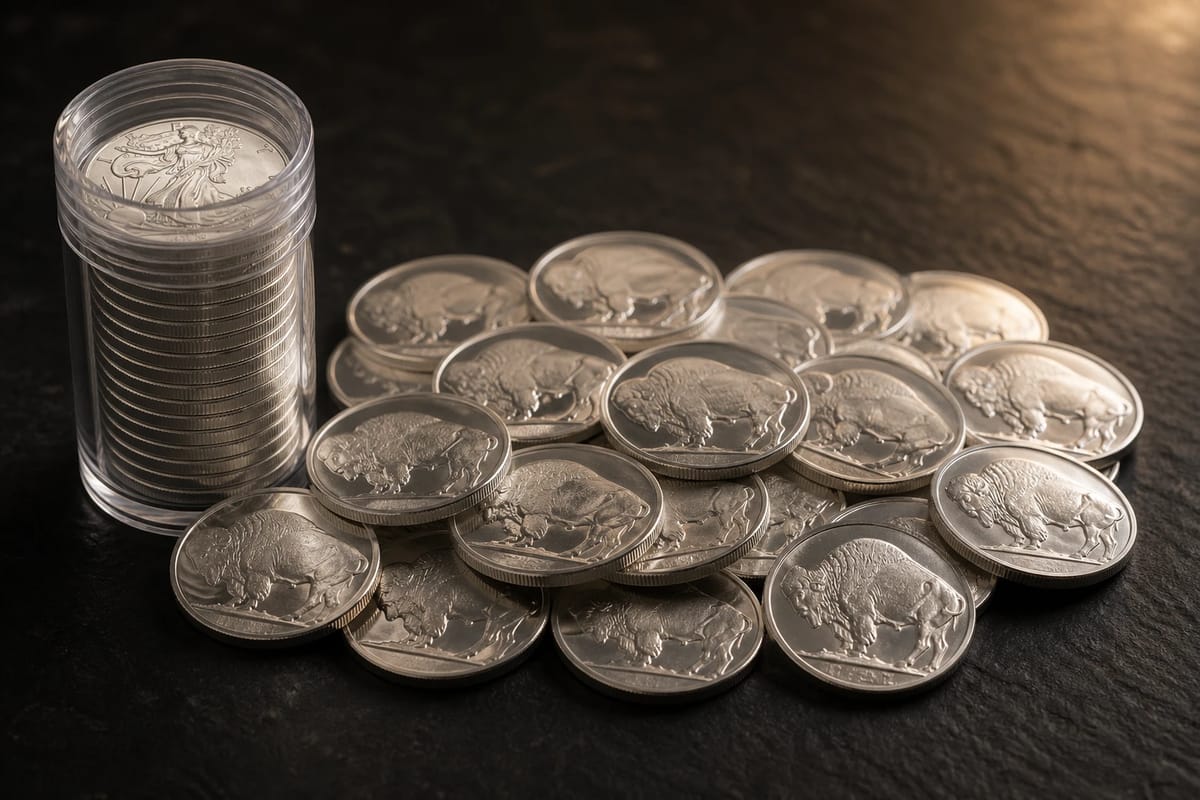
Sovereign bullion means government-minted with legal-tender face value: American Eagles, Canadian Maples, British Britannias, Austrian Philharmonics, South African Krugerrands. Generic means privately minted rounds and bars — Buffalo rounds, mint-branded bars, vintage poured silver. The silver is the same. What differs is what you pay above spot, and what that payment buys you when it's time to sell.
What the sovereign premium actually buys
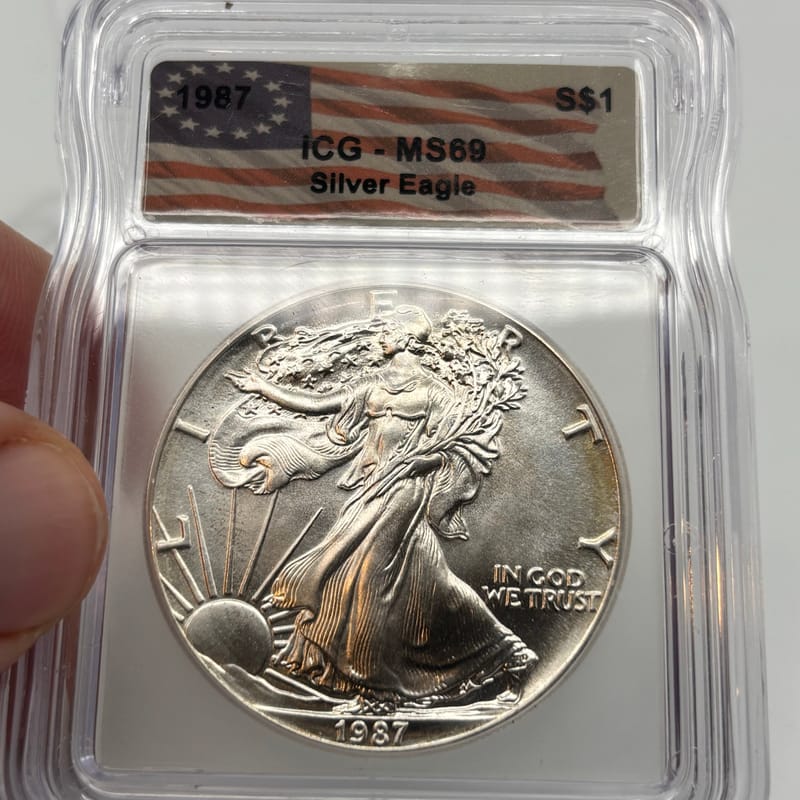
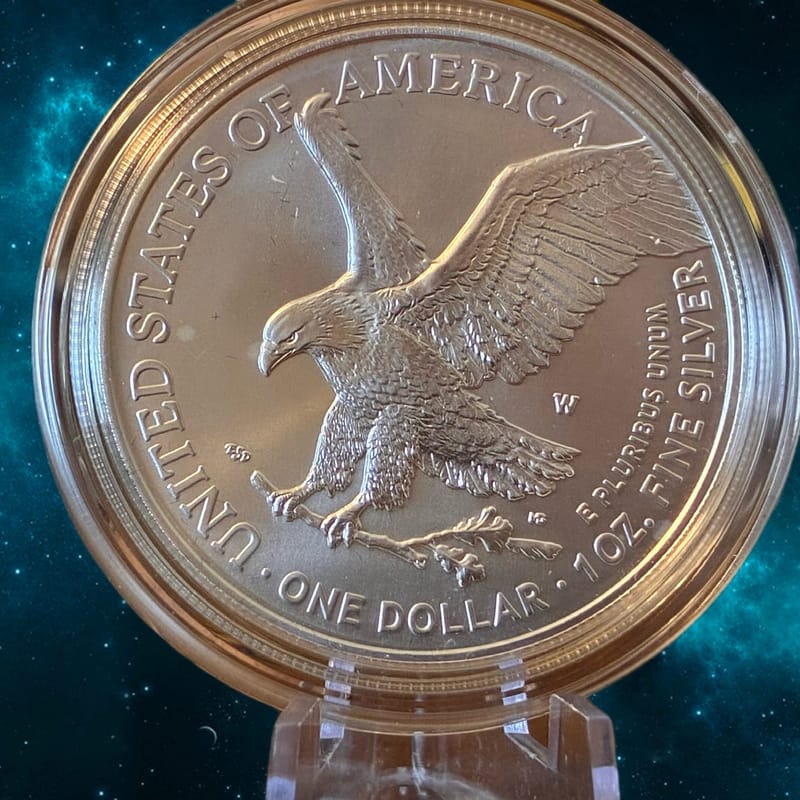
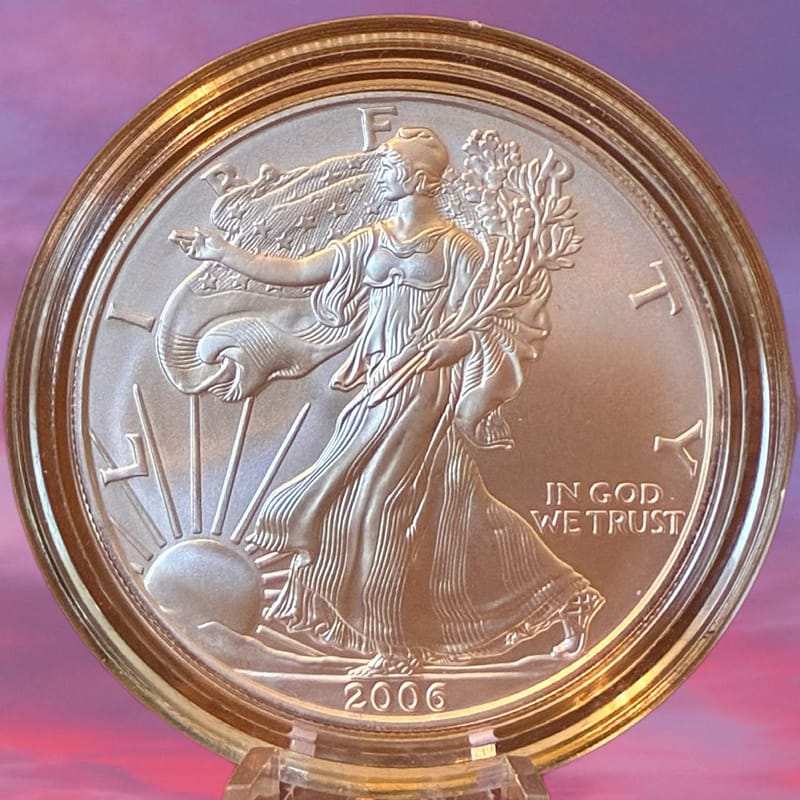
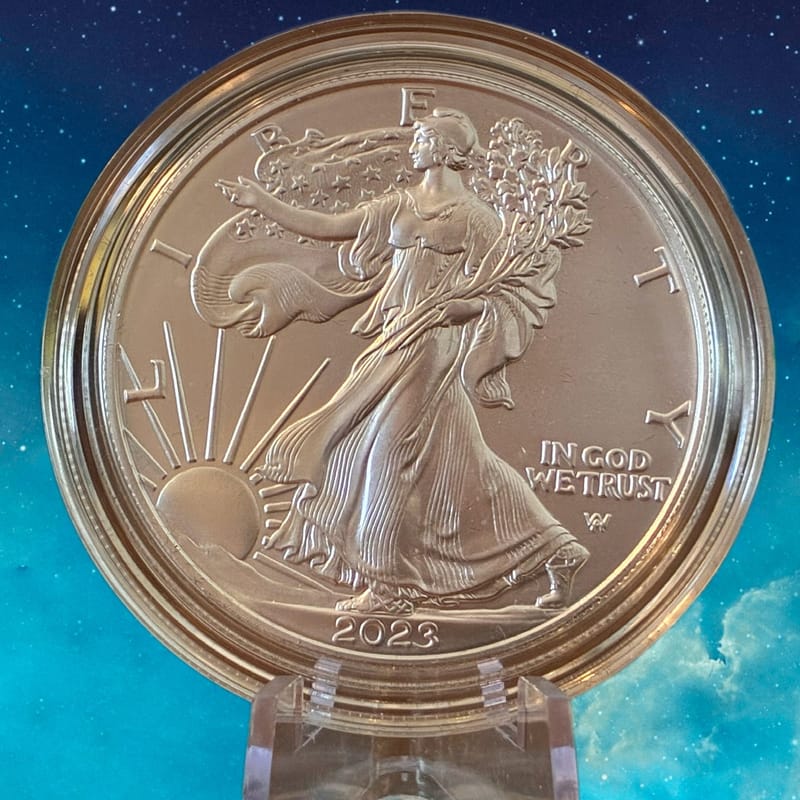
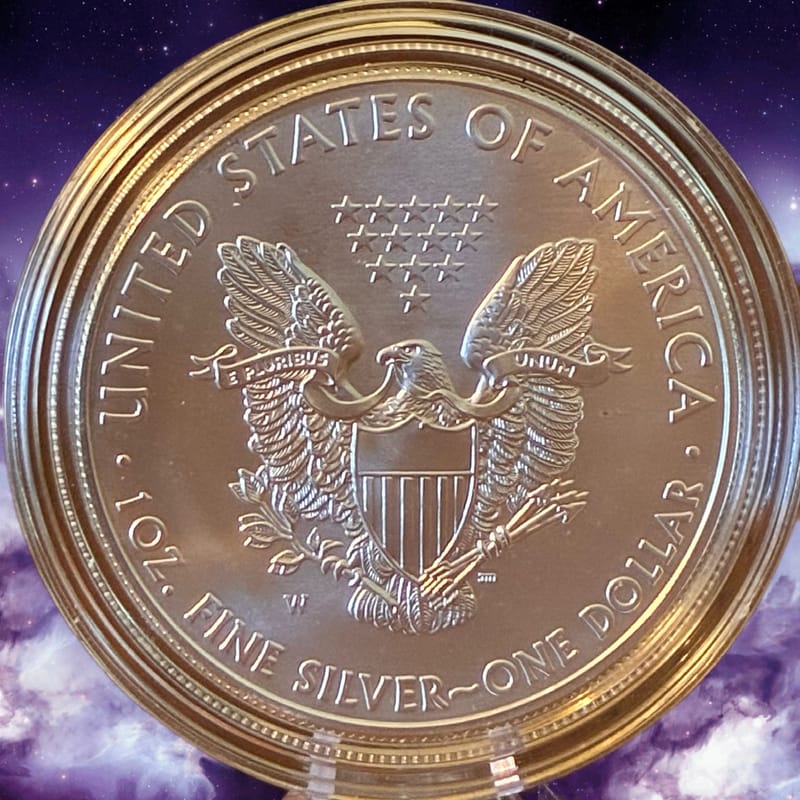
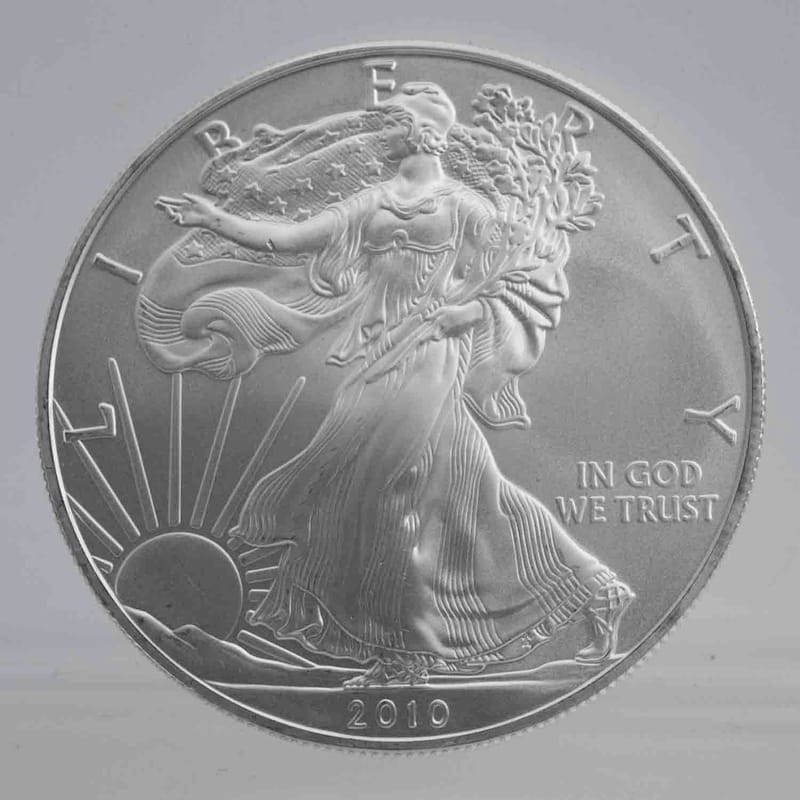
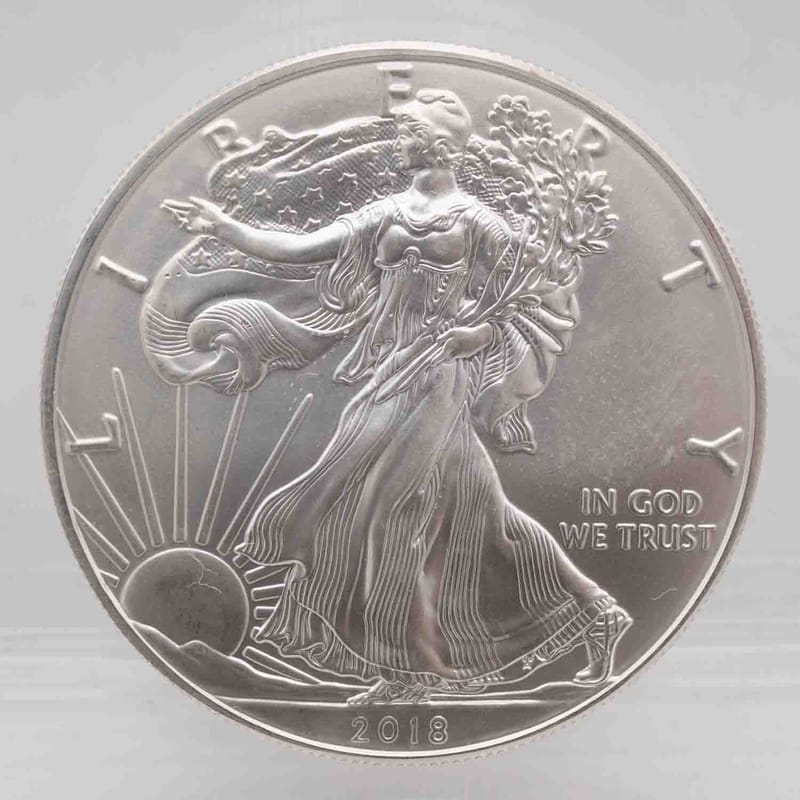
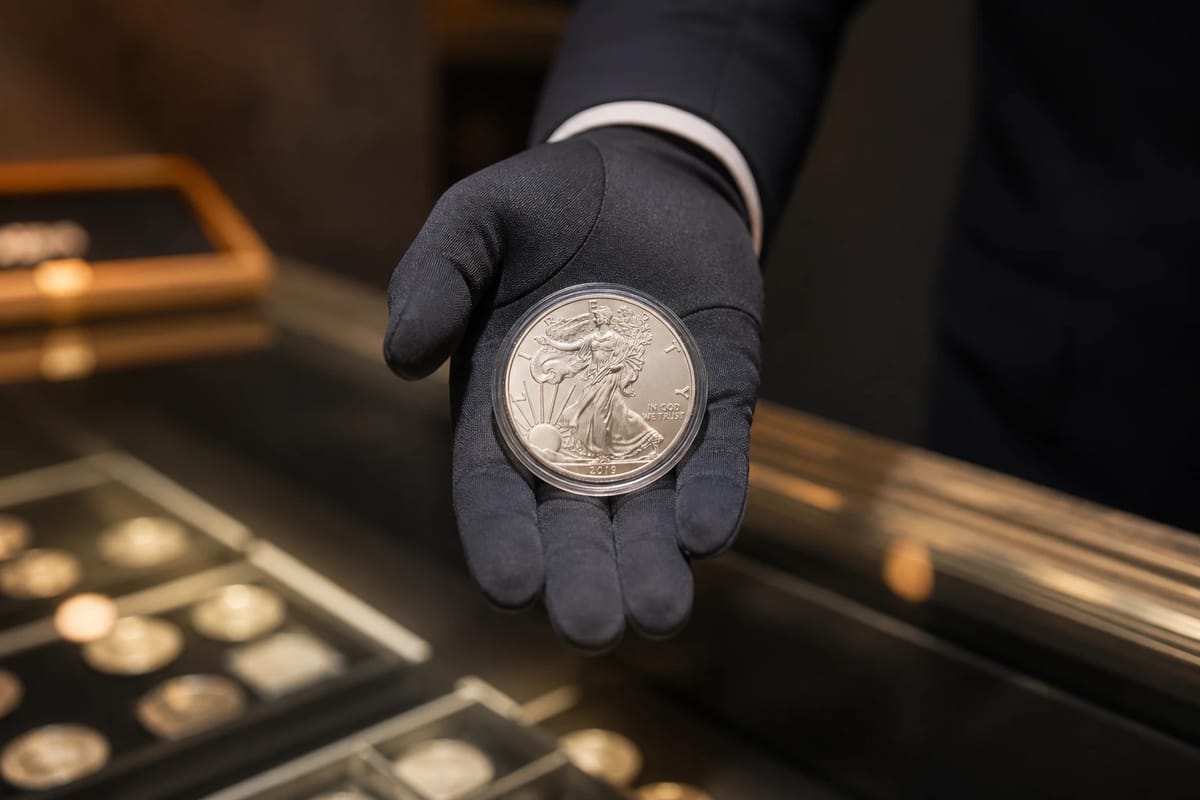
Recognition, and everything recognition unlocks. An American Silver Eagle is the coin dealers never hesitate to buy: instantly identified, easy to verify, easy to price. In a fast sale, trust moves faster than silver — recognized coins sell first, simple generics next, exotic pieces last. The premium on a sovereign coin isn't just for the silver; it's a prepaid liquidity fee you collect back when you sell.
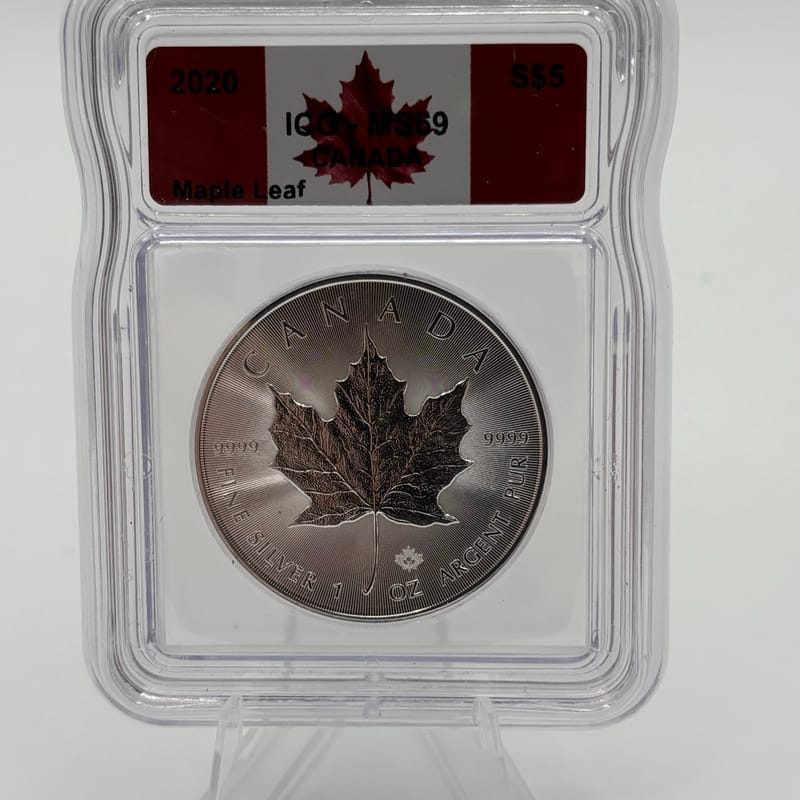
Security features sweeten the deal. Every Canadian Maple since 2014 carries Bullion DNA — a laser micro-engraving the Royal Canadian Mint can verify — plus radial lines and micro-lettering that make Maples among the hardest coins to fake. Modern Britannias layer four visual security features into the design. Generic rounds have none of this; verifying one relies on the physical tests we cover in how to test silver at home.
The big five sovereign coins, compared
| Coin | Mint | Purity | Premium tier | Known for |
|---|---|---|---|---|
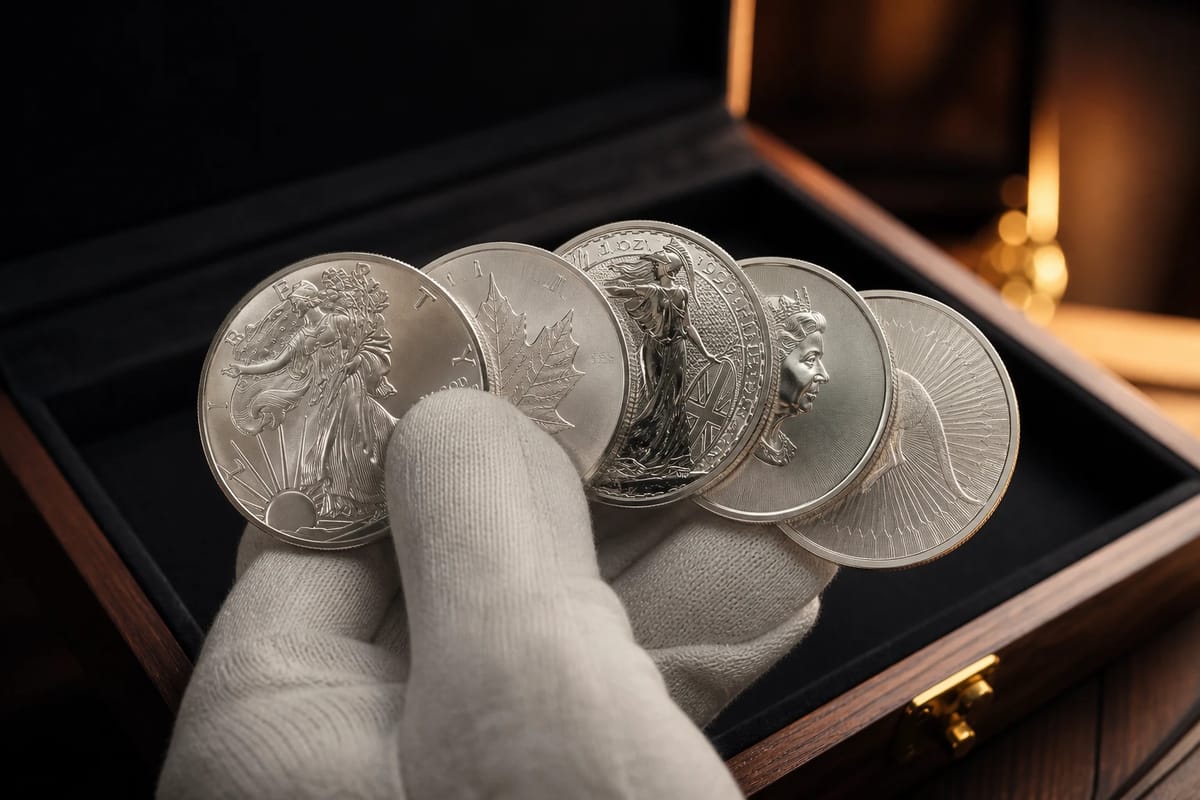
| American Silver Eagle | US Mint | .999 | Highest | Most recognized and liquid coin in America |
| Canadian Maple Leaf | Royal Canadian Mint | .9999 | Mid | Bullion DNA security, highest purity |
| British Britannia | Royal Mint (1,100+ years old) | .999 | Low-mid | Sovereign trust at gentler premiums |
| Austrian Philharmonic | Austrian Mint | .999 | Low-mid | Europe's best-seller, quietly loved by US weight stackers |
| South African Krugerrand | Rand Refinery / SA Mint | .999 (silver) | Low | The original bullion brand, slower US resale |
The pattern: Eagles cost the most and sell the fastest; Britannias and Philharmonics deliver sovereign-mint trust at noticeably lower premiums; Maples split the difference with the best security tech. None of these is "wrong" — they're different points on the same premium-for-liquidity curve. For a deeper ranking, see our guide to the best silver coins to stack.
The case for generics
Generics have one argument, and it's a good one: more ounces for the same money. If your goal is maximum weight — and for most of the journey between 25 and 100+ ounces, it should be — the premium saved on every generic ounce compounds into whole extra ounces owned. During hot markets the argument gets stronger, because sovereign premiums inflate faster than generic ones.
The community even has guardrails for it. The 10% ceiling rule: never pay more than 10% over spot for generic silver — if premiums spike past that, wait or switch to larger bars at 2–4%. And the 80/20 mint rule some weight stackers follow: cap government-minted coins at roughly 20% of the stack and let low-premium generics do the heavy lifting.
So what's the right mix?
Think in jobs, not brands. Sovereign coins are your liquid layer — the part of the stack that converts to cash in minutes without negotiation. Generics are your weight engine — the part that grows fastest per dollar. Constitutional 90% silver (pre-1965 dimes and quarters) adds a third job: small, divisible, universally recognized trade pieces. A common blueprint runs roughly half generic, a quarter sovereign, and the rest split between constitutional silver and whatever the market hands you cheap.
Pay for premium when the premium pays you back. That's the whole debate in one sentence. A premium that buys instant liquidity or real security features is a fee for a service you'll use. A premium that buys a prettier stamp on the same ounce is just an ounce you didn't stack.
Frequently asked questions
Do sovereign coins hold their premium when you sell?
Partially, and better than anything else in bullion. Eagles in particular resell above generic melt-plus pricing because the buying side of the market pays up for recognition. Generic rounds typically sell at or just above melt. Neither is a numismatic play — for that distinction see bullion vs. numismatics.
Are old private brands like Engelhard really 'generic'?
Technically yes — no government mint, no face value. But vintage poured brands have collector followings that push their real-world prices above modern generics. They're the exception that proves the recognition rule.
Which should a first-time buyer pick?
One tube of a sovereign coin for the liquid layer, then low-premium rounds for growth. Our first-time stacker checklist walks through the whole first purchase.
Whichever side of the debate you lean toward, the market settles it peer-to-peer: on PeerMetals you can compare Eagles, Maples, Britannias, and generic rounds side by side and let the real premiums — not the marketing — make your argument.