Numismatic vs. Semi-Numismatic vs. Bullion Coins: Where's the Line?

Not every coin with precious metal in it is valued the same way. Where a coin sits on the spectrum from "pure bullion" to "pure numismatic" determines what's actually driving its price -- and misjudging which category a coin falls into is one of the most common ways buyers overpay.
Bullion coins: valued for metal content
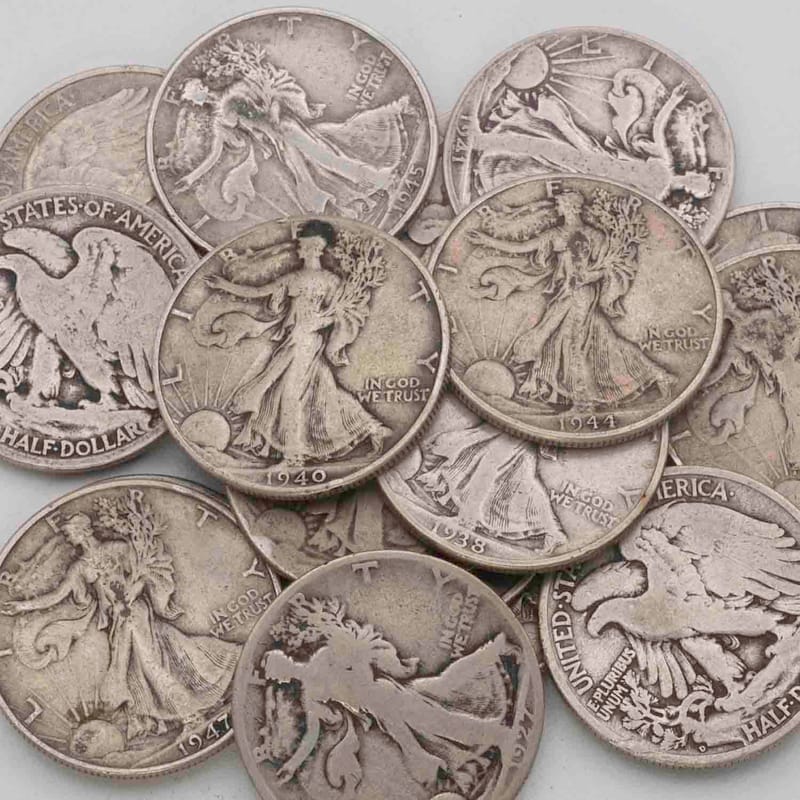
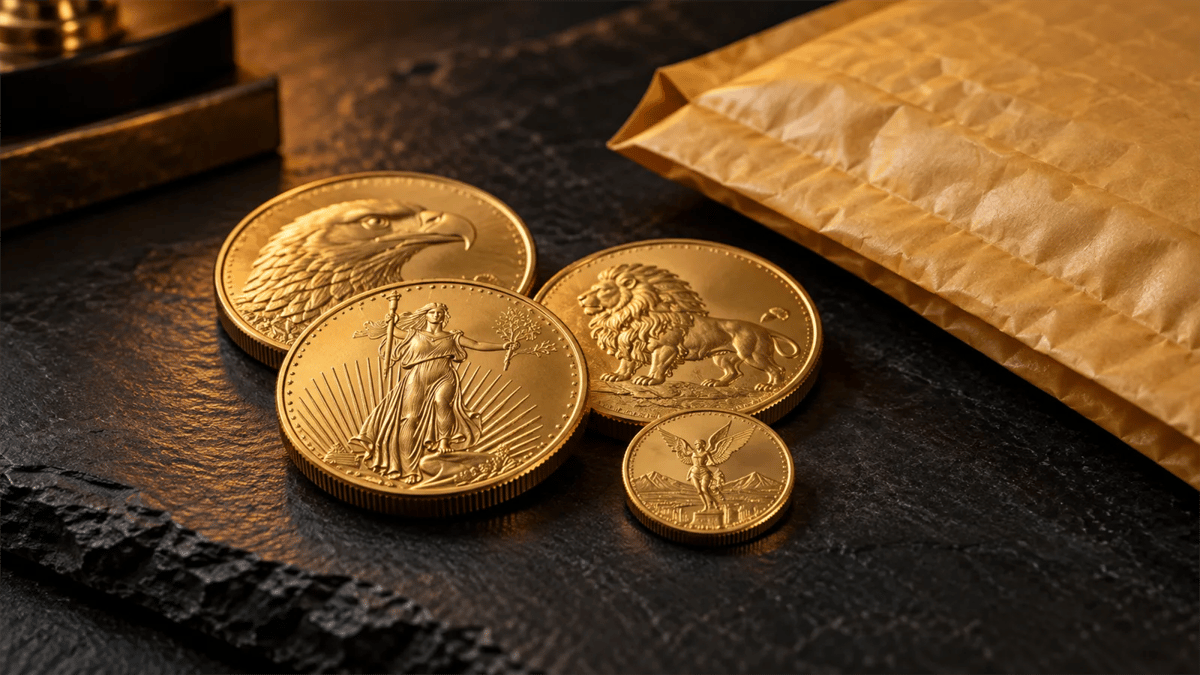
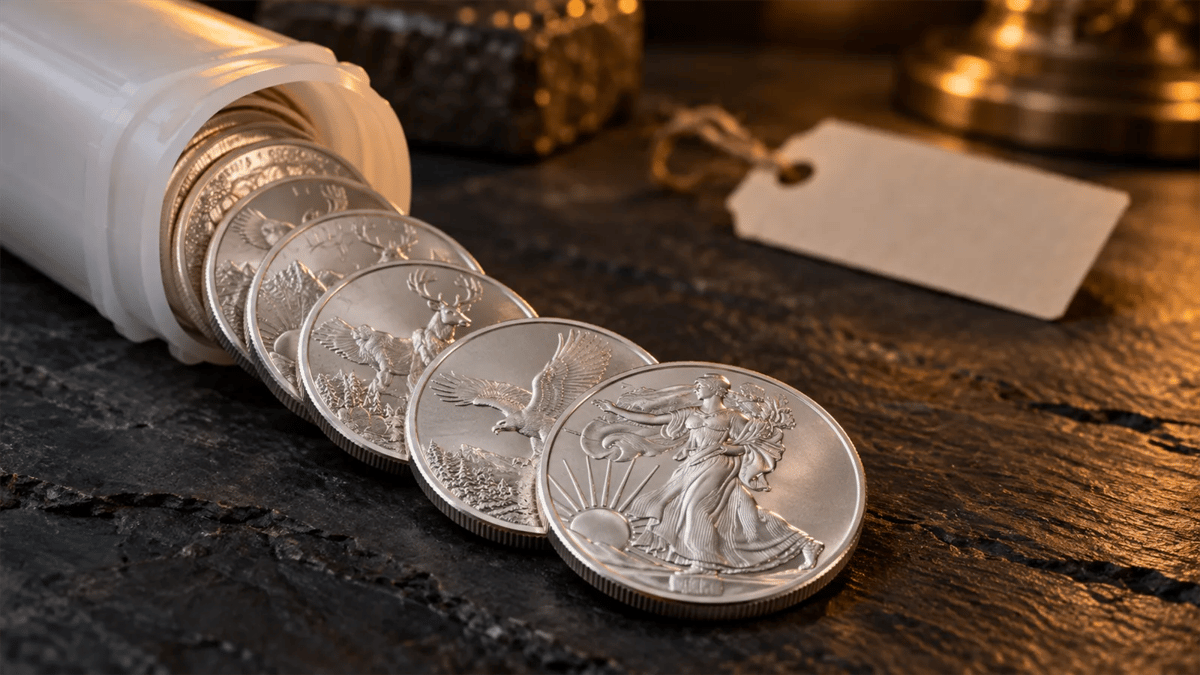
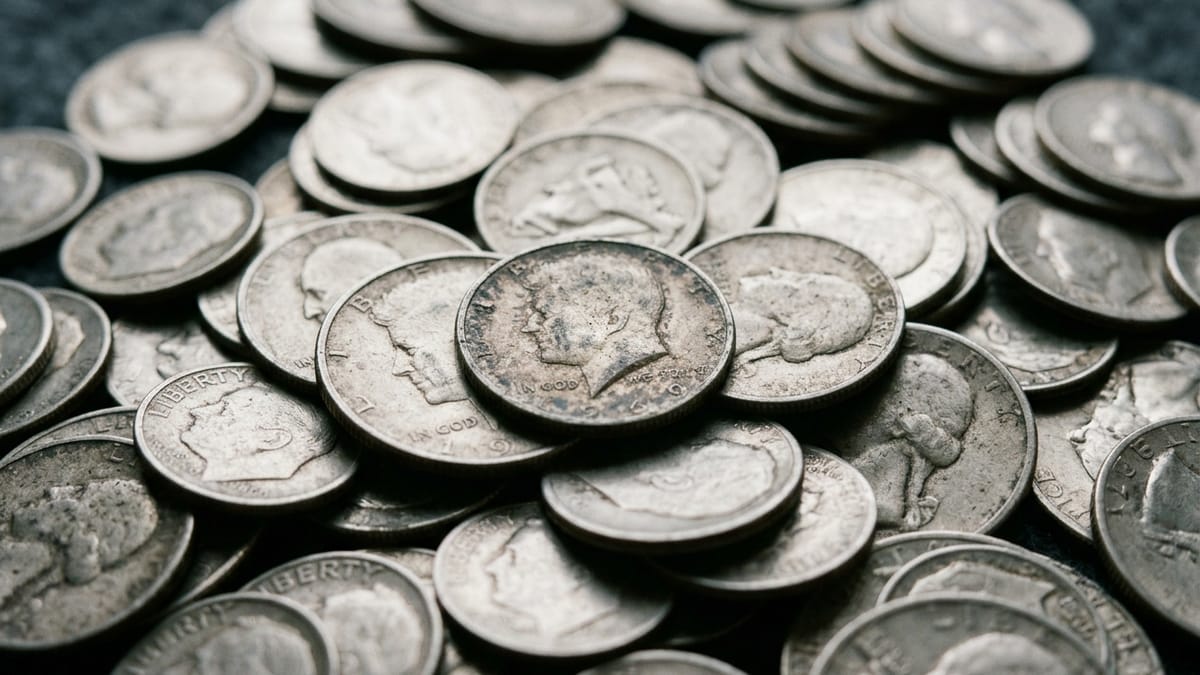
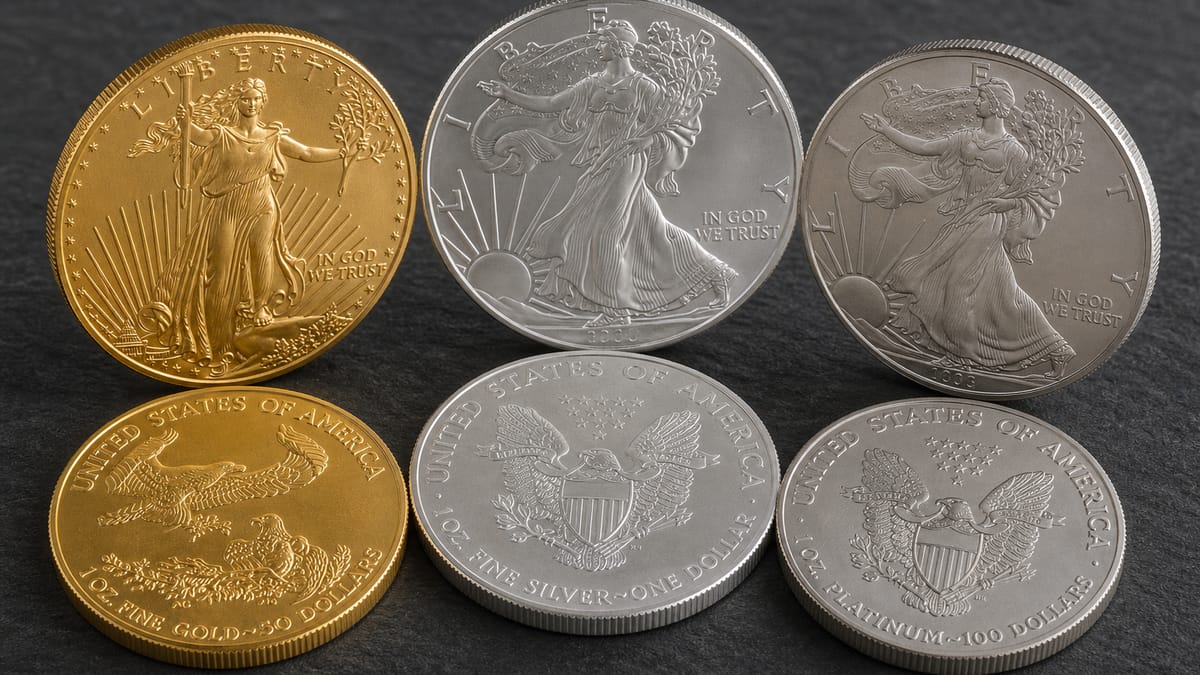
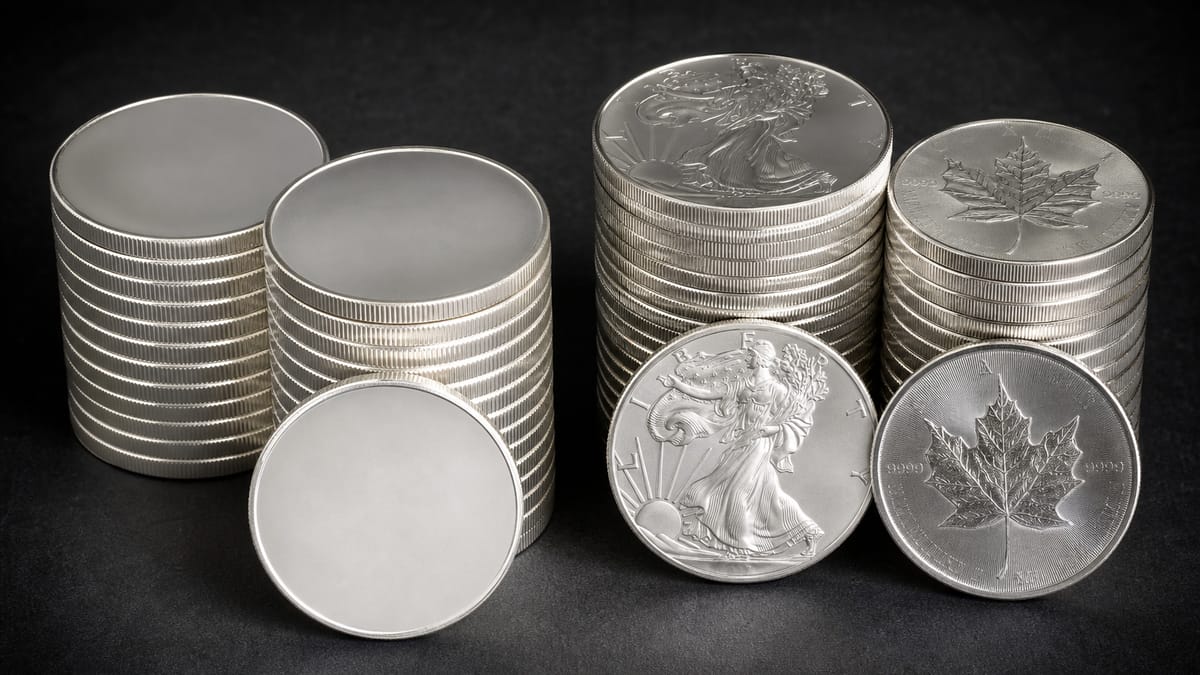
A bullion coin's price tracks the current spot price of its metal, plus a modest premium covering minting, distribution, and dealer margin. Common-date American Silver Eagles, Canadian Gold Maple Leafs, and pre-1965 "junk silver" all fall into this category -- their mintage numbers are typically large, dates aren't especially scarce, and buyers pay almost entirely for the metal itself. If gold or silver spot prices move, a pure bullion coin's price moves with them almost one-for-one.
Numismatic coins: valued for rarity and history
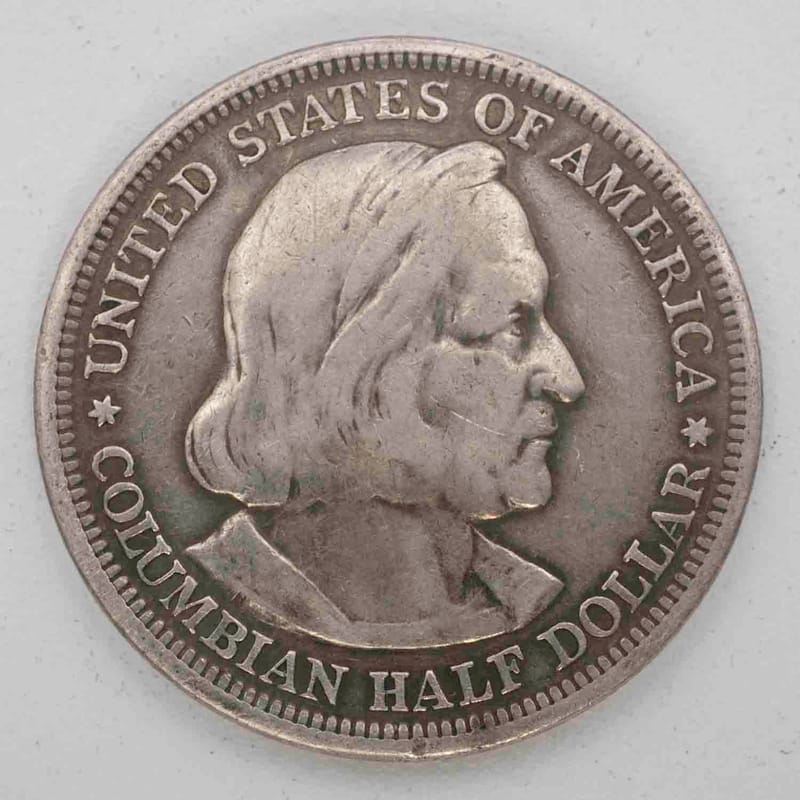
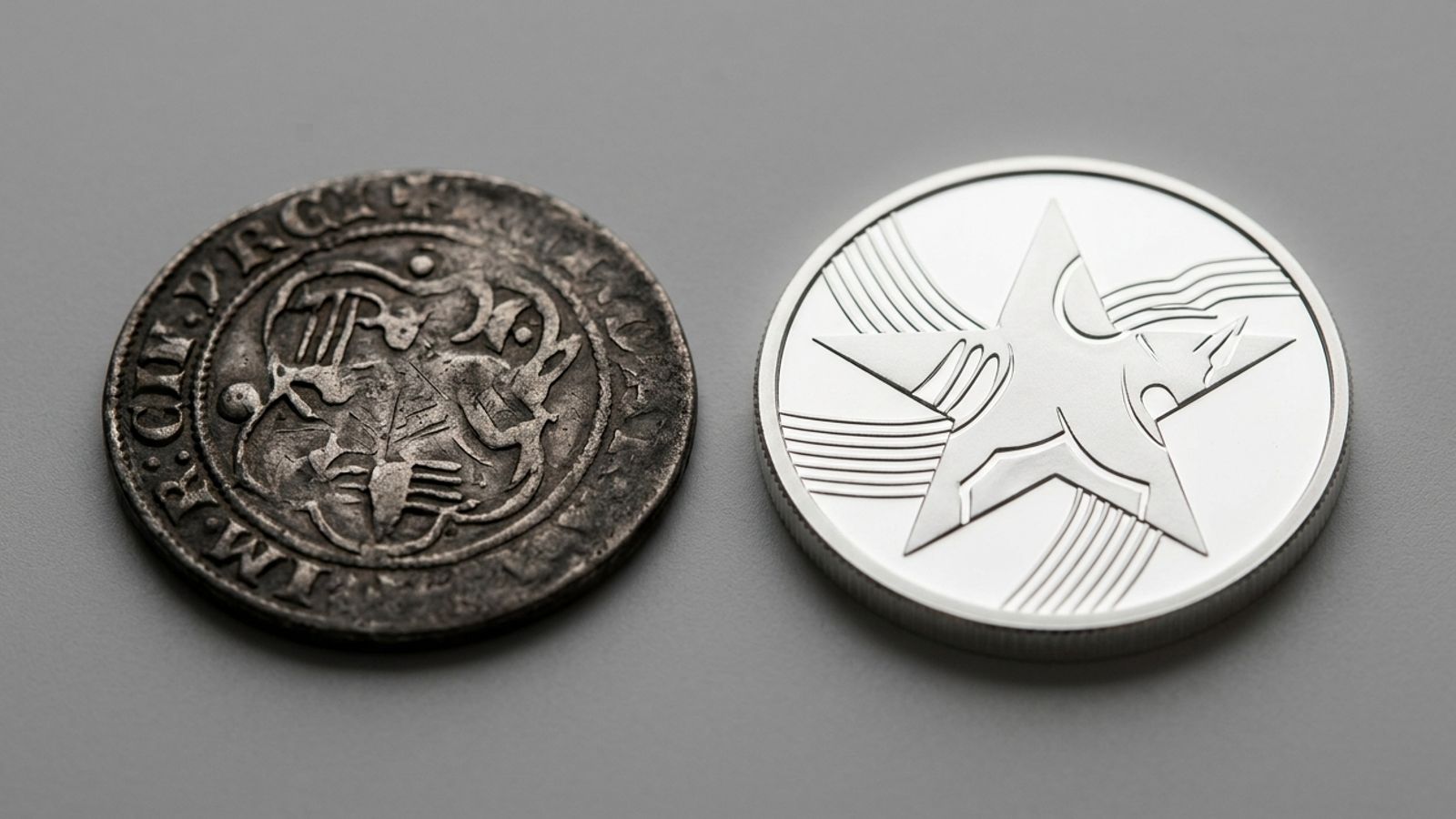
A numismatic (or "rare") coin's price is driven mainly by scarcity, historical significance, condition, and collector demand -- its metal content is often a small fraction of its total value. A key-date coin with a low original mintage, a famous mint error, or an exceptionally well-preserved example of an otherwise common date can sell for many multiples of its melt value. Spot price movements barely register in a numismatic coin's price; what matters is how many other collectors want that specific coin and how many exist in that condition.
Semi-numismatic coins: the middle ground
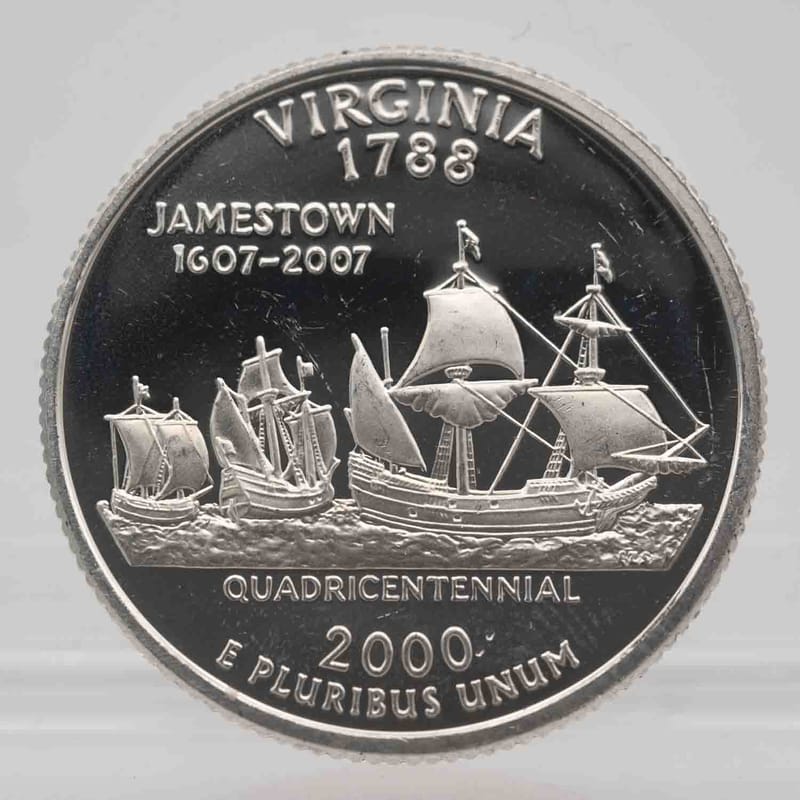
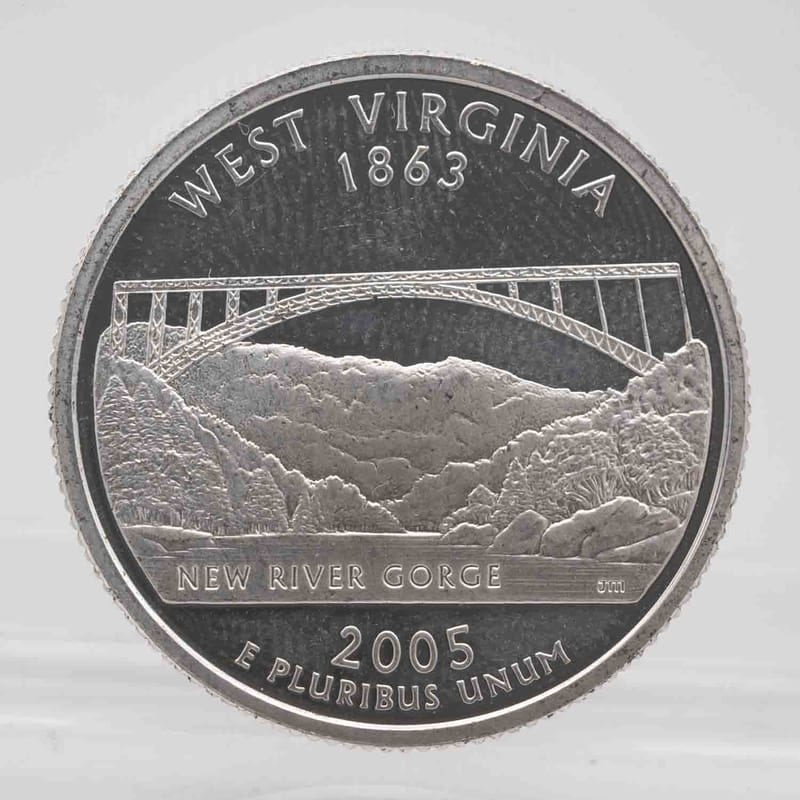
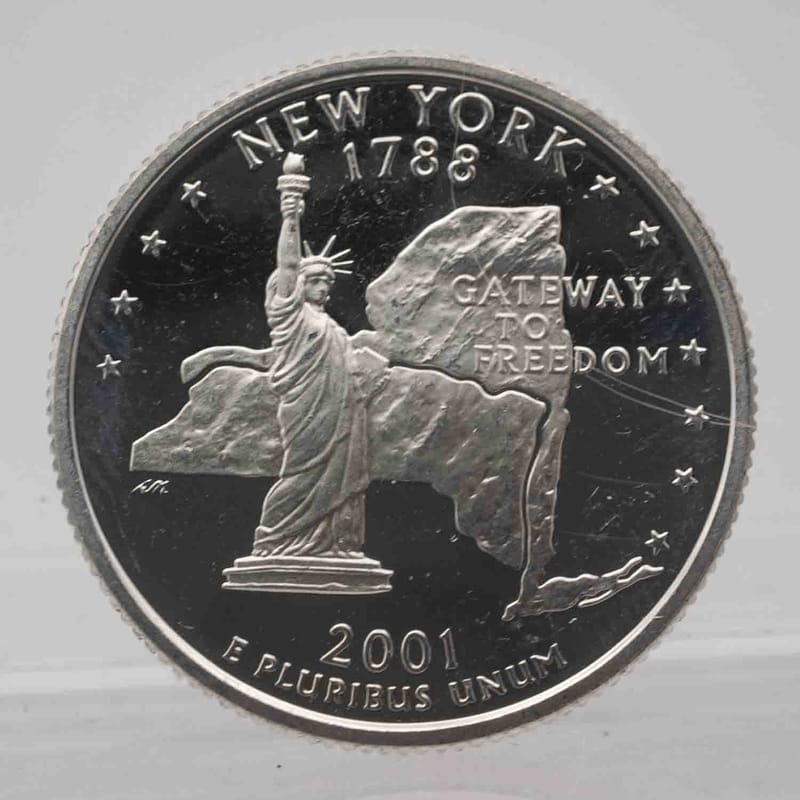
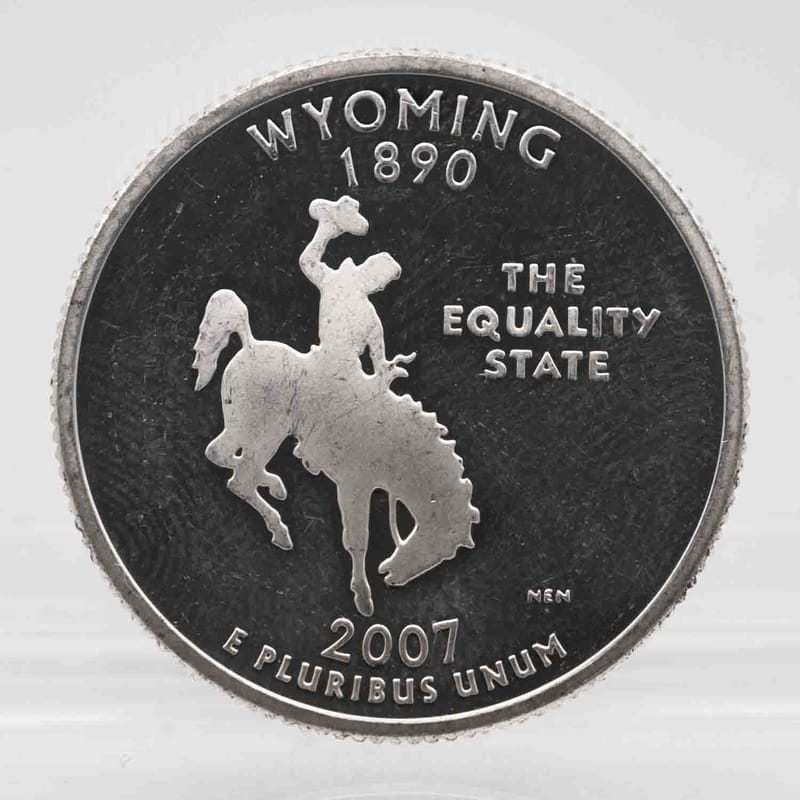
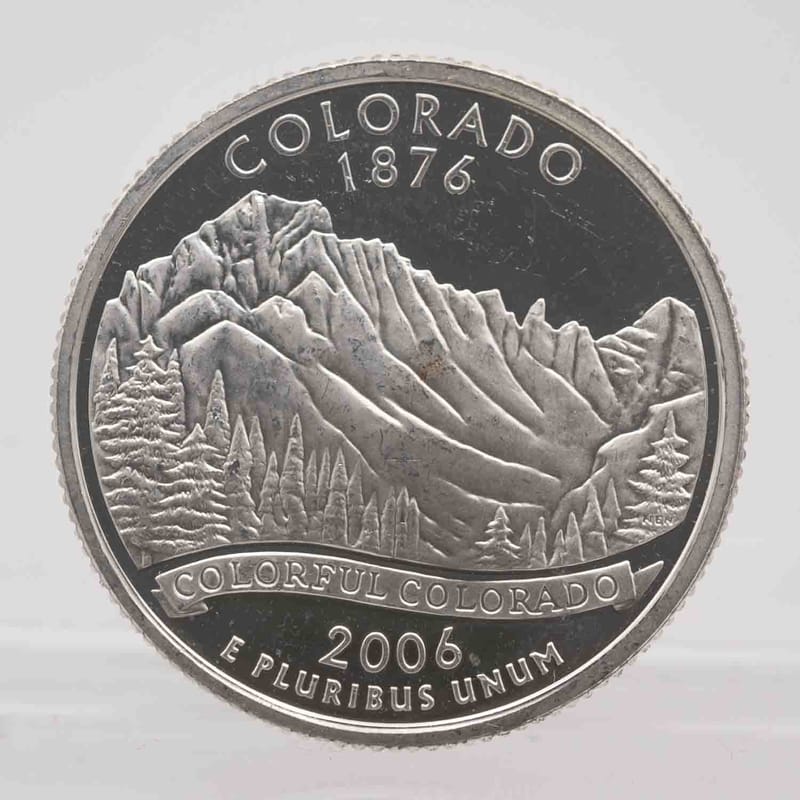
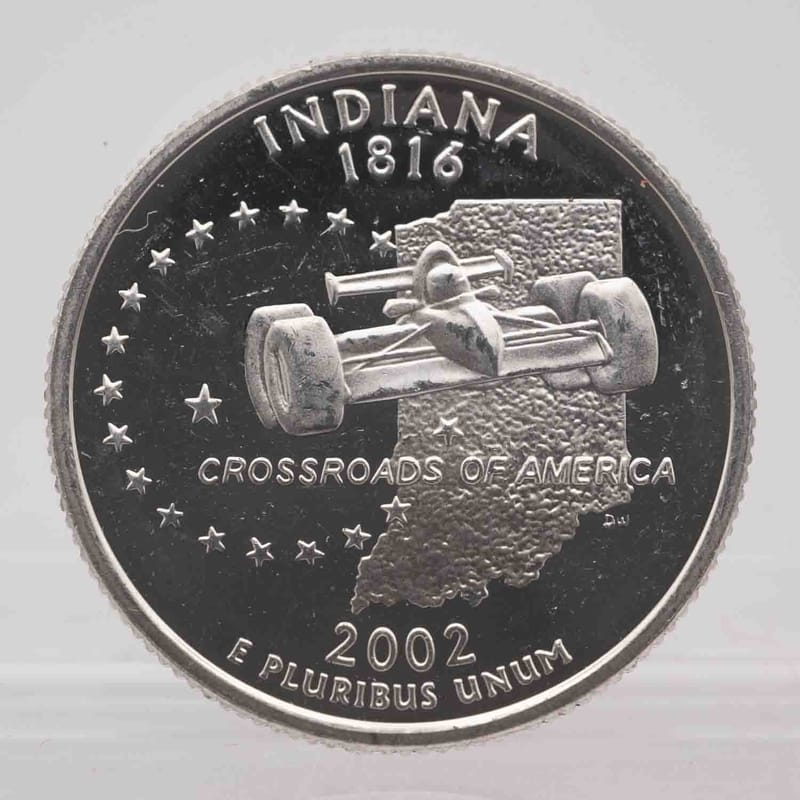
Semi-numismatic coins carry a premium meaningfully above pure bullion pricing, but that premium is driven by moderate scarcity or collector interest rather than true rarity -- and they still move with the metal price, just with a wider cushion above spot. A modern proof coin from a limited annual mintage, an annually changing design series like the Perth Mint's Kookaburra where sold-out back dates appreciate, or an older common bullion coin that's become somewhat harder to find over time often lands here: worth more than melt value, but not so scarce that the metal price becomes almost irrelevant to its total worth.
| Bullion | Semi-numismatic | Numismatic | |
|---|---|---|---|
| Price driver | Metal spot price | Both spot price and moderate scarcity | Rarity and collector demand |
| Premium over melt | Low, consistent | Moderate | Can be large and unpredictable |
| Moves with spot price? | Closely | Partially | Weakly, if at all |
| Example | Common-date Silver Eagle | Limited-mintage proof issue | A genuine key date or rare error |
How premiums behave over time
The three categories also behave differently across market cycles, which matters as much as the snapshot price:
- Bullion premiums are mean-reverting but not fixed. In calm markets they sit low and stable; in physical-demand squeezes they can multiply. During the 2020-2021 surge, premiums on common silver Eagles ran to several times their normal level even while spot moved far less -- buyers who understood they were paying a temporary premium, not a higher silver price, made better decisions on both sides of that market.
- Semi-numismatic premiums drift with collector demand. A sold-out annual design can appreciate above its issue premium for years -- or quietly deflate back toward melt when collector attention moves on. The metal value acts as a floor; the premium above it is the speculative layer.
- Numismatic premiums are their own market. They follow auction results, registry competition, and population data far more than metal prices -- which also means they don't reliably rise when gold does. A rare coin is a collectible that happens to contain metal, and it should be evaluated like one.
Time can also move a coin between categories -- but slowly, and only at the margins. Early dates of modern bullion series (first-year issues, low-mintage years) have aged into genuine semi-numismatic territory. Counting on that happening to this year's common issue, though, is speculation, not a plan.
Placing a coin in 30 seconds
- Compute the melt value. Weight times purity times spot -- our silver and gold melt calculators do it in one step.
- Divide the asking price by melt. Near 1.0-1.1x: bullion. Around 1.2-2x: semi-numismatic territory -- ask what justifies the cushion. Multiples of melt: someone is claiming numismatic value.
- Verify the claim. Check the real mintage and the date-and-mint value in our coin value guides. For serious premiums, condition claims should be backed by third-party grading -- see how grading standards work.
Why the distinction matters when buying
A dealer or seller can describe almost any coin as "rare" or "limited" -- the words alone don't tell you which category actually applies. Checking a coin's real mintage figures, comparing its asking price to its melt value, and looking it up in a coin-value guide before paying a premium are the practical ways to tell which category you're actually paying for. Paying a numismatic-level premium for what's really a bullion or semi-numismatic coin is one of the most common and avoidable mistakes new collectors make.
Sources: Standard numismatic industry classification conventions; documented bullion-premium behavior during the 2020-2021 physical demand surge (widely reported across dealer and industry publications); general market pricing behavior across bullion and collector coin categories.