Copyright © PeerMetals 2026
Jewelry weight and karat -> melt value of the actual gold content. For gold that isn't bullion.
Weigh the piece without gemstones where possible -- stones aren't gold and aren't in melt value.
Melt value only -- what the gold content alone is worth, before any craftsmanship, brand, or gemstone value. A buyer purchasing scrap will typically pay somewhat below this figure to cover refining and margin; a piece with designer or antique value may be worth more sold intact than melted.
Almost every piece of real gold jewelry carries a purity mark -- either a karat stamp (14K) or a three-digit fineness number (585). Both say the same thing. If you see "GF", "GP", "HGE", or a fraction like "1/20", the piece is gold-filled or plated: a thin layer over base metal with essentially no melt value.
| Karat stamp | Fineness stamp | Gold content | Melt per gram |
|---|---|---|---|
| 24K | 999 | 100.0% | — |
| 22K | 916 | 91.7% | — |
| 18K | 750 | 75.0% | — |
| 14K | 585 | 58.3% | — |
| 10K | 417 | 41.7% | — |
| 9K | 375 | 37.5% | — |
Buyers pay by purity, and mixed lots get quoted at the lowest karat in the pile. Group 10k, 14k, and 18k separately and weigh each group on its own.
Designer names, antique or estate pieces, and anything with gemstones can be worth more intact. Scrap pricing values only the gold -- get a second opinion before melting anything distinctive.
Scrap buyers commonly pay roughly 70-90% of melt value. An offer only reads as fair or unfair next to the real number -- which is exactly what this page gives you.
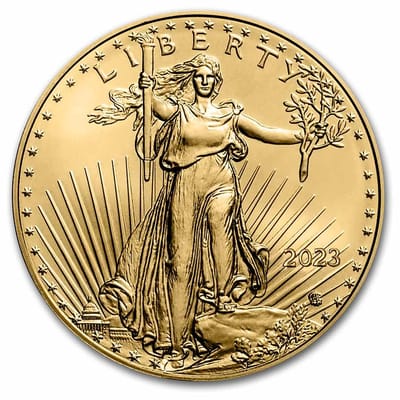
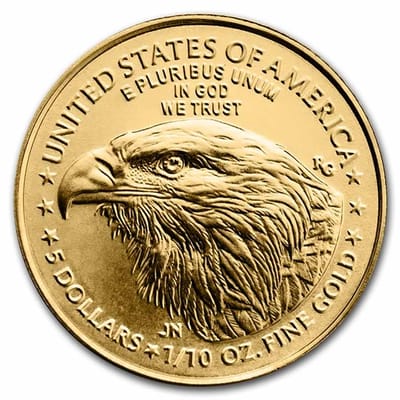
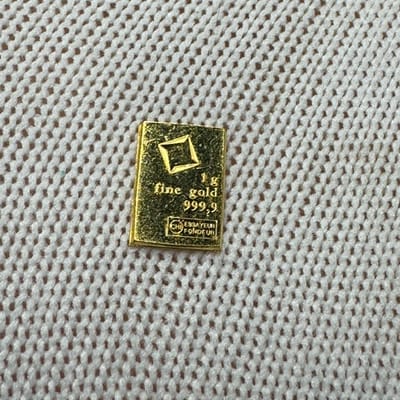
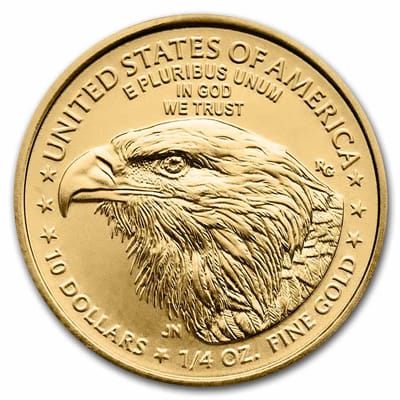
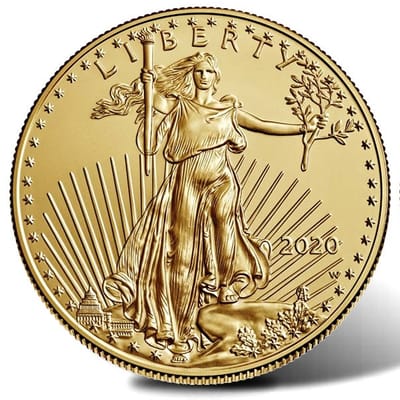
If you are selling scrap, this is what refined, recognizable gold trades for -- context for any offer you get.
Guides and live pages that go deeper than the calculator.
About the scrap gold value calculator
They're purity marks: 417 means 10k (41.7% gold), 585 means 14k, 750 means 18k, 916 means 22k, and 999 means pure. A karat stamp (10K, 14K, 18K) says the same thing directly. If a piece is stamped 'GF', 'GP', '1/20', or 'HGE', it's gold-filled or plated -- a thin layer over base metal with almost no melt value.
It varies widely -- roughly 70-90% of melt is common for jewelry-store and mail-in buyers, with refiners at the higher end for larger lots. That spread is exactly why running this calculator before selling matters: an offer only looks fair or unfair relative to the real melt number.
If it has a designer name, antique value, or gemstones, it's often worth more intact than melted -- scrap pricing values only the metal. Gemstones aren't included in melt value at all, so have stones removed and valued separately, or get the piece appraised before treating it as scrap.
An older jewelers' unit still used by many U.S. gold buyers: 1 dwt = 1.555 grams, and 20 dwt = 1 troy ounce. Some buyers quote per-dwt prices because the numbers look smaller. This calculator accepts dwt directly so you can compare a per-dwt offer against real melt value.
The prices real buyers and sellers agree on are the ones that matter. Compare live listings from verified sellers -- every premium visible against the same spot price this tool uses.