Silver Coins vs. Bars vs. Rounds: What to Buy at Every Stage

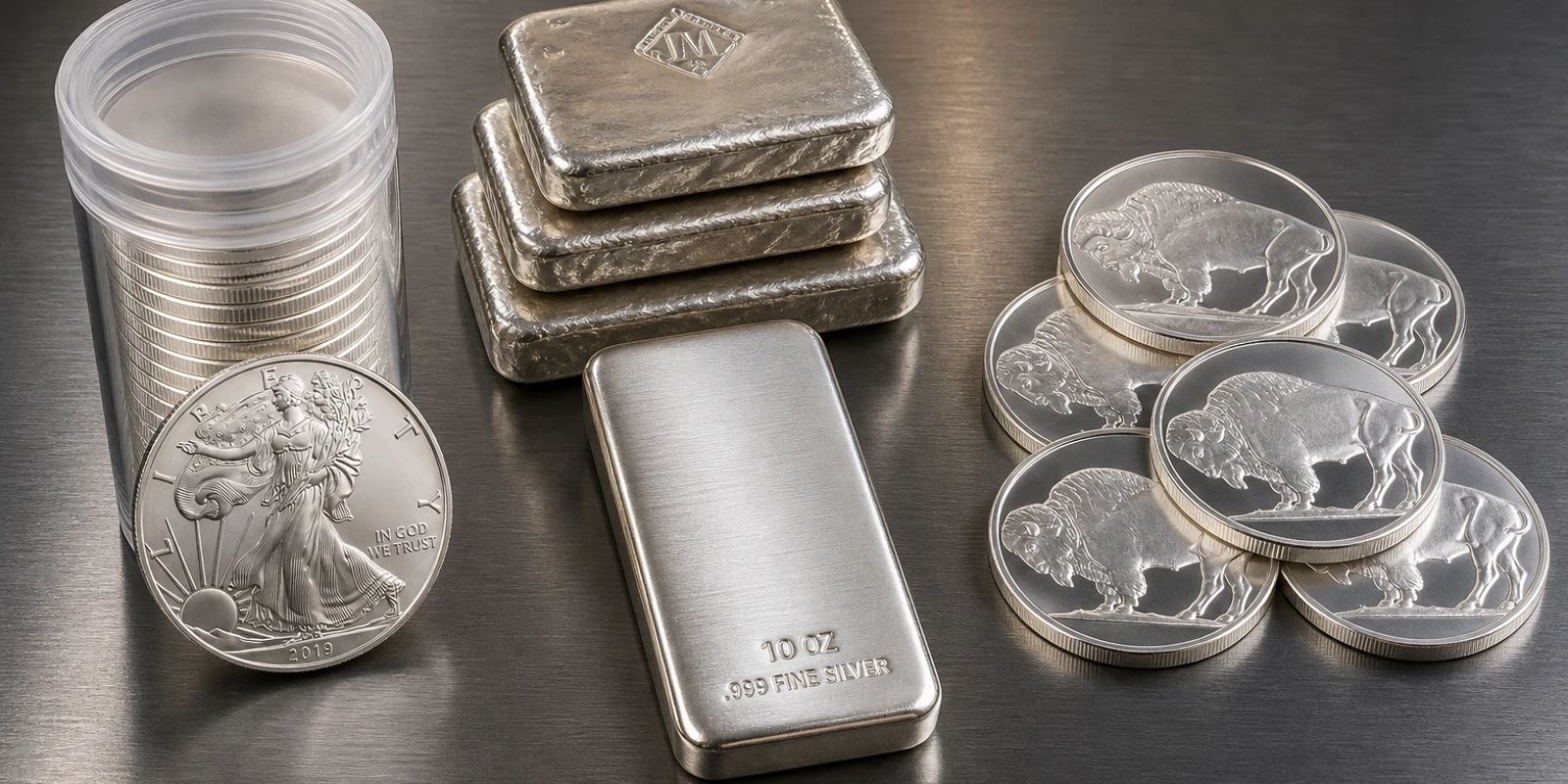
Walk into any stacking forum and you'll find the eternal debate: coins, bars, or rounds? The truth experienced stackers eventually land on is that it's a false choice. The three forms aren't competitors — they're tools with different jobs, and the right mix depends on how big your stack is and how fast you might need to turn part of it back into cash.
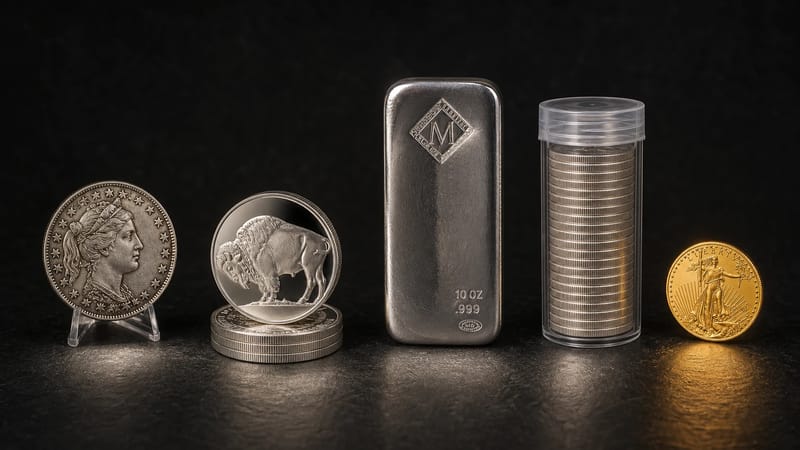
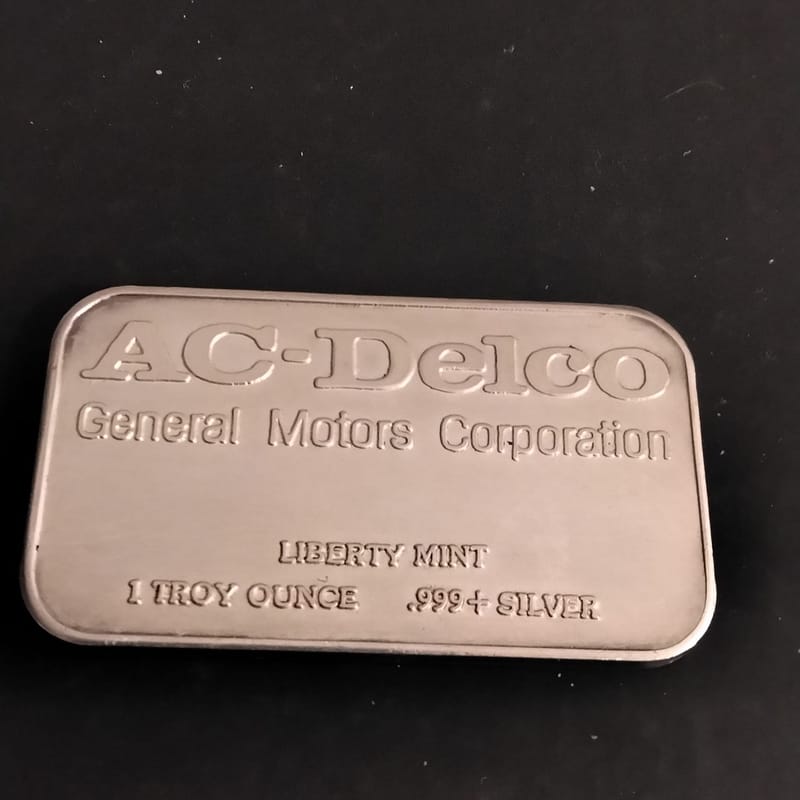
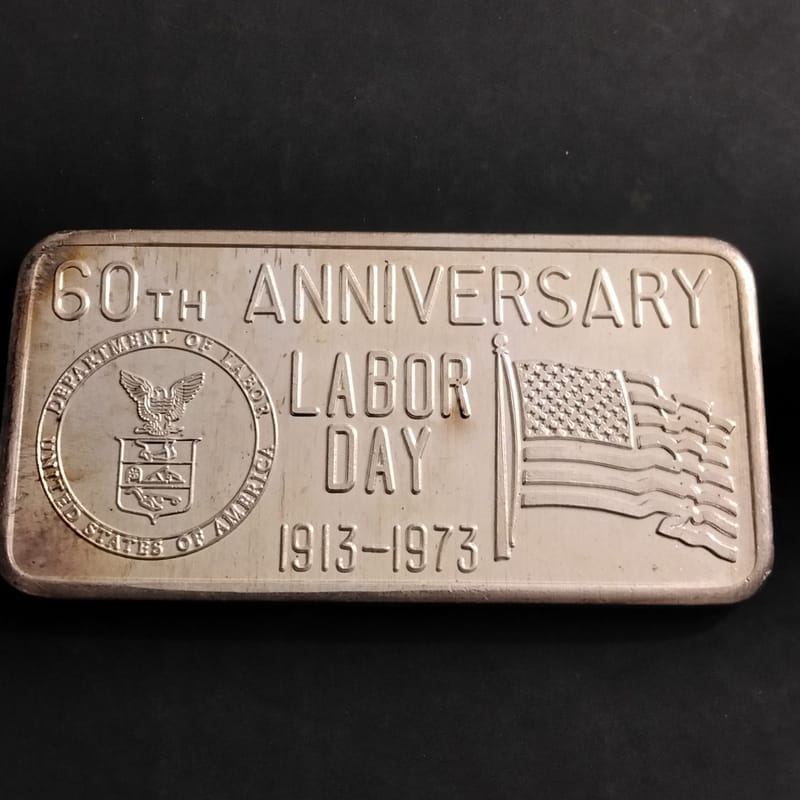
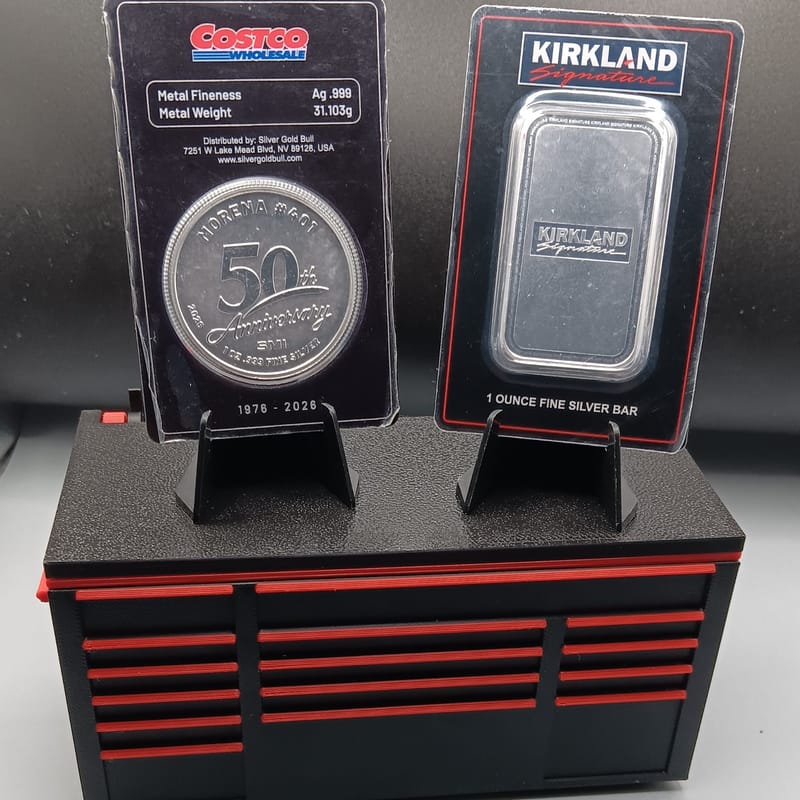
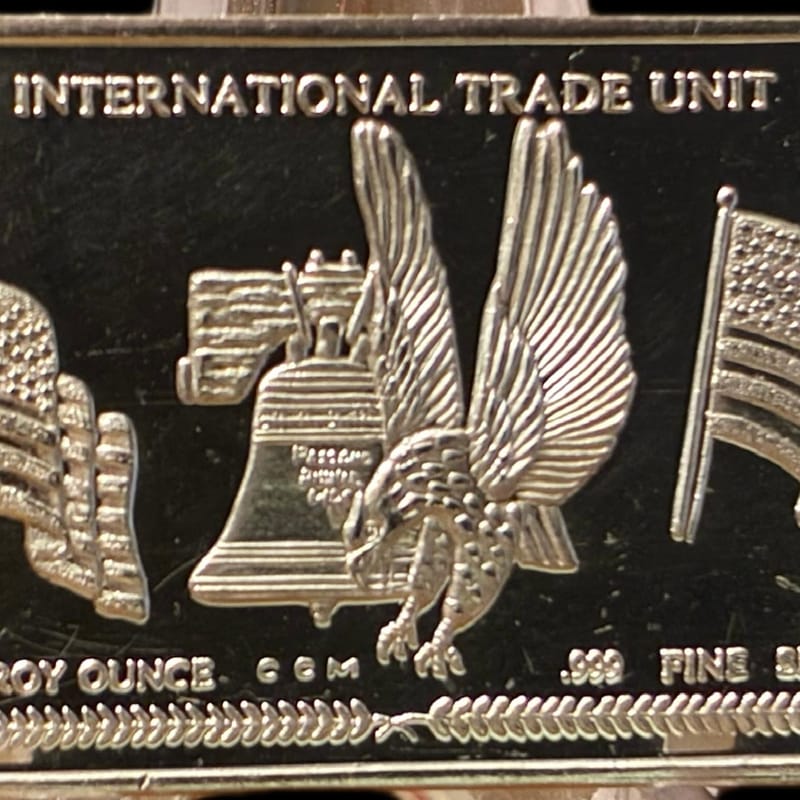
Quick definitions first. Coins are government-minted with legal-tender status — American Eagles, Canadian Maples, British Britannias. Rounds are coin-shaped silver from private mints — same purity, no government backing, lower price. Bars are rectangular bullion from 1 oz to 100 oz, cast or minted, with the lowest premiums per ounce at larger sizes. What you pay above the metal's melt value is the premium — if that concept is fuzzy, read spot price vs. premium first.
Coins: you're buying liquidity
Coins carry the highest premiums, and what that premium buys is speed. Recognition equals instant trust: every dealer and most private buyers know exactly what an Eagle or Maple is, what it weighs, and what it's worth. Post a 1 oz sovereign coin for sale and it can move within the hour; the same value in generic form takes longer and invites negotiation.
Coins also divide. Twenty 1 oz coins let you sell five and keep fifteen. A single large bar is all-or-nothing. That's why the standard advice for new stackers is coins-first: your early stack doubles as an emergency fund, and emergencies care about speed. For choosing between specific sovereign coins, see our sovereign vs. generic guide.
Rounds: you're buying ounces
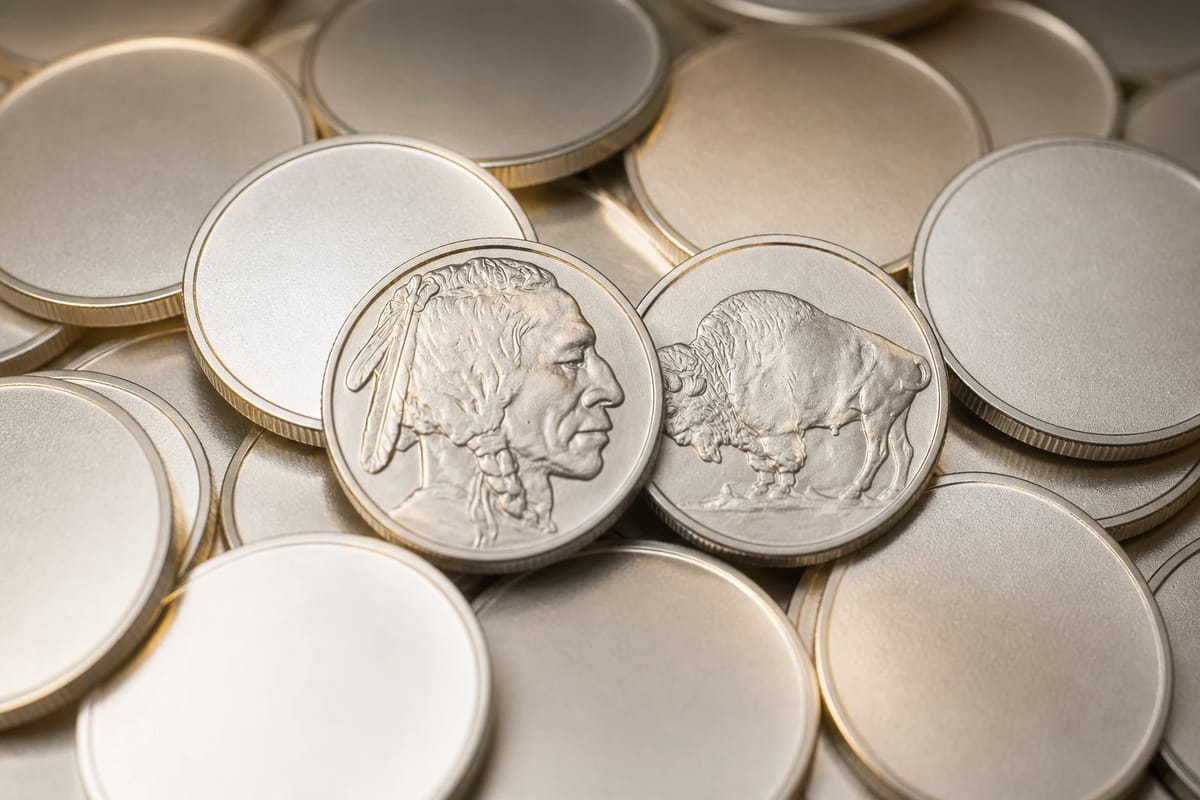
Rounds are the efficiency play. Same .999 silver as a coin, often several dollars less premium per ounce — and over a 100 oz accumulation, that difference compounds into whole extra ounces you own instead of premiums you burned. Popular designs like the Buffalo round (based on the 1913–1938 Buffalo nickel) are recognizable enough to resell without much friction while carrying some of the lowest premiums in the market.
The trade-off is honest: no country, no face value, no built-in story. Some buyers test them, negotiate them, lowball them. Rounds move when the price is right; coins move in minutes. That's why rounds shine as the middle of a stack — the weight-building engine — rather than the emergency-liquidity layer.
Bars: you're buying weight
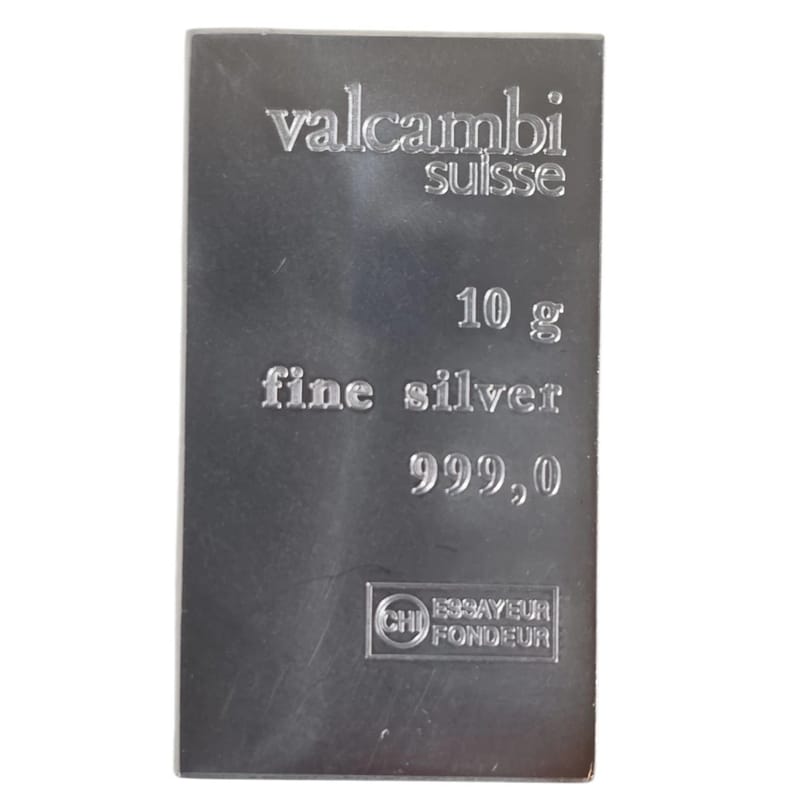
Bars are how serious weight gets built. Premium per ounce falls as bar size rises — a 100 oz bar can run just 2–4% over spot — but liquidity falls with it. Selling a 100 oz bar quickly usually means accepting a discount; selling it slowly means waiting for the right buyer. Bars also come in two makes: cast (poured, rustic, cheapest) and minted (struck, clean finish, slightly higher premium, easier to verify and resell). Weight stackers lean cast; anyone planning to resell soon leans minted.
| Form | Typical premium | Liquidity | Best for |
|---|---|---|---|
| 1 oz sovereign coin | Highest | Sells in minutes–hours | First 25–50 oz; emergency layer |
| 1 oz round | Low | Sells in days | Weight building on a budget |
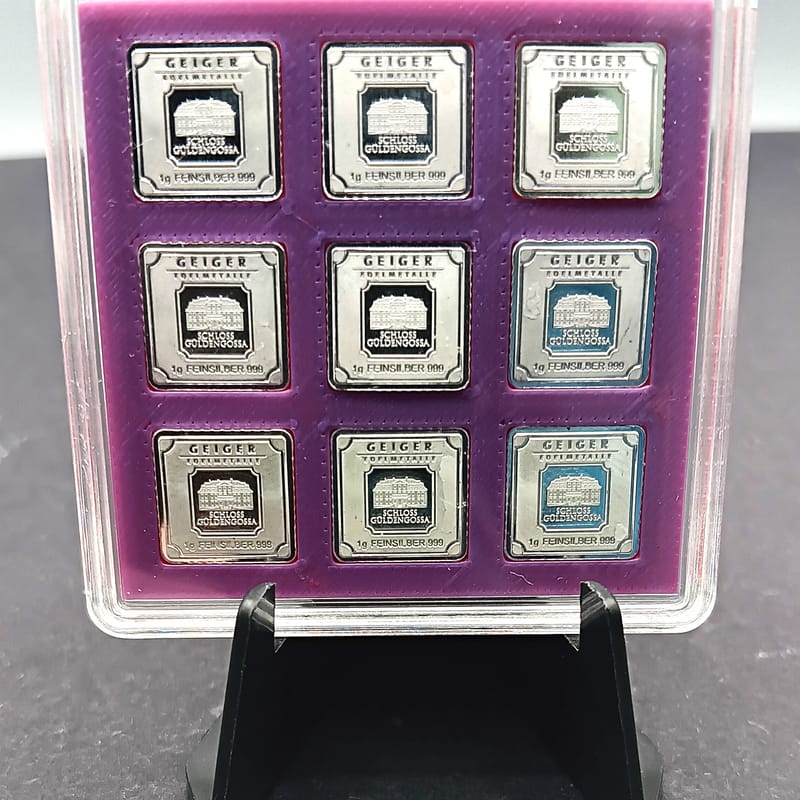
| 1 oz bar | Low-mid | Sells in days | Beginners who want flexibility |
| 10 oz bar | Low | Sells in days | The 50–100 oz+ efficiency zone |
| 100 oz bar | Lowest (~2–4%) | Slow; discount to move fast | Large stacks, patient holders |
Why the community keeps landing on 10 oz bars
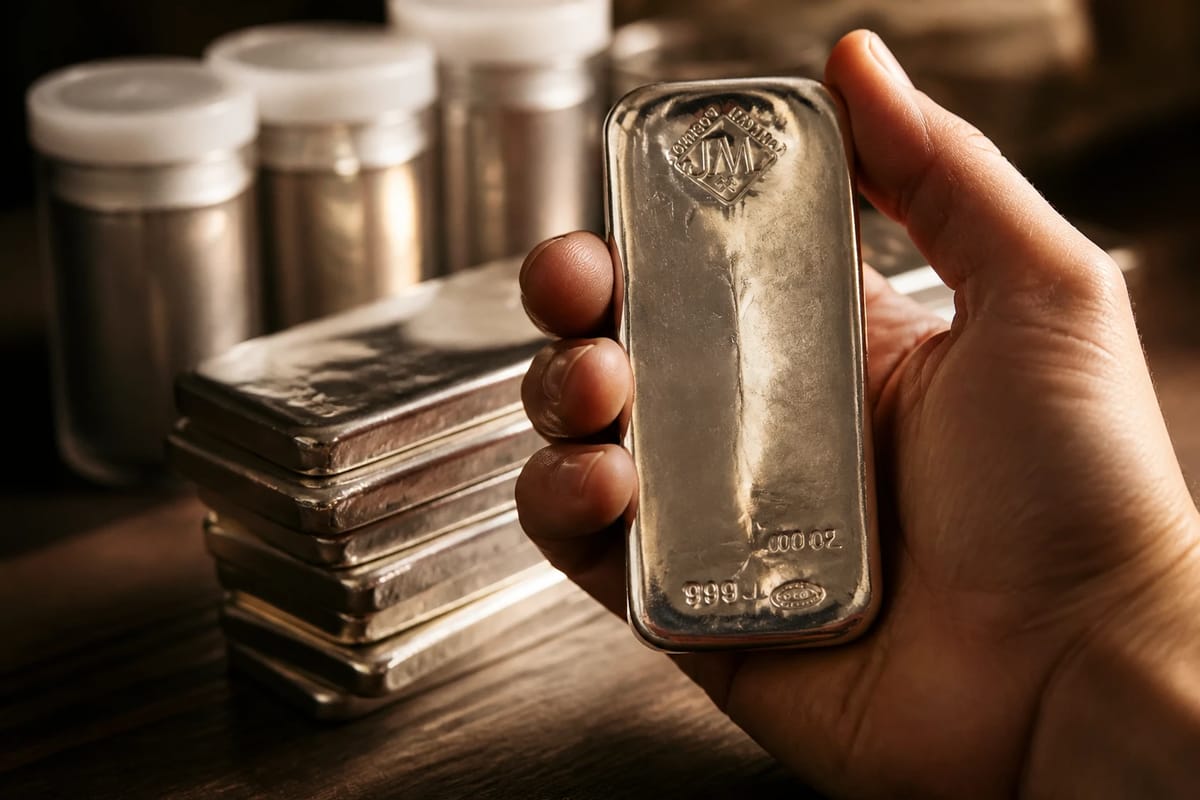
Ask experienced stackers which size they keep coming back to and a surprising number say the same thing: 10 oz bars. They sit at the balance point — heavy enough that the premium per ounce drops meaningfully below coins, light enough to stay liquid and findable by ordinary buyers. Easy to store, easy to stack, recognized by every serious buyer. Not a rule, just a pattern that weight-focused stackers keep rediscovering, especially when spot prices dip and the math on efficiency gets louder.
The 24-hour question: if you needed cash tomorrow, what would you sell? Not your biggest bar, not your rarest coin — you'd sell what moves fast: 1 oz coins, junk silver, simple rounds. Build enough of that liquid layer before you optimize for weight, and you'll never be forced to discount a big bar under pressure.
The stage-by-stage playbook
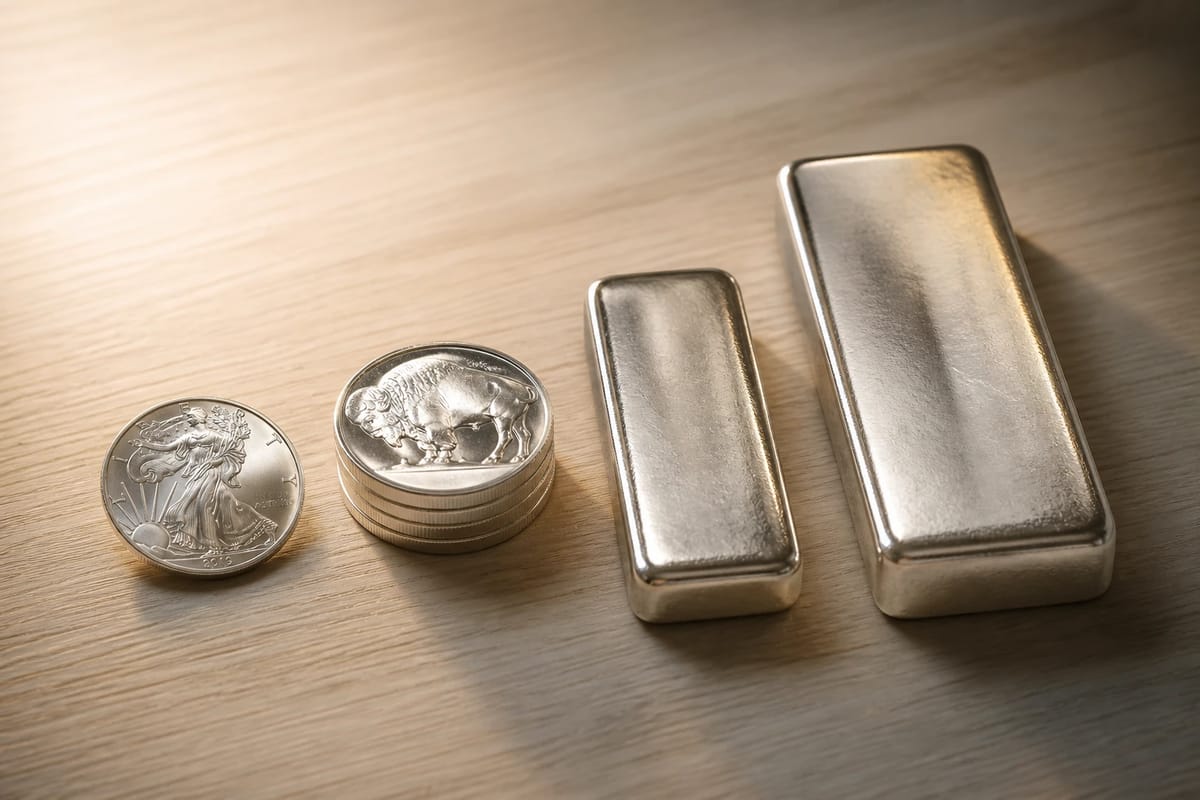
- 0–25 oz: mostly 1 oz sovereign coins with a few rounds. You're building a liquid base and learning premiums.
- 25–50 oz: shift the mix toward low-premium rounds and 1 oz bars. Weight first — every dollar of premium is an ounce not bought.
- 50–100 oz: introduce 10 oz bars. Fewer transactions, lower premiums, faster progress. This mirrors the milestone shift we cover in stacking milestones.
- 100 oz+: keep roughly a quarter of the stack liquid (coins, junk silver), build the rest in 10 oz — and only 100 oz bars if you're a patient holder.
Frequently asked questions
Are rounds harder to sell than coins?
Somewhat, yes — that's what the lower premium compensates you for. Recognizable designs (Buffalos especially) narrow the gap, and on a marketplace with buyer protection the trust burden shifts off the individual seller, which helps generics move faster than they would person-to-person.
Is a 100 oz bar ever a mistake?
Not if you understand what you bought: maximum ounces, minimum flexibility. The mistake is holding only big bars and then needing $500 on a Tuesday.
Cast or minted bars?
Cast if your only goal is ounces; minted if you expect to resell within a few years — the cleaner finish and standardized look verify faster and sell easier.
Coins move, bars build, rounds stretch the budget. Own all three on purpose — in proportions that match your stage — and you'll never have to choose between efficiency today and flexibility tomorrow.