Best Gold Coins to Buy in 2026: Sovereign vs. Bullion Comparison


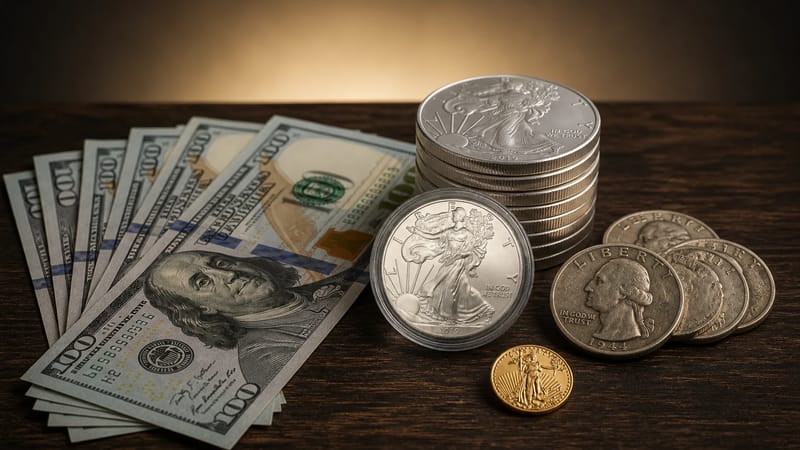
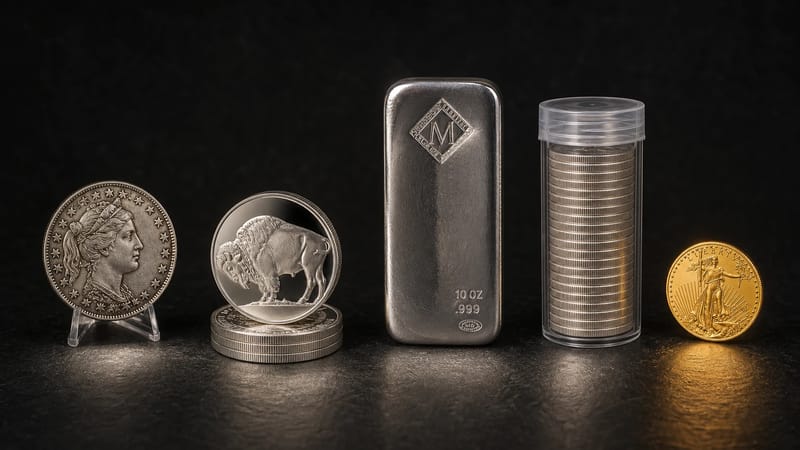
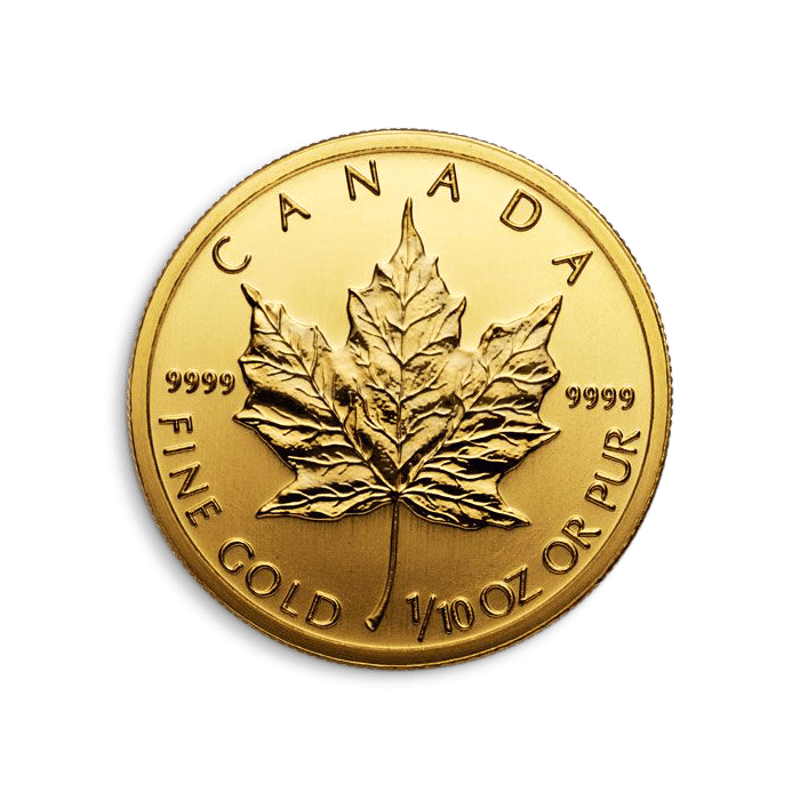
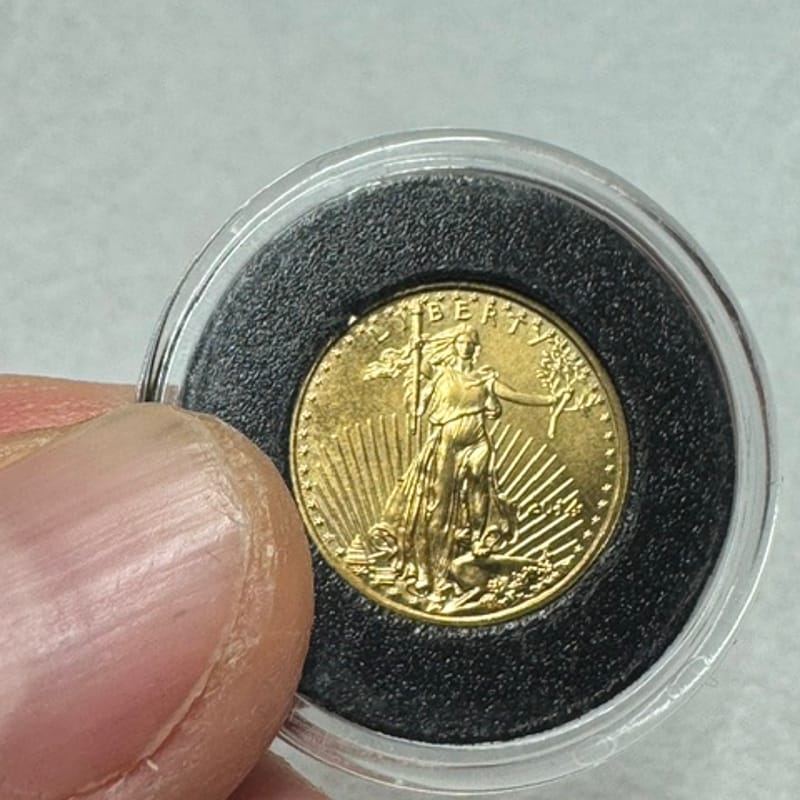
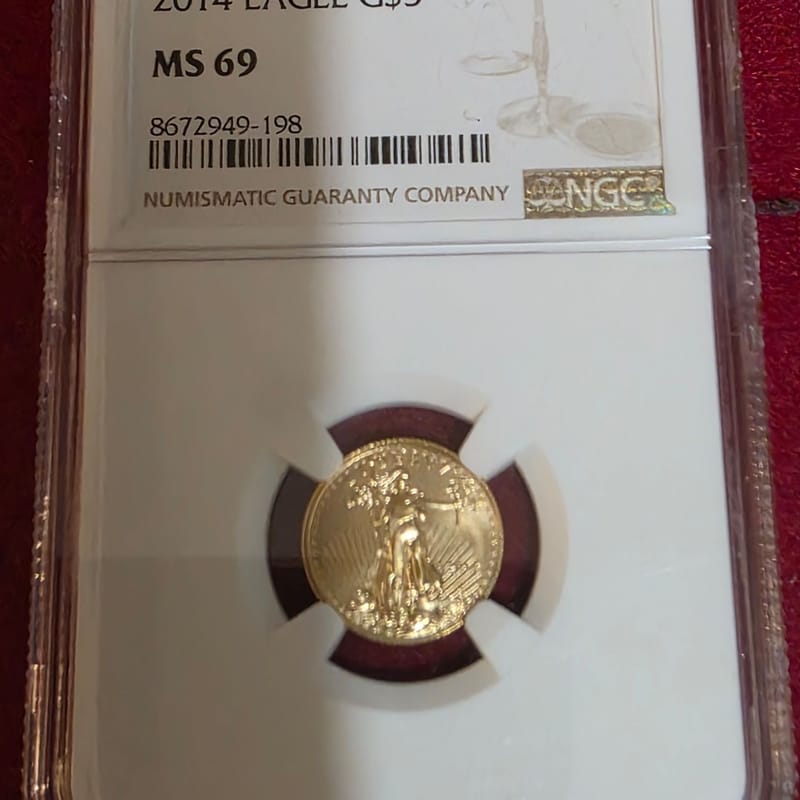
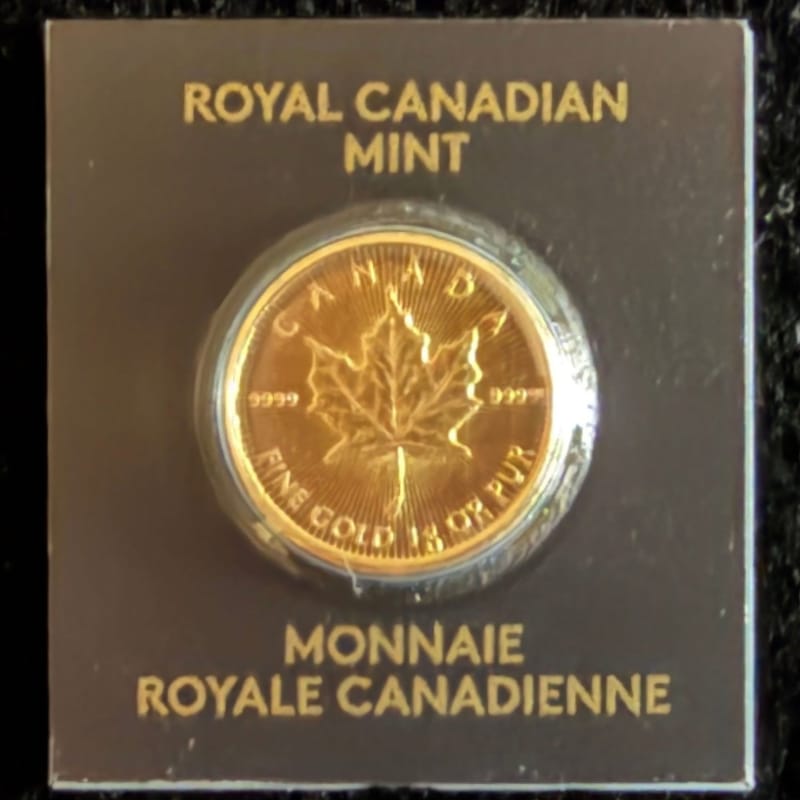
"Sovereign" gold coins -- legal-tender coins issued by a national mint, like the American Gold Eagle, Canadian Gold Maple Leaf, or British Sovereign -- and generic "bullion" bars or rounds both get you the same thing at the core: gold. The real decision is what you're paying extra for, and whether that extra is worth it for how you plan to buy and eventually sell.
What "sovereign" actually buys you
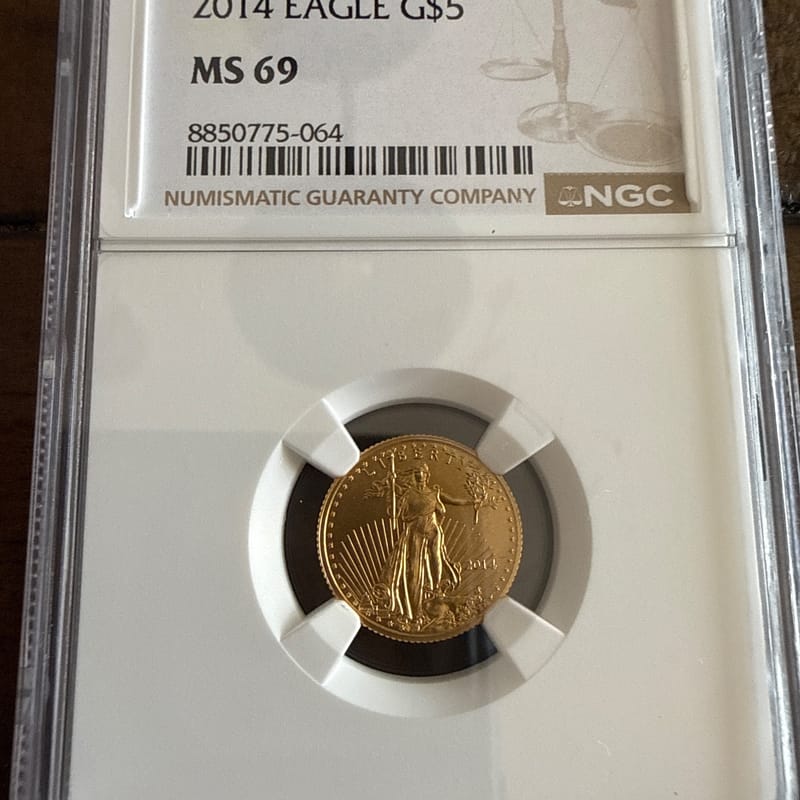
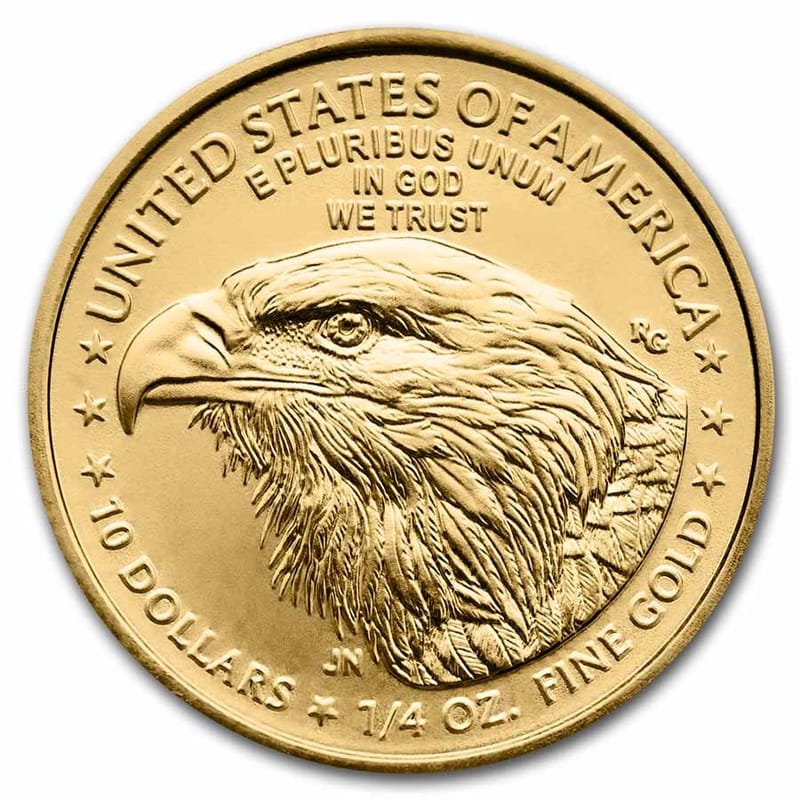
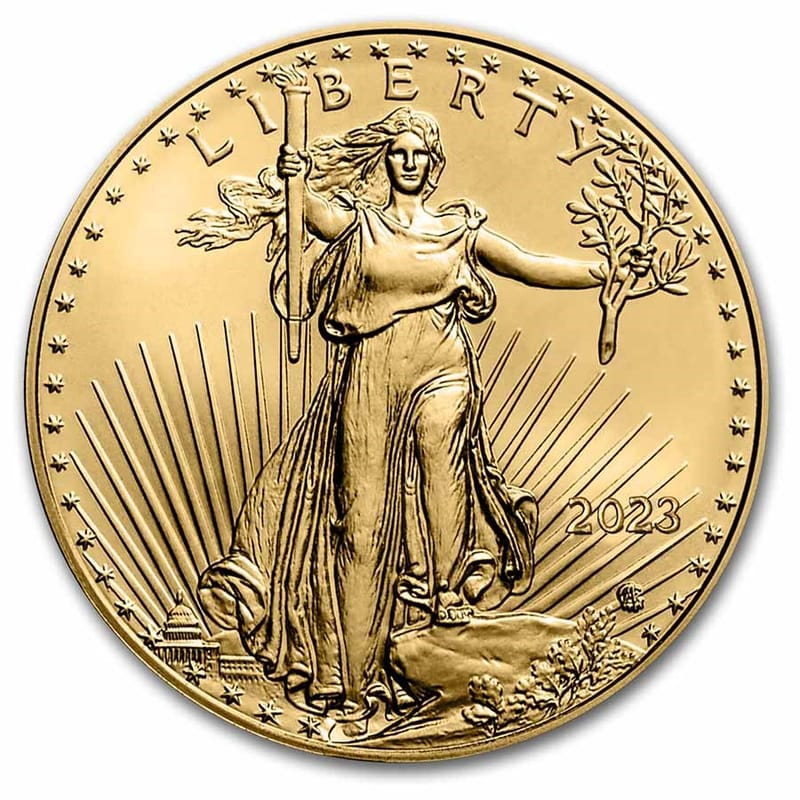
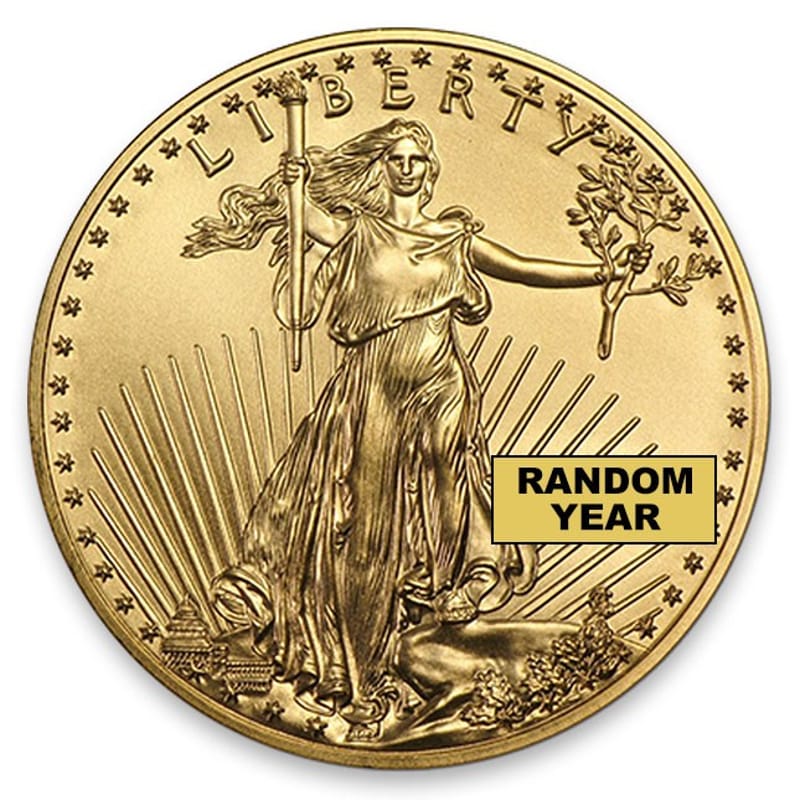
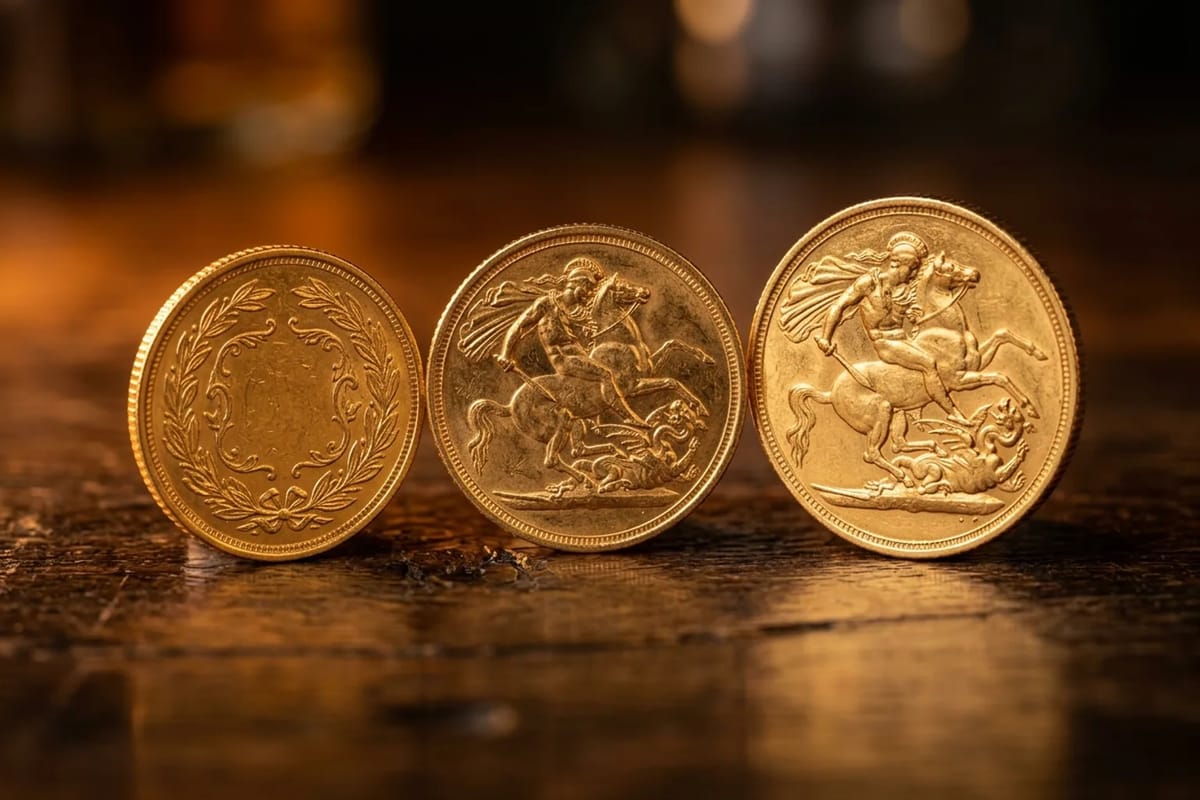
A sovereign coin is legal tender in its country of origin, which does two practical things: it guarantees a minimum weight and purity backed by a national government rather than a private refiner, and it makes the coin instantly recognizable to almost any buyer worldwide. That recognition is worth real money at resale -- sovereign coins from major mints (American Eagle, Canadian Maple Leaf, Austrian Philharmonic, British Britannia/Sovereign) are the coins every dealer and most private buyers will take without a second look.
What generic bullion trades that recognition for
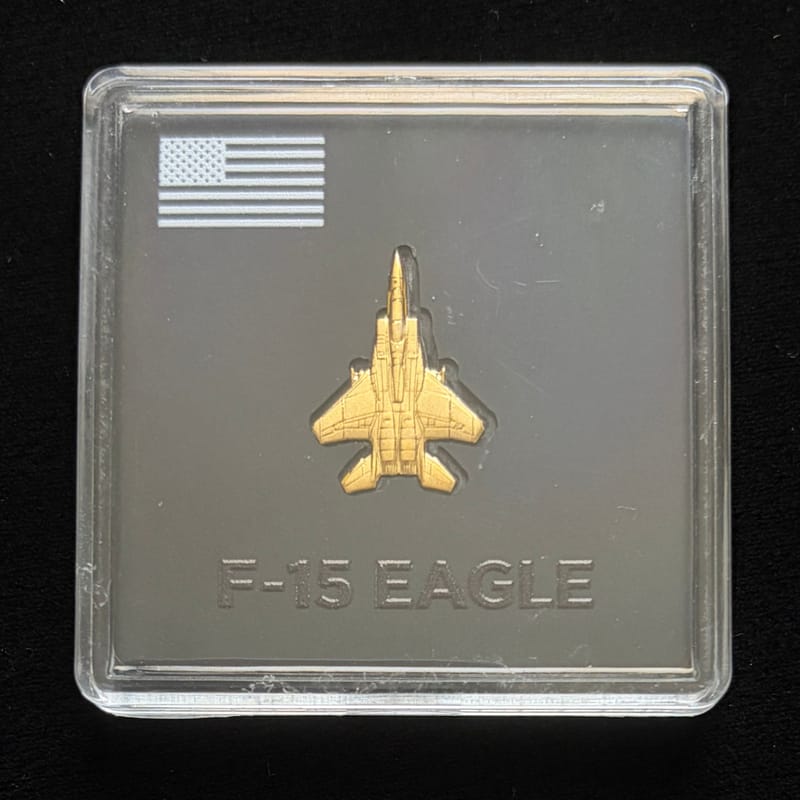
A bar or round from a reputable refiner (see our silver bars guide for the same logic applied to silver) usually carries a lower premium over spot than a sovereign coin, because it skips the cost of national-mint production, legal-tender status, and often some of the design complexity. You're still buying real, assayed gold -- you're just trading a little bit of universal recognition for a lower entry cost.
| Sovereign coins | Generic bullion (bars/rounds) | |
|---|---|---|
| Premium over spot | Generally higher | Generally lower |
| Resale recognition | Very high -- almost universally accepted | Good, if from a recognized refiner |
| Legal tender status | Yes | No |
| Best for | Buyers who prioritize liquidity and universal trust | Buyers minimizing cost per ounce |
The one-ounce American Eagle wrinkle
Worth calling out specifically: the American Gold Eagle isn't pure 24-karat gold like most competitors -- it's 22-karat (91.67% fine), alloyed with silver and copper for durability, meaning a "1 oz" Eagle actually weighs slightly more than 1 troy ounce to still contain exactly one troy ounce of pure gold. It's the most recognized gold coin in the U.S. market despite that alloy, precisely because of its legal-tender status and government backing -- a good example of how recognition and purity aren't the same thing.
Buying only sovereign coins isn't "safer" than buying reputable bullion, and buying only generic bullion doesn't mean you're sacrificing quality -- it's a liquidity-vs-premium trade-off, not a quality one, as long as the refiner or mint is one you can verify.
Frequently asked questions
Do sovereign coins hold value better over time?
Both track the spot price of gold closely -- the difference shows up in the premium you pay going in and the ease of selling later, not in the underlying gold's performance.
Is fractional sovereign gold (1/10 oz, 1/4 oz) worth it?
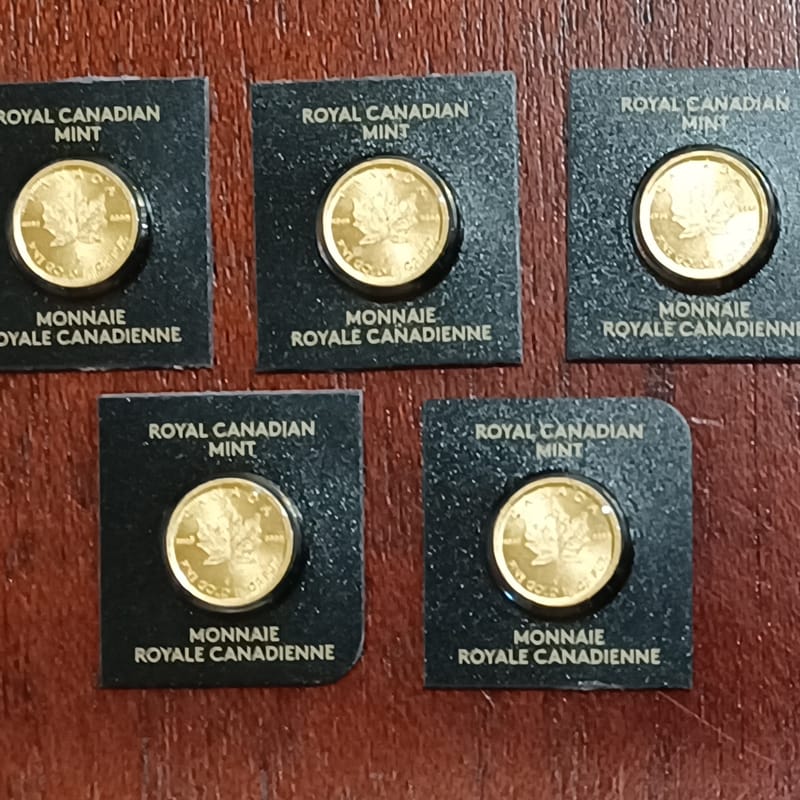
Fractional coins carry a higher premium per ounce than full-ounce coins, but they're useful for smaller purchases or splitting a stack later -- see our fractional gold guide for that trade-off in more detail.
Where can I compare real prices for both?
Check current listings across sellers on the PeerMetals marketplace, and today's spot price on our live prices page -- and check any coin's exact weight, purity, and live melt value in the coin spec lookup.