Fractional Gold: How Stackers Add Gold Without Buying a Full Ounce

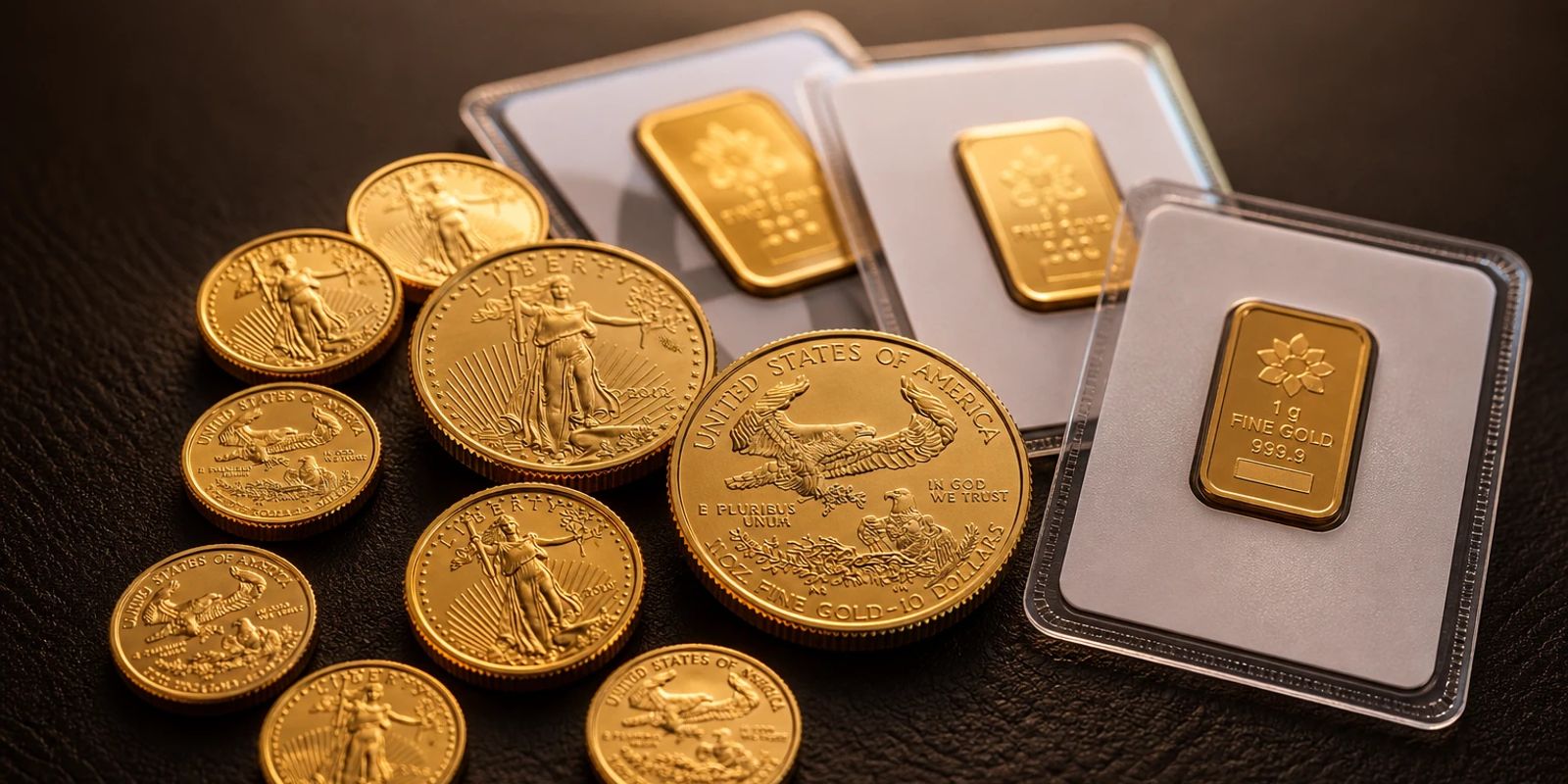
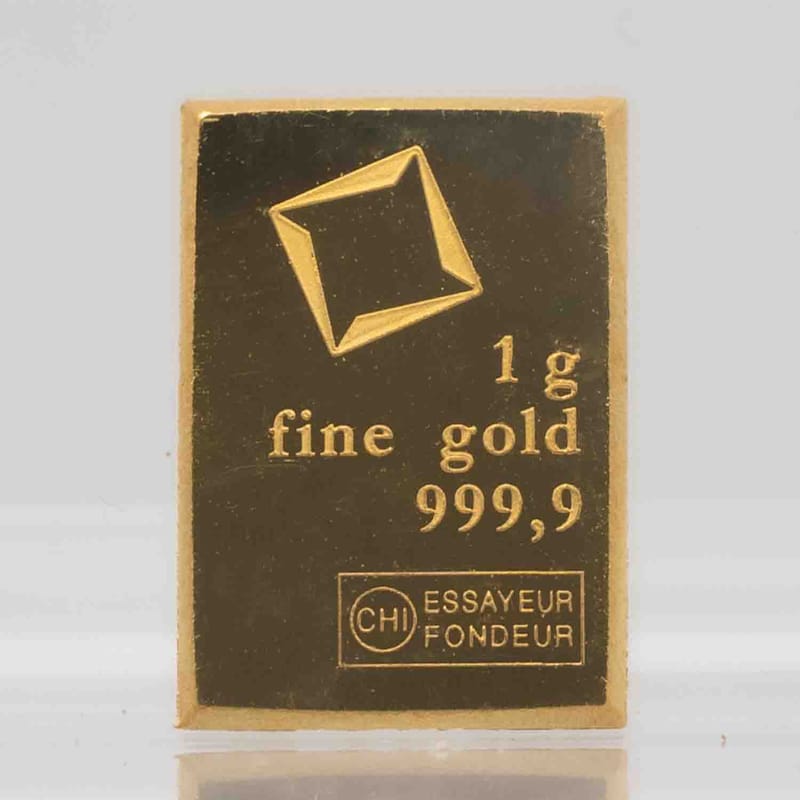
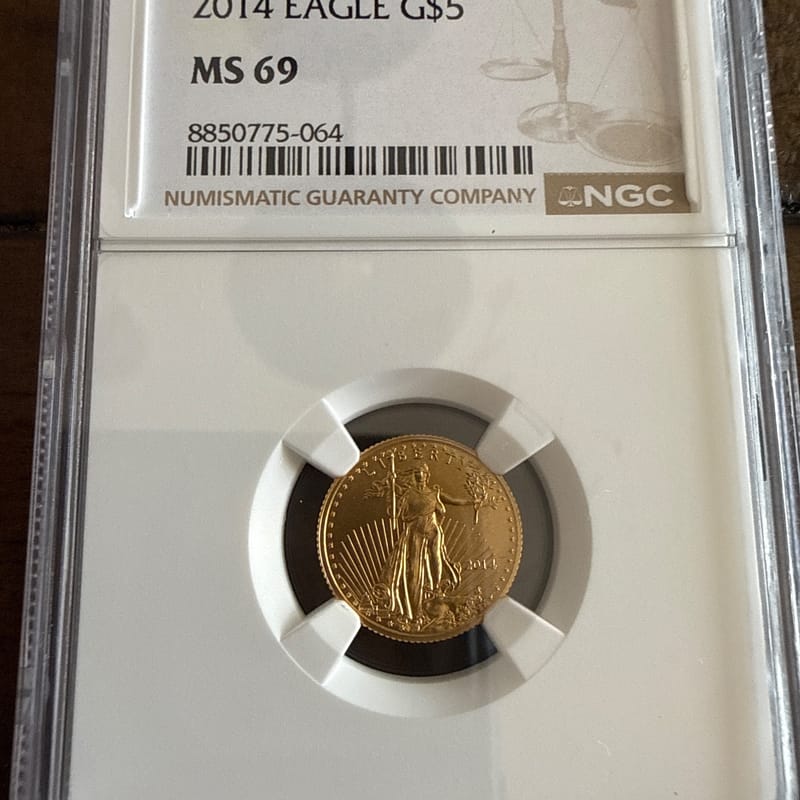
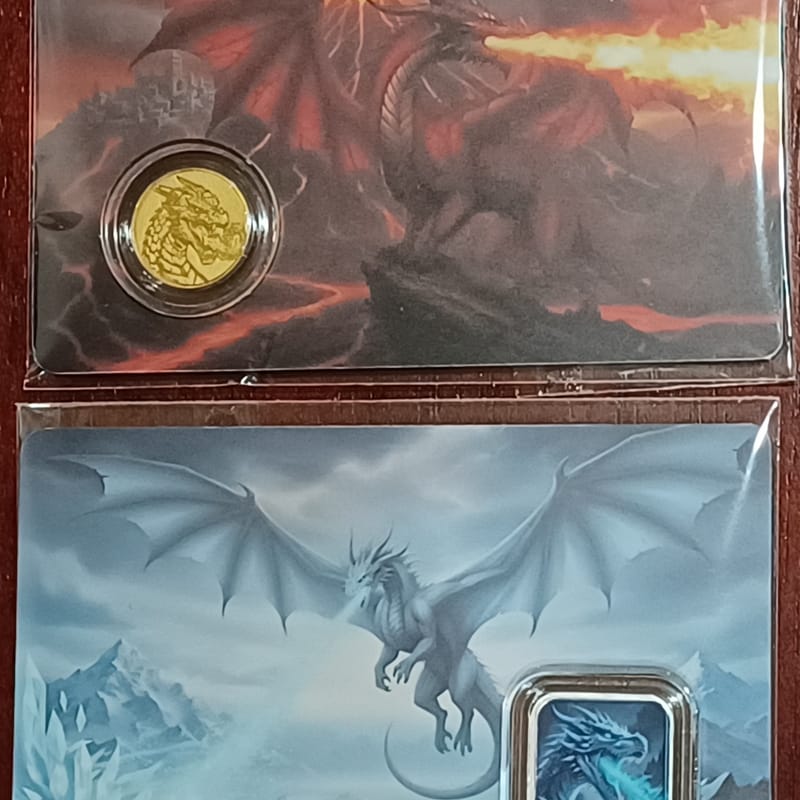
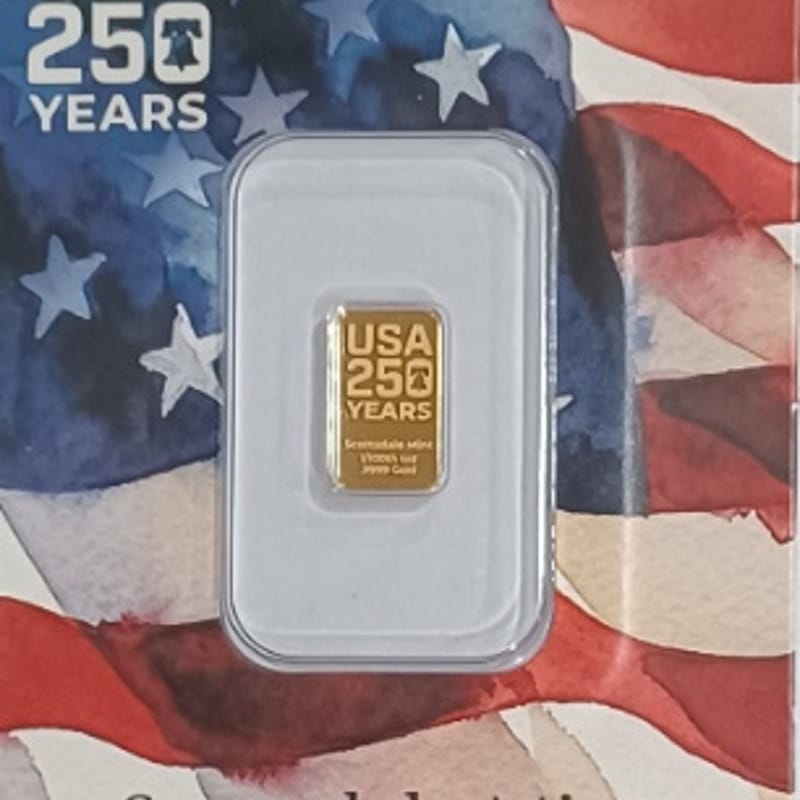
The biggest myth in gold stacking is that you need thousands of dollars to start. You don't — fractional gold exists. Tenth-ounce coins, quarter-ounce coins, gram bars, and newer formats like Goldbacks let you own real, physical gold for less than the cost of a tank of gas. The pieces are smaller; the metal is exactly the same.
Fractional isn't just an affordability hack, either. Small pieces solve a problem full ounces can't: divisibility. If you ever need to sell, a one-ounce coin is all-or-nothing, while ten tenth-ounces let you sell precisely what you need and keep the rest. This guide covers every fractional format, the honest premium math, and the moment most silver stackers decide it's time.
Why stackers go fractional
- Lower entry point. A tenth-ounce coin costs a few hundred dollars, not a few thousand. You can start stacking gold this month instead of "someday."
- Consistency beats lump sums. Waiting until you can afford a full ounce usually means not stacking at all. Fractional keeps you in the game every month — the same habit logic that builds silver stacks.
- Sell exactly what you need. In a pinch you liquidate one small piece, not your entire position. Small tickets also sell faster — the buyer pool for a $450 item is far larger than for a $4,500 one.
- Portability and density. A lifetime of savings fits in a pocket. Silver fills a safe; gold fits in your hand.
The honest part: fractional premiums
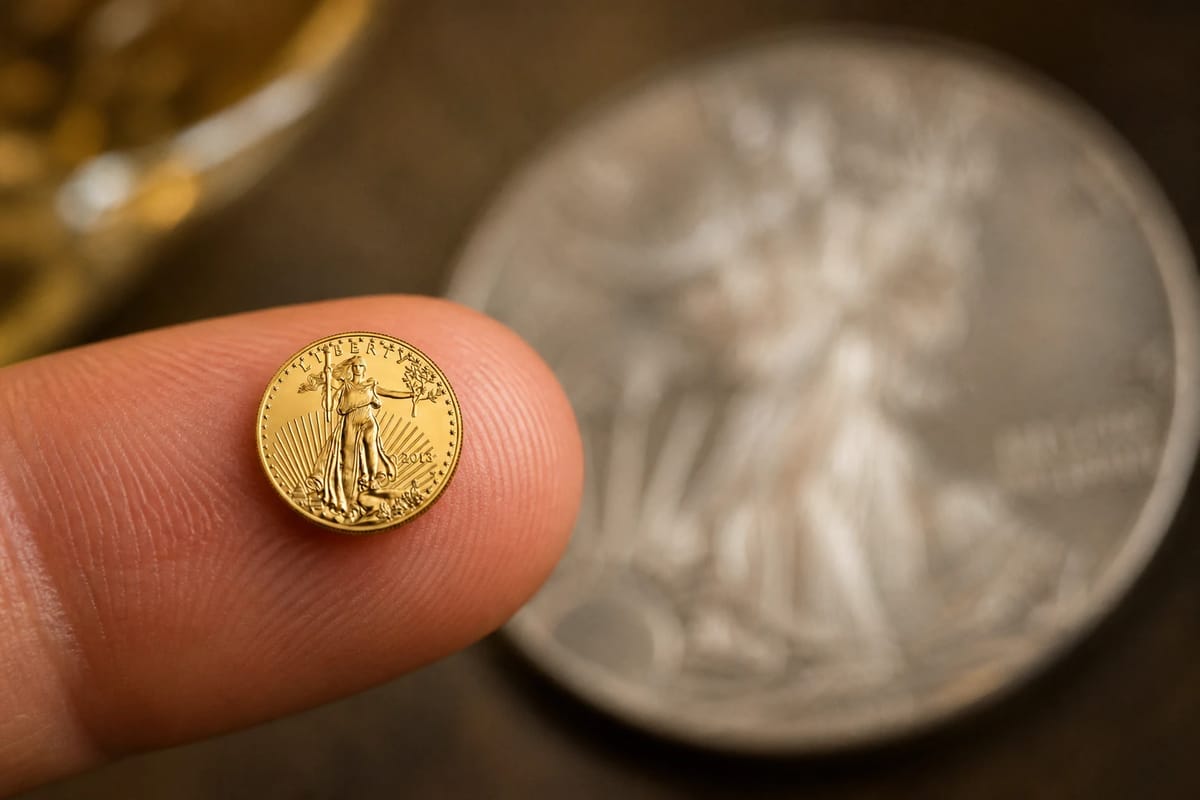
Smaller pieces cost more per ounce — always. Minting a tenth-ounce coin costs nearly as much as minting a full ounce, so the fixed cost spreads across less metal. Expect full-ounce sovereign coins to carry the lowest percentage premium, quarter-ounces noticeably more, and tenth-ounces the most. That's not a scam; it's the price of divisibility and accessibility.
Two ways stackers manage it: buy fractional for the flexible layer of the stack and full ounces (or bars) once budgets allow — and always compute the real premium before buying. Listing price ÷ gold content, minus spot, is the number that matters. Our melt value guide walks through the arithmetic.
| Format | Typical size | Premium tier | Best for |
|---|---|---|---|
| Fractional sovereign coins | 1/10, 1/4, 1/2 oz | High per oz | Flexible, recognized, easy first gold |
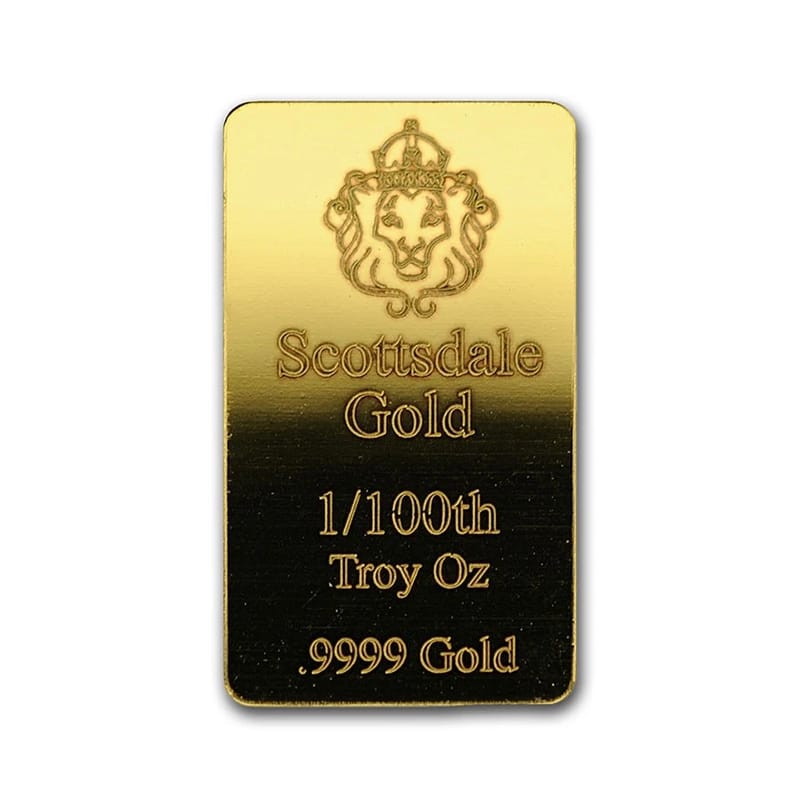
| Gram bars | 1–10 g | High per oz | Smallest entry point, gifting |
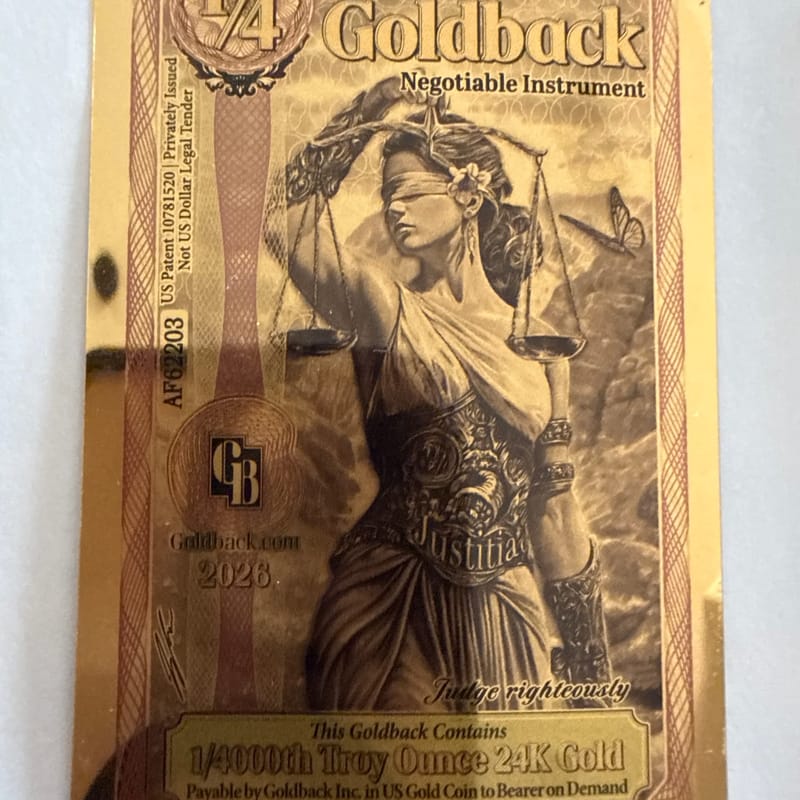
| Goldbacks | 1/1000 oz per note | Highest per oz | Spendable small-denomination gold |
| Full-ounce coins | 1 oz (Eagle, Maple, Buffalo) | Mid | The graduation purchase |
| Gold bars | 1 oz+ | Lowest | Pure weight once the base is built |
Goldbacks: gold you can actually spend
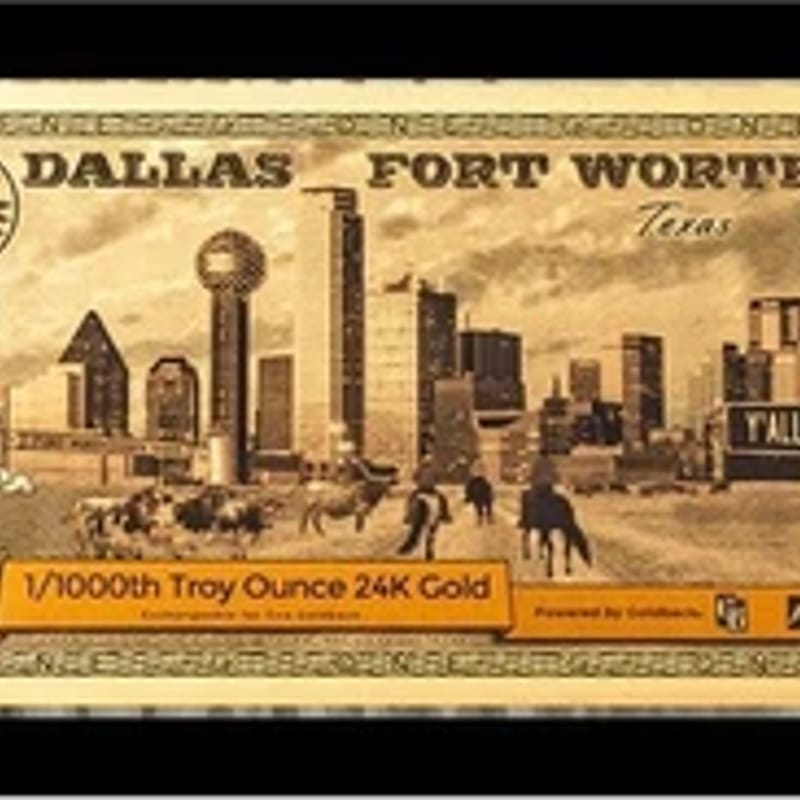
The newest fractional format solves gold's oldest problem: you can't break a coin to buy groceries. A Goldback is a flexible polymer note with real 24-karat gold vacuum-sealed inside — the smallest denomination contains 1/1000 of a troy ounce. They fold like currency, carry in a wallet, and circulate as voluntary currency in a growing list of US states, with thousands of businesses accepting them. Premiums per ounce are the highest of any format, so treat them as spendable gold rather than efficient stacking — a niche the coin and the bar simply can't fill.
Which gold coins to pick when you graduate
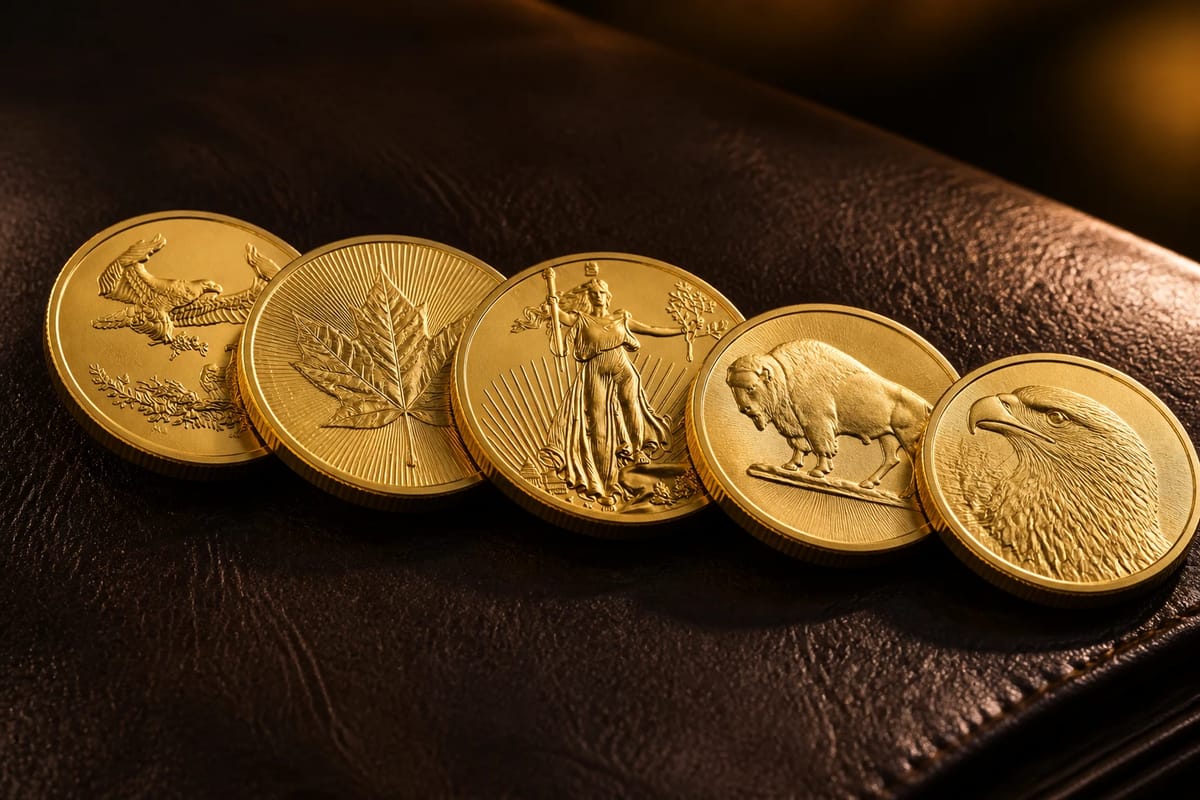
When you're ready for full ounces, liquidity should drive the choice, and five coins dominate: the American Gold Eagle (the most recognized and liquid coin in the US), the Canadian Maple Leaf (.9999 pure, gentler premiums), the Gold Buffalo (America's purest), the Austrian Philharmonic (Europe's favorite), and the Krugerrand (the original bullion coin, historically the lowest premiums of the group). The same recognition logic that governs silver coins applies to gold — we cover it in sovereign vs. generic silver.
Coins or bars? Same trade-off as silver: government-minted coins maximize recognition and resale speed; bars maximize ounces per dollar. Most gold stackers hold coins until the position is large enough that bar premiums meaningfully matter.
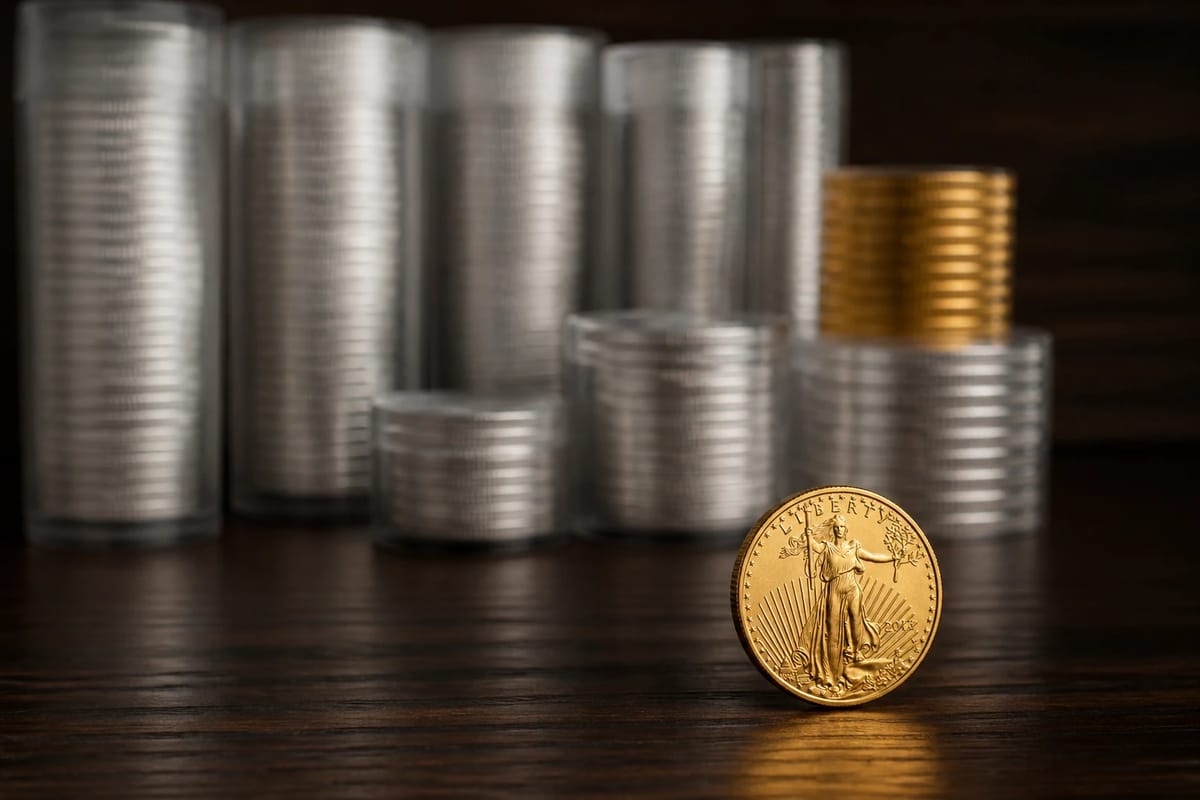
When does the silver-to-gold transition happen?
Almost nobody plans their first gold purchase — one day the silver stack simply feels complete, and the next buy goes to gold instead. Stackers trace the switch to one of three triggers: the ratio (silver ran hard and gold suddenly looks cheap — see the gold-to-silver ratio), the weight (500 oz of silver fills a safe; the same value in gold fits in one hand), or the mindset (you want stability anchoring the fast-moving metal). The common pattern: build silver first for ounces and flexibility, then compress value into gold. Fractional pieces mean that transition can start years earlier than the full-ounce price tag suggests.
Frequently asked questions
Is fractional gold harder to resell?
The opposite, usually — small tickets clear faster because more buyers can afford them. What you give up is premium efficiency, not liquidity.
Should I stop stacking silver to buy gold?
Most stackers don't switch — they add. A common approach keeps regular silver buys running while directing occasional larger purchases to fractional gold, letting the ratio guide the split.
What's the smallest sensible gold purchase?
Whatever keeps you consistent. A single Goldback costs less than lunch; a gram bar less than a night out; a tenth-ounce sovereign coin a few hundred dollars. The habit matters more than the denomination — the same rule that governs every stacking milestone.
Gold stacking isn't a rich person's hobby with a high cover charge — it's the same consistency game as silver, played in smaller, denser pieces. Start fractional, stay consistent, graduate when the stack tells you to.