Constitutional Silver Strategy: Why Stackers Keep 20% in Pre-1965 Coins

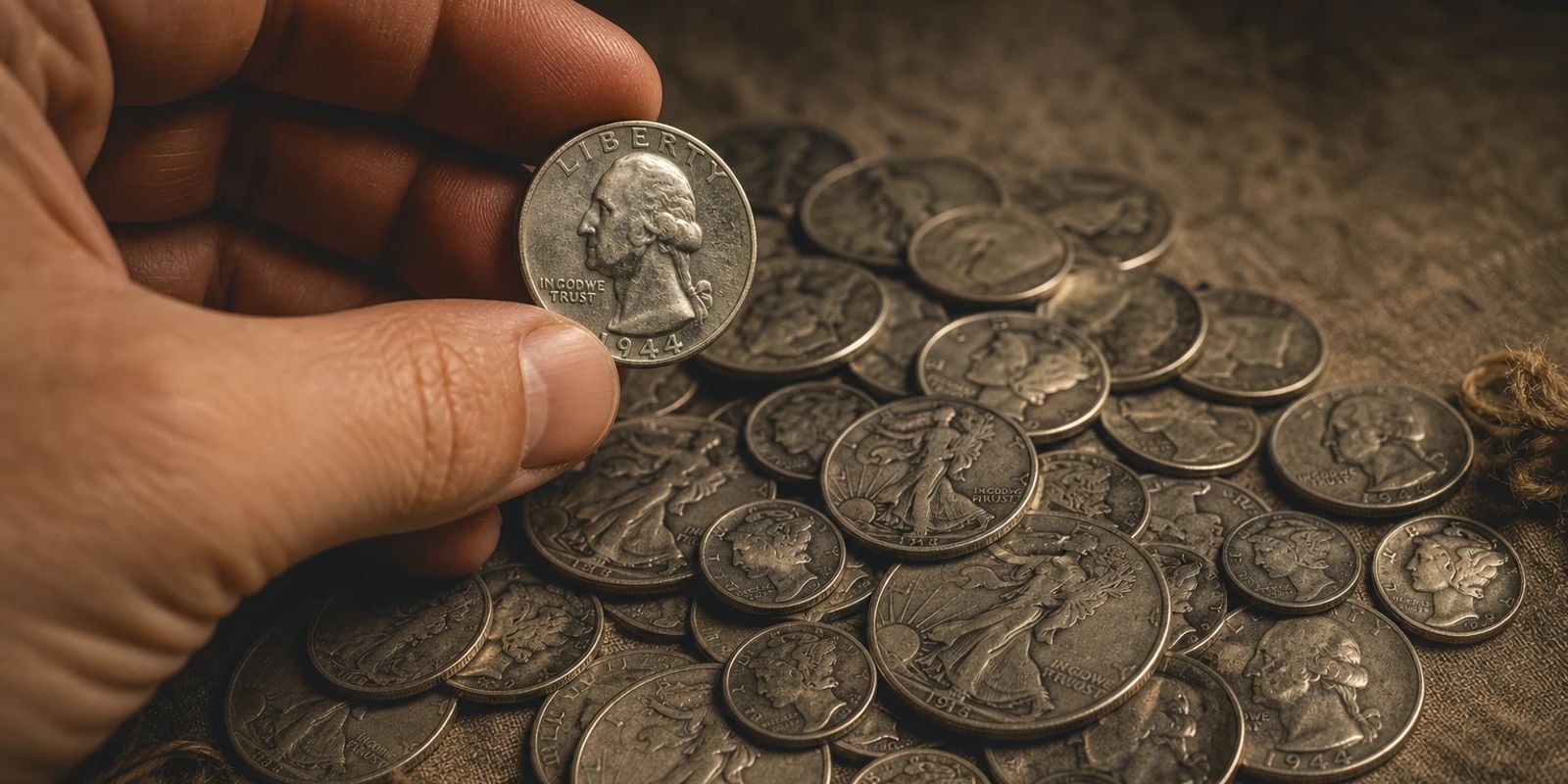
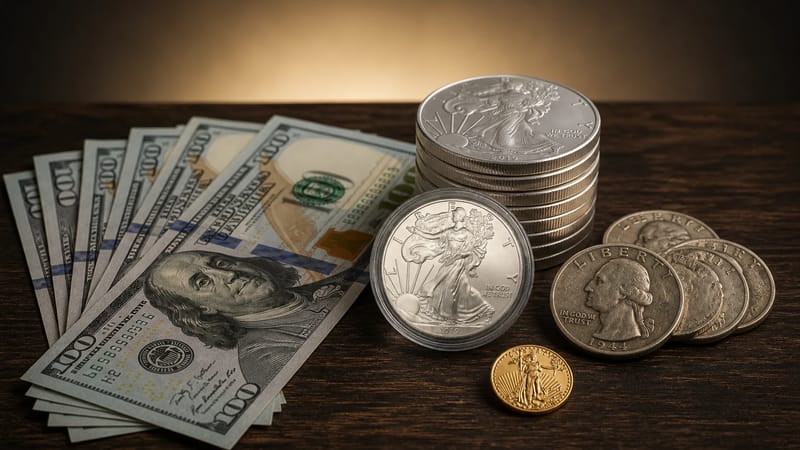
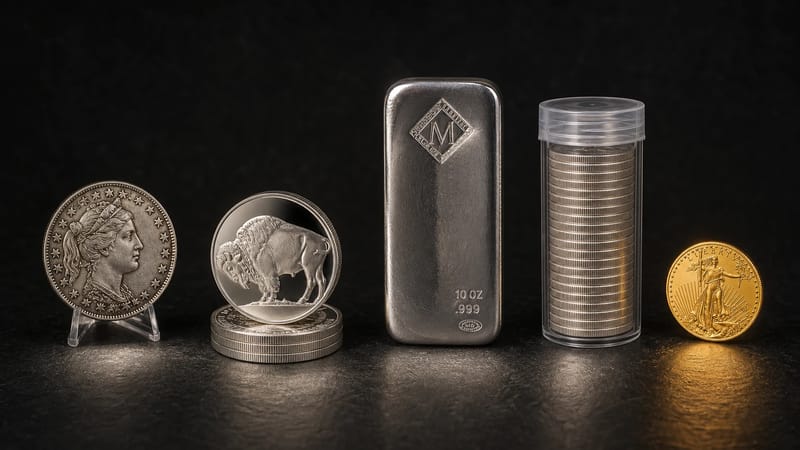
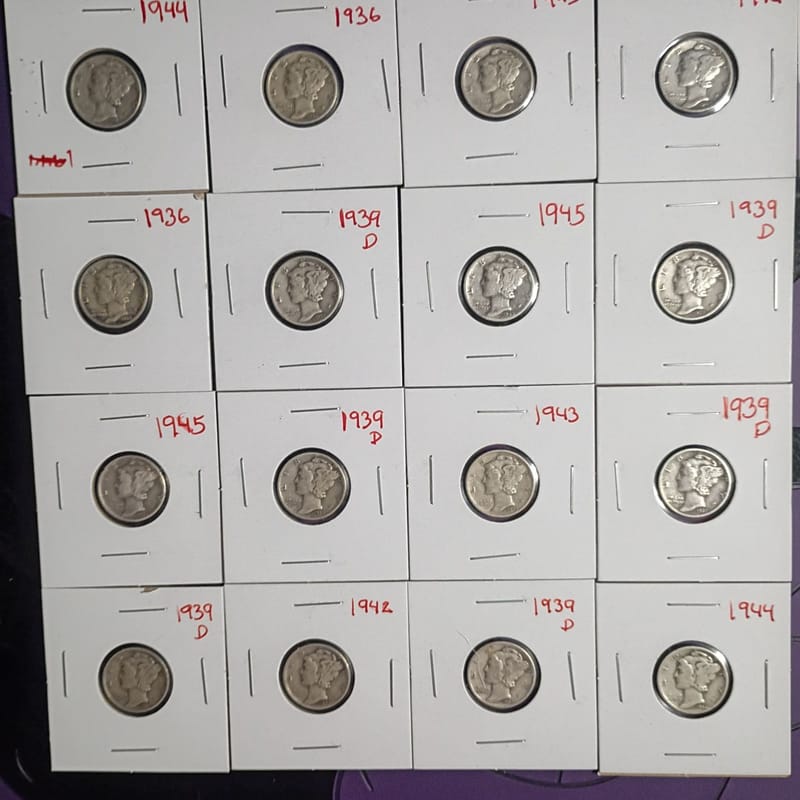
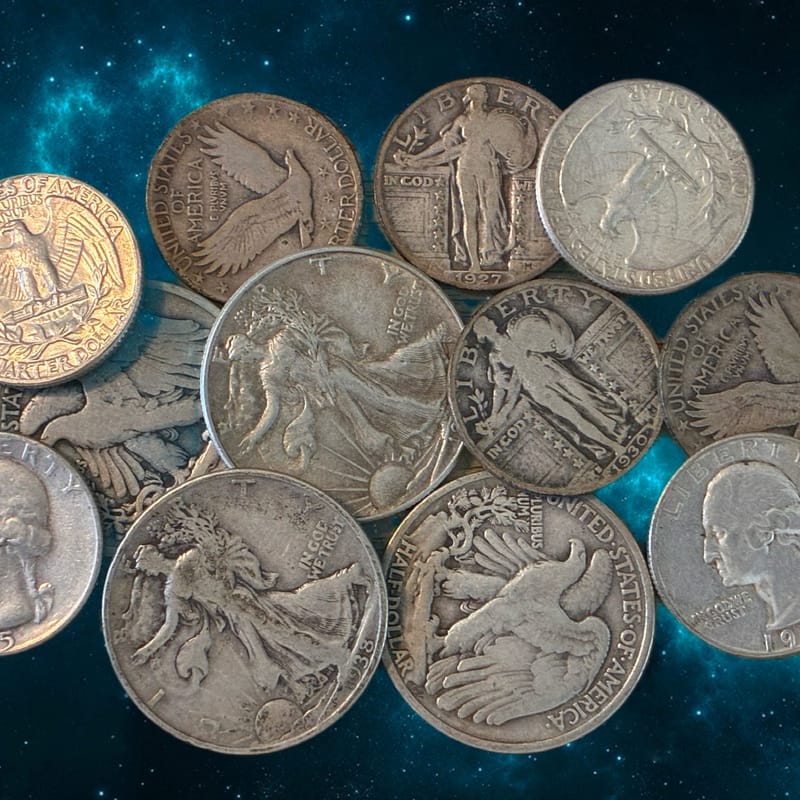
Ask a heavy stacker what's in their safe and you'll hear about Eagles, Maples, and bars. What they don't always mention: the constitutional silver quietly sitting underneath everything. Old dimes, quarters, and half dollars — no premium for design, no premium for packaging, just real US silver in small denominations. It's the least glamorous layer of a serious stack, and for a specific set of jobs, nothing else comes close.
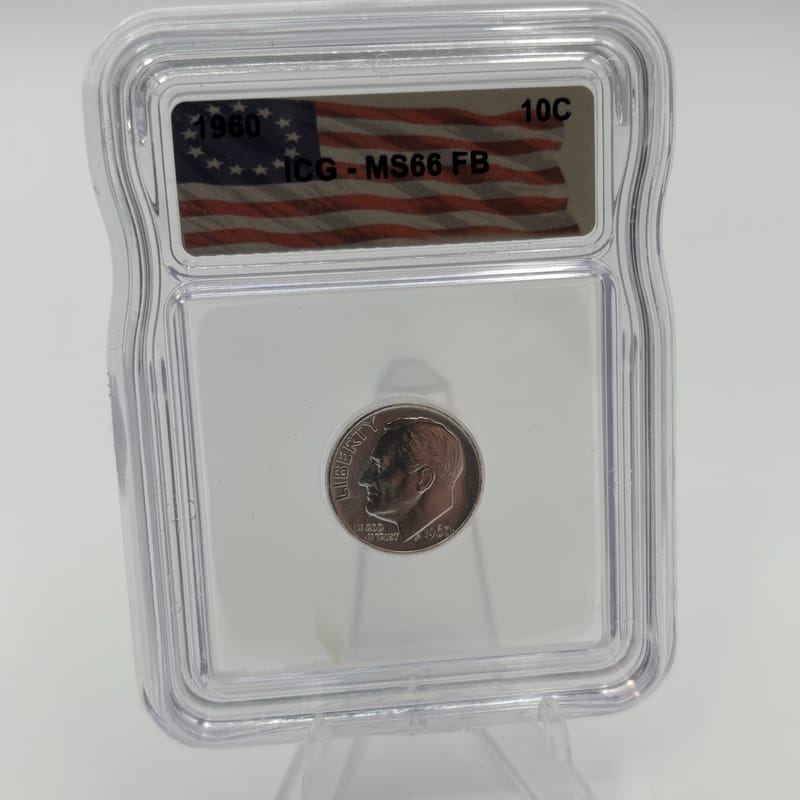
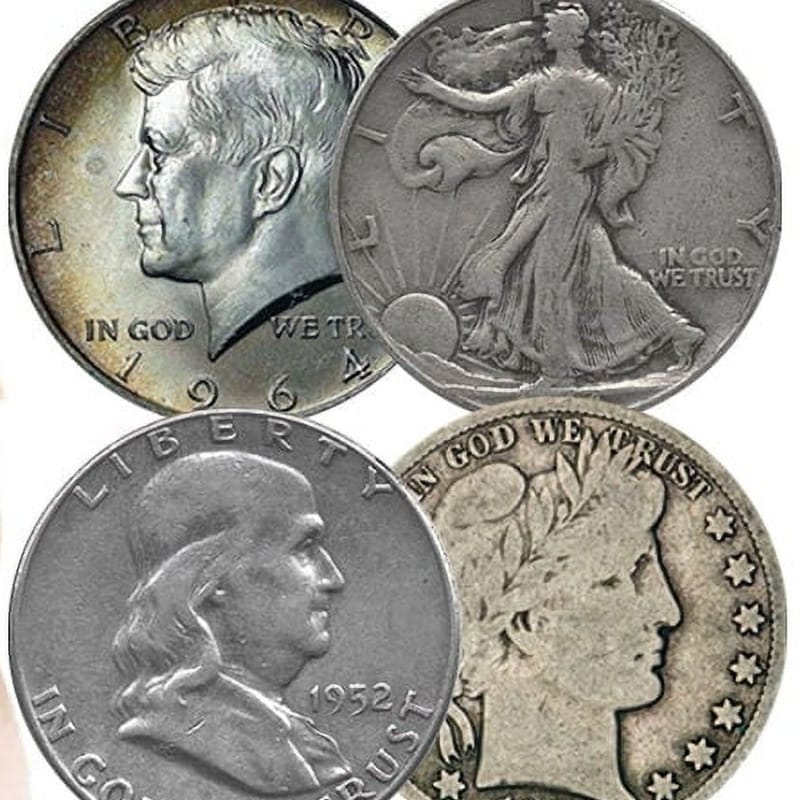
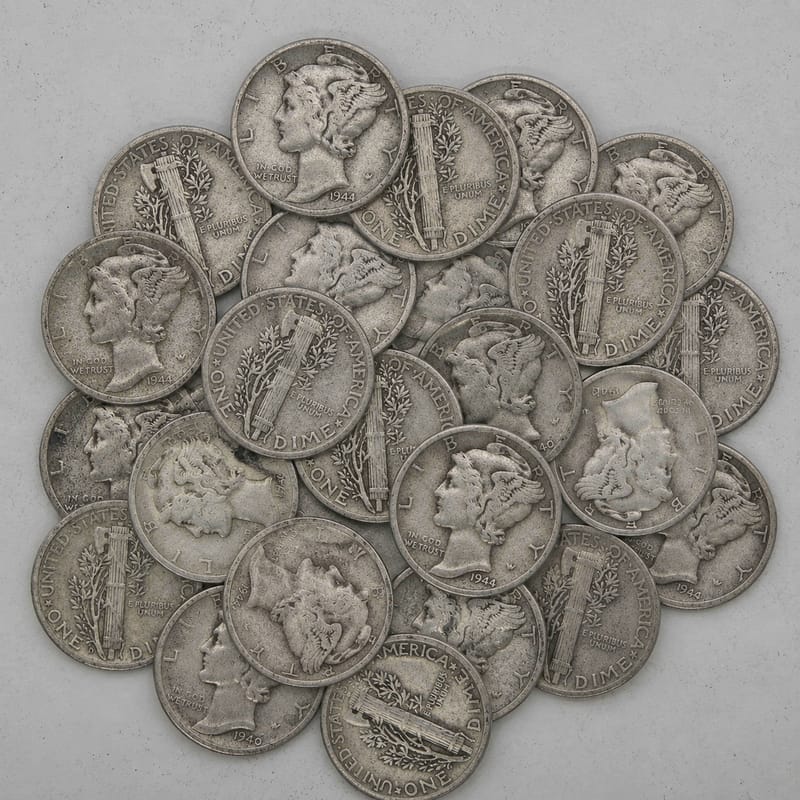
Quick definitions: "constitutional" or "junk" silver means circulated US coins minted before 1965 — dimes, quarters, and half dollars struck in 90% silver, 10% copper (plus some 1965–1970 half dollars at 40%). We've covered what it's worth and why it's still valuable; this guide is about strategy — how much to hold, why, and what most stackers miss about the supply.
A supply that only shrinks
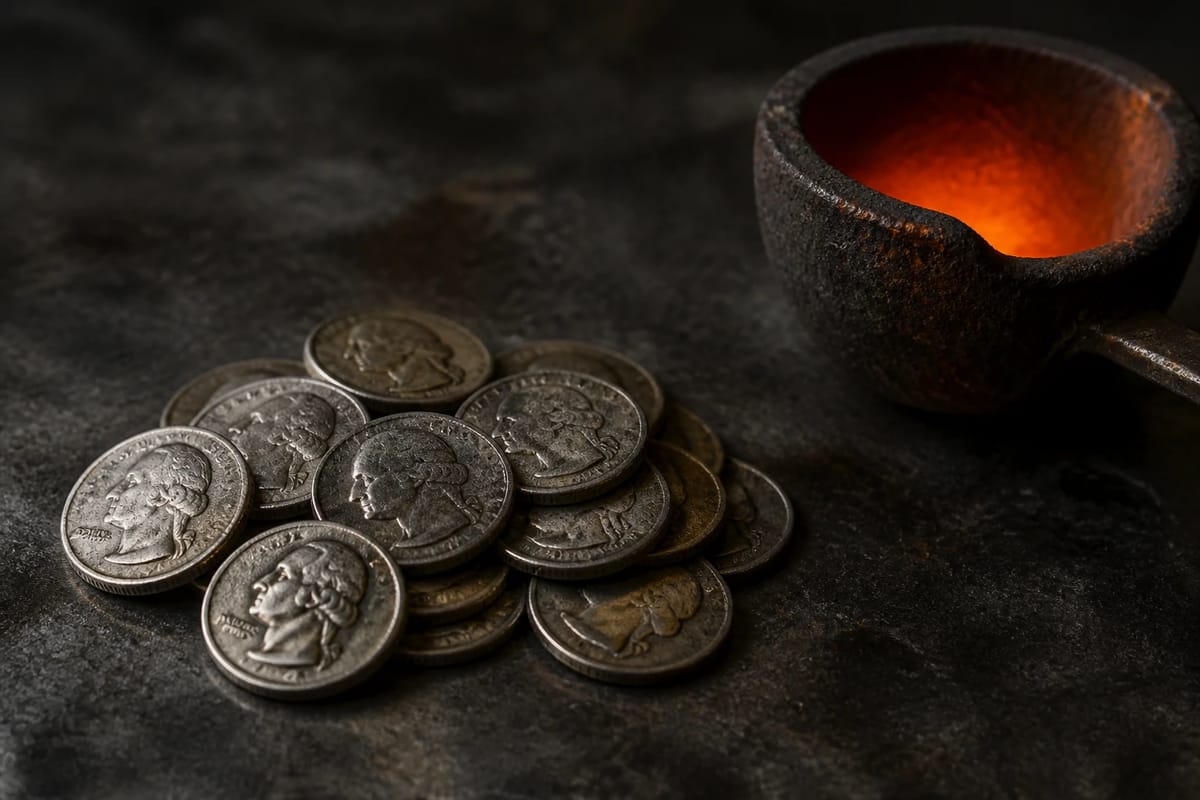
Here's the fact hiding in plain sight: constitutional silver hasn't been minted in six decades, and it never will be again. Every year, some of the surviving supply goes into refiners' melting pots — during price spikes, heavily worn coins get melted for their metal — and more disappears into stacks that never resurface. There is no new supply. Once it's stacked or melted, it's gone.
You can see the squeeze in real time during hot markets: 90% silver gets noticeably harder to find exactly when demand surges, because stackers rush toward it and dealers' bins empty. A fixed, shrinking float meeting recurring demand spikes is a dynamic the shiny-new-round market simply doesn't have.
The three jobs constitutional silver does best
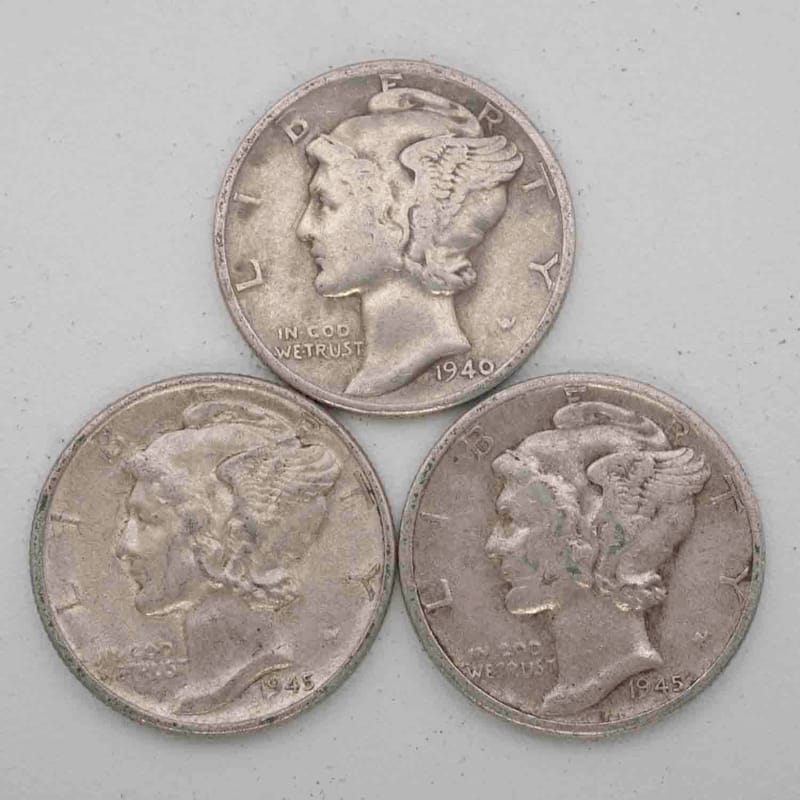
- Speed. Everyone recognizes a Mercury dime or a Washington quarter — no explaining, no testing, no hesitation. Post a tube of pre-1965 quarters at a fair price and it's typically the fastest thing in your stack to sell. That's why the community's liquidation order (see exit strategy) puts constitutional first out the door.
- Divisibility. A dime is a naturally fractional piece of silver — about 0.0723 troy oz. You can sell or trade in tiny increments no round or bar can match, which is also why barter-minded stackers treat it as the small-bills layer of the stack.
- Efficiency. Circulated 90% typically trades at some of the lowest premiums in silver — often 1–3% over melt, and sometimes below melt when a seller wants a fast exit. Nearly every dollar goes to metal, not presentation.
How much to hold: the 20% guideline
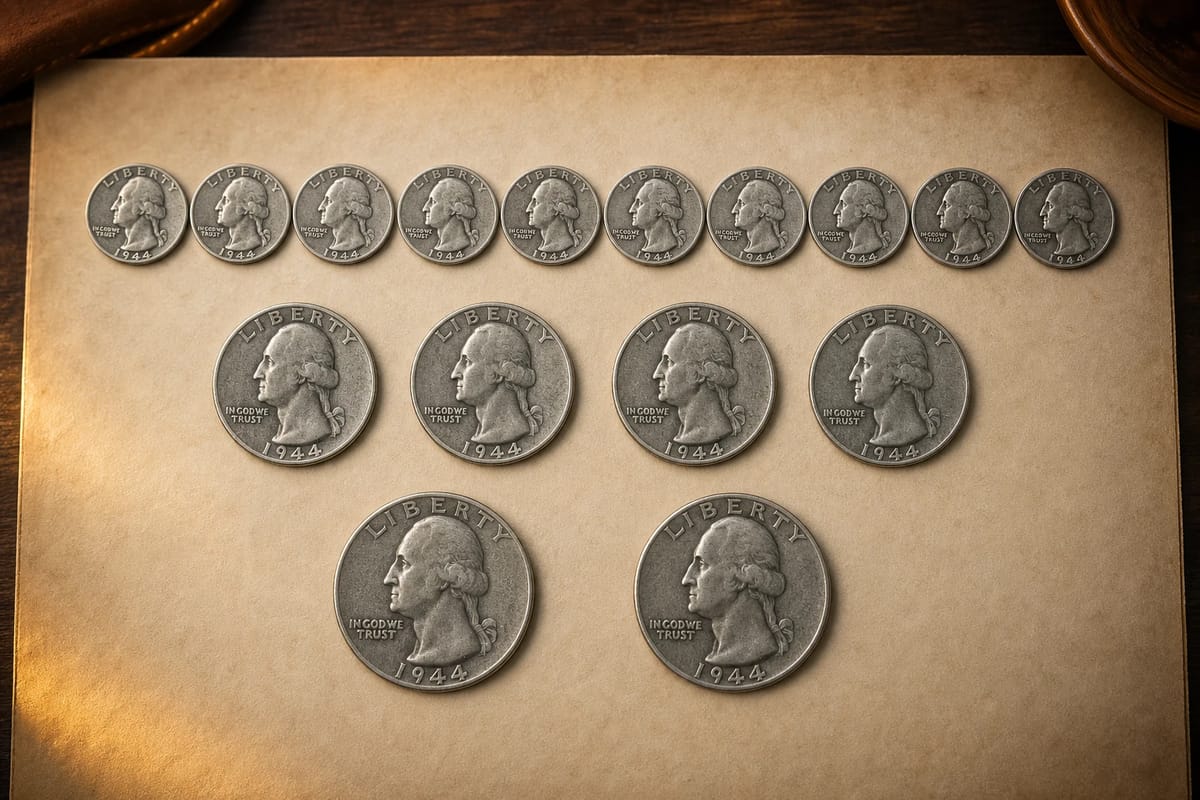
The pattern among experienced stackers is remarkably consistent: roughly a fifth of the stack in constitutional silver. Enough that the fast-money layer is real — a genuine cushion you could liquidate in hours — but not so much that the stack's growth suffers, because 90% is a mediocre tool for building bulk weight (bags are bulky per ounce of silver, and the per-coin silver content makes big accumulation slow). Rounds and bars build the weight; constitutional makes it liquid and divisible.
| Form | Best at | Weakest at |
|---|---|---|
| Constitutional 90% | Fast sales, small trades, recognition | Bulk weight efficiency |
| Generic rounds/bars | Maximum ounces per dollar | Buyer hesitation when selling |
| Sovereign coins | Instant dealer liquidity | Highest premiums |
Know your slicks. Heavily worn coins — "slicks," worn nearly smooth — contain measurably less silver than their minted weight. Full bags are traditionally priced assuming ~715 oz of silver per $1,000 face value (down from ~723 oz when new) precisely to account for average wear. Buying by face value is fine; just price heavy wear accordingly.
Buying it well
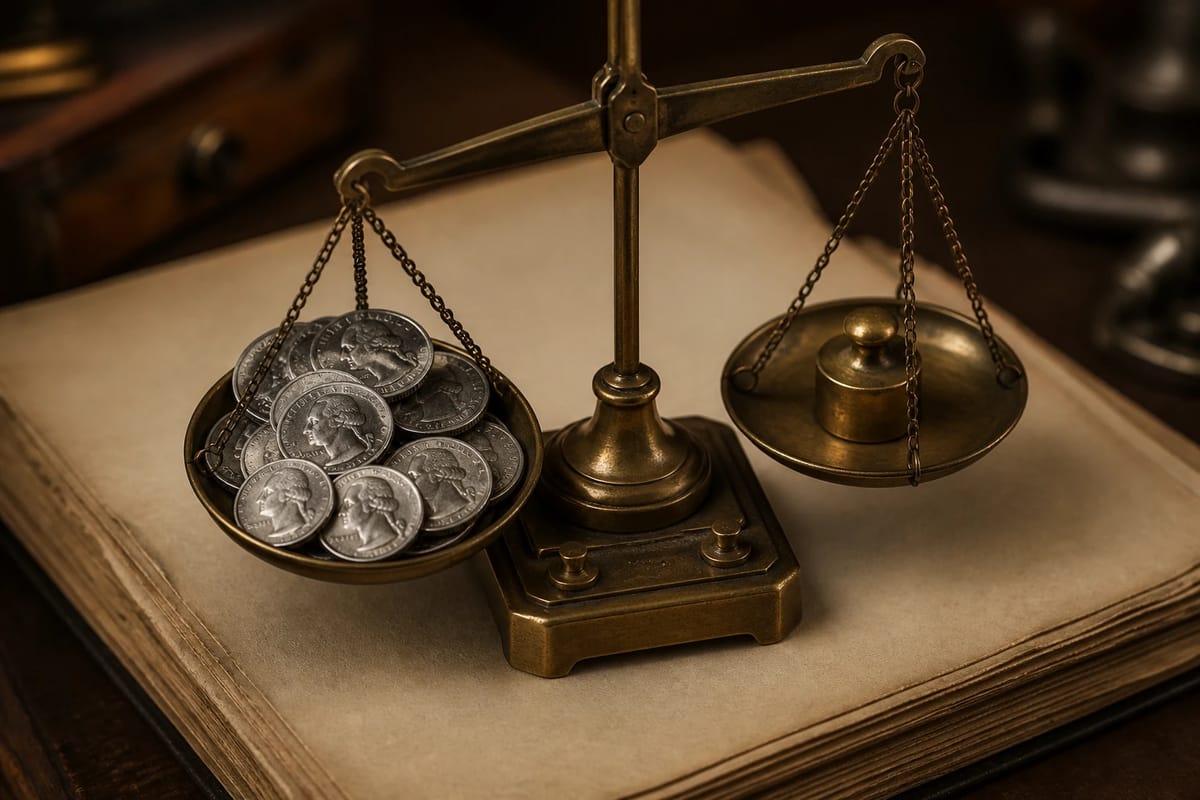
Constitutional silver trades by face value: $1.40 of pre-1965 dimes contains almost exactly one troy ounce of silver. Compute melt (face × 0.715 × spot, for average circulated), then judge the premium honestly — the beauty of this corner of the market is that deals below melt genuinely appear, especially peer-to-peer where sellers skip the dealer spread. It's also arguably the safest silver to buy: counterfeiting circulated small-denomination coins is rarely worth a faker's effort (our testing guide explains why).
Frequently asked questions
Dimes, quarters, or halves?
Silver content per face-value dollar is identical — pick by trade size. Dimes for the smallest increments, halves for slightly better handling in bulk. Kennedy halves from 1965–1970 are the 40% oddballs: real silver, but price them separately.
Is constitutional better than rounds for a first purchase?
It's the strongest case for a first buy there is: often below melt, instantly recognizable, and a hands-on education in melt-value math. Rounds win once you're building bulk. Our first-$1,000 guide shows a split that includes both.
What about Morgan and Peace dollars?
They're 90% silver too, but they straddle the line into numismatics — collector demand prices many above their melt relationship. Treat them as a different purchase (see bullion vs. numismatics).
A shrinking supply, instant recognition, and built-in small change: constitutional silver isn't the flashy part of a stack — it's the part that works when you need it to.