The Stacker's Exit Strategy: What to Sell First, and Why You Plan It Before You Need It


Most stackers think about buying constantly and about selling never — right up until the day they have to. That's when the lessons arrive all at once: the 100 oz bar has no buyer ready and takes days to move. The generic rounds draw lowball offers. And the sovereign coins? Gone in hours, no questions asked. The stack had a liquidity hierarchy the whole time; the owner just never mapped it.
This guide is about designing the exit before you need it — not because you're planning to sell (most stackers aren't), but because emergencies don't schedule themselves. The mechanics of actually selling — where, how, fees — are covered in how to sell your silver stack; this is the strategy layer above it.
The natural liquidation order
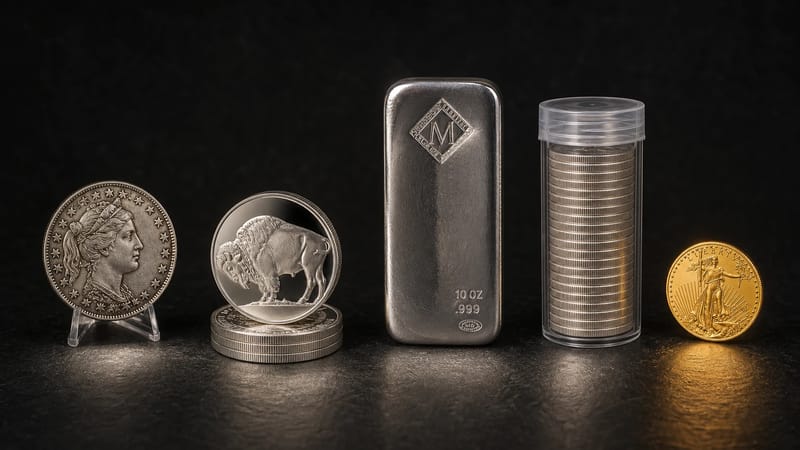
When serious stackers need cash, a consistent pattern emerges — the community calls it the natural order, and it runs from most-liquid and least-precious to the opposite corner:
- 1. Constitutional silver goes first. Small denominations, instant recognition, moves fastest of anything in the stack. This is exactly why the 20% constitutional layer exists.
- 2. Generic rounds and cast bars go next. Pure weight plays with no emotional attachment — they were always the fungible middle of the stack.
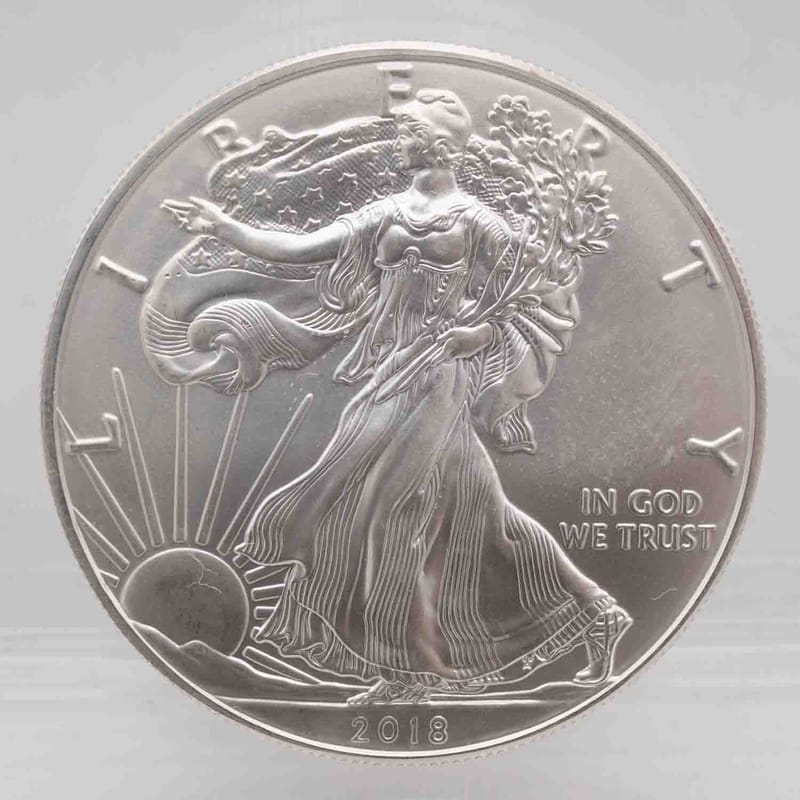
- 3. Sovereign coins hold longer. Eagles, Maples, Britannias sell the fastest per listing, but stackers part with them late — they're the premium liquidity reserve.
- 4. Gold goes last. Almost always. The densest, most permanent layer; selling it feels like touching the foundation.

The sell test: run it before you buy
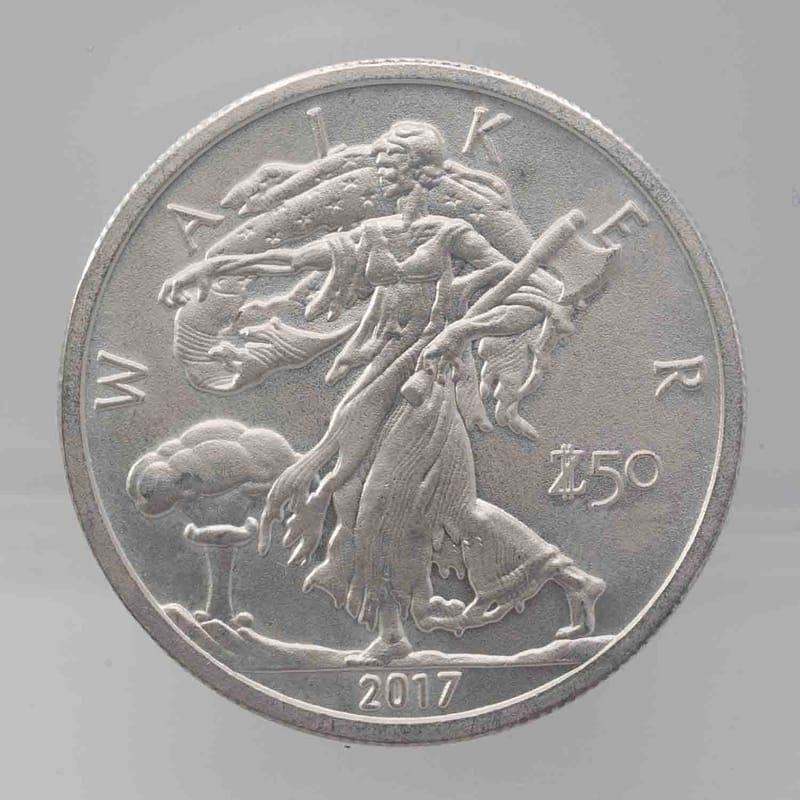
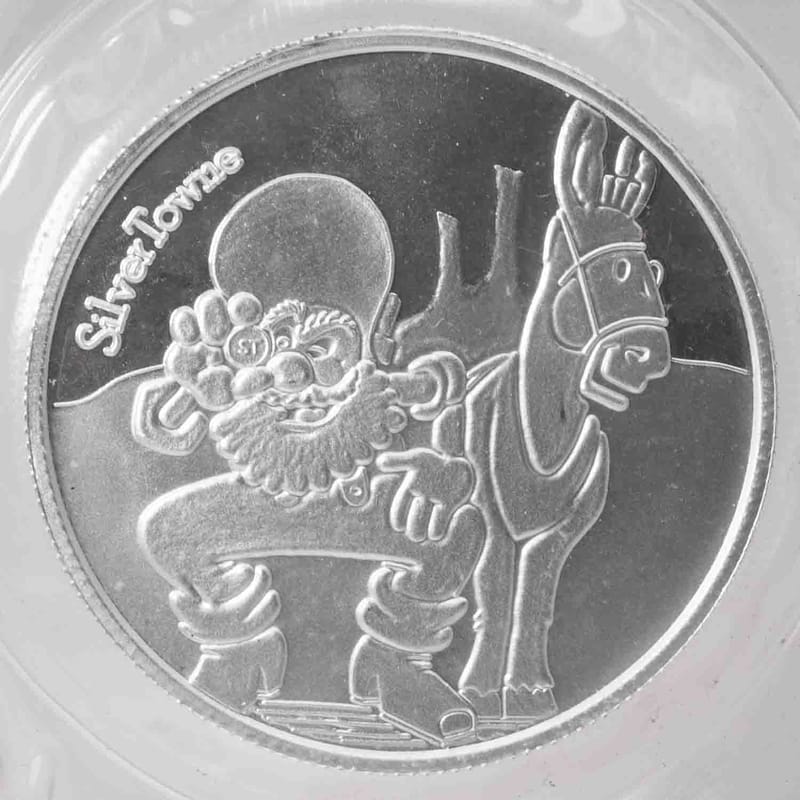
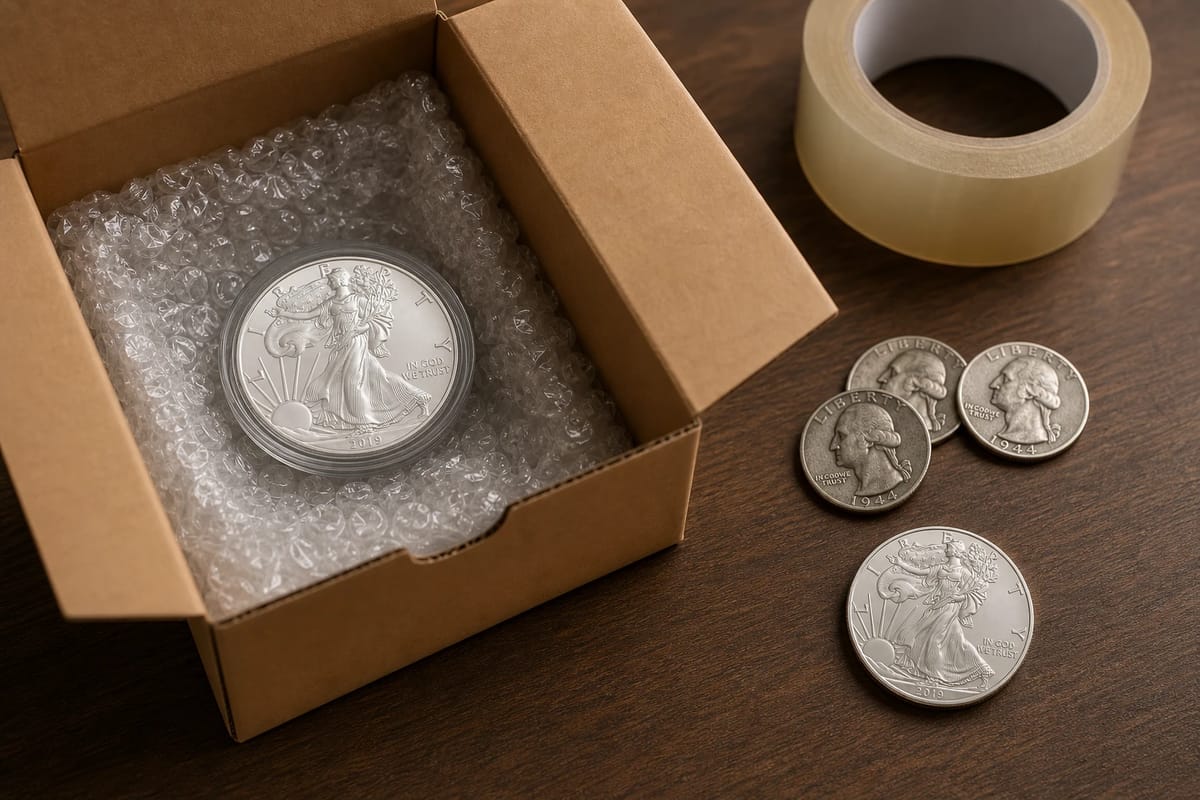
The best exit planning happens at purchase time. Before any buy, ask one question: if I needed cash today, would someone buy this instantly — or would I struggle to find the buyer? Recognizable 1 oz coins pass. Junk silver passes. Small bars pass. Overpriced collectibles and exotic designs usually fail — buyers hesitate at what they can't instantly price, and hesitation costs you exactly when speed matters. The companion rule: only buy silver you can easily explain to a buyer. Government coins explain themselves; a mystery round from an unknown mint makes you the salesman.
Small ticket size is the underrated half of liquidity. A 1 oz coin isn't easier to sell than a 100 oz bar because it's better silver — it's easier because far more buyers can afford it. More buyers, more offers, faster exit. Big pieces store value efficiently; small pieces move. A designed stack holds both on purpose, which is the heart of stack allocation.
Set your rules while you're calm
Exit rules made during emergencies are made badly. The stackers who exit well decided in advance: what triggers a sale (a genuine emergency, a rebalancing threshold, a ratio target — see the ratio guide for the swap-at-extremes version), what sells first (the order above), and what never sells (the core — for many stackers, 60–80% of the stack is permanently off the table). Writing this down sounds excessive until the day it's the difference between a controlled exit and a fire sale.
Stackers vs. flippers. None of this makes you a trader. Flippers buy to sell next month and chase price; stackers buy to hold for years and chase ounces. Planning the exit isn't flipping — it's making sure that when life forces a sale, you sell the right metal at the right speed instead of discounting your best pieces in a panic.

The exit that surprises everyone
Here's the twist experienced stackers report: most started with an exit strategy — buy low, sell high, take profits — and somewhere along the way it dissolved. The stack stopped feeling like a trade and started feeling like something to pass down. That's not a failure of planning; it's the plan maturing. But even generational stacks need the liquidation order mapped, because the person who eventually sells might not be you — and a well-organized stack with a written hierarchy is one of the kindest things you can leave behind.
Frequently asked questions
Should I sell when silver spikes?
Only if you decided that before the spike. A pre-set trade bucket (the 20–30% covered in allocation) exists exactly so you can sell strength without touching the core. Deciding mid-rally is how flippers are born and stacks shrink.
What about selling silver to buy gold?
The one exit most stackers endorse: swapping metal for metal at ratio extremes, never metal for spending money. Details in the ratio guide.
How do I avoid getting lowballed when I do sell?
Sell the recognizable layer, price against live spot, and use a marketplace where buyers compete instead of a single dealer's bid. Listing peer-to-peer typically recovers more of your premium than any buyback counter.
Buy with the exit in mind and you'll probably never need it in a hurry — which is exactly the point.