How to Structure a Silver Stack: 60/30/10, 70/30, and the Three-Bucket System


There's a moment in every stacker's journey when the pile stops being a pile. You look at the tubes and bars and realize you can't answer a simple question: which of this would I sell first? Which is untouchable? Which is waiting for an opportunity? A stack without structure is just storage. A structured stack is a system — and the community has converged on a handful of blueprints for building one.
None of these are laws. They're starting points that force the right question on every purchase: what job does this ounce do? If you're earlier in the journey, start with your first $1,000; this guide is for organizing what comes after.
The three-bucket system (60/30/10)
The most-cited blueprint divides the stack by intent. 60% core: low-premium silver — rounds, bars — that you never sell, only add to. This is the generational-wealth layer. 30% trade: metal you're willing to move when prices swing — sell strength, swap into whatever's lagging, take opportunities. 10% long-term specials: gold, constitutional silver, pieces held for years or decades.
A related version sorts by liquidity instead: a vault pile (untouchable), a liquid pile (junk silver and small coins that convert to cash fastest), and an active pile (dip-buying and deal-taking). Same idea — three piles, three jobs — different sorting key. The 80/20 variant is the simplest of all: 80% core that never gets sold, 20% liquid for trading around the edges.
Splitting between silver and gold
Once gold enters the picture, the second allocation question appears: how much of each metal? The common answers, by dollar value: 70/30 (silver-heavy — growth with a stability anchor; for every $1,000, $700 silver and $300 gold), 50/30/20 (50% silver, 30% gold, 20% cash held for dips), and ounce-based versions like 75 oz silver per 5 oz gold. All of them rhyme with the 10-to-1 ratio rule we covered in the gold-to-silver ratio guide — silver for upside and ounces, gold for density and calm.
The keep-cash variant deserves a note: holding 20% dry powder sounds like market timing, but in practice it's the opposite — it pre-authorizes dip buying so you never have to decide under pressure, and it doubles as the emergency buffer that keeps you from ever selling metal at the bottom.

Splitting by product type
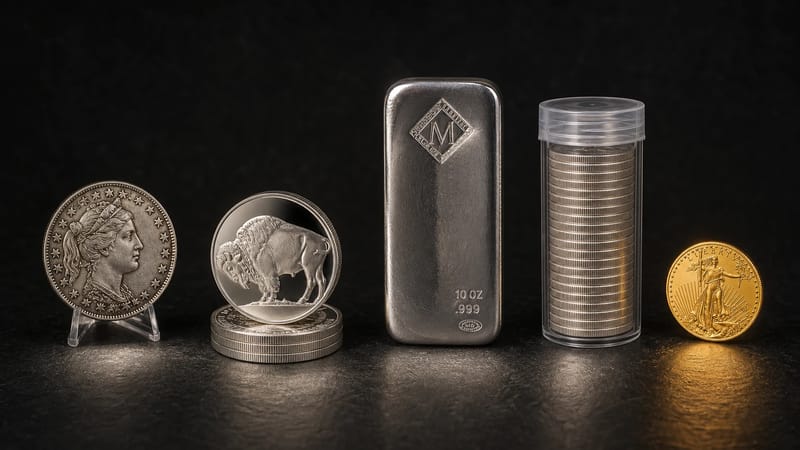
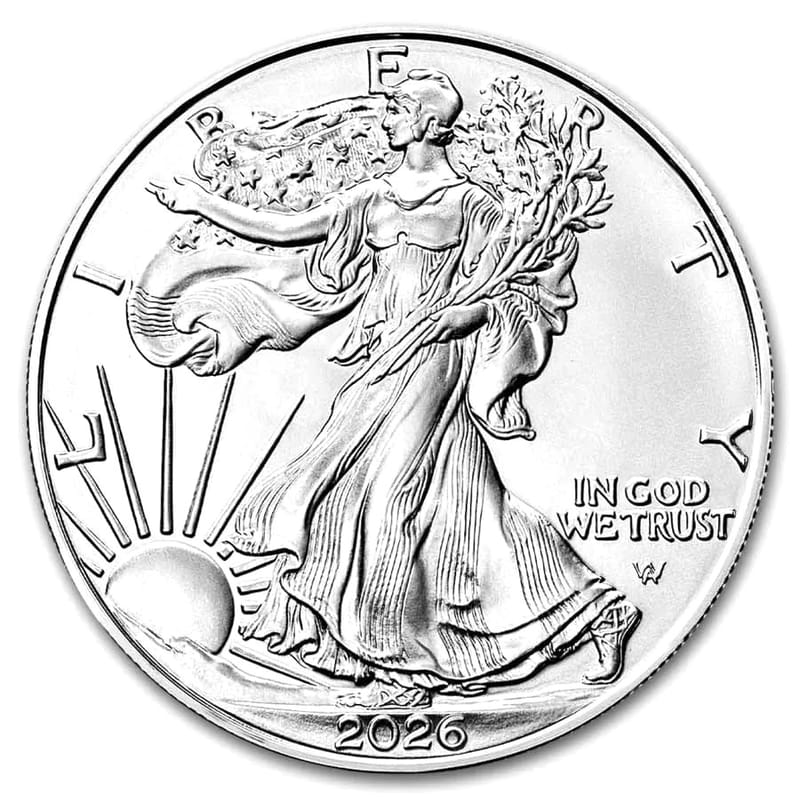
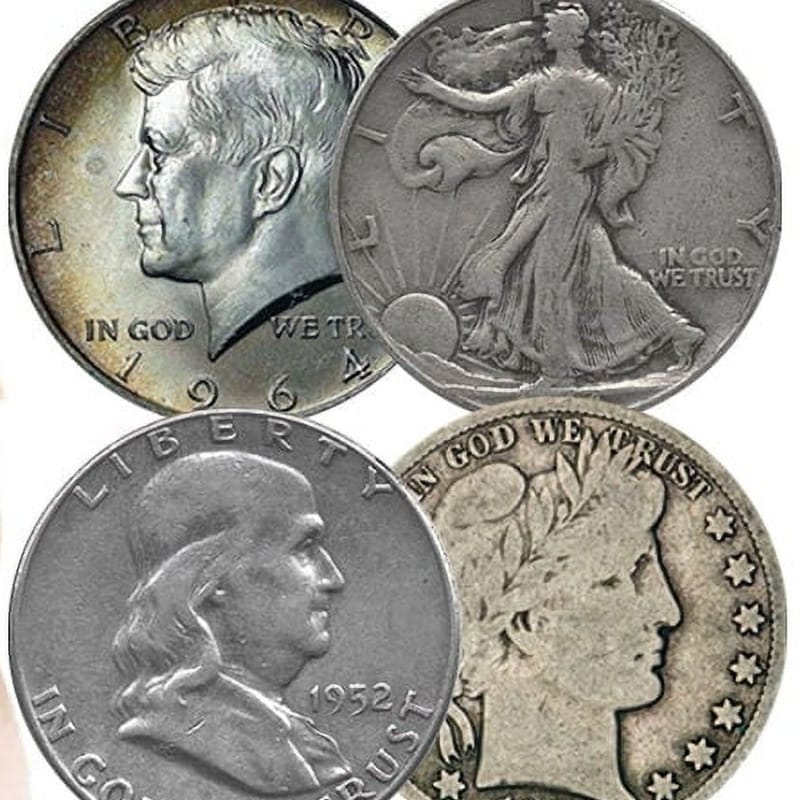
The third axis is what the silver itself looks like. Ask ten experienced stackers and most describe something close to the 50/25/10 blueprint: roughly half in generic rounds and bars (maximum silver, minimum premium), a quarter in government coins (Eagles, Maples, Britannias — the fast-selling layer), 10–20% in constitutional silver (divisible, instantly recognized), and collectibles on top only if you enjoy them. A starter version for the first 30 ounces: 10 oz in 1 oz coins, 10 oz in low-premium rounds, 10 oz in small bars — liquidity, value, and weight from day one.
| Blueprint | Split | Sorting key |
|---|---|---|
| Three buckets | 60% core / 30% trade / 10% long-term | Intent |
| Keep-forever | 80% core / 20% liquid | Intent (simplest) |
| Silver–gold | 70% silver / 30% gold by value | Metal |
| With dry powder | 50% silver / 30% gold / 20% cash | Metal + opportunity |
| Product mix | 50% generic / 25% sovereign / 10–20% constitutional | Product type |
| Starter 30 oz | 10 oz coins / 10 oz rounds / 10 oz bars | Product type |
Diversify the products, not just the metal. A stack that's all 100 oz bars stores value efficiently but can't sell a small slice. A stack that's all junk silver is maximally flexible but builds weight slowly. Every product has a job — 10 oz bars for efficiency, sovereign coins for liquidity, constitutional for divisibility — and the blueprint is just a way of making sure every job is covered.
Rebalancing without spreadsheets
Allocations drift — a silver rally can push 70/30 to 80/20 without you buying anything. The fix isn't selling; it's steering. Direct the next month's purchases toward whatever fell behind, and check the balance quarterly at most. The structure serves the stack, not the other way around.
Frequently asked questions
Which blueprint should a beginner pick?
None, at first — your only job below 50 ounces is weight (see milestones). Structure starts mattering once the stack is big enough to have layers, usually around 50–100 oz.
Do I need the trade bucket at all?
No. Plenty of stackers are 100% core — buy, hold, never sell. The trade bucket exists for people who want to play swings without ever touching the foundation. If you'd rather never think about selling, read exit strategy anyway; emergencies don't ask permission.
Where does cash fit?
Before everything. Six months of expenses in cash is the layer under the stack — without it, the stack becomes your emergency fund and you'll sell at the worst time. Details in how much should you own.
Structure isn't complexity — it's the opposite. When every ounce has a job, every purchase becomes obvious.