The Silver Premium Playbook: Ceilings, Rules, and When a Premium Pays You Back

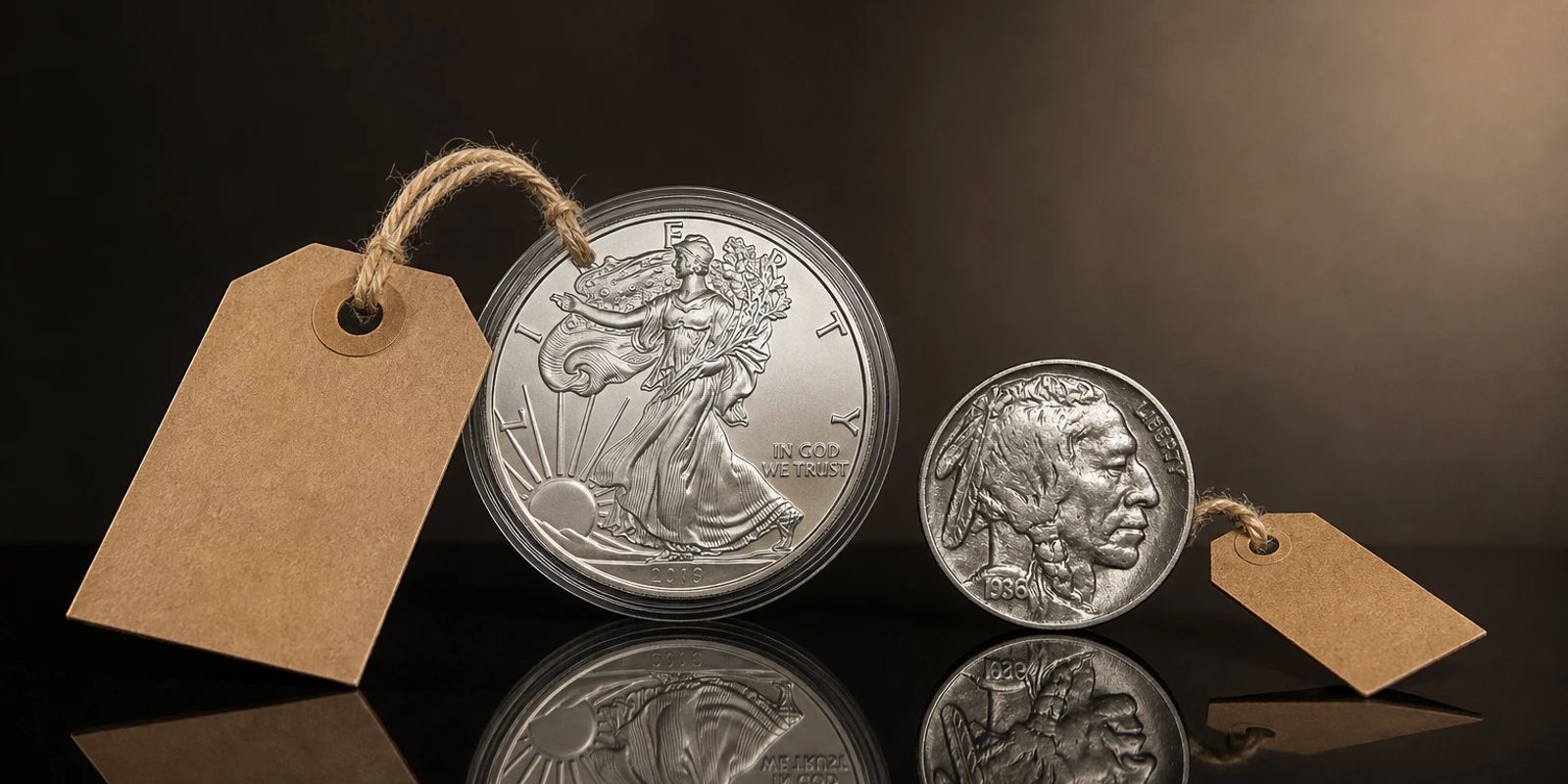
Everyone talks about what silver to buy. Almost nobody talks about the number that actually decides how fast your stack grows: the premium. Spot price is identical everywhere on earth at any given second — you can't shop it. The premium, the markup above spot baked into every real-world price, varies wildly between products, sellers, and weeks. Two coins at the same spot price, one at a 12% premium and one at 22%, differ by real dollars per ounce. That gap is where stacks are won and lost.
We covered the basics in spot price vs. premium. This is the playbook layer: the rules, the ceilings, and the judgment calls the community has refined into near-doctrine.
What actually drives a premium
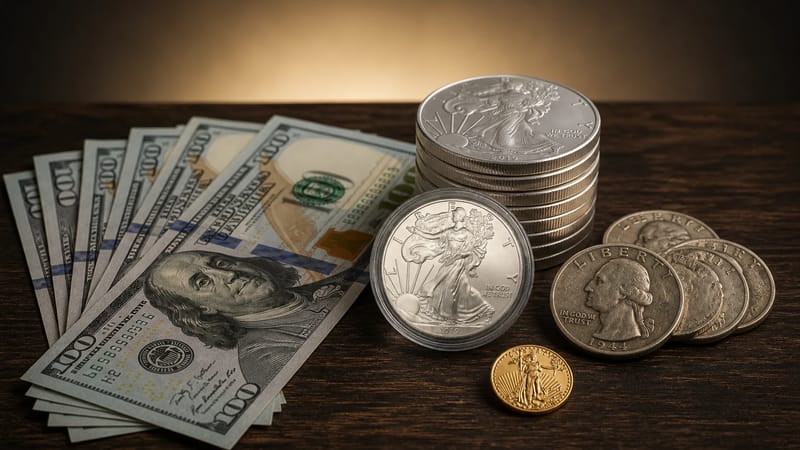
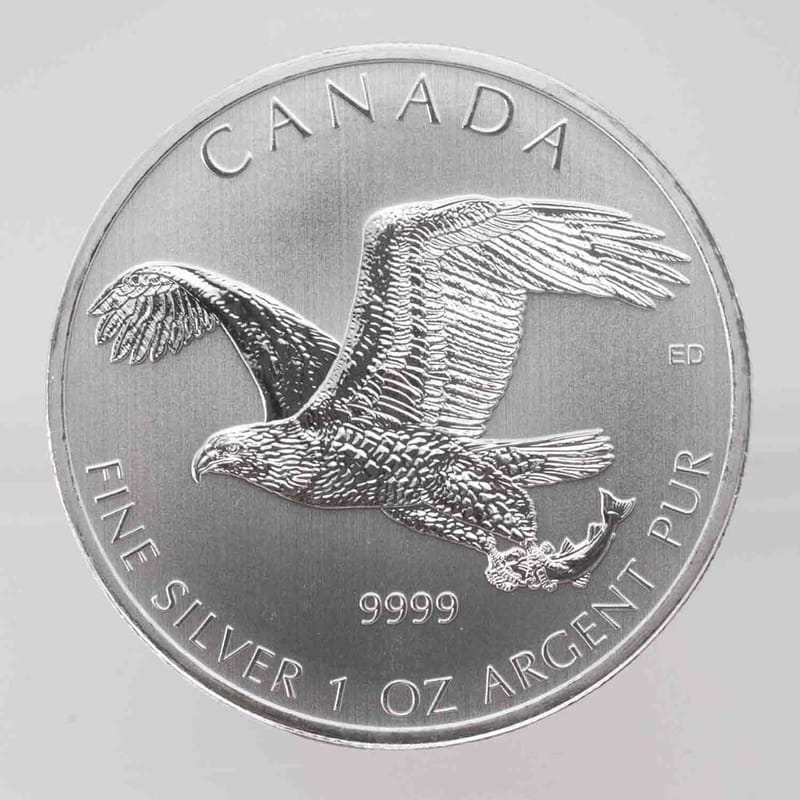
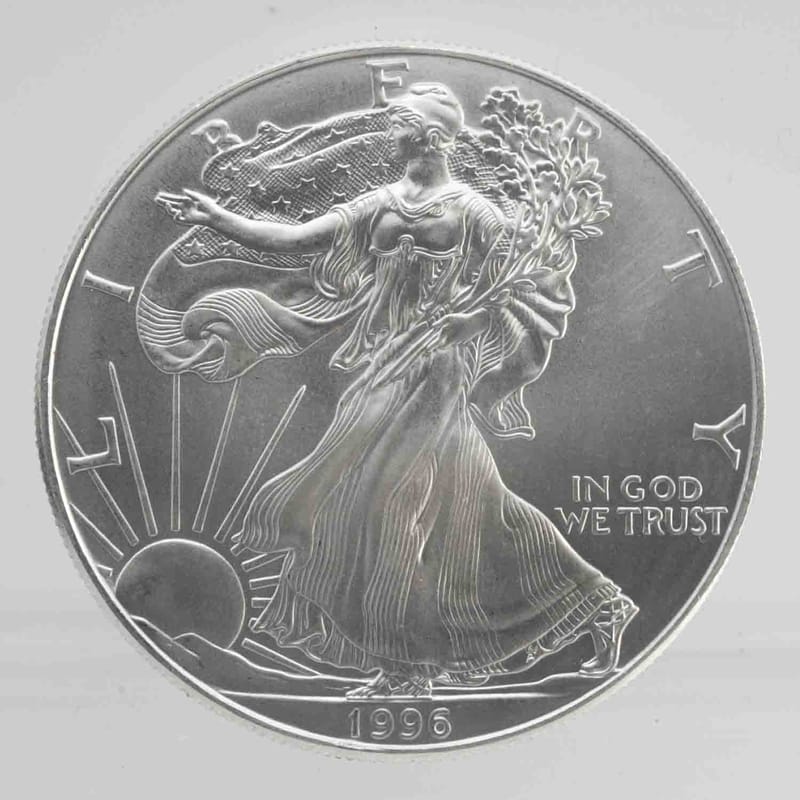
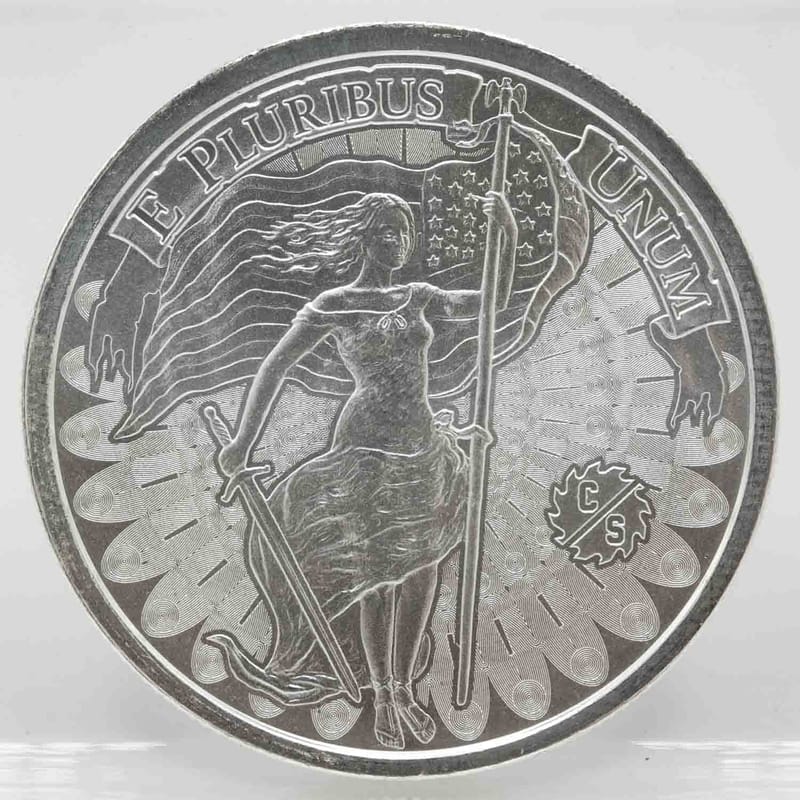
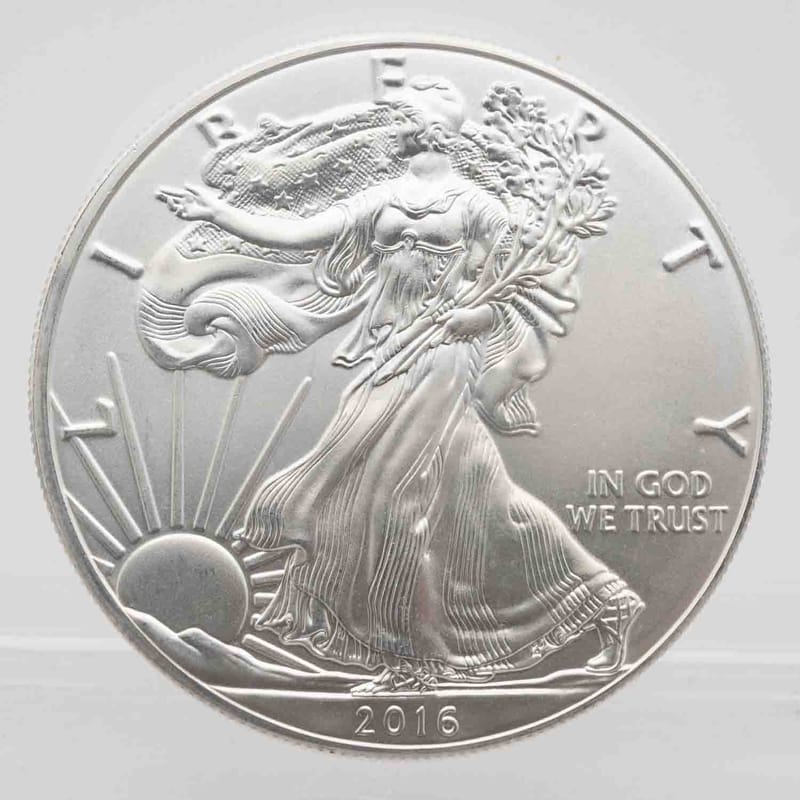
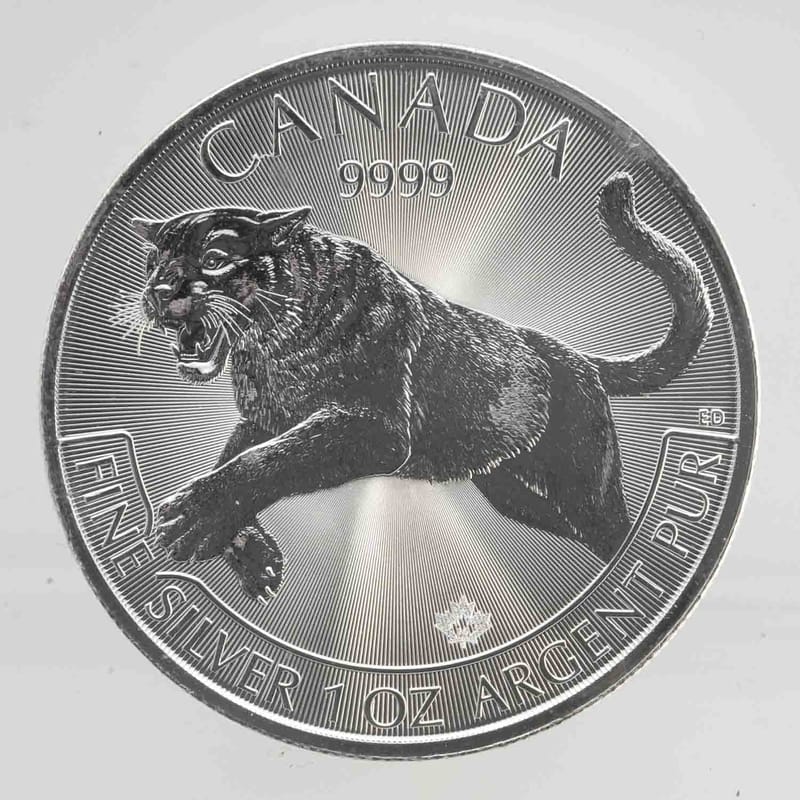
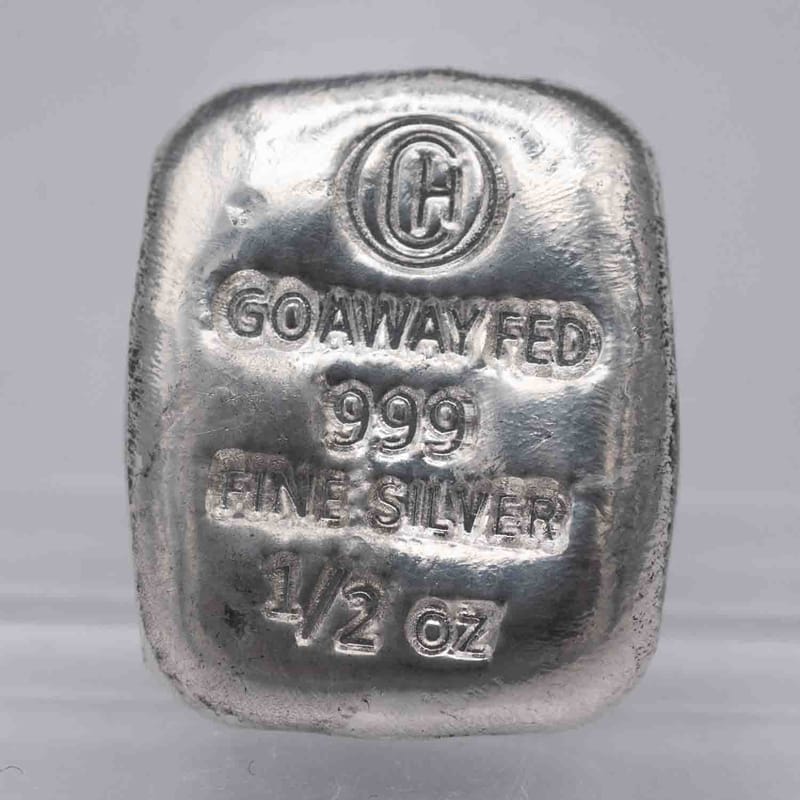
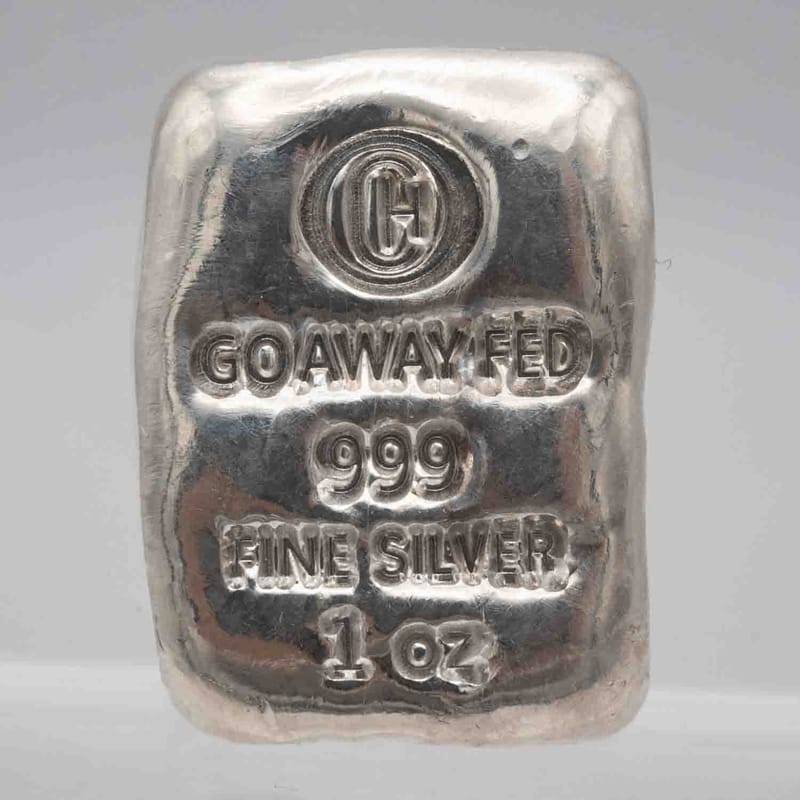
- Mint reputation. Government mints charge more than private mints — partly brand, partly the security features and guarantee behind the coin. As of mid-2026, American Silver Eagles carry the market's steepest premiums while generic rounds run just a few dollars over spot.
- Design and packaging. Fancy finishes, limited editions, and display boxes all cost money that isn't silver.
- Supply and demand. When spot spikes or panics hit, premiums spike faster than spot — dealer inventory drains and the markup balloons. Premiums are a real-time gauge of physical demand.
- Order size. A tube costs less per ounce than singles; a monster box less still.
- Where you buy. Dealers price in overhead and margin. Peer-to-peer sellers don't have to — which is why comparing listings against dealer prices is the fastest premium education there is.
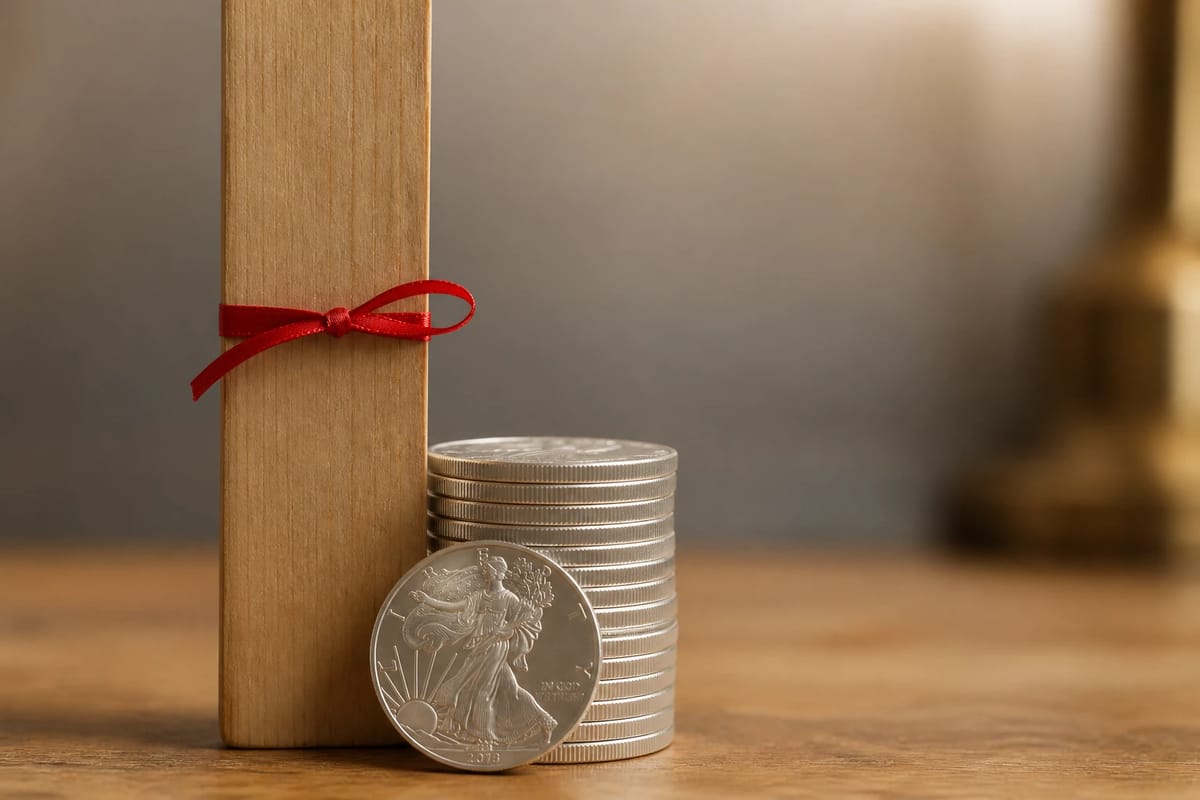
The ceilings: 5% and 10%
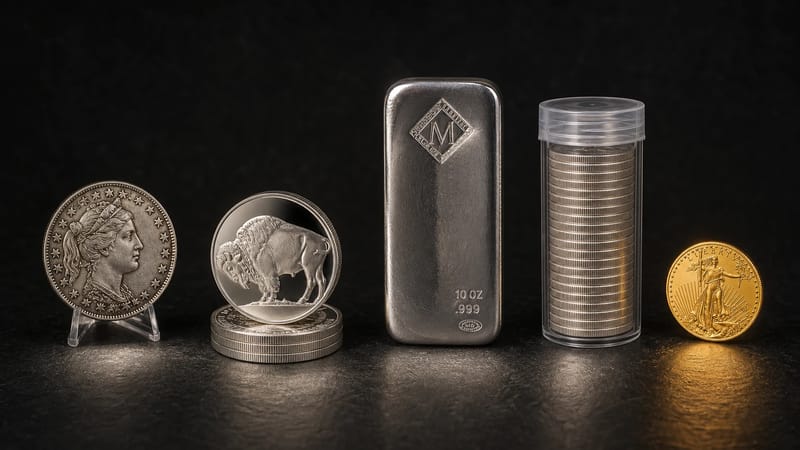
The community's guardrails are simple enough to use at a glance. The 5% rule: for generic rounds and bars — products whose only job is weight — treat 5% over spot as the ceiling. At $74 spot, that's a hard stop near $77.70. The 10% ceiling is the looser cousin for generics in tighter markets: past 10%, walk away, wait, or switch products (100 oz bars often still trade at 2–4% when 1 oz products spike). Sovereign coins live on a different curve — 10–20% can be fair for an Eagle or Maple because you're buying liquidity, not just metal.
The universal version of all these rules: always compute total cost per ounce. Listing price ÷ ounces, minus spot, equals your real premium. Under 10% on a sovereign coin is strong; 10–20% is market-normal; over 20% needs a reason you can say out loud. This one habit — dividing before buying — is most of what separates second-hundred-ounce stackers from first-ten-coin beginners.
When a premium pays you back
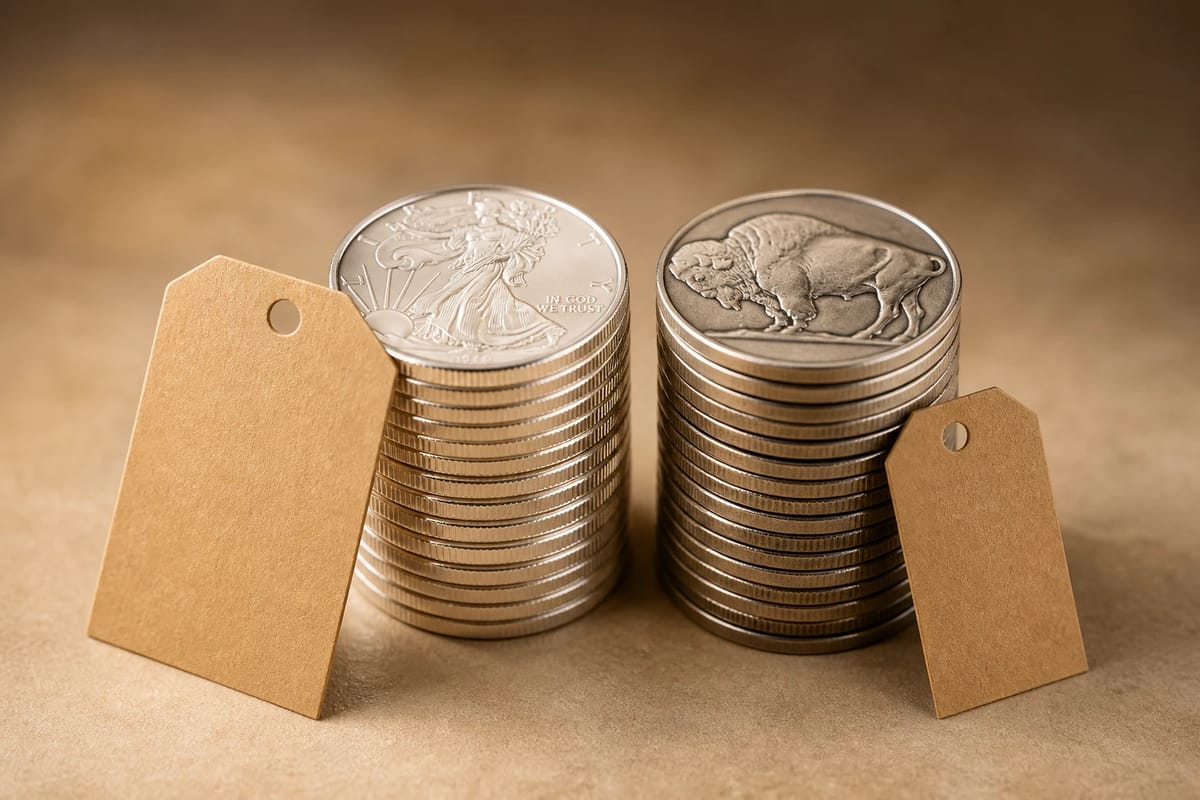
Not all premiums are waste. Some buy you something real. An Eagle's premium buys recognition — a coin every dealer in America purchases on sight, no explaining, no testing. When you sell, that recognition comes back to you as speed and a stronger bid. A Maple's premium buys security features that make counterfeits nearly pointless. The test isn't "is the premium low?" — it's "does this premium buy a service I'll actually use?" Liquidity you'll need someday: yes. A prettier stamp on the same ounce: no. The full recognition-versus-weight trade-off is in sovereign vs. generic silver.
Spot dropped — did silver get cheaper? Not necessarily. Premiums and spot move independently, and in stressed weeks they move in opposite directions. A $3 spot drop paired with a $4 premium spike made every product more expensive. Always judge the all-in price per ounce, never the headline.
The premium mistakes that define beginners
| Mistake | What it costs | The fix |
|---|---|---|
| Buying excitement (first 10 coins) | 20–30% over spot | Generic rounds + one sovereign tube to start |
| Ignoring per-ounce math | Silent overpays on odd sizes | Divide price by ounces, every time |
| Chasing during premium spikes | Paying the panic surcharge | Ceilings: 5% generic, walk away past 10% |
| Judging only spot | Missing the real price | Premium + spot = the only number that matters |
| Buying singles forever | Tube discount left on the table | Batch purchases once the habit is stable |
Frequently asked questions
Do premiums come back when you sell?
Partially, and unevenly. Sovereign coins recover the most — the market pays up for recognition on the way out too. Generic rounds typically sell at or just above melt. Constitutional silver's premium is modest but strikingly stable across market conditions.
Why did my coin's premium double during a rally?
Physical supply chains are slow and dealer inventory is finite. When retail demand surges, the premium is the market's rationing mechanism. It also means premiums are information: a spiking premium with flat spot says physical buyers are hungrier than the paper price admits — a divergence we explore in paper vs. physical silver.
What's the cheapest silver per ounce overall?
Usually large bars (2–4% over spot) and circulated constitutional silver near melt — see the constitutional strategy guide. Cheapest isn't automatically best: pair low-premium weight with enough liquid product that you're never forced to discount a big bar in a hurry.
Spot is the starting point; the premium is the game. Learn to shop the markup and your second hundred ounces will cost meaningfully less than your first.