



Menu
Welcome to PeerMetals
Shop
HomeMarketplaceSpot DealsAuctionsLive ShoppingSocial FeedCalculators & Tools
My Activity
Cart
My Account
Become a Seller
Support
Help CenterContact

Copyright © PeerMetals 2026

1 Gram Gold Bar Value Chart

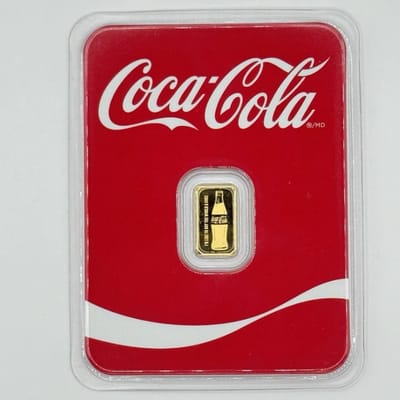
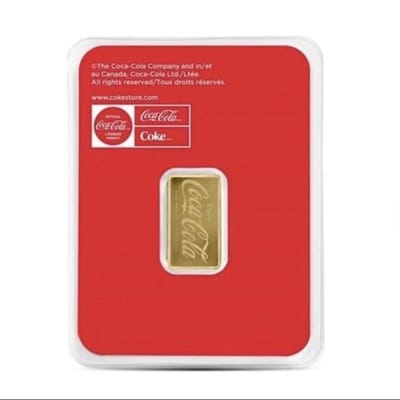
A 1 gram gold bar is the smallest standard gold bullion product, containing 1 gram (0.03215 troy oz) of .9999 fine gold. They are almost always sold in a sealed assay card from the refiner, which is what makes them easy to verify and resell. Because production cost is fixed per bar regardless of size, 1 gram bars carry the highest premium over melt of any gold bullion format.

Current melt value
$138.04
$4,293.61/oz gold spot × 0.0321507 troy oz · live
Lowest live listing
$155.94
13% premium over melt · from a seller below
Metal content
0.0321507 troy oz
Minted
1970s–present
Purity
.9999 fine gold (24 karat)
Shop 10 live listingsGold spot price
Buyer protection
Funds released after delivery
Rated sellers
Metal Points earned on delivered orders
Make an offer
Negotiate directly with sellers
Insured shipping
Tracked, with combined shipping

Historical gold spot price

1 Gram Gold Bar melt value tracks gold spot price directly — this chart is the same live gold price used to calculate the melt value above, so you can see the trend behind today's number.

Design

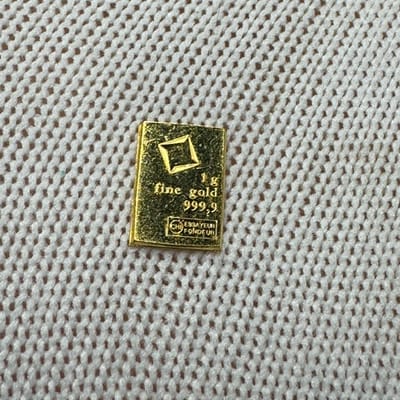
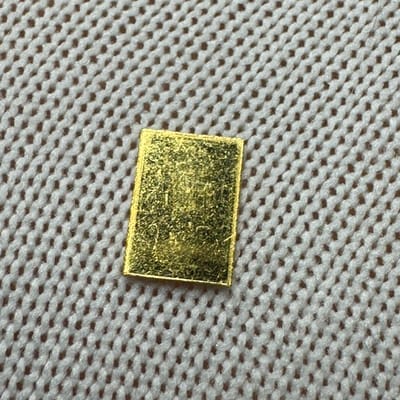
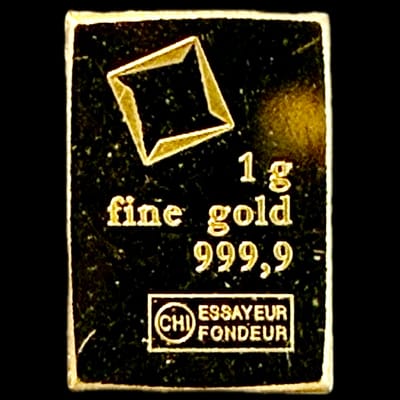
What is actually struck on each face, and who designed it.

Obverse

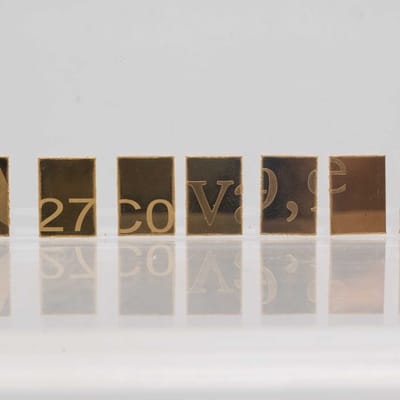
Varies by refiner — typically the refiner's logo, weight, and purity stamp. PAMP's Lady Fortuna design is the most recognized.

Reverse

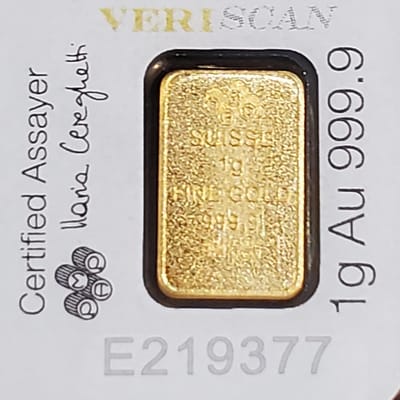
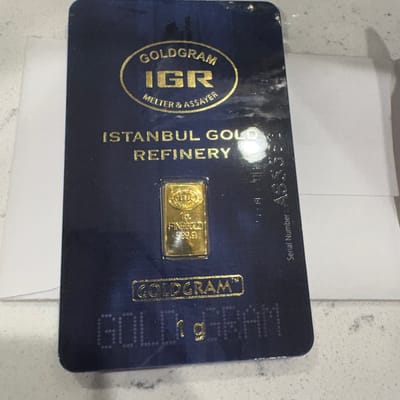
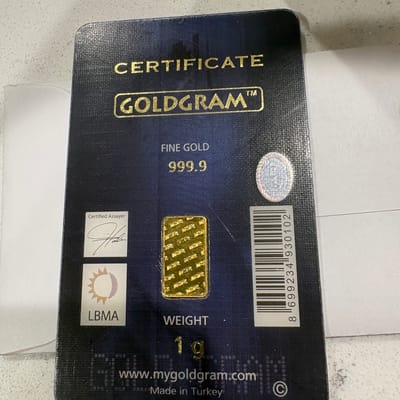
Varies by refiner — usually a repeating logo pattern or a serial number. Most 1 gram bars are sold sealed in a tamper-evident assay card that carries the serial number and refiner's signature.

Learn more about the 1 Gram Gold Bar

01

What a 1 gram gold bar is actually worth

The metal in a 1 gram bar is worth the gold spot price divided by 31.1035, which is the live figure at the top of this page. Retail prices sit well above that: expect to pay 15 to 30 percent over melt for a PAMP or Valcambi bar in an assay card, and to receive somewhere between melt and a small premium when you sell. The premium is the cost of minting, the assay card, and distribution, and it does not grow with the gold price, which is why larger bars are cheaper per gram.
02

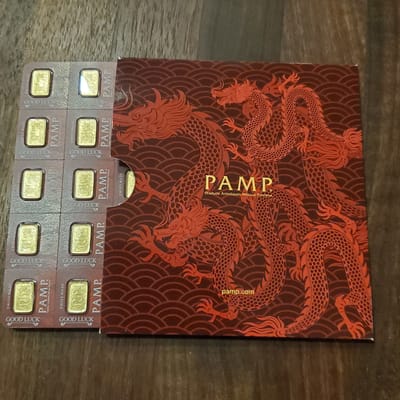
Assay cards, serial numbers and CombiBars

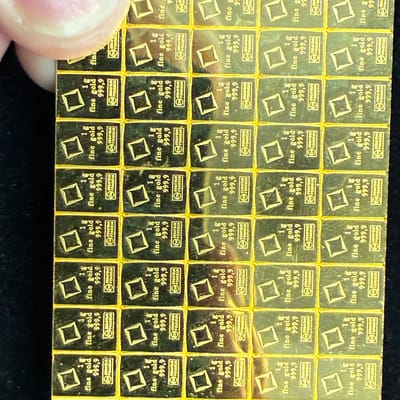
Nearly every 1 gram bar from a major refiner ships in a sealed plastic assay card printed with the weight, purity, serial number and an assayer's signature. Keep the card sealed: a bar removed from its card is still gold, but buyers will discount it because it can no longer be verified at a glance. Valcambi CombiBars are a related format — a 50 gram or 100 gram sheet scored into 1 gram pieces that snap apart, which trades at a lower premium per gram than individual carded bars.

03

When 1 gram bars make sense, and when they don't

Gram bars are the right size for gifts, for putting a small amount of gold in a child's name, or for anyone who wants to buy gold in the smallest possible increment. As an investment they are inefficient: the premium you pay on the way in is rarely recovered on the way out. If the goal is holding gold rather than gifting it, a 1/10 oz coin, a 5 or 10 gram bar, or saving up for a 1 oz product costs far less per gram. Compare the live listings below against the melt value to see the premium on each seller's ask.

Shop 1 Gram Gold Bar listings

View all

Common questions

About the 1 Gram Gold Bar

How much is a 1 Gram Gold Bar worth right now?

At the current gold spot price of $4,293.61/oz, the melt value of a 1 Gram Gold Bar (0.0321507 troy oz, .9999 fine gold (24 karat)) is approximately $138.04. This updates continuously with the spot price above — sellers on the marketplace typically price above melt value, since the premium covers minting, distribution, and dealer margin.

Why does every listing cost more than melt value?

Melt value is the raw metal content only — what you'd get scrapping the coin. The premium above it pays for minting, distribution, and dealer margin, and on this marketplace specifically, it's set by each individual seller rather than one company's price list, so it's worth comparing a few listings rather than buying the first one you see.

What moves the price of gold?

Like any commodity, gold trades on global supply and demand — mine output and recycling on the supply side, industrial use, jewelry, and investment buying on the demand side. Short-term moves are usually driven by macro factors: interest rates, currency strength, and how much uncertainty investors are pricing into markets generally.

Is the 1 Gram Gold Bar a good way to buy gold?

Government-minted bullion coins like this one are legal tender, widely recognized, and easy to resell — that recognition is usually worth the modest premium over generic rounds or bars of the same weight. For buyers who want to add to a physical position gradually, one-ounce coins are also just a convenient, liquid unit size.

Why does the price on this page differ slightly from a listing's actual price?

This page shows melt value — spot price times pure metal content, recalculated on every page load. Individual seller listings add their own premium on top, and that premium (not the melt value) is what actually varies between sellers, so it's normal for listing prices below to sit above the number at the top of this page.

Other Gold bullion products

Melt value at the same live gold spot price of $4,293.61/oz.