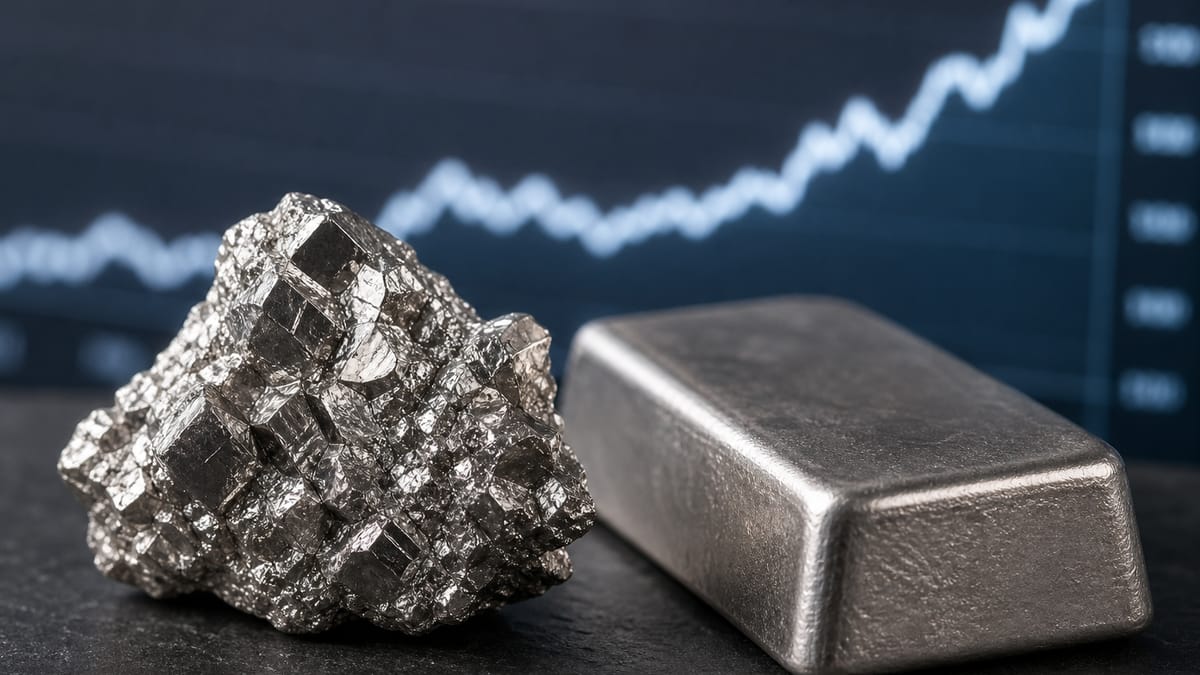
Die-Struck vs. Die-Cast: Understanding Coin Production

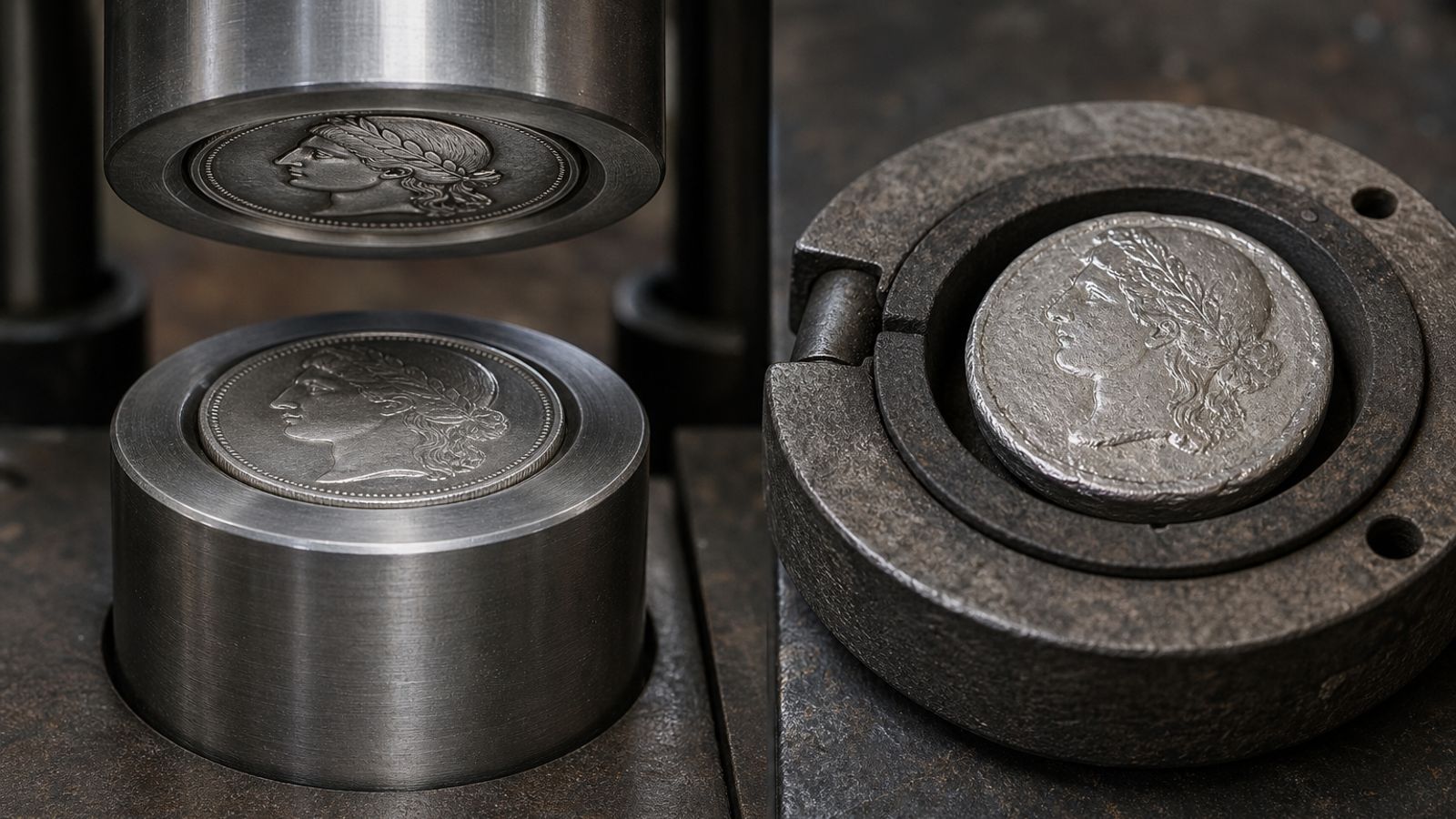
The method used to manufacture a coin has a profound impact on its quality, detail, and durability. The two primary methods are die-striking and die-casting, with die-striking being the universal standard for legal tender and high-quality bullion.
A Tale of Two Methods: Why the Difference is Everything
In the world of precious metals, not all coins are created equal. The difference between a master-crafted Swiss watch and a cheap plastic knockoff isn't just in the materials; it's in the process. Similarly, the method used to manufacture a coin has a profound and permanent impact on its quality, detail, durability, and ultimate value. The two primary methods are die-striking and die-casting. To a casual observer, the end products might seem similar, but to a trained eye, they are worlds apart. Understanding this difference is the most fundamental skill for any serious investor, as it is the key to distinguishing a genuine asset from a worthless imitation.
🧭 Insight from PeerMetals: Our marketplace is built on a foundation of authenticity, and that authenticity begins with the manufacturing process. We believe that an educated investor is an empowered investor. Knowing how a coin is made allows our users to appreciate its quality, identify red flags, and transact with a much higher degree of confidence. This knowledge is the community's first line of defense against fraud.
The Die-Struck Method – The Hallmark of Quality and Trust
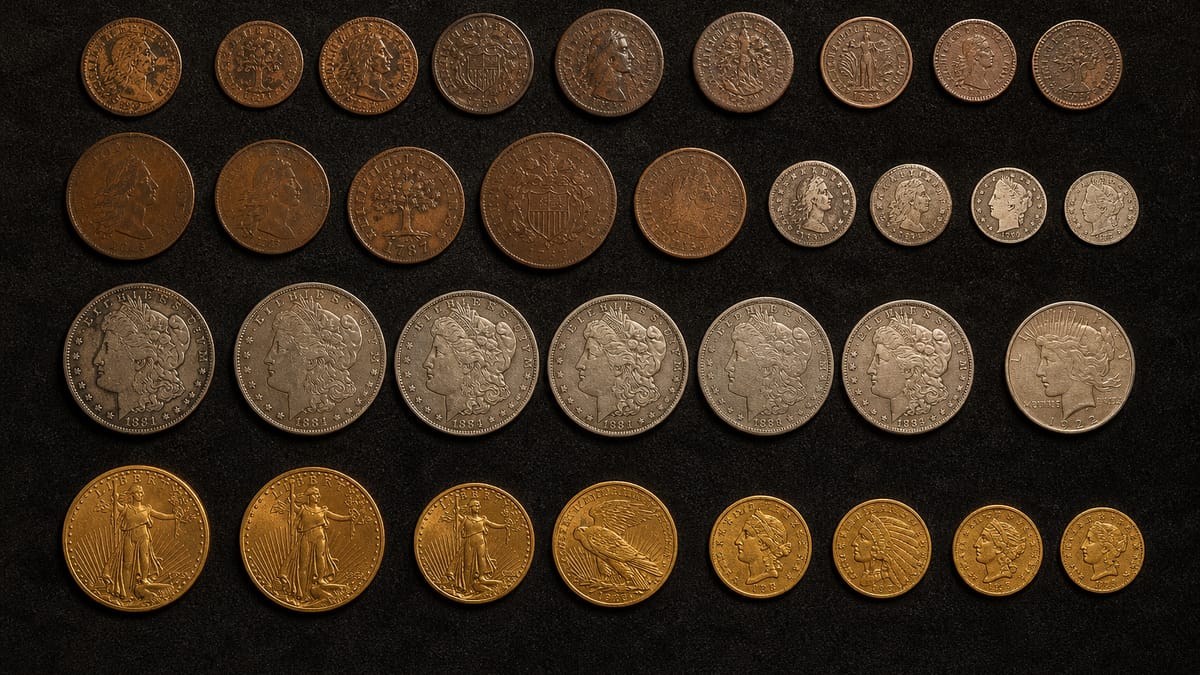
Die-striking is the universally accepted method for creating all legal tender currency, investment-grade bullion, and high-quality numismatic coins. It is a "cold" process that uses immense force to shape solid metal, resulting in products of unparalleled detail and integrity.
The Intricate Process: A Symphony of Force and Precision
The creation of a die-struck coin is a multi-stage marvel of engineering:
-
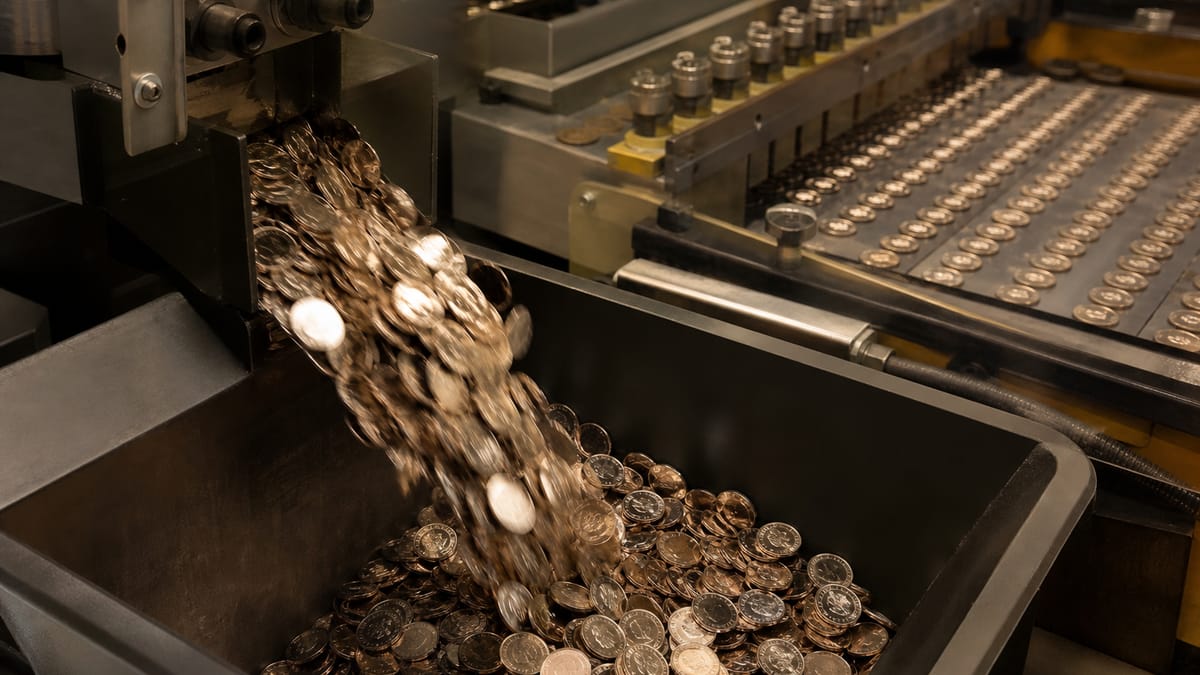
Blanking: The process begins not with liquid metal, but with a solid strip of precious metal that has been rolled to a precise thickness. Round blanks, called planchets, are punched out from this strip.
-
Annealing and Polishing: These planchets are heated in an annealing oven to soften the metal, then they are washed and polished in a tumbler filled with specialized media to create a clean, flawless surface.
-
The Upset Mill: The planchets are then fed through an upsetting mill, a machine that creates the slightly raised rim on the edge of the coin. This rim frames the design and protects the coin's main surfaces from wear.
-
The Strike: This is the moment of creation. The prepared planchet is fed into a coining press. It is held in place by a collar die, which imparts the reeded or smooth edge. Then, with unimaginable force—often hundreds of tons of pressure—the obverse (front) and reverse (back) dies strike the planchet simultaneously. This immense pressure forces the solid metal to flow like a liquid into every microscopic crevice of the dies, instantly creating the final design. This process also significantly hardens the metal through a phenomenon called "work hardening," making the final coin extremely durable.
The Visual Clues: What to Look For
A die-struck coin has several unmistakable characteristics:
-
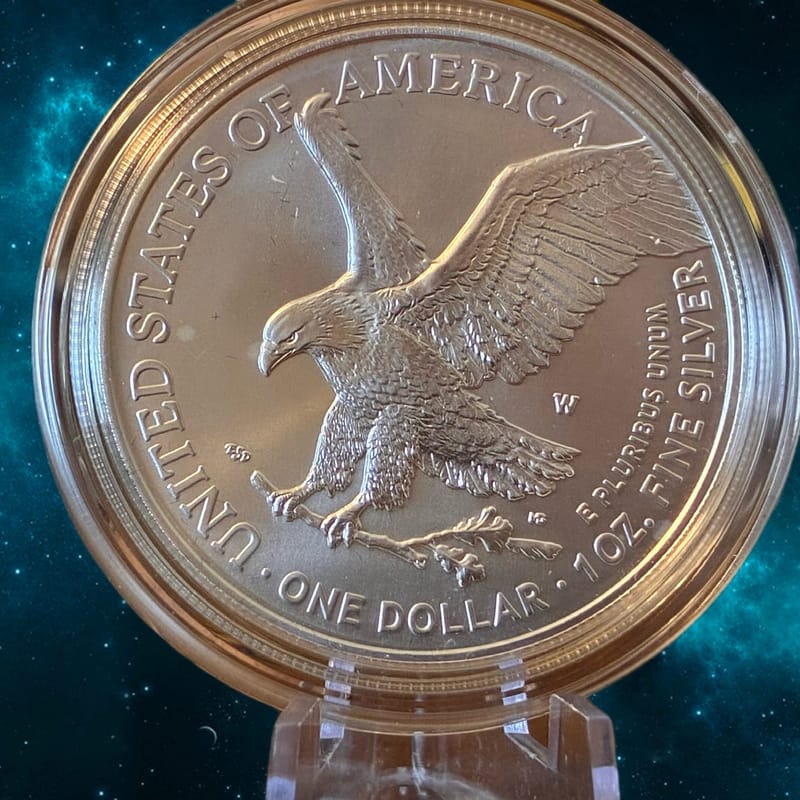
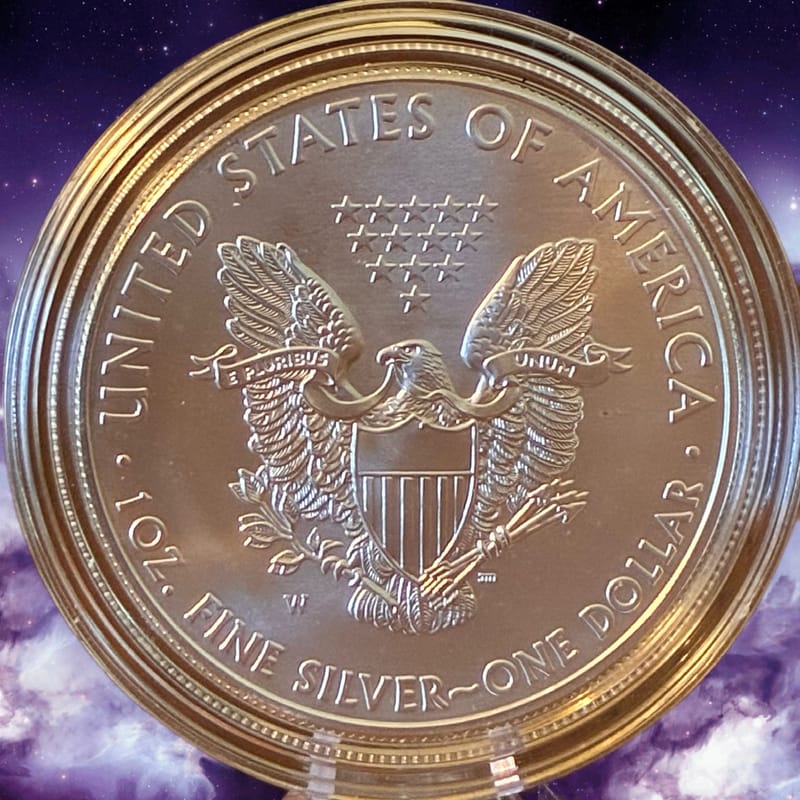
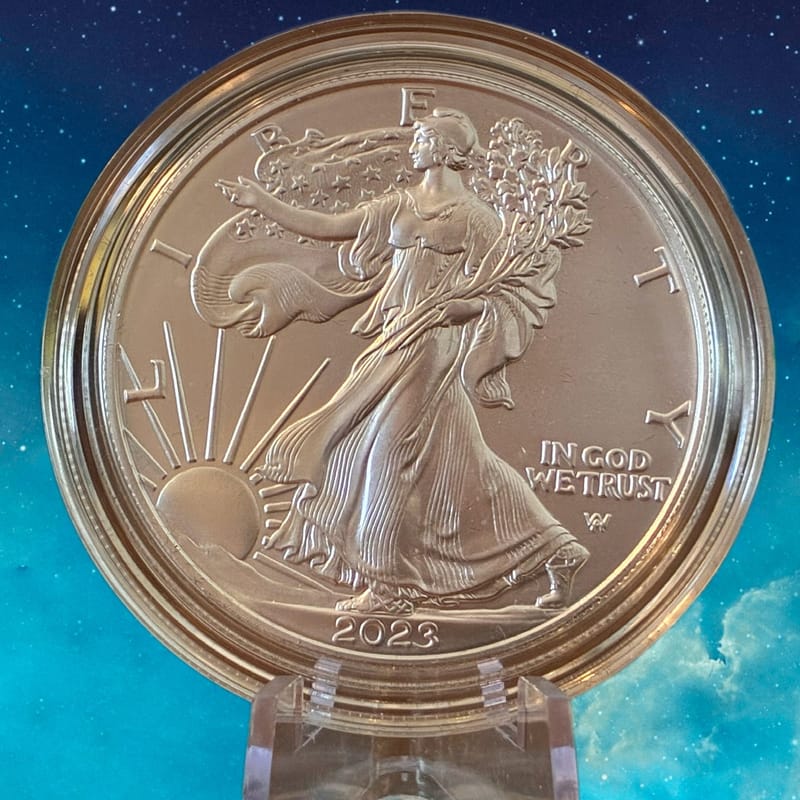
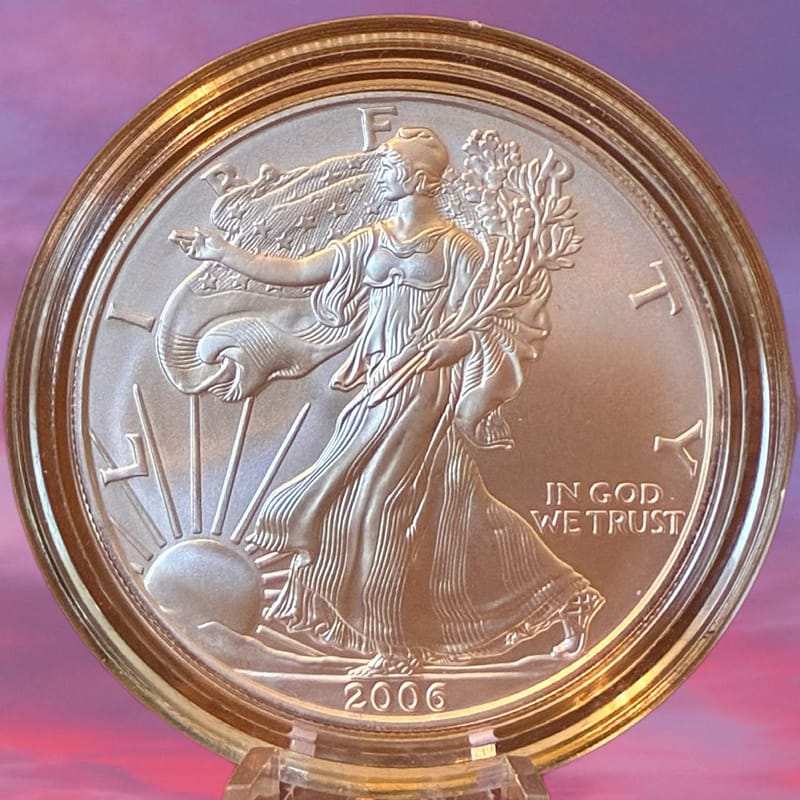
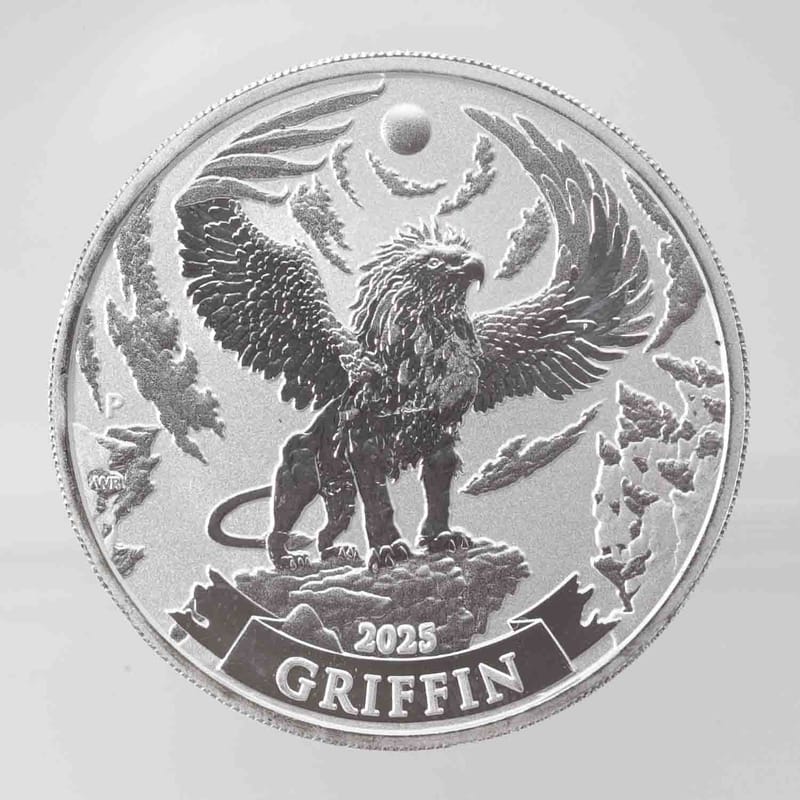
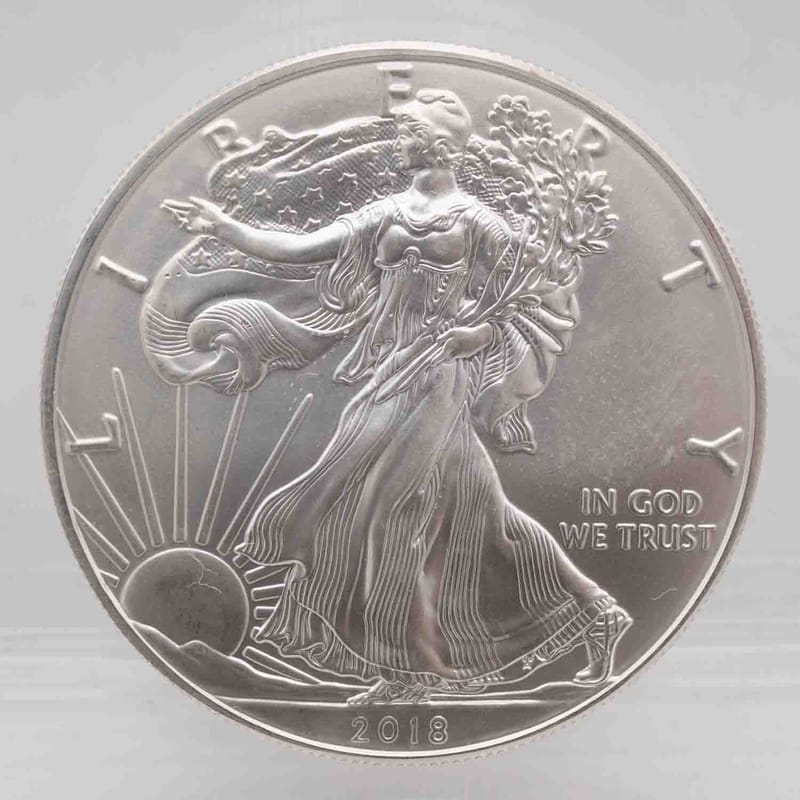
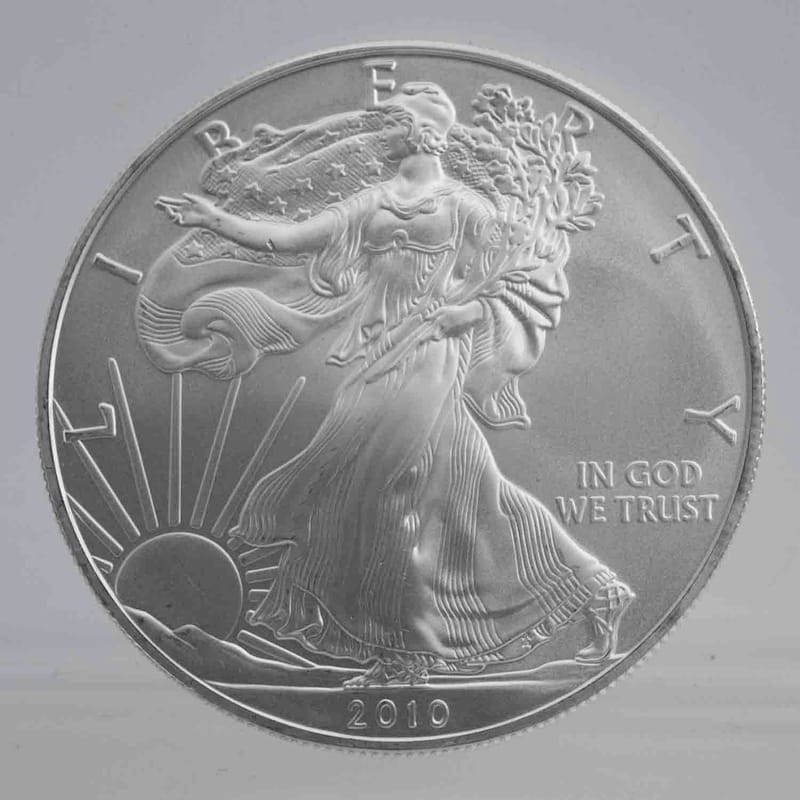
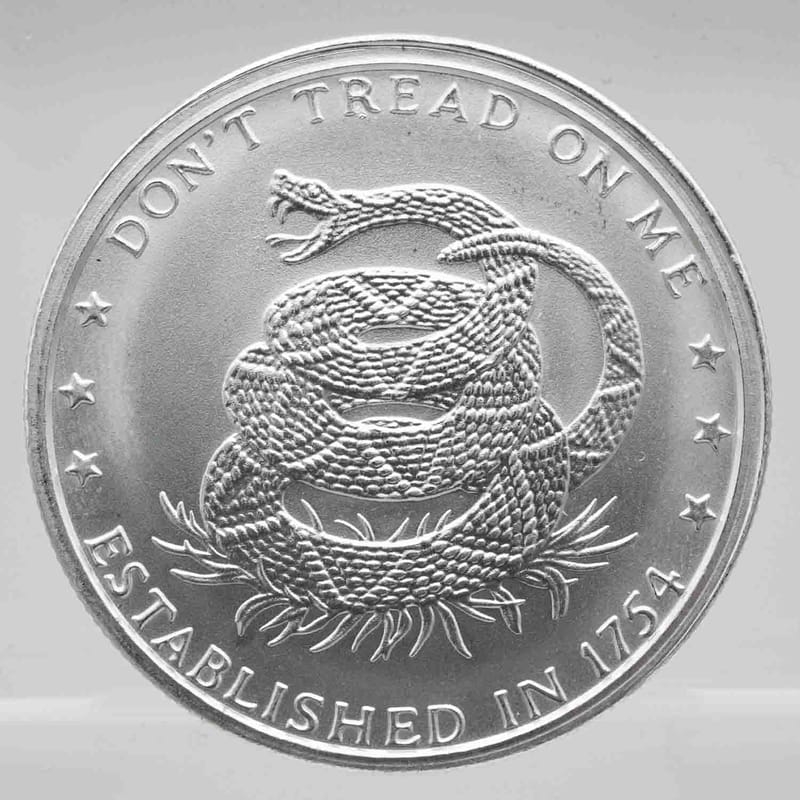
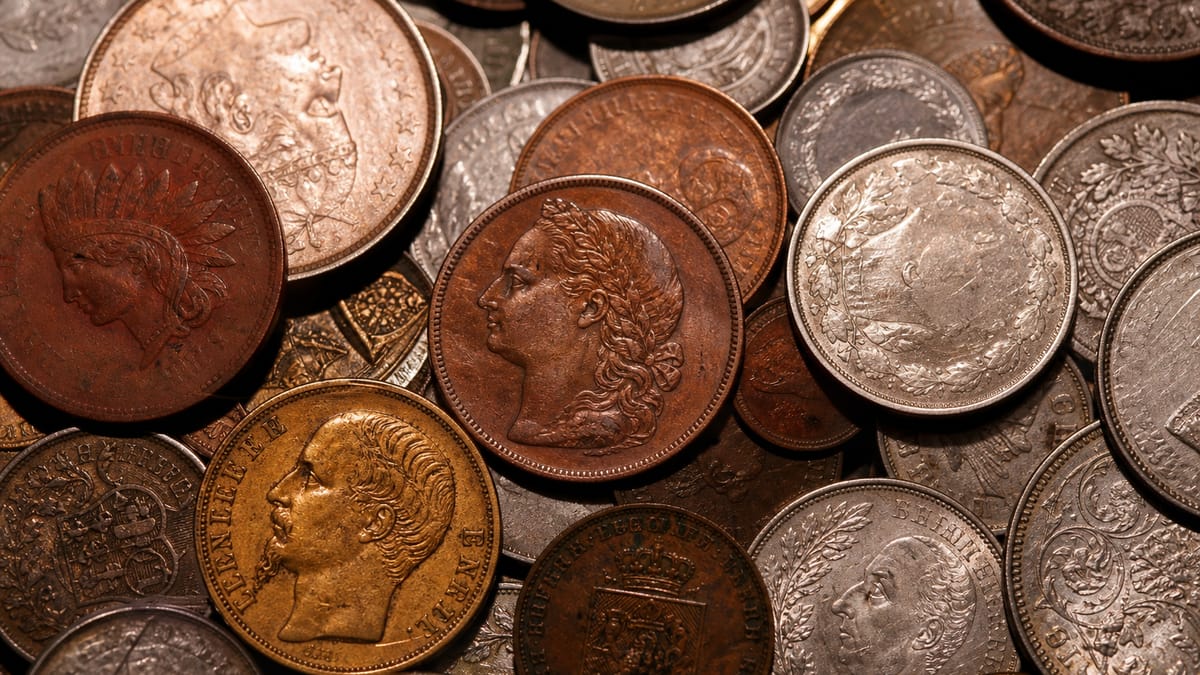
Sharp, Exquisite Detail: The pressure creates incredibly crisp, fine details. You can see individual hair strands on a portrait or delicate feathers on an eagle.
-
Lustrous Fields: The flat background surfaces, or "fields," are typically smooth and possess a unique luster that reflects light in a cartwheel pattern.
-
Metal Flow Lines: Under magnification, you can sometimes see microscopic lines radiating from the center of the coin, evidence of the metal flowing outward during the strike.
-
A Perfect, Strong Rim: The rim created by the upset mill is uniform and well-defined.
🧭 Insight from PeerMetals: The characteristics of a die-struck coin are the language of trust in our marketplace. The sharp details, the distinct luster, the crisp rim—these are the features that our experienced users look for as proof of authenticity. They are verifiable marks of quality from a reputable mint, giving buyers the confidence they need to purchase from a peer, sight unseen.
The Die-Cast Method – The Realm of Replicas and Fakes
Die-casting is the opposite of die-striking. It is a "hot" process where molten metal is poured into a mold. While it is a fast and inexpensive manufacturing method, it is fundamentally incapable of producing the quality and detail required for investment-grade products.
The Simple Process: Pouring and Cooling
-
The Mold: A mold is created with the negative impression of a coin's design. These molds are often made from plaster, silicone, or other materials that cannot hold the same fine detail as a steel die.
-
The Pour: Molten metal—often a cheap base metal like zinc, lead, or brass—is poured or injected into the mold.
-
Cooling and Removal: The metal cools and solidifies into the shape of the coin. It is then removed from the mold.
The Telltale Signs: How to Spot a Cast Coin
A die-cast coin will almost always betray its low-quality origin with several telltale signs:
-
Soft, Mushy, or "Soapy" Details: The design will lack sharpness. Edges of letters and portraits will appear rounded and indistinct.
-
Porous or Pitted Surface: As the molten metal cools, tiny bubbles can form, leaving the surface with a porous or slightly pitted texture. It will lack the smooth luster of a struck coin.
-
A Casting Seam: Look closely at the edge of the coin. Cast coins are often made in a two-part mold, which leaves a thin line or seam around the coin's circumference where the two halves of the mold meet. This is one of the most definitive signs of a fake.
-
The Sprue Mark: A sprue is the channel through which the molten metal is poured into the mold. After the coin cools, this sprue is broken or clipped off, often leaving a small, rough nub or flat spot on the edge.
🧭 Insight from PeerMetals: Knowledge is the best defense. We empower our community by teaching them how to spot the red flags of a die-cast fake. The mushy details, the casting seam, the sprue mark—these are the warning signs that protect a buyer from fraud. When our users are educated about these signs, it creates a safer ecosystem for everyone and makes it incredibly difficult for counterfeiters to operate on our platform.
Head-to-Head Comparison: The Definitive Breakdown
| Feature | Die-Struck (Authentic Bullion) | Die-Cast (Replicas/Counterfeits) |
| Process | A solid metal planchet is struck with immense pressure. | Molten liquid metal is poured into a mold. |
| Metal State | Solid (Cold-Working) | Liquid (Hot-Working) |
| Pressure | Hundreds of tons. | Minimal (gravity or low injection pressure). |
| Detail Quality | Extremely sharp, fine, and intricate. | Soft, rounded, mushy, or "soapy." |
| Surface Finish | Smooth, lustrous, often with "cartwheel" effect. | Can be porous, pitted, or unnaturally grainy. |
| Key Indicators | Crisp lettering, strong rim, metal flow lines. | Casting seam on the edge, sprue marks, lack of detail. |
| Common Use | Official currency, investment bullion, proof coins. | Replicas, costume jewelry, tokens, counterfeit coins. |
| Investment Grade | Yes. The global standard for all precious metals. | No. Has no intrinsic or numismatic value beyond the scrap base metal. |
Why This Distinction is Crucial for Every Investor
Understanding this technical difference translates directly into protecting your wealth.
-
Authenticity and Security: Die-striking is an industrial process requiring massive, expensive machinery. It is incredibly difficult to replicate perfectly. Die-casting, however, is cheap and easy, making it the preferred method for counterfeiters. Being able to spot a cast coin is your number one tool for counterfeit detection.
-
Liquidity and Resale Value: A genuine, die-struck coin from a reputable mint has a global, liquid market. Buyers are confident in its authenticity. A die-cast copy has zero liquidity in the precious metals market. No reputable dealer or knowledgeable investor will ever purchase one.
-
Preserving Numismatic Worth: The entire science of coin grading is based on analyzing the microscopic details and surface quality of a die-struck coin. The factors that give a coin a high grade—and thus a high collector value—simply do not exist on a cast coin.
🧭 Insight from PeerMetals: The integrity of our marketplace depends on the community's collective ability to recognize and demand authentic, die-struck products. The high resale value and liquidity of genuine coins are what make for a dynamic and healthy trading environment. By providing a platform where only authentic items are tolerated, we ensure that every user—buyer and seller alike—is participating in a market of true, lasting value.
🧭 Final Thoughts from PeerMetals
The choice between a die-struck and a die-cast coin is a choice between craftsmanship and compromise, between a genuine asset and a worthless copy, between enduring value and immediate disappointment. The meticulous, high-pressure art of die-striking is what imbues a precious metal product with the trust and integrity an investor deserves. At PeerMetals, our platform is a celebration of this quality. We are committed to fostering a community that understands, appreciates, and exclusively trades in authentic, die-struck assets, ensuring that every transaction is built on a foundation of verifiable quality.
Invest with confidence. Shop our marketplace for authentic, die-struck gold, silver, and platinum products from trusted sellers at PeerMetals today!