What Is the Minting Process? From Art to Asset

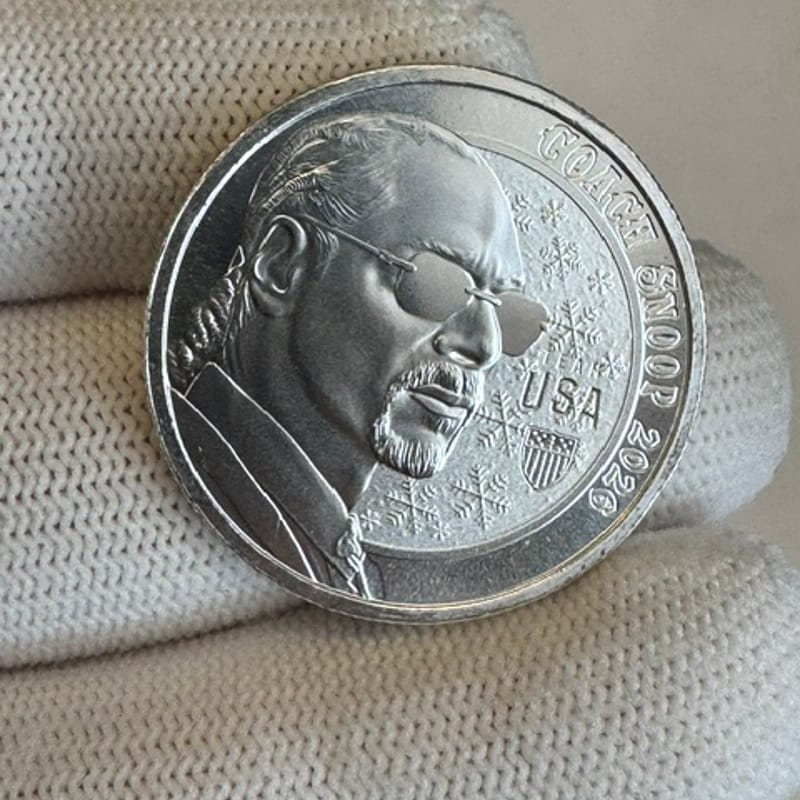
When you hold a freshly struck gold or silver coin, you are holding the culmination of a long and fascinating process. It is a journey that transforms raw, unformed metal into a globally recognized store of value—an object of art, a piece of history, and a tangible asset.
The minting process is far more than simply stamping a design onto a piece of metal. It is a meticulous and highly controlled procedure where artistic vision meets industrial precision. Understanding this process is essential for any serious investor, as it reveals why we place so much trust in these items and how their value is fundamentally guaranteed.
This definitive guide from PeerMetals will walk you through each stage of this remarkable transformation, revealing how a simple concept becomes a cornerstone of your portfolio.
The Genesis - Concept, Design, and Sculpture
Every great coin or bar begins not in a furnace, but in the mind of an artist. This initial stage is where the identity and story of the product are born.
-
The Concept and Sketch: The process starts with an idea. A mint decides to create a new coin—perhaps to commemorate a national event, celebrate wildlife, or continue a flagship series. Artists then submit detailed sketches, which are reviewed for their aesthetic appeal, historical significance, and suitability for coinage.
-
The 3D Sculpture: Once a design is approved, it must be translated from a two-dimensional drawing into a three-dimensional form. Traditionally, this was done by hand-sculpting a large plaster or clay model, often many times the size of the final coin. This large scale allows the artist to craft incredibly fine details that would be impossible to create at actual coin size. Today, many mints use a combination of physical sculpting and advanced digital design software to create a 3D model.
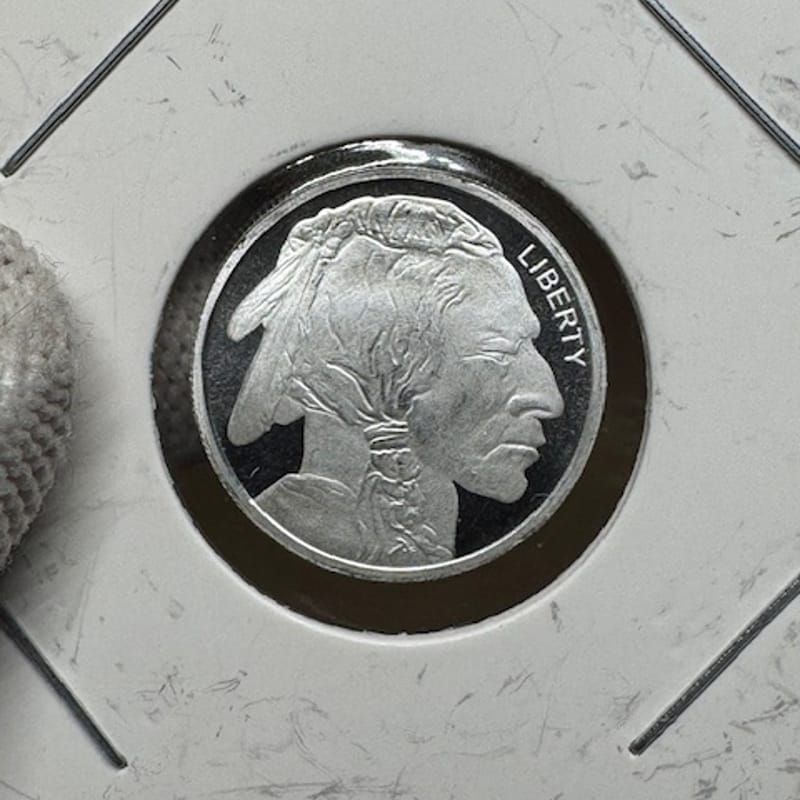
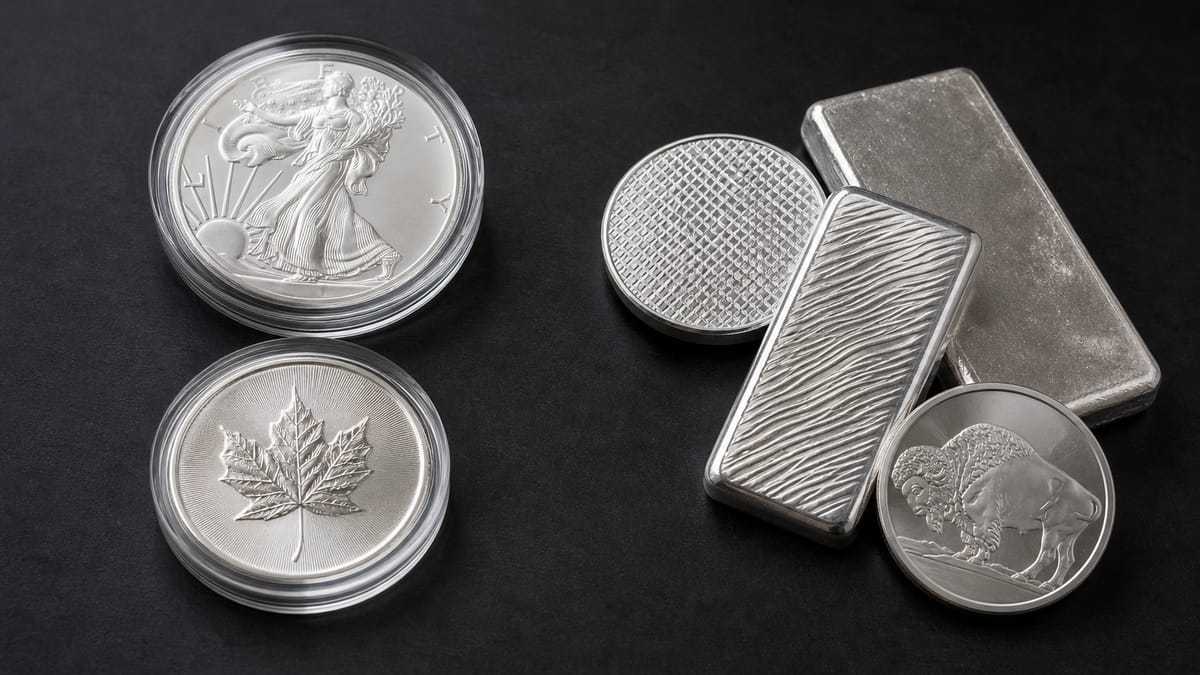
This artistic foundation is critical. The design of a coin like the American Eagle or the Canadian Maple Leaf is not just decoration; it is a globally recognized symbol of authenticity and national pride.
PeerMetals Insight:
"The artistry of a coin is the first layer of its value. It creates the brand identity and the emotional connection that can drive numismatic demand. For an investor, a well-executed and respected design is a key component of liquidity. It makes the coin instantly recognizable and trusted in markets all over the world, ensuring it can be bought or sold with ease."
Forging the Tools of Creation - The Hub and Die Process
Once the 3D model is finalized, the art must be transferred to the steel tools that will strike the coins. This is one of the most technically demanding steps in the entire process.
-
Creating the Hub: The 3D model is scanned by a computer-guided engraving machine, which perfectly carves the design into the end of a steel rod. This master tool, which has a positive, raised image of the design (just like the final coin), is called a hub.
-
Creating the Master Die: The hub, which has been hardened through heat treatment, is then pressed under immense pressure into the end of another steel rod. This creates a master die, which has a negative, recessed image of the design.
-
Creating the Working Dies: To preserve the master die, it is used to create multiple "working hubs," which are then used to create hundreds of "working dies." These working dies are the tools that will actually be used in the coining presses to strike the bullion.
This multi-step process is crucial for quality control and consistency. It ensures that every one of the millions of coins produced is a perfect replica of the original artistic vision.
PeerMetals Insight:
"The hub and die process is where artistic vision is converted into an industrial guarantee. This meticulous system ensures absolute uniformity across an entire mintage. For an investor, this means that the first American Silver Eagle struck in a given year is identical to the last. This consistency is the backbone of trust and verification in the bullion market."
Preparing the Canvas - Blank and Planchet Production
Simultaneously, while the dies are being prepared, the mint must create the raw material for the coins: the metal blanks.
-
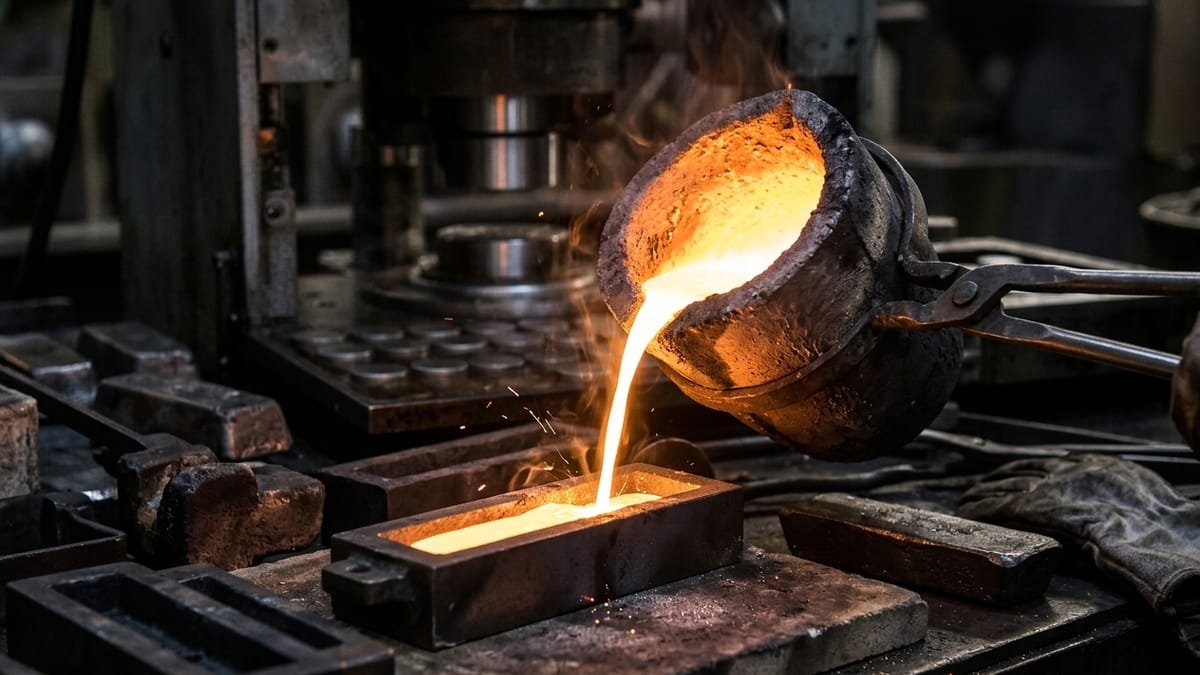
Melting and Casting: Large quantities of precious metal (gold, silver, platinum) of a specific, verified purity are melted in a furnace. This molten metal is then cast into large bars.
-
Rolling: These bars are passed through powerful rolling mills multiple times, gradually thinning them into long, thin strips of metal with a perfectly uniform thickness.
-
Blanking: The strips are then fed into a blanking press, which punches out round discs of metal. These are called blanks.
-
Annealing, Washing, and Upsetting: The blanks are hardened by the punching process, so they must be softened in an annealing furnace to ensure they will strike properly. They are then washed and polished to give them a brilliant surface. Finally, they pass through an upsetting mill, which creates the distinctive raised rim around the edge. At this stage, the blank officially becomes a planchet, ready for striking.
PeerMetals Insight:
"This stage is all about the physical guarantee of the product. The precise control over the alloy's purity and the planchet's weight ensures that when you buy a one-ounce gold coin, you are getting exactly one ounce of gold. This is the fundamental promise of bullion, and it is fulfilled long before the coin ever receives its design."
The Climax - Striking the Coin
This is the dramatic and instantaneous moment when the planchet becomes a coin.
-
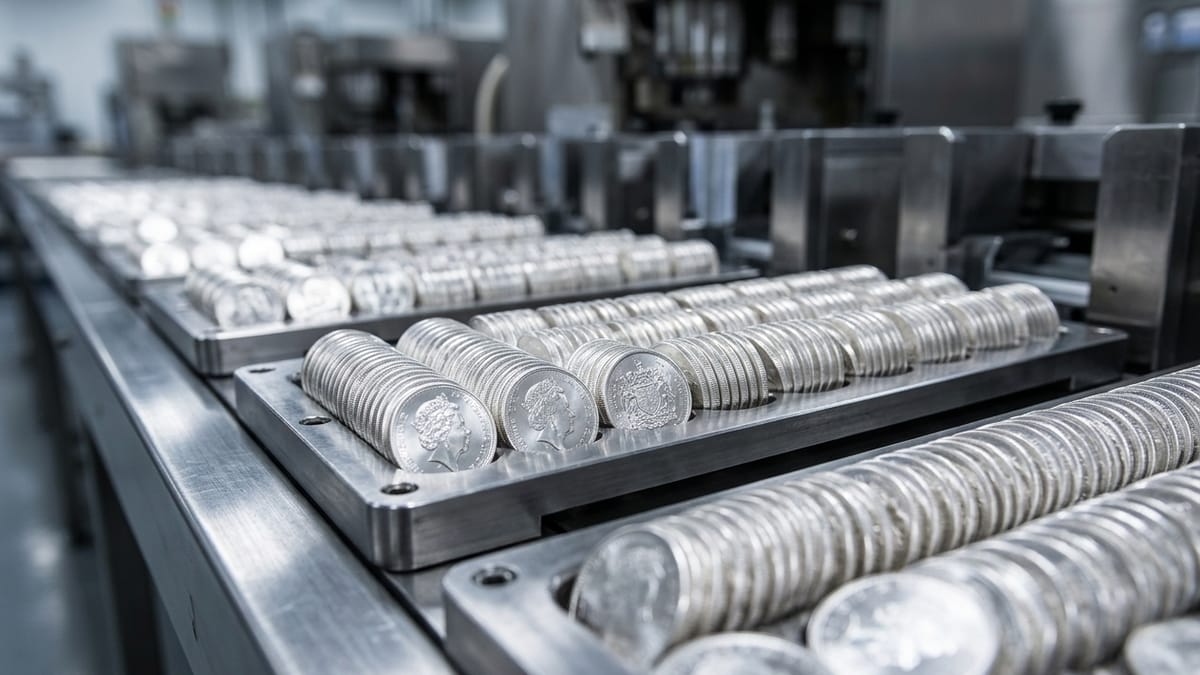
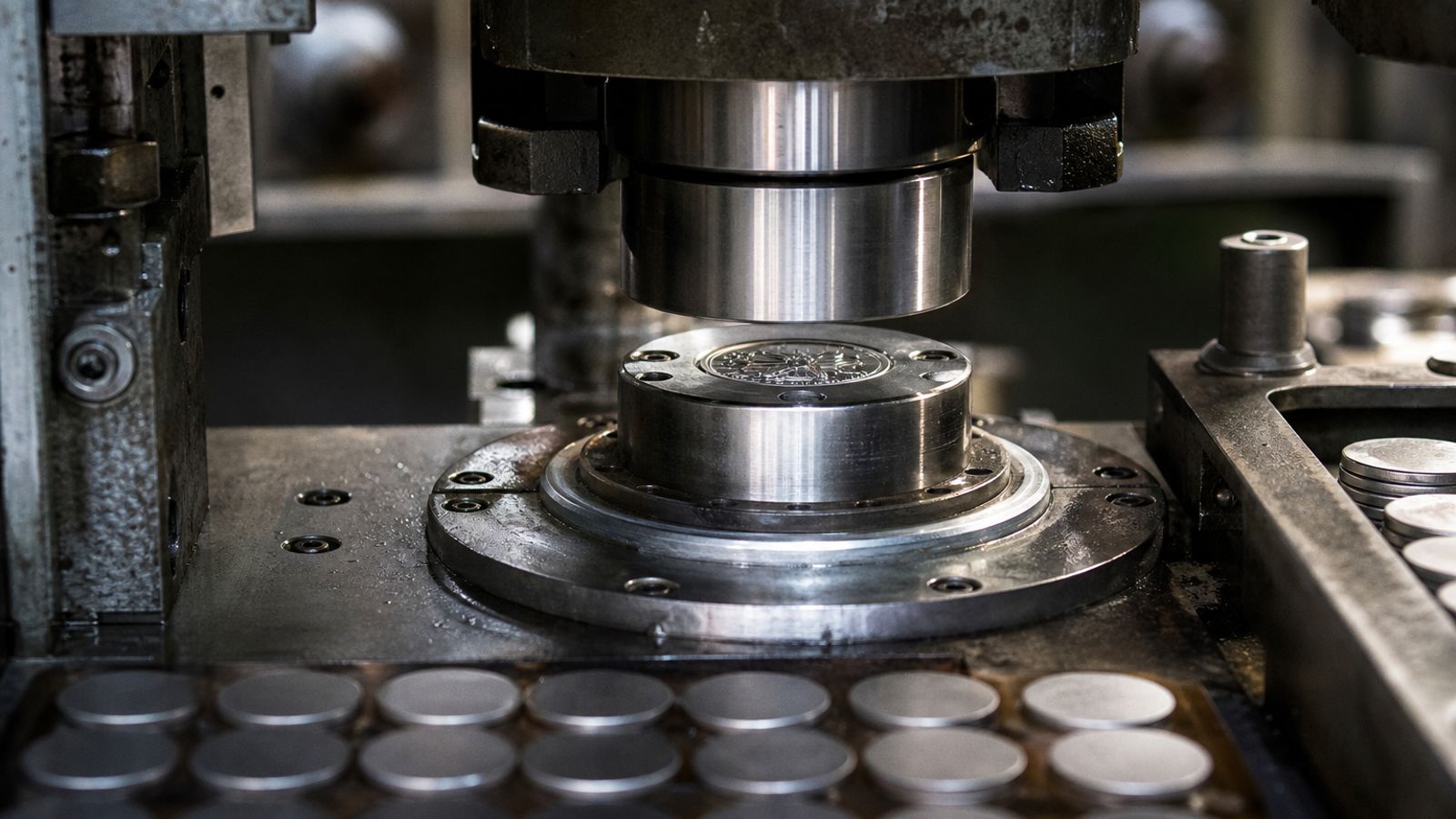
The Coining Press: Planchets are fed into a high-speed coining press. Each planchet is held in place by a circular steel collar, which can be smooth or reeded (to create the grooved edge on coins like the U.S. quarter).
-
The Strike: The two working dies (obverse and reverse) strike the planchet with hundreds of tons of force. This immense pressure causes the soft, annealed metal to flow instantly into every crevice of the die's design. The design is imparted to both sides, and the metal expands to fill the collar, creating the reeded or smooth edge, all in a fraction of a second.
-
Proof vs. Business Strike: A standard "business strike" coin is struck only once. A special "proof" coin, intended for collectors, is struck multiple times at lower speeds with specially polished dies to create a sharp, mirror-like finish.
For more information on the specific processes used by a major mint, you can visit the U.S. Mint's official "Watch the Process" page.
Minting Process at a Glance
| Step | Action | Purpose for the Investor |
| 1. Design | An artist creates a 2D and 3D model. | Creates brand identity, liquidity, and numismatic appeal. |
| 2. Die Making | The design is transferred to steel dies. | Ensures consistency and uniformity across millions of coins. |
| 3. Planchet Prep | Metal blanks are punched, softened, and rimmed. | Guarantees the exact weight and purity of the precious metal. |
| 4. Striking | The planchet is struck with dies under immense force. | Imparts the final design and creates a difficult-to-counterfeit finish. |
| 5. Inspection | Each coin is inspected for quality. | Protects the mint's reputation and ensures only perfect products reach the market. |
PeerMetals Insight:
"The strike is the moment of transformation—where a guaranteed weight of metal becomes a globally recognized asset. The immense pressure used in modern minting creates details and a luster that are incredibly difficult for counterfeiters to replicate. This physical security, created in an instant, is a key feature that protects the integrity of your investment."
PeerMetals Final Thoughts: A Process Forged in Trust
The journey from art to asset is a process defined by precision, quality control, and an unwavering commitment to standards. Each stage—from the artist's first sketch to the inspector's final glance—is designed to build layers of trust into the final product. This process is the reason why a government-issued coin is accepted on sight, its value unquestioned.
When you invest in a professionally minted coin or bar, you are not just buying a piece of metal. You are buying the culmination of this entire process: the artistic vision, the industrial precision, the guarantee of purity, and the seal of quality.
At PeerMetals, our marketplace is built upon the trust that this process creates. We provide a secure and transparent platform where these perfectly crafted assets can be traded with absolute confidence, connecting a community that understands and values the integrity forged into every single piece.
Ready to own a masterpiece of the minting arts? Explore our marketplace to find impeccably crafted bullion from the world's most trusted mints today!