The Royal Canadian Mint: History, Security Features, and Iconic Coins

The Royal Canadian Mint opened on January 2, 1908, in Ottawa, originally as a branch of Britain's Royal Mint established to strike coins for domestic Canadian circulation rather than shipping bullion to London. It became a fully independent Canadian Crown corporation in 1969, and today it's one of the world's largest and most technologically advanced mints -- both a sovereign coin producer and a major bullion refiner in its own right.
From colonial branch to independent mint
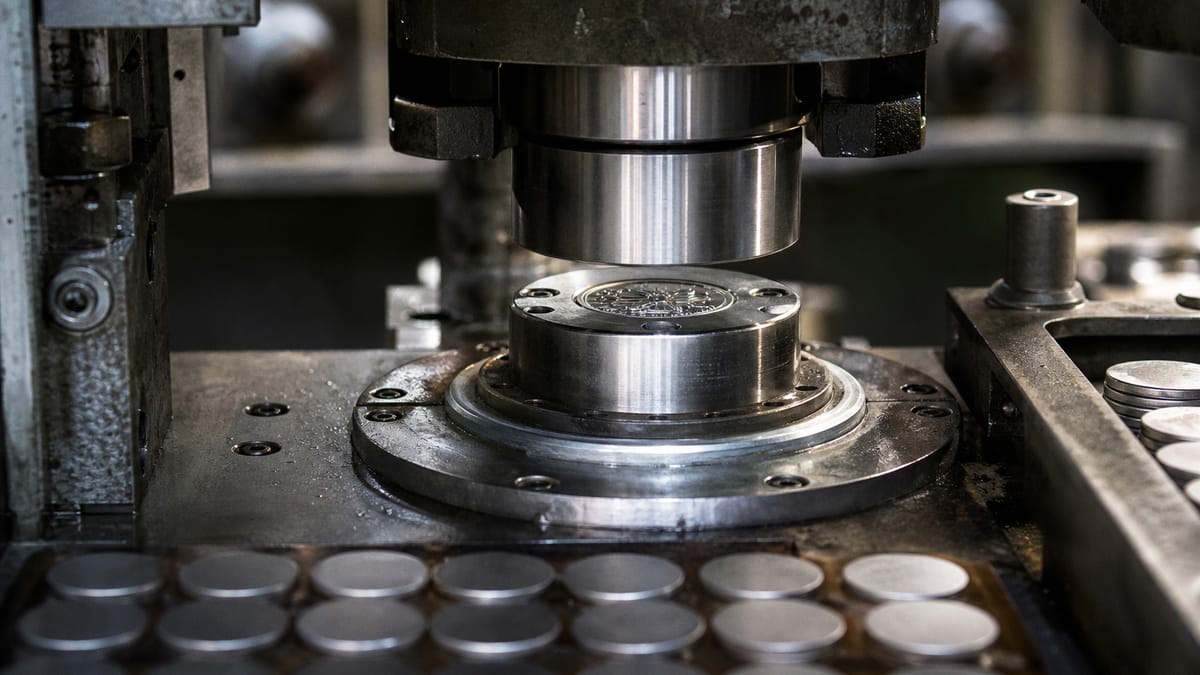
For its first six decades, the Ottawa facility operated as an arm of the British Royal Mint, striking Canadian coinage under that authority. The 1969 Royal Canadian Mint Act converted it into an independent Canadian Crown corporation, giving it full authority over its own coin designs, refining operations, and bullion programs -- the structural change that set up everything the Mint is best known for today. A second, high-volume production facility in Winnipeg now strikes circulation coinage (for Canada and dozens of other countries), while Ottawa handles refining, bullion, and numismatic production.
The Gold Maple Leaf and the purity race
The Canadian Gold Maple Leaf, launched in 1979, was the first widely available .999 fine gold bullion coin -- a direct, purer answer to the 91.67% Krugerrand -- and was raised to .9999 fine in 1982. That "four nines" standard became the Mint's calling card, and it didn't stop there: RCM has struck special issues at .99999 ("five nines") purity, a refining benchmark few institutions anywhere can hit. The Gold Maple Leaf remains one of the most globally traded gold bullion coins alongside the American Gold Eagle and the Krugerrand -- see its live melt value on our Gold Maple Leaf value chart.
The Big Maple Leaf: the million-dollar coin
In 2007 the Mint produced the Big Maple Leaf -- a 100 kg (3,215 troy oz) gold coin of 99.999% purity with a C$1 million face value, created to showcase the five-nines refining capability. Guinness World Records recognized it that year as both the world's largest gold coin and its purest. Six were struck in total; five were sold to investors and one remains with the Mint. The coin also owns one of numismatics' strangest footnotes: on March 27, 2017, the example on loan to Berlin's Bode Museum was stolen in a night burglary and is believed to have been melted down -- a reminder, at the highest possible price point, of why provenance and security matter in this market. (The "largest coin" title itself passed to the Perth Mint's one-tonne coin in 2011-12; the Big Maple Leaf remains the record holder for purity at its scale, and RCM revisited the concept with a 10 kg, .99999 fine C$100,000 coin in 2020.)
The Silver Maple Leaf and .9999 purity
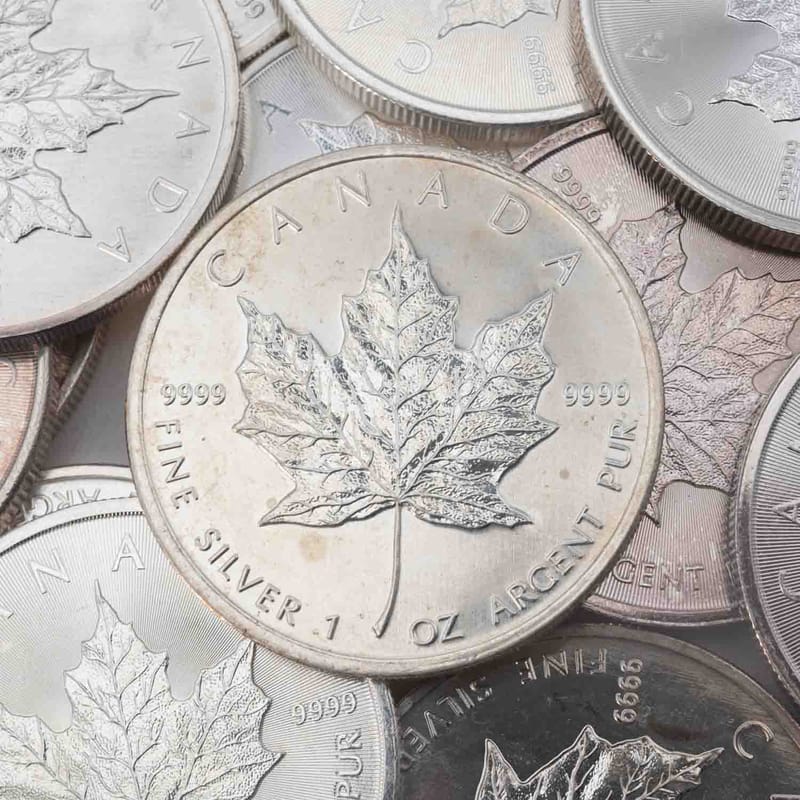
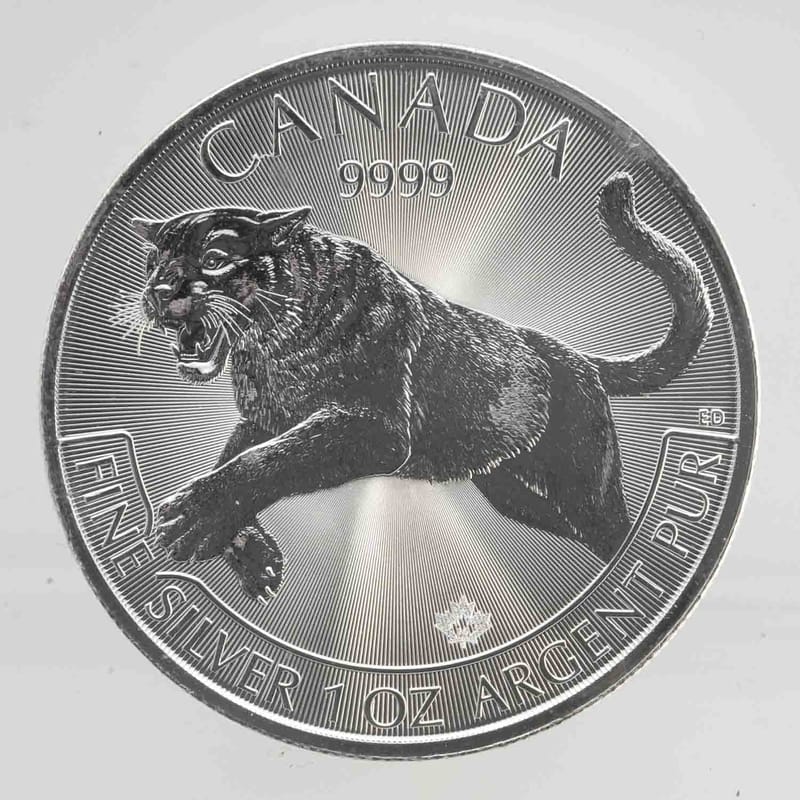
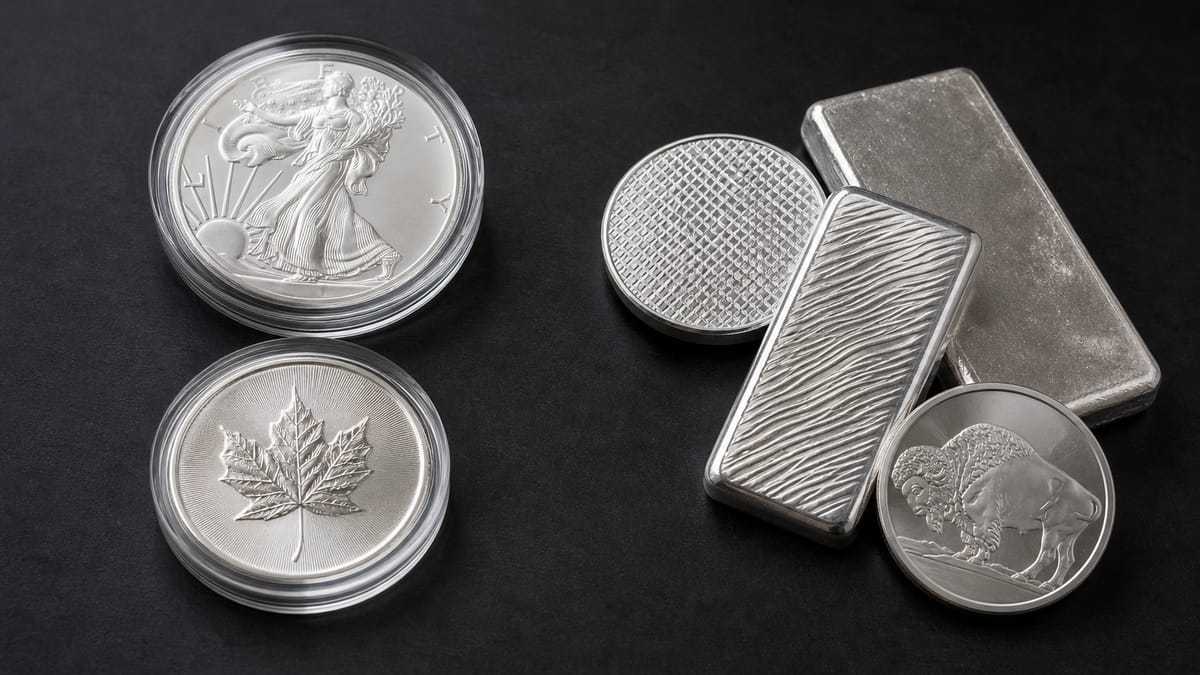
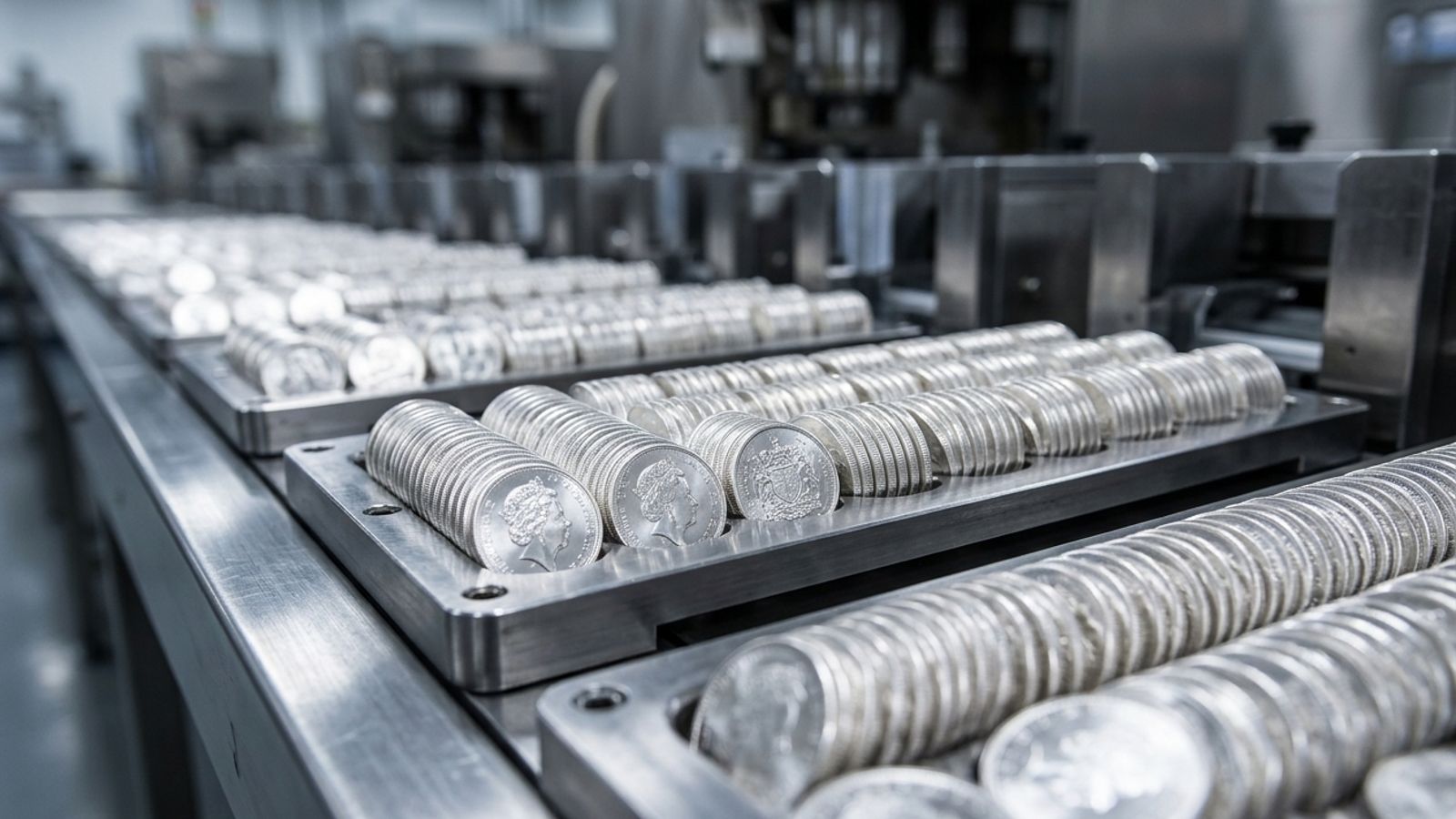
Introduced in 1988, the Canadian Silver Maple Leaf is the Mint's flagship bullion coin and remains the world's second best-selling silver bullion coin after the American Silver Eagle. Its defining feature is purity: struck at .9999 fine silver, a full "nine" higher than the Eagle's .999, which the Mint has used as a core selling point since launch. The reverse -- a single detailed maple leaf designed by Royal Canadian Mint engraver Walter Ott -- has stayed essentially unchanged since 1988, even as the obverse portrait has updated with each new monarch. Its live melt value runs on our Silver Maple Leaf value chart.
Security innovation
The Royal Canadian Mint has been a genuine industry leader in anti-counterfeiting technology, and its bullion line reads like a timeline of the industry's defenses:
- 2013-2014 -- micro-engraved radial lines and a laser-engraved micro-privy mark (a tiny maple leaf with the year, legible only under magnification) added to Maple Leaf coins, at a time few other mints matched either feature.
- Bullion DNA -- each Gold and Silver Maple Leaf die is registered so that dealers with an RCM reader can verify a coin's authenticity against the Mint's own database, coin by coin.
- MintShield (2018) -- a proprietary surface protection applied to Silver Maple Leafs to reduce "milk spots," the white haze that had long irritated silver stackers industry-wide; RCM was the first mint to ship a dedicated countermeasure.
Beyond bullion
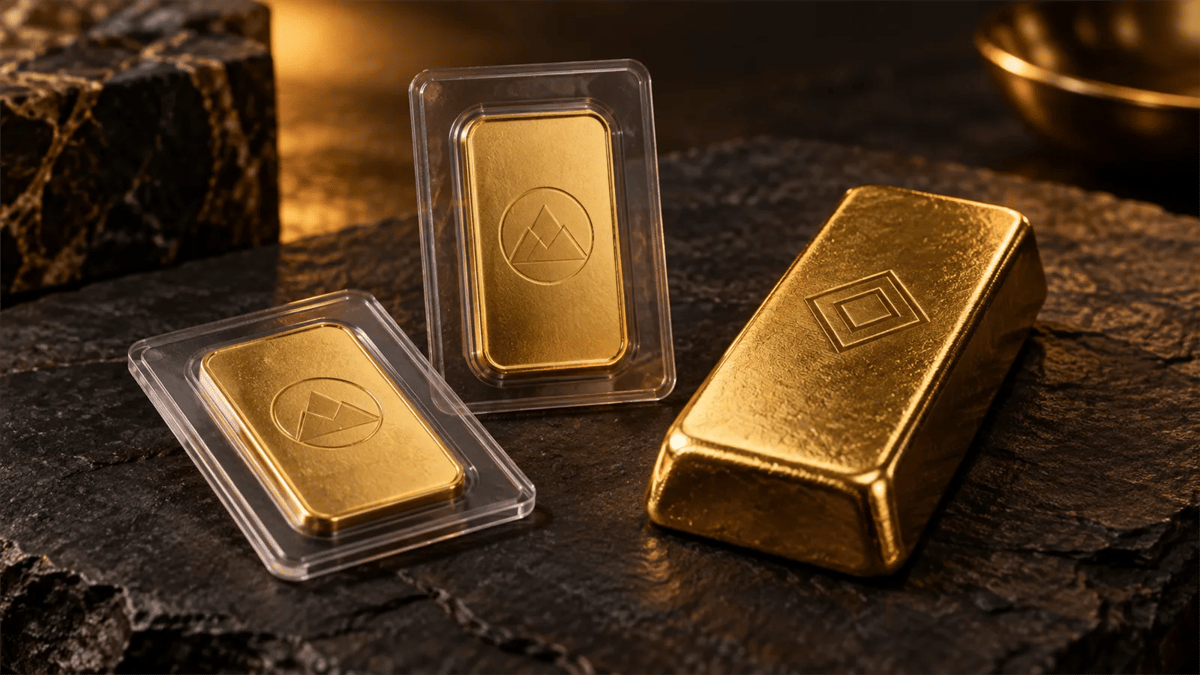
The Mint also produces Canada's circulating coinage, extensive commemorative and numismatic programs, and refines gold and silver into bars under its own brand. It is accredited on the London Bullion Market Association's Good Delivery List for both gold and silver, which means its bars and coins are recognized at the highest institutional level -- a meaningful factor in resale liquidity, since a buyer anywhere in the world can trust an RCM-stamped product without independent verification.
Why it matters to buyers
Purity leadership, verifiable per-coin security, and LBMA accreditation add up to the same practical benefit: RCM products are among the easiest bullion items in the world to resell. Alongside the Perth Mint and the U.S. Mint, the Royal Canadian Mint anchors the short list of producers whose stamp alone settles most authenticity questions before they're asked.
Sources: Royal Canadian Mint, official corporate history and product documentation (mint.ca, retrieved 2026-08-25); Royal Canadian Mint Act, 1969; Kitco and Wikipedia, "Big Maple Leaf" (2007 coin: 100 kg, 99.999% pure, C$1M face value, five sold, Guinness recognition 2007, Bode Museum theft March 27, 2017 -- retrieved 2026-08-26); RCM security-feature documentation (radial lines/micro-privy 2013-2014, Bullion DNA, MintShield 2018).