Why Silver Is the People's Metal

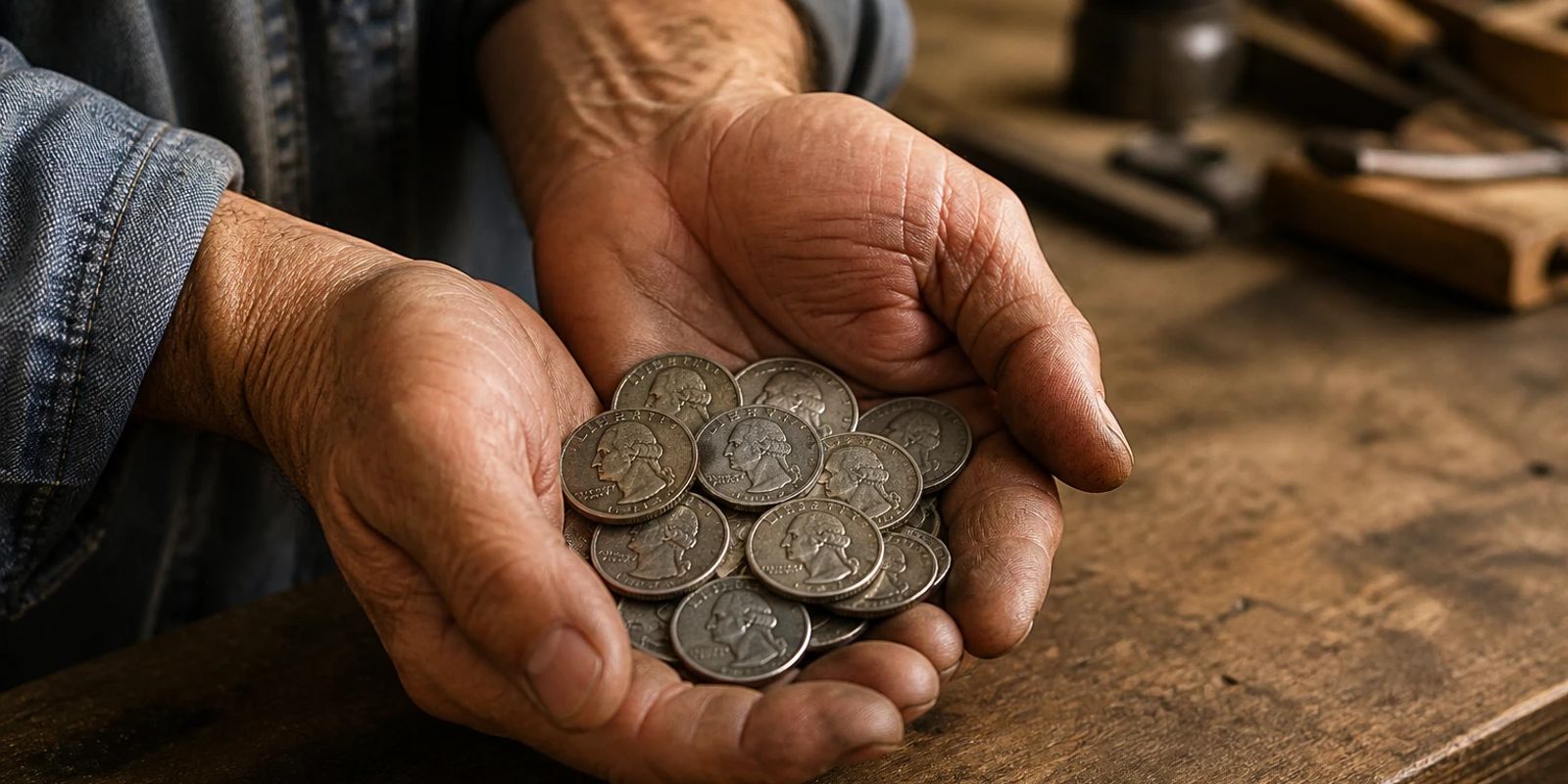
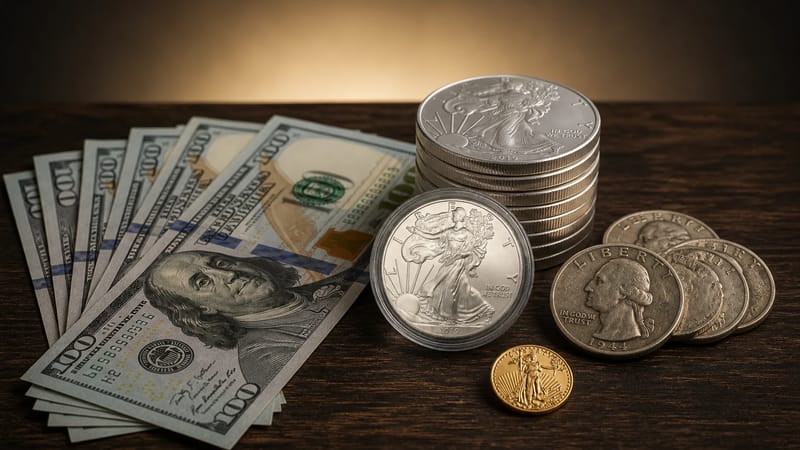
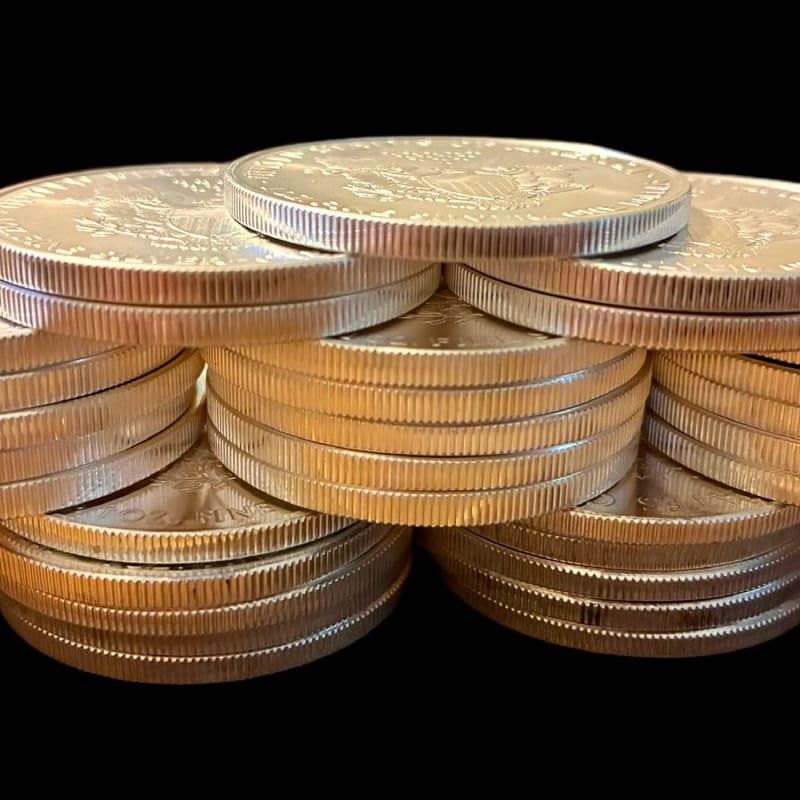
Every metal has a reputation. Gold's is power — central banks, vaults, dynastic wealth. Silver's has always been something earthier: the coin in the working person's pocket, the metal that circulated at street level for most of monetary history. The nickname "poor man's gold" was coined as a dismissal. Stackers have spent decades turning it into a compliment — because the properties that make silver "poor man's" are exactly the properties that make it useful.
Accessible by design
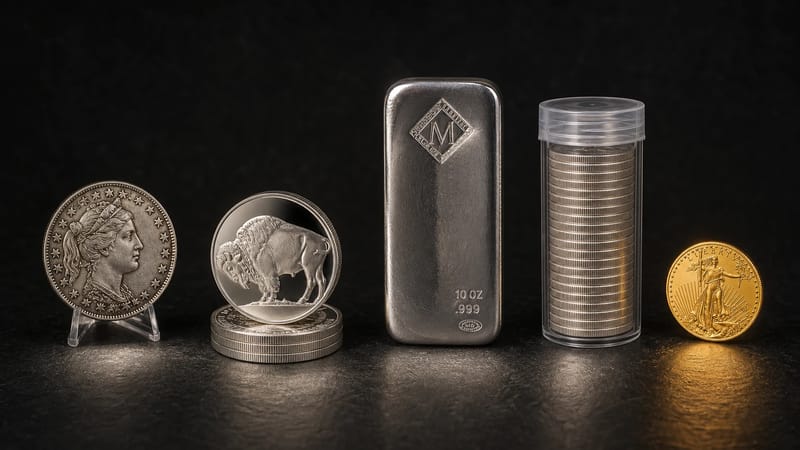
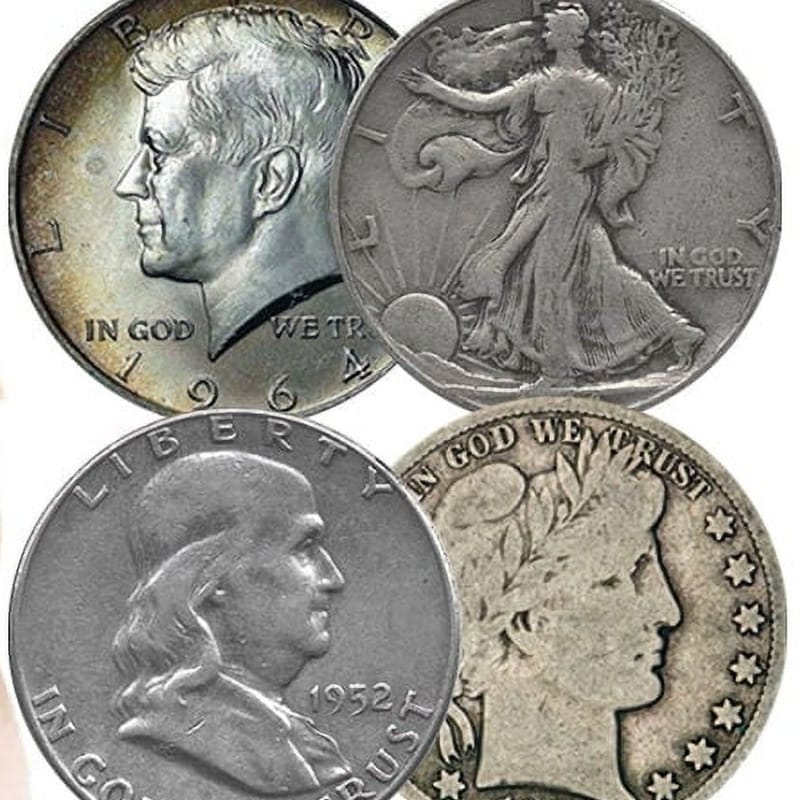
The most obvious meaning: silver is where almost everyone starts. A full ounce costs less than a dinner out; a junk-silver dime costs pocket change. You can begin with one coin, build slowly, add often — no lump sum, no account minimum, no permission. Gold stores big value; silver lets ordinary budgets build value, which is why nearly every stacker's first metal is silver and why the on-ramp guides (your first $1,000, milestones) are effectively silver guides.
And the "poor man's" label hides a market fact: in strong runs, silver has historically outperformed its aristocratic sibling. In 2025 silver rose roughly 148% against gold's 54%. Gold moves first; silver moves harder — a smaller market with an industrial demand engine attached. The people's metal is also, frequently, the performance metal.
Two metals, two jobs in a crisis
Here's the nuance most headlines miss: gold and silver don't behave the same when things break. Gold is treated as pure safety — panic money flows into it immediately. Silver is half industrial, so the first wave of a crisis often knocks it down with the economy before the monetary bid catches up, at which point it has historically closed the gap fast and sometimes overshot. Same crisis, two scripts. Stackers who know both scripts stop being surprised by act one.
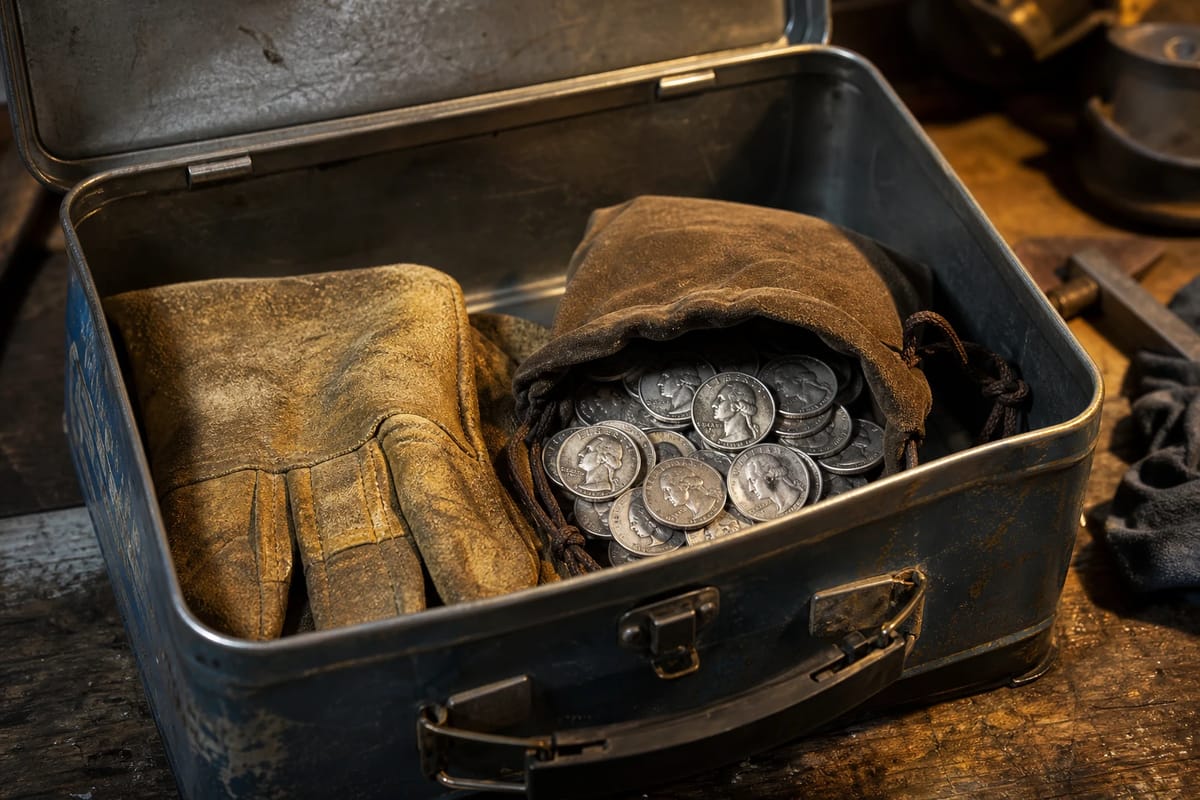
The deeper division of labor: gold protects big wealth — dense, compact, one coin holding a month's wages. Silver protects daily life — small, divisible, instantly recognized. When systems slow down, people don't barter with apps or bars; they reach for metal they recognize in denominations that match bread, fuel, and favors. Silver was money at street level for centuries before banks existed, and the muscle memory never fully left the culture. It's why the divisible layer of a stack — the constitutional silver — is the part old-timers call "real money" without irony.
The complete strategy uses both
None of this is silver-versus-gold tribalism — if you only stack silver, you're missing half the strategy. Silver builds; gold holds. Silver fills the safe; gold fits in a hand. The community's standard arc is silver-first (weight, habit, upside), gold-later (density, stability), balanced by a ratio rule — the machinery of the gold-to-silver ratio and allocation blueprints. Even gold's own culture reinforces the split: gold is emphatically not for trading — you hold it, you don't flip it — while silver's volatility is where the action lives.
| Silver | Gold | |
|---|---|---|
| Role | Builds wealth, protects daily life | Stores wealth, anchors the stack |
| Entry point | One ounce or less — anyone | Meaningful even fractionally, dense at scale |
| Crisis behavior | Dips first, historically catches up hard | Immediate safe-haven bid |
| Demand mix | ~Half industrial (solar, electronics) | Almost purely monetary/jewelry |
| Volatility | High — cuts both ways | Comparatively calm |
A margin worth knowing: producing an ounce of silver costs miners on the order of $12–15; it has recently traded several times that. Gold's production cost runs near $1,700 against a four-figure price. When fear knocks the metals down, those mining margins are the reminder that the panic is in the price, not the physics.
The weekly-money argument
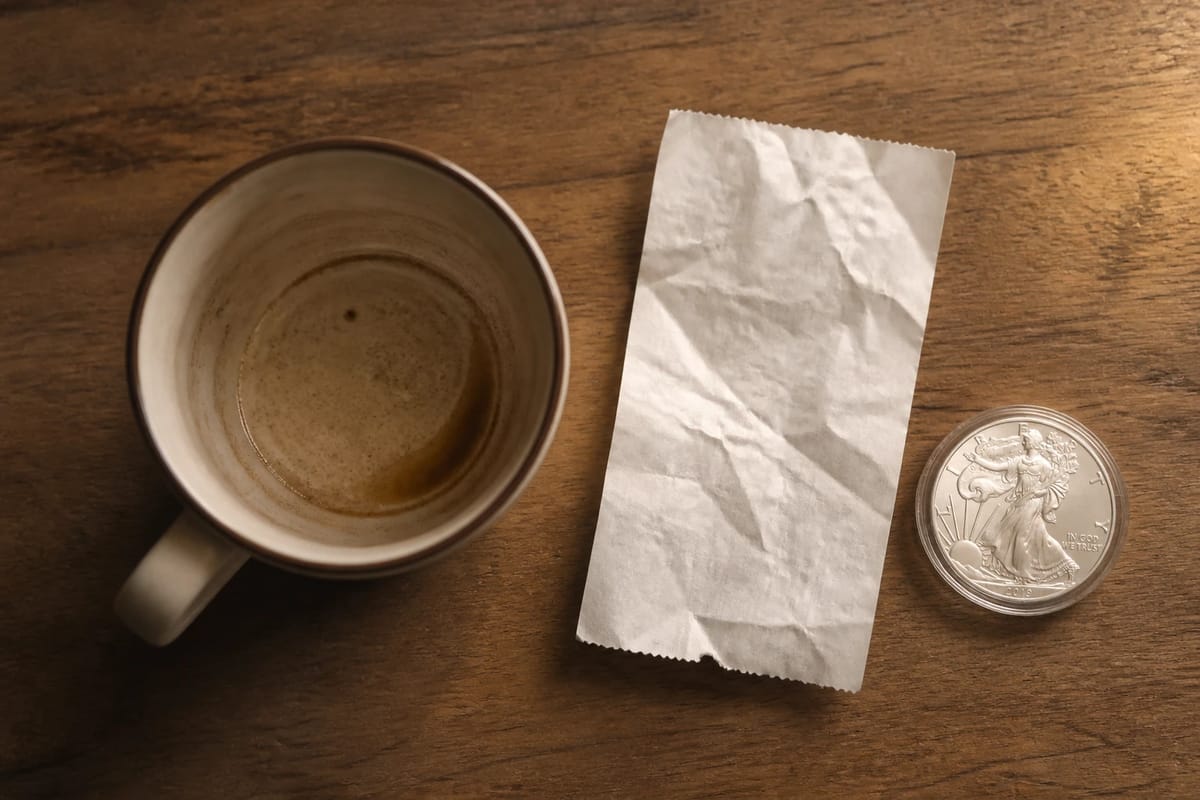
The most persuasive case for silver as the people's metal isn't historical — it's the $30–50 that evaporates from most budgets every week on subscriptions, impulse buys, and forgettable purchases. The same money is an ounce of silver most weeks. One version disappears; the other version is still in your hand in a decade. That reframe — not doom, not prediction, just where does the small money go — is how most working stackers explain why they started. The systems that turn it into a habit are in stacking systems.
Frequently asked questions
Is "poor man's gold" actually insulting?
Only if accessibility is an insult. The metal that lets a twenty-year-old start with one dime is doing something gold structurally can't. The community wears the name on purpose.
If silver outperforms in runs, why hold gold at all?
Because outperformance is symmetrical — silver falls harder too. Gold is the ballast that makes silver's volatility holdable. The pair is the strategy.
Does the industrial demand help or hurt?
Both, on different clocks: it drags silver down in recessions and underwrites the structural story long-term — half of all demand now, led by solar (the numbers live in the supply deficit guide).
Gold belongs to treasuries and vaults. Silver belongs to whoever shows up with a working person's budget and a schedule. That's not the consolation prize — that's the point.