Bullion vs. Collectible Coins: An Investor's Guide to Value

When you buy a precious-metals coin, you are paying for one of two very different things: a measured amount of metal, or a scarce object that collectors compete to own. The label on the holder rarely tells you which. This guide walks through the actual products on the market, what drives the price of each, and how to read a listing so you know exactly what your money is buying.
Bullion: paying for the metal
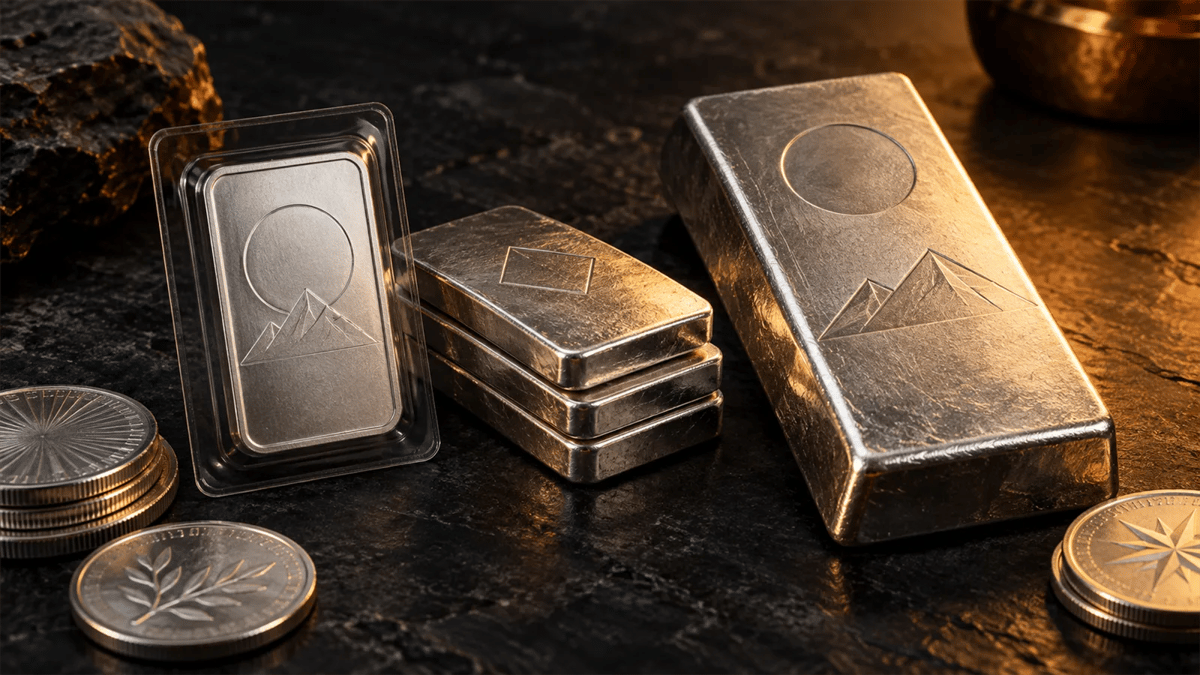
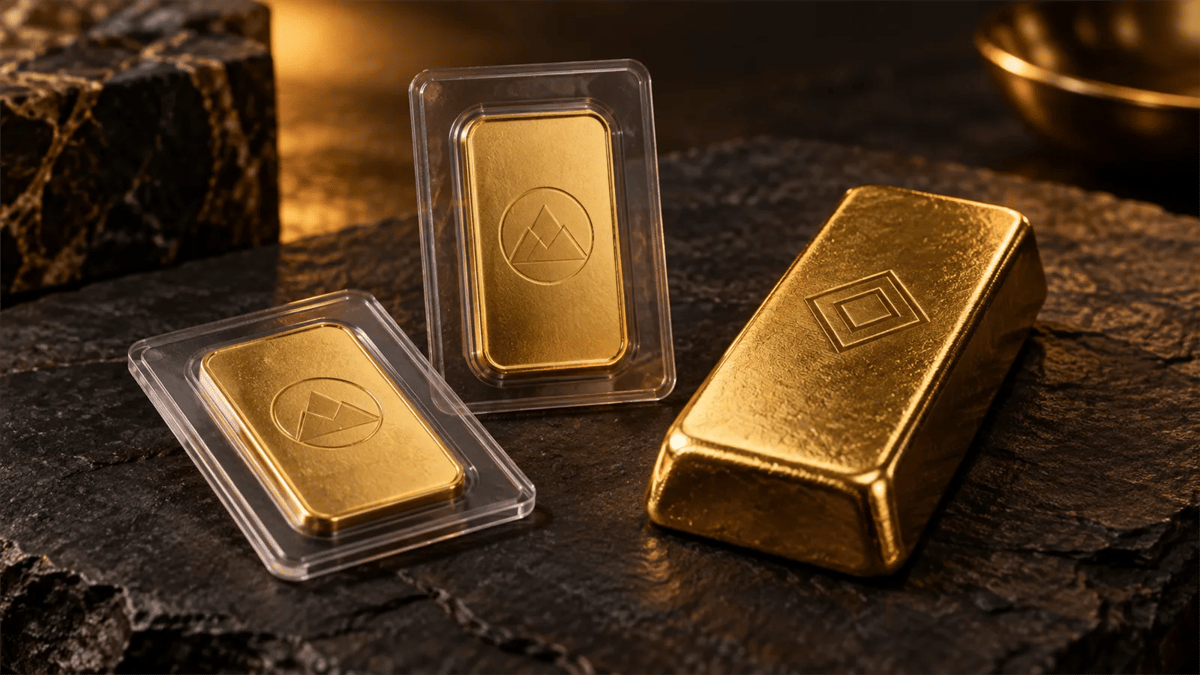
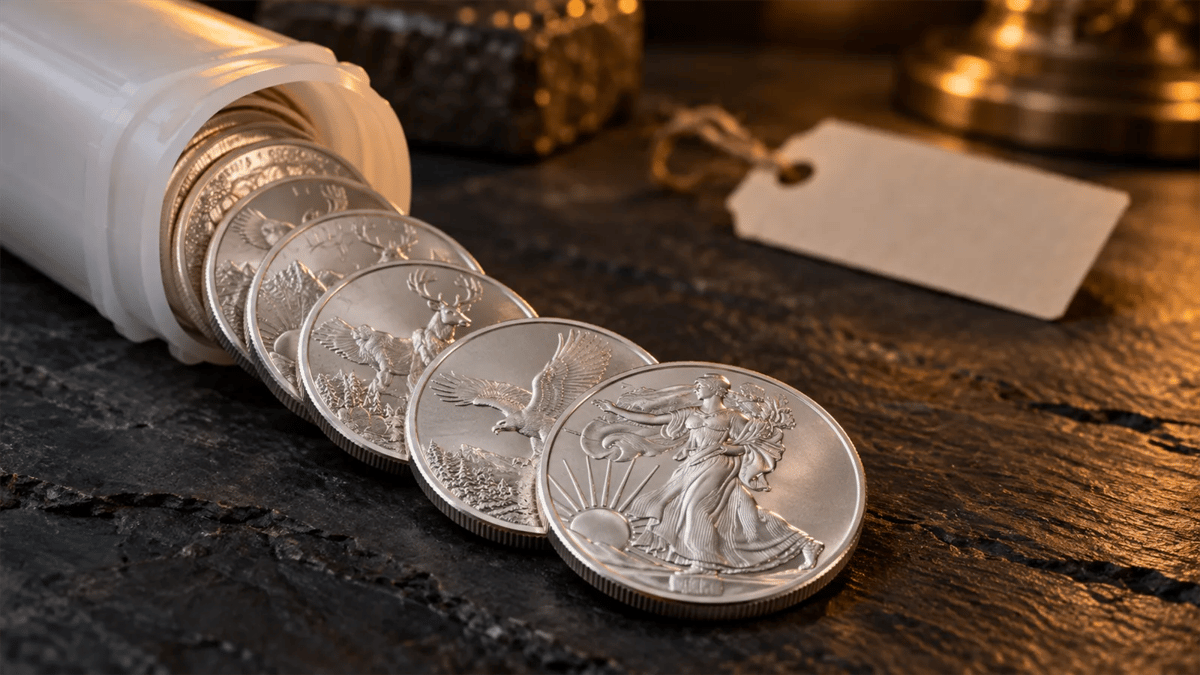
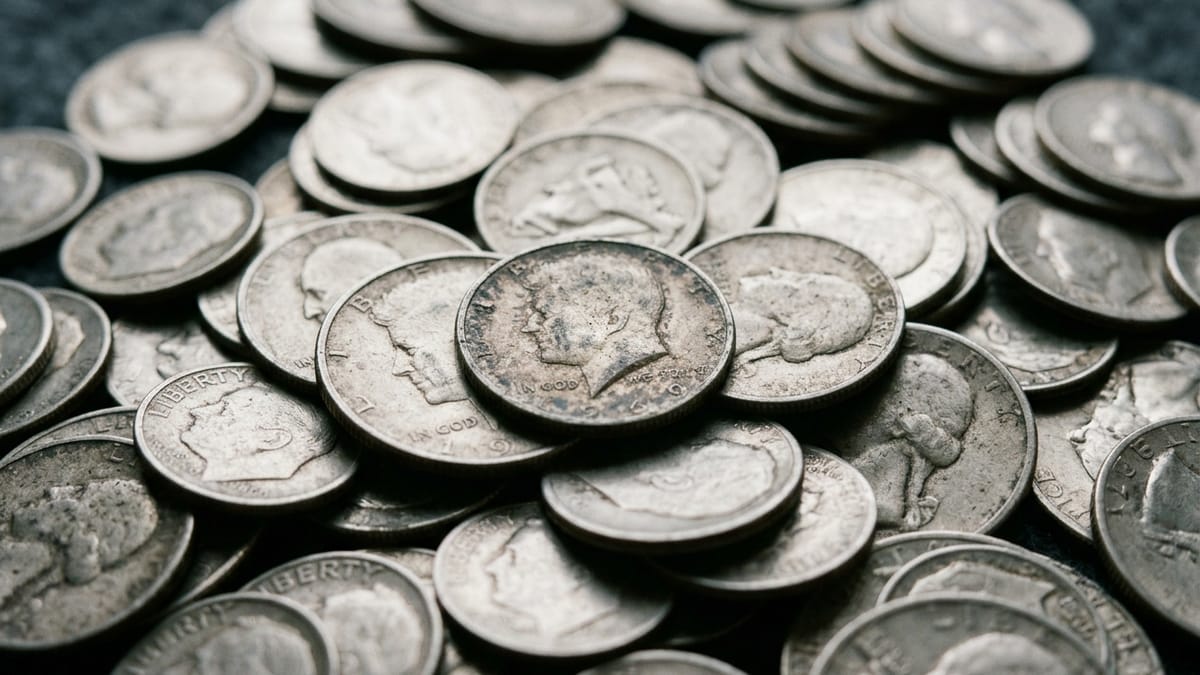
Bullion is a precious-metals product whose price is tied almost entirely to its weight and purity. A one-ounce gold coin, a ten-ounce silver bar, and a generic gold round are all bullion. What you are buying is the metal, plus a modest charge for turning raw metal into a finished, recognizable product.
The price of any bullion item is built from two parts:
- Spot price multiplied by weight. Spot is the live market price for one troy ounce of the raw metal. It moves throughout the trading day with global supply, demand, currency moves, and economic news. Multiply spot by the item's actual metal weight and you have the metal value.
- The premium. This is the amount charged above metal value to cover minting or refining, distribution, and the dealer's margin. On common products the premium is small. On a one-ounce government coin it might be a few percent over spot; on a generic bar it can be lower still.
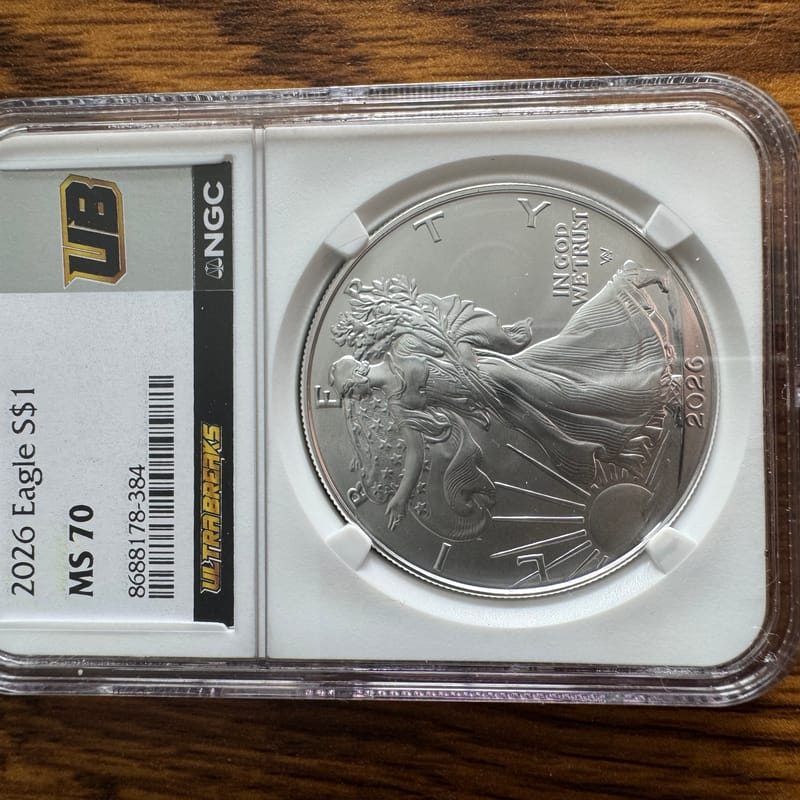
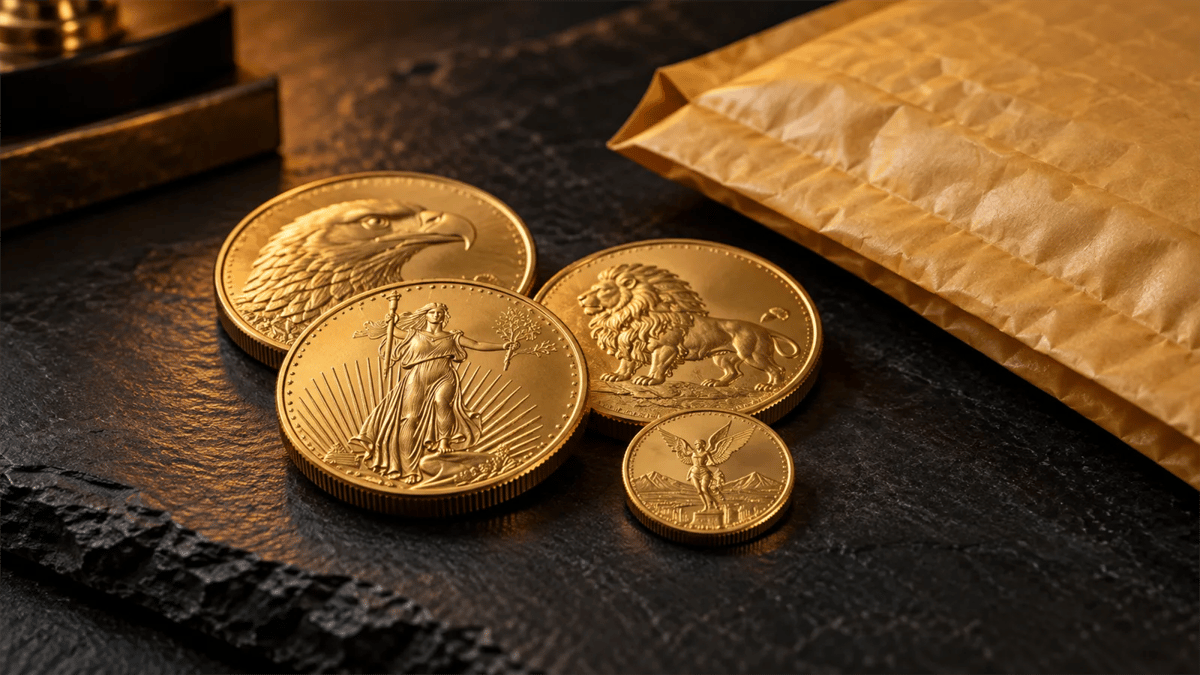
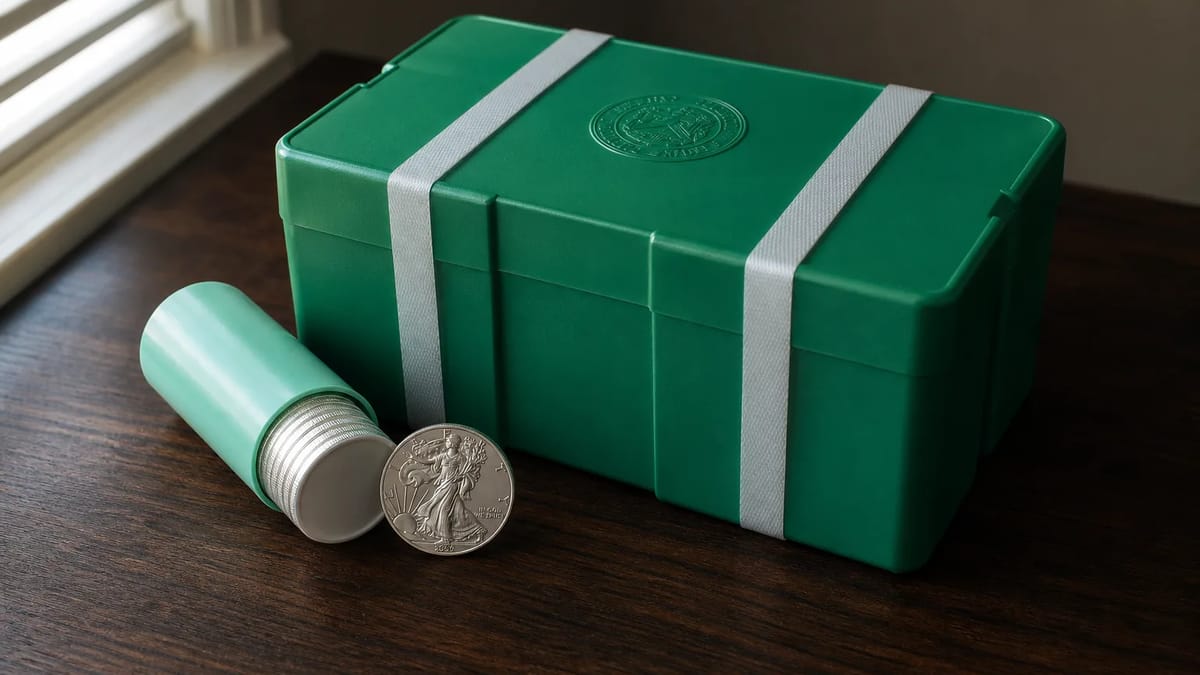
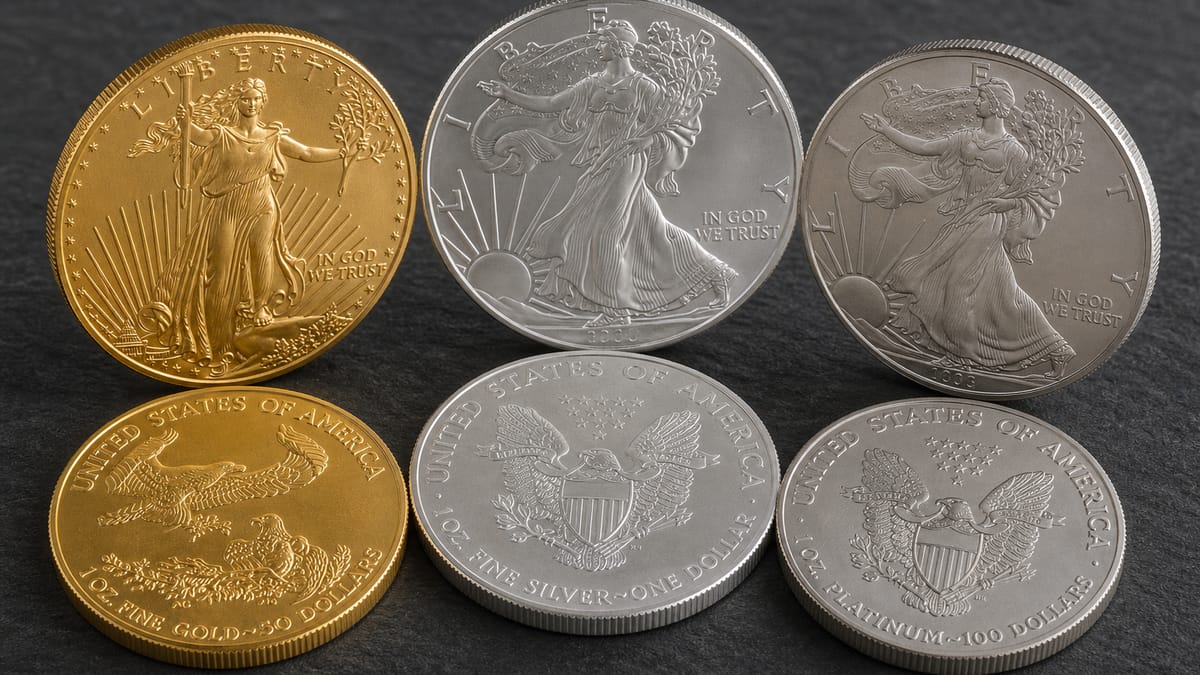
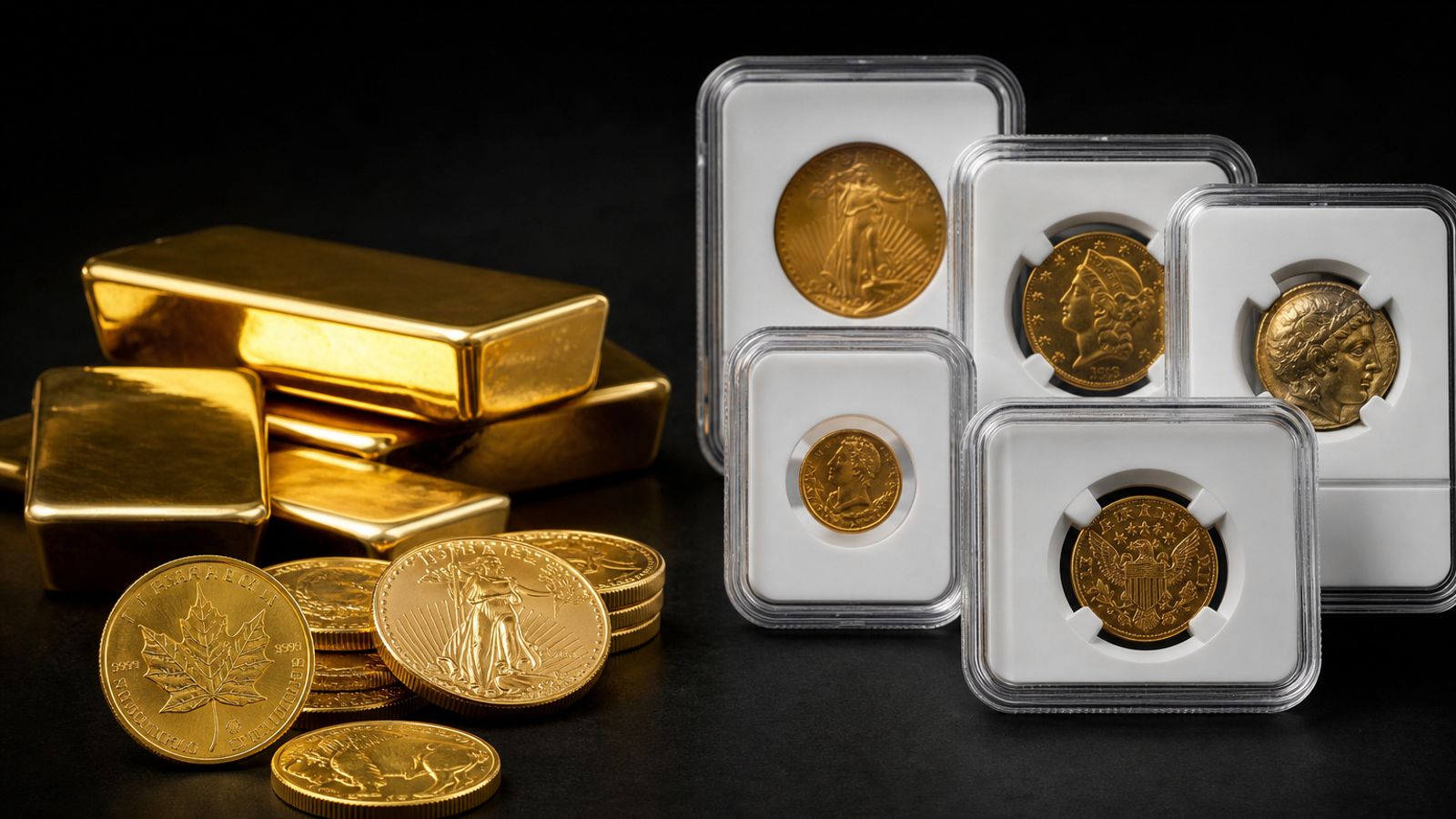
Investment bullion is typically refined to .999 or .9999 fine, meaning 99.9 to 99.99 percent pure metal. That high purity is part of what makes bullion easy to value and easy to trade: a buyer anywhere can look up spot, confirm the weight, and agree on a price in minutes. Common examples include generic bars and rounds, plus sovereign coins such as the American Eagle, Canadian Maple Leaf, and South African Krugerrand in their ordinary, current-date form.
PeerMetals Insight
When comparing two bullion listings of the same coin, the only number that matters is the premium over spot. Calculate metal value yourself (weight times current spot), then see how much each seller adds on top. The lower premium wins, all else equal.
Collectible coins: paying for scarcity and condition
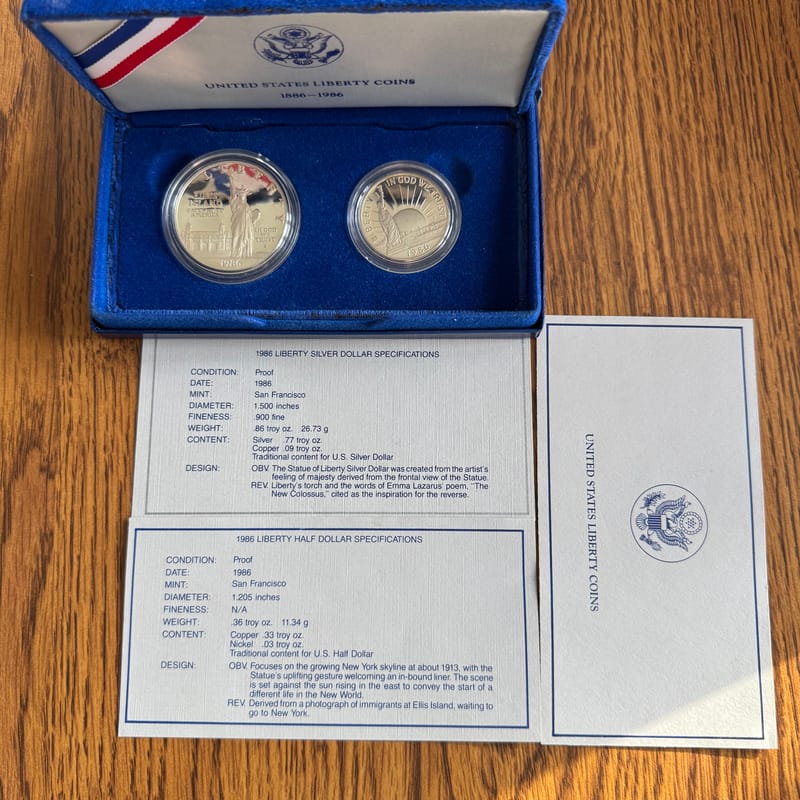
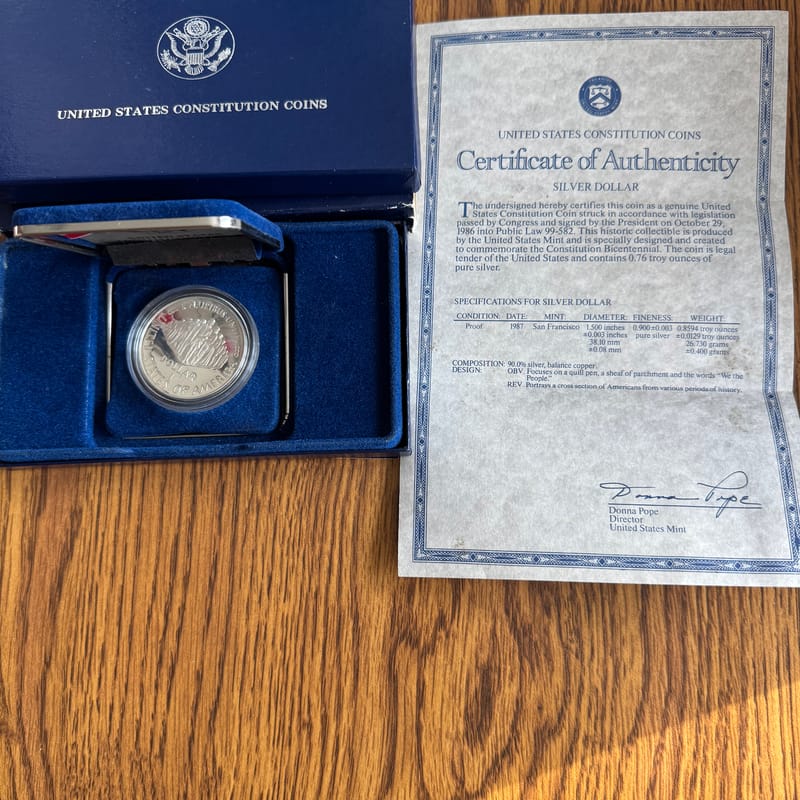
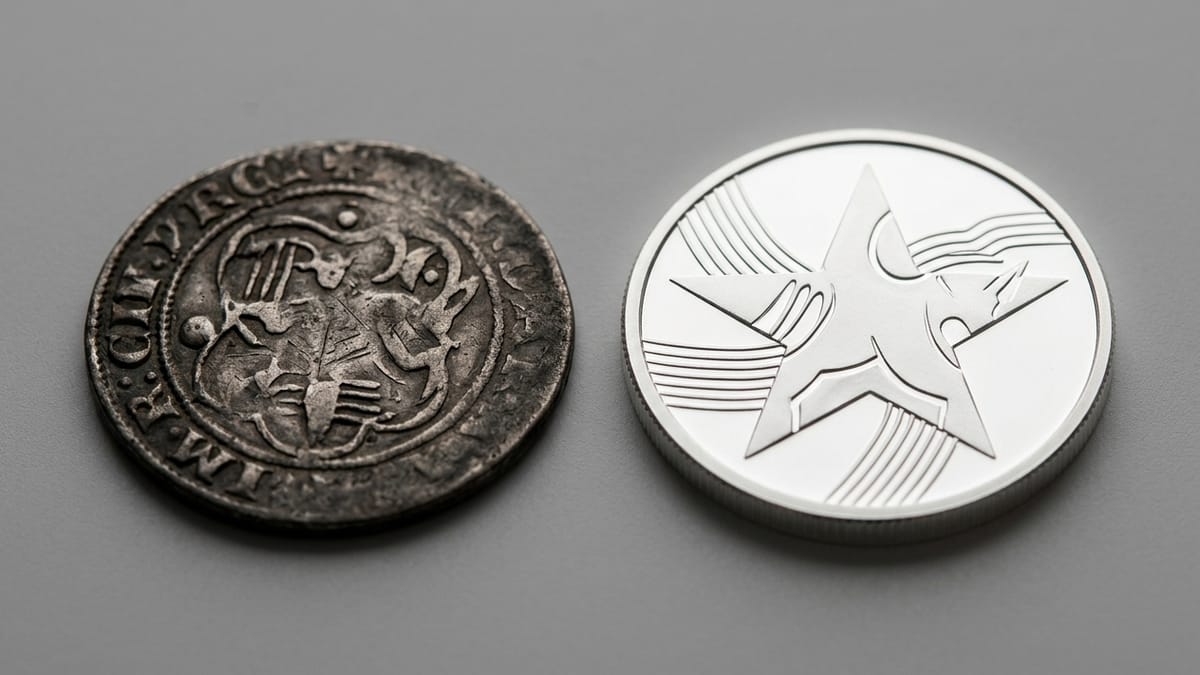
Collectible coins, also called numismatic coins, are priced by what makes them rare and desirable rather than by what they weigh. A worn nineteenth-century gold piece and a flawless modern proof can both be collectibles, and on either one the metal might be the smallest part of the price. Four factors do most of the work:
- Rarity and mintage. How many were originally struck, and how many survive in collectible condition today? A low-mintage "key date" can sell for many multiples of a common date from the same series.
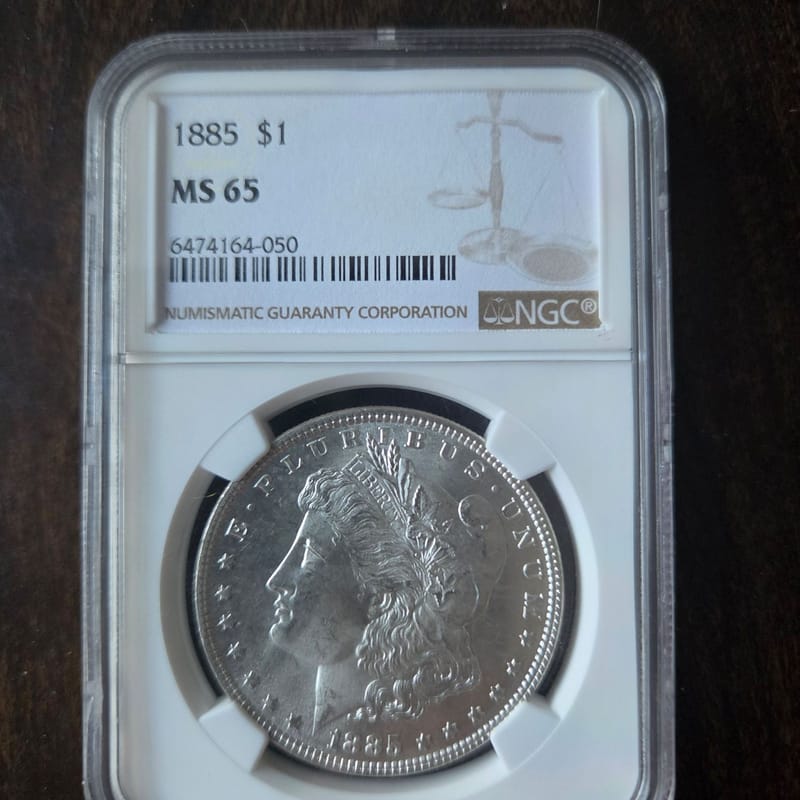
- Grade and condition. The state of preservation, from heavily worn to pristine and uncirculated. Grading services PCGS and NGC assign a number on the Sheldon scale of 1 to 70, where 70 is essentially perfect. A one- or two-point difference near the top of that scale can change the price dramatically.
- Collector demand. How many people actively want this specific coin. Series with large, dedicated followings, such as Morgan silver dollars, hold demand year after year, which supports prices.
- Eye appeal and history. Strong luster, attractive toning, a sharp strike, or a notable backstory such as a famous hoard or shipwreck can all add a premium beyond what grade alone would suggest.
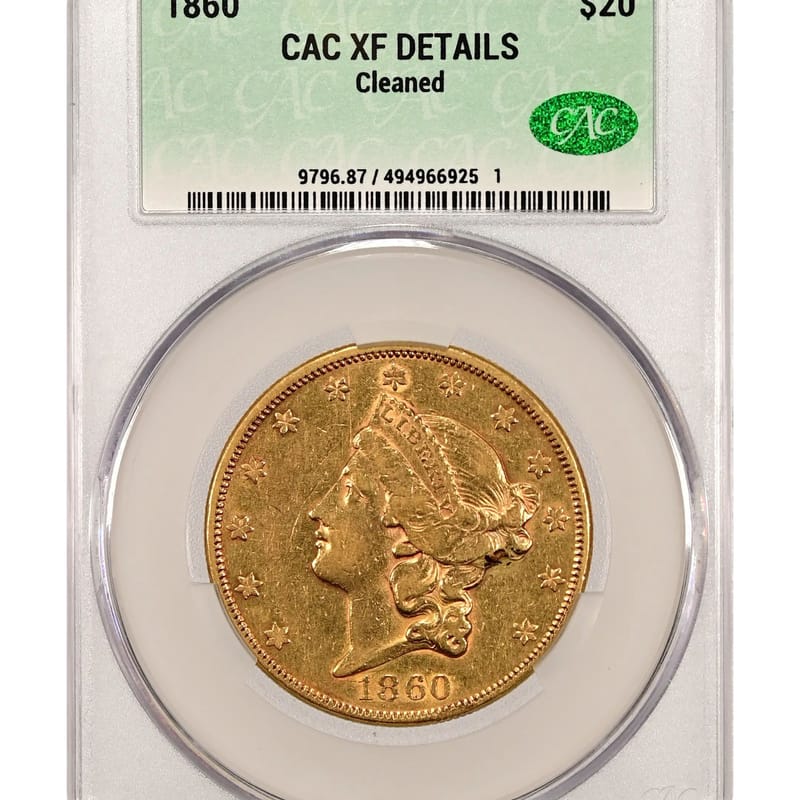
The clearest illustration is the 1933 Saint-Gaudens Double Eagle. A Double Eagle holds about 0.9675 troy ounce of gold, worth well over $2,000 at recent prices, with gold trading above $2,500 during 2024. Yet one example sold at Sotheby's in 2021 for roughly $18.9 million. Its price came almost entirely from extreme rarity and a singular history, with the gold itself a rounding error in the total.
What you are actually paying for: a side-by-side
The table below compares the two product types on the points that decide how much you pay and how easily you can sell.
| Factor | Bullion | Collectible (numismatic) |
|---|---|---|
| What drives the price | Metal weight times spot, plus a small premium | Rarity, grade, mintage, collector demand, and eye appeal |
| Typical premium over metal value | Low; often a few percent on common coins, less on bars | High and variable; the metal may be a minor part of the price |
| How the price is set | Transparent and public; track spot at any time | Set by auctions, dealer networks, and grade-specific demand |
| Liquidity | Very high; sells quickly almost anywhere | High for sought-after coins, slower for obscure pieces |
| Knowledge needed to buy well | Minimal; compare premiums and use reputable sellers | Substantial; grading, mintage, and series knowledge matter |
| Best suited for | Buyers who want maximum metal per dollar and easy resale | Buyers who want rarity, history, and grade-driven upside |
Read the table as a buying checklist, not a verdict. If your goal is to own ounces, premium and liquidity are what you optimize. If your goal is to own a specific rare coin, grade and demand are where the money is made or lost.
The middle ground: semi-numismatic coins
Some products sit between the two categories. A semi-numismatic coin is a modern bullion coin that has picked up extra collector value because of a particular attribute. Common reasons include:
- Low-mintage years. A standard bullion design struck in unusually small numbers one year.
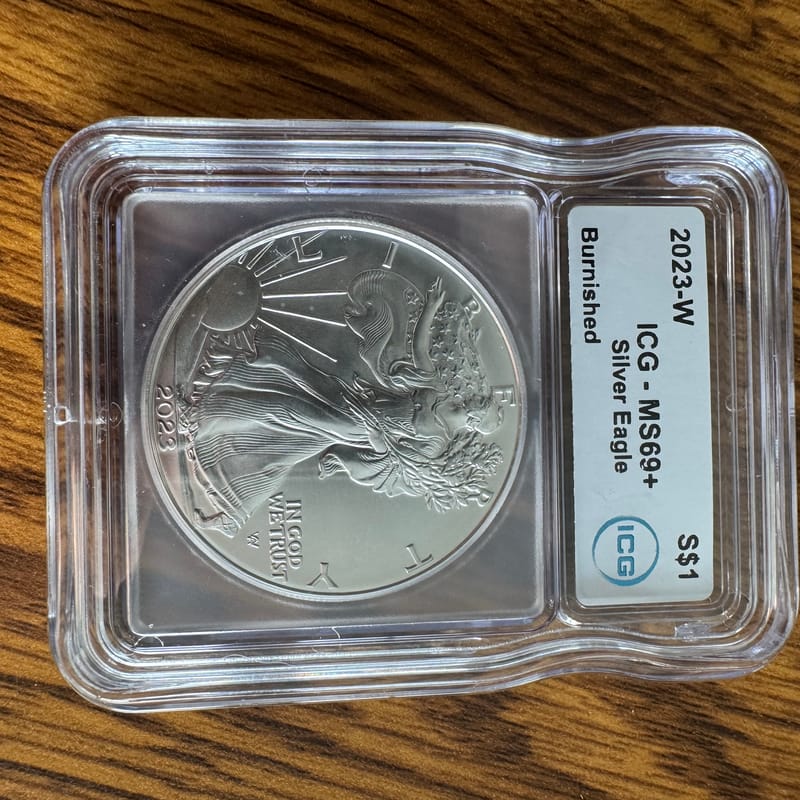
- Special finishes. Proof, reverse-proof, or burnished versions made in limited runs for collectors rather than for stacking.
- First or last year of issue. The opening or closing date of a popular series often carries an added premium.
The appeal is structural: the metal content sets a price floor, while collector interest adds upside on top. You pay more over spot than for plain bullion, so the practical question is whether the collector premium is likely to hold. On widely tracked modern issues that demand is usually well documented, which makes the extra cost easier to judge before you buy.
How to read a listing before you buy
Whichever category you are shopping, a few checks protect you from overpaying:
- Confirm the weight and purity. For bullion, these two numbers plus spot give you the metal value. If a listing is vague about either, ask before bidding.
- Separate metal value from premium. Do the math yourself rather than trusting a headline price. A high sticker price can hide a thin premium, and a low one can hide a fat premium.
- Check the grade and the grader. For collectibles, a coin graded by PCGS or NGC carries a verified Sheldon-scale number. An ungraded "raw" coin shifts grading risk onto you, so price it accordingly.
- Match the product to your goal. If you want metal exposure, buy the lowest-premium bullion you can trust. If you want a specific collectible, let rarity and grade lead and treat the metal as a bonus.
Understanding what sits behind each price is the difference between buying confidently and overpaying by guesswork. When you can break any listing into metal value plus premium, or into rarity plus grade plus demand, you are reading the market the way experienced buyers do.
Ready to put it into practice? Browse the bullion and collectible listings on the PeerMetals marketplace and compare what you are paying for, side by side.