What Is Junk Silver? A Guide to 90% Silver U.S. Coinage

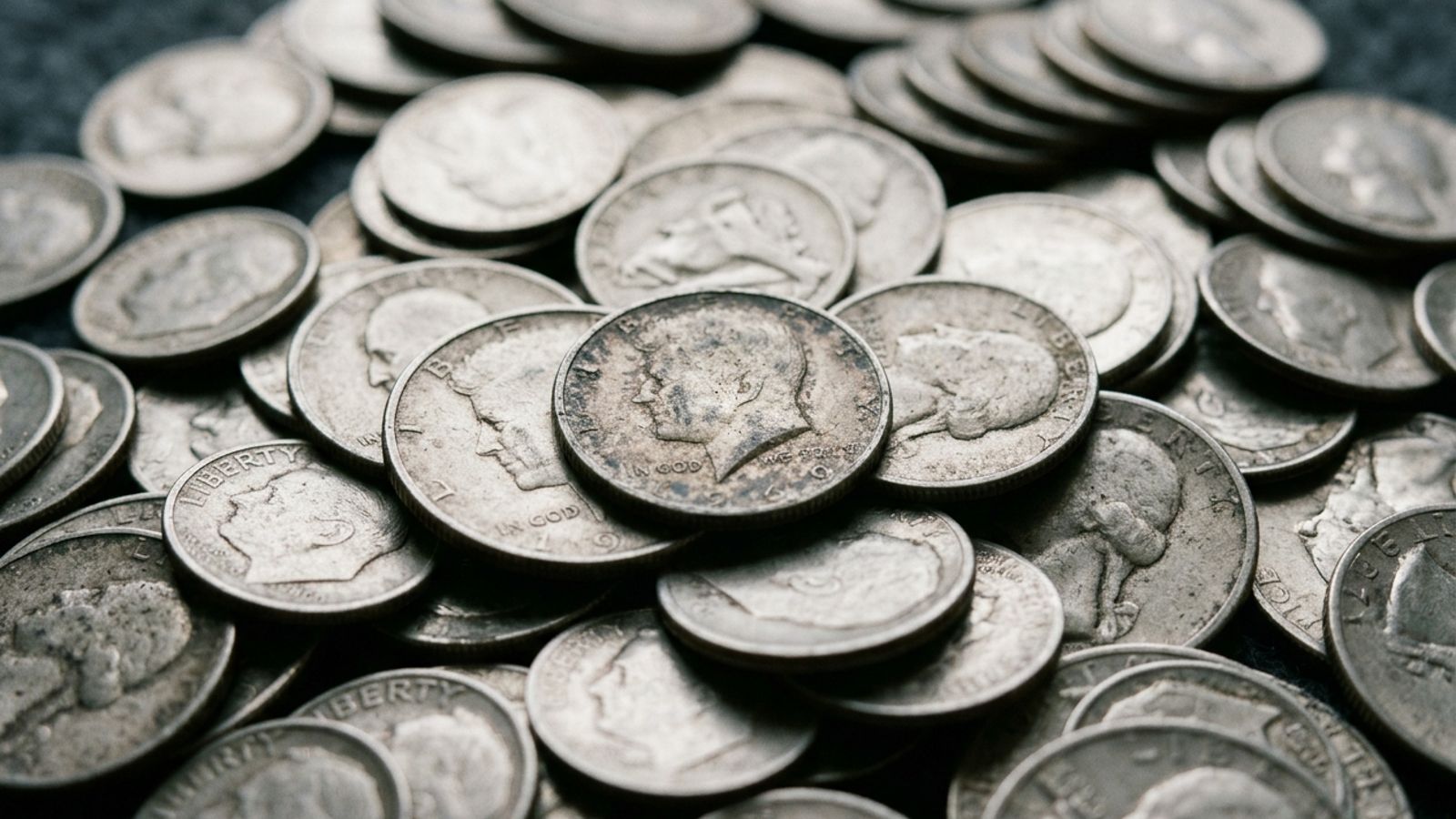
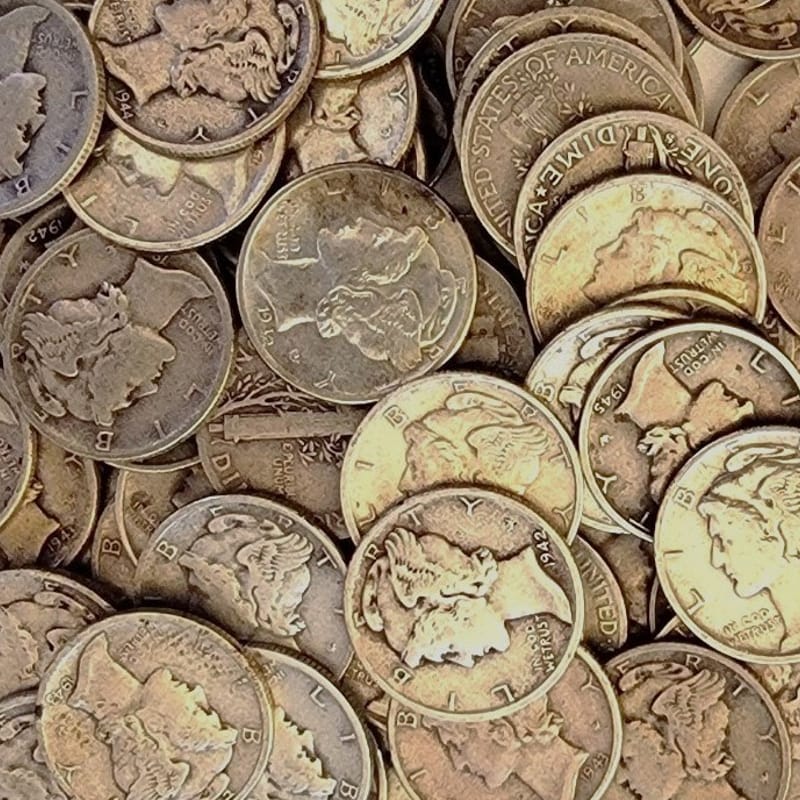
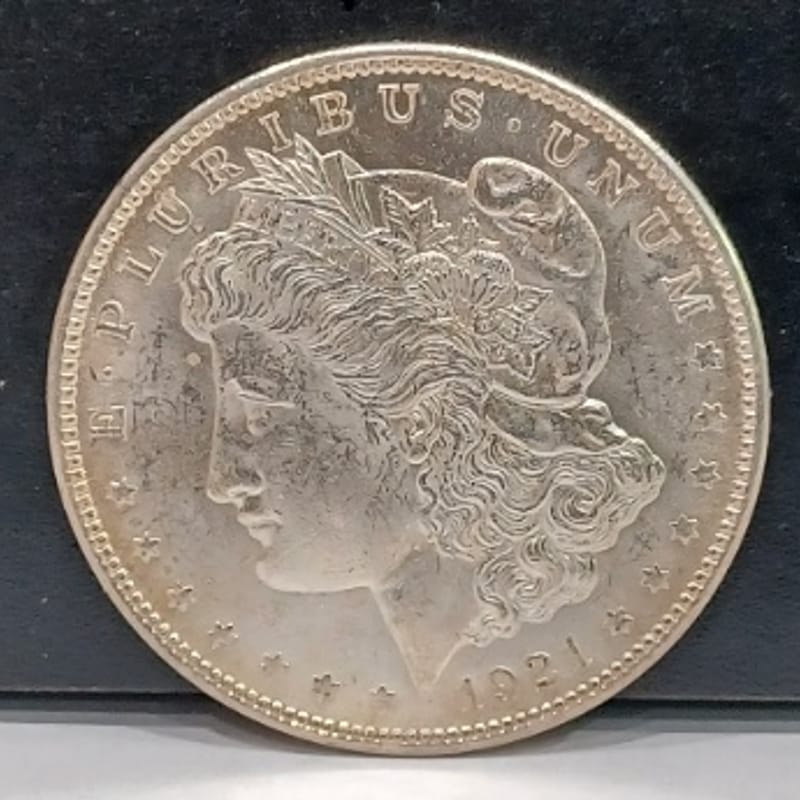
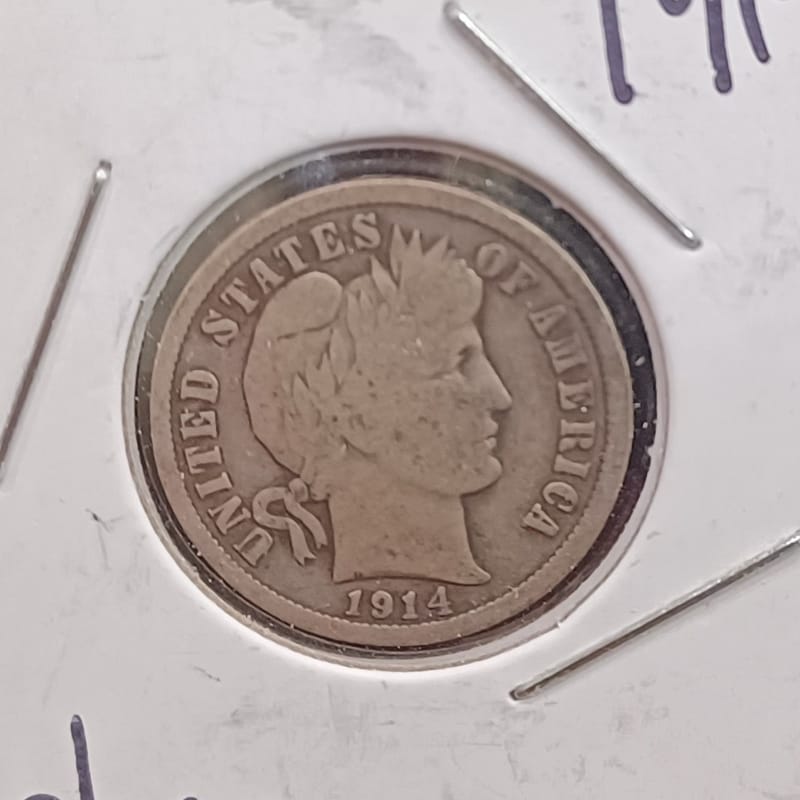
"Junk silver" is bullion-market slang for worn, common-date U.S. dimes, quarters, and half dollars struck before 1965, back when those coins were made of 90% silver. The name has nothing to do with the coins being damaged or low-quality in a collector sense -- it refers to the fact that these particular coins carry no meaningful numismatic premium. They're bought and sold purely for their silver content, by face value, rather than graded and priced individually like a rare date would be.
Why 90% silver coins exist at all
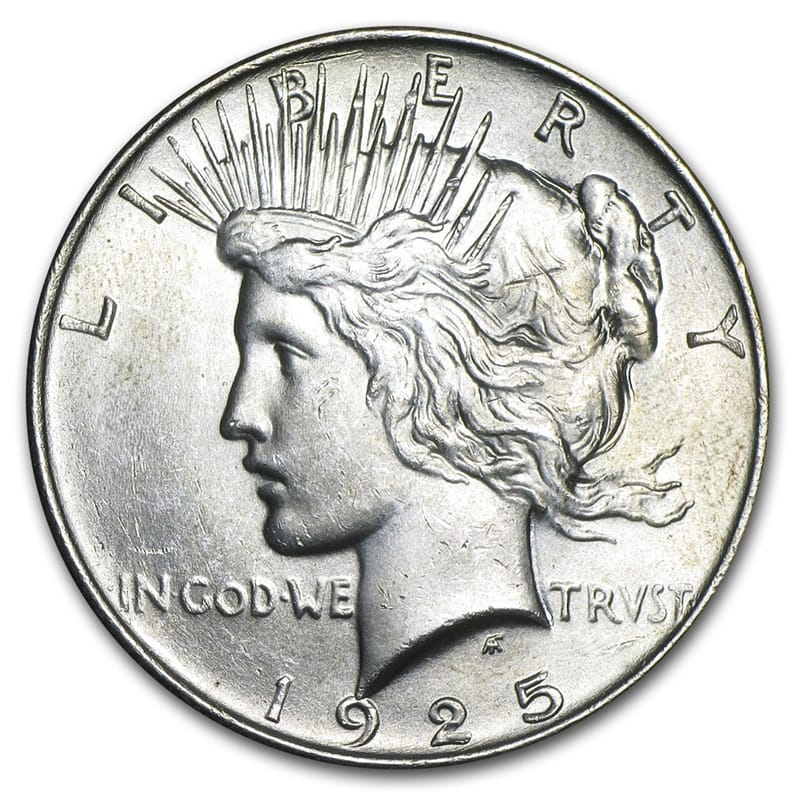
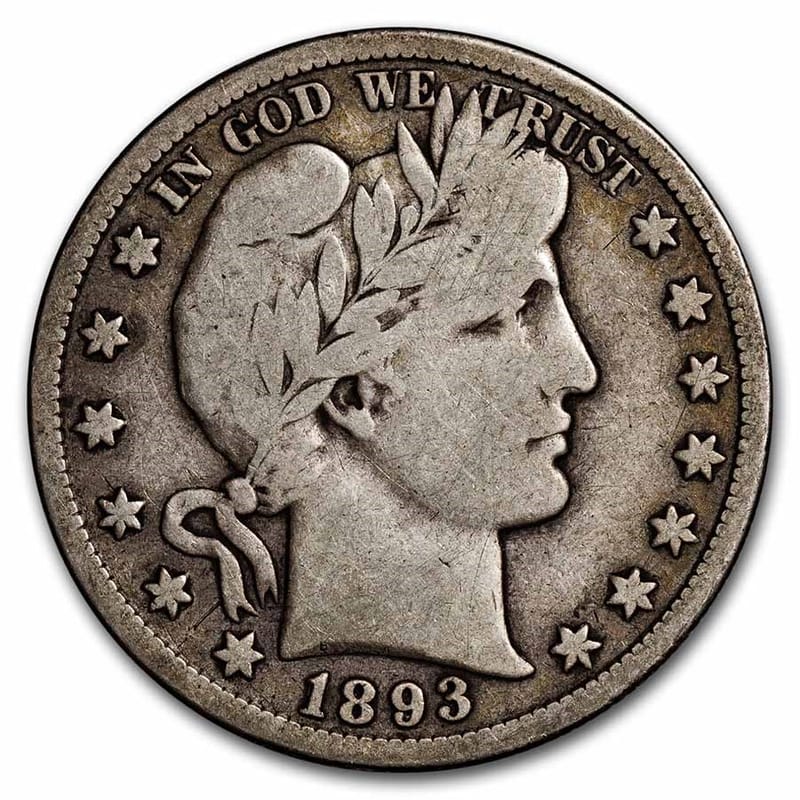
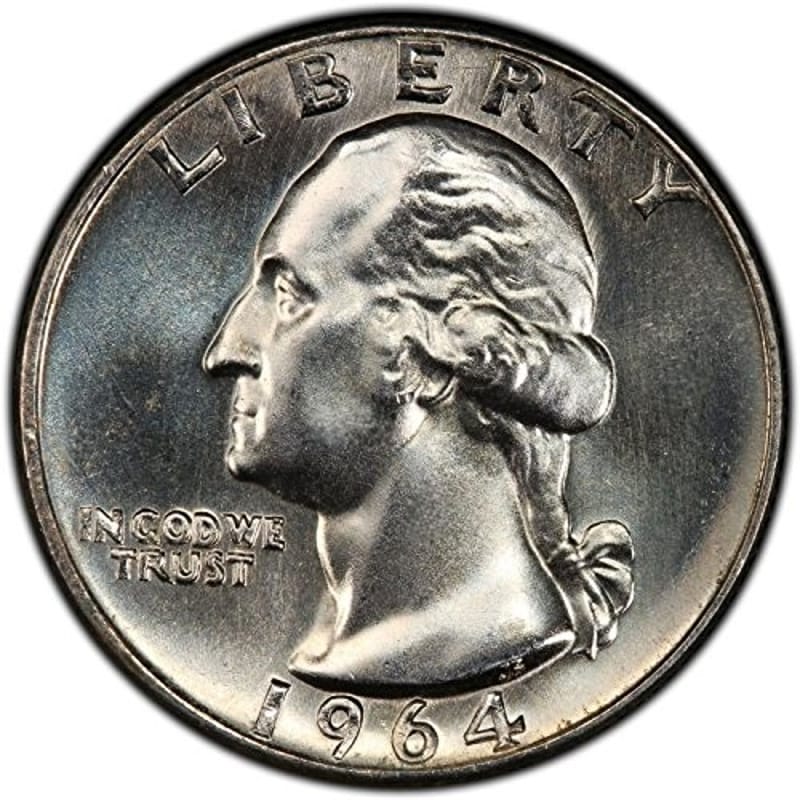
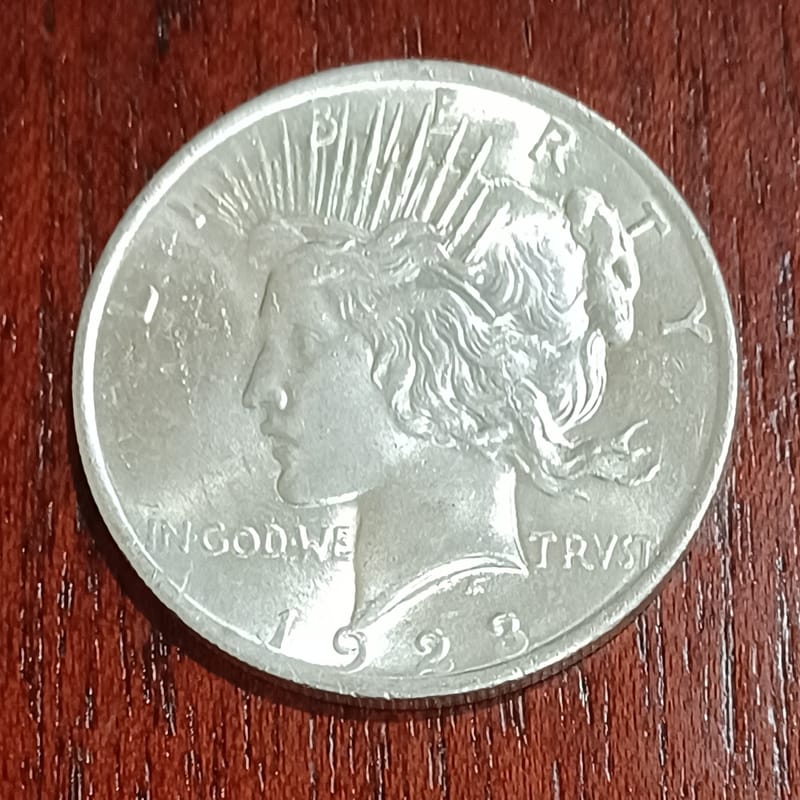
From the earliest years of U.S. coinage through 1964, dimes, quarters, and half dollars (along with the pre-1935 silver dollar) were struck in a 90% silver, 10% copper alloy at fixed weights set by law. That consistency is exactly what makes junk silver simple to price today: because every coin of a given denomination contains almost exactly the same amount of silver regardless of date or mint mark, dealers can quote bags by face value instead of sorting and grading each coin.
The Coinage Act of 1965
Rising silver prices in the early 1960s pushed the metal value of a dime above ten cents, and the public began pulling silver coins out of circulation to hoard rather than spend. Congress responded with the Coinage Act of 1965, which replaced silver in dimes and quarters with a copper-nickel clad sandwich starting that year. Half dollars were reduced to 40% silver through 1970 before silver was removed from them entirely in 1971. Every coin struck before its denomination's cutoff date is what the market now calls junk silver.
How much silver is actually in it
Because the pre-1965 alloy and weights were fixed by law, the silver content per denomination is a known constant:
| Denomination | Pure silver content |
|---|---|
| Dime | ~0.0723 troy oz |
| Quarter | ~0.1808 troy oz |
| Half dollar | ~0.3617 troy oz |
Because those three figures scale consistently with face value, $1 face value in any mix of pre-1965 dimes, quarters, and half dollars works out to almost exactly the same total: about 0.7234 troy oz of pure silver. That's the number dealers actually price against -- a $1 face-value bag, whether it's ten dimes or four quarters, contains roughly the same amount of silver either way. Our junk silver calculator turns any face value into a live melt figure using exactly this math.
723.4 oz vs. 715 oz: the wear convention
Run the mint-spec math on a full $1,000 face-value bag and you get about 723.4 troy oz of silver. Yet dealers commonly quote such bags at 715 oz. The difference is circulation wear: decades of use rub a little metal off every coin, and the trade long ago settled on 715 oz as the realistic content of a bag of average circulated coins -- roughly a 1% haircut. Neither number is wrong; one is the fresh-from-the-Mint specification and the other is the market's allowance for reality. It's worth knowing which one a quote is using before comparing prices.
The cousins: war nickels and 40% halves
Two other circulating U.S. coins contain silver, and both trade separately from 90% bags:
- Wartime nickels (1942-1945) -- struck in a 35% silver alloy (with copper and manganese) to conserve nickel for the war effort, containing about 0.056 troy oz each. They're easy to spot: a large mint mark, including the first-ever "P" for Philadelphia, sits above Monticello's dome on the reverse.
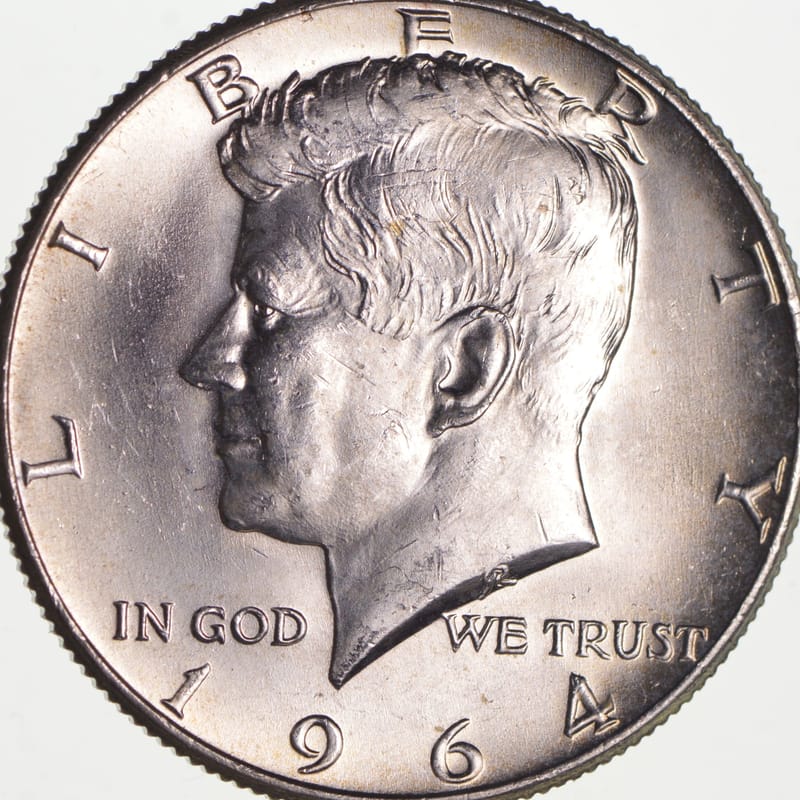
- Kennedy half dollars (1965-1970) -- struck in 40% silver, about 0.148 troy oz each. Same design as the 1964 90% coin, so the date is the only reliable tell.
Both carry real silver value but lower content per coin, so mixing them into a 90% lot -- or paying 90% prices for them -- is a genuine and common mistake in casual transactions.
What to check when buying
- Dates first. Every dime and quarter should be 1964 or earlier; halves need 1964 or earlier for 90% (1965-1970 is the 40% category above).
- Edges second. A clad coin shows a visible copper stripe on its edge; solid 90% silver shows uniform silver-grey. It's the fastest scan of a large lot.
- Weight settles arguments. A pre-1965 quarter should weigh about 6.25 g; significant deviation on a scale is a red flag. Specs for common coins are in our coin weight & purity lookup.
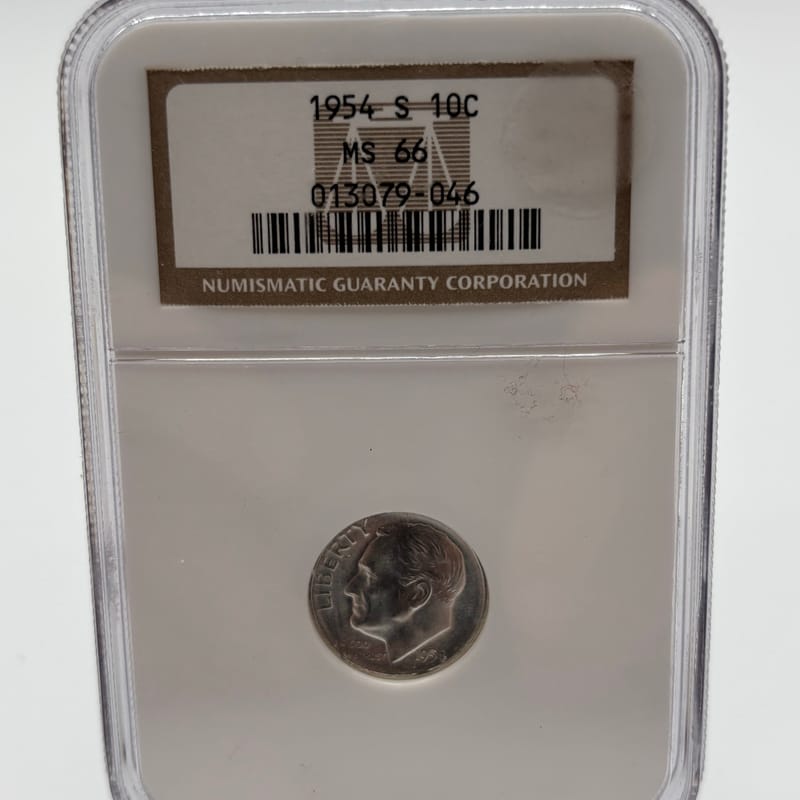
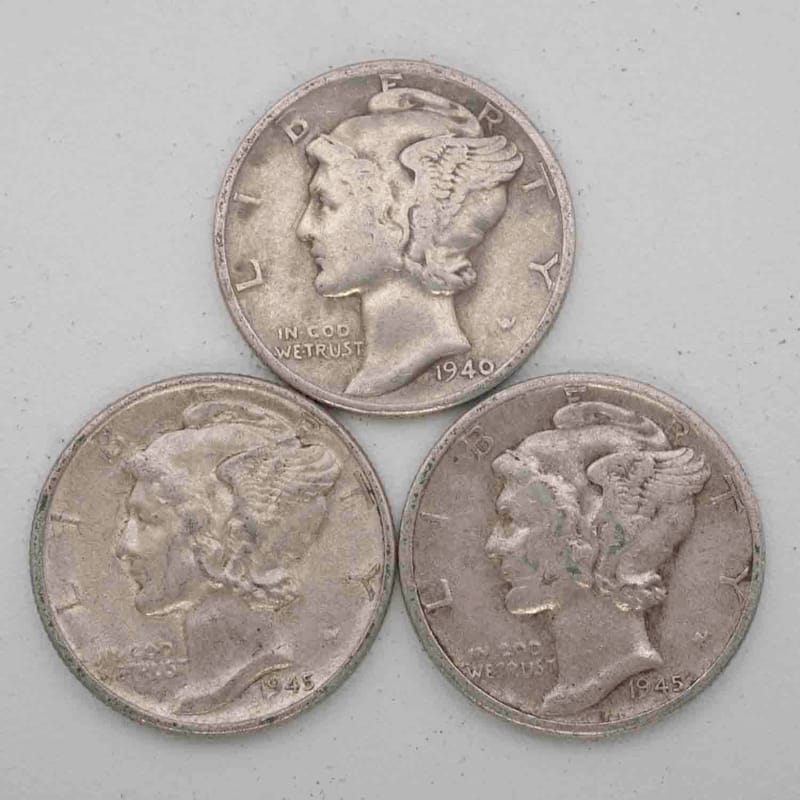
- Watch for the exceptions worth more. A worn 1964 Roosevelt dime and a worn 1916-D Mercury dime contain the same silver, but the 1916-D is a famous key date worth vastly more as a collectible. Scan any lot against our coin value guides for scarce dates before it all goes in the melt pile.
How it's bought and sold
Junk silver trades in face-value units: small lots of $1-$10 face, rolls (e.g., $5 of dimes), part-bags of $100 face, and the traditional full $1,000 face-value bag. Premiums over melt are usually modest -- it's often the lowest-cost way to buy physical silver -- but they're not fixed: in tight physical markets junk silver premiums have risen sharply, and at times bags have commanded more per ounce than branded rounds, precisely because the coins are instantly recognizable, divisible, and impossible to counterfeit economically. For what real lots ask right now, see the junk silver value chart and its live listings.
Why stackers buy it
Because it's priced purely on silver content with essentially no numismatic premium, junk silver is often the lowest-cost way to buy physical silver -- lower than bullion rounds or bars from a branded refiner, which carry manufacturing and packaging costs baked into their premium. The trade-off is practical: sorting and counting worn coins is less convenient than a stack of uniform 1 oz rounds, and very large purchases are typically sold in standardized $1,000 face-value bags rather than smaller units.
Sources: Coinage Act of 1965; U.S. Mint historical coin specifications; goldandsilversaver.com junk-silver reference tables (war nickel 35% / ~0.056 oz ASW; 90% coin ASW figures, retrieved 2026-08-26); standard dealer 715 oz/$1,000-face-bag convention.