How to Sell Silver Coins: A Step-by-Step Guide

The fastest way to sell silver coins is a local coin shop, and the way to get the most for them is to sell directly to another collector or stacker. Everything in between, from online dealer buyback programs to pawn shops, sits somewhere on that line between speed and price. At a silver spot price of $63.16 per ounce on 15 September 2026, a common 1 oz American Silver Eagle holds $63.16 of metal, a Morgan dollar holds about $48.85, and a dollar of face value in pre-1965 dimes and quarters holds about $45.69. Every offer you receive is a percentage of those numbers, and this guide is about making that percentage as high as possible.
Step 1: Know what your silver coins are worth today
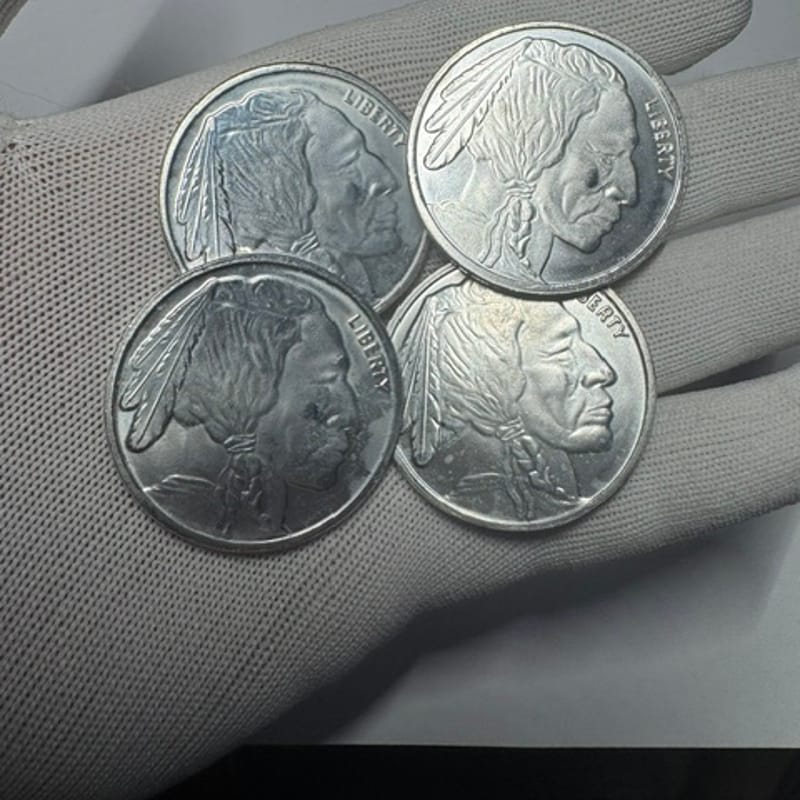
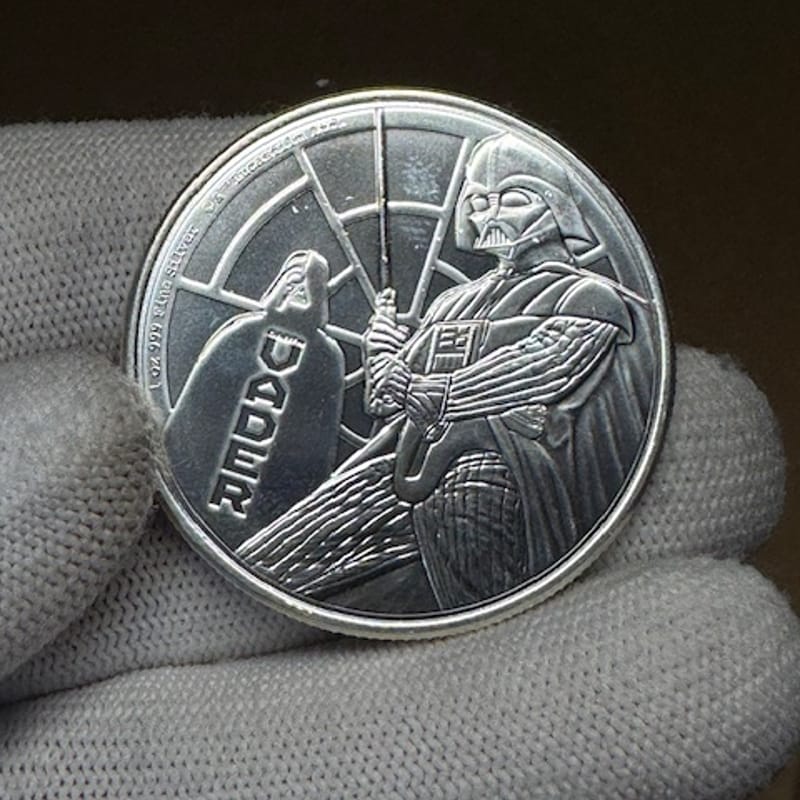
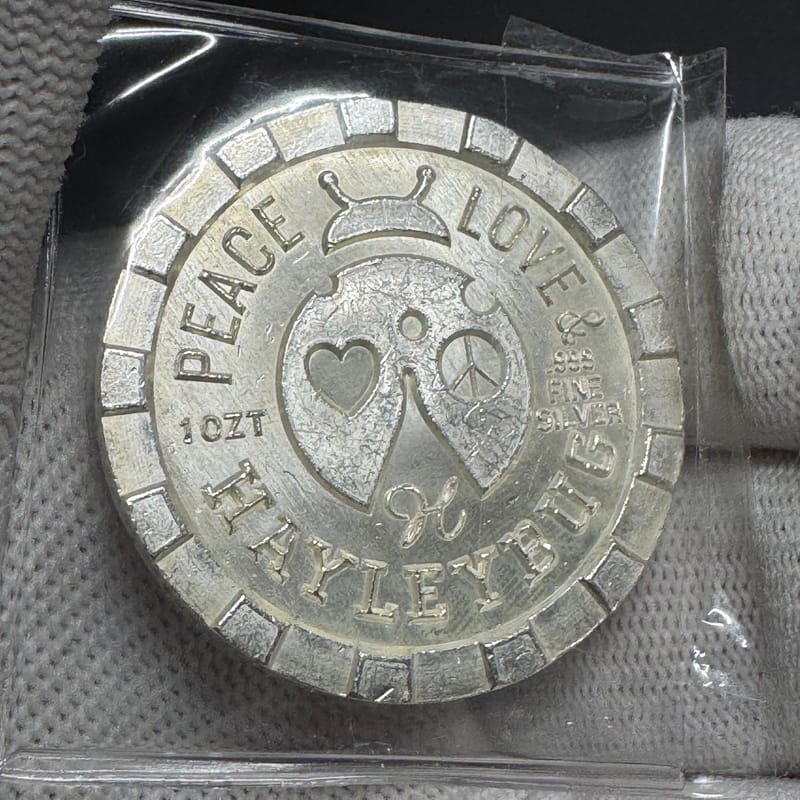
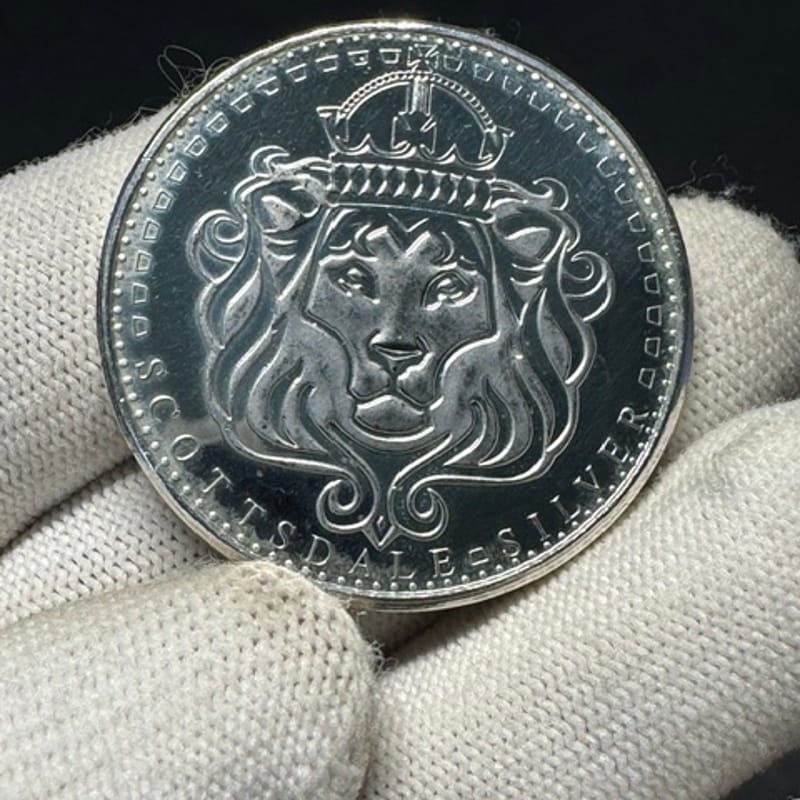
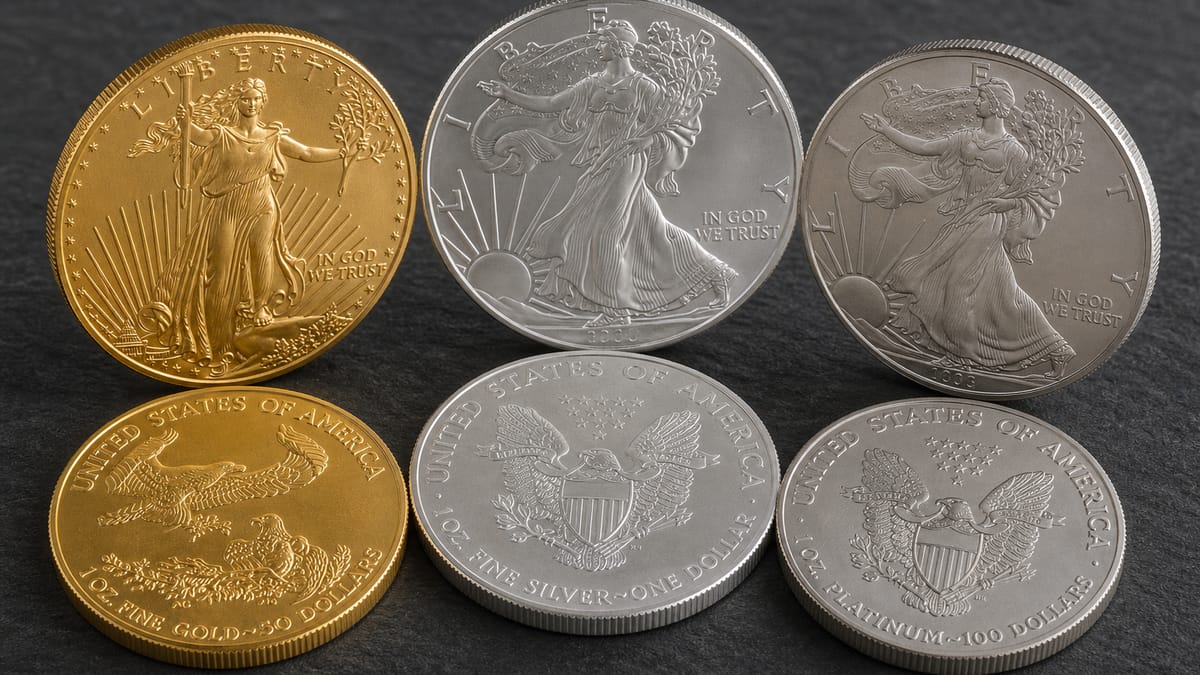
Silver coins have two values. The first is melt value: the weight of pure silver in the coin multiplied by the live silver spot price. The second is numismatic value, which is whatever a collector will pay above melt for the date, mint mark and condition. Most silver coins that people sell, including Silver Eagles, Maple Leafs, generic rounds and worn pre-1965 coinage, trade close to melt. A minority, such as key-date Morgan dollars or high-grade certified coins, are worth many times their metal.
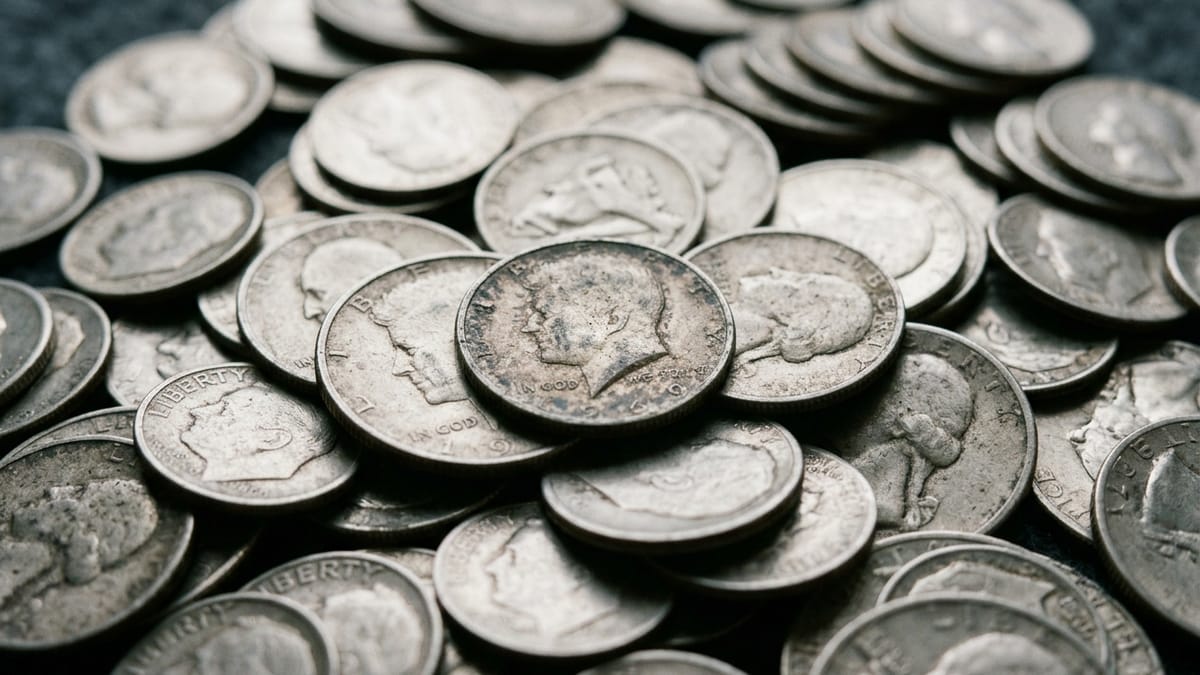
Work out the melt floor first. The silver melt calculator handles any coin if you know its weight and purity. For 90% junk silver, the junk silver calculator prices a bag by face value, since every $1 of pre-1965 dimes, quarters and halves contains about 0.7234 oz of silver regardless of the mix. Then check whether any of your coins carry a collector premium in the coin value guides before you let a buyer price them as scrap.
| Coin | Pure silver | Melt value at $63.16/oz |
|---|---|---|
| American Silver Eagle (1 oz) | 1.000 oz | $63.16 |
| Canadian Silver Maple Leaf (1 oz) | 1.000 oz | $63.16 |
| Morgan or Peace dollar | 0.7734 oz | $48.85 |
| Kennedy half dollar, 1964 | 0.3617 oz | $22.84 |
| Washington quarter, pre-1965 | 0.1808 oz | $11.42 |
| Roosevelt or Mercury dime, pre-1965 | 0.0723 oz | $4.57 |
| $1 face value of 90% coins | 0.7234 oz | $45.69 |
Spot moves every day. The live silver price page shows the current figure and the Silver Eagle value chart tracks the melt value of the most common coin against what sellers are actually asking.
Step 2: Sort your coins before you sell
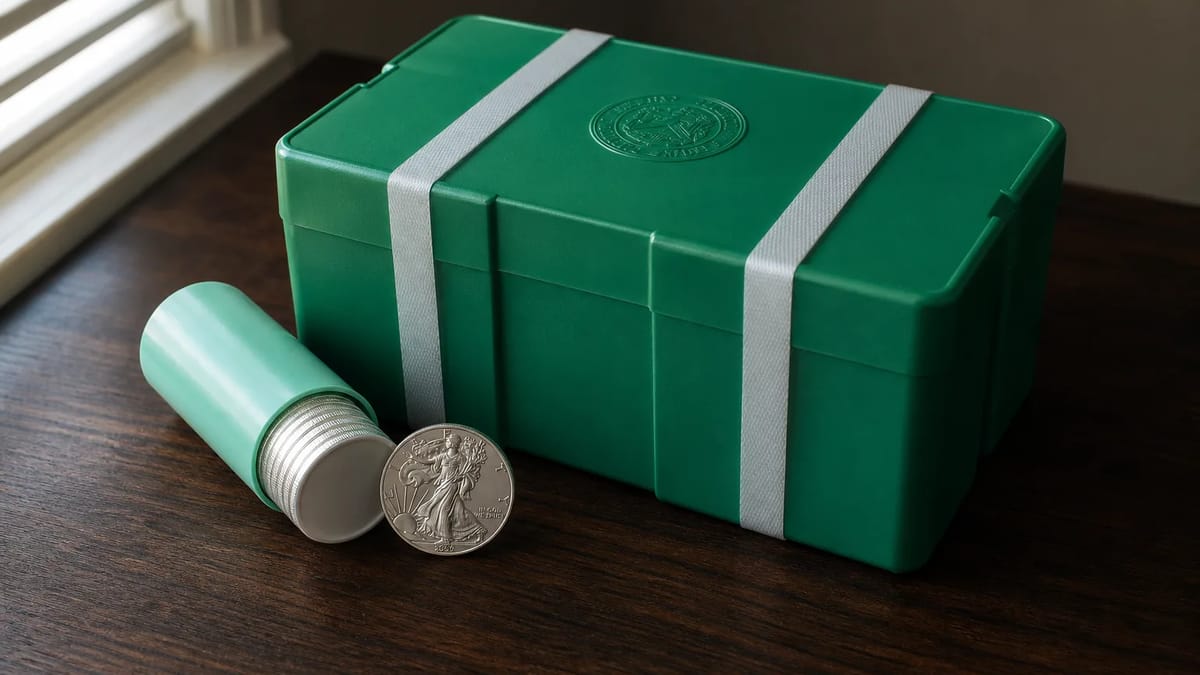
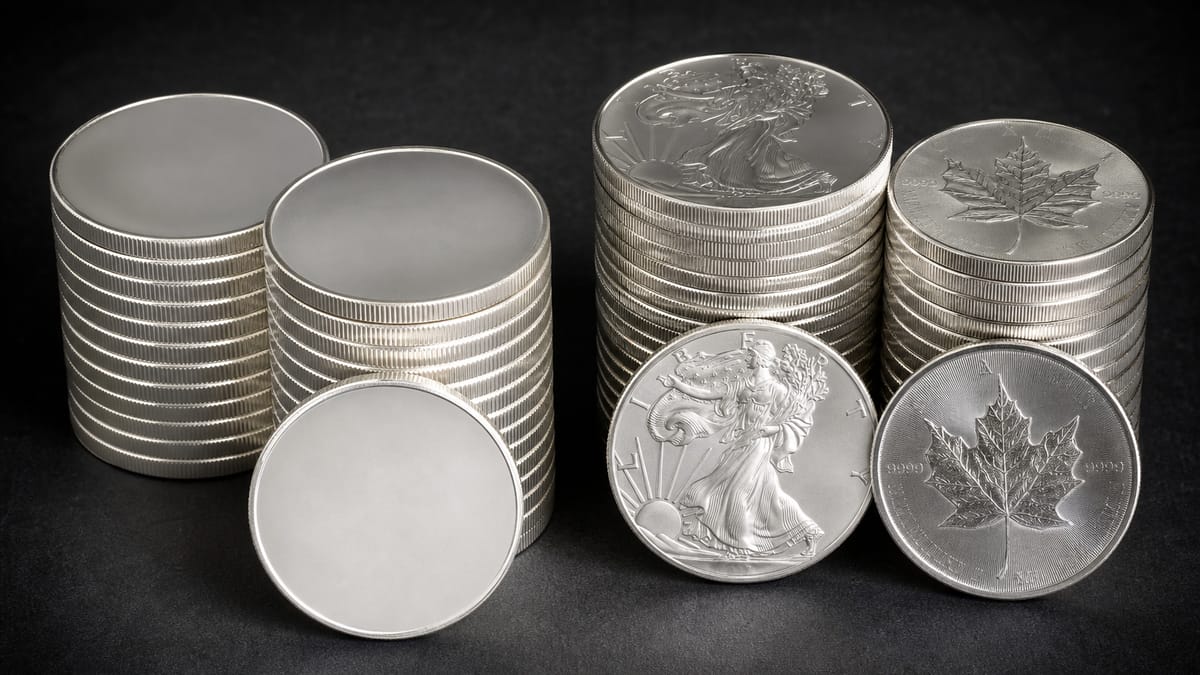
Buyers pay for the worst coin in a lot, so mixed lots sell at the price of the lowest piece. Separate your coins into three piles. Bullion coins such as Eagles, Maples, Philharmonics and Britannias go together. Junk silver, meaning worn common-date pre-1965 coinage, goes together by denomination. Anything with a rare date, a mint mark you are unsure about, or a coin still in an original mint holder or graded slab goes in a third pile to be valued individually.
Do not clean anything. Cleaning removes the original surface, and a cleaned collectible coin is worth less than a dirty one to every serious buyer. Bullion coins are not affected in the same way, but there is still no reason to polish them.
Step 3: Choose where to sell
There are four realistic options, and the where to sell silver coins page compares them side by side. In short:
Local coin shop
Walk in, get a quote, walk out with cash. Expect 90 to 98 percent of melt for junk silver and generic rounds, and around melt for Silver Eagles because they resell easily. The shop needs a spread to make money, so this is the price of convenience. The local coin shop directory lists dealers by state and city, and most of them buy as well as sell.
Online dealer buyback
Large bullion dealers post buy prices, usually a little under spot, and pay after your package arrives and is checked. It works well for big generic lots, but you ship before you are paid and the dealer keeps any premium your coins would have earned from a collector.
Pawn shops and "we buy gold" stores
These pay the least, often well under melt, because silver is a sideline for them. Use them only if you need cash today and nothing else is open.
Selling direct to collectors
Listing your coins on a marketplace built for precious metals puts them in front of buyers who pay a premium over spot for recognizable coins, rather than bidding under it. On PeerMetals the buyer pays first, the funds are held while you ship with tracking, and you are paid one to three days after delivery. Listing is free and the platform fee is 2.75 percent on a completed sale, dropping to 2 percent as you sell more. It is slower than a shop, but you keep the premium.
Step 4: Price your listing against spot
Look at what other sellers are asking for the same coin on the silver bullion listings and price at or just under the going premium. A Silver Eagle in a tube typically lists a few dollars over melt; the same coin in a scratched flip lists at melt. If you would rather not watch the market, list with spot pricing so the ask moves with the silver price automatically until it sells. Junk silver is best sold in round face-value lots such as $5, $10 or $50 face, since that is how buyers think about it.
Step 5: Photograph, describe and ship properly
Photograph both sides in daylight against a plain background, one coin or lot per listing, and show any edge damage rather than hiding it. Put the year, mint, weight, purity and quantity in the title, because that is what buyers search for. When a coin sells, use a rigid box or bubble mailer for small lots, a flat-rate box for anything heavy, and always ship with tracking. Package insurance is available at checkout for high-value parcels, and a shipping profile lets you set the rates once for every listing.
Taxes and records
In the United States, profit on the sale of silver coins is taxable as a collectible gain, and dealers must file Form 1099-B for certain bulk sales of specific coins. Keep a record of what you paid for each lot and when. None of this is tax advice, so check with a professional about your own situation.
Frequently asked questions
Is it better to sell silver coins to a coin shop or online?
A coin shop wins on speed and pays close to melt for bullion. Selling online to collectors wins on price because they pay a premium for recognized coins, but it takes days rather than minutes. Dealer buyback programs sit in between, and pawn shops pay the least.
Do I get more selling silver coins one at a time or as a lot?
Bullion coins sell for a little more individually or in tubes of 20, because buyers compare price per ounce. Junk silver sells best in round face-value lots. Anything with collector value should always be sold on its own.
What is the best time to sell silver?
Nobody can time the price, but you control the spread. Selling to a collector at a premium beats selling to a dealer under spot no matter where silver goes next. The live silver price page shows today's price against its history.