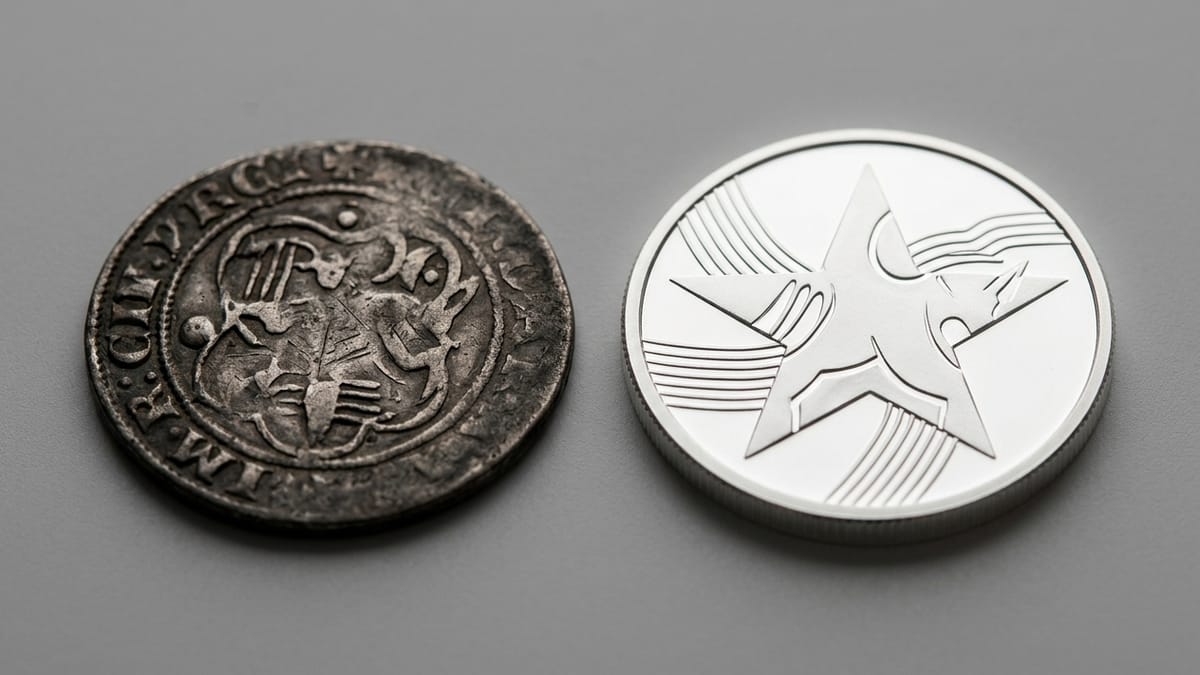
Investing vs. Collecting: Bullion and Numismatics Explained

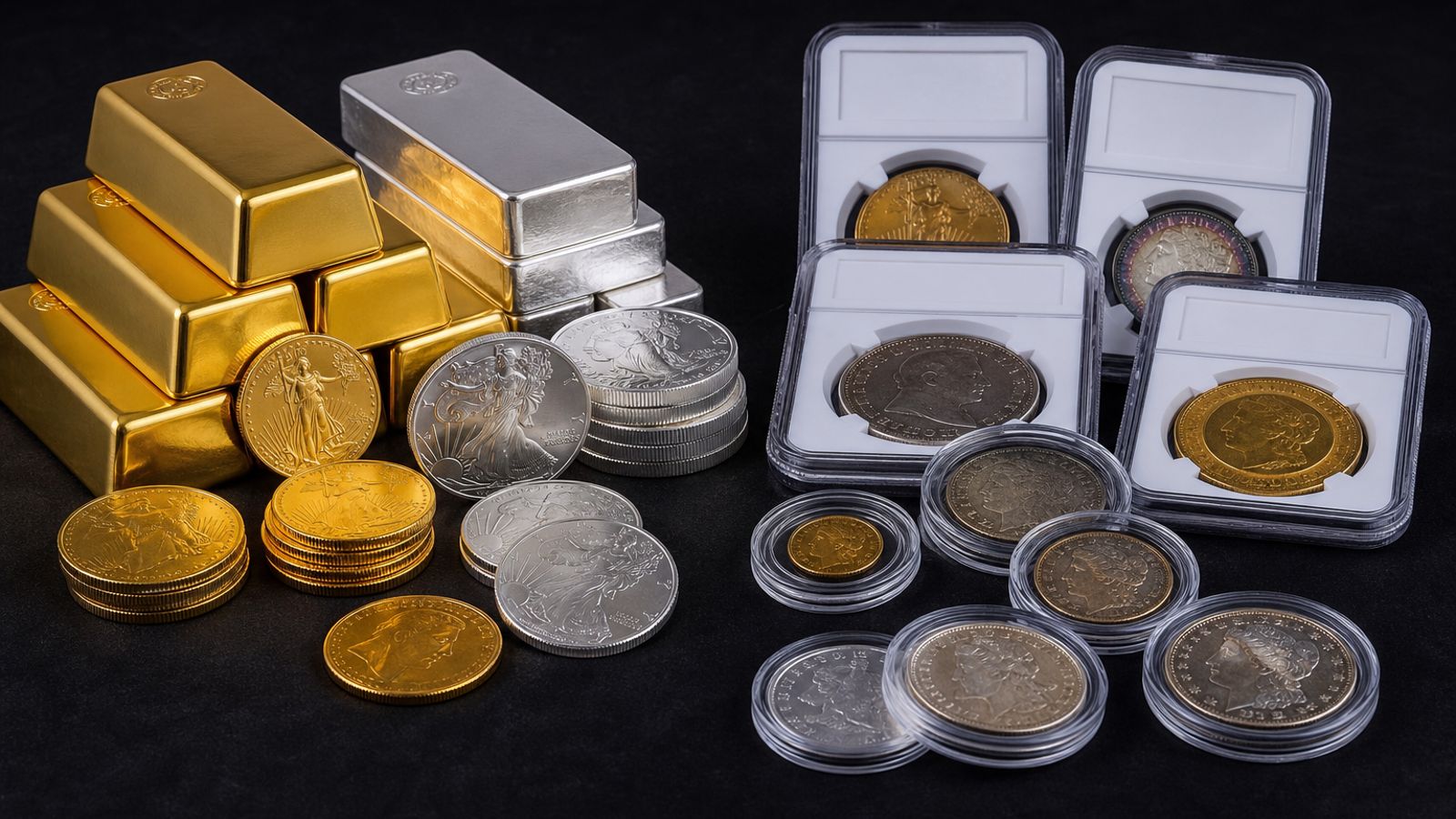
Two people can stand at the same display case, look at the same gold coin, and want completely different things from it. One sees ounces of metal and a way to protect savings. The other sees a date, a mintmark, and a story worth chasing. Both are buying precious metals, but only one is investing in the usual sense of the word; the other is closer to a lifelong hobby.
This is the real fork in the road for anyone getting into gold and silver, and it is not a question of which coin is better. It is a question of what you are actually after: are you here to accumulate metal as a financial strategy, or are you here for the hunt, the history, and the satisfaction of building something meaningful? Knowing your own answer changes how you shop, what you pay, and how you judge a good deal.
The investor's mindset: metal by the ounce
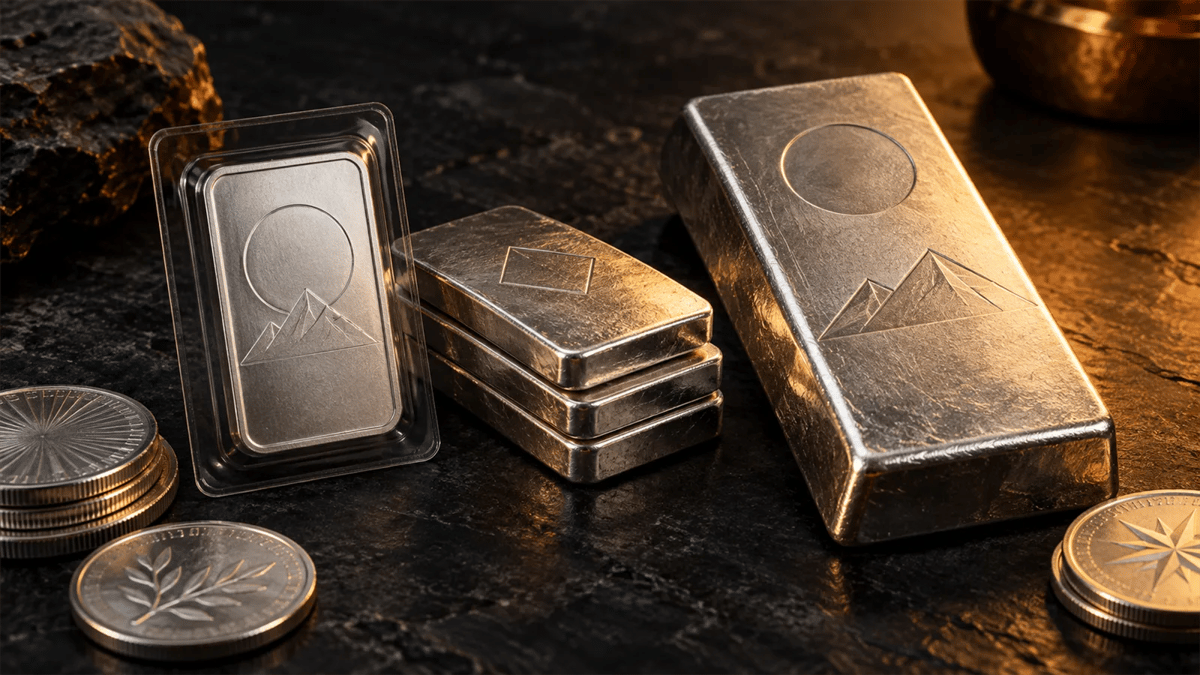
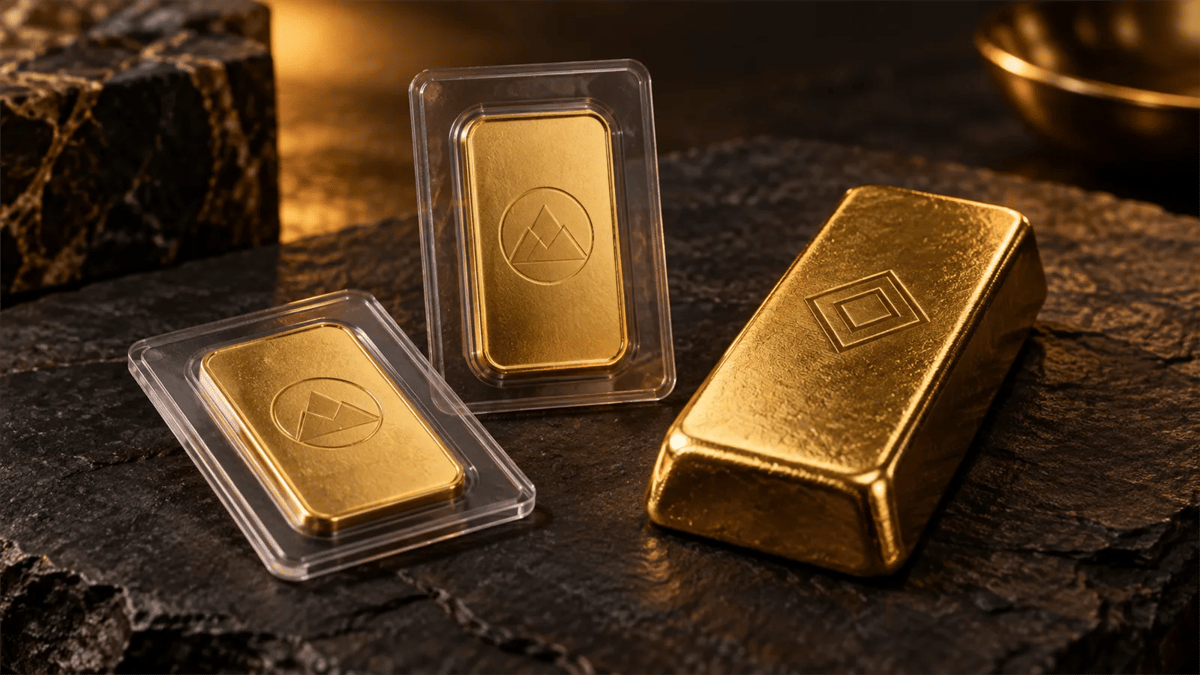
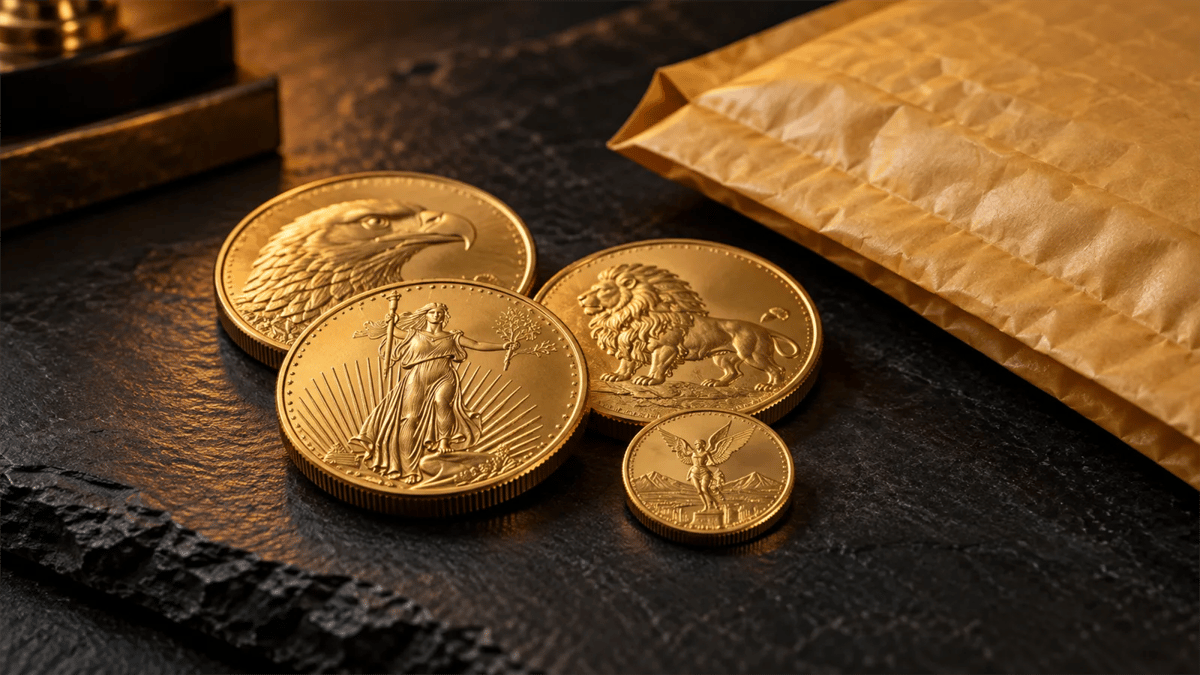
If you lean toward investing, your goal is simple to state even if it takes discipline to follow. You want to own precious metal at the lowest reasonable cost, hold it as a store of value, and sell it again without friction. The coin or bar is mostly a delivery vehicle; what matters is the weight, the purity, and how close your purchase price sits to the metal's actual market value.
That market value is the spot price, the going rate for one troy ounce of raw gold, silver, or platinum. On top of spot you pay a small premium covering minting, distribution, and the dealer's margin. The investor's instinct is to keep that premium as thin as possible, because every dollar spent above the metal's value has to be earned back before you break even.
This mindset shapes a whole approach:
- You think in totals, not trophies. The question is rarely "is this one special?" and more often "how many ounces did I add this month?"
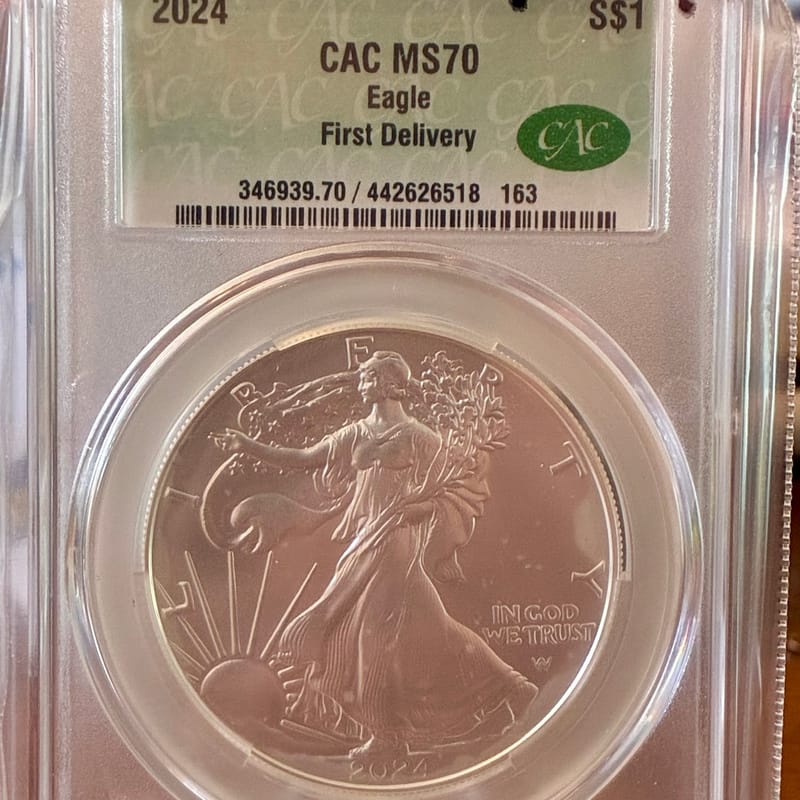
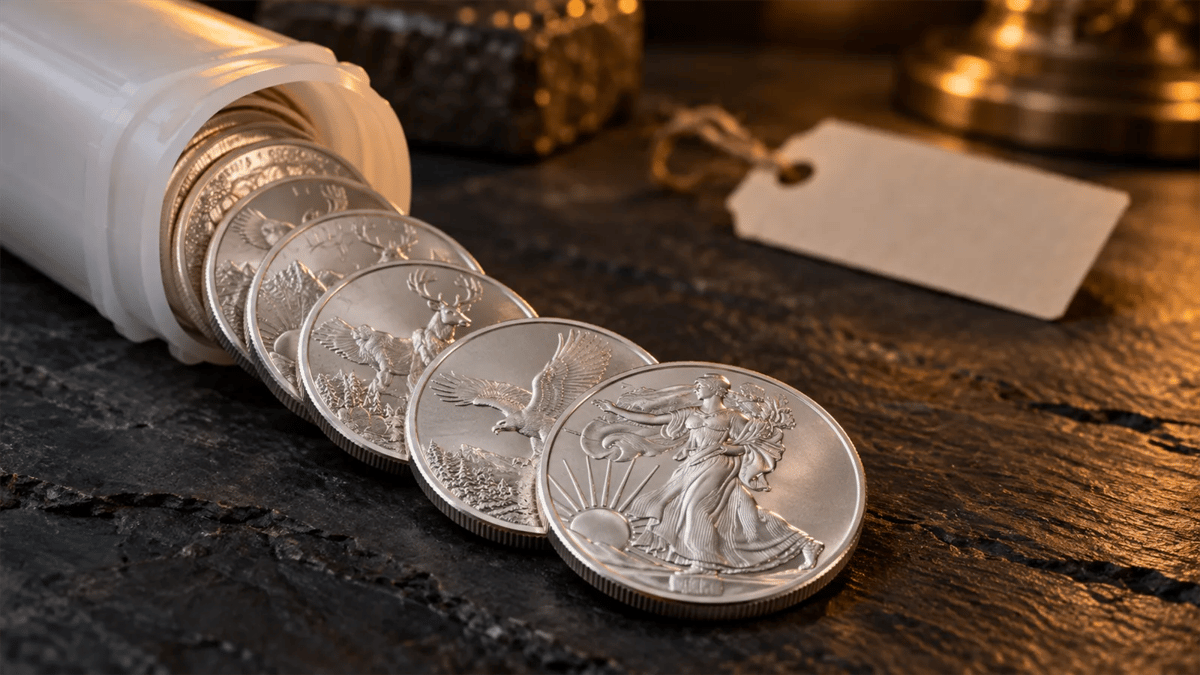
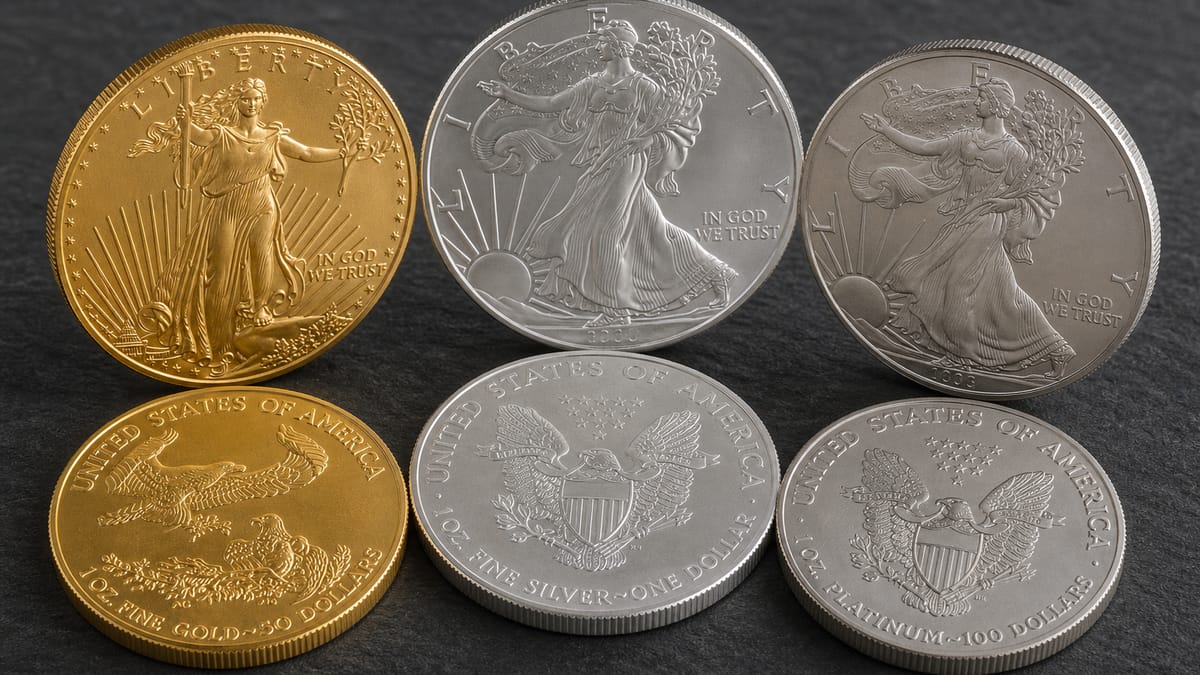
- You favor liquidity. Common, widely recognized products like Eagles, Maple Leafs, and Krugerrands, plus generic bars and rounds, sell quickly anywhere because any dealer can value them on sight.
- You buy on a plan, not a feeling. Many investors accumulate steadily rather than trying to time the market, treating metal as a hedge against inflation and a counterweight to paper assets.
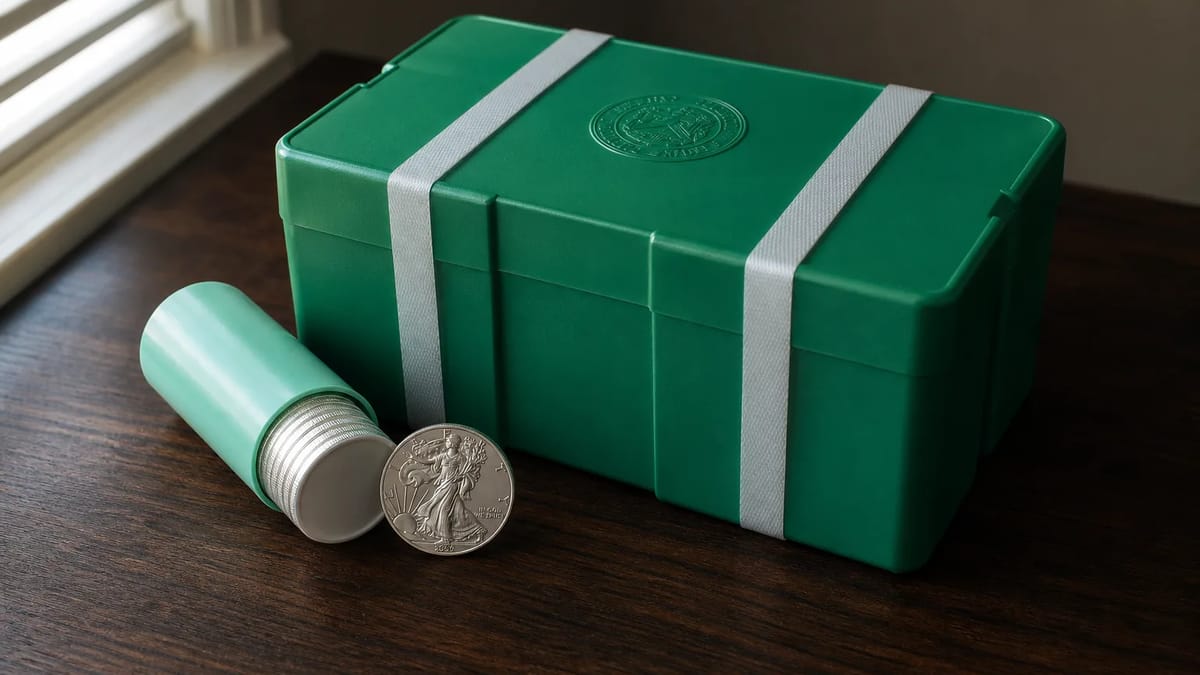
- You care about storage and security more than condition slabs and grading reports.
The temperament that suits this path is patient and a little dispassionate. You are not trying to spot the diamond in the rough; you are trying to own a durable, tangible asset that sits quietly outside the banking system and holds its value when other things wobble. The appeal is stability and control, not excitement.
PeerMetals Insight
If you ever find yourself paying a large premium for a "special" bullion piece and telling yourself it is still just an investment, pause. The moment a coin's price stops tracking its metal weight, you have quietly crossed over into collecting, whether you meant to or not.
The collector's mindset: the hunt, the history, the story
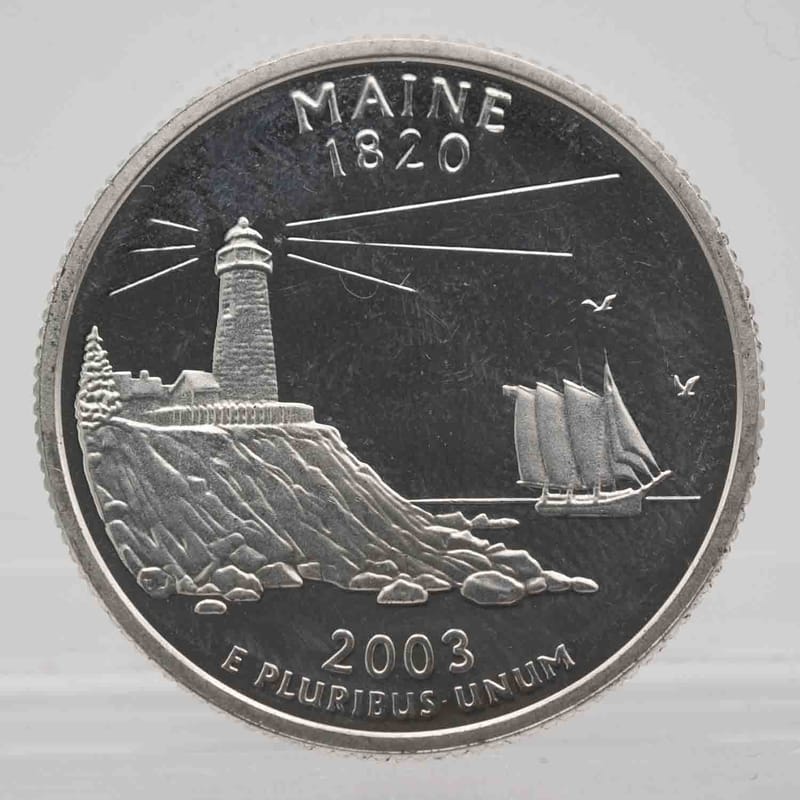
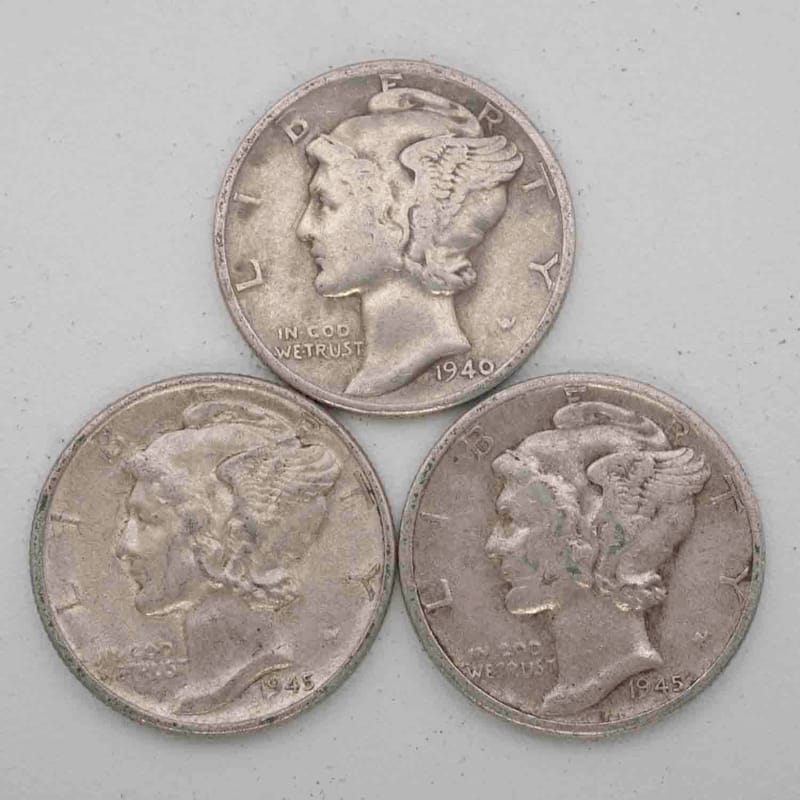
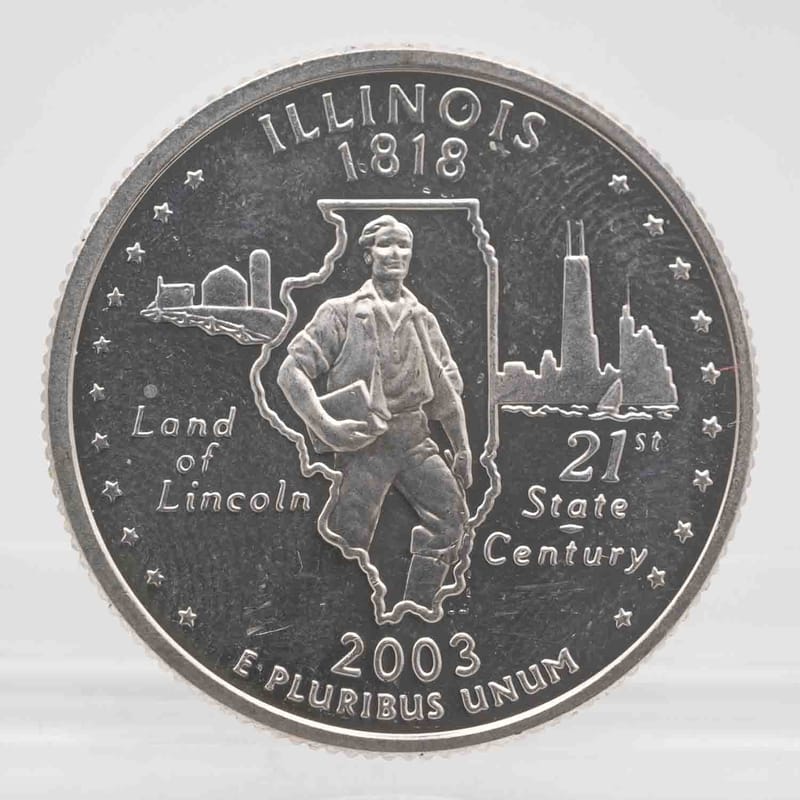
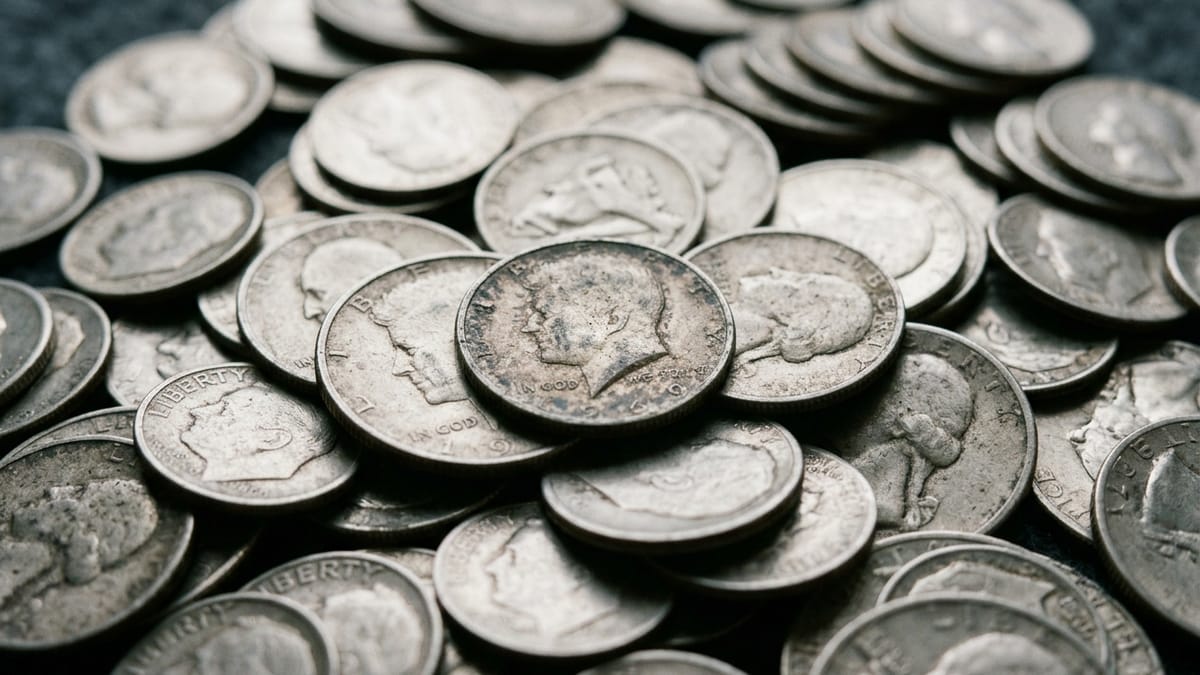
Numismatics, the study and collecting of coins, runs on an entirely different engine, and here the metal content is often the least interesting thing about a piece. A collector is drawn to scarcity, to the era a coin came from, to the artistry of its design, and to the quiet thrill of finally tracking down something they have wanted for years.
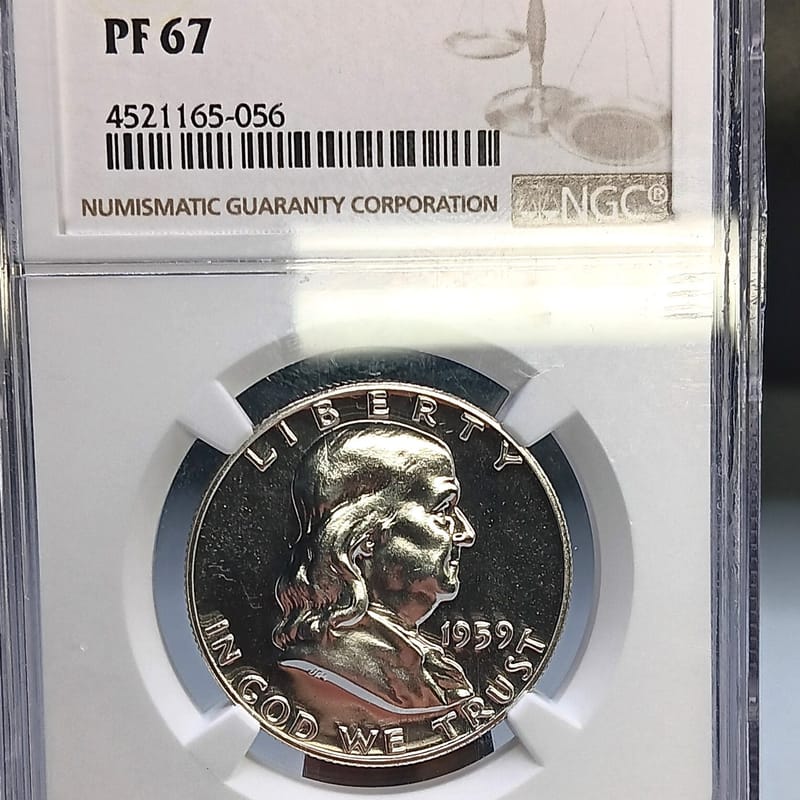
What drives a collectible's worth is not spot price but a blend of factors: how few were minted, how few survive today, the coin's grade or condition, and how many people want it. A "key date" with a tiny original mintage can be worth many multiples of a common year from the same series. Condition is graded on a standardized 1 to 70 scale by services such as PCGS and NGC, and the difference between two adjacent grades can mean a large difference in price.
But the numbers are only half the story. Collecting is a hobby with a pulse. People build sets, complete date runs, specialize in a single series or mint, and feel genuine satisfaction when a long-sought piece finally arrives. There is the research, the pursuit, and the pleasure of holding an object that passed through hands a century or more ago. For many collectors, the joy of the search rivals any eventual profit.
Consider the 1933 Saint-Gaudens Double Eagle. As metal, it holds about 0.9675 troy ounces of gold, worth well over $2,000 at recent prices, with gold trading above $2,500 in 2024. Yet one example sold at a Sotheby's auction in 2021 for roughly $18.9 million. Not one dollar of that price came from the gold; it came from an extraordinary history and near-total rarity. That gap, between what a coin is made of and what someone will pay for it, is the entire world the collector lives in.
The temperament here is curious and willing to learn. Collecting rewards knowledge: grading, mintage figures, varieties, and the backstories of particular issues. It can appreciate in value, sometimes dramatically and independently of the metals market, but a collector who buys purely for profit and skips the passion usually finds the hobby hard going. The people who do best would keep collecting even if prices stood still.
PeerMetals Insight
A useful gut check before any collectible purchase: would you still be glad to own this piece if its price never moved again? If the honest answer is yes, you are collecting for the right reasons. If the answer is no, you may really be looking for an investment, and bullion will serve you better.
Two goals, two ways of keeping score
The clearest way to see the divide is to notice how each person decides whether they succeeded.
| Question | The investor asks | The collector asks |
|---|---|---|
| What am I really buying? | Ounces of metal at a fair price. | A rare or meaningful object with a story. |
| What is a good deal? | The smallest premium over spot. | The right piece at the right grade, even at a premium. |
| How do I measure success? | More metal owned, value preserved over time. | A more complete, more beautiful, or rarer collection. |
| What does the activity feel like? | A steady, deliberate financial routine. | A hobby and a hunt, driven by curiosity. |
| What knowledge do I lean on? | Spot price and trustworthy dealers. | Grading, mintages, history, and market trends. |
Neither column is the "smart" one; they are simply different goals wearing the same metallic clothing. Trouble usually starts only when someone confuses the two, buying a high-premium collectible while believing they are making a low-cost investment, or buying generic bullion and feeling let down that it never becomes a treasured heirloom.
When the two paths overlap: semi-numismatic coins
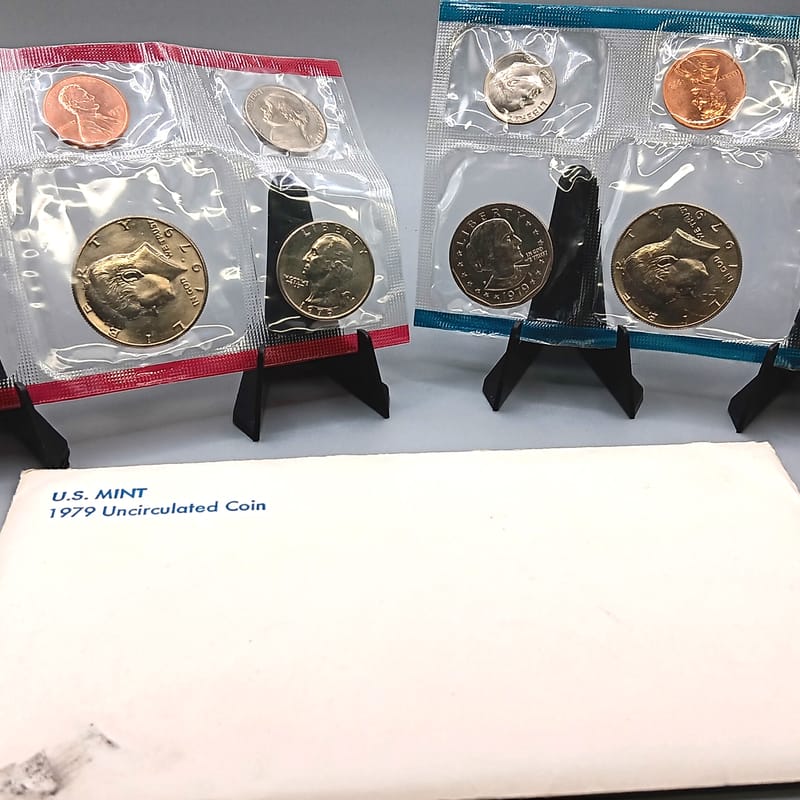
Plenty of people live in both worlds at once, and there is a category built for exactly that. Semi-numismatic coins blend the two mindsets. These are typically modern bullion coins that have picked up some collector appeal, often because of an unusually low mintage year, a special proof or burnished finish, or status as a first or final year of issue.
Their charm is that they keep one foot in each camp. The metal content sets a floor under the price, the way it does for any bullion piece, while collector demand offers the chance for extra appreciation on top. For someone whose investing discipline is starting to brush up against a budding interest in the hobby, semi-numismatics are a forgiving place to explore without straying far from the safety of weight and spot price.
Figuring out which kind of buyer you are
The honest way to choose is to look inward rather than at the coins. Do you want your purchases to be predictable and easy to sell, or are you energized by research and rarity? Would you rather own more ounces, or fewer and more interesting pieces? When you imagine opening your safe in ten years, do you picture a satisfying stack of metal, or a curated set you are proud to have assembled?
For most people the answer is not purely one or the other, and it can shift over time. A sensible pattern is to build a stable foundation of bullion first, for security and liquidity, then let a genuine interest in history and rarity grow into a smaller collection alongside it. The bullion does the financial work; the collection feeds the curiosity. As long as you know which is which, both can sit comfortably in the same portfolio.
What matters is that your buying matches your reasons. An investor who knows they are accumulating metal will not overpay for novelty, and a collector who embraces the hobby will not feel cheated when a beloved piece commands a premium far above its melt value. Clarity about your own goals is the quiet advantage that keeps either path enjoyable and sound.
Whichever describes you, or however the two mix, PeerMetals is built to support it. Browse the marketplace to stack bullion by the ounce, hunt for the collectible piece you have been after, or do a little of both.