Physical Gold vs. Gold ETFs vs. Mining Stocks: Comparing Your Options


"Investing in gold" can mean three genuinely different things: holding physical metal yourself, owning shares of a fund that holds gold on your behalf, or owning shares of a company that mines it. Each gives you exposure to the gold price through a different mechanism, with different risks, costs, and trade-offs.
Physical gold: direct ownership
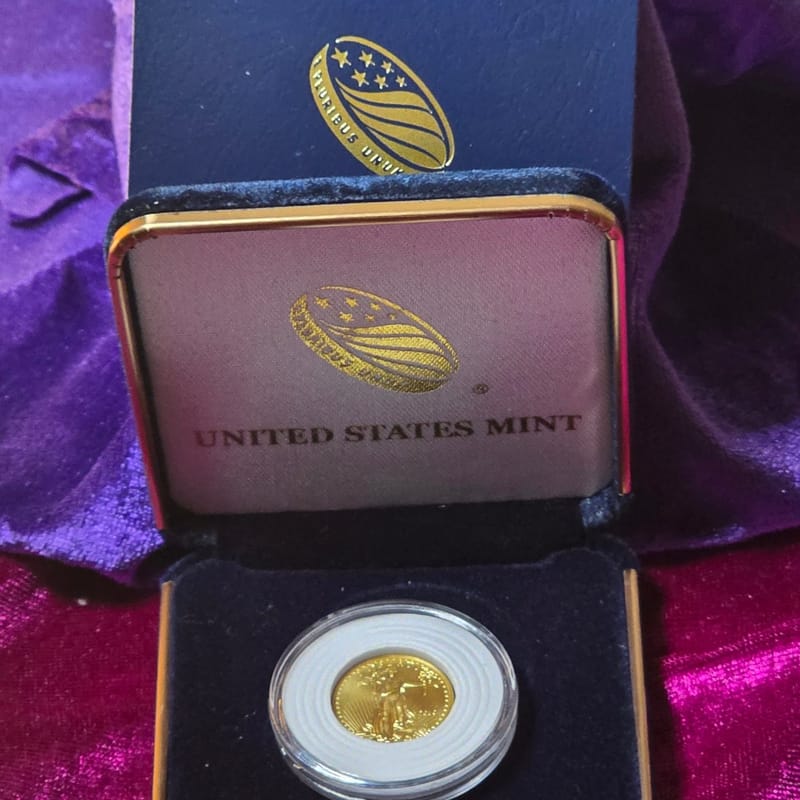
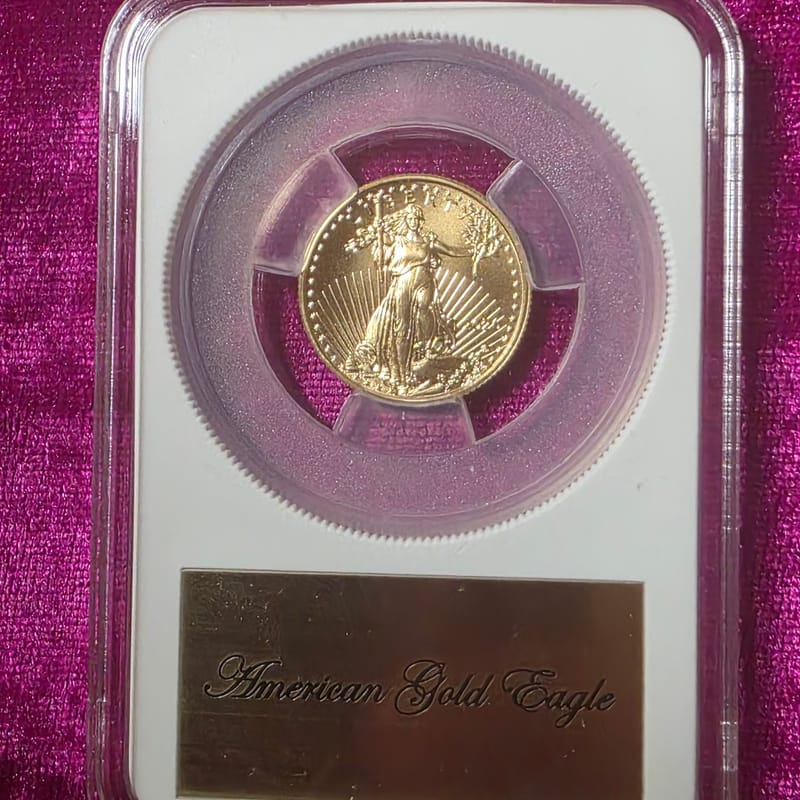
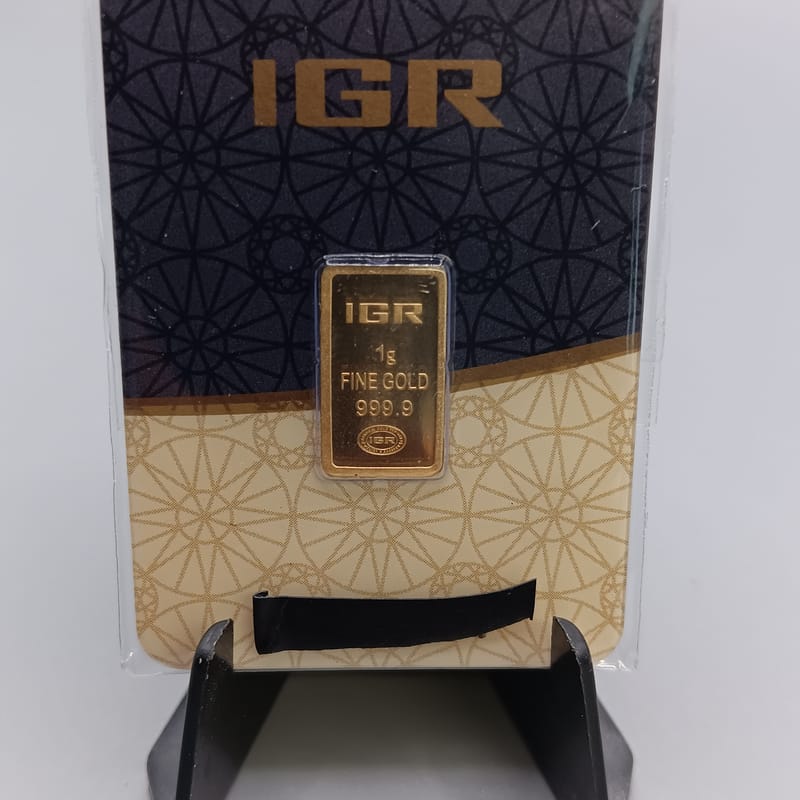
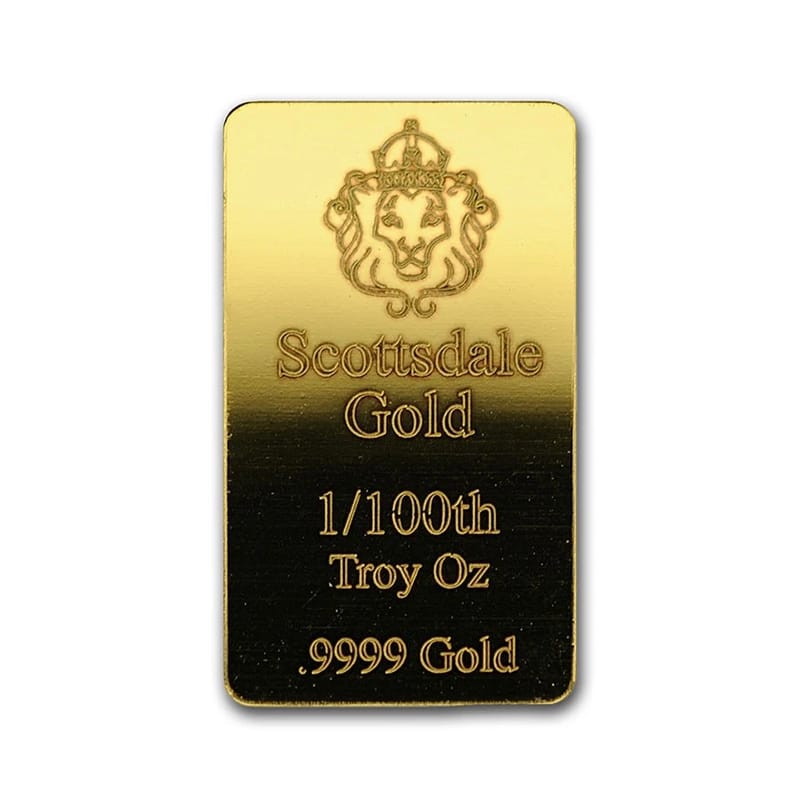
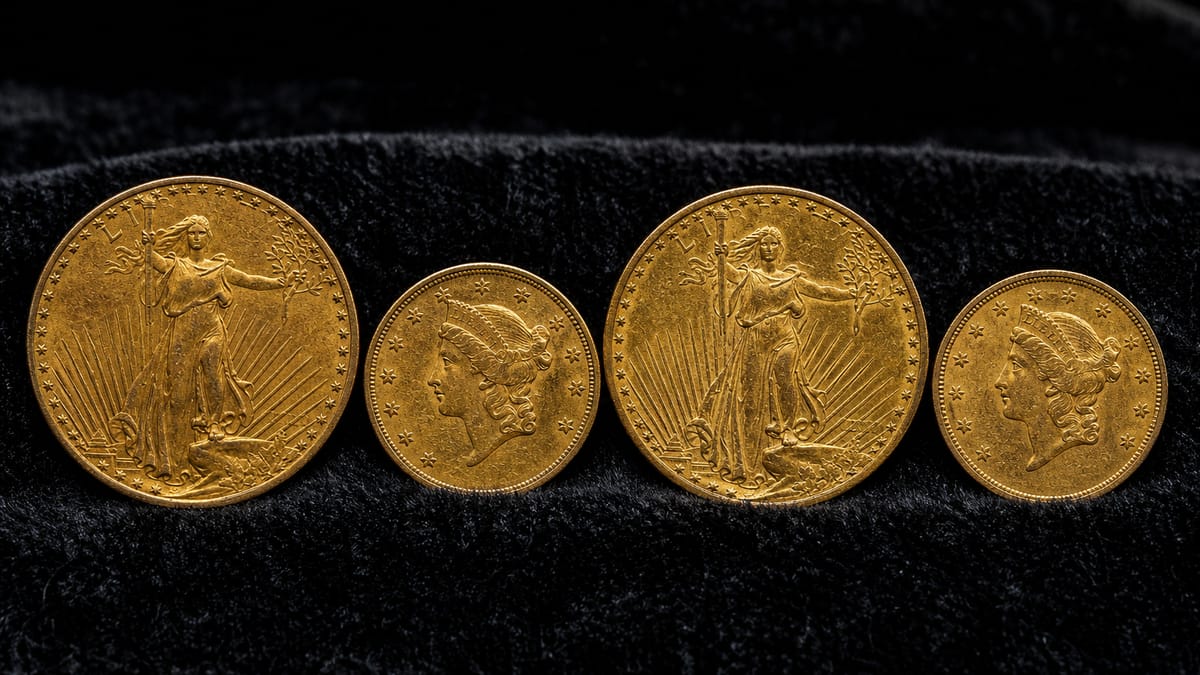
Buying coins or bars means you own the metal outright, with no counterparty standing between you and the asset. There's no fund manager, no company balance sheet, and no risk that an issuer fails to deliver on a claim -- the gold is simply yours. The trade-offs are practical: you need somewhere secure to store it, insurance is worth considering, and selling means finding a buyer rather than clicking a trade button. Premiums over the spot price -- covering minting, distribution, and dealer margin -- also mean physical gold typically costs more upfront than paper alternatives, and that premium isn't always fully recovered on resale. (To separate a product's metal value from its premium, run it through the gold melt value calculator against the live gold price.)
Gold ETFs: paper claim on physical gold
A gold exchange-traded fund holds physical bullion in vaults on behalf of shareholders, and its share price tracks the gold price closely. Buying and selling is as easy as any stock trade -- instant liquidity during market hours, no storage or insurance to arrange, and typically lower transaction costs than buying and later reselling physical metal. What you're holding is different in kind: a claim on gold held by the fund, not the metal itself. Most ETF holders never take physical delivery, and few funds make that practical for a retail investor even when it's technically an option.
The fine print matters more than most buyers expect. The large physically-backed funds are typically structured as grantor trusts, and shares in them are taxed like the metal itself -- as a collectible, with the same maximum 28% long-term capital gains rate -- which surprises investors who assume a paper wrapper changes the tax treatment. Funds built on gold futures rather than vaulted metal behave and are taxed differently again, and don't track spot as tightly over long periods. Which structure a fund uses is on the first pages of its prospectus, and it's worth the five minutes.
Costs: premium once vs. expense ratio forever
Physical gold's main cost is paid once, at purchase: the premium over spot. An ETF's main cost is paid continuously: an annual expense ratio deducted from the fund's assets. Over a short holding period the ETF is usually cheaper; over many years the annual drag compounds while the physical premium was a one-time toll. Neither is universally cheaper -- the crossover depends on the premium paid, the expense ratio, and the holding period, which is why long-horizon holders weigh physical more seriously than traders do.
Mining stocks: leveraged, indirect exposure
Buying shares in a gold mining company is not really an investment in gold -- it's an investment in a business that happens to produce gold, and that business carries its own risks: operating costs, management decisions, geopolitical exposure in the countries where it mines, debt levels, and exploration results. Mining stocks tend to be more volatile than the gold price itself, moving further in both directions.
The leverage works through margins. Imagine a miner producing at an all-in cost near $1,500/oz while gold trades at $2,000: its margin is $500/oz. If gold rises 10% to $2,200, costs stay roughly fixed and the margin jumps to $700 -- a 40% profit increase on a 10% metal move. That amplification is why the sector is described as leveraged exposure to gold, and it cuts exactly as hard in reverse when the metal falls.
Comparing the three
| Physical gold | Gold ETF | Mining stocks | |
|---|---|---|---|
| What you own | The metal itself | A claim on fund-held gold | Shares in a mining company |
| Liquidity | Depends on finding a buyer | Instant, market hours | Instant, market hours |
| Ongoing cost | Storage/insurance, if any | Annual expense ratio | None beyond brokerage |
| Counterparty risk | None | Fund/custodian risk | Company-specific risk |
| Tax on long-term gains | Collectibles rate (up to 28%) | Usually collectibles rate if metal-backed | Standard capital gains rates |
| Price behavior | Tracks spot, plus premium | Tracks spot closely | Often more volatile than spot |
Which one fits
None of the three is universally "better" -- they answer different needs. Investors who want a tangible, no-counterparty hedge tend to prefer physical metal. Those who want simple, liquid market exposure without storage logistics tend to prefer ETFs. Those willing to accept company-specific risk in exchange for potentially amplified upside look at mining stocks. Many investors who hold gold for diversification purposes end up using more than one of the three, matched to how they plan to use each part of the position.
A quick self-check before choosing: Do you want to be able to hold it (physical), trade it tomorrow morning (ETF), or bet on operators outperforming the metal (miners)? Would a storage plan be a burden or a comfort? Does the collectibles tax treatment change your math (see how metals gains are taxed)? And do you understand what actually sets the price underneath all three -- covered in how the gold price is set?
Sources: Investopedia, "Understanding Taxes on Gold and Silver Investments" (retrieved 2026-08-25), on ETF tax treatment; The Tax Adviser, "The taxation of collectibles" (retrieved 2026-08-25); fund-structure characterization per major physically-backed gold trusts' public prospectus summaries; general industry data on mining-stock volatility and leverage to the gold price.