Understanding the Troy Ounce: Your Guide to Precious Metals Weight

What Is a Troy Ounce?
A troy ounce is the unit of weight used to measure precious metals. One troy ounce equals 31.1034768 grams (about 31.10 g), which makes it heavier than the standard ounce most people know from groceries and shipping. That everyday unit, called the avoirdupois ounce, weighs only 28.35 grams, so the two are not interchangeable. When gold, silver, platinum, or palladium is priced or traded anywhere in the world, the troy ounce is the unit being used.
Troy Ounce vs. the Everyday Ounce
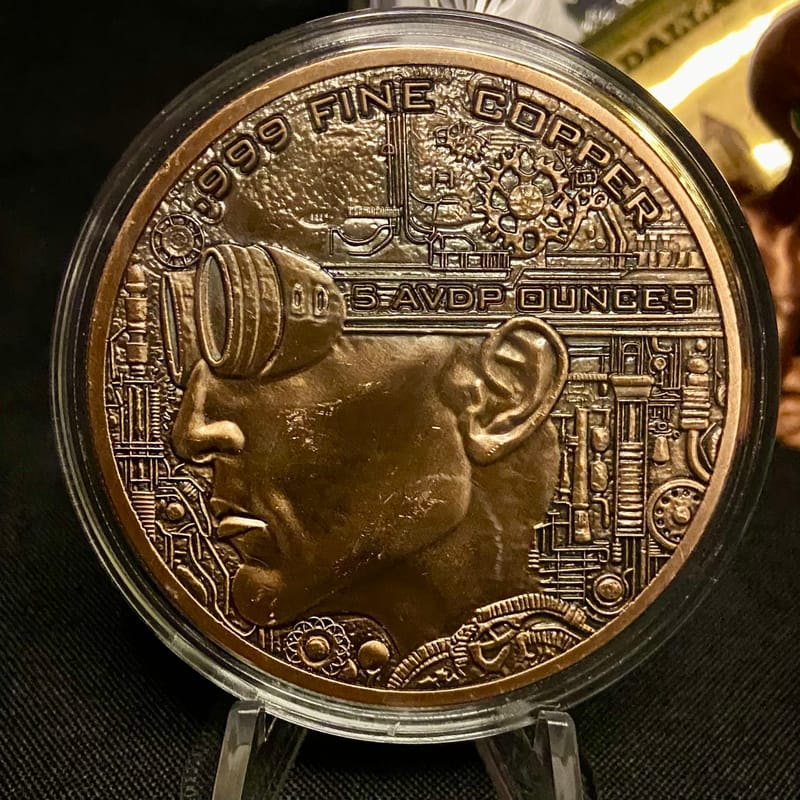
This is the single most common point of confusion for new buyers, and getting it wrong can distort your sense of value. The ounce used for food, postage, and body weight is the avoirdupois ounce at 28.35 grams. The troy ounce is a separate unit at 31.10 grams, roughly 9.7 percent heavier.
The two systems also divide into pounds differently. A troy pound is made up of 12 troy ounces, while a standard (avoirdupois) pound is made up of 16 avoirdupois ounces. Because of that, a troy pound (about 373 grams) is actually lighter than a standard pound (about 454 grams), even though the troy ounce itself is heavier than the standard ounce. It is a counterintuitive quirk worth remembering.
| Feature | Troy Ounce (precious metals) | Avoirdupois Ounce (everyday goods) |
|---|---|---|
| Weight in grams | 31.1034768 g | 28.3495231 g |
| Relative weight | About 9.7% heavier | Lighter |
| Pound | 12 troy ounces = 1 troy pound (~373 g) | 16 ounces = 1 pound (~454 g) |
| Primary use | Gold, silver, platinum, palladium, gemstones | Food, shipping, general commerce |
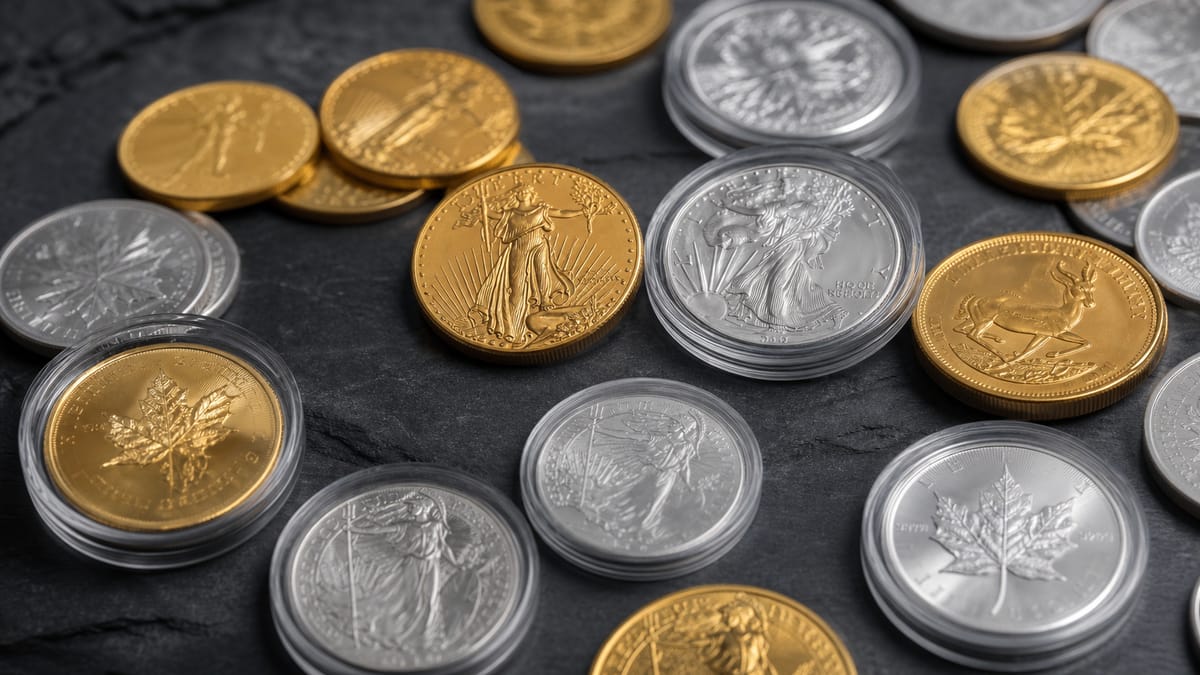
The practical effect is real: a one-troy-ounce American Silver Eagle holds nearly 10 percent more metal than a product weighed in standard ounces. When a price is quoted "per ounce" in this market, it always means per troy ounce.
PeerMetals Insight
When a listing on PeerMetals says one troy ounce, it means the full, globally recognized 31.10 grams. That precision is what lets a buyer and seller agree on weight before they ever agree on price.
Where the Troy Ounce Came From
The troy ounce is not a recent invention. Its name is most commonly linked to the medieval trade fairs of Troyes, France, a major crossroads of European commerce in the 12th and 13th centuries. Merchants arrived from across the continent, each with their own local weights, and high-value goods such as gold and silver demanded a shared, trusted standard. The system of weights associated with those fairs is the widely cited origin of the troy system, though the exact history is not certain.
The standard later took hold in England. By statute under Henry VIII in 1527, troy weight was established as the basis for English coinage, giving the system formal legal footing. Through British trade and, later, the U.S. Mint's adoption of troy weight for precious metals, the unit spread until it became the global standard it remains today.
Why the Troy Ounce Still Endures
In an era of the metric system and global trade, it can seem strange that a medieval unit survives. It endures because the entire precious metals industry is built around it, in three reinforcing ways.
-
Embedded infrastructure: The vaults of the London Bullion Market Association (LBMA), refineries in Switzerland, and minting presses in the United States, Canada, and Australia are all calibrated to handle metal in troy ounces. Re-tooling that global network for a different unit would carry enormous cost.
-
A century of data: Price charts, historical records, and market analysis going back generations are denominated in troy ounces. Keeping the standard means that historical data stays directly comparable rather than needing constant conversion.
-
Frictionless cross-border trade: Because the troy ounce means the same thing everywhere, a 10-ounce bar from a Swiss refiner is understood to weigh exactly the same as a 10-ounce bar from Australia's Perth Mint. There is no weight ambiguity to negotiate, which keeps the international market liquid and efficient.
Who Uses the Troy Ounce Today
Far from a relic, the troy ounce is the working language of the modern precious metals industry, used daily across several groups.
Investors and Bullion Markets
-
The language of price: When you see the spot price of gold, silver, or platinum on a financial channel like Bloomberg or a site like Kitco, it is quoted per troy ounce. That gives traders worldwide a single price reference.
-
Global exchanges: Major venues, including the LBMA and the COMEX in New York, clear trades in troy ounces, letting traders in Tokyo, London, and New York all work from the same standard.
-
Investment products: Gold-backed ETFs such as SPDR Gold Shares (GLD) report holdings in troy ounces, and retail bullion is sold in troy ounce denominations like 1/10 oz, 1/4 oz, 1 oz, and 10 oz.
Mints and Refiners
-
A guarantee of weight: When the U.S. Mint produces a "1 oz American Gold Eagle," it is a sovereign guarantee that the coin contains exactly one troy ounce of pure gold, which is why such products are trusted worldwide.
-
Refinery standards: Renowned refiners such as PAMP in Switzerland and the Perth Mint in Australia weigh and trade large bars, including 400 oz "Good Delivery" gold bars, in troy ounces, which is essential for high-value transactions between banks, governments, and institutions.
Jewelers, Dentists, and High-Tech Industries
-
Wholesale purchasing: Jewelers and manufacturers buy raw metal such as casting grain, wire, and sheet priced in troy ounces. They may switch to grams or pennyweights when designing a single piece, but the cost of their inventory traces back to the troy ounce price.
-
Specialized industries: Precious metals reach well beyond jewelry. Gold's conductivity makes it essential in high-end electronics, platinum is critical for automotive catalytic converters, and silver appears in medical applications. In each field, raw materials are sourced against the global troy ounce standard.
PeerMetals Insight
Because every seller and buyer measures in the same troy ounce, there are no regional conversions to reconcile. One troy ounce in a product description means the same thing to everyone, which keeps trades simple and comparable.
The Bottom Line
The troy ounce is the global standard for pricing and trading gold, silver, platinum, and palladium, weighing 31.10 grams against the everyday ounce's 28.35. It carries a long history, a deeply embedded market infrastructure, and a consistency that lets a bar in Zurich match a bar in Sydney down to the gram. Understanding this one unit is the foundation for reading prices and judging value with confidence. When you are ready to put that knowledge to work, you can explore gold, silver, and platinum from trusted sellers on the PeerMetals marketplace.