Platinum Bars vs. Gold Bars: A Head-to-Head Comparison

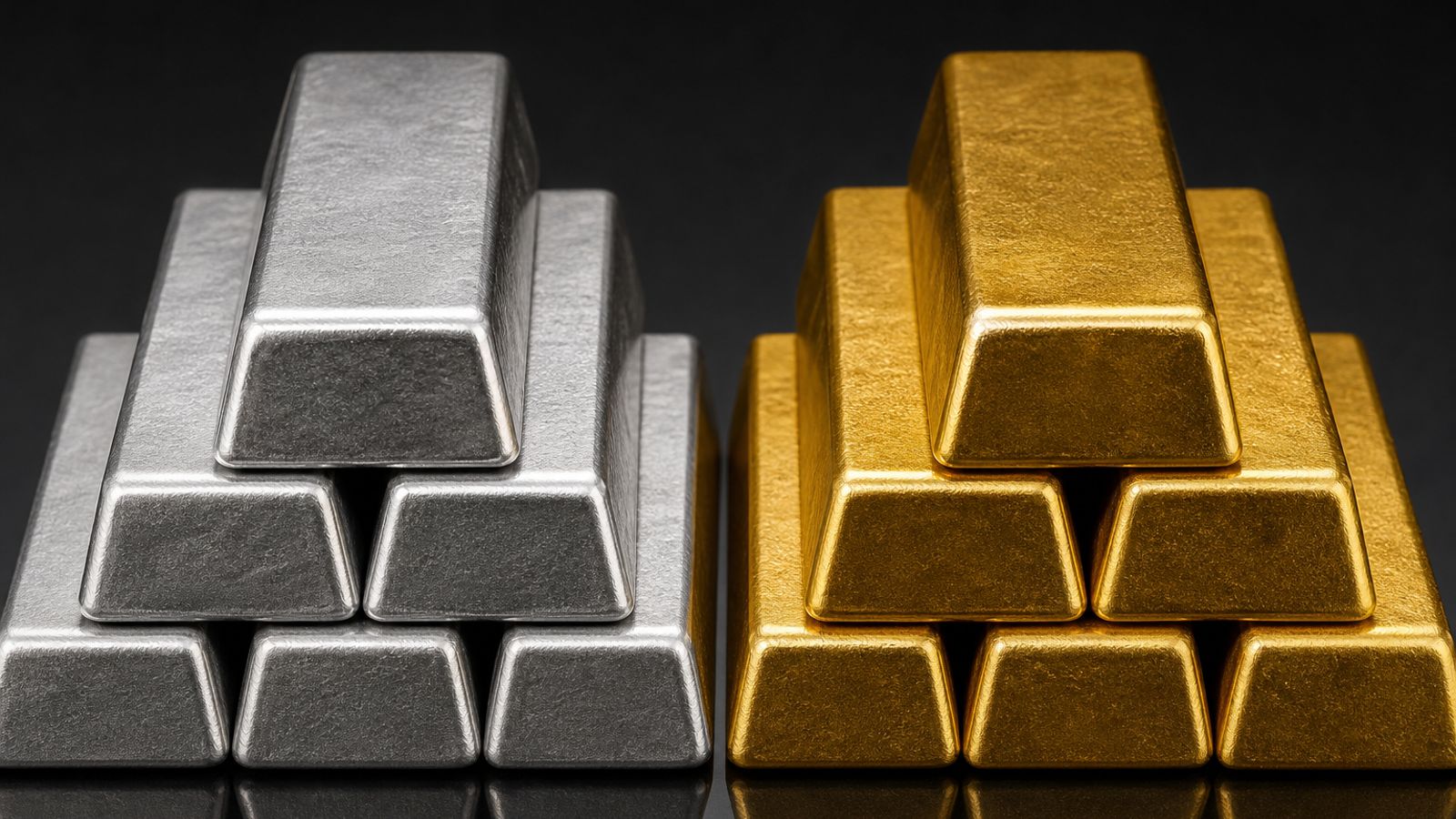
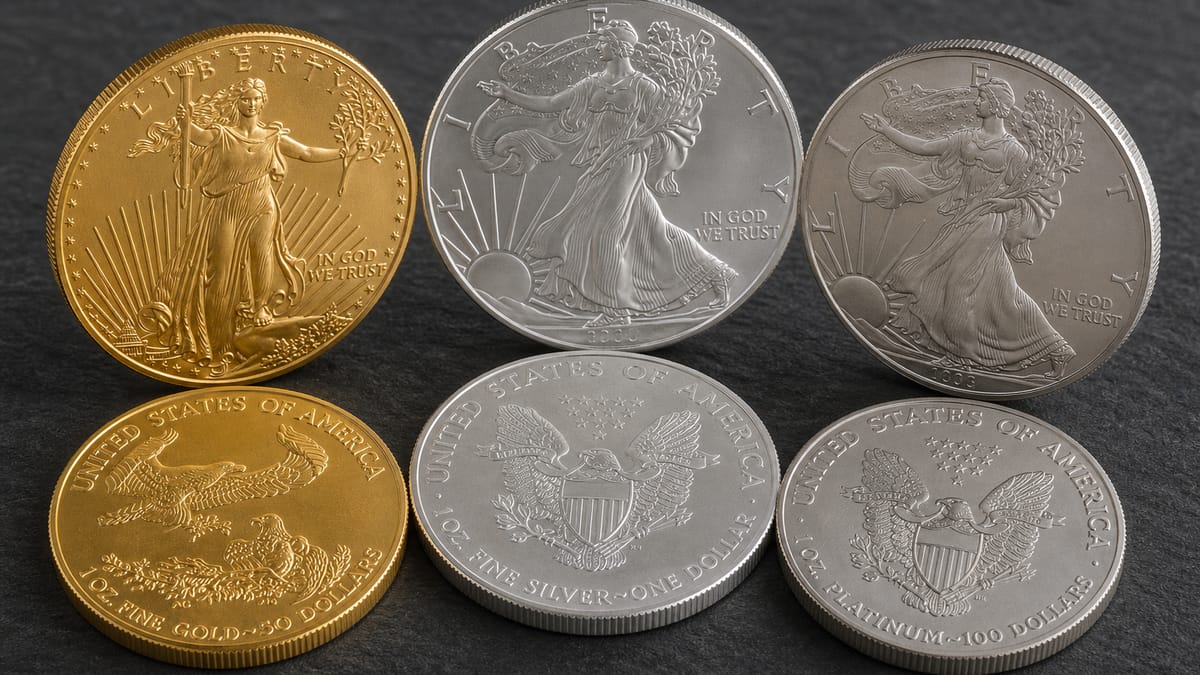
For centuries, gold has been the undisputed king of precious metals, the ultimate safe-haven asset, and the cornerstone of countless investment portfolios. But in the world of tangible assets, another noble metal presents a compelling, and distinctly different, opportunity: platinum.
Choosing between a gold bar and a platinum bar is far more than a matter of color. It's a strategic decision that hinges on understanding two fundamentally different markets, each with its own unique risks, rewards, and drivers of value. One is the time-tested monetary anchor, the other is the indispensable industrial powerhouse.
Which one is the right addition to your portfolio? This definitive guide from PeerMetals will dissect the two metals head-to-head, giving you the clarity to invest not just in metal but in a strategy that aligns with your vision.
Rarity and Price: The Great Paradox
The first thing investors learn about platinum is that it is significantly rarer than gold.
-
Annual Production: Roughly 3,000-3,300 tonnes of gold are mined each year, compared to only about 180-200 tonnes of platinum.
-
Overall Scarcity: It's estimated that all the platinum ever mined could fit into an average-sized living room.
Logically, this extreme rarity should make platinum more expensive than gold. And historically, it often was. However, in recent decades, gold has frequently traded at a higher price. This paradox is explained by the vast difference in above-ground stocks and investment demand.
Centuries of gold being treated as money means massive quantities are held by central banks, institutions, and private investors worldwide. This deep-rooted monetary demand creates a huge and stable base for its price. Platinum, by contrast, has a much shorter history as an investment asset, and its above-ground stocks are tiny in comparison.
PeerMetals Insight:
"The platinum-gold price paradox is a powerful lesson in market dynamics. It teaches us that value is driven by more than just physical scarcity; it's driven by demand and historical role. When gold trades at a premium to platinum, some investors see gold as overvalued. Others see platinum as a historic bargain. Understanding this dynamic is key to identifying opportunity."
Market Drivers: The Fundamental Divide (Monetary vs. Industrial)
This is the most critical difference every investor must understand. Gold and platinum derive their value from entirely different sectors of the global economy.
Gold: The Ultimate Monetary Asset
Gold's value is primarily driven by monetary factors. It is a non-governmental, tier-one asset with no counterparty risk. Its price reacts to:
-
Inflation and Currency Devaluation: When fiat currencies lose purchasing power, investors flock to gold as a stable store of value.
-
Geopolitical Instability: During times of war or political crisis, gold is the ultimate safe-haven asset.
-
Interest Rates: Lower interest rates make non-yielding assets like gold more attractive.
-
Central Bank Buying: Nations continue to add gold to their reserves to diversify away from the US dollar.
Gold's industrial use is minimal, meaning its price is largely insulated from the boom-and-bust cycles of the economy.
Platinum: The Indispensable Industrial Metal
Platinum's value is overwhelmingly tied to industrial demand. According to the World Platinum Investment Council (WPIC), over 60% of platinum demand comes from industry. Its price reacts to:
-
Automotive Demand: The largest use of platinum is in catalytic converters for diesel vehicles to control emissions. A strong auto market, particularly in Europe, boosts platinum prices.
-
General Economic Health: As a key component in industrial processes (petroleum refining, glassmaking, electronics), platinum demand rises during economic expansions and falls sharply during recessions.
-
Jewelry Demand: Platinum is a popular metal for high-end jewelry, particularly in Asia.
-
Technological Shifts: The transition away from diesel engines poses a long-term risk, while its potential use in hydrogen fuel cells presents a major future opportunity.
PeerMetals Insight:
"Gold and platinum are two different tools for two different jobs. Gold is a defensive shield. You buy it to protect your wealth from the failures of the traditional financial system. Platinum is an offensive sword. You buy it as a bet on global growth, industrial innovation, and technological progress. An investor who understands this distinction can use them both with purpose."
Volatility and Liquidity: Risk vs. Stability
The differences in their market drivers lead to very different risk profiles.
-
Gold Market: The gold market is vast, deep, and incredibly liquid. Trillions of dollars in gold are traded daily in various forms. This depth means the market can absorb large buy or sell orders without dramatic price swings, leading to relatively lower volatility.
-
Platinum Market: The platinum market is much smaller and thinner. This lower liquidity means its price is more susceptible to supply and demand shocks. A mining strike in South Africa (which produces ~75% of the world's platinum) or a sudden drop in automotive sales can cause a much more violent price swing than a similar event would for gold.
This makes platinum a more volatile investment. For investors, this translates to a higher-risk, higher-potential-reward asset compared to the slow-and-steady stability of gold.
PeerMetals Insight:
"Volatility isn't inherently good or bad; it's a characteristic that must align with your risk tolerance. The stability of gold is what allows investors to sleep at night. The volatility of platinum is what attracts speculators looking for outsized returns. A balanced portfolio can strategically incorporate both."
A Direct Comparison: Gold vs. Platinum
| Feature | Gold Bars | Platinum Bars |
| Primary Role | Monetary Metal, Safe-Haven Asset | Industrial Metal, Growth Asset |
| Key Demand Driver | Investment and Central Bank Buying | Automotive and Industrial Applications |
| Market Size | Massive and highly liquid. | Smaller and less liquid. |
| Price Volatility | Lower, more stable. | Higher, more susceptible to swings. |
| Economic Correlation | Performs well in economic crises. | Performs well in economic expansions. |
| Rarity | Less rare than platinum. | ~15-20 times rarer than gold. |
| Best For | Wealth preservation, inflation hedging, portfolio stability. | Portfolio diversification, speculation on industrial growth. |
PeerMetals Final Thoughts: A Strategic Choice for a Modern Portfolio
The debate between gold and platinum is not about choosing a winner. It's about recognizing that they are two fundamentally different assets that serve different strategic purposes.
-
Gold is the anchor of your portfolio. It is the time-tested, universally trusted store of wealth that provides a foundation of security against economic chaos. It is the defensive core of any precious metals holding.
-
Platinum is the sail. It is the speculative, industrially-critical asset that offers the potential for significant growth when the winds of the global economy are blowing strongly. It is an offensive tool for diversification and opportunity.
A truly sophisticated investor doesn't ask "which one is better?" but rather, "what role do I want each to play in my portfolio?" For many, the answer is a combination of both: a solid core of gold for stability, complemented by a tactical position in platinum to capitalize on its unique industrial demand and relative undervaluation.
At PeerMetals, we believe in empowering investors with the knowledge to make these strategic decisions. Our platform provides secure access to both of these premier metals, allowing you to build a robust and intelligent portfolio that is perfectly suited to your financial outlook.
Ready to build your strategic position? Whether you seek the proven stability of gold or the unique opportunity of platinum, find the highest quality bars from trusted sellers on the PeerMetals marketplace today!