Understanding Precious Metal Valuation: Spot, Premiums, and Rarity


The price of a gold or silver product is determined by several layers of value that are added to the raw worth of the precious metal itself. Understanding these components is key to being a savvy investor.
When you look at the price of a gold coin or a silver bar, you are seeing more than just a single number. You are seeing the culmination of a complex valuation process that combines global economics, manufacturing costs, and the intangible allure of history and art. To become a truly savvy investor, you must learn to deconstruct this price and understand its core components.
What is the difference between the "spot price" you see on the news and the price you pay a dealer? Why is one one-ounce silver coin worth more than another? The answers lie in three key concepts: Spot Price, Premium, and Numismatic Value.
This definitive guide from PeerMetals will break down each of these essential pillars of valuation. Mastering them will empower you to understand the true worth of any precious metal product, enabling you to invest with precision and strategic confidence.
The Foundation - Spot Price: The Global Heartbeat of the Market
The spot price is the foundation upon which all other valuation is built. It is the live, fluctuating market price for one troy ounce of a precious metal in its raw, unfabricated form.
How is the Spot Price Determined?
The spot price is not set by any single entity. It is determined by the continuous trading of precious metals futures contracts on major global commodities exchanges, such as the COMEX in New York. The price is influenced by a host of real-time factors:
-
Supply and Demand: The balance between new mining output and industrial/investment demand.
-
Economic Data: Inflation reports, interest rate decisions by central banks, and employment numbers.
-
Geopolitical Events: Political instability or conflict can drive investors toward safe-haven assets.
-
Currency Strength: Because metals are typically priced in U.S. dollars, the strength or weakness of the dollar has a direct impact on their price in other currencies.
Think of the spot price as the universal wholesale cost. It’s the baseline from which all retail products are priced, but it is not the price at which you can buy a finished coin or bar.
PeerMetals Insight:
"The spot price is the great equalizer. It is a transparent, globally recognized benchmark that provides a level playing field for all investors. On the PeerMetals marketplace, the spot price is the constant, visible heartbeat that our entire community trades around. It ensures a baseline of fairness and clarity, allowing you to focus on the other components of value."
The Cost of Creation - Premiums: From Raw Metal to Your Hand
A premium is simply the amount you pay over the spot price for a finished bullion product. It is a necessary cost that covers the entire process of transforming raw metal into an investment-grade asset and delivering it to you.
What Does a Premium Cover?
-
Minting and Fabrication: The costs of operating a mint, including labor, machinery, and quality control. It's cheaper to pour a large bar than to intricately strike a small coin.
-
Distribution and Logistics: The costs of securely transporting, insuring, and storing the bullion as it moves from the mint to the dealer.
-
Dealer Overhead and Profit: The margin a dealer needs to run their business, including staffing, marketing, and inventory management.
Why Premiums Vary:
Not all premiums are created equal. They differ based on several key factors:
-
Form: Bars are generally the cheapest to produce, so they have the lowest premiums. Intricately designed coins have higher fabrication costs and thus higher premiums.
-
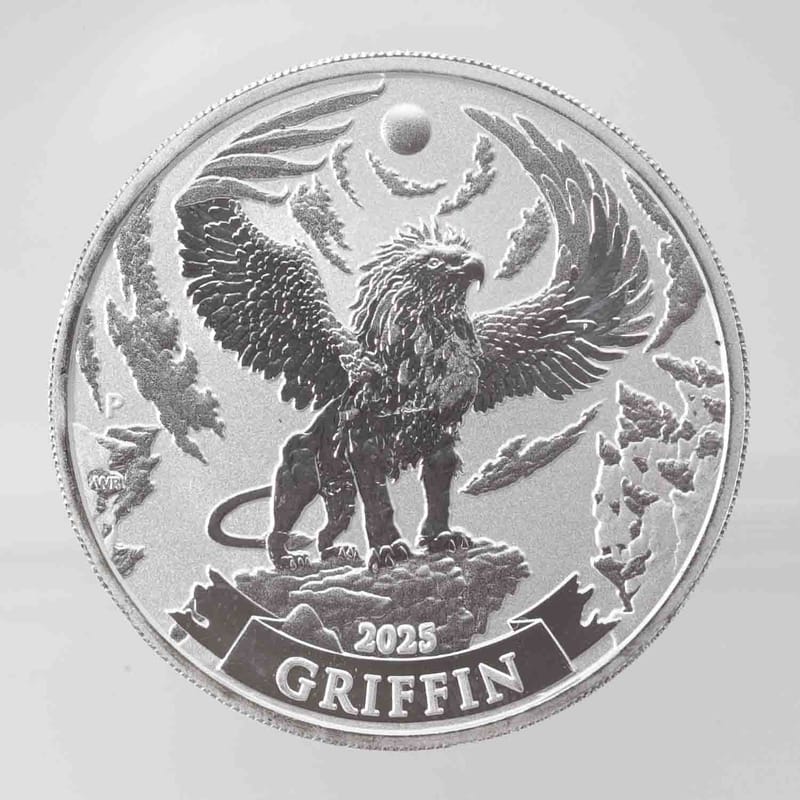
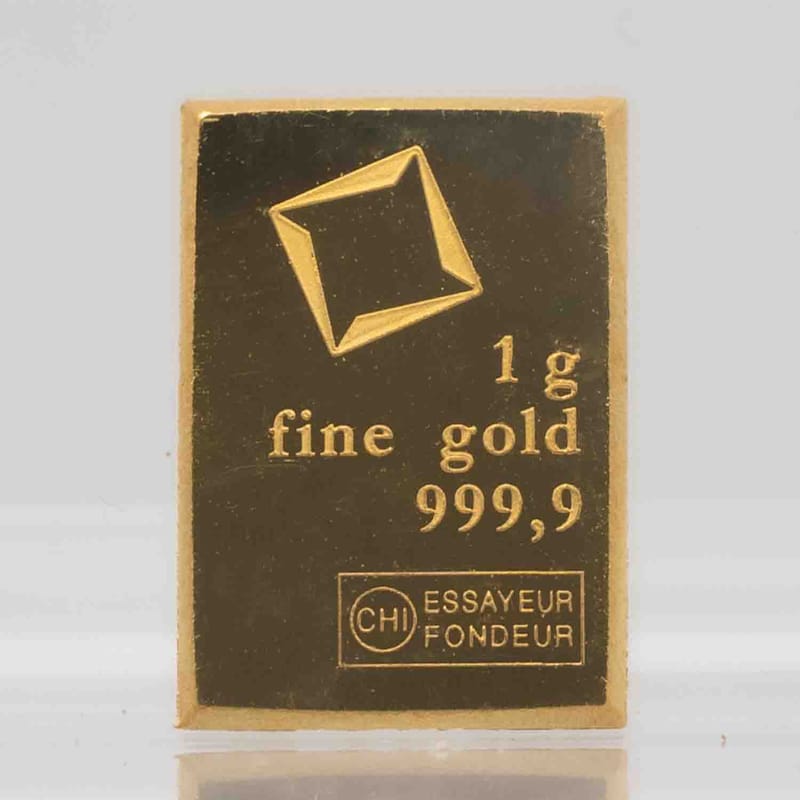
Size: Smaller items (like 1-gram bars or 1/10 oz coins) have a much higher premium per ounce than larger items. This is because the fixed costs of minting and handling are spread over a smaller amount of metal.
-
Source: Sovereign mint coins often have higher premiums than private mint rounds due to government-backed guarantees, marketing budgets, and more complex designs.
Premium Tiers at a Glance (Lowest to Highest)
-
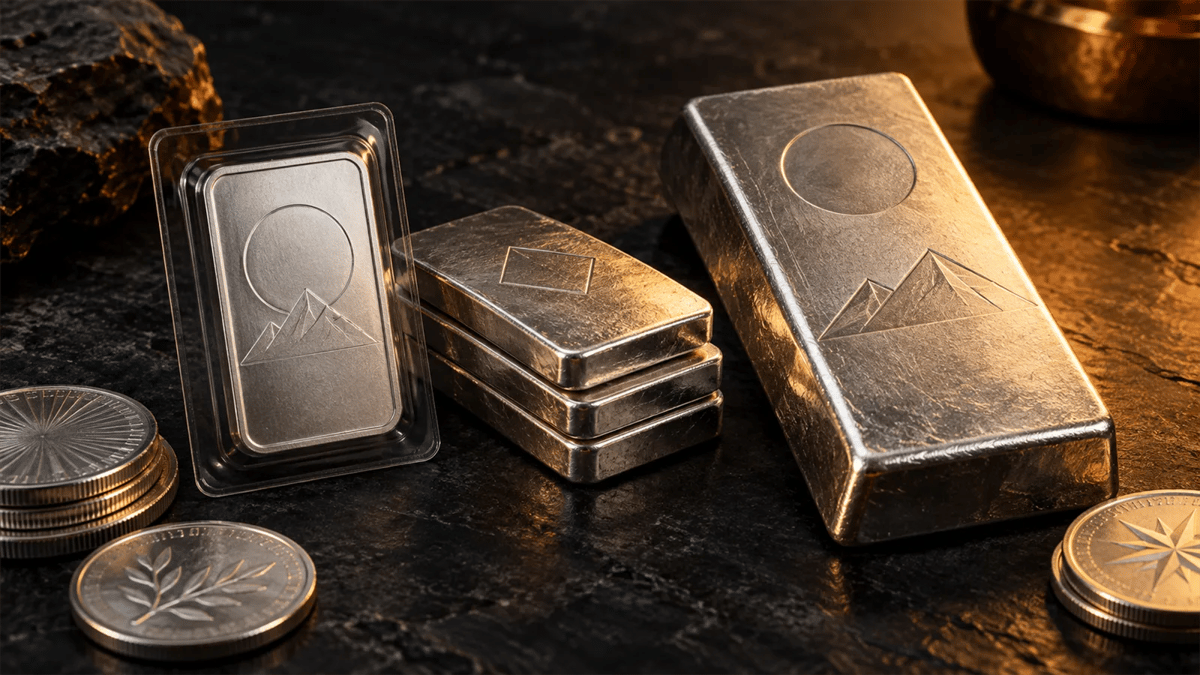
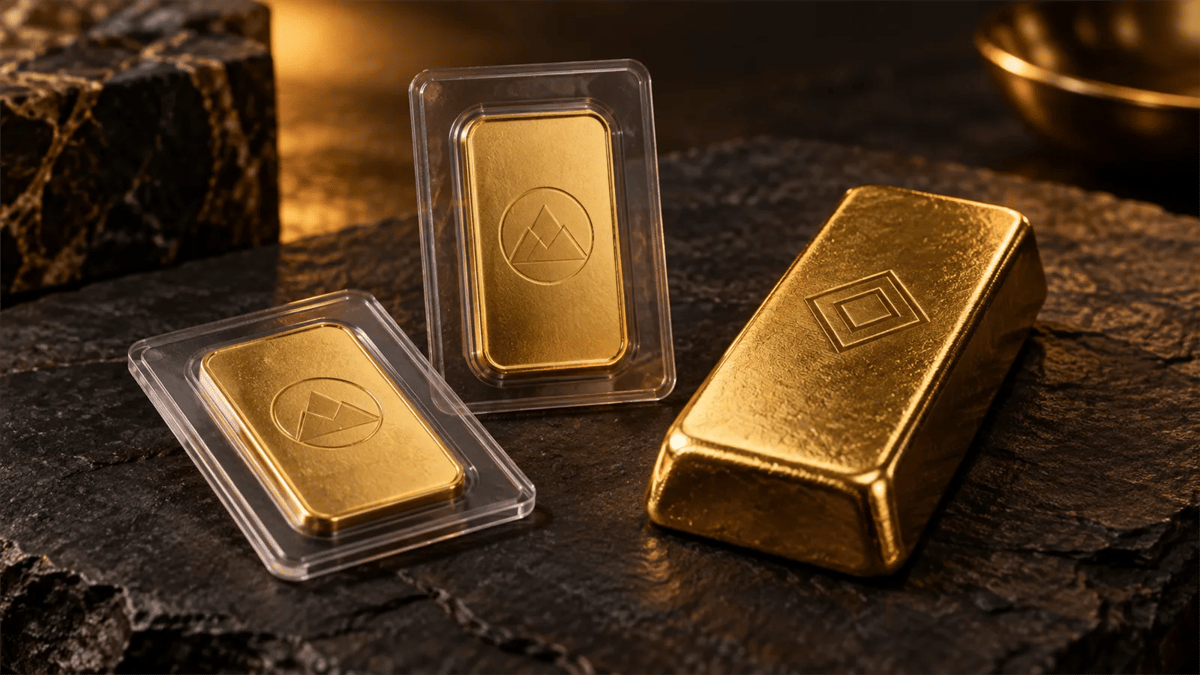
Large Bars (e.g., 100 oz Silver, Kilo Gold)
-
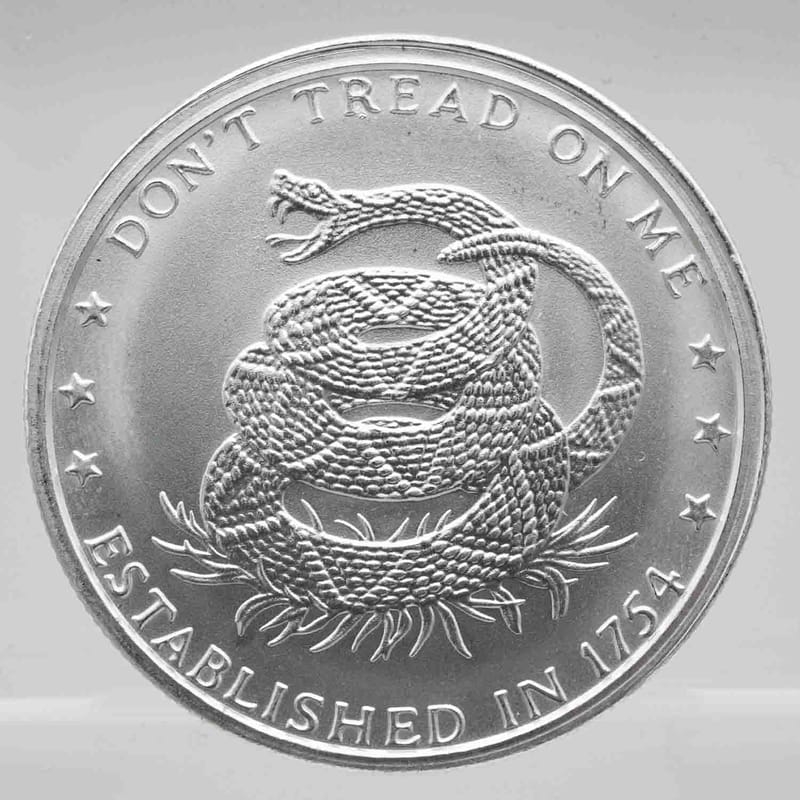
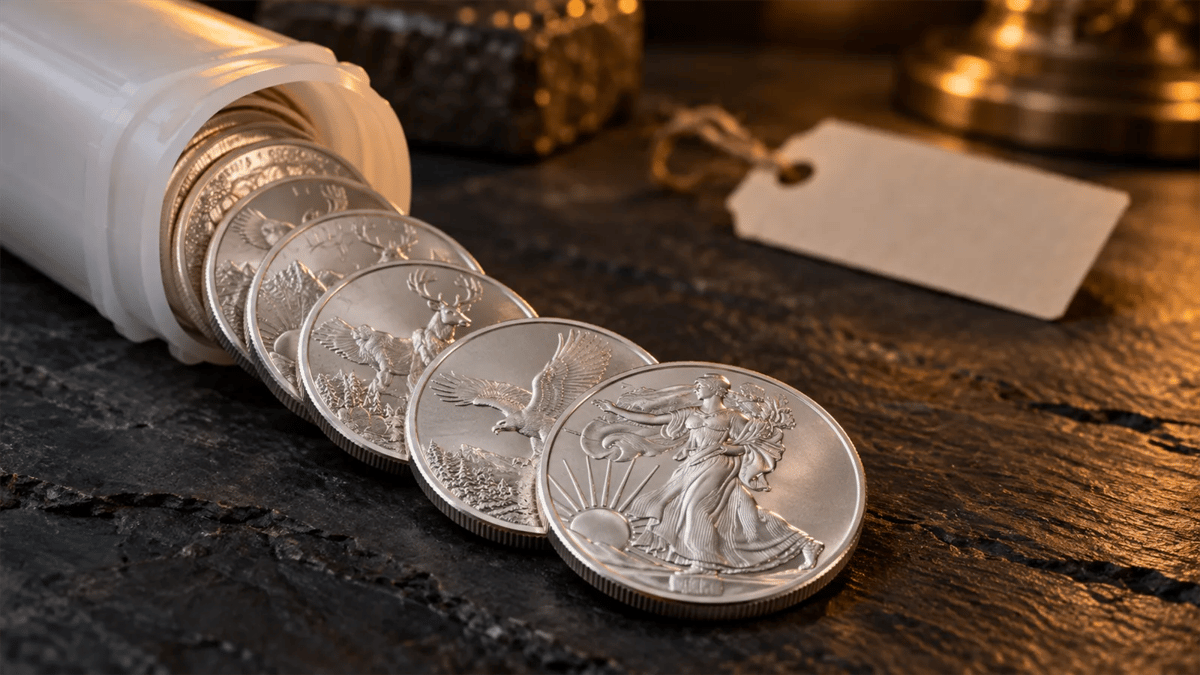
Private Mint Rounds (e.g., 1 oz Silver Buffalo Rounds)
-
Small Bars (e.g., 1 oz Silver or Gold Bars)
-
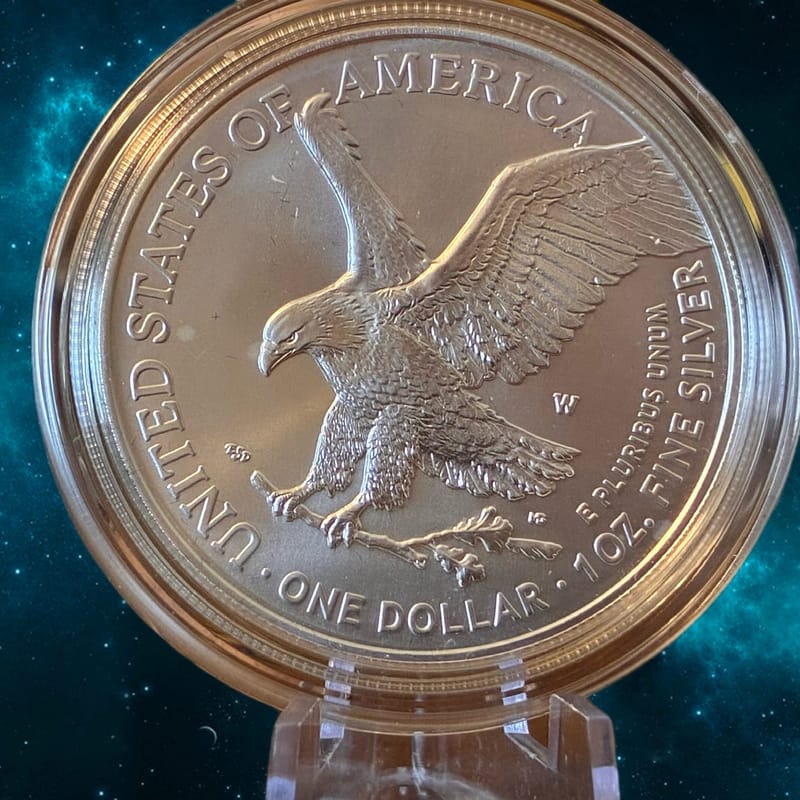
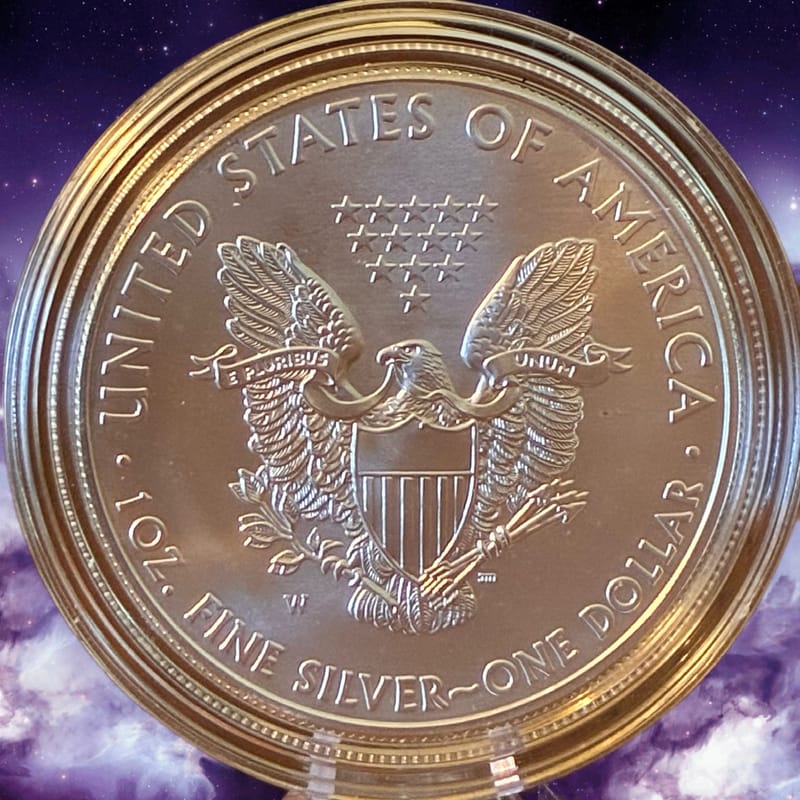
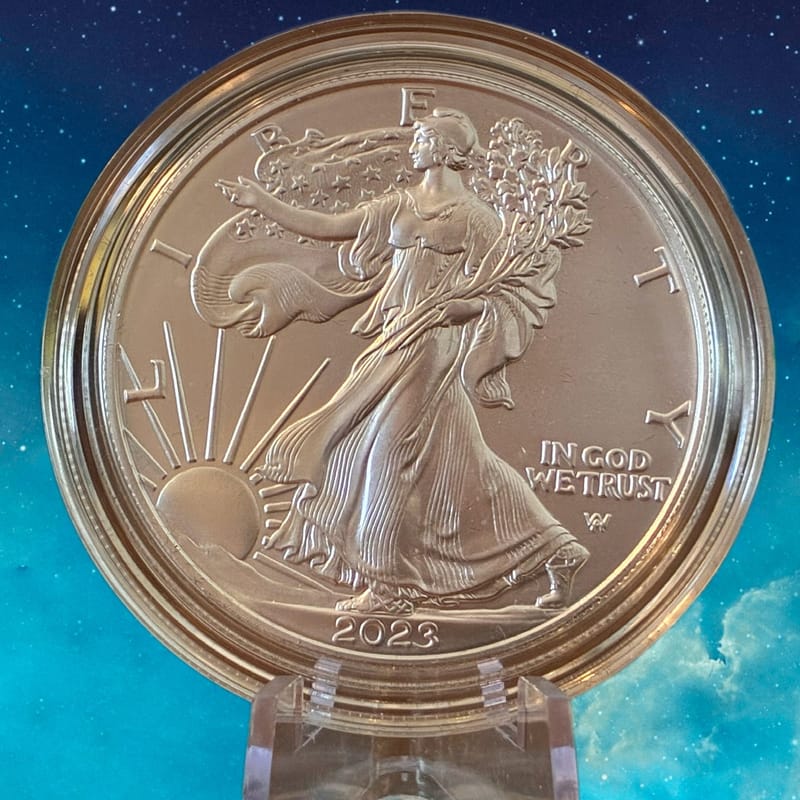
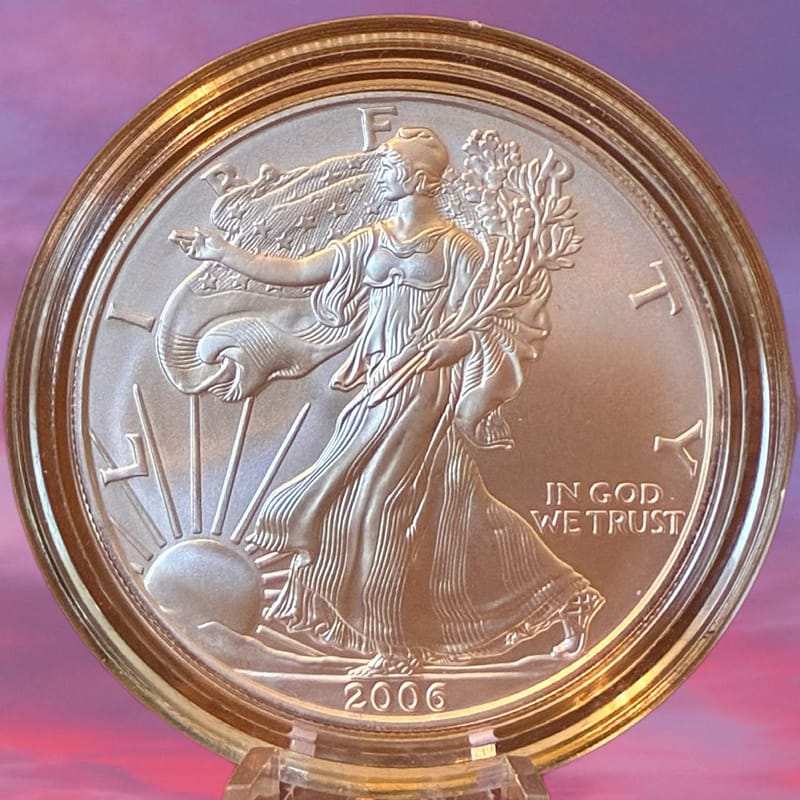
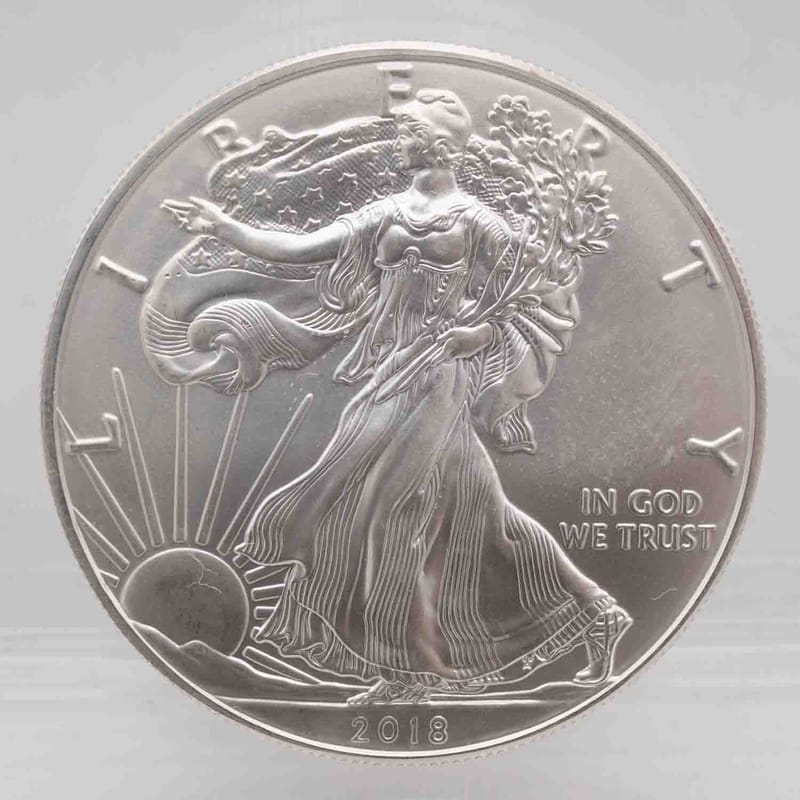
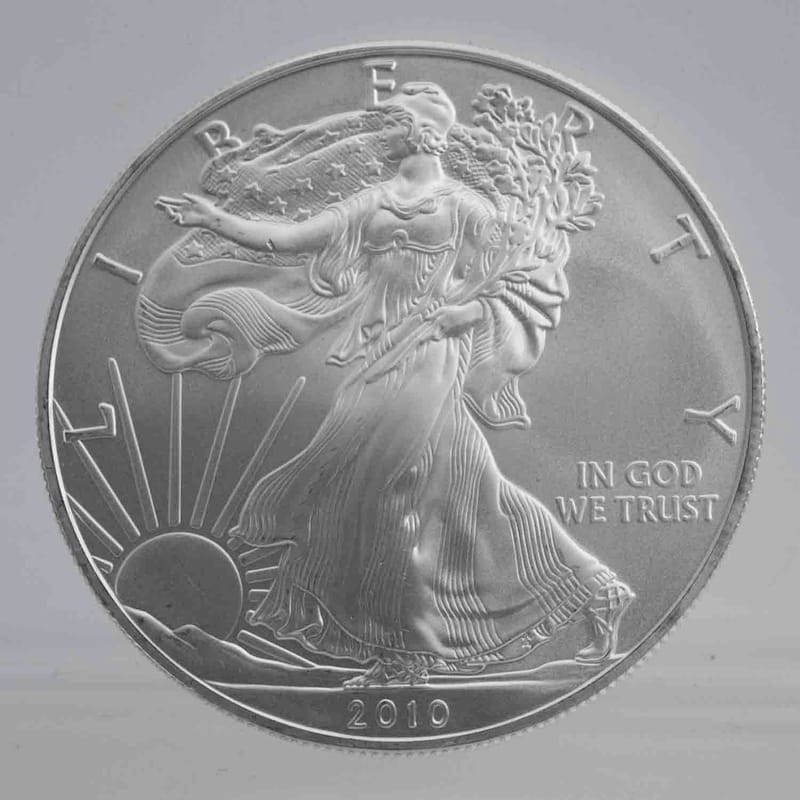
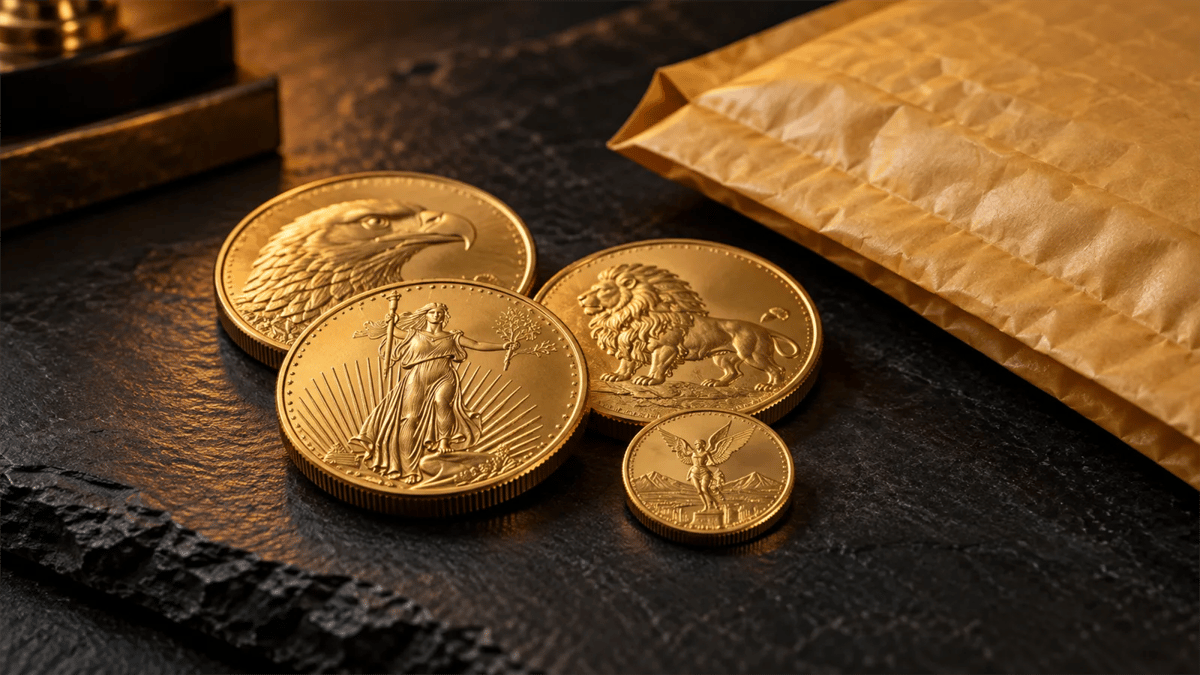
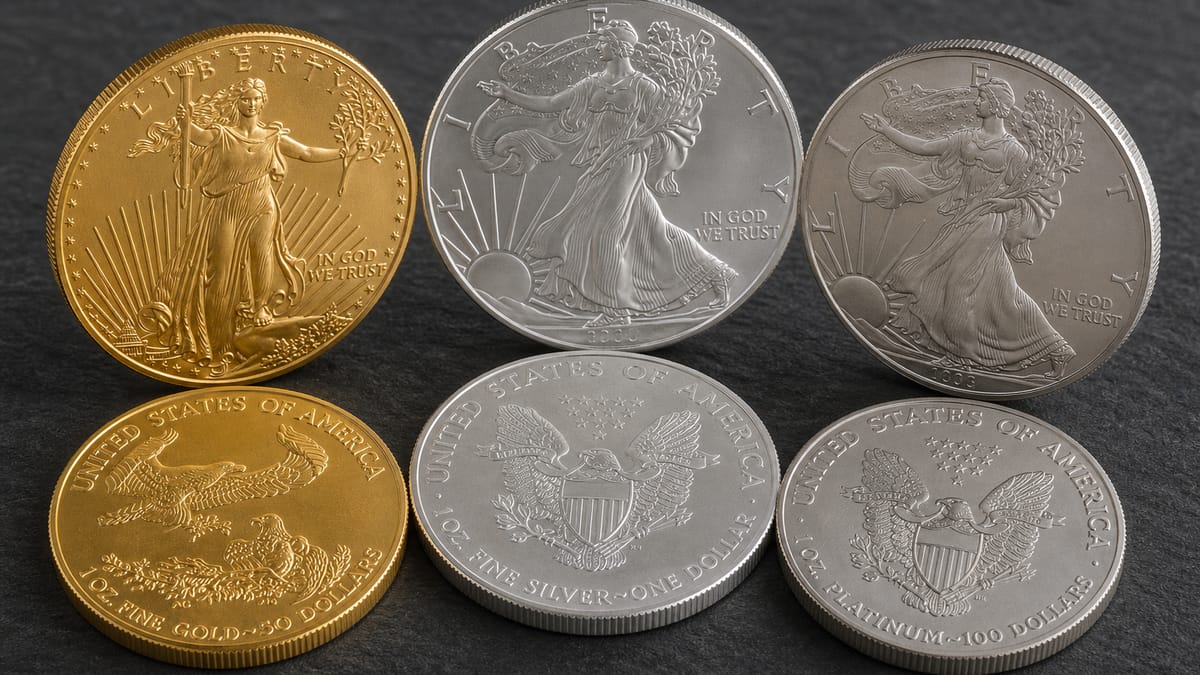
Sovereign Bullion Coins (e.g., 1 oz American Eagles, Maple Leafs)
-
Fractional Sovereign Coins (e.g., 1/10 oz Gold Eagles)
PeerMetals Insight:
"A premium shouldn't be seen as a mysterious surcharge; it should be understood as the transparent cost of creation and delivery. A smart investor doesn't just look for the lowest premium, but understands why a premium is what it is. A higher premium on a sovereign coin is a fee for trust and liquidity. A lower premium on a bar is a reward for buying in bulk. A competitive marketplace like PeerMetals thrives on this transparency, helping to ensure premiums remain fair and competitive."
The X-Factor - Numismatic Value: Where Rarity and Story Create Worth
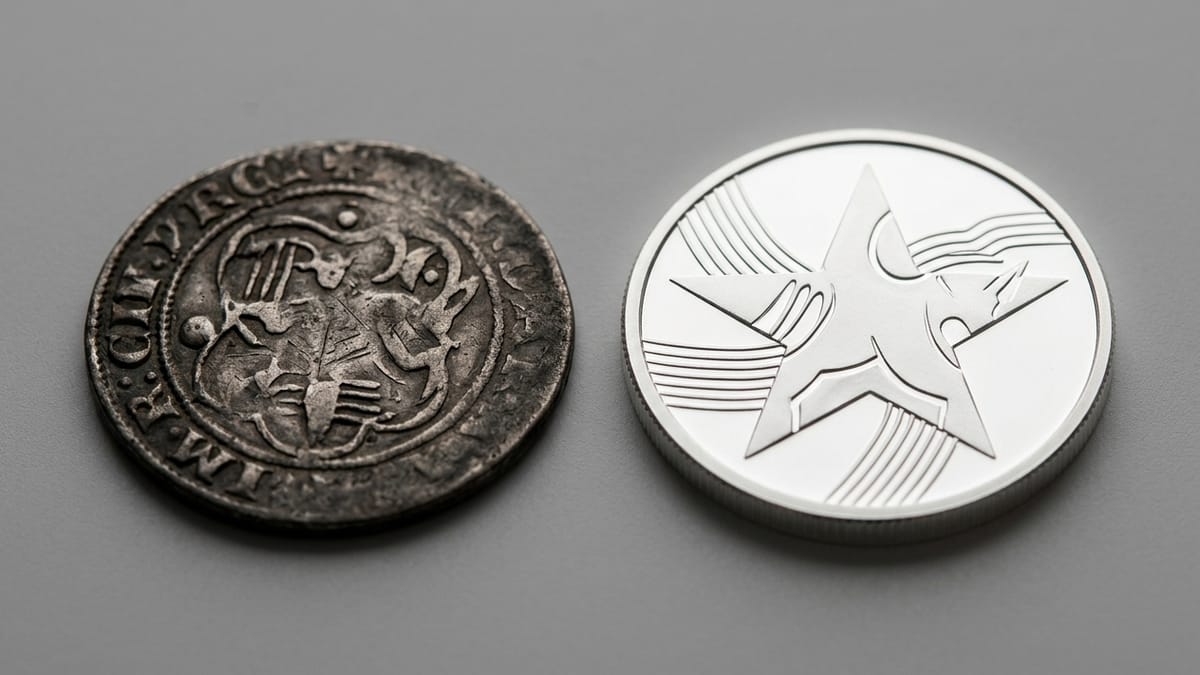
This is where valuation moves beyond simple math and into the realm of art, history, and collecting. Numismatic value is the additional worth a coin has that is completely separate from its precious metal content.
What Drives Numismatic Value?
This "collector premium" is driven by a combination of factors:
-
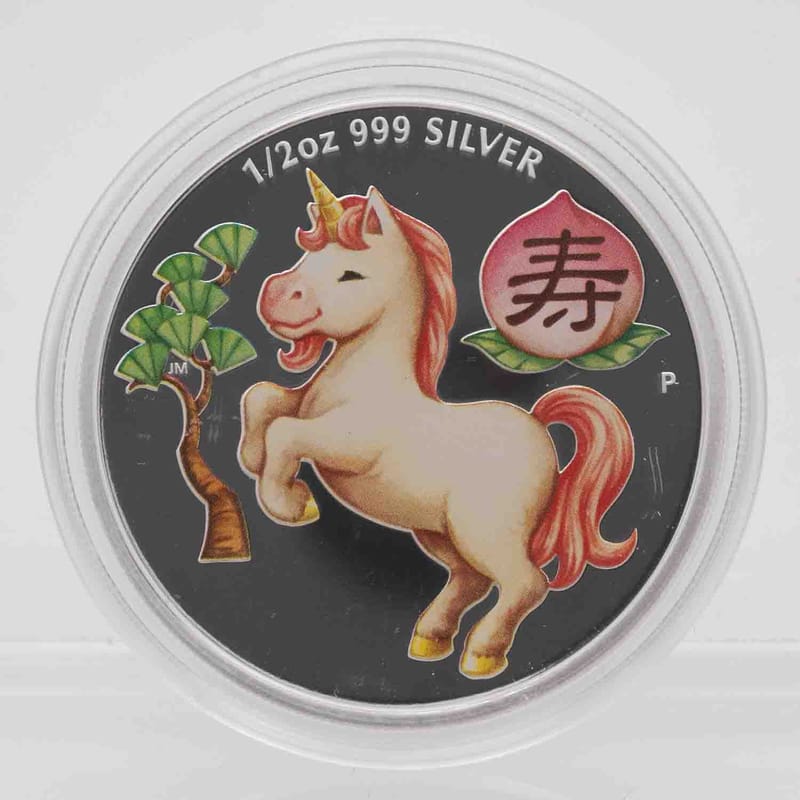
Rarity: This is the number one driver. How many were made? How many survive today? A coin with a mintage of 50,000 will be vastly more valuable than a similar coin with a mintage of 5 million.
-
Condition (Grade): A coin in perfect, museum-quality condition (graded MS-70) can be worth exponentially more than the same coin with even minor wear and tear.
-
Demand: How many collectors are actively pursuing a particular coin series? High demand from a large collector base can keep prices strong and stable.
-
Provenance and Story: Does the coin have a unique history? Was it owned by someone famous? Recovered from a historic shipwreck? This story adds an intangible but very real layer of value.
The ultimate example remains the 1933 Double Eagle, a gold coin containing less than one ounce of gold but valued at nearly $19 million due to its extreme rarity and unique story. Its spot value is essentially zero compared to its numismatic worth.
PeerMetals Insight:
"Numismatics is the point where investment becomes passion. It requires a deeper level of knowledge, but it offers the potential for returns that are completely independent of the fluctuating commodities market. The PeerMetals community thrives on this specialized knowledge, connecting passionate collectors who understand that the story of a coin can be just as valuable as the metal it's made from."
Putting It All Together: The Spectrum of Value
It's helpful to think of precious metal products as existing on a spectrum.
-
At one end: Pure Bullion. A 100-ounce silver bar. Its value is 99.9% determined by the spot price of silver. Its numismatic value is virtually zero.
-
In the middle: Semi-Numismatics. A low-mintage American Silver Eagle. Its value has a high "floor" based on its silver content, but it also carries a significant collector premium due to its lower-than-average mintage.
-
At the far end: Pure Numismatics. An ancient Roman gold coin. Its value has almost no connection to the spot price of gold. It is determined entirely by its rarity, condition, and historical significance.
PeerMetals Insight:
"Understanding this spectrum is the key to building a truly strategic portfolio. You can choose to stay firmly in the realm of pure bullion for safety, or you can venture into semi-numismatics to add a layer of growth potential on top of a secure metallic base. Our platform supports the full spectrum, allowing you to execute your personal strategy, whatever it may be."
PeerMetals Final Thoughts: From Understanding Value to Building It
Deconstructing the price of a precious metal product is the first step toward mastering it as an investment. By understanding the distinct roles of spot price, premiums, and numismatic rarity, you move from being a passive buyer to an active, informed investor. You gain the ability to see not just a price tag, but a complete value proposition.
This knowledge gives you the power to choose the right asset for the right goal. Whether you are stacking low-premium bars to maximize your weight, buying sovereign coins for their unmatched liquidity, or hunting for a rare collectible with explosive potential, your decisions will be guided by clarity and purpose.
At PeerMetals, our mission is to provide a marketplace built on this clarity. We connect a community of investors who understand these principles and are ready to trade with the confidence that knowledge brings.
Ready to put your knowledge into action? Explore the diverse world of bullion and numismatics on the PeerMetals marketplace and build your portfolio with a new level of understanding.