A History of Palladium's Rise

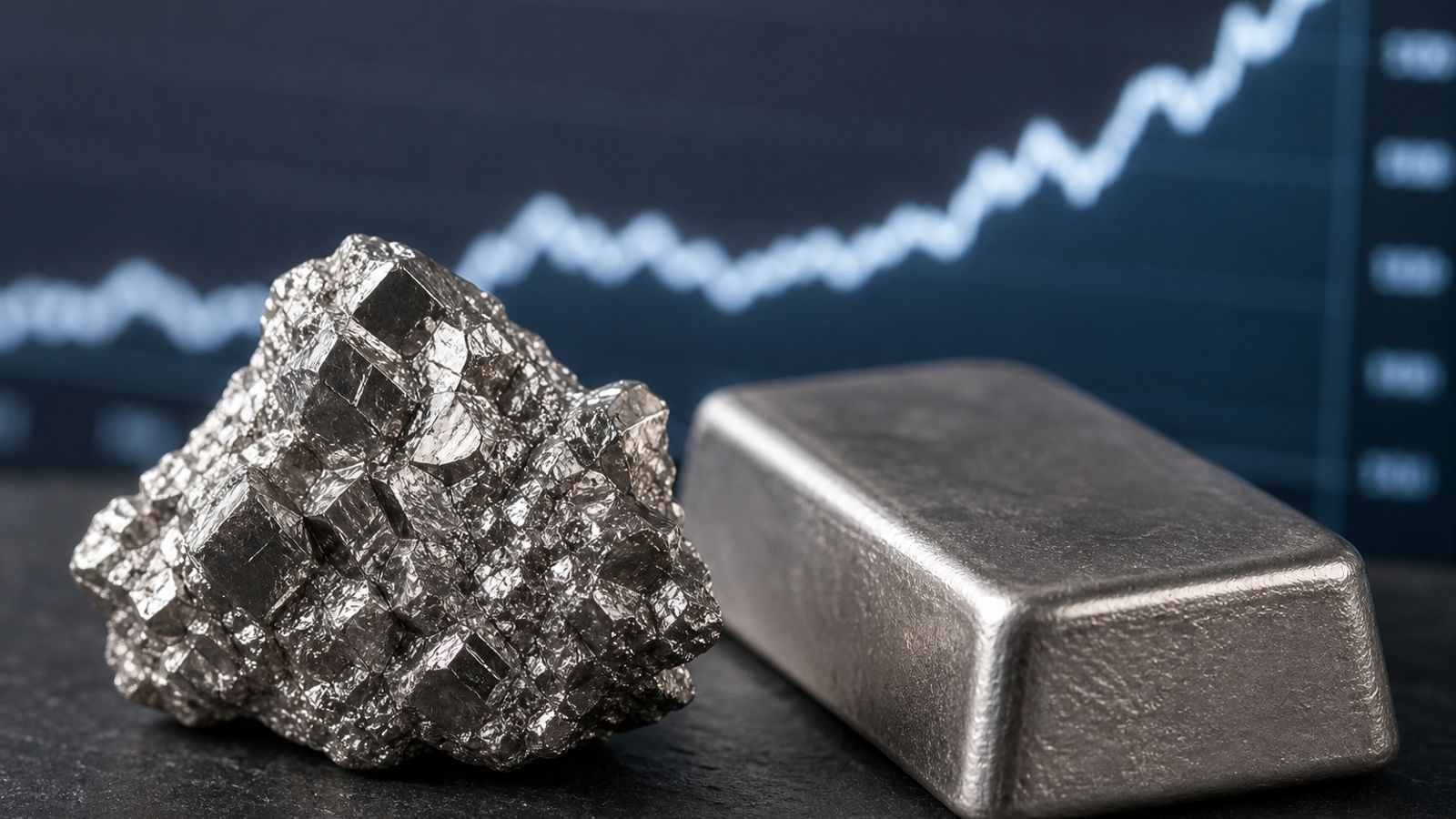
Palladium is one of the lesser-known precious metals, but over the past two decades it produced one of the most dramatic price stories in the commodity world. Discovered in 1803, it spent most of its history as an industrial afterthought before a supply crunch and rising emissions standards pushed its price above gold. This is a look at how palladium rose, peaked, and began to decline.
A Scientific Footnote (1803)
Palladium was discovered in 1803 by the English chemist William Hyde Wollaston, who isolated it from platinum ore. He named it after Pallas, an asteroid identified a year earlier. Palladium is a platinum-group metal, sharing many chemical properties with platinum, rhodium, and the other members of that family.
For more than a century, palladium remained in platinum's shadow. It was a metal for specialists, used in small quantities in dentistry, electronics, and laboratory equipment. Demand was modest and its price was relatively stable, so it rarely drew attention from investors.
The Catalytic Converter Era
Palladium's industrial importance grew alongside emissions regulation. As governments tightened limits on vehicle pollution through the 1970s and beyond, automakers adopted the modern catalytic converter, a device in a car's exhaust that converts toxic gases such as nitrogen oxides and carbon monoxide into less harmful compounds.
The most effective catalysts for this process are platinum-group metals. Engineers found that palladium worked especially well in gasoline (petrol) engines, and for much of this period it was cheaper than platinum. That combination of performance and price turned palladium from a niche material into an essential industrial commodity. Catalytic converters became, and remain, the single largest source of palladium demand, supplemented by uses in electronics and dentistry.
PeerMetals Insight
Palladium's value rests on a tangible industrial need rather than tradition alone. Most of every ounce mined goes into catalytic converters, which is why automotive trends and emissions rules move its price far more than they move gold or silver.
A Concentrated Supply
To understand palladium's price swings, it helps to understand where it comes from. Unlike gold, which is mined across many countries, palladium supply is concentrated in just two:
-
Russia is the largest producer, with the Norilsk Nickel complex in Siberia as the primary source.
-
South Africa is the second-largest producer, where palladium is recovered alongside platinum.
Because so much of the world's palladium comes from these two regions, the supply is vulnerable to labor disruptions, policy changes, and geopolitical events. When the market fears a disruption, prices can move sharply, since there are few alternative sources to make up any shortfall.
The Surge: From Afterthought to Above Gold
Through much of the 2000s and 2010s, palladium traded at relatively modest levels, broadly in the range of roughly $200 to $600 per ounce. Several forces then combined to push it far higher.
The 2015 Volkswagen emissions scandal weakened consumer confidence in diesel vehicles, shifting buyers toward gasoline-powered cars, which rely on palladium rather than the platinum used more heavily in diesel converters. At the same time, major markets including China and Europe tightened emissions standards, requiring more palladium per vehicle. For years, demand outpaced what was being mined, producing a structural supply deficit that drew down above-ground stockpiles.
The result was a powerful rally. Palladium's price overtook gold around 2019, and by late 2019 and early 2020 it reached all-time highs in the range of roughly $2,800 to $3,000 per ounce, driven by the supply deficit and tighter emissions rules. In early 2022, the price spiked again to roughly $3,400 per ounce around Russia's invasion of Ukraine, which raised fears about supply from the world's top producer.
Palladium Price Timeline
| Period | Approximate Price | Key Driver |
|---|---|---|
| 2000s to mid-2010s | Roughly $200 to $600 per ounce | Steady industrial demand; ample supply |
| 2015 | Rising | Volkswagen diesel scandal shifts demand toward gasoline engines |
| Around 2019 | Overtakes gold | Growing supply deficit and stricter emissions rules |
| Late 2019 to early 2020 | Roughly $2,800 to $3,000 per ounce | All-time highs on deep supply deficit |
| Early 2022 | Roughly $3,400 per ounce | Supply fears around Russia's invasion of Ukraine |
| 2022 onward | Falling substantially | EV growth and substitution reduce converter demand |
PeerMetals Insight
Palladium's rise above gold was not a story about safe-haven buying. It came from a genuine shortage of metal needed for gasoline catalytic converters, combined with supply concentrated in two countries. When most of the world's output comes from a few mines, news from those regions can move the price quickly.
The EV Question and the Decline
The same dependence on catalytic converters that drove palladium up has since pulled it back down. The global shift toward electric vehicles, which have no exhaust systems and therefore no catalytic converters, reduces the long-term demand for palladium's primary use. As more drivers move to EVs, a meaningful slice of future converter demand disappears.
High prices also encouraged substitution. When palladium became expensive, engineers found ways to use cheaper platinum in gasoline converters, easing some of the pressure that had pushed prices to record levels. Together, slowing converter demand and substitution have caused palladium to fall substantially from its 2022 peak.
Palladium's future now depends largely on the pace of the EV transition, the degree to which platinum continues to replace it, and whether new industrial uses emerge. For now, the metal remains an example of how closely a commodity's value can be tied to a single technology.
Key Takeaways
-
Palladium is a platinum-group metal discovered in 1803, used mainly in catalytic converters, along with electronics and dentistry.
-
Supply is concentrated in Russia and South Africa, which makes the price sensitive to disruptions in those regions.
-
A supply deficit and tighter emissions rules pushed palladium above gold around 2019 and to all-time highs near $2,800 to $3,000 per ounce, then to roughly $3,400 per ounce in early 2022.
-
Rising EV adoption and substitution with platinum have since driven the price down substantially.
Interested in adding palladium or other precious metals to your holdings? You can explore listings from trusted sellers on the PeerMetals marketplace.