The Nation's First Mint: A History of the Philadelphia Mint

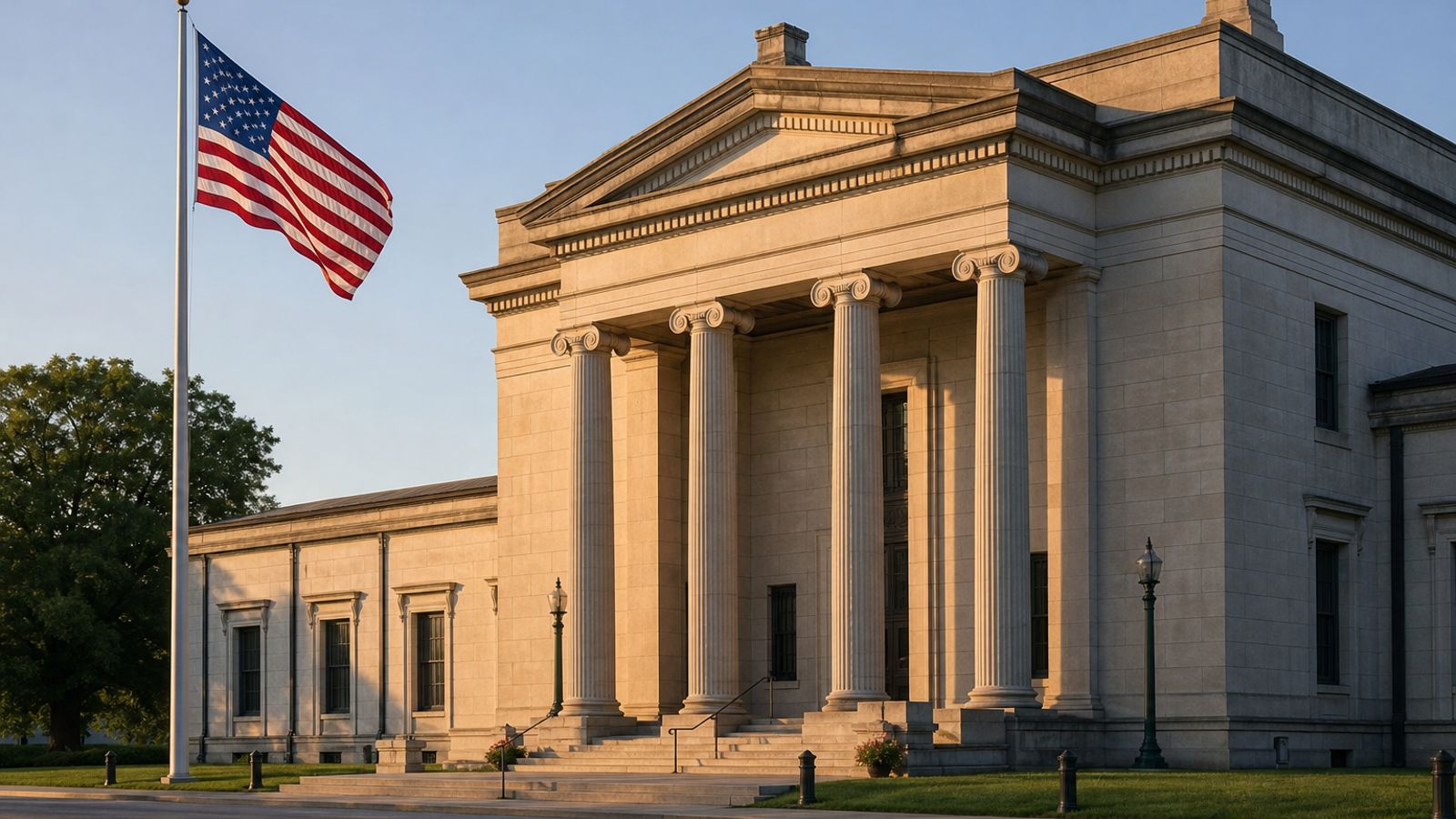
The Philadelphia Mint was the first official mint of the United States, created by the Coinage Act of 1792 and built in what was then the nation's capital. It struck the country's first circulating coins, copper cents, in 1793, and it remains the artistic and technical center of U.S. coinage today. This is the story of how it started and why it still matters.
Why the Mint Was Created
In its earliest years, the United States had no national coinage of its own. Everyday transactions relied on a patchwork of foreign coins, including Spanish silver, British pounds, and French gold, alongside a range of state-issued tokens. The absence of a single, standardized currency made commerce harder and undercut the credibility of the new federal government. Establishing a national mint was both a practical fix and a statement of sovereignty: a country that issued its own money was a country in control of its own economy.
Treasury Secretary Alexander Hamilton and Secretary of State Thomas Jefferson both pushed for a federal mint, and their work led to the Coinage Act of 1792. The law:
- Established the U.S. Mint in Philadelphia.
- Created the U.S. dollar as the nation's standard unit of currency.
- Mandated a decimal system of 100 cents to the dollar.
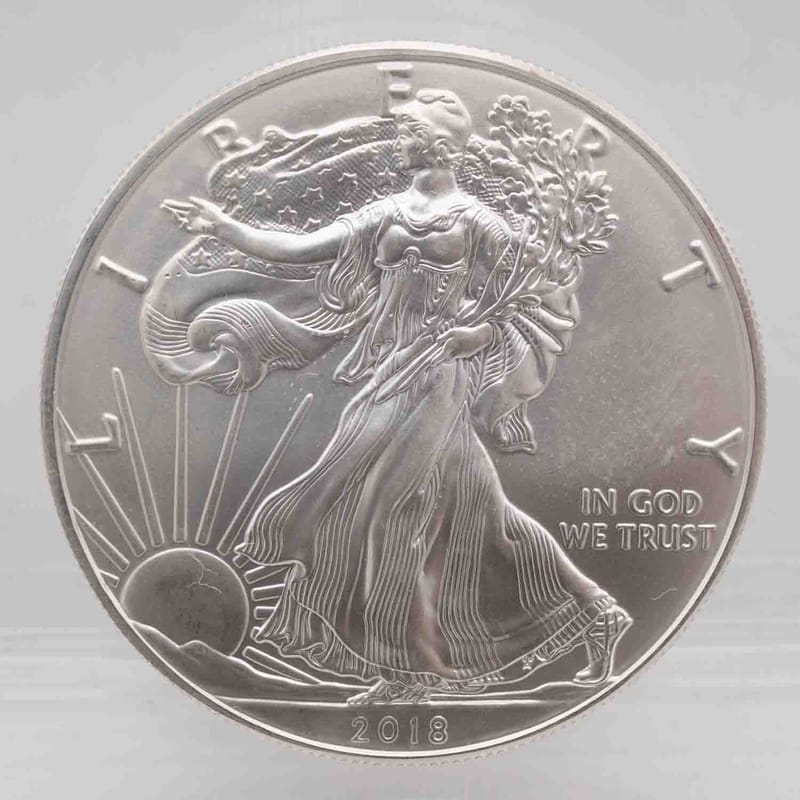
- Required coins to bear "an impression emblematic of Liberty," a deliberate break from the European custom of placing reigning monarchs on coins.
President George Washington appointed the scientist David Rittenhouse as the first Director of the Mint. A site was purchased in Philadelphia and construction began. The Mint is often cited as the first federal building erected by the United States government, though that claim is disputed.
PeerMetals Insight
The Coinage Act of 1792 was a pledge to produce a standardized, reliable, government-backed asset. That guarantee of integrity is still part of why U.S. bullion and coinage carry the trust they do today.
"Ye Olde Mint" and the First Coins
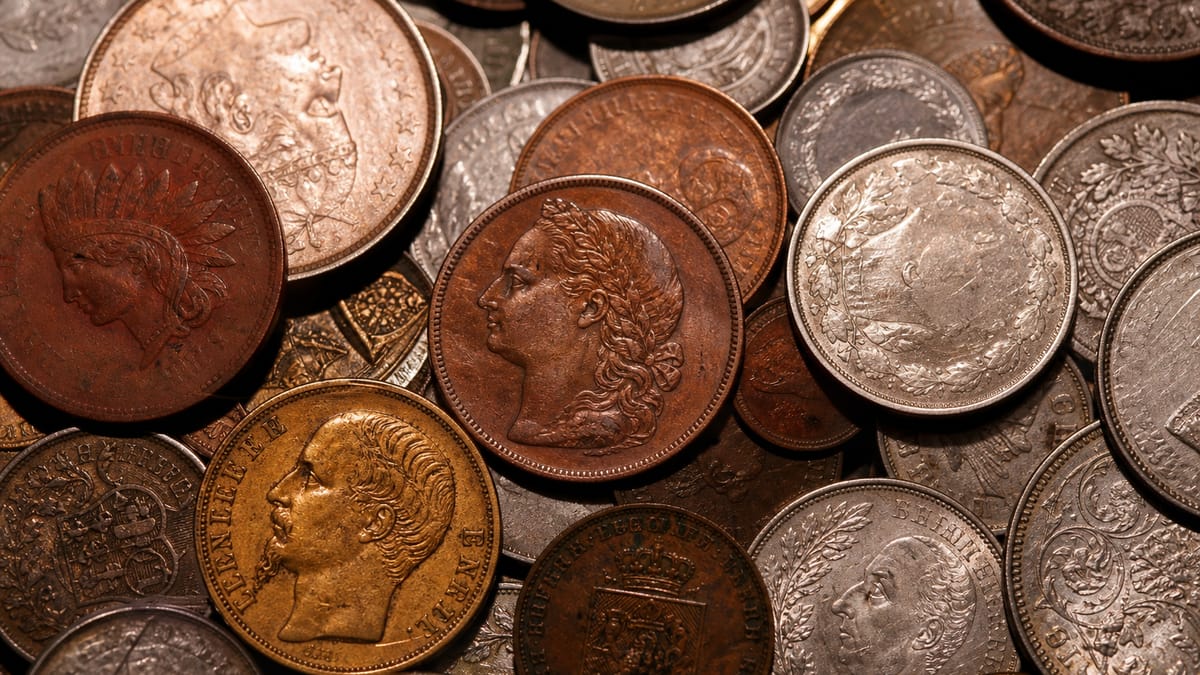
The original facility, known affectionately as "Ye Olde Mint," was a modest cluster of brick buildings. A long-standing legend holds that the first coins struck, the 1792 silver half dimes, were made from silverware donated by Martha Washington. The story is almost certainly apocryphal, but it has stuck around as part of the Mint's founding lore.
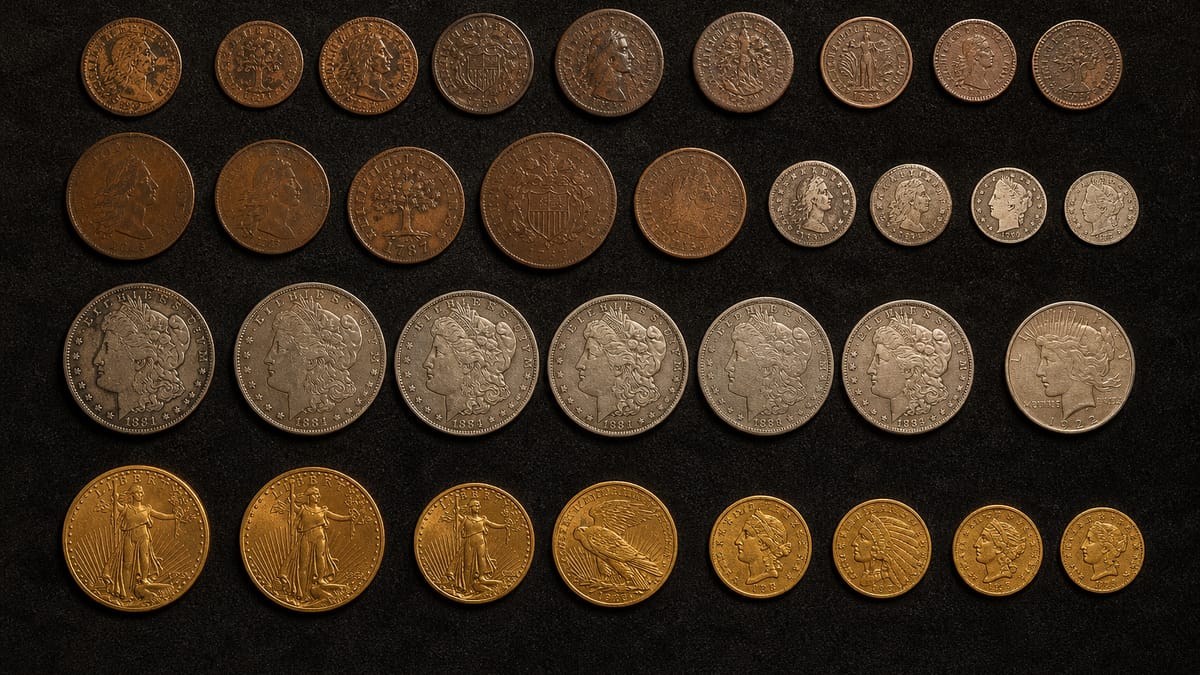
The first coins actually delivered for mass circulation were 11,178 copper cents in March 1793. They were struck on presses powered by horses or by human labor in the Mint's basement. The process was slow and physically demanding, but it marked the point at which the federal government began producing its own money.
The Philadelphia Mint Mark
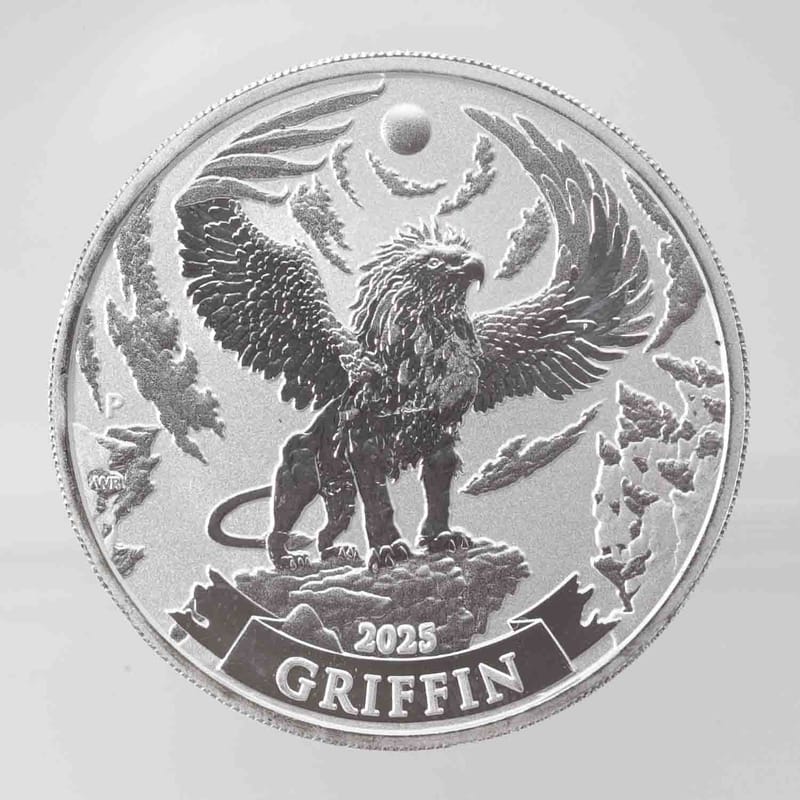
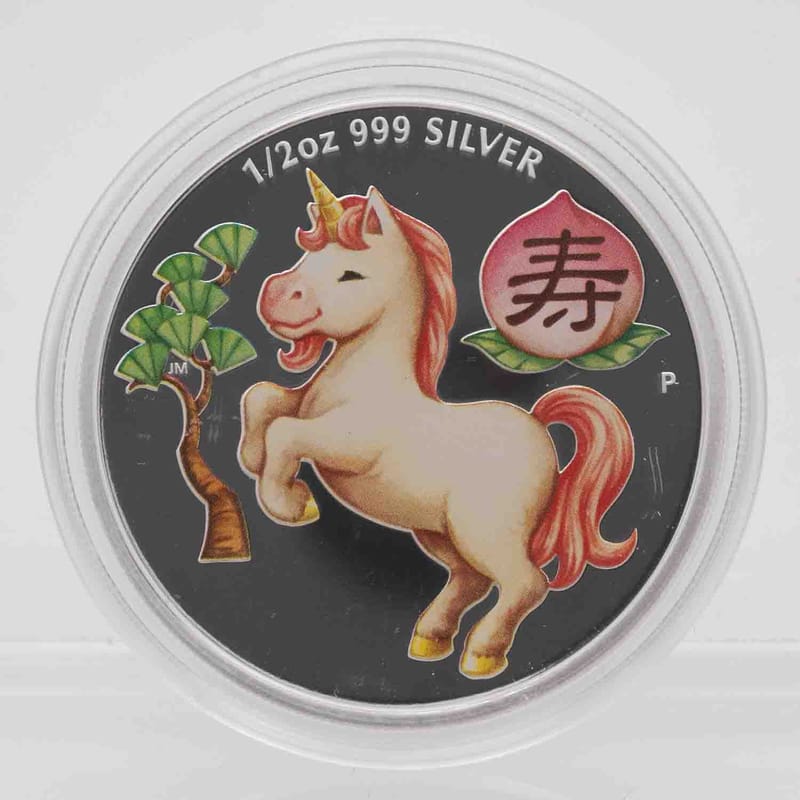
For most of its history, coins struck in Philadelphia carried no mint mark at all. While the branch mints used identifying letters such as "D" for Denver or "S" for San Francisco, Philadelphia was treated as the default and went unmarked. That changed in 1980, when a "P" mint mark was added to most denominations.
There are important exceptions to keep in mind. The wartime Jefferson nickels of 1942 to 1945 already carried a large "P" decades earlier, a change tied to the alloy used during the war. And the one-cent coin has never used a "P" mint mark, even after the 1980 change. So while Philadelphia coins were broadly unmarked for much of the Mint's history, it is not accurate to say they were entirely "silent" until 1980.
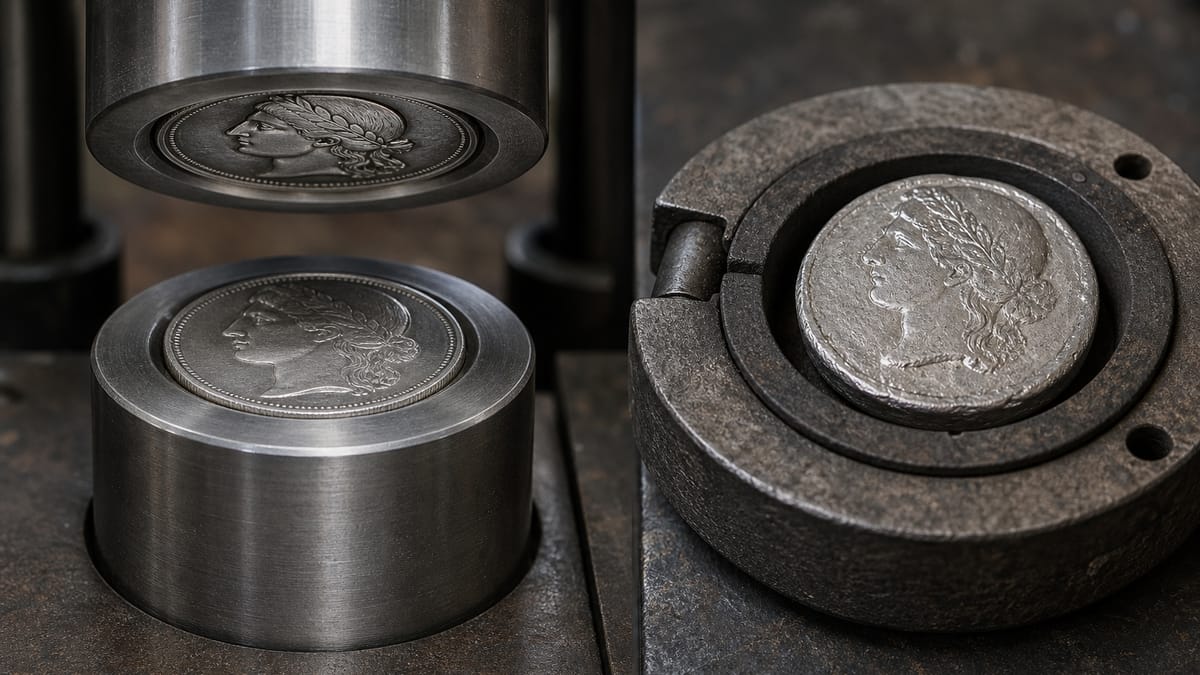
Beyond mint marks, Philadelphia's most important role is as the engraving heart of the entire system. The master dies used to strike U.S. coins are created by the engravers at the Philadelphia Mint and then shipped to the branch facilities. In that sense, virtually every genuine U.S. coin, no matter where it was struck, traces back to Philadelphia's craftsmanship.
PeerMetals Insight
A mint mark, or its absence, is a real data point for collectors and investors. Knowing why an older Philadelphia coin has no mark, or why a 1942-1945 nickel carries a large "P," helps buyers and sellers value a piece accurately.
Four Buildings, Two Centuries of Change
The Mint's physical history runs through four different buildings, each reflecting the technology and scale of its era.
| Building | Years | Notes |
|---|---|---|
| Ye Olde Mint | 1792-1833 | The modest brick buildings of the founding era, with horse- and hand-powered presses. |
| The "Grecian Temple" | 1833-1901 | A grand, marble-columned building that introduced steam-powered presses, increasing speed and quality. |
| The Third Mint | 1901-1969 | A large granite structure covering a full city block, capable of producing hundreds of millions of coins a year. |
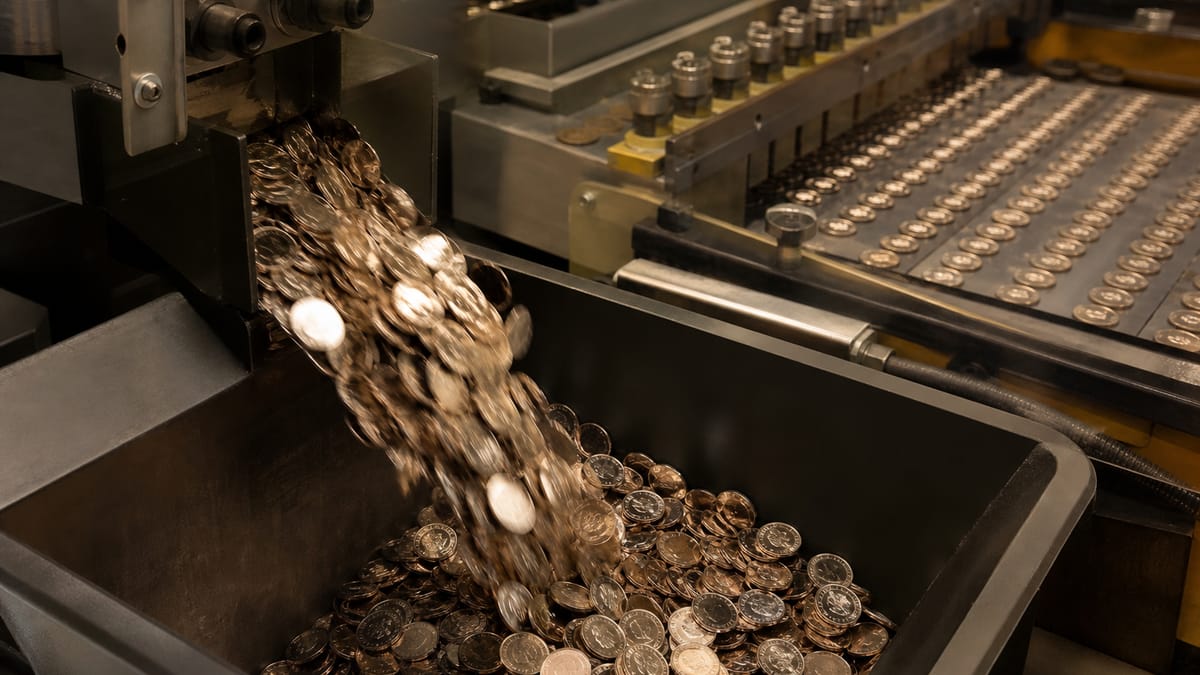
| The Current Facility | 1969-Present | The modern Philadelphia Mint, among the largest mints in the world and equipped with computerized, high-volume production. |
The shift from horse-drawn presses to automated, computer-controlled equipment tracks the broader industrial development of the country itself, from a largely agrarian economy to a modern manufacturing one.
Why the Philadelphia Mint Still Matters
More than 230 years after its founding, the Philadelphia Mint is still the place where U.S. coinage begins. It produced the first federal coins, it standardized the dollar, and it continues to cut the master dies that every branch mint depends on. For collectors and investors, an early Philadelphia coin is a direct link to the start of the nation's monetary system, and even modern Philadelphia issues carry forward the same lineage of design and quality control.
Want to add a piece of the nation's first mint to your collection? Browse Philadelphia Mint coins, from early classics to modern strikes, on the PeerMetals marketplace.