Coins as Historical Artifacts: More Than Just Money

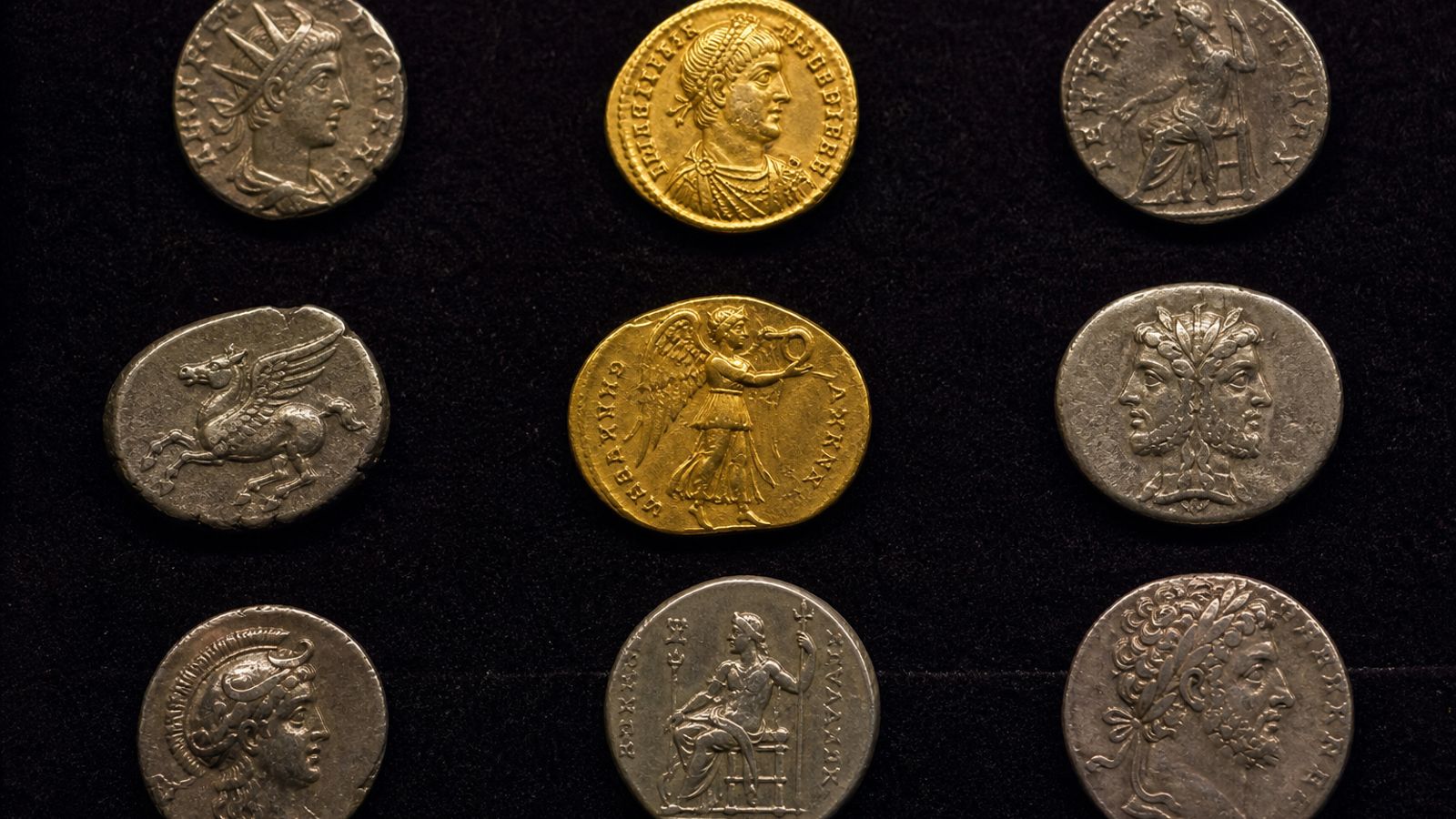
Coins are far more than just a medium of exchange; they are miniature historical documents that provide invaluable insights into the civilizations that created them. For centuries, they have served as tools for governments, records of key events, and expressions of cultural identity.
More Than Money: A Time Capsule in Your Hand
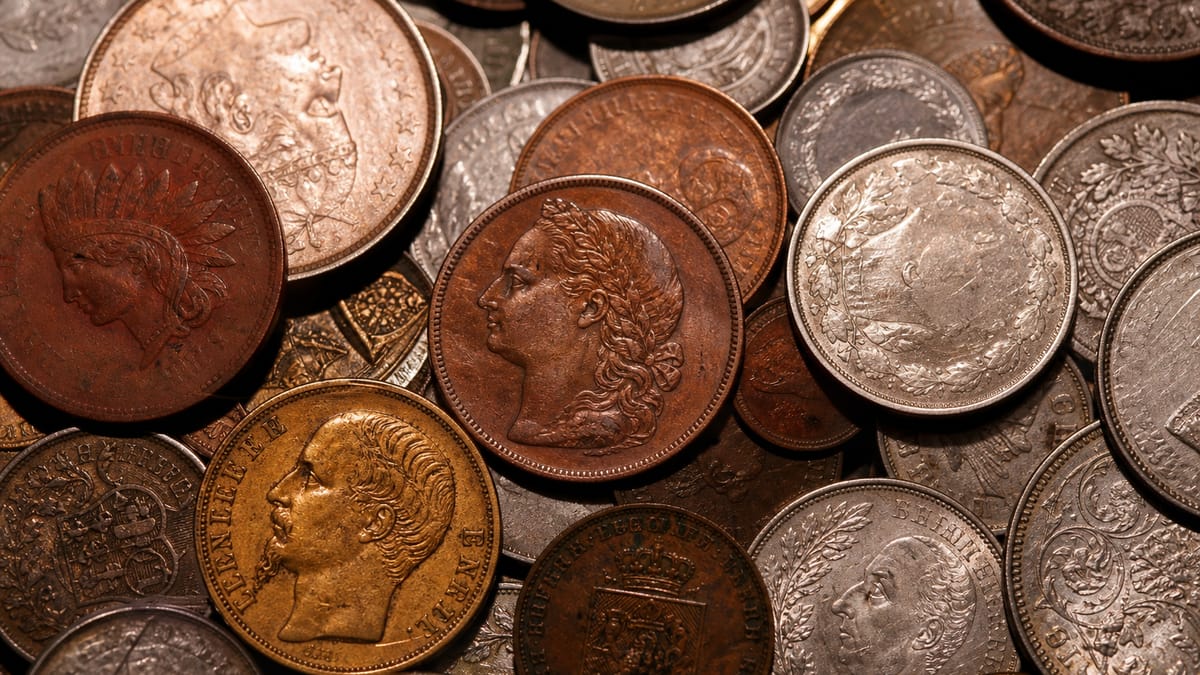
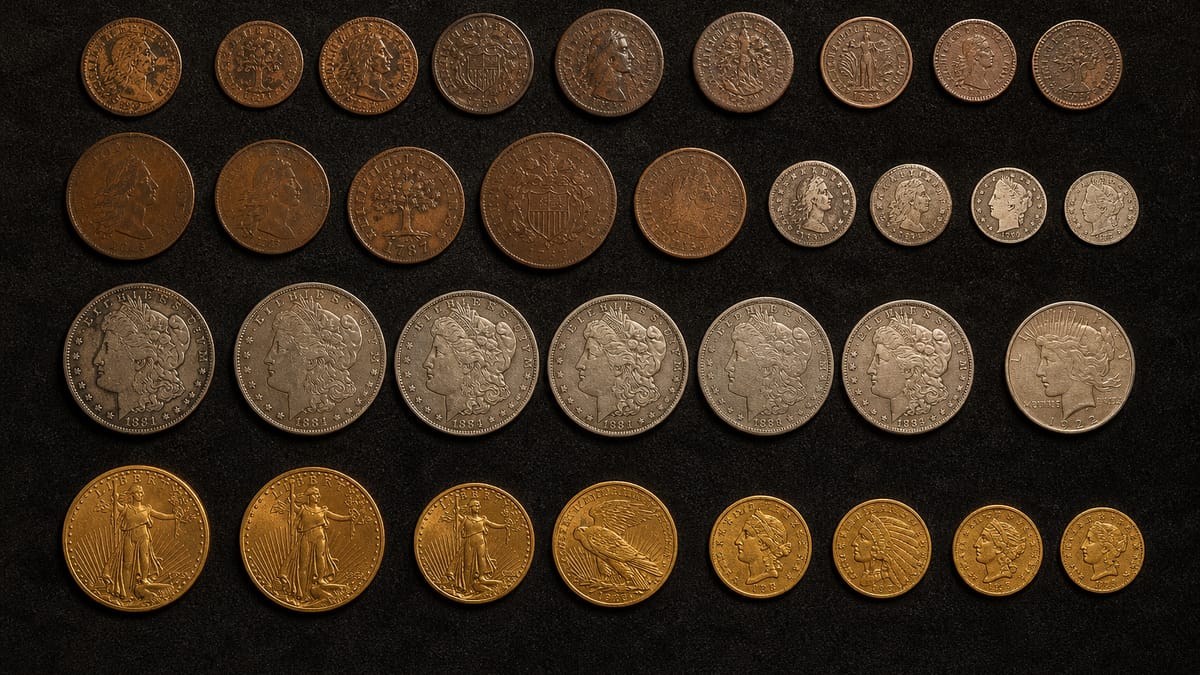
When you hold a genuine ancient coin, you are holding a direct, unbroken link to the past. It is not a replica or a story written by a victor centuries later; it is a tangible artifact, created by a specific civilization at a specific moment in time, that has survived to tell its tale. Long before the printing press and certainly before the internet, coinage was the most effective form of mass communication and data storage on Earth. Each coin is a miniature monument, a political manifesto, a work of art, and an economic ledger, offering us priceless, unfiltered insights into the world that created it.
🧭 Insight from PeerMetals: This is the very soul of numismatics and what elevates our community beyond a simple commodity exchange. We see every day how a coin’s deep context—its story—is just as critical to its value as its metal content. Our platform thrives on this shared passion, connecting knowledgeable sellers with discerning buyers who understand they are acquiring not just an asset, but a genuine piece of history.
The Lydian Revolution: From Inefficient Barter to Global Commerce
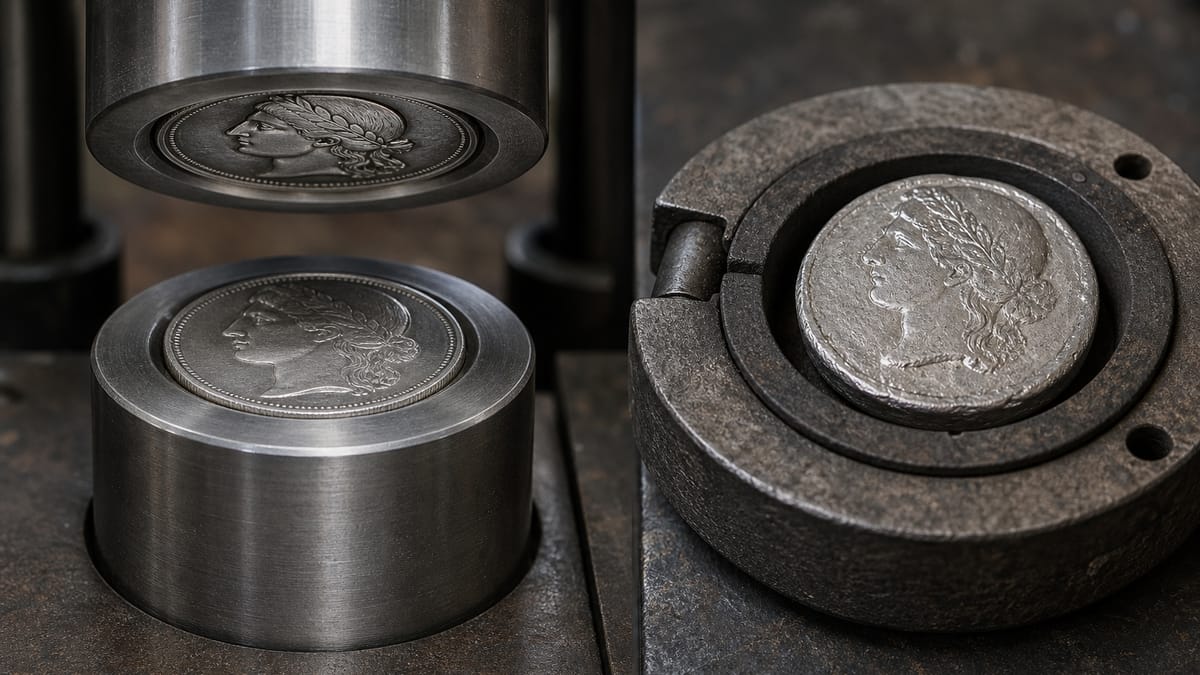
For most of early human history, trade was a clumsy dance of negotiation. The barter system was crippled by the need for a "double coincidence of wants"—you had to find someone who not only had the cow you wanted but who also wanted the pile of grain you had. Around 600 BC, in the kingdom of Lydia (modern-day western Turkey), a revolutionary concept was born. The Lydians began taking lumps of electrum, a naturally occurring alloy of gold and silver, and stamping them with an official seal, often a lion's head. This stamp was a guarantee from the ruling authority of the lump's weight and purity.
This act created the world's first coins and, in doing so, unleashed the power of money. For the first time, value was standardized, portable, divisible, and universally trusted. This innovation didn't just simplify trade; it allowed for the creation of complex economies, the funding of professional armies, and the dawn of international commerce as we know it.
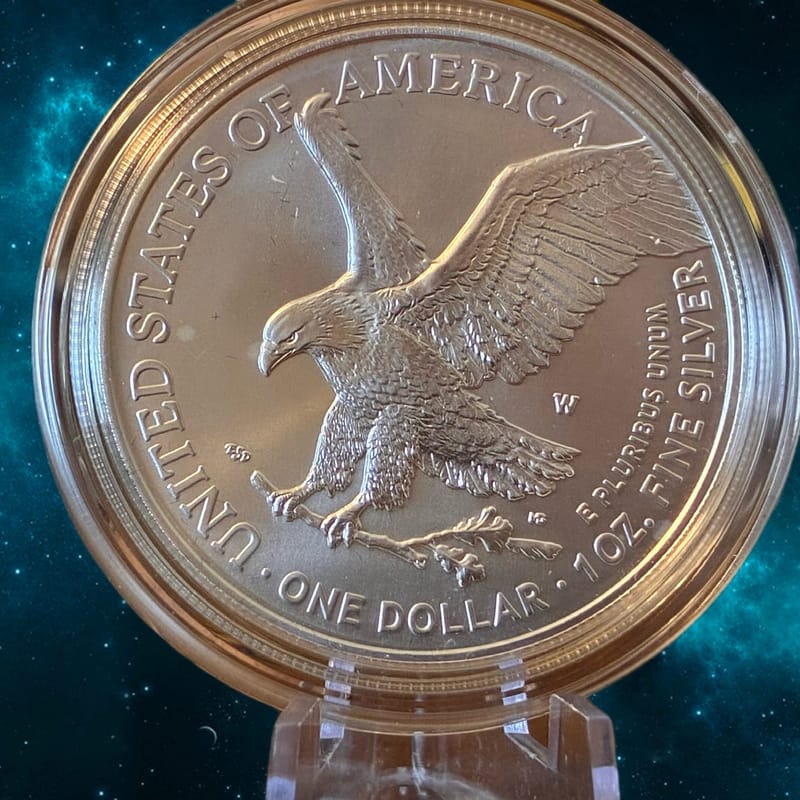
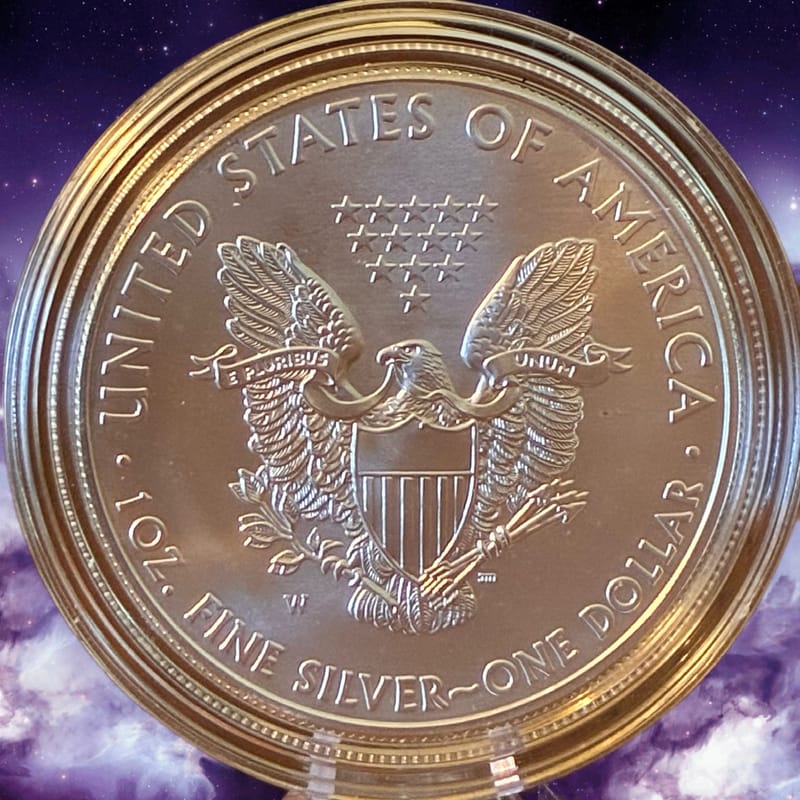
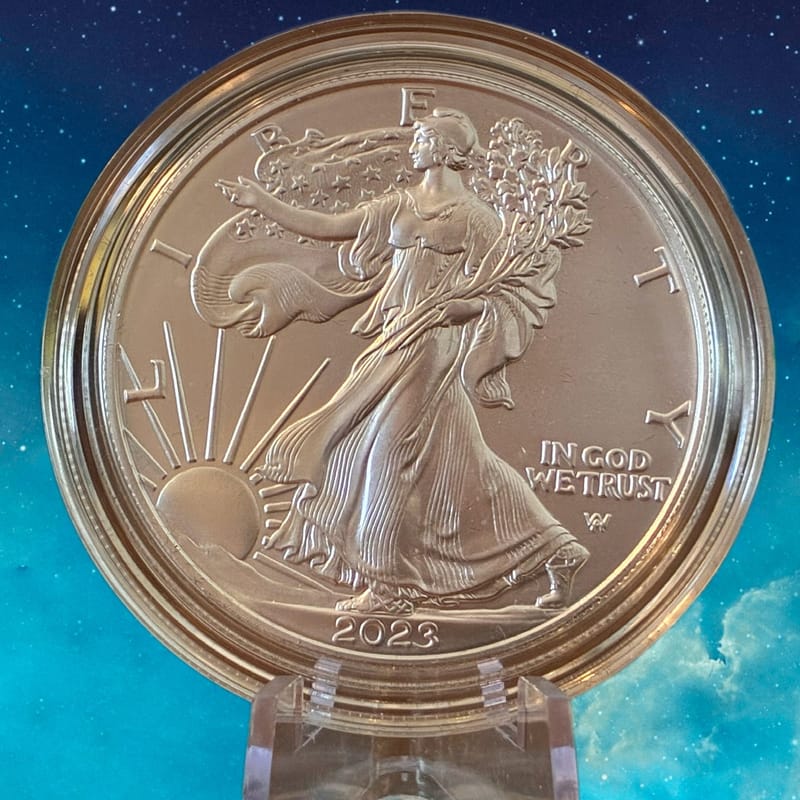
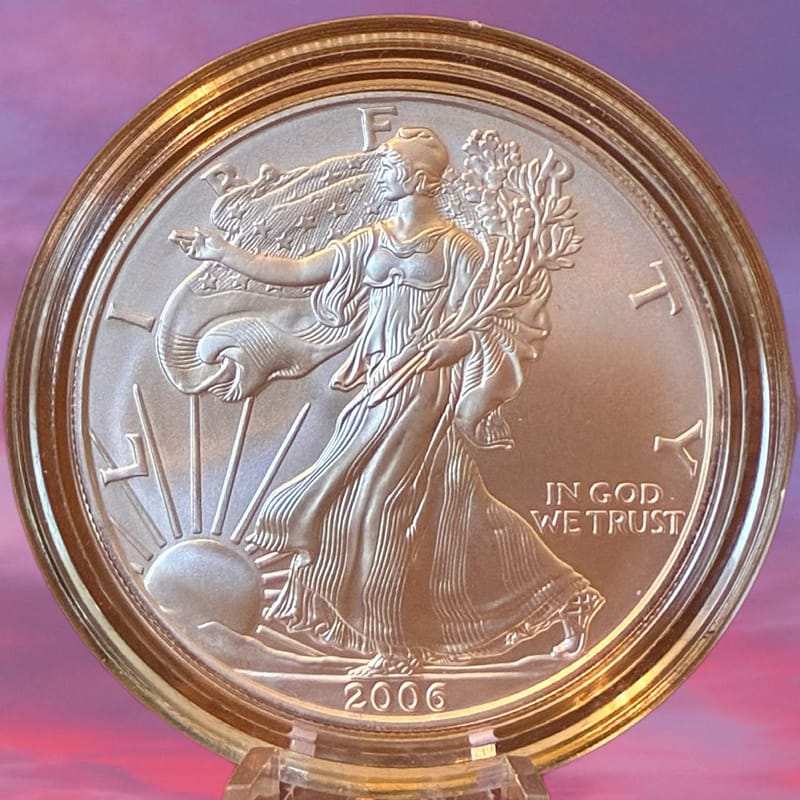
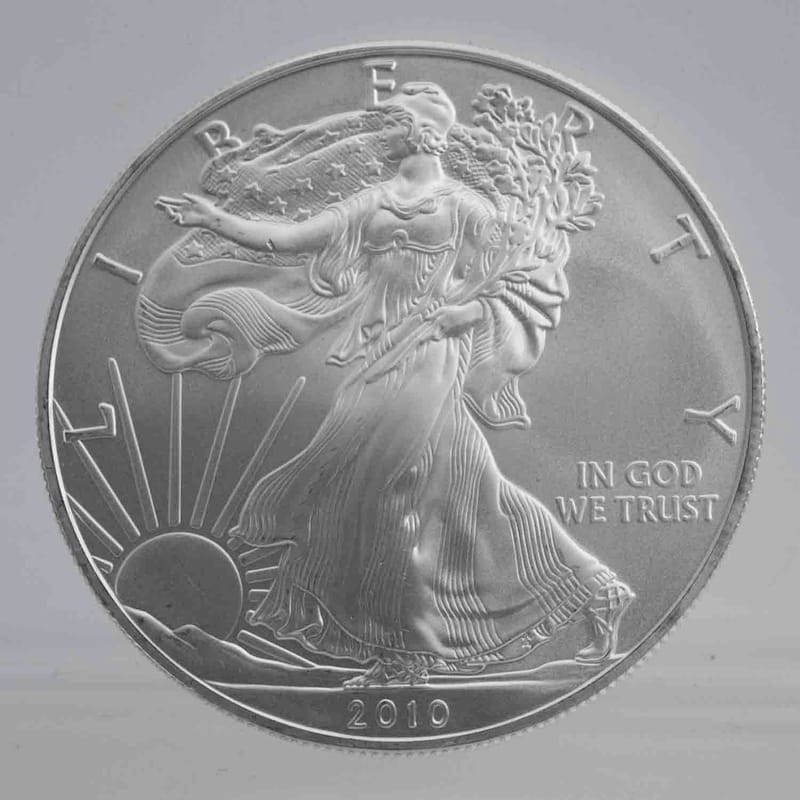
🧭 Insight from PeerMetals: That ancient Lydian principle of a 'guaranteed standard' is the philosophical bedrock of our marketplace. Whether it's a government-guaranteed American Eagle or a professionally graded ancient coin, we are dedicated to eliminating uncertainty. This creates a trusted, transparent environment where our users can focus on fair value, just as those first coins allowed Lydian merchants to trade with newfound confidence.
The First Mass Media: Coins as Political Propaganda
Rulers from the moment of coinage’s inception understood its immense power. A coin was a pocket-sized billboard that would be seen by every corner of society. It was the most effective propaganda tool in the ancient world, used to craft a ruler's image and broadcast their agenda.
-
Forging Legitimacy: In a world of shaky claims to power, coins were a stamp of authority. Alexander the Great famously issued coins linking himself to the demigod Heracles. Centuries later, the Roman usurper Constantine the Great used coins to promote his vision of a new Christian-led empire, replacing pagan gods with Christian symbols long before the empire as a whole had converted.
-
Broadcasting Victories: The most famous example is the "Judaea Capta" series issued by Roman Emperor Vespasian after crushing the Jewish Revolt in 70 AD. These coins, depicting a mourning woman beneath a palm tree, were distributed across the empire as a stark message: Rome is triumphant, and rebellion is futile.
-
Promoting Imperial Virtues: The reverse (tails side) of Roman coins was prime real estate for public relations. Emperors would issue coins celebrating abstract concepts they wanted to be associated with, such as "PAX" (Peace), "CONCORDIA" (Harmony among the legions), and "LIBERTAS" (Liberty).
🧭 Insight from PeerMetals: The 'story' on a coin—its propaganda—is a primary driver of its numismatic value. A coin celebrating a famous battle or a pivotal emperor is far more compelling than a common issue. On our platform, a knowledgeable seller can use this rich history to frame the coin's importance, and an informed buyer will recognize and pay for that significance. We empower our users to trade not just the metal, but the powerful narrative stamped into it.
The Economic Detective: Reading a Civilization's Rise and Fall
Beyond the imagery, the very metal of a coin provides an incorruptible economic record. By analyzing its composition and circulation patterns, we can diagnose the health of an ancient economy with stunning precision.
-
The Science of Debasement: The purity of a state's precious metal coinage is a direct indicator of its financial stability. The Roman silver denarius is the classic case study. As the empire faced endless wars, plagues, and political turmoil, it could no longer afford to mint pure silver coins. It resorted to "debasement"—mixing the silver with increasing amounts of cheap copper. Metallurgical analysis of these coins allows us to chart this decline.
Historical analysis has produced data illustrating the silver content of the denarius over time.
-
Early Empire (c. 64-180 AD): Silver purity is high and stable, typically around 95-98%. This reflects the economic peak of the Pax Romana.
-
Severan Dynasty (c. 193-235 AD): A noticeable drop to around 50-60% silver as military expenditures soared.
-
Crisis of the Third Century (c. 235-284 AD): A catastrophic collapse in purity. The coin, while still looking like a "silver" denarius, plummets to as low as 2-5% silver content, being little more than a bronze coin with a thin silver wash. This directly mirrors a period of hyperinflation and near-total economic breakdown.
-
Coin Hoards as Economic Snapshots: When people fear invasion or economic collapse, they bury their savings. Thousands of these ancient coin hoards have been discovered. These hoards are invaluable "snapshots" of what was circulating at that exact moment in time, telling us about trade routes, the speed of currency debasement, and the level of fear in the populace.
🧭 Insight from PeerMetals: Being an "economic detective" is a skill that makes for a great numismatist and a smart investor. The ability to analyze a coin's composition, wear patterns, and historical context is highly valued in our community. Our marketplace becomes a hub of shared knowledge, where a seller’s detailed description and a buyer’s keen eye for these subtle clues come together to determine a fair price for a piece of financial history.
🧭 Final Thoughts from PeerMetals
The role of coins as messengers, symbols of power, and incorruptible economic indicators is what makes collecting them such a uniquely profound endeavor. Every historic coin is a multi-layered artifact that tells a human story of ambition, crisis, art, and commerce. At PeerMetals, we are passionate about this incredible depth. We believe that by fostering a community that values not just the metal but the immense and intricate history packed within it, we are doing more than just facilitating transactions, we are helping to preserve and celebrate these tangible pieces of our shared human story for generations to come.
Hold a piece of history in your hands. Explore our marketplace to discover fascinating coins from every era and connect with trusted sellers at PeerMetals today!