A Coin's Anatomy: Understanding Its Essential Features

Every coin tells a story, and learning to read its features is a fundamental skill for any collector or investor. Understanding the specific parts of a coin allows you to appreciate its artistry and identify its origins and value more accurately.
To the casual observer, a coin is a simple disc of metal. To a seasoned investor or a passionate collector, it is a rich tapestry of information, a miniature work of art, and a historical document. The key to unlocking this deeper understanding lies in learning its language—the language of its anatomy.
Every detail on a coin's surface has a name, a purpose, and a story to tell. Knowing the difference between the "obverse" and the "reverse," understanding the significance of a tiny "mint mark," and appreciating the function of the "rim" are not just points of trivia. This knowledge is the foundation upon which all numismatic expertise is built.
This foundational guide from PeerMetals will dissect the anatomy of a coin piece by piece, transforming you from a casual holder into a confident and knowledgeable numismatist.
The Two Faces - Obverse and Reverse
These are the most fundamental parts of any coin.
-
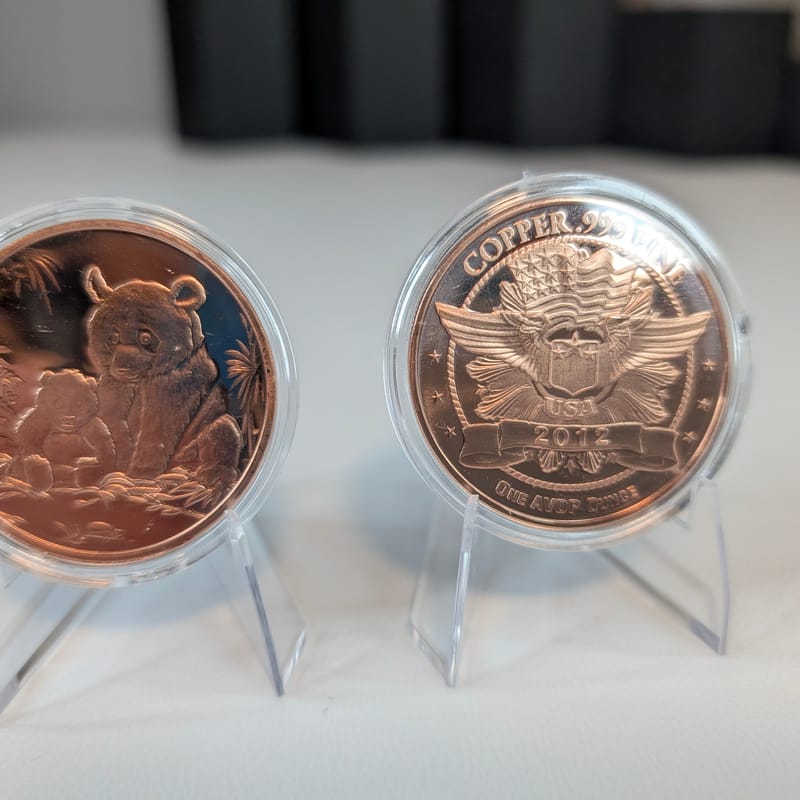
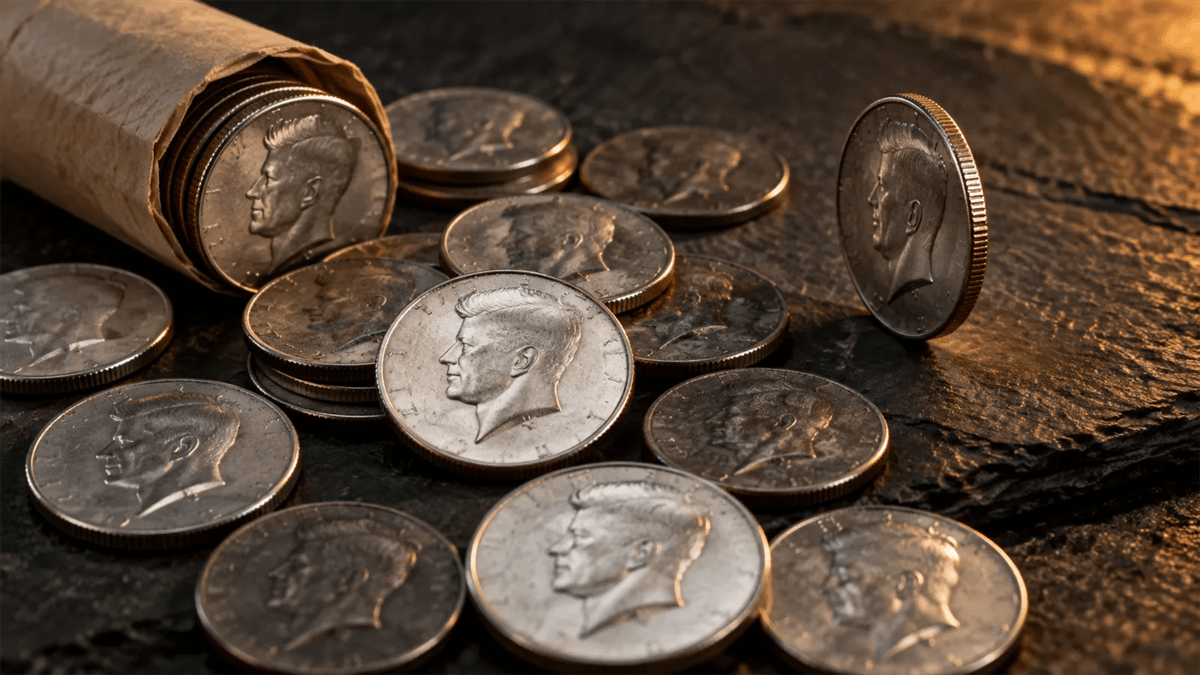
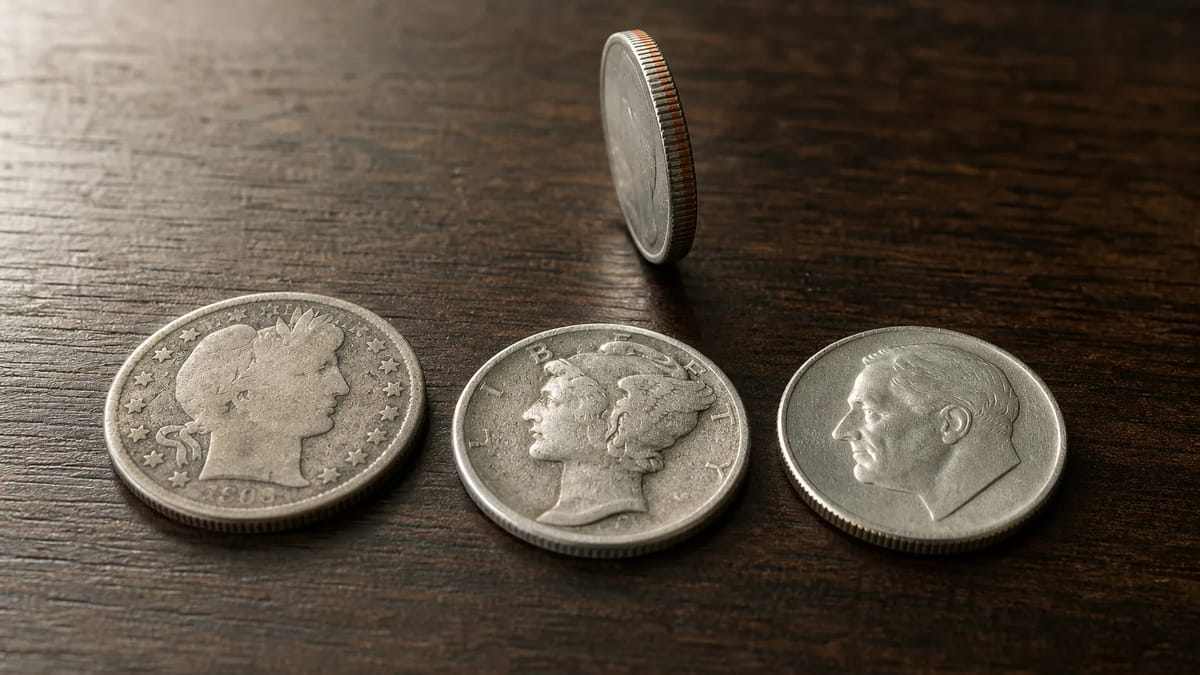
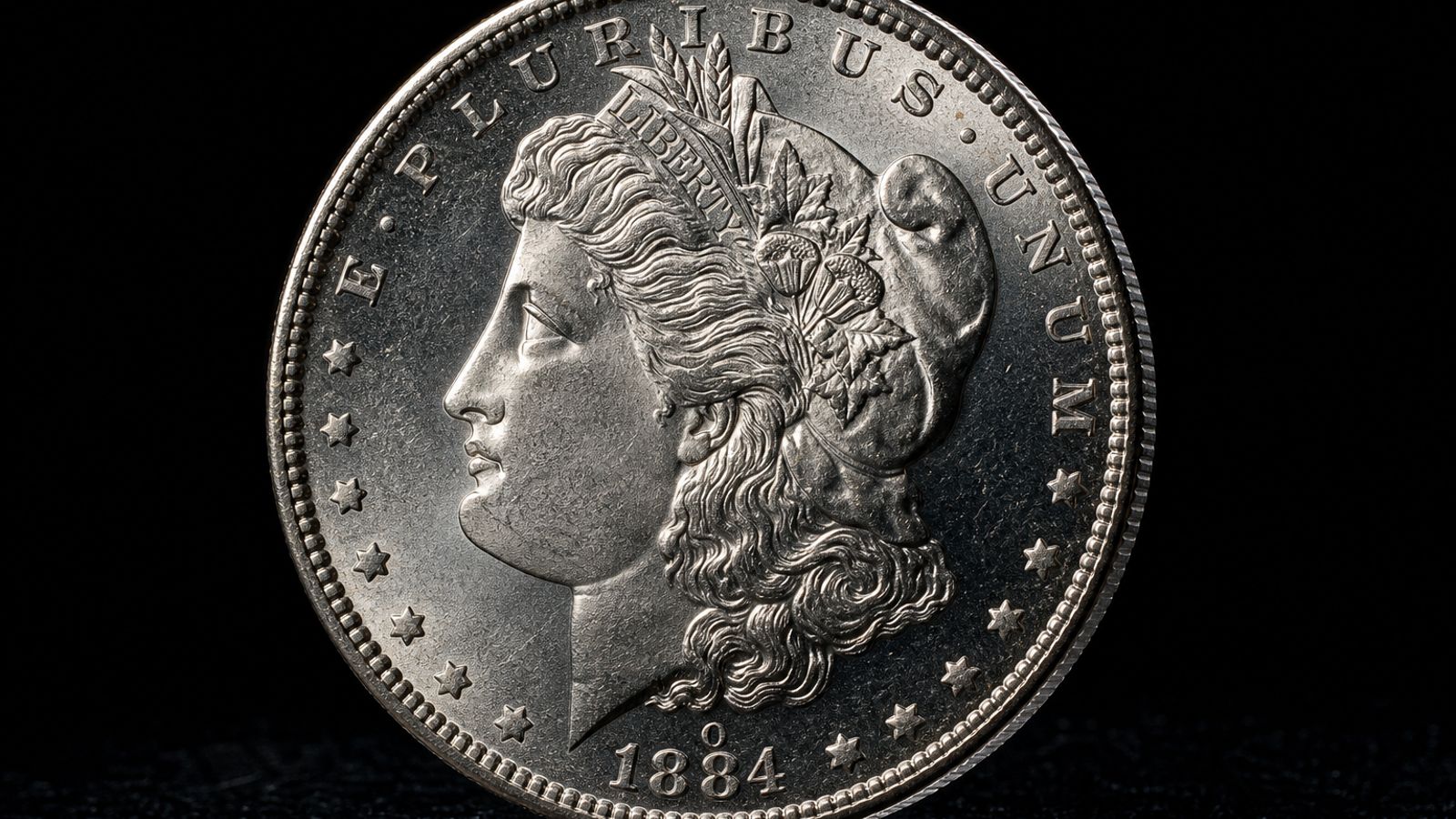
Obverse: Commonly known as the "heads" side, the obverse is considered the front of the coin. It typically bears the principal design, which is often the portrait of a national figure—a president, a monarch, or an allegorical figure like Lady Liberty. By tradition, the date of the coin is also placed on the obverse.
-
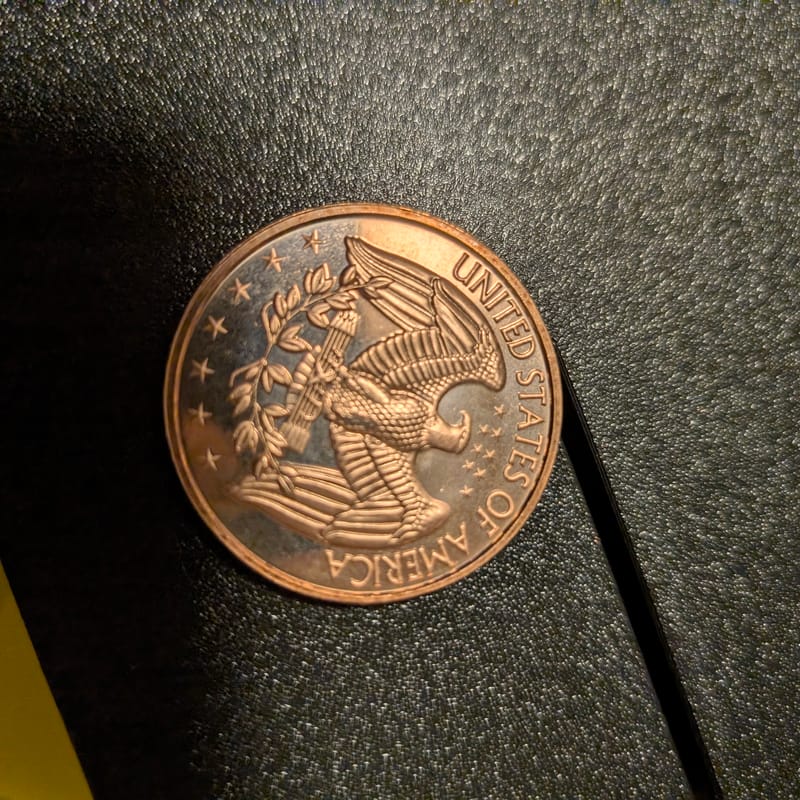
Reverse: Logically, the reverse is the "tails" side, or the back of the coin. It contains a secondary design, which can range from a national emblem (like the American bald eagle) to a depiction of a historic event, a landmark, or a simple statement of the coin's value.
PeerMetals Insight:
"In the world of online marketplaces, listings are often categorized by the main feature of a coin, like 'Walking Liberty' or 'Lincoln Cent.' This main feature is almost always the device on the obverse. Knowing the proper term for the 'heads' and 'tails' of a coin is the first step in speaking the language of the collecting community on PeerMetals and searching for products with precision."
The Third Side - The Edge
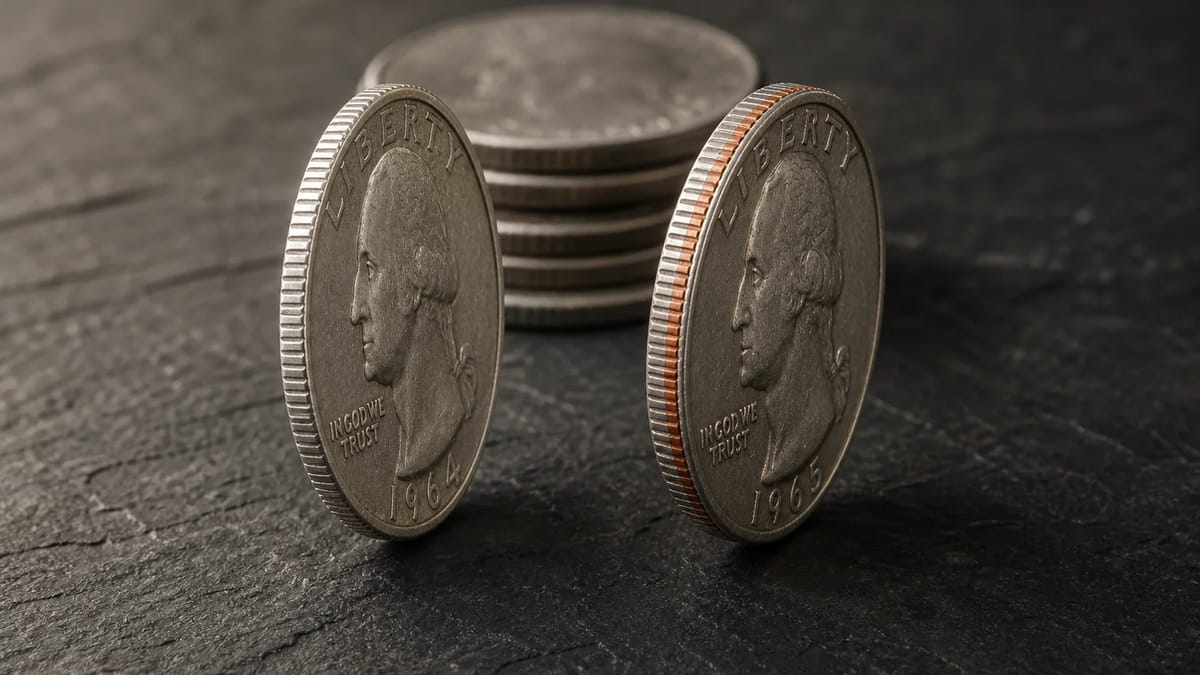
The edge is the often-overlooked surface of the coin that runs around its entire circumference. It is far more than just a border; it can be a key feature in its own right. There are three main types of edges:
-
Plain Edge: A smooth, flat edge, common on lower-denomination coins like the U.S. cent and nickel.
-
Reeded Edge: An edge with vertical grooves. This design was originally introduced on precious metal coins to prevent "clipping"—the illegal practice of shaving off small amounts of gold or silver from the edge of the coin. A reeded edge would make any such tampering immediately obvious.
-
Lettered or Decorated Edge: Some coins feature letters, numbers, symbols, or other decorative elements on their edge. For example, U.S. Presidential Dollars have the date, mint mark, and motto inscribed on the edge.
PeerMetals Insight:
"The edge is a coin's first line of security, both historically and for modern verification. A professional collector will always examine the edge for signs of tampering or to confirm authenticity. When you buy a coin on the PeerMetals platform, knowing what the edge should look like is a subtle but important part of verifying the coin you receive."
The Canvas and the Art - Field and Device
These two elements describe the main surface and design of the coin.
-
Field: The field is the flat, blank background surface of the coin upon which the main design is struck. On a standard business-strike coin, it has a basic luster. On a special "proof" coin, the field is often highly polished to a deep, mirror-like finish, creating a beautiful contrast with the design.
-
Device: The device is the principal image or portrait on the coin. It is the main focal point of the design, such as the profile of Abraham Lincoln on the cent or the image of the kangaroo on the Australian Kangaroo bullion coin.
PeerMetals Insight:
"The condition of the field is one of the most important factors in a coin's grade. An investor looking for high-grade modern bullion or a collector seeking a flawless proof coin on PeerMetals will pay close attention to the field, looking for any scratches or imperfections that could lower its value."
The Story in Words and Symbols
The lettering and symbols on a coin provide its most direct information.
-
Legend / Inscription: This refers to the main lettering on the coin. It typically includes the name of the country (e.g., "UNITED STATES OF AMERICA") and the coin's denomination or face value (e.g., "ONE DOLLAR").
-
Motto: Many coins include a motto, which is a phrase or statement of national significance. On U.S. coins, the most common mottos are "IN GOD WE TRUST" and "E PLURIBUS UNUM" (Latin for "Out of many, one").
-
Date: The year the coin was minted. This is a crucial piece of information for determining a coin's rarity and value.
-
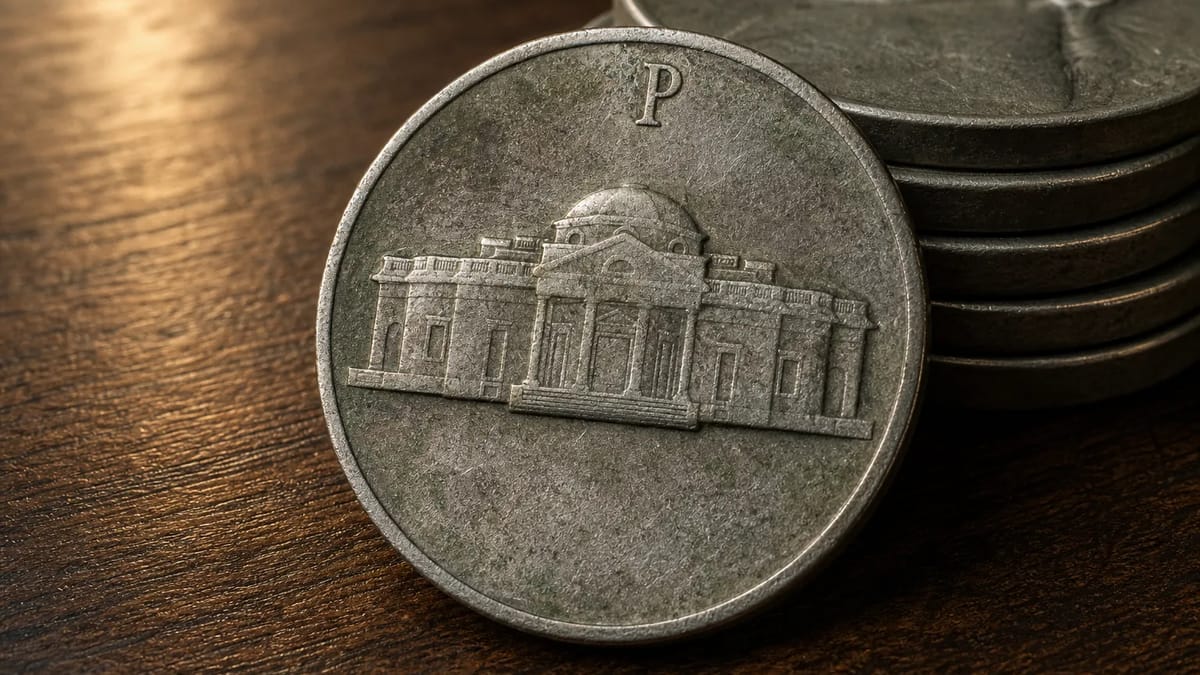
Mint Mark: A small letter (or sometimes a combination of letters) that indicates which mint facility produced the coin. The location of the mint mark can vary.
Common U.S. Mint Marks:
| Mark | Mint Location | Notable Fact |
|---|---|---|
| P | Philadelphia | The first U.S. Mint; for many years, its coins had no mint mark. |
| D | Denver | A major producer of modern circulating and bullion coins. |
| S | San Francisco | Now primarily produces high-quality proof coins for collectors. |
| W | West Point | Produces many of the U.S. Mint's premier bullion coins, like the American Eagle. |
| CC | Carson City | A historic mint from the Wild West era; its coins are highly prized by collectors. |
PeerMetals Insight:
"The date and the mint mark are arguably the two most powerful value-determining features on any coin. A simple difference in one letter—the mint mark—can change a coin's value from a few dollars to tens of thousands. When browsing the PeerMetals marketplace, filtering your search by date and mint mark is the primary technique for hunting down those rare, key-date treasures."
PeerMetals Final Thoughts: From Observer to Expert
Learning the anatomy of a coin is like learning the vocabulary of a new language. It elevates you from someone who simply looks at a coin to someone who can truly read it. You can understand its origins, appreciate its artistry, and accurately assess the key features that drive its value.
This knowledge is the foundation of confidence. It empowers you to navigate the vast and exciting world of numismatics, to communicate effectively with other collectors, and to make smarter, more informed decisions. At PeerMetals, our goal is to build a community of these knowledgeable investors. By understanding this language, you can unlock the full potential of our marketplace, identifying the true value and unique story behind every coin you see.
Ready to put your new knowledge into practice? Explore the PeerMetals marketplace and see how understanding a coin's anatomy can help you discover your next great investment.