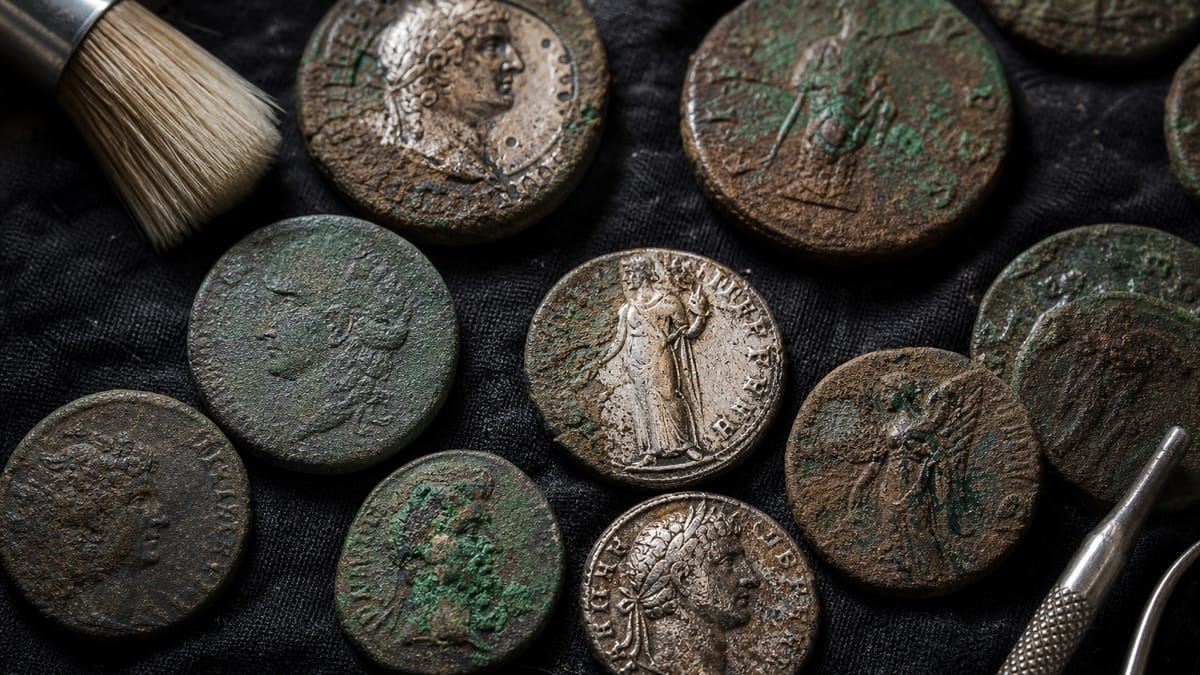
How to Read Coin Mint Marks: A Field Guide


A mint mark is a small letter (or letters) stamped on a coin to identify which U.S. Mint facility struck it. It's one of the first things a collector learns to check, because mint mark alone can turn an otherwise common date into a genuinely scarce one -- some of the most valuable dates in popular series are common at one mint and rare at another.
The mint marks you'll actually encounter
| Mark | Mint | Years marked coinage | Notes |
|---|---|---|---|
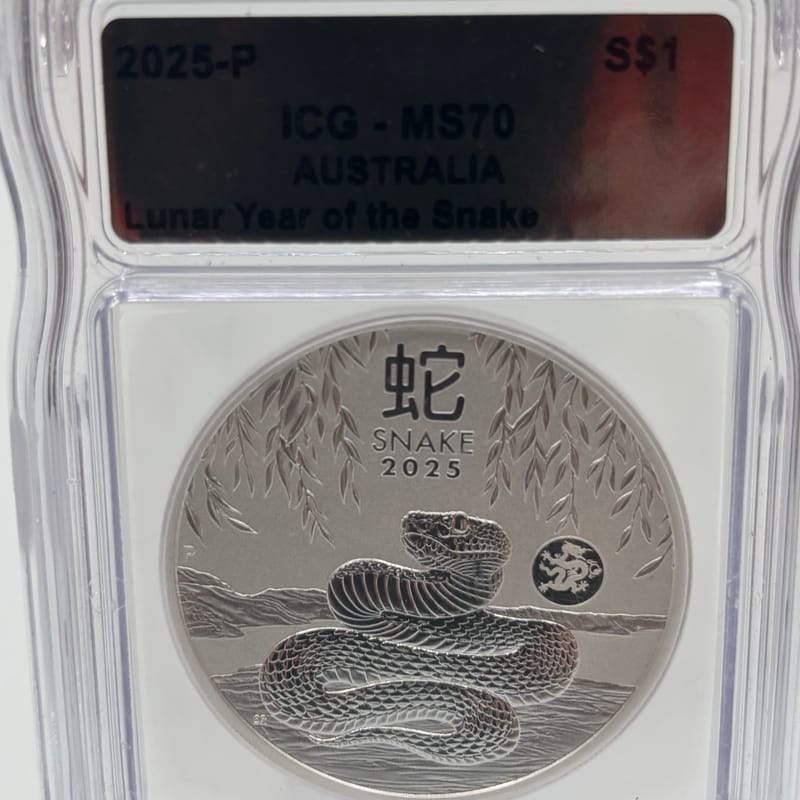
| P (or none) | Philadelphia, PA | 1792-present | The original U.S. Mint; usually unmarked before 1980 |
| D | Denver, CO | 1906-present | The high-volume workhorse alongside Philadelphia |
| S | San Francisco, CA | 1854-present | Mostly proof coinage in the modern era |
| W | West Point, NY | 1984-present | Primarily bullion and commemorative issues |
| CC | Carson City, NV | 1870-1893 | Only 21 non-consecutive years of operation -- prized on nearly every survivor |
| O | New Orleans, LA | 1838-1909 | Closed through the Civil War era, resumed 1879 |
| C | Charlotte, NC | 1838-1861 | Gold coins only; seized in the Civil War |
| D | Dahlonega, GA | 1838-1861 | Gold only -- an early "D" predating Denver by decades |
| M | Manila, Philippines | 1920-1941 | The only U.S. mint ever operated overseas |
Philadelphia is the exception worth remembering: for most of U.S. history, Philadelphia-struck coins carried no mint mark at all -- the absence of a letter was itself the identifier, since Philadelphia was originally the only mint. Mint marks first appeared in 1838, when the Charlotte, Dahlonega, and New Orleans branches opened and coins suddenly needed to say where they came from. Philadelphia didn't consistently add a "P" to circulating coinage until 1980 (with the wartime nickel of 1942-1945 being an earlier, temporary exception).
A short timeline of mint-mark quirks
- 1838 -- first U.S. mint marks, on branch-mint coinage from C, D (Dahlonega), and O.
- 1870-1893 -- Carson City strikes coins from Comstock Lode silver; its short, interrupted run is why "CC" commands a premium on almost everything it touched.
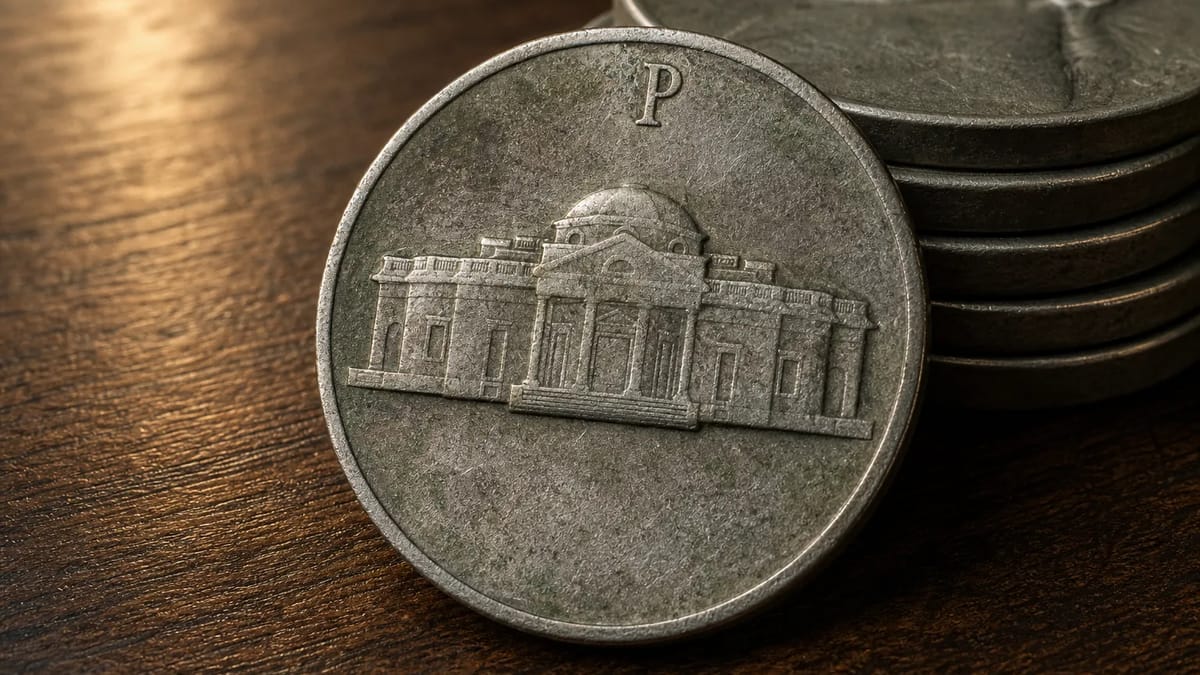
- 1942-1945 -- silver "war nickels" carry oversized marks above Monticello, including the first P ever used.
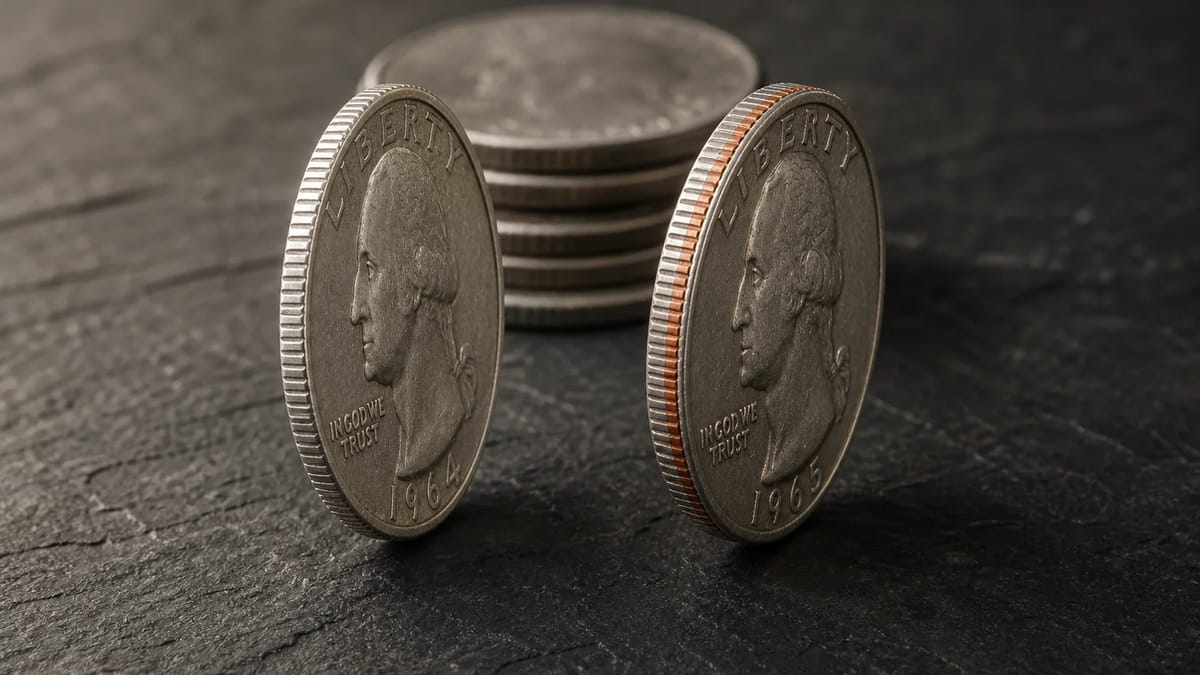
- 1965-1967 -- no U.S. coin carries any mint mark at all: amid the era's coin shortage, marks were deliberately dropped to discourage collecting coins out of circulation.
- 1968 -- marks return, now standardized on the obverse (front) of most denominations rather than the reverse.
- 1979-1980 -- the P mark finally reaches regular coinage, starting with the Susan B. Anthony dollar and extending to most denominations in 1980.
Where to actually look
Mint mark placement isn't standardized across series -- it moves depending on the coin and era. On coins struck since 1968, look on the obverse, typically near the date or portrait. On earlier coinage the reverse is common: below the wreath on many old cents and dimes, below the eagle on Morgan dollars, above Monticello on war nickels. When in doubt, a quick reference for the specific series beats guessing -- a Lincoln cent hides its mark in a different spot than a Washington quarter.
Why mint mark changes value
Mintage figures -- how many coins a given mint struck in a given year -- often varied enormously between mints for the same date. A date that's common from the high-volume Philadelphia or Denver mints can be genuinely scarce from a mint that struck far fewer that year. The famous examples make the point: the 1916 Mercury dime is common from Philadelphia and a celebrated rarity from Denver; the 1893-S Morgan dollar is the key to its entire series while the same year's Philadelphia coin is affordable. Two coins with an identical date can differ in value by a factor of hundreds based only on the letter beneath the date -- which is why date alone is never enough information when checking a coin's worth. Look up both halves in our coin value guides, and if you need the underlying metal value as a floor, the coin weight & purity lookup covers the physical specs.
A word on altered mint marks
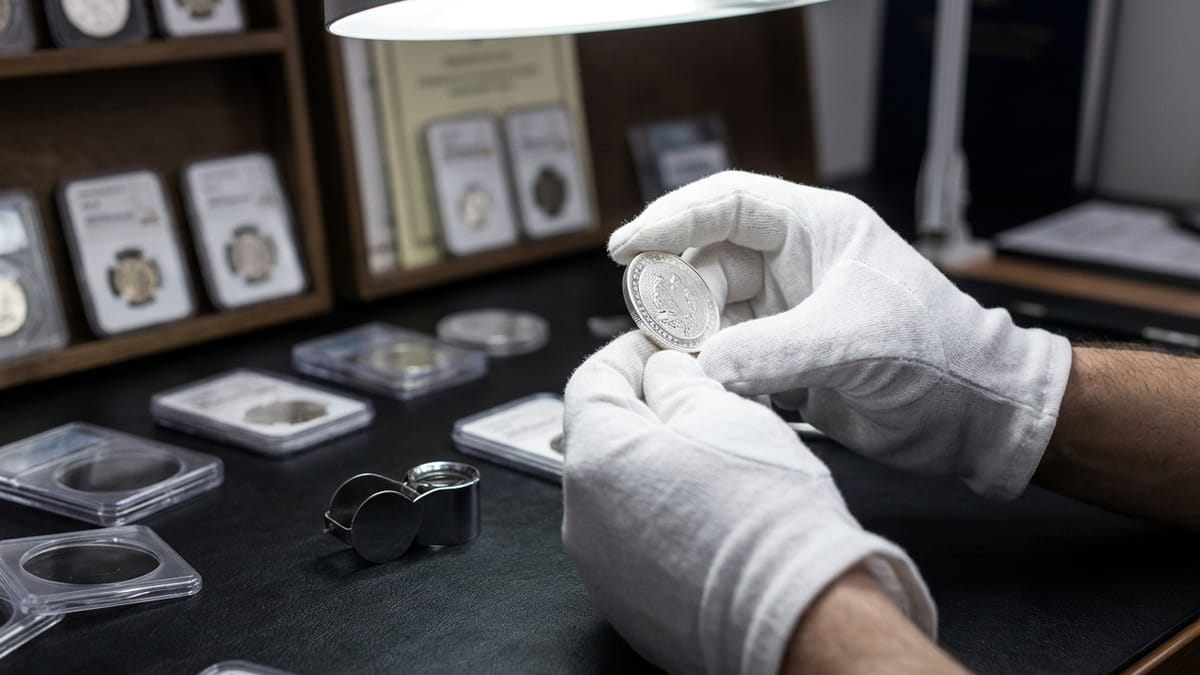
Because mint mark alone can separate a common coin from a valuable one, altered mint marks -- a common letter filed off, or a mark added or embossed to mimic a scarcer variety -- are one of the most persistent forms of coin fraud, and the famous rarities above are precisely the coins most often faked. On any coin where the mint mark materially changes the value, a magnified inspection (or third-party grading and authentication) is worth the cost before paying a real premium for the scarcer variety. See our guide to PCGS, NGC, and ANA grading standards for how professional authentication works and when it's worth it.
Sources: U.S. Mint, facility and mint-mark history (usmint.gov, retrieved 2026-08-26); Littleton Coin / standard numismatic references on branch-mint operating years (Charlotte and Dahlonega 1838-1861, New Orleans 1838-1909, Carson City 1870-1893, West Point mark from 1984, Manila 1920-1941); standard references for the 1965-1967 mark suspension and 1968 obverse standardization.