The Changing Composition of the U.S. Cent

A Pocket-Sized History Lesson in Economics
It is the most common and least regarded coin in American circulation. We find it in our couches, leave it in "take-a-penny" trays, and often feel it's not worth the effort to even pick up. Yet, the humble one-cent coin tells one of the most dramatic economic stories in U.S. history. Its journey from a hefty piece of pure copper to a disguised zinc disc is a masterclass in the constant battle between a coin's official face value and the fluctuating intrinsic value of the metal it contains.
🧭 Insight from PeerMetals: The penny's entire history revolves around one core concept: when the metal in a coin becomes more valuable than the number stamped on it, the coin is destined for failure. This principle is the very foundation of precious metals investing. At PeerMetals, we facilitate the trade of assets whose value is derived entirely from their intrinsic metal content, not a fleeting face value.
The Early Days: An Era of Honest Copper (1793-1857)
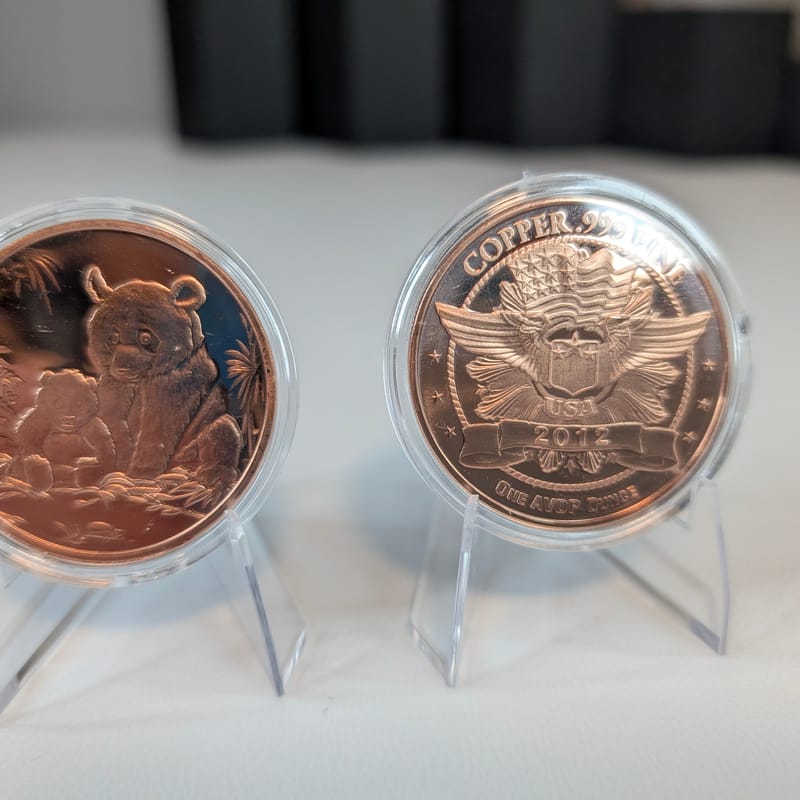
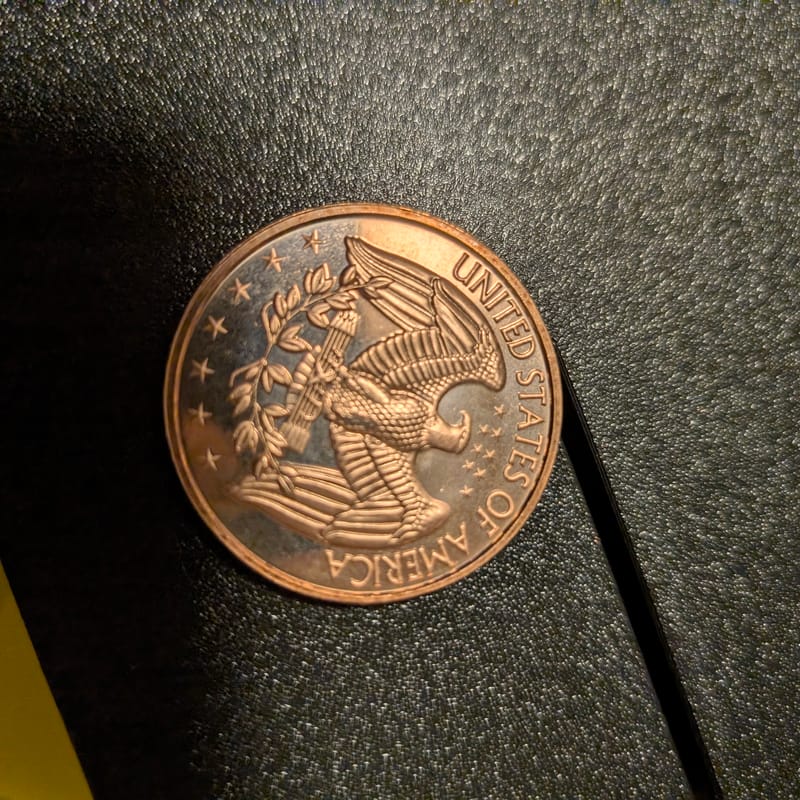
When the first U.S. Mint opened its doors, its mission was to create an honest currency for a new nation. The first U.S. Cents were large, heavy coins—about the size of a modern half-dollar—and were struck from nearly 100% pure copper. The goal was simple: the value of the copper in the coin was meant to be equal to one cent. This was commodity money in its purest form. There was no guesswork; you were holding one cent's worth of valuable industrial metal.
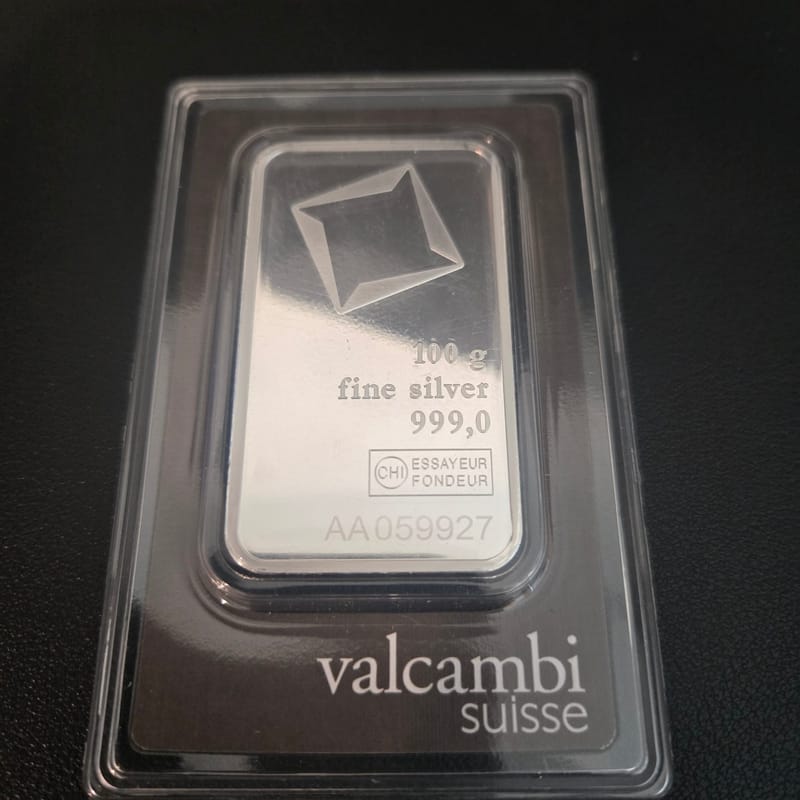
🧭 Insight from PeerMetals: These first cents embodied the principle of 'intrinsic value.' The coin was the value. This is the same confidence that drives the modern bullion market. When you buy a one-ounce silver bar on our platform, you aren't buying a promise; you are buying a specific, guaranteed weight of a valuable physical commodity.
The First Compromise: The "Bronze Age" of the Cent (1857-1942)
As the nation grew, the large copper cents became cumbersome, and the price of copper began to rise. In 1857, the Mint made its first major change, introducing a smaller cent made of an 88% copper and 12% nickel alloy. By 1864, this was adjusted again to the familiar bronze composition: 95% copper, with 5% tin and zinc. This alloy was cheaper to produce and more durable. This was the era of the classic Indian Head Cent and the beloved early Lincoln "Wheat" Cents. For nearly a century, this bronze composition was the stable, trusted standard.
🧭 Insight from PeerMetals: This shift represents the first time the U.S. Mint deliberately reduced the intrinsic value of the cent for economic and practical reasons. It was a small but significant step away from pure commodity money toward a more symbolic currency. This highlights the value proposition of bullion, which, unlike circulating coinage, has maintained its commitment to the highest possible purity.
The Wartime Anomaly: The 1943 Steel Cent
In World War II, the United States faced an existential crisis. Copper was not just a metal for coins; it was a strategic war material, essential for producing ammunition casings, wiring, and other military equipment. To support the war effort, the U.S. Mint was ordered to cease using copper for cents. For one year only, the 1943 Lincoln Cent was struck from low-grade carbon steel, coated with a thin layer of zinc to prevent rust.
The public's reaction was mixed. The silver-colored coins were often mistaken for dimes, and they had the unfortunate habit of rusting and being picked up by magnets in vending machines. The "steelie" was a temporary emergency measure, and in 1944, the Mint returned to the bronze composition, famously using recycled copper from spent shell casings.
🧭 Insight from PeerMetals: The 1943 Steel Cent is a stark reminder of how quickly a government can—and will—alter its currency in a time of national crisis. It demonstrates that the composition and even existence of fiat money is subject to immediate government need. This history strengthens the case for owning non-governmental, tangible assets like gold and silver, which exist outside of such direct political control.
The Great Copper Switcheroo: The Birth of the Modern Zinc Cent (1982)
This is the most important chapter in the penny's economic story. By the late 1970s and early 1980s, high inflation caused the price of copper to soar. A critical tipping point was reached: the value of the copper in a penny became worth more than one cent.
This triggered a classic economic phenomenon known as Gresham's Law ("bad money drives out good"). People began hoarding the 95% copper cents, melting them down for their valuable metal content. The Mint was losing money on every cent it produced, and the coins were vanishing from circulation.
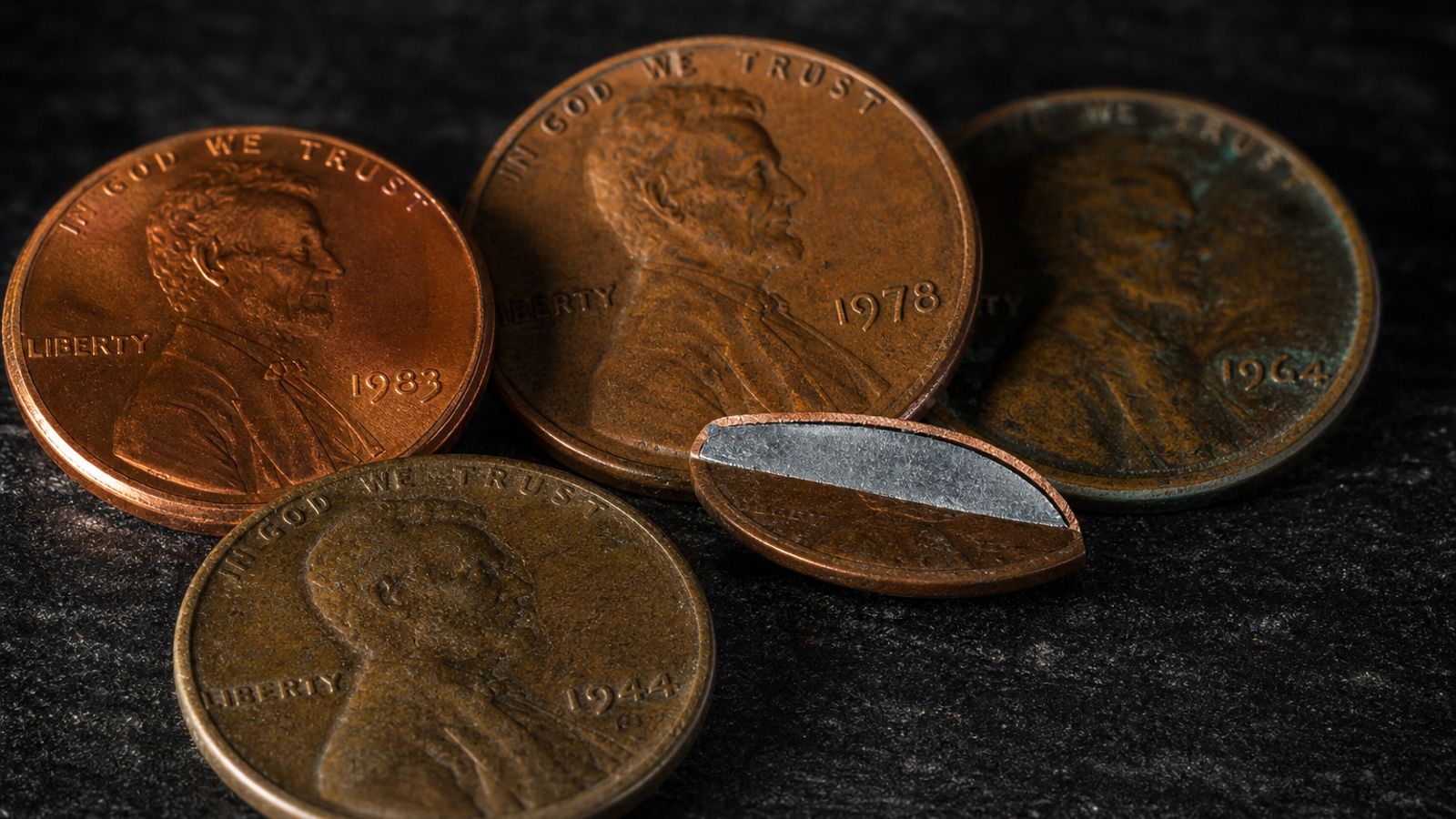
The solution was drastic. In 1982, the U.S. Mint made its most significant change yet. The composition was switched to 97.5% zinc, with a thin outer plating of 2.5% copper. The new cents were visually identical and weighed less, but they cost much less to produce and contained less than half-a-cent's worth of metal. The year 1982 is unique as it was a transitional year, with both 95% copper and copper-plated zinc cents being minted.
🧭 Insight from PeerMetals: This event is the ultimate proof of our entire philosophy. The moment the intrinsic metal value of the penny surpassed its government-assigned face value, the face value became irrelevant. The free market assigned the coin its true value. This is why our platform exists—to facilitate the trade of assets like gold and silver, where the market value is rightfully determined by the metal's intrinsic worth, not by a number printed by a government.
A Composition at a Glance: The Cent's Journey
| Era | Composition | Key Fact / Reason for Change |
| 1793–1857 | ~100% Copper | The "Large Cent" Era. Intrinsic value was meant to equal face value. |
| 1857–1864 | 88% Copper, 12% Nickel | The "Flying Eagle/Indian Head" Era. Smaller size for convenience and rising copper costs. |
| 1864–1942 | 95% Copper, 5% Tin/Zinc (Bronze) | The Classic Bronze Era. A durable and cost-effective standard. |
| 1943 | Zinc-Coated Steel | The "Steelie." Copper was a critical strategic material for World War II. |
| 1944–1982 | 95% Copper, 5% Tin/Zinc (Bronze) | Return to Bronze. Famously used recycled copper from war shell casings. |
| 1982–Present | 97.5% Zinc Core, 2.5% Copper Plating | The Modern Zinc Cent. Copper's melt value exceeded one cent, forcing the switch. |
🧭 Final Thoughts from PeerMetals
The humble U.S. Cent is a powerful economic artifact. Its history is a tangible and undeniable lesson in the difference between government-decreed money and real, lasting value. It proves that, in the long run, the market will always recognize the true worth of the metal itself. This history is the fundamental "why" behind precious metals investing. At PeerMetals, we are dedicated to providing a platform for assets that have already learned this lesson—assets like gold and silver, whose value is honest, intrinsic, and not dependent on a face value that can be eroded by inflation.
Ready to invest in assets where the metal value is the value? Explore our marketplace for gold and silver bullion at PeerMetals today!