Why Does Silver Tarnish? Is It a Chemical Change, and How to Prevent It

Tarnish is a natural chemical process that affects silver, but with proper care and storage, you can significantly slow it down and preserve the original beauty of your precious metals.
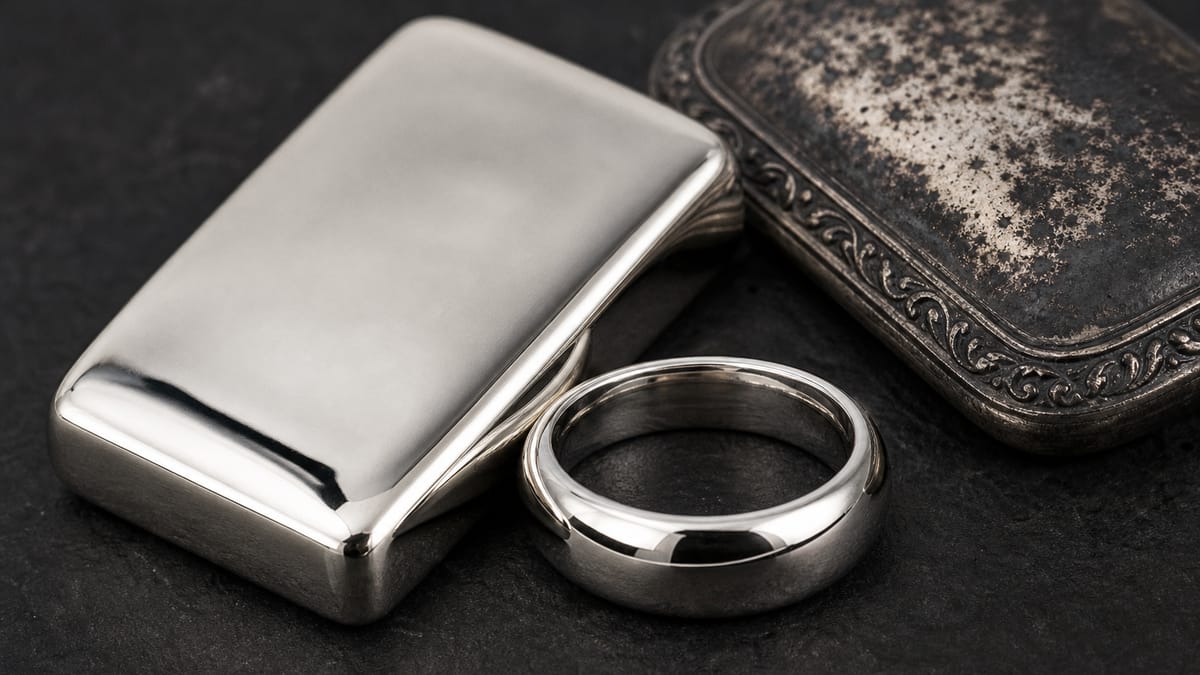
Tarnish is not rust; it is the result of a chemical reaction between silver and sulfur compounds in the air. When silver is exposed to hydrogen sulfide (H₂S), a thin layer of silver sulfide forms on the surface, creating a dark, discolored appearance. This process is accelerated by humidity, moisture, and exposure to everyday materials like paper, cardboard, and certain fabrics, which can release sulfur over time.
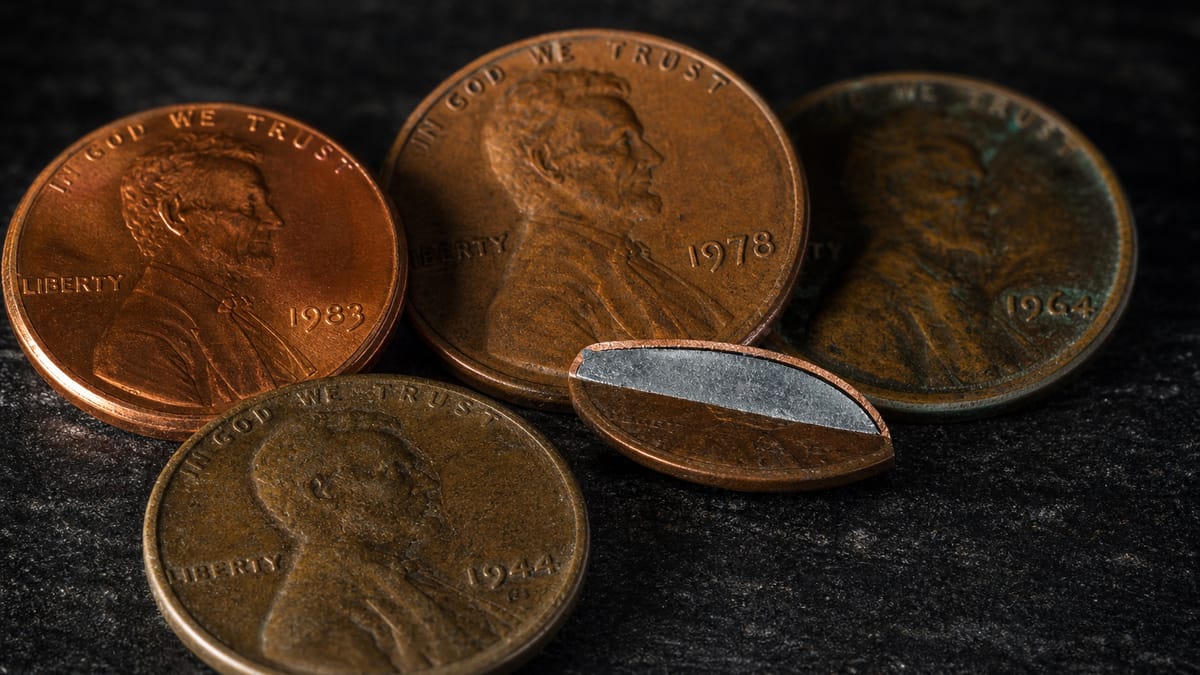
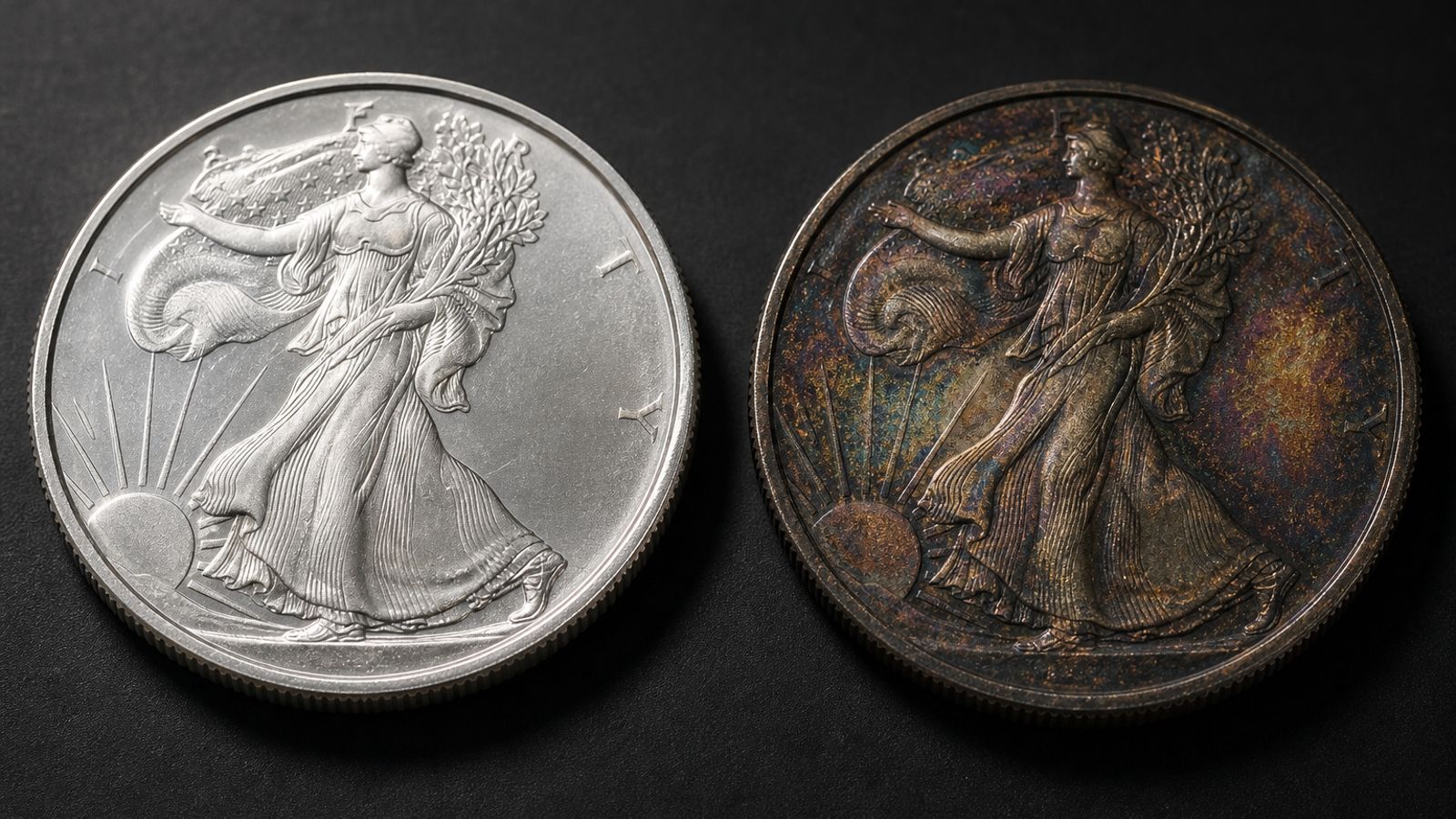
While tarnish on a silver coin doesn't reduce its silver content or melt value, it can dramatically decrease its numismatic or collector value. A bright, lustrous coin is almost always preferred over a tarnished one.
Silver is one of the most popular and accessible precious metals for investors and collectors. Its brilliant, white luster is unmatched, but over time, you may notice a dark, discolored layer forming on its surface. This is tarnish, and while it’s a natural process, it can detract from the beauty and numismatic value of your prized assets.
Understanding why silver tarnishes is the first step toward preventing it. This guide from PeerMetals will explain the science behind tarnishing and provide you with a clear, actionable plan to protect your silver and keep it looking brilliant for years to come.
The Science of Tarnish: A Chemical Reaction
It’s a common misconception that tarnish is a form of rust or that it is caused by simple oxidation from contact with oxygen. The truth is more specific.
Tarnish is the result of a chemical reaction between silver and sulfur-containing compounds in the air. The primary culprit is hydrogen sulfide (H₂S). When silver atoms (Ag) come into contact with hydrogen sulfide, they combine to form a new compound called silver sulfide (Ag₂S) on the surface of the metal. This layer of silver sulfide is what we see as tarnish.
Key Factors That Accelerate Tarnishing:
-
Humidity: Moisture in the air acts as a catalyst, significantly speeding up the chemical reaction between silver and sulfur. This is why silver tarnishes much faster in humid environments.
-
Pollutants: The air in our homes and cities contains various sulfur-emitting sources, including certain foods (onions, eggs), fossil fuels, and industrial pollutants.
-
Contact with Materials: Everyday materials like paper, cardboard, certain textiles (wool, felt), and some plastics (especially PVC) can release sulfur compounds over time, causing tarnish if they are in direct contact with your silver.
It is crucial to understand that tarnish does not destroy the silver or reduce its melt value; it is purely a surface-level reaction. However, for numismatic coins or display pieces, a heavy, unattractive tarnish can significantly decrease the collector value.
PeerMetals Insight:
"Understanding that tarnish is a specific chemical reaction, not just decay, is fundamental for any silver owner. It shifts the mindset from 'my silver is rotting' to 'my silver is reacting with its environment.' This scientific perspective is empowering because it means tarnish is a problem with a solution. By controlling the environment, you control the reaction. This is the first principle of responsible asset stewardship."
The Ultimate Prevention Plan: How to Store Your Silver
Prevention is always better than a cure, especially since improper cleaning can damage a coin's surface. The key to preventing tarnish is to create a storage environment that is as free from air and moisture as possible.
Step 1: Choose Air-Tight Containers
The most effective way to prevent tarnish is to limit your silver's exposure to the open air.
-
For Individual Coins: Use inert, air-tight plastic capsules. These provide a hard-shell barrier against the elements.
-
For Multiple Coins/Rounds: Store them in their original, sealed mint tubes. These are designed for long-term, compact storage.
-
For Bars: Use archival-quality polyethylene bags or seal them in vacuum-sealed bags.
Step 2: Control the Humidity
Since moisture is the primary catalyst for tarnish, keeping your silver dry is non-negotiable.
-
Silica Gel Desiccants: These are the small packets you often find in new shoeboxes or electronics. They are excellent at absorbing moisture from the air. Place several silica gel packets in your safe, storage box, or any enclosed space where you keep your silver. They are inexpensive and highly effective. Remember to replace or "recharge" them periodically (by baking them on low heat) as they become saturated.
-
Dehumidifiers: For larger storage areas like vaults or dedicated closets, a small electronic dehumidifier can maintain an optimal low-humidity environment.
Step 3: Avoid Harmful Materials
Where you store your silver is just as important as what you store it in.
-
Avoid: Paper envelopes, cardboard boxes, standard plastic containers (especially those with PVC), and wood or fabric-lined chests. These materials can break down and release sulfur compounds directly onto your silver.
-
Use: Archival-quality, acid-free materials. Look for storage products specifically designed for precious metals. Store your silver in a cool, dark place with a stable temperature, like a dedicated safe or a secure closet.
Tarnish Prevention Product Comparison
| Method | Effectiveness | Best For | Notes |
| Air-Tight Capsules | High | Individual high-value coins | Provides physical and environmental protection. |
| Mint Tubes | High | Stacking multiple coins | Cost-effective and space-efficient. |
| Silica Gel Packs | High | Enclosed spaces (safes, boxes) | Must be replaced or recharged regularly. |
| Anti-Tarnish Strips | Medium-High | Enclosed spaces | Absorb sulfur pollutants from the air. |
| Vacuum Sealing | High | Bars and bulk items | Creates a nearly perfect air-tight seal. |
PeerMetals Insight:
"Your safe should be more than just a locked box; it should be a controlled micro-environment for your assets. Think of it as creating a personal vault. Combining air-tight containers with desiccants is the one-two punch that will defeat tarnish every time. It’s a simple, proactive step that demonstrates a professional approach to investing and ensures your assets retain their full visual and numismatic appeal."
PeerMetals Final Thoughts: Preservation is a Core Part of Your Investment Strategy
Protecting your silver from tarnish is about more than just aesthetics; it's about preserving the value and integrity of your investment. A brilliant, well-preserved coin is always more desirable and commands a higher premium on the market than a heavily tarnished one. By taking these straightforward and affordable steps, you are engaging in responsible asset management.
At PeerMetals, we foster a community of investors who understand that the condition of an asset is a reflection of its owner's care. A collection that has been properly stored is a collection that has been properly valued. This commitment to preservation ensures that when it's time to sell or trade, your silver is in the best possible condition to realize its maximum worth. Build your stack, but more importantly, build it to last.
Is silver tarnishing a chemical or physical change?
Tarnishing is a chemical change. Silver atoms on the surface react with sulfur compounds in the air, mainly hydrogen sulfide, and form a new substance, silver sulfide, which is the dark layer you see. A new compound with different properties is the definition of a chemical change; a physical change, such as bending, polishing or melting, alters shape or state without creating a new substance. Because tarnish is chemical, it cannot be reversed by physical means alone. Polishing removes the silver sulfide layer along with a little silver, and the chemical dip methods reverse the reaction by pulling the sulfur back out of the compound.
Two details trip up the exam question. Tarnish is a chemical property of silver, meaning silver has the tendency to react with sulfur, and tarnishing is the chemical change that happens when it does. And tarnish is not rust: rust is iron oxide, formed with oxygen and water, while tarnish is silver sulfide, formed with sulfur. Silver does not react with oxygen at room temperature, which is why a coin can sit in dry, sulfur-free air for decades without darkening.