Unearthing Silver: A Look at Global Mining Methods

From Deep Earth to Digital Marketplace: The Story of Silver's Origin
Silver doesn't just appear. Before a gleaming Silver Eagle or a hefty 100-ounce bar can be traded on a marketplace, it must first be located, blasted from deep within the earth's crust, and put through a complex and intense process of chemical and physical refinement. The journey of silver from a microscopic particle embedded in rock to a trusted investment vehicle is a story of geology, engineering, and global economics. Understanding this origin story is crucial for any serious investor, as it reveals the fundamental forces that shape silver's supply, its price, and its unique role in the world.
🧭 Insight from PeerMetals: We believe that the more an investor understands about their asset, the more confidence they have in its value. The incredible industrial journey of silver—from a rugged mine to a pristine, finished product—builds a profound appreciation for its worth. Our platform is the final, crucial link in this chain, connecting the fruits of this global effort with the individuals who seek to own it.
The Most Important Fact: Silver as a Byproduct
This is the single most critical concept in understanding the silver market: most silver is not mined from silver mines. Approximately 70-80% of the world's annual silver supply is a byproduct of mining for other industrial metals. It is unearthed from mines whose primary purpose is to extract:
-
Lead and Zinc (the largest source of byproduct silver)
-
Copper
-
Gold
This has a massive and counterintuitive effect on supply. It means that the price of silver has a surprisingly weak influence on the production of most silver. A mining company's decision to open or close a mine is based on the profitability of its primary metal—zinc or copper, for example. If zinc prices are high, they will mine more zinc, and therefore produce more byproduct silver, even if silver prices are low. This creates a relatively inelastic supply, meaning that production doesn't respond quickly to changes in silver's price, a key factor behind its famous volatility.
🧭 Insight from PeerMetals: This unique supply dynamic is what makes silver such a fascinating asset for the strategic investor. It doesn’t always behave like other commodities. This inelasticity can create significant market squeezes or gluts based on the demand for other metals. Our marketplace provides the agility for investors to react to these unique conditions, offering a liquid venue to act on a sophisticated understanding of these industrial fundamentals.
Where in the World? The Geographic Hotspots of Silver Production
While silver deposits are found globally, production is concentrated in a few key regions, each with its own unique character. Unlike palladium or platinum, silver's supply is geographically diverse, which adds a layer of stability to the long-term supply chain.
-
Mexico: The undisputed king of silver production. Known as the "Silver Country," Mexico has a rich history of silver mining dating back to the Spanish Empire. It is home to some of the world's largest primary silver mines.
-
China: A global industrial powerhouse, China's silver production is almost entirely a byproduct of its massive base metal mining operations.
-
Peru: Another nation with a long and storied history, Peru's silver is wrested from the high altitudes of the Andes mountains, often from polymetallic ore bodies rich in lead, zinc, and silver.
-
Chile, Australia, and Russia: These countries are also major contributors, rounding out a diverse global production map.
🧭 Insight from PeerMetals: The global nature of silver's supply chain is reflected in the global nature of our community. We connect buyers and sellers from all over, creating a worldwide marketplace for a truly worldwide asset. This geographic diversity in both production and demand is a core part of silver's strength and liquidity.
The Methods: How Silver is Torn from the Earth
The process of extracting silver-bearing ore is a monumental feat of engineering. The two primary methods depend on the geology of the ore deposit.
1. Underground Mining (Vein Mining)
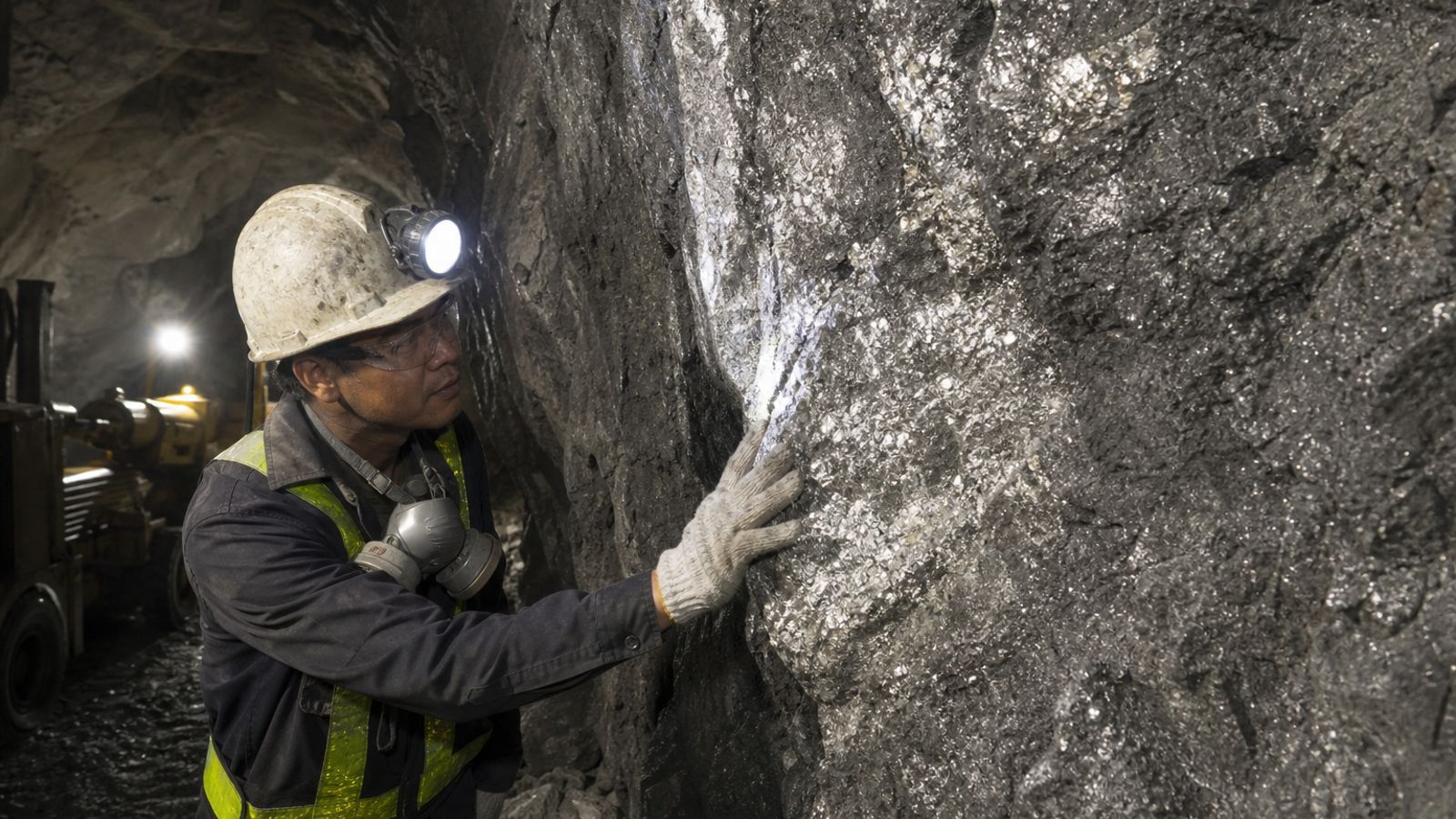
This is the classic image of mining—tunnels and shafts deep within the earth. This method is used for lode or vein deposits, which are rich, concentrated seams of silver (and other minerals) that have filled fractures in the rock. Miners follow these veins, blasting and drilling to extract the high-grade ore. This is the primary method used for mines where silver is the main target, like many of the historic mines in Mexico.
2. Open-Pit Mining
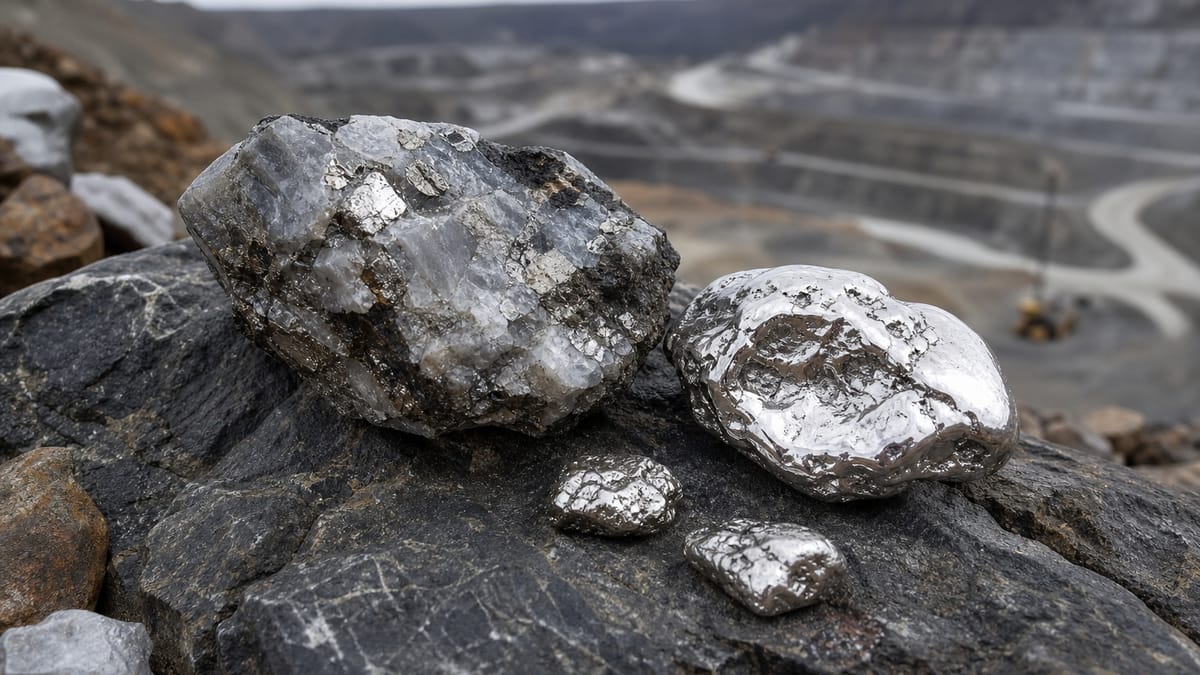
This method is used for large, low-grade ore bodies that are close to the surface. Instead of tunneling, miners use massive machinery to remove the earth layer by layer, creating enormous, terraced pits. While the concentration of silver per ton of rock is much lower, the sheer scale of the operation makes it economical. This is the most common method for the massive copper and zinc mines where silver is a crucial byproduct.
🧭 Insight from PeerMetals: Whether it's from a deep tunnel or a massive open pit, the process of mining is dangerous, difficult, and capital-intensive. It helps us appreciate the inherent value locked into every ounce of refined silver. The pristine, beautiful coins and bars traded on our platform are the end result of this incredible effort, transforming raw earth into a lasting store of wealth.
The Alchemy of Extraction: From Rock to Pure Silver
Getting the ore out of the ground is only the beginning. Separating the microscopic particles of silver from tons of worthless rock is a complex process of chemistry and physics.
-
Step 1: Crushing and Grinding: The ore is first crushed into smaller pieces and then placed in massive rotating mills. Steel balls grind the ore into a fine powder, a process called comminution. This is done to liberate the silver-bearing mineral particles from the surrounding rock (gangue).
-
Step 2: Froth Flotation (The Byproduct Key): For polymetallic ores, this is the magic step. The fine ore powder is mixed with water and specific chemical reagents in a tank. Air is then bubbled through the mixture. The chemicals cause the valuable mineral particles (like lead sulfide and silver sulfide) to stick to the air bubbles and float to the top, creating a froth that can be skimmed off. This allows miners to separate the different metals from each other.
-
Step 3: Leaching: For some ores, particularly those where silver is hosted with gold, cyanide leaching is used. The ore is placed in a large pile, and a dilute cyanide solution is dripped over it. The cyanide dissolves the silver and gold, which is then collected from the bottom of the pile.
-
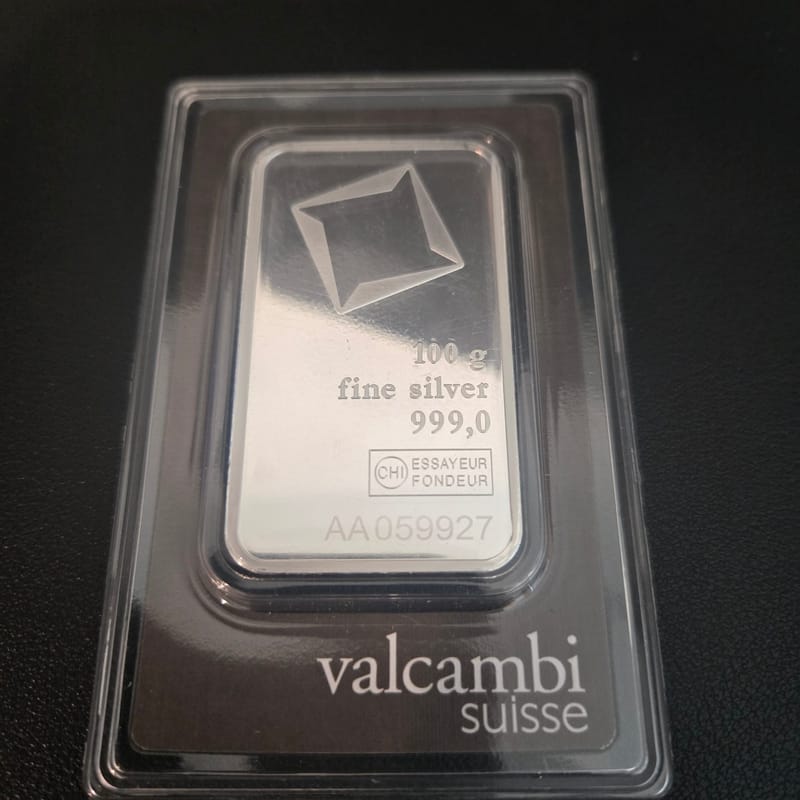
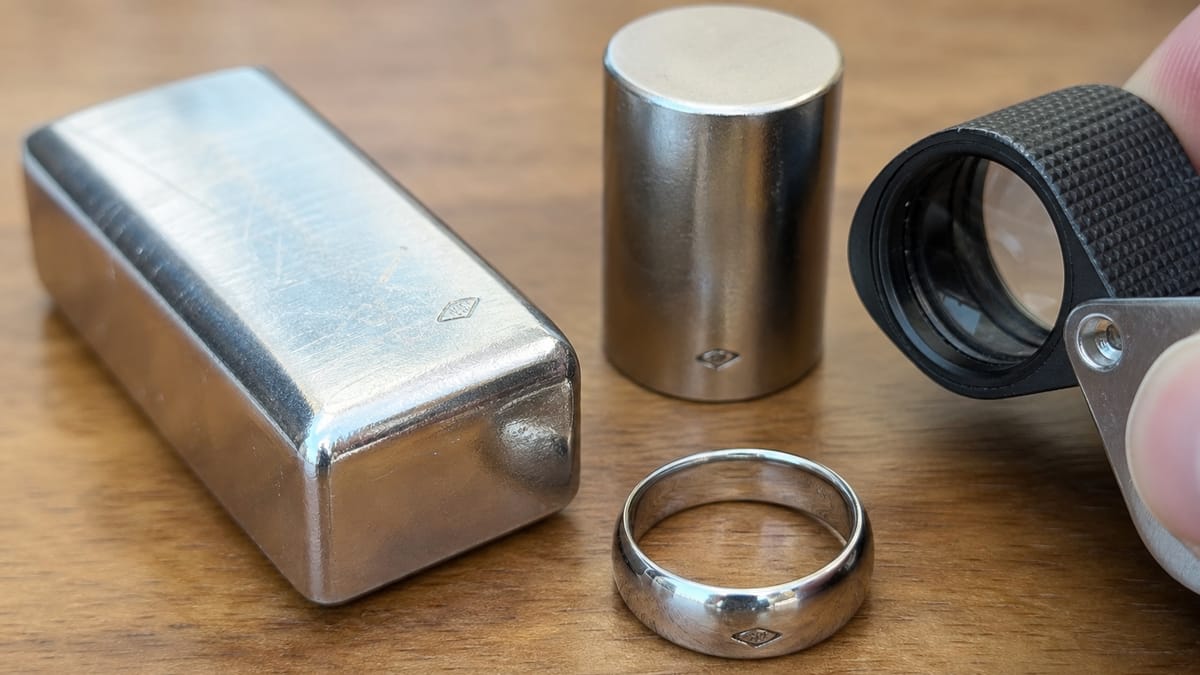
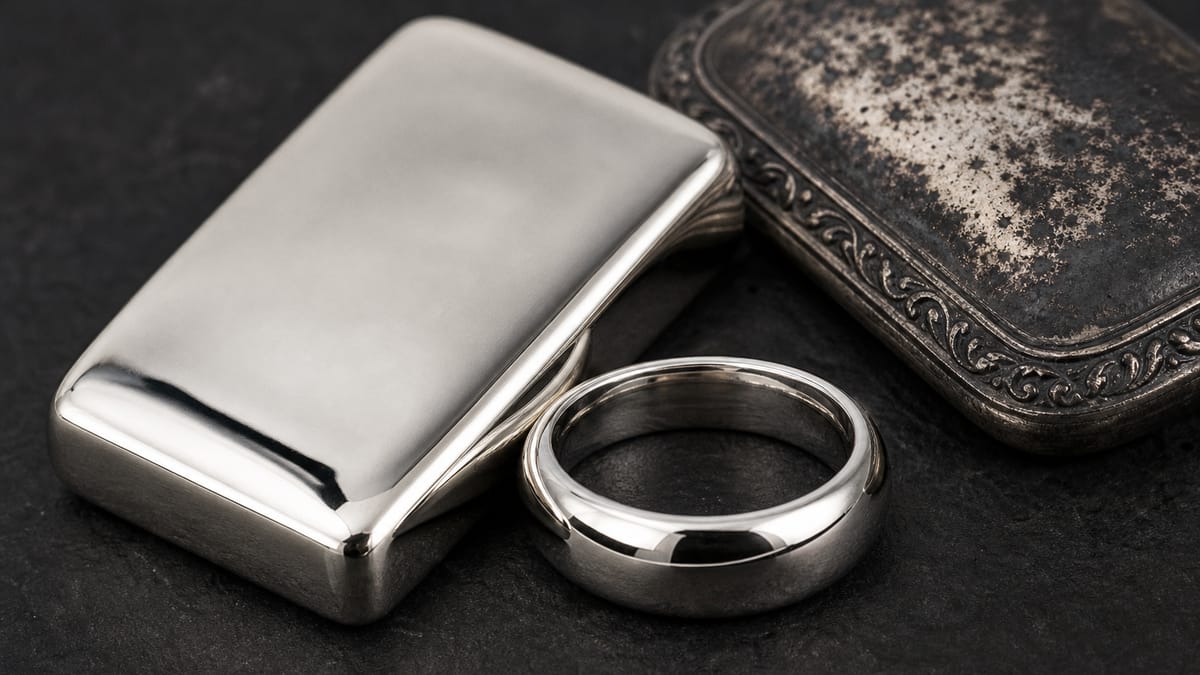
Step 4: Smelting and Refining: The concentrated mineral froth or the dissolved silver solution is then sent to a smelter. Intense heat is used to burn off remaining impurities like sulfur (smelting), leaving behind a semi-pure metal blend. Finally, through processes like electrolysis, the silver is refined to its final investment-grade purity of .999 fine (99.9% pure) silver.
🧭 Insight from PeerMetals: This intense, multi-stage refinement process is what creates the verifiable and trustworthy product that our market depends on. The final stamp on a bar that reads ".999 Fine Silver" is a guarantee that it has successfully completed this arduous journey. Our platform provides the secure and transparent venue where this final, perfected product can be confidently traded.
🧭 Final Thoughts from PeerMetals
The journey of silver from deep within the Earth to an investor's hands is a testament to human ingenuity and a reminder of the asset's intrinsic value. Its complex status as a byproduct metal and its dual identity as both money and an industrial necessity create a uniquely dynamic investment case. At PeerMetals, we are passionate about providing a platform for this remarkable metal. We connect a global community that understands that when you buy silver, you aren't just buying an asset; you are owning the end product of a massive global effort, a piece of earth's crust refined to perfection, ready to serve as a store of wealth for the future.
Ready to own the remarkable final product of this global journey? Explore our marketplace to find a wide selection of .999 fine silver from trusted sellers at PeerMetals today!