The Scientific Basis of Value: Why Some Metals Are Precious

What Makes a Metal "Precious"?
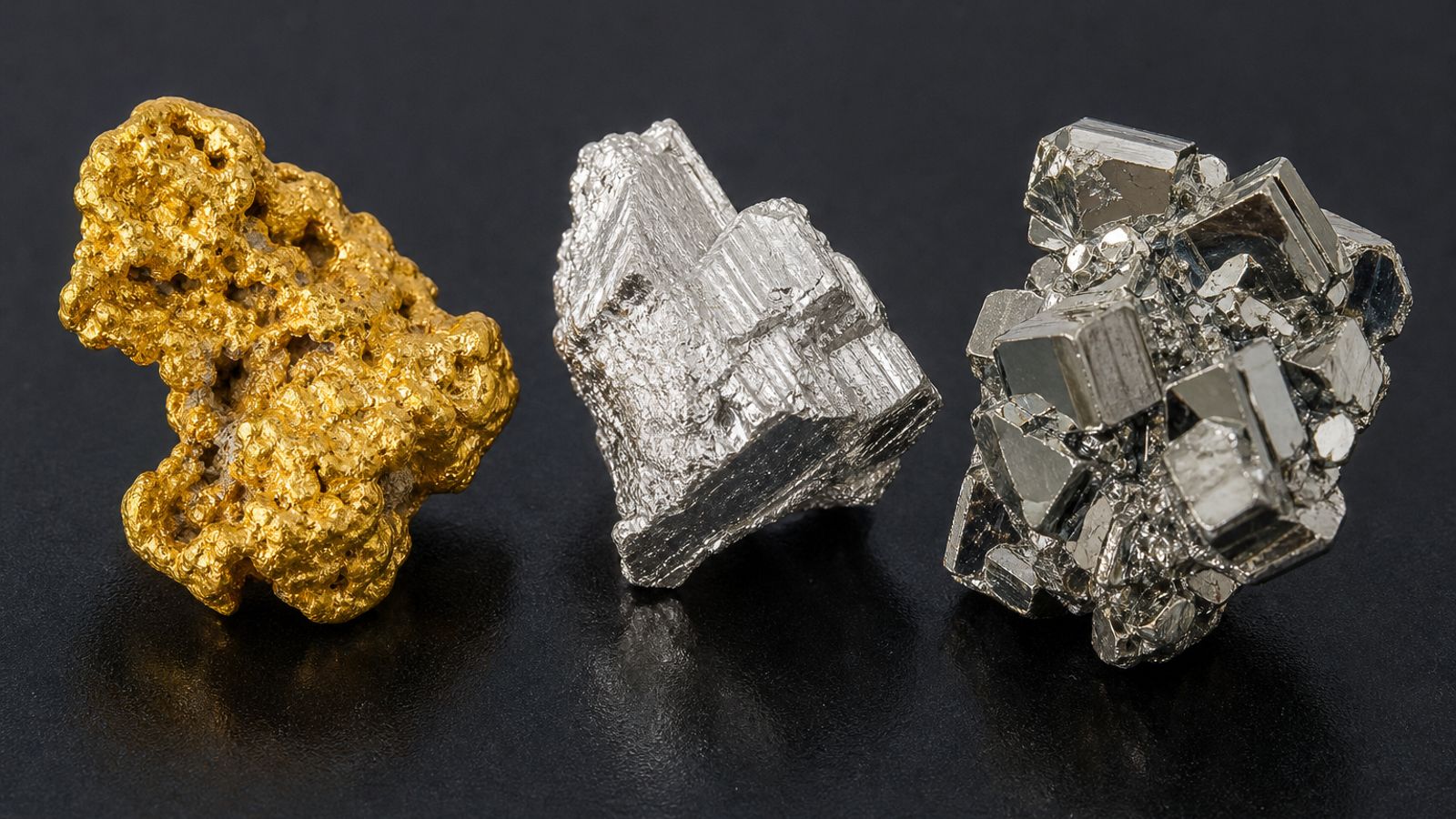
The term "precious metal" isn't just about market value; it's a classification rooted in science. To be considered precious, a metal must be naturally occurring and have significant economic value, which stems from a combination of its rarity and its unique chemical properties. While there are many precious metals, gold, silver, and platinum are the most well-known and widely traded. We have adorned our leaders with them, fought wars over them, and used them as the ultimate measure of wealth. Gold, silver, and platinum hold a special place in our collective psyche. But have you ever stopped to ask why? Why these specific elements and not others? Is their value purely a matter of tradition and market consensus, or is there something deeper at play?
The answer is that the value of precious metals is not an arbitrary human invention. It is a direct consequence of fundamental laws of physics and chemistry, written in the stars and encoded in the very structure of their atoms. Their allure is a beautiful intersection of cosmic rarity, chemical nobility, and physical utility. To understand why gold is valuable is to take a journey to the heart of dying stars and to appreciate the elegant stability of the atomic world.
Cosmic Scarcity: Forged in Stellar Fire, Delivered by Asteroids
The story of every atom of gold on Earth begins not on our planet, but in the most violent and energetic events the universe can offer. When the Big Bang occurred 13.8 billion years ago, it created only the lightest elements: hydrogen, helium, and a trace of lithium. Every other element, including the iron in our blood and the oxygen we breathe, was forged later inside the nuclear furnaces of stars.
Through a process called nuclear fusion, stars fuse lighter elements into heavier ones, releasing immense energy. However, this process has a limit. Fusion can create elements up to iron (atomic number 26), but creating elements heavier than iron consumes energy rather than releasing it. A star cannot afford this. So, how were super-heavy elements like gold (79), platinum (78), and silver (47) created?
The answer lies in cataclysmic cosmic events, primarily the collision of neutron stars. These are the ultra-dense, collapsed cores of massive stars. When two of these stellar remnants spiral into each other and merge, they unleash a tidal wave of neutrons. In a process known as the r-process (rapid neutron capture), atomic nuclei are bombarded with these neutrons so quickly that they swell to enormous sizes before they can decay, forming the heaviest elements in the universe.
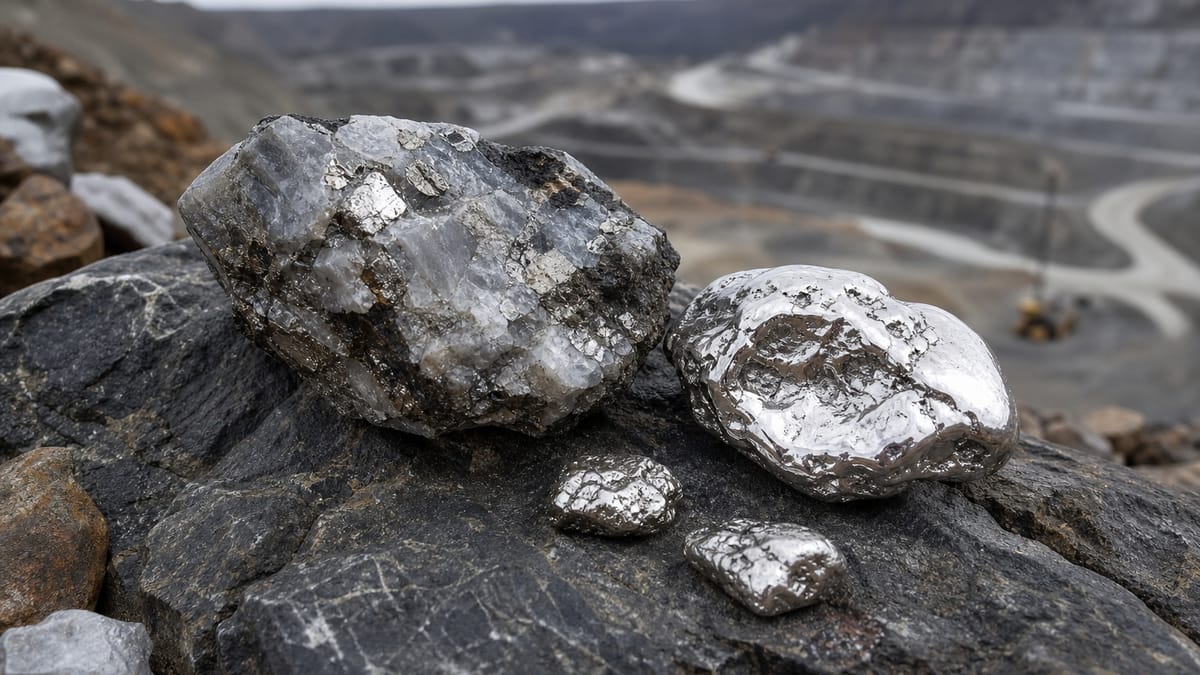
These precious, star-forged metals were then scattered across the cosmos. They became part of the cosmic dust and asteroids that eventually formed our solar system. During Earth's molten infancy, any heavy elements present sank to the planet's core, far beyond our reach. The gold, platinum, and silver we can mine today arrived much later, delivered to the Earth's crust and mantle during a period of intense asteroid bombardment.
This two-step process—creation in a rare cosmic event and delivery via asteroids—ensures that precious metals are, and will always be, incredibly scarce.
🧭 PeerMetals Insight: This cosmic origin story is the ultimate guarantee of rarity. You cannot print more gold. You cannot synthesize it in a lab. The supply is finite and fixed by the laws of astrophysics. This is the scientific bedrock of their role as a store of value and a hedge against inflation. When you hold an ounce of gold, you are holding a tangible asset whose scarcity is not determined by a government or a bank, but by the universe itself.
The Chemistry of Incorruptibility: The Enduring Virtue of Noble Metals
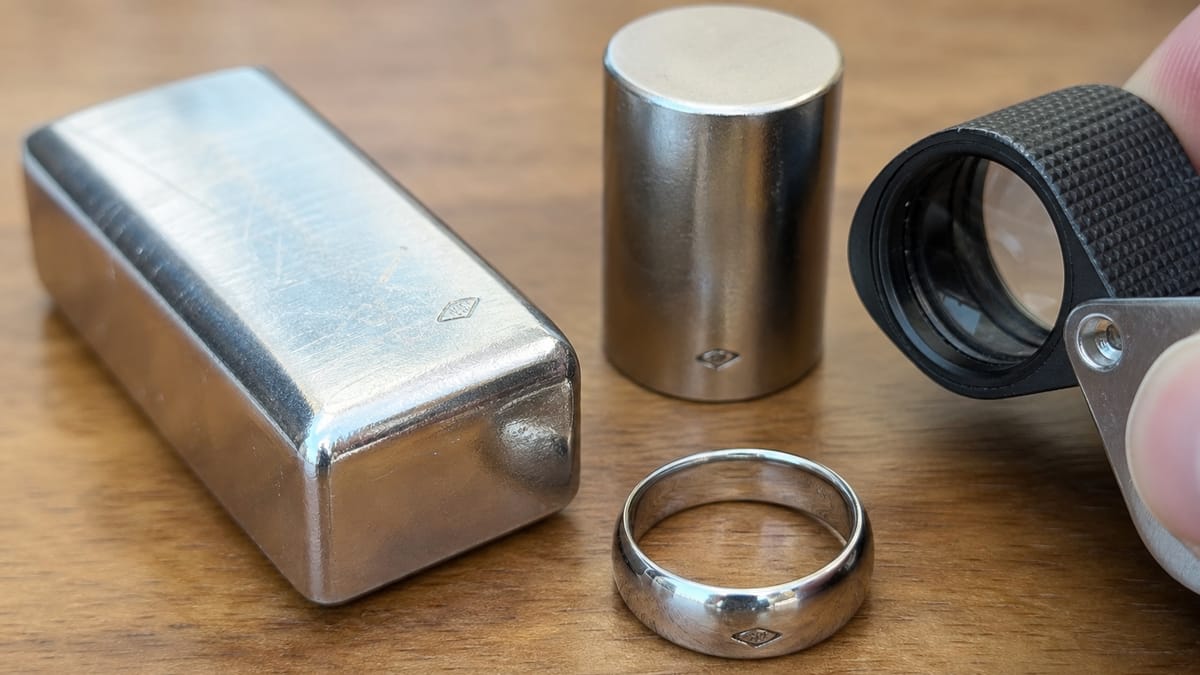
If rarity were the only factor, other elements might be considered precious. The second critical component is their remarkable chemical stability. Gold, platinum, and the other platinum-group metals are known as noble metals. This isn't an honorary title; it's a chemical classification. It means they are highly resistant to corrosion, oxidation, and acid.
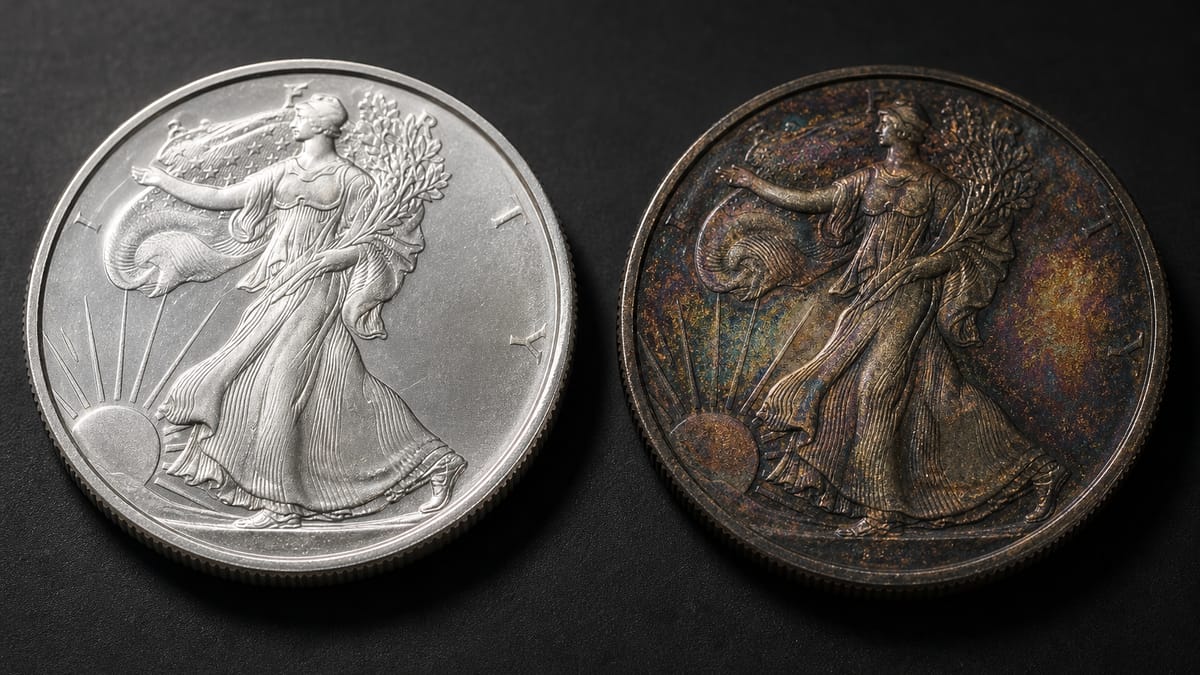
Think of iron, a common and useful metal. When exposed to air and moisture, it rusts—a chemical reaction with oxygen that causes it to degrade and crumble into dust. By contrast, a gold coin recovered from a 400-year-old shipwreck can look as bright and lustrous as the day it was minted.
This incorruptibility is a result of their atomic structure. The electron configurations of precious metals make them chemically "reluctant" to react. Their electrons are held in such a way that they don't easily share them with or lose them to other reactive elements. They are chemically stoic and stable.
This stability has profound practical implications:
-
They don't tarnish or decay, ensuring they remain a permanent store of value.
-
They are non-toxic and hypoallergenic, making them safe to wear against the skin as jewelry.
-
Their purity can be trusted over millennia.
🧭 PeerMetals Insight: Chemical stability is the foundation of financial trust. A currency that can rot or decay is worthless. For thousands of years, civilizations have trusted gold and silver precisely because they last. This physical integrity is a direct metaphor for their financial integrity. It is a tangible promise of permanence, assuring the owner that their asset will not degrade over time. This is a level of security that digital assets or paper currencies simply cannot replicate.
The Physics of "Preciousness": Tangible Value and Utility
Beyond cosmic rarity and chemical stability, a final set of physical properties solidified their role as the ultimate form of money and adornment.
-
Density: Precious metals are exceptionally dense. Gold has a density of 19.3 g/cm³, and platinum an even higher 21.45 g/cm³. This gives them a satisfying and substantial "heft." This physical sensation contributes powerfully to the psychological perception of value. It also means that a large amount of value can be stored in a small, portable object, which was essential for trade.
-
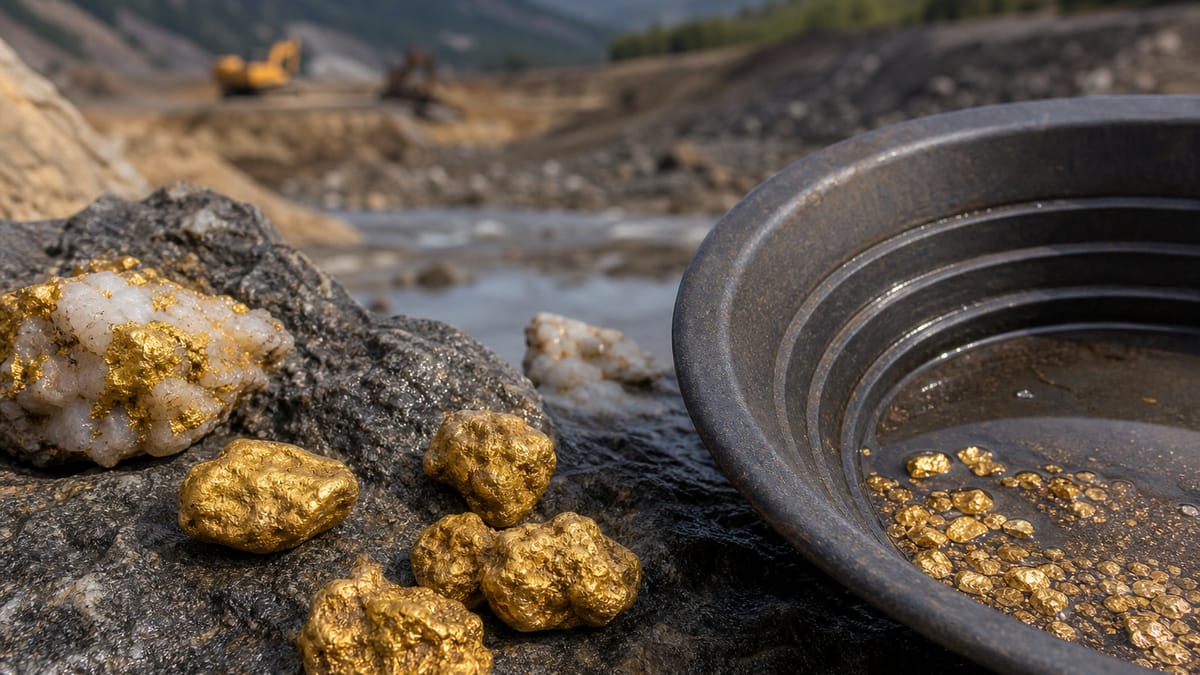
Malleability and Ductility: Precious metals are uniquely workable. Gold is the most malleable of all metals; a single ounce can be beaten into a translucent sheet 100 square feet in area. This workability allowed ancient peoples to easily shape them into coins, bars, and intricate jewelry. A metal that was brittle or required extreme temperatures to shape would never have been adopted as currency. This allowed rulers to stamp their image and authority onto coins, creating the world's first form of mass media and a guarantee of weight and purity.
A Comparative Look at Elemental Properties
| Metal | Symbol | Atomic Number | Density (g/cm³) | Key Characteristic & Value Proposition |
| Gold | Au | 79 | 19.3 | Extremely malleable, incorruptible, the historic monetary standard. |
| Silver | Ag | 47 | 10.5 | Most conductive, historically monetary, now also a key industrial metal. |
| Platinum | Pt | 78 | 21.45 | Extremely dense, high-melting-point, rare, vital for catalytic conversion. |
| Iron | Fe | 26 | 7.87 | Abundant, strong, but corrodes easily (rusts). |
| Aluminum | Al | 13 | 2.70 | Lightweight, reactive, and extremely abundant in the Earth's crust. |
🧭 PeerMetals Insight: These physical properties were not just convenient; they were essential for a functioning monetary system. The high density of gold made it difficult to counterfeit—a fake of the same size made from a base metal would feel suspiciously light. Its malleability allowed for the creation of uniform coins, which streamlined commerce and built trust in the currency. The physical nature of precious metals is inseparable from their historic financial role.
Conclusion: An Asset Forged by the Universe, Trusted by Humanity
The value of precious metals is not a myth, a bubble, or a mere social convention. It is a deeply logical outcome of their fundamental scientific properties. They are valuable because they are cosmically rare, chemically stable, and physically suited for the role. No other elements combine these three qualities so perfectly.
They are a tangible link to the most powerful forces in the universe, a testament to the elegant laws of chemistry, and a cornerstone of human economic history. They are, in essence, the ultimate store of value, their integrity guaranteed not by a government decree, but by science itself.
Ready to invest in assets with a value proven by the laws of science? Explore the PeerMetals marketplace and discover the timeless security of gold, silver, and platinum.