The Global Hunt for Platinum: Where is it Mined?

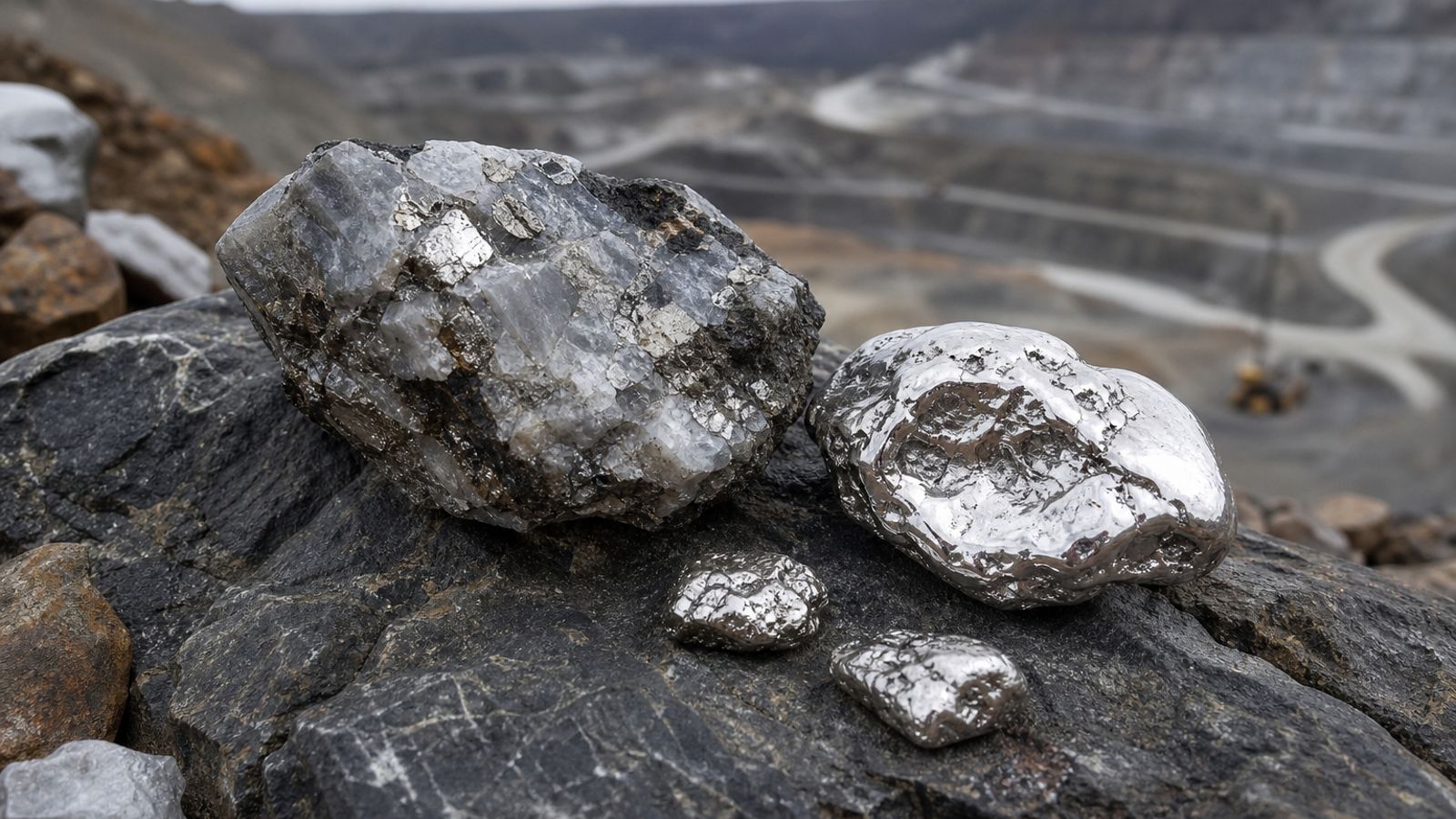
Platinum is a metal of superlatives. It is denser, rarer, and, at times, more valuable than gold. Its silvery-white luster has captivated jewelers, while its extraordinary catalytic properties have made it indispensable to modern industry. But where does this remarkable metal come from? The answer lies in a handful of specific, geologically unique locations scattered across the globe.
Unlike gold, which is mined on every continent except Antarctica, the world’s platinum supply is dramatically concentrated. This geographic scarcity is a fundamental driver of its value, its volatility, and its strategic importance. Understanding where platinum is mined is not just a lesson in geology; it's a deep dive into the forces of global economics, industrial demand, and geopolitics. Join us on a journey to the heart of the world's most significant platinum deposits.
The Bushveld Complex, South Africa: The Unrivaled Epicenter
When we talk about platinum, we are, for all intents and purposes, talking about South Africa. The nation single-handedly accounts for approximately 75% of the world's annual platinum production. This incredible dominance is thanks to a geological marvel known as the Bushveld Igneous Complex.
Located in the northern part of the country, the Bushveld Complex is a massive, saucer-shaped layered intrusion of igneous rock that was formed over two billion years ago. It is the world's largest layered intrusion and contains the richest known deposits of Platinum Group Metals (PGMs), which include platinum, palladium, rhodium, ruthenium, iridium, and osmium. Within this complex, three specific layers, or "reefs," are targeted by miners:
-
The Merensky Reef: Historically the most important source of PGMs.
-
The UG2 Reef: Richer in chromitite and now a primary source of PGMs.
-
The Platreef: A thick, mineral-rich layer on the northern limb of the complex.
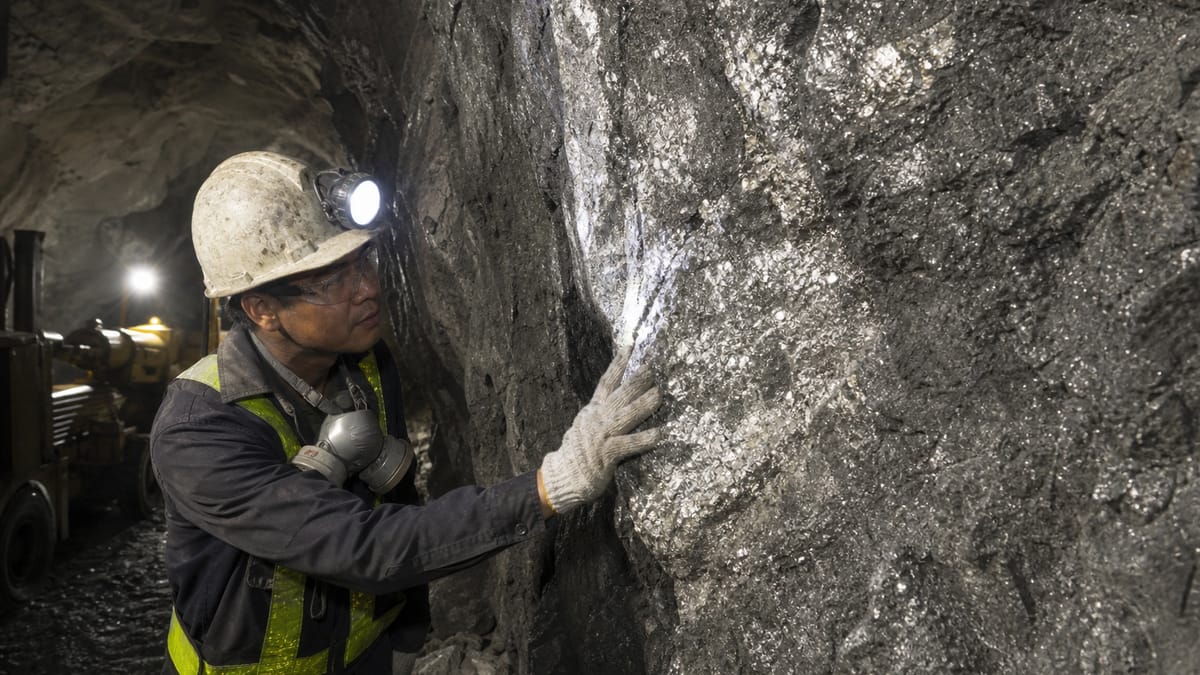
Mining in the Bushveld Complex is a monumental undertaking. It primarily involves deep underground mining, with shafts reaching depths of over a mile. The labor-intensive and capital-intensive nature of these operations, combined with South Africa's unique socio-economic landscape, makes the supply chain highly sensitive to disruptions, from labor strikes to energy shortages.
🧭 PeerMetals Insight: The overwhelming concentration of platinum in South Africa is a double-edged sword for investors. On one hand, it creates a high barrier to entry that protects against a sudden flood of new supply. On the other, it makes the market acutely vulnerable to country-specific risks. Any news—political, economic, or social—coming out of South Africa can have an immediate and outsized impact on global platinum prices. This is why seasoned platinum investors pay as much attention to headlines from Johannesburg as they do to industrial demand reports.
Russia's Northern Platinum: A Byproduct of Industrial Might
A distant but firm second in global platinum production is the Russian Federation, contributing around 10-15% of the world's supply. Russian platinum is fundamentally different from South Africa's in one key respect: it is primarily extracted as a byproduct of mining for other metals, particularly nickel and palladium.
The main source of Russian platinum is the Norilsk mining region in Siberia, one of the most remote and inhospitable industrial areas on the planet. The massive nickel-copper-palladium deposits of Norilsk are operated by the Russian mining giant Nornickel. Here, platinum is one of several valuable metals recovered from the sulfide ores, making its production economics intrinsically tied to the market prices of nickel and palladium.
This co-production model means that Russia's output of platinum is less responsive to platinum-specific demand signals. Even if platinum prices fall, mining operations will likely continue as long as the primary metals remain profitable.
🧭 PeerMetals Insight: For investors, Russia's role as a byproduct producer adds another layer of complexity to the supply equation. It means a significant portion of the world's platinum isn't mined based on its own merits, but on the demand for other industrial metals. Furthermore, as a major global power, Russia's geopolitical actions can have profound implications. Sanctions or trade disruptions related to Russia can instantly tighten the platinum market, leading to significant price volatility.
North America and Other Notable Deposits
While South Africa and Russia dominate the landscape, other countries make smaller but still important contributions to the global platinum supply.
-
Zimbabwe: Holding the world's third-largest PGM reserves after South Africa and Russia, Zimbabwe is a key player. Its Great Dyke geological formation is similar in nature to the Bushveld Complex. Production here is significant, but it faces substantial challenges, including political instability and a difficult investment climate.
-
North America (Canada and the United States): Both countries have notable platinum mining operations.
-
In Canada, the primary source is the Sudbury Basin in Ontario, another region where platinum is a byproduct of nickel mining.
-
In the United States, the Stillwater Complex in Montana is the primary source and one of the few mines in the world where PGMs are the primary target of mining, not a byproduct.
-
Global Platinum Production Snapshot
| Country | Annual Production (Approx. 2023) | Primary Mining Region(s) | Key Characteristics |
| South Africa | 140,000 kilograms | Bushveld Igneous Complex | Primary product, deep underground mining |
| Russia | 20,000 kilograms | Norilsk, Siberia | Byproduct of nickel & palladium mining |
| Zimbabwe | 12,000 kilograms | Great Dyke | Primary product, faces investment challenges |
| Canada | 7,000 kilograms | Sudbury Basin, Ontario | Byproduct of nickel mining |
| United States | 3,000 kilograms | Stillwater Complex, Montana | Primary product mining |
For up-to-date and detailed production charts, a reliable source is the annual Mineral Commodity Summaries published by the U.S. Geological Survey (USGS).
🧭 PeerMetals Insight: The contributions from countries like the U.S. and Canada, while small, are strategically important. They represent a source of platinum supply that exists outside of the more volatile geopolitical regions of South Africa and Russia. For investors concerned with supply chain stability, bullion sourced from these North American operations can offer an added layer of security and diversification.
Conclusion: An Investment in Rarity and Risk
The global map of platinum mining is a story of extreme concentration. With the vast majority of the world's supply locked away in the geology of a single nation, platinum will always be an asset defined by supply-side vulnerability. This makes it fundamentally different from gold, whose production is spread widely across the globe.
For investors, this means platinum offers a unique proposition. It is an investment in a metal that is essential to both luxury and green industries, yet its supply chain is fraught with potential disruption. This combination creates a market characterized by higher volatility but also presents the potential for significant returns for those who understand the intricate relationship between geology, geopolitics, and industrial demand.
Ready to diversify your portfolio with one of the world's rarest and most strategic metals? Explore the PeerMetals marketplace for a secure and transparent way to buy and sell platinum from trusted sources today!